Caught Between Washington’s Pressure and Escalation Fears: Why Pakistan Is Mediating Between the U.S. and Iran
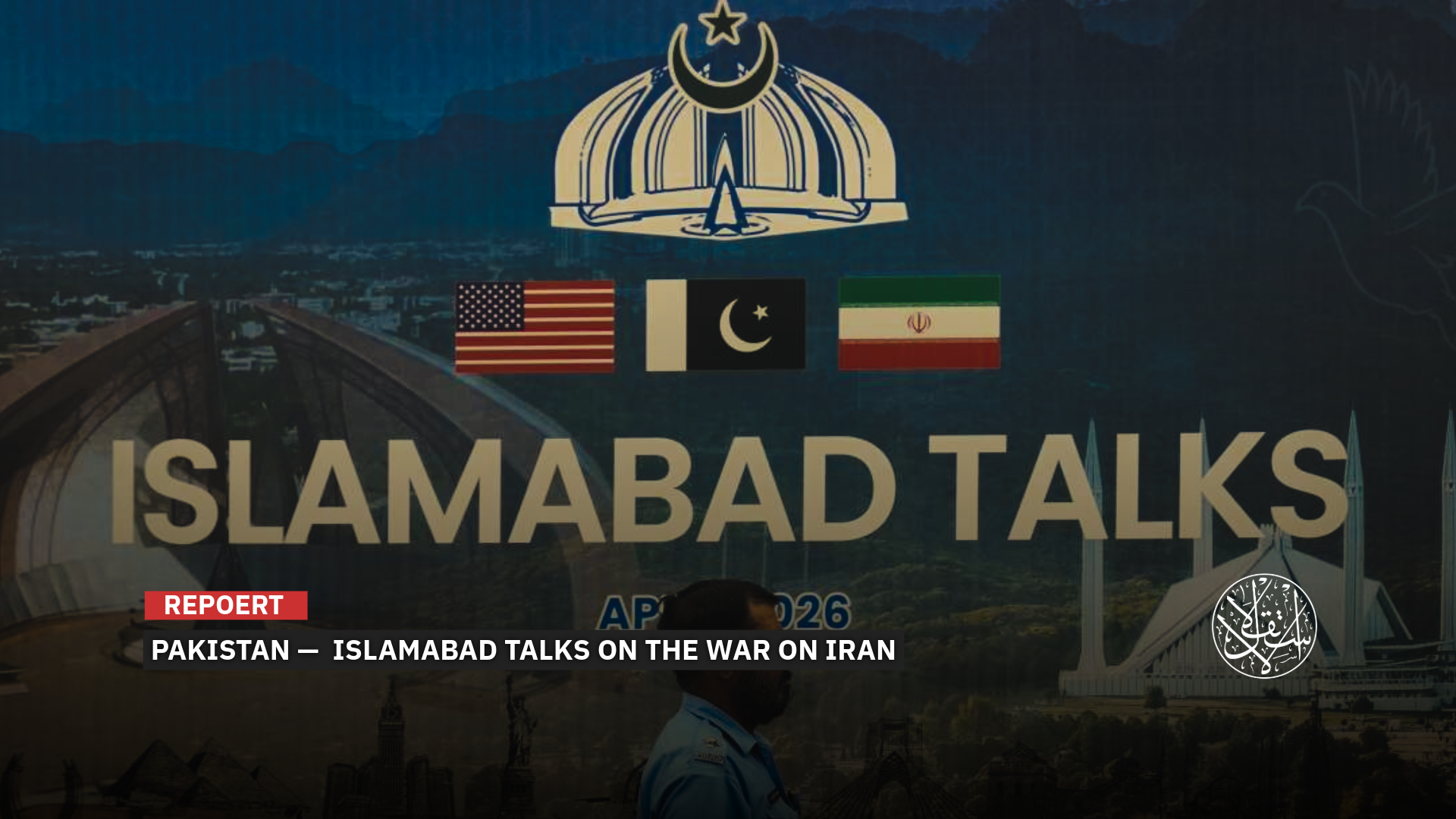
Pakistan is trying to arrange a second round of talks between Tehran and Washington.
As Pakistan presses ahead with an all-out diplomatic push to broker a lasting deal between the United States and Iran—one that could finally bring the war to a close—its sudden urgency to act as a go-between is raising pointed questions. Chief among them: whether Islamabad’s mediation drive is less about global peacemaking and more about a deep-seated fear of being pulled into the conflict should it flare up again.
Islamabad managed to secure a fragile 15-day ceasefire between Washington and Tehran, which took effect on April 8, 2026, on the condition that both sides commit to talks hosted on Pakistani soil. But the first round of negotiations, held just three days later, collapsed without a breakthrough, casting doubt over Pakistan’s ability to steer the two adversaries toward a comprehensive agreement.
All-Out Push
Despite the lack of progress in the opening round of talks between Tehran and Washington, Pakistan is pressing on with an intensive diplomatic campaign, laying the groundwork for a second attempt at negotiations.
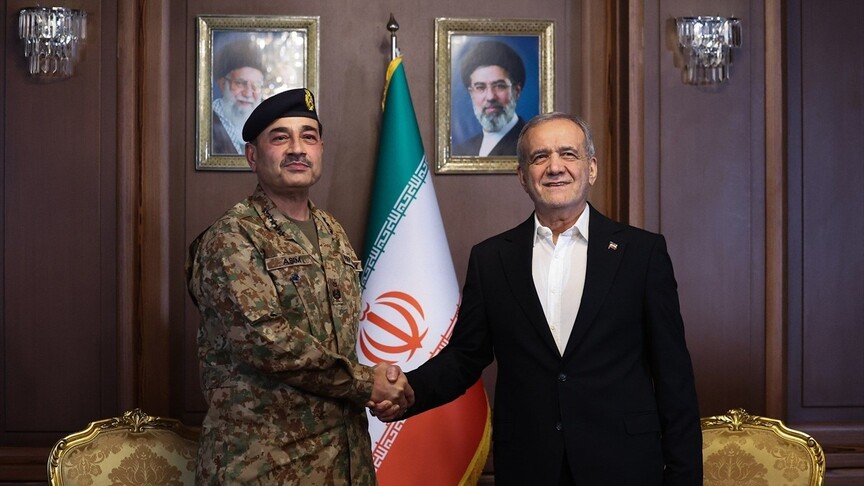
As part of that push, Pakistan’s first chief of defence forces, Asim Munir, traveled to Iran on a four-day visit beginning April 15, where he held meetings with senior Iranian officials. According to a statement issued by the Pakistani military on April 18, the discussions centered on achieving sustainable peace in the region, with a particular emphasis on ongoing diplomatic efforts and coordinated steps to reinforce long-term stability.
Munir, who has taken a leading role in Islamabad’s mediation efforts, stressed the importance of dialogue, de-escalation, and resolving outstanding issues through sustained diplomatic engagement. His visit underscored Pakistan’s “steadfast commitment” to facilitating a negotiated settlement to the Middle East conflict and advancing broader regional stability and prosperity.
For now, however, a second round of talks remains uncertain. Pakistan’s foreign ministry has said no date has been set, though nuclear issues were among the key topics discussed in earlier meetings.
Prime Minister Shehbaz Sharif insists that full efforts are underway to resolve the crisis, acknowledging that major sticking points remain under active discussion. In a post on X on April 19, Sharif said he had spoken with Iran’s president, Masoud Pezeshkian, to discuss the regional crisis and briefed him on his recent talks with leaders in Saudi Arabia, Qatar, and Turkiye.
“I appreciated Iran’s engagement, including its high-level delegation to Islamabad for the historic talks, and recent discussions with Field Marshal Syed Asim Munir in Tehran,” Sharif wrote.
He reiterated that Pakistan remains firmly committed to its role in supporting peace and stability across the region.
The Islamic Republic of Iran Broadcasting (IRIB) reported that President Masoud Pezeshkian, during the call, accused the United States of continuing to violate its commitments, citing its “arrogant and unreasonable behavior” during both the negotiations and the ceasefire.
Pezeshkian said Washington’s ongoing “provocative and unlawful” measures, including the naval blockade on Iran, amount to a clear breach of the truce and run counter to the United Nations Charter.
He added that such measures, along with threats from U.S. officials, have only deepened doubts about Washington’s seriousness, reinforcing the reality that it is reverting to familiar patterns and undermining diplomacy.
Washington’s Direction
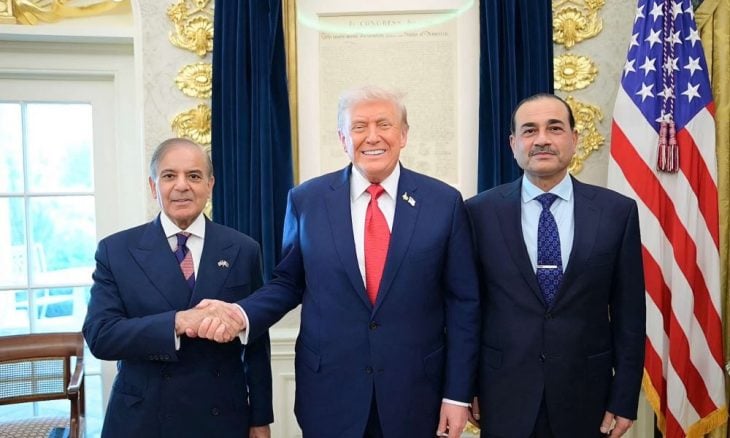
Opinions remain sharply divided over what is really driving Pakistan’s determined push to defuse tensions between the United States and Iran. Some analysts argue that Islamabad is acting out of self-preservation, wary of being dragged into a wider conflict—particularly given its defense ties with Saudi Arabia. Others dismiss that line entirely, pointing instead to a more direct nudge from Washington.
Imad al-Jubouri, a Middle East researcher, told Al-Estiklal that Pakistan’s role in facilitating talks “has nothing to do with its defense agreement with Saudi Arabia,” arguing instead that the move came “at the urging of the American side.”
Pakistan, he said, does not activate its defense arrangements without a clear request from Riyadh—something that has not materialized, despite the kingdom coming under damaging Iranian attacks during the forty-day war. “Saudi Arabia has not asked for Pakistani involvement,” he added, “largely because it has not reached a point where its survival as a state is under direct external threat.”
Al-Jubouri also pointed to Tehran’s own calculus in choosing mediators. Iran, he argued, tends to favor intermediaries that align—at least in part—with its ideological outlook. That, in his view, helps explain why it is more comfortable with countries like Oman or Pakistan stepping into the role while showing less enthusiasm for mediation led by Sunni-majority regional powers such as Turkiye.
The reluctance to accept Egyptian or Qatari mediation, he suggested, reflects a similar dynamic. “Iran is not driven by politics and diplomacy alone,” al-Jubouri said. “Sectarian considerations remain dominant across different circumstances.”
He cited the Iran-Iraq war as an example, noting that Tehran chose to negotiate with a delegation of Shiite figures from Najaf, despite Iraq at the time being governed by a secular Ba’athist regime that included both Sunni and Shiite leadership.
That same pattern may still be shaping Iran’s approach today. In early February 2026, Tehran requested changes to both the venue and format of its anticipated talks with Washington, according to Axios, citing unnamed sources. Iran reportedly pushed to move the negotiations from Istanbul to Oman, while also favoring a bilateral format with the United States, rather than a broader, multilateral setup that would include Arab and Islamic states as observers.
Real Fears
Elsewhere, Marwan Kabalan, the director of political studies at the Arab Center for Research and Policy Studies (ACRPS), offers a more hard-edged reading of Pakistan’s motives, one rooted less in diplomacy and more in anxiety.
In an interview on April 18, Kabalan said Pakistan appears convinced that its army chief, Asim Munir, was not merely paying a routine visit during his three days in Tehran but actively shuttling between Iranians and Americans, attempting to bridge gaps and defuse tensions in real time.
That, Kabalan argued, points to a clear Pakistani determination to push this track forward, driven by a calculation that the country could find itself pulled into the war if negotiations collapse once again. Any renewed escalation, he warned, particularly if Donald Trump opts for a more confrontational course, could quickly spiral beyond control.
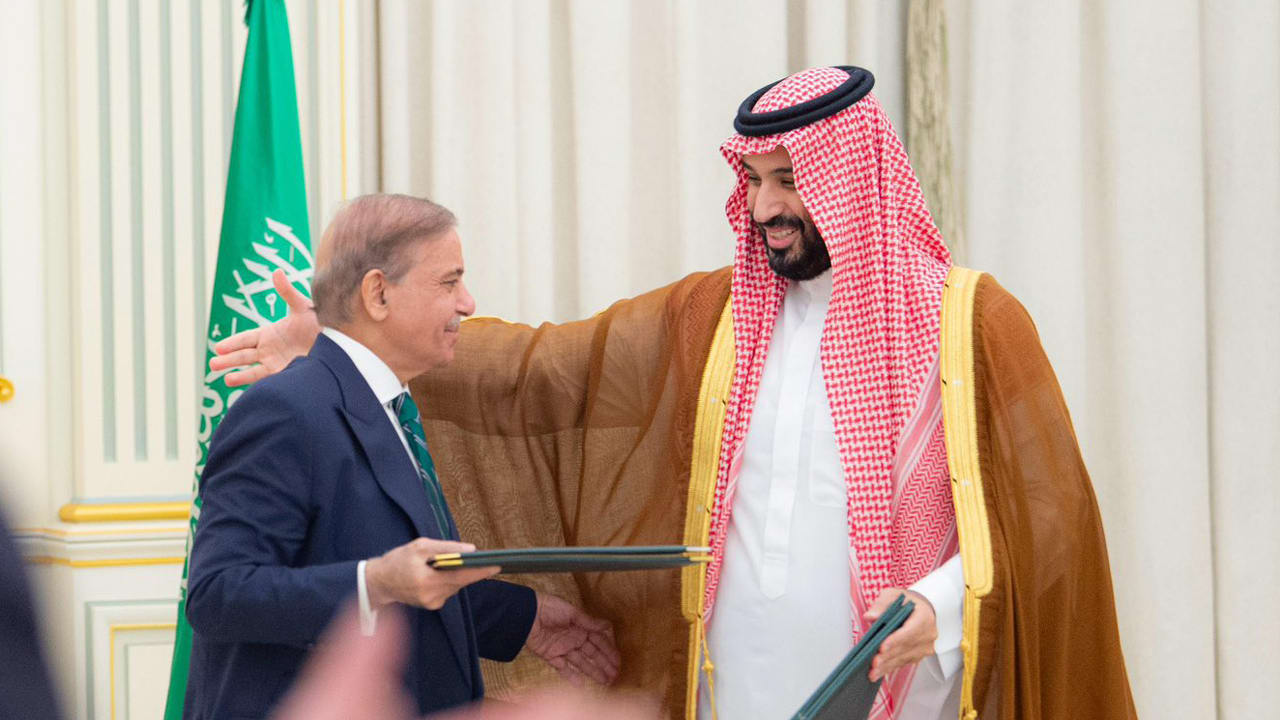
The risks, as he laid them out, are not hypothetical. Iran has already signaled that if its energy infrastructure is targeted, it would retaliate by striking energy facilities across the Gulf. Such a scenario could draw Gulf states—led by Saudi Arabia—into open war, triggering Pakistan’s own defense commitments and potentially forcing its hand.
Kabalan said the Pakistani army chief delivered a stark message to Tehran: if the talks collapse, Pakistan may no longer be able to stand on the sidelines, risking a slide from mediator to combatant—a scenario it is keen to avoid. That, he argued, is precisely why securing a deal is in everyone’s interest, from Islamabad and Tehran to the wider world.
The dilemma runs deeper still. Pakistan, he noted, is trying to keep the war at arm’s length while navigating a precarious balancing act: the prospect of confrontation with a neighboring Iran on one side and binding security ties with Saudi Arabia on the other. Layered onto that is Pakistan’s own internal complexity, with a significant Shiite minority that adds another dimension to the crisis.
Kabalan concluded with a stark reminder: Pakistan has seen unrest before, particularly along its border with Iran. That history, he suggested, only heightens the stakes and helps explain why Islamabad is so intent on preventing the current crisis from tipping into something far more dangerous.
Along the same lines, Responsible Statecraft notes that Pakistan has recently found itself in the spotlight for unusual reasons, buoyed by a growing sense of domestic satisfaction as it attempts to recast its image from a country long associated with instability and militancy into a credible broker of peace.
In a report published on April 17, the outlet argues that Pakistan’s emergence as host of the talks reflects a convergence of factors. Iran, it suggests, views Islamabad as a relatively trustworthy interlocutor—a neighboring state that sits outside the immediate orbit of Western pressure. At the same time, Oman, once a favored mediation venue, appears to have slipped from contention following a series of Iranian attacks.
The report also points to a decisive role played by China, which backed the Pakistani option, leveraging its close ties with both Islamabad and Tehran. That support, combined with the strong personal ties between Donald Trump and Pakistan’s army chief Asim Munir, helped tip the balance in Pakistan’s favor as the venue for high-stakes negotiations.
Sources
- Pakistan’s Army Chief Leaves Tehran, Vows to Support a Negotiated Settlement With Washington [Arabic]
- Strait of Hormuz is open, but economic pain is just beginning
- If War With Iran Resumes, Would Pakistan Step In to Defend Saudi Arabia? [Arabic]
- Pakistan–Iran Call as Security Teams Arrive in Islamabad Ahead of U.S. Negotiating Delegation [Arabic]