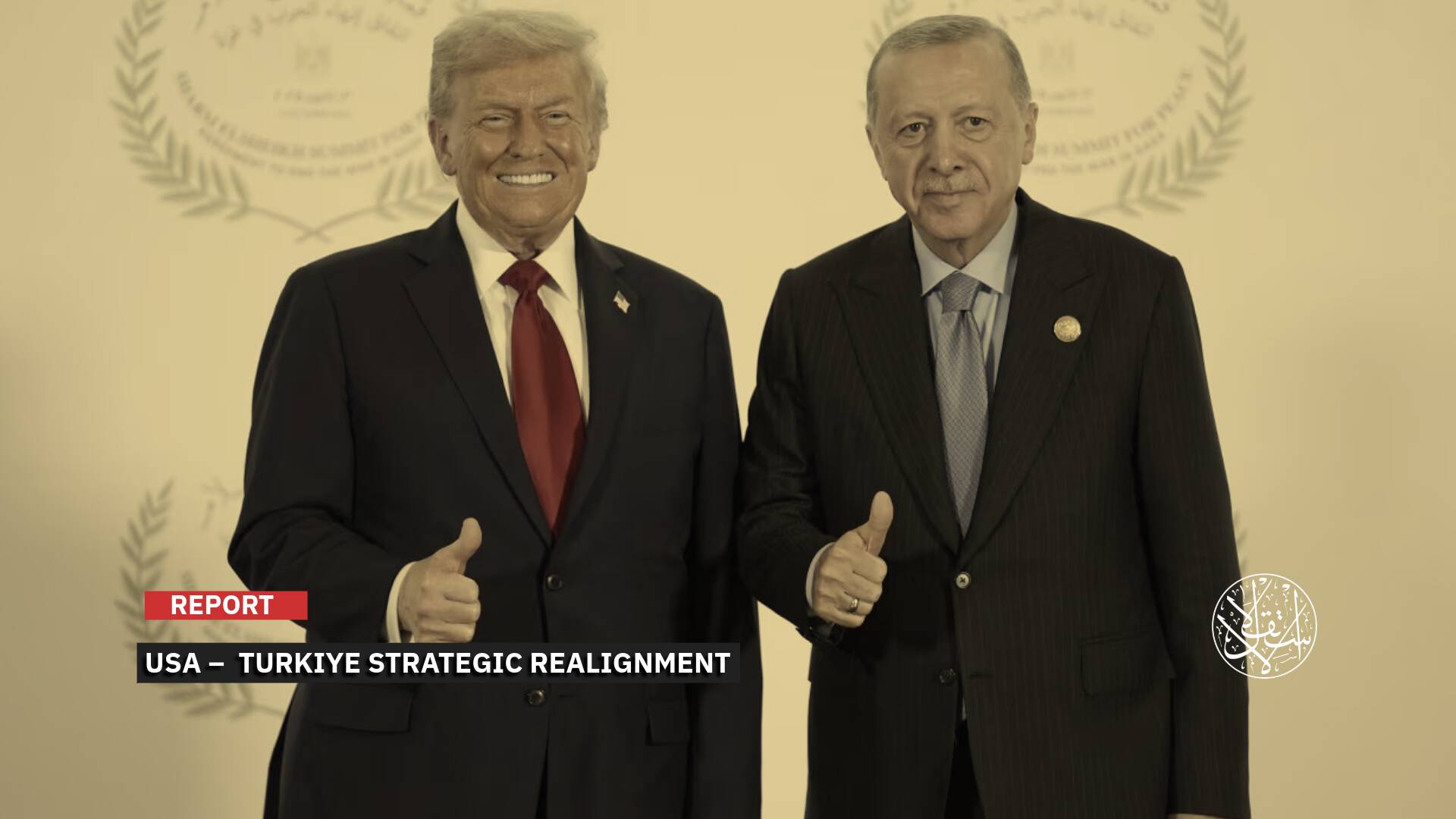
Due to the War on Iran: This Is How Trump’s Relationship With European Countries Deteriorated
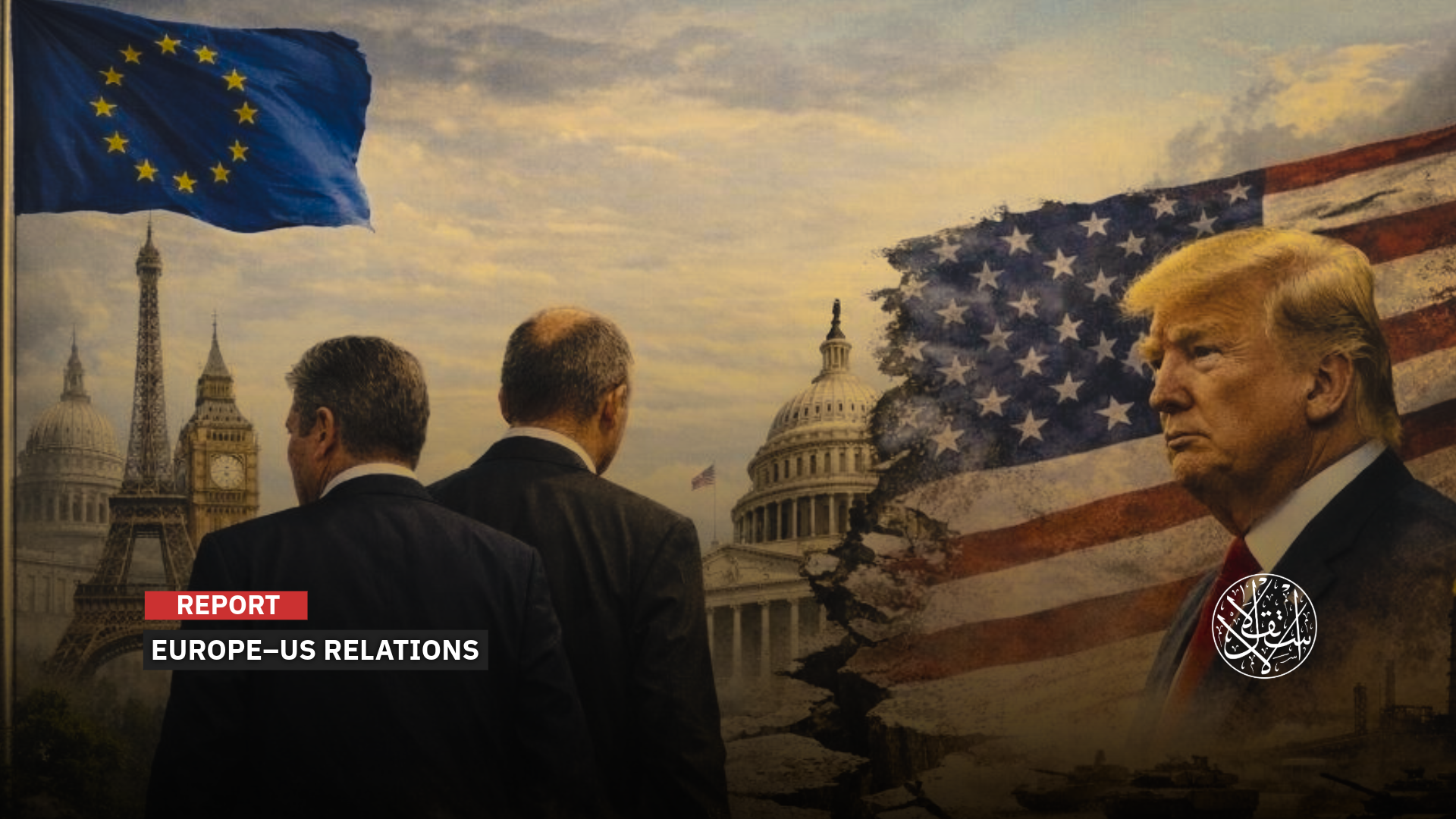
“The U.S. has gone to war with Iran without consulting Europe.”
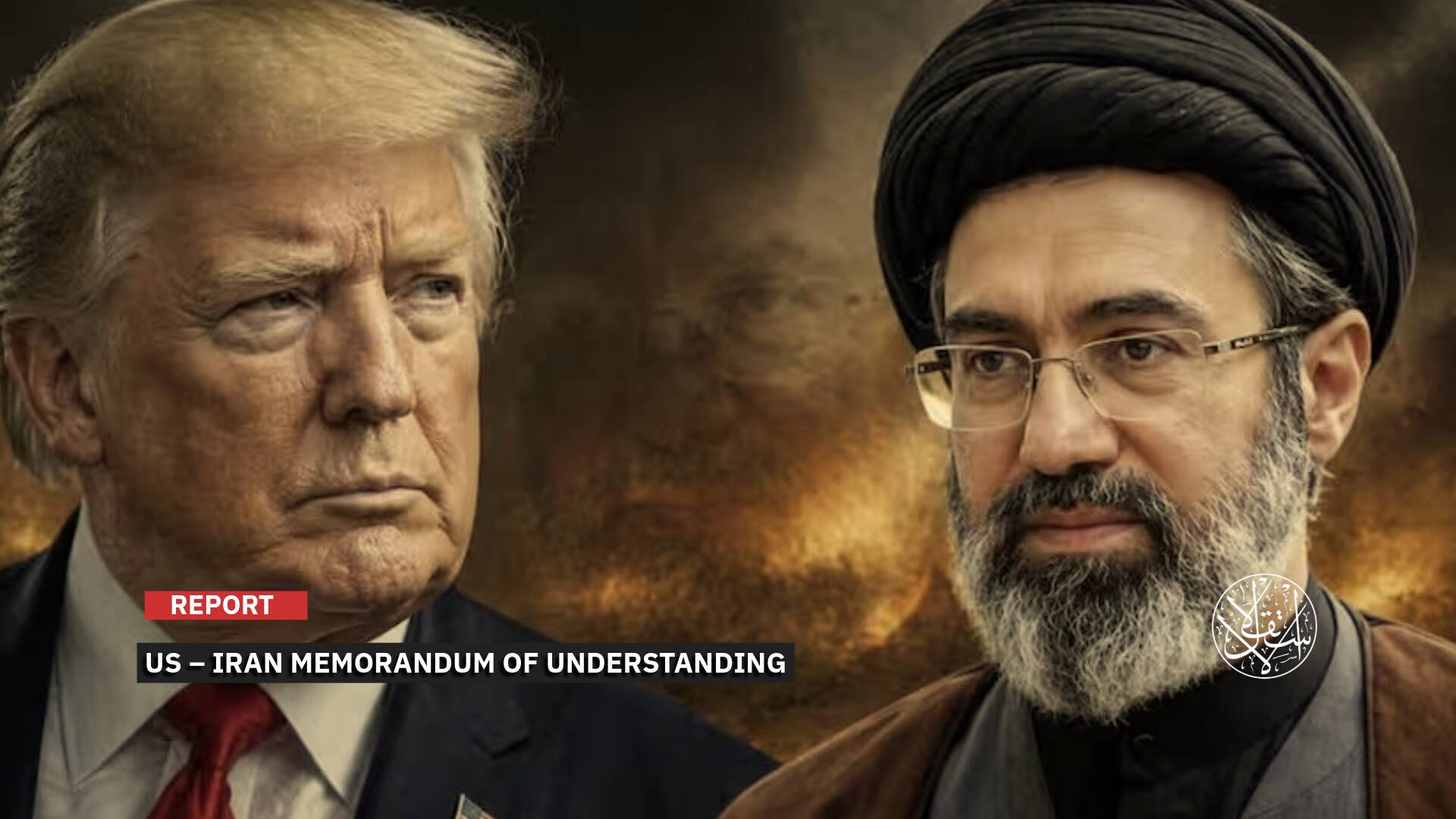
The United States is 48 days into its war on Iran and has received no support - military or diplomatic – from its European allies at that time, underscoring Donald Trump's irritation with NATO.
In recent days, Trump threatened to withdraw from NATO because of the allies’ refusal to support his campaign against Iran, describing European allies as cowards and NATO as a paper tiger.
For his part, NATO Secretary General Mark Rutte said he understood Trump’s frustration with the alliance, but that the vast majority of European countries supported Washington’s war efforts in Iran.
Spanish Prime Minister Pedro Sanchez began mobilizing European support against the United States, while Italian Prime Minister Giorgia Meloni spearheaded an an anti-U.S. trend
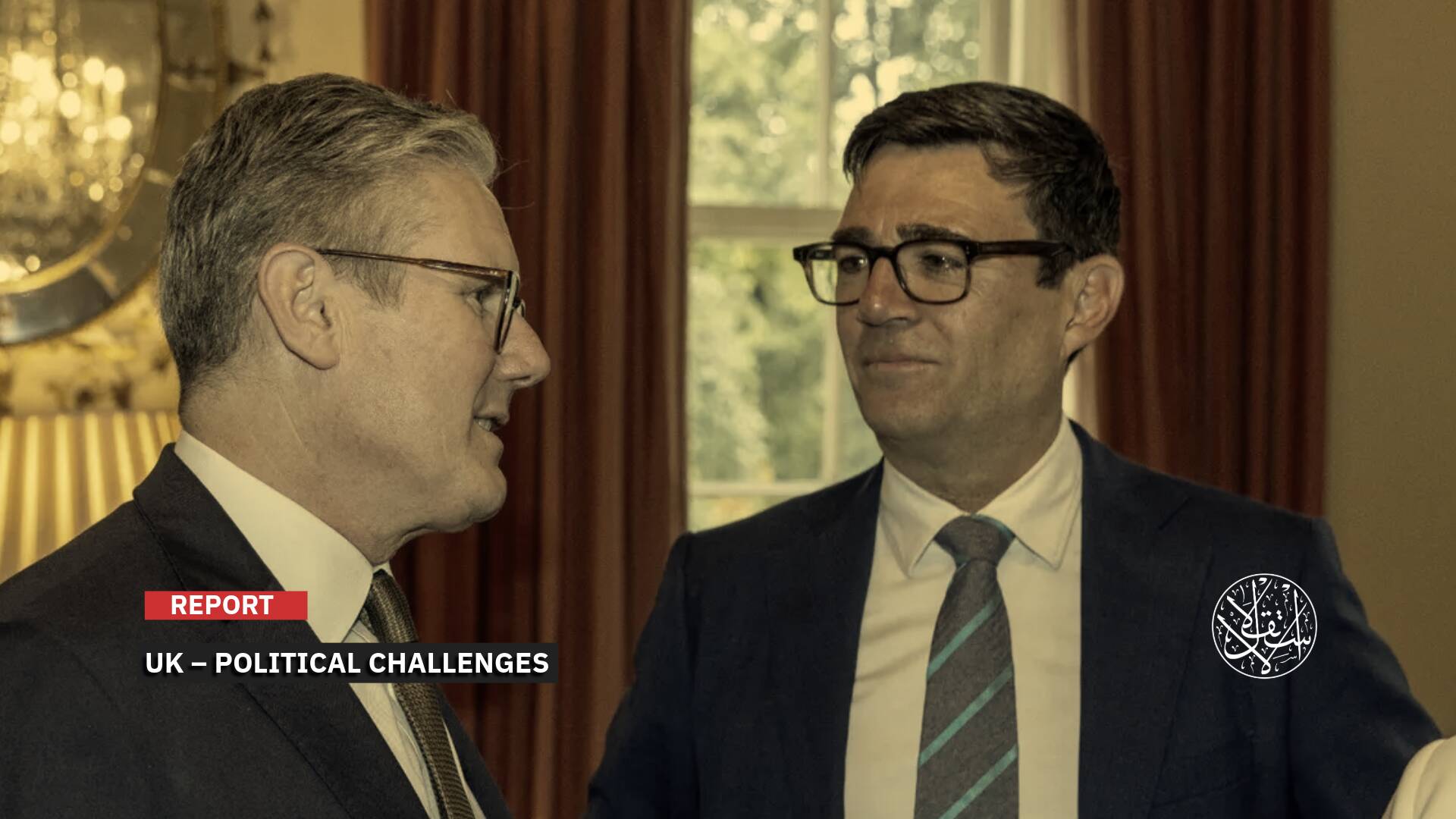
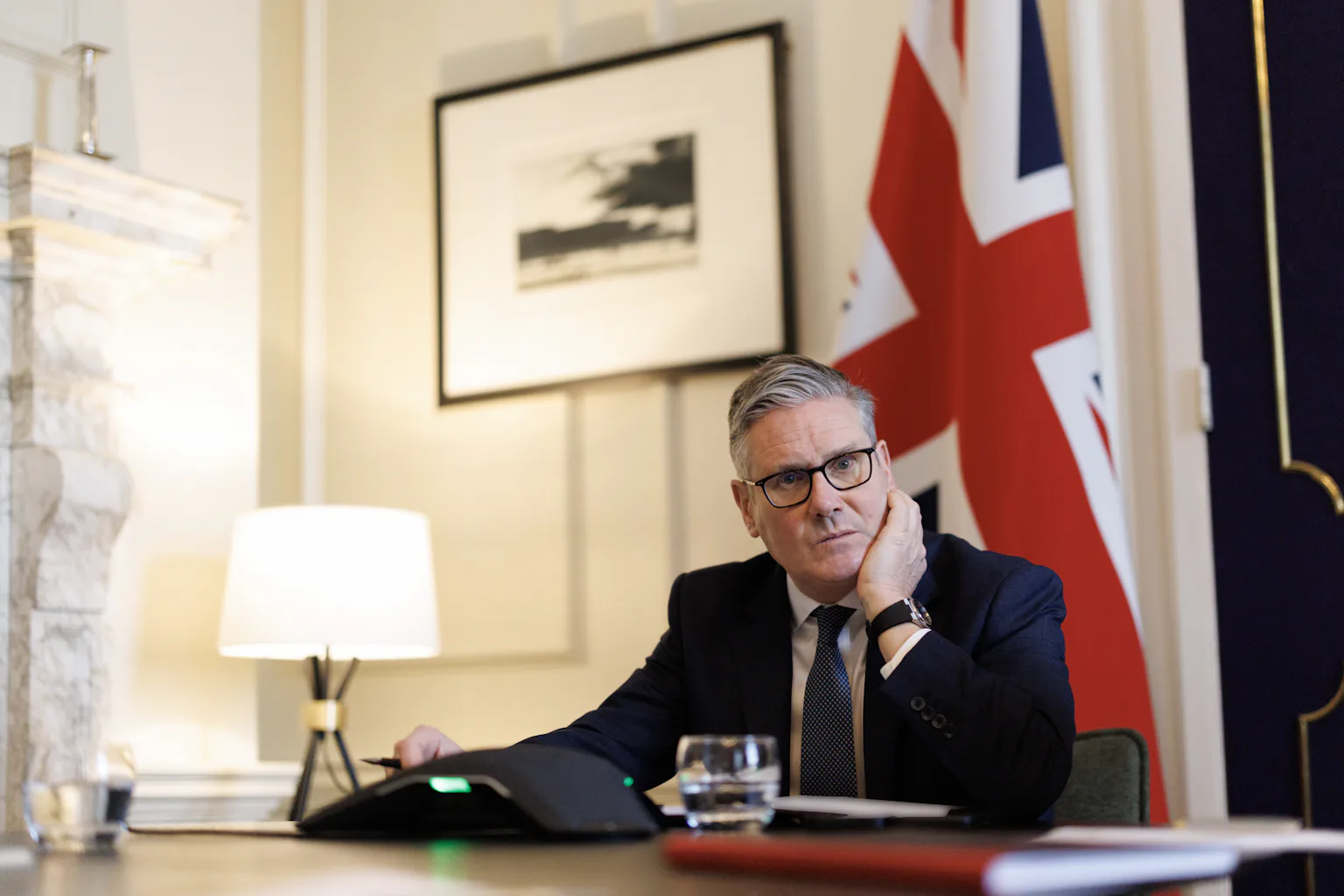
In response to a journalist's question about his relationship with Trump, after refusing to join the United States in a war with Iran, British Prime Minister Keir Starmer said he acted as expected of a British prime minister, focusing on what served his country's national interest.
The U.S.-Europe clash over the war in Iran is the second major crisis in the transatlantic relationship this year. Only three months ago, Trump threatened to take Greenland. European governments initially offered far-reaching concessions. But accommodation did not succeed in getting the president to moderate his claims.
American Threats
With the ceasefire agreement between the United States and Iran in place, the Strait of Hormuz crisis continues to cast a shadow over the global landscape, given Europe's firm refusal to impose any transit fees on the strait, through which approximately one-fifth of the world's oil and liquefied natural gas supplies pass.
Despite the declared truce, the Strait of Hormuz remains almost completely closed, prompting many countries to scramble to find a way out.
Britain is leading a coalition of some 40 countries to develop a military and diplomatic plan to reopen the vital corridor, which masks a deeper crisis related to the strained relationship between the United States and the rest of the North Atlantic Treaty Organization (NATO).
On April 9, the European Union rejected the idea of imposing tolls for passage through the Strait of Hormuz, calling for the preservation of freedom of navigation in this crucial waterway.
Meanwhile, NATO Secretary General Mark Rutte said the alliance would be prepared to play a role in a potential mission in the Strait of Hormuz if it were able to do so.
"If NATO can help, there is obviously no reason why it shouldn't," he added in remarks made in Washington.
A NATO spokeswoman said Trump expects concrete commitments from his NATO allies to contribute to securing the Strait of Hormuz.
Trump has repeatedly called on NATO members to support US efforts to secure this vital shipping lane, but has so far faced resistance from them.
The US president has repeatedly described NATO as a paper tiger and threatened to withdraw from the 32-member alliance in recent weeks.
He claimed that Washington’s European allies relied on US security guarantees but failed to provide sufficient support for the bombing campaign against Iran.
Following a meeting with Rutte, Trump posted on his social media platform, Truth, in block capitals, that “NATO was not there when we needed it, and it won’t be there if we need it again.”
A senior White House official told Reuters that Trump, frustrated by the inaction of NATO allies in securing the Strait of Hormuz, discussed with his advisers the option of withdrawing some US troops from Europe.
The official added that no decision has yet been made, and the White House has not issued any directives to the Department of Defense to develop specific plans for troop reductions on the continent.
However, the mere fact that such discussions are taking place demonstrates the extent to which relations between Washington and its European NATO allies have deteriorated in recent months.
It also reveals that NATO Secretary General Mark Rutte's visit to the White House did not result in a significant improvement in transatlantic relations, which are arguably at their lowest point since the alliance's founding in 1949.
European Approach
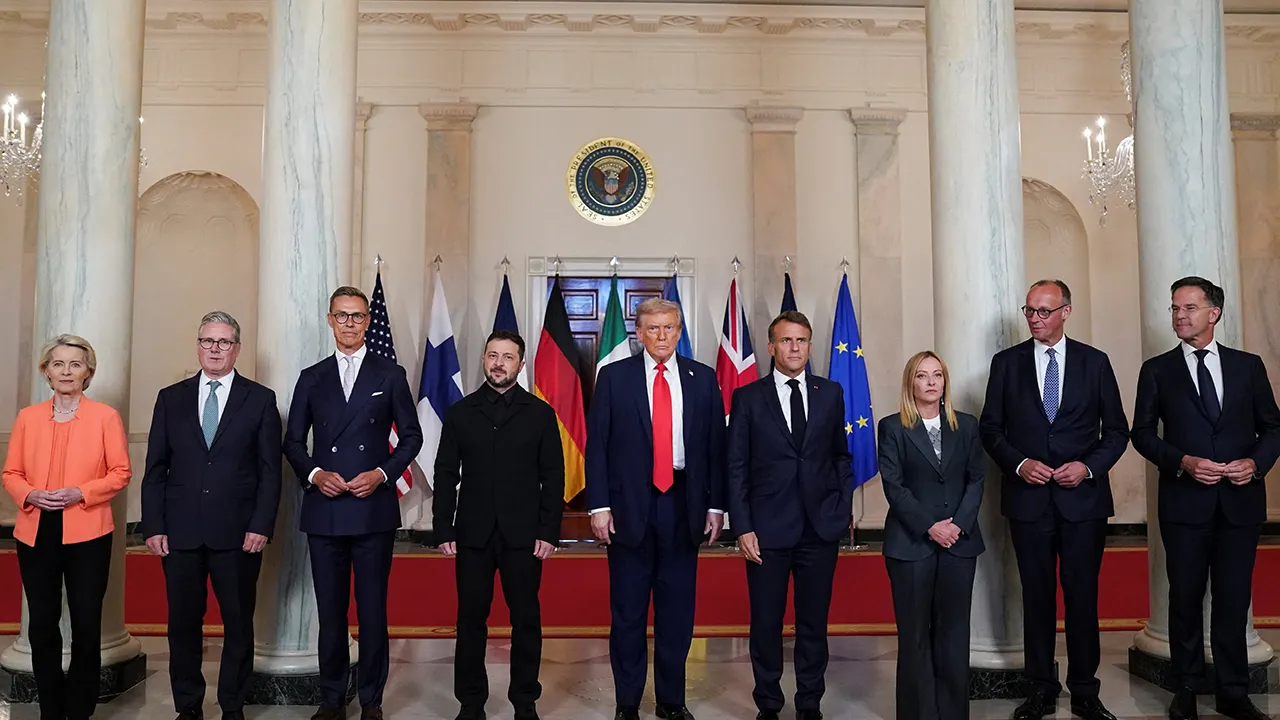
The Wall Street Journal recently revealed growing European efforts to develop an alternative defense plan within NATO, ensuring the continent's ability to defend itself should the United States reduce or withdraw from its traditional role in the alliance.
According to officials involved, this informal approach is known as ‘European NATO’and aims to strengthen the role of European countries in military leadership and fill the gaps that a decline in American support might leave, particularly in the areas of intelligence, logistics, and nuclear deterrence.
This initiative has gained new momentum following a shift in Germany's position, which has historically resisted reducing reliance on Washington for European security.
But the German chancellor reassessed this approach amid growing doubts about the United States' commitment to the alliance.
Discussions intensified after Trump's remarks criticizing his European allies and hinting at a possible withdrawal from NATO, particularly following disagreements over support for the war in Iran.
This harsh rhetoric from Trump prompted European leaders, such as Finnish President Alexander Stubb, to emphasize that the process of shifting the defense burden to Europe was already underway, stressing the need for this transition to be controlled and orderly to avoid chaos in the event of a sudden US withdrawal.
Paul Magnette, leader of the Belgian Socialist Party, called for a clear European stance rejecting any support for Trump in a potential war against Iran, affirming that his country would not deploy a single soldier or weapon in such a conflict.
He added that Europe should follow Spain's lead and say ‘no’ to Trump, considering the military escalation a violation of international law principles and one that could lead to further chaos and instability in the region.
He pointed to direct repercussions for Europe, including rising energy prices and increased security threats, calling for efforts to halt what he described as bloody madness as soon as possible.
Turkish Foreign Minister Hakan Fidan said that NATO countries must work at the upcoming summit in Ankara in July to reset relations with Trump and prepare for a possible reduction in US participation in the alliance.
He added that the allies had long considered Trump's criticisms to be mere rhetoric, but they are now planning for a potential decline in the US role and are working to strengthen their defense capabilities.
In mid-March, only Spain was speaking out against Trump.
In parliament, Pedro Sanchez called the war illegal, cruel, and absurd, and, crucially, fought back against the expected barrage of insults and jabs from Trump, including a threat to sever all trade.
By the end of March, Spain closed its airspace and air bases to US aircraft involved in combat operations in Iran.
Sanchez's Italian counterpart, Giorgia Meloni, emerged as a second anti-war voice, breaking with previous alignments with Trump to criticize US-Israeli attacks as a violation of international law.
Macron last week rejected another of Trump's demands for Europe to use its military force.
European countries are seeking to assume greater leadership roles within NATO, increase military spending, and develop independent capabilities in areas such as air defense, intelligence, and military mobility.
The alliance's secretary general affirmed that NATO will become more European-led in the coming period.
Despite progress, the plan faces major obstacles, most notably: the alliance's reliance on US military command, the absence of a European alternative to the US nuclear umbrella, and gaps in European technological and intelligence capabilities.
In this context, discussions have begun between France and other European countries regarding expanding France's nuclear deterrent.
It is also estimated that countries such as the United Kingdom, Poland, the Nordic countries, and Canada support this approach, forming what resembles a coalition of the willing to strengthen the European role within NATO.
Britain is leading a group of approximately 40 countries seeking to develop a military and diplomatic plan to reopen and secure the Strait of Hormuz, but there are few indications t
French President Emmanuel Macron said last week that about 15 countries were planning to help resume traffic through the Strait of Hormuz.
German Chancellor Friedrich Merz said he did not want the war to further strain relations between the United States and its European NATO allies.

British Rejection
British Prime Minister Keir Starmer confirmed on April 15 that he would not succumb to pressure to join a war against Iran, after US President Donald Trump threatened to cancel a trade agreement with the UK.
Starmer told Parliament: “We will not be dragged into this war. It is not our war. It is not in our national interest to join this war.”
Trump had threatened in an interview to cancel an agreement with Britain that limits the impact of US tariffs he imposed.
Trump criticized what he called disastrous oil drilling mistakes in the North Sea, denouncing British immigration policies as crazy.
But he added that tensions in the relationship with the NATO member would not affect King Charles III's state visit to the United States this month.
Referring to the visit, Starmer told Parliament that the long-standing ties between the two countries were far greater than any individual holding any particular position at any given time.
For his part, British MP Edward Davey urged Starmer to ask the King to cancel his planned visit to Washington, condemning Trump's policies and statements regarding a potential war with Iran.
Starmer had previously angered Trump when he refused to allow the use of British bases for the initial US strikes on Iran in late February.
However, he later agreed to allow Washington to use two British military bases for a specific and limited defensive purpose.
Despite this refusal, Britain has assumed an active defensive military role, with its fighter jets participating in intercepting missiles and drones targeting its interests or those of its allies in the region, operating from bases abroad.
London has also bolstered its defense support for the Gulf states in response to growing security concerns, a move aimed at protecting British civilians and interests.
On the economic front, British Chancellor of the Exchequer Rachel Reeves announced that her country would not join the US-led naval blockade of Iranian ports, deeming this option to carry strategic risks, particularly given the potential for rising energy prices and disruption to global supply chains.
Conversely, London places a clear priority on the diplomatic path; in coordination with its European partners, it continues to push for the resumption of negotiations as a sustainable solution to the crisis.
It has also supported efforts to consolidate the ceasefire through regional diplomatic initiatives aimed at de-escalating tensions and ensuring the security of navigation in the Strait of Hormuz.
Speaking before Parliament last week, Starmer stated that Trump was wrong to threaten the destruction of Iranian civilization, while Health Secretary Wes Streeting criticized Trump’s rhetoric, describing it as inflammatory, provocative, and disgraceful.
For his part, political analyst Ibrahim Khatib told Al-Estiklal that developments across the European continent are accelerating toward the formation of a new alliance landscape—one that breaks with decades of dependency on Washington.
“European capitals have initiated serious moves to bolster joint engagement and activate independent defense plans, amid fears of a collapse of NATO or a withdrawal by the United Stat,” he added.
He noted that a European shift caught Trump off guard; on multiple occasions, he had attempted to solicit the support of European Union nations for his military operations against Iran, yet the result was nil.
He pointed out that several European nations—chief among them Spain, the Netherlands, Italy, Germany, and other EU states—deemed themselves uninvolved in the military operations initiated by Trump; and now, he is seeking a way out that preserves Washington's prestige in the Middle East.