Nizar Amedi: Iraq’s Eleventh President Faces a Test of Regional Balance
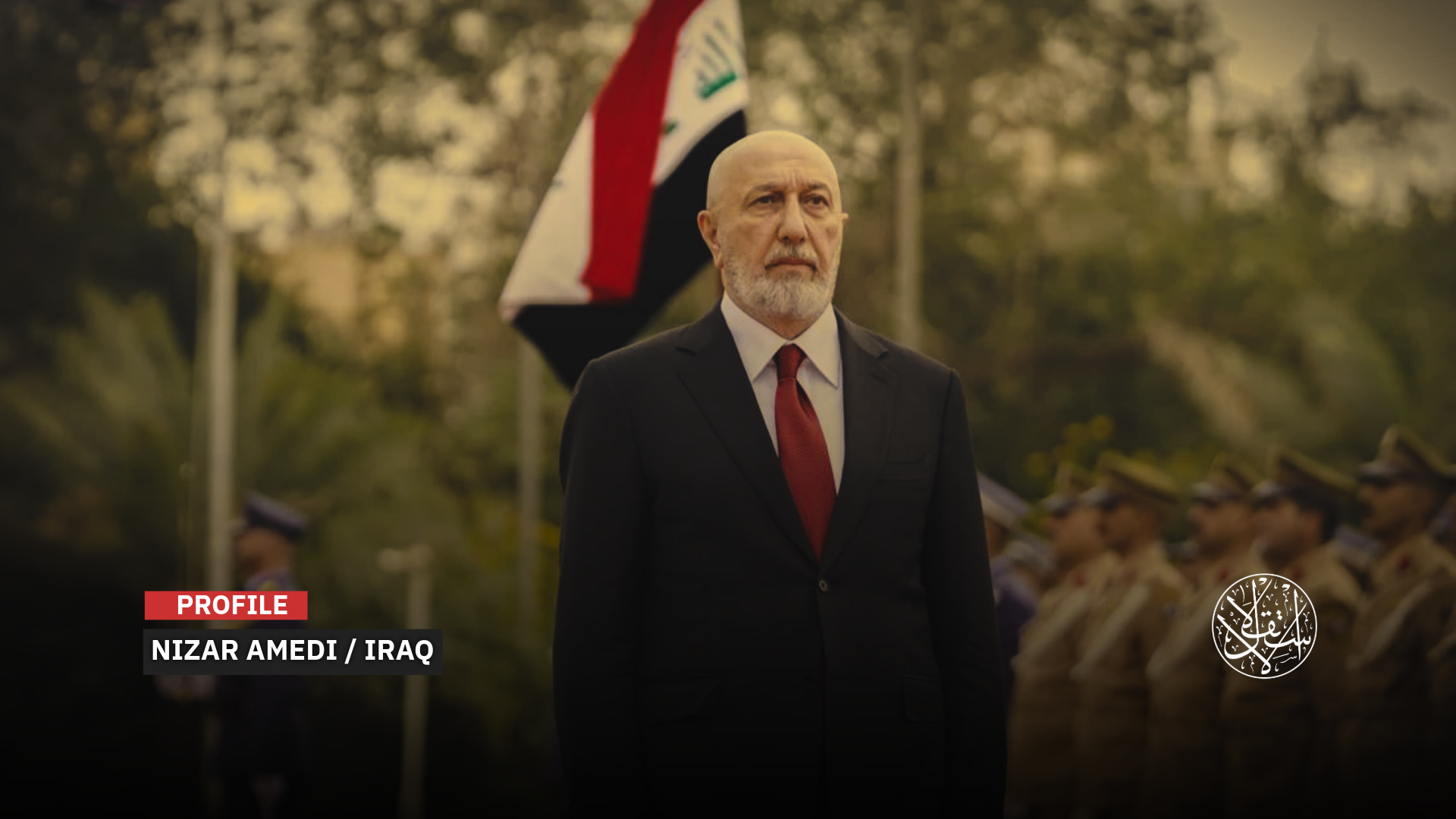
“Amedi served as an advisor to three presidents after 2003.”
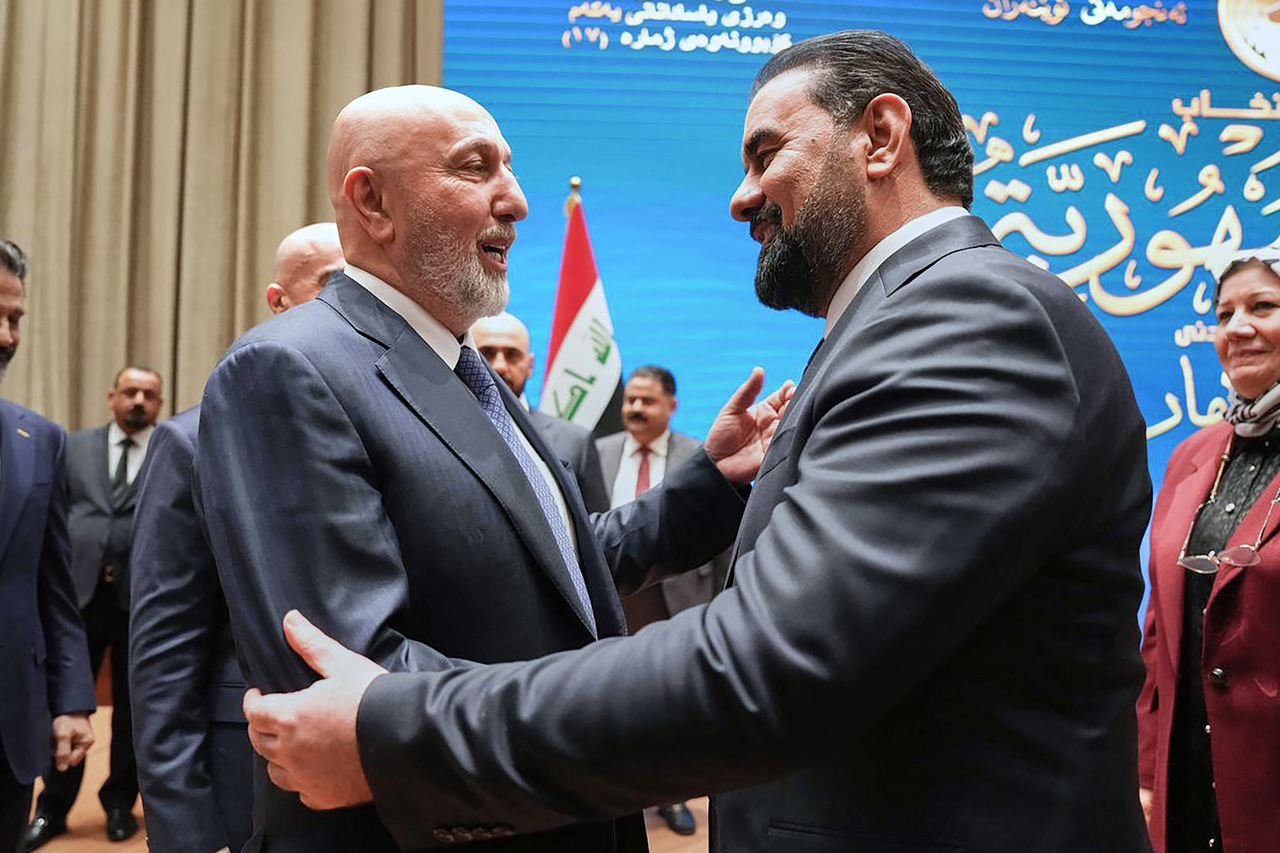
The Iraqi parliament elected Kurdish leader Nizar Amedi as president of the republic, after he received 227 votes, compared to 15 votes for his closest rival, MP Muthanna Amin. This followed a political crisis that lasted nearly four months since the parliamentary elections held on November 11, 2025.
Amedi's victory came in a second round of voting in parliament, after the position could not be decided in the first round due to the failure to reach the required 220 votes out of 329 members. This was due to a boycott by the Kurdistan Democratic Party (KDP), the largest Kurdish party, which had nominated Foreign Minister Fuad Hussein for the position.
Eleventh President
Nizar Amedi's assumption of the presidency reinforces the Patriotic Union of Kurdistan's (PUK) continued hold on this position, previously occupied by Abdul Latif Rashid, Barham Salih, and Fuad Masum, in addition to the party's late leader, Jalal Talabani, who was the first Kurdish president of Iraq from 2005 until his death in 2017.
Under Iraq’s sectarian power-sharing system introduced after Washington’s 2003 invasion, the prime minister must be a Shia Muslim, the parliamentary speaker a Sunni, and the president a Kurd.
Amedi is the eleventh president since the declaration of the republic in 1958, and the fifth since 2003.
In his first address to parliament after his election on April 11, Amedi affirmed his commitment to the principle of ‘Iraq First’, emphasizing that his appointment was a great responsibility and that he was aware of the magnitude of the challenges facing the country.
He emphasized his commitment to working jointly with the executive, legislative, and judicial authorities, in addition to his support for efforts to end the war.
He added that he would be a president for all Iraqis, pledging to uphold the constitution and the rule of law, and to address the complex crises facing the country in various fields.
Amedi's election came despite his party holding only 18 seats in parliament, compared to 32 seats for the KDP led by Masoud Barzani, who objected to the result, arguing that the position rightfully belonged to the largest bloc within the Kurdish component.
The election process created a clear political divide, as several blocs boycotted the session, most notably the State of Law Coalition led by Nouri al-Maliki, which sided with the KDP and supported its candidate, Fuad Hussein.
Amid the appeals, KDP MP Ikhlas al-Dulaimi questioned the legitimacy of the session, estimating that the number of attendees did not exceed 185 MPs, and that it was convened without the approval of the second deputy speaker of parliament, thus rendering it illegitimate.
In response, Parliament Speaker Haibat al-Halbousi stated that the legal threshold would be calculated based on the ballot papers, threatening legal action against those who questioned the results.
The KDP escalated its stance, withdrawing its members of parliament and ministers to Erbil for consultations, asserting that it would not recognize the individual chosen as president.
Political Experiences
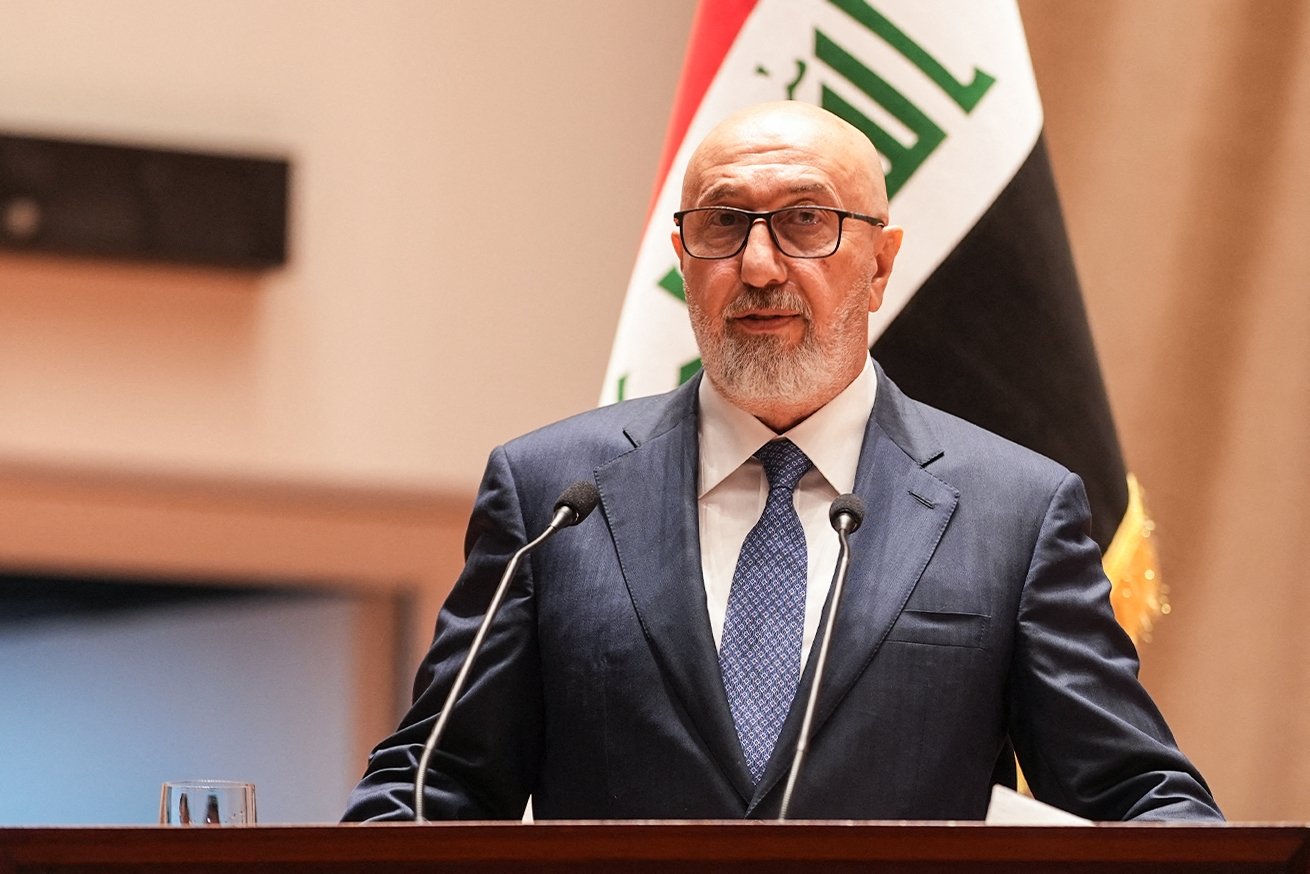
Nizar Mohammed Saeed Mohammed Amedi is a Kurdish politician born in the city of Amadiya in Duhok Governorate, Kurdistan Region of Iraq.
Born in 1968, he holds a bachelor's degree in engineering from the University of Mosul (1993) and is fluent in both Kurdish and Arabic.
He began his career as a physics teacher before entering politics and party work early on, joining the ranks of the Patriotic Union of Kurdistan (PUK).
He held various organizational positions, including member of the Secretary-General's office and then Director of his office in the late 1990s and early 2000s.
He progressed through various organizational roles. In 2004, Amedi assumed the presidency of the PUK office in Baghdad, and he has been a member of the party's Political Bureau since 2023.
He is also a member of the State Administration Coalition, which comprises all the political forces that formed the government of Mohammed Shia al-Sudani in 2022.
Amedi is an Iraqi political, governmental, and diplomatic figure with over four decades of experience in public service. His experience includes working at the highest levels of the Iraqi state, advising three Iraqi presidents, and serving as Iraq's Minister of Environment from 2022 to 2024.
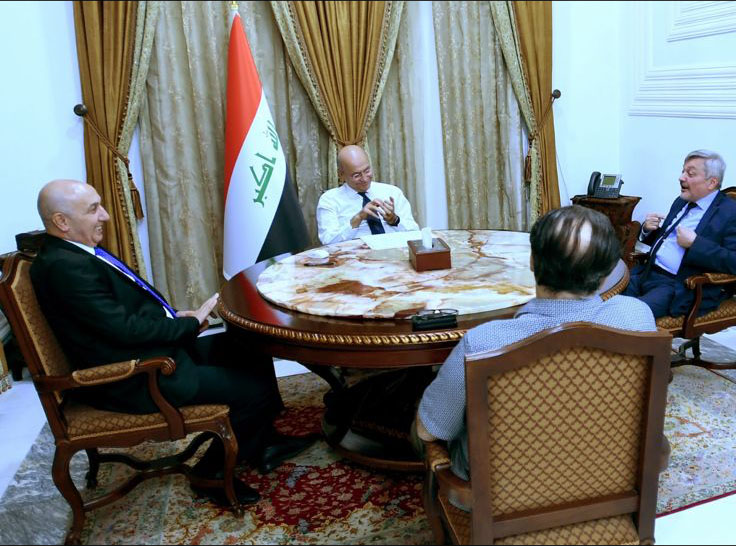
He maintains strong working relationships with Kurdish parties and key political forces in Baghdad, strengthened through his service as advisor and chief of staff to three former presidents: Jalal Talabani, Fuad Masum, and Barham Salih, from 2005 to 2022.
He is experienced in managing the relationship between the federal government and the Kurdistan Regional Government, understanding its constitutional and political complexities, and has contributed practically to resolving them.
He has proven his ability to manage political disputes, build consensus, and maintain national unity.
He has over 20 years of senior governmental and political experience. He participated in and represented Iraq at Arab summits (Egypt, Algeria, Tunisia, Saudi Arabia, and Kuwait) and at the United Nations Climate, Environment, and Water Conferences in 2015 and 2023.
He was a permanent member of high-level presidential delegations to Geneva, Washington, Tehran, Riyadh, Muscat, and St. Petersburg, and contributed to coordinating presidential foreign policy and diplomacy.
Presidential Decisions
Local media reports indicate that Nizar Amedi has professional experience in the environmental field, having served as Minister of Environment from 2022 to 2024, before resigning to dedicate himself to party work.
During that period, he contributed to the formulation and implementation of national environmental policies in accordance with the constitution and international obligations, as well as strengthening Iraq's presence on climate change and sustainable development issues.
Within the Presidency, Amedi undertook tasks related to constitutional and political matters.
He served as a liaison between the Presidency and constitutional authorities, as well as regional entities.
He also contributed to supporting the formation of governments and managing national crises, in addition to overseeing presidential decisions and correspondence.
Among his most prominent achievements were ensuring the institutional stability of the presidency across three consecutive terms, managing pivotal political and constitutional junctures, and strengthening the constitutional role of the presidency as a guarantor of national unity.
The Iraqi constitution stipulates that the president, within 15 days of his election, must task the nominee of the largest parliamentary bloc with forming a government, granting the designated prime minister a 30-day period to complete the formation.
On January 24, the Coordination Framework, which includes Shiite parties close to Tehran and constitutes the largest parliamentary bloc, announced its nomination of Nouri al-Maliki for the position.
However, four days later, Donald Trump expressed his objection to this nomination, threatening to halt support for Baghdad should al-Maliki return to power, and accusing him of siding with Iran and causing crises during his tenure as prime minister between 2006 and 2014.
In contrast, al-Maliki, in press statements in early February, affirmed his commitment to running for prime minister, while seeking to reassure Washington regarding its demands, particularly those related to controlling the armed factions loyal to Iran.
The PUK, to which Amedi belongs, is seen as closer to Iran than to the United States, while the KDP is considered relatively far removed from Tehran's influence.
Given these circumstances, Amedi faces the complex task of nominating a candidate for prime minister within the constitutional deadline, considering al-Maliki's insistence and the possibility that the Coordination Framework might propose an alternative or maintain his nomination for a third term, despite internal and external objections.