People want
12 hours ago
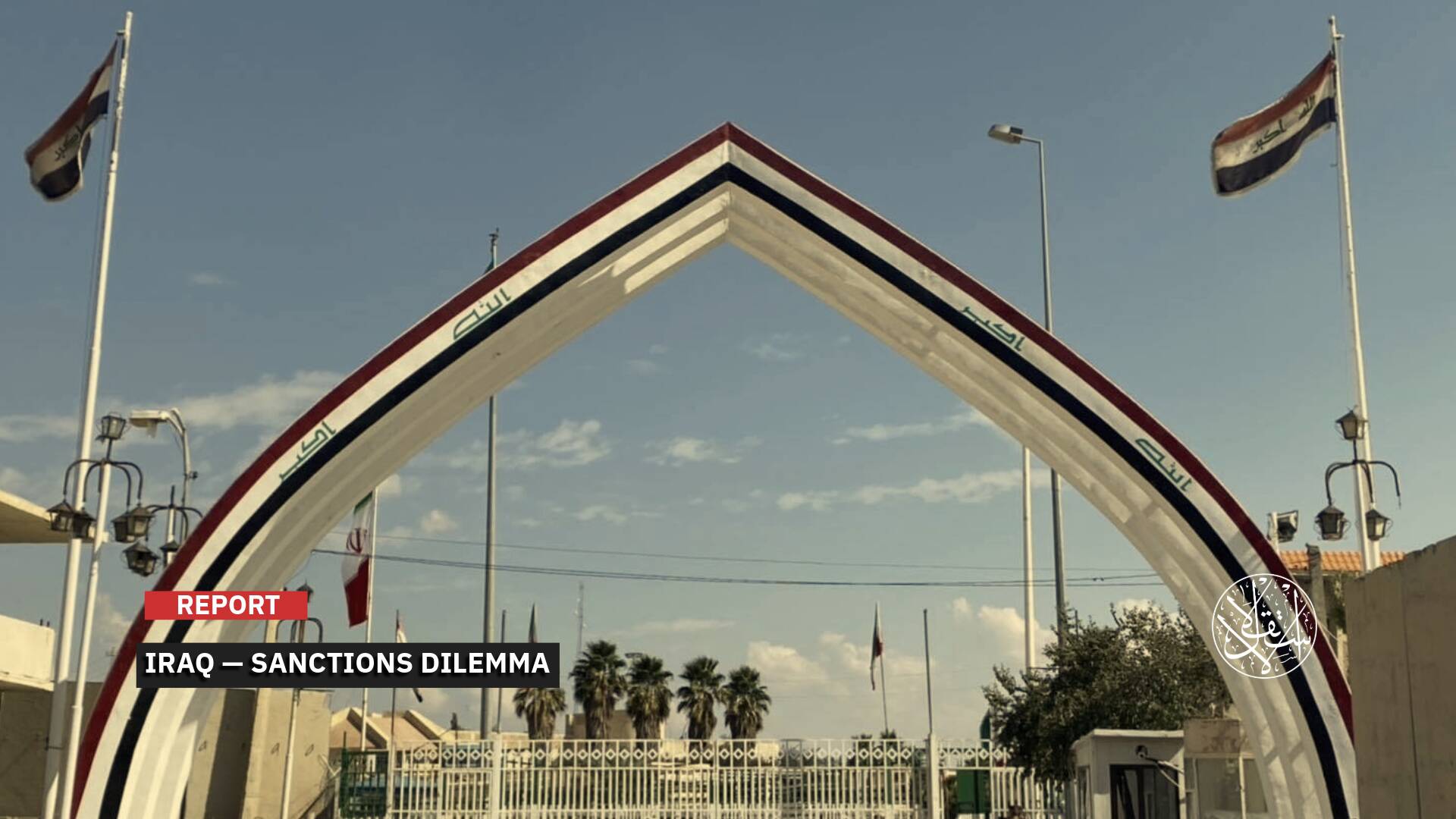
The thorniest issue facing Iraq’s prime minister-designate, Ali al-Zaidi, is the fate of the country’s armed factions, as pressure from Washington intensifies to dismantle groups, particularly those with ties to Iran.
4 days ago
Despite being appointed prime minister, Ali al-Zaidi is not known for his prior involvement in direct politics or for holding government positions after the US-led invasion of Iraq.
9 days ago
Iraq’s entire Shia’ political spectrum has come out firmly against a proposed conscription law, rejecting legislation now moving through parliament that would reintroduce mandatory military service for young men.
10 days ago
Gulf anger toward Iraq is rising fast over attacks launched from its territory since the U.S. began its war on Iran, with tensions escalating further after Kuwait was struck on April 24, reviving urgent questions about Iraq’s relations with its Arab neighbors after years of cautious improvement.
14 days ago
The appointment of a Turkmen governor in Iraq’s oil-rich Kirkuk is anything but routine, not least because it marks the first time in nearly a century that the post has gone to a figure from the Turkmen community.
15 days ago
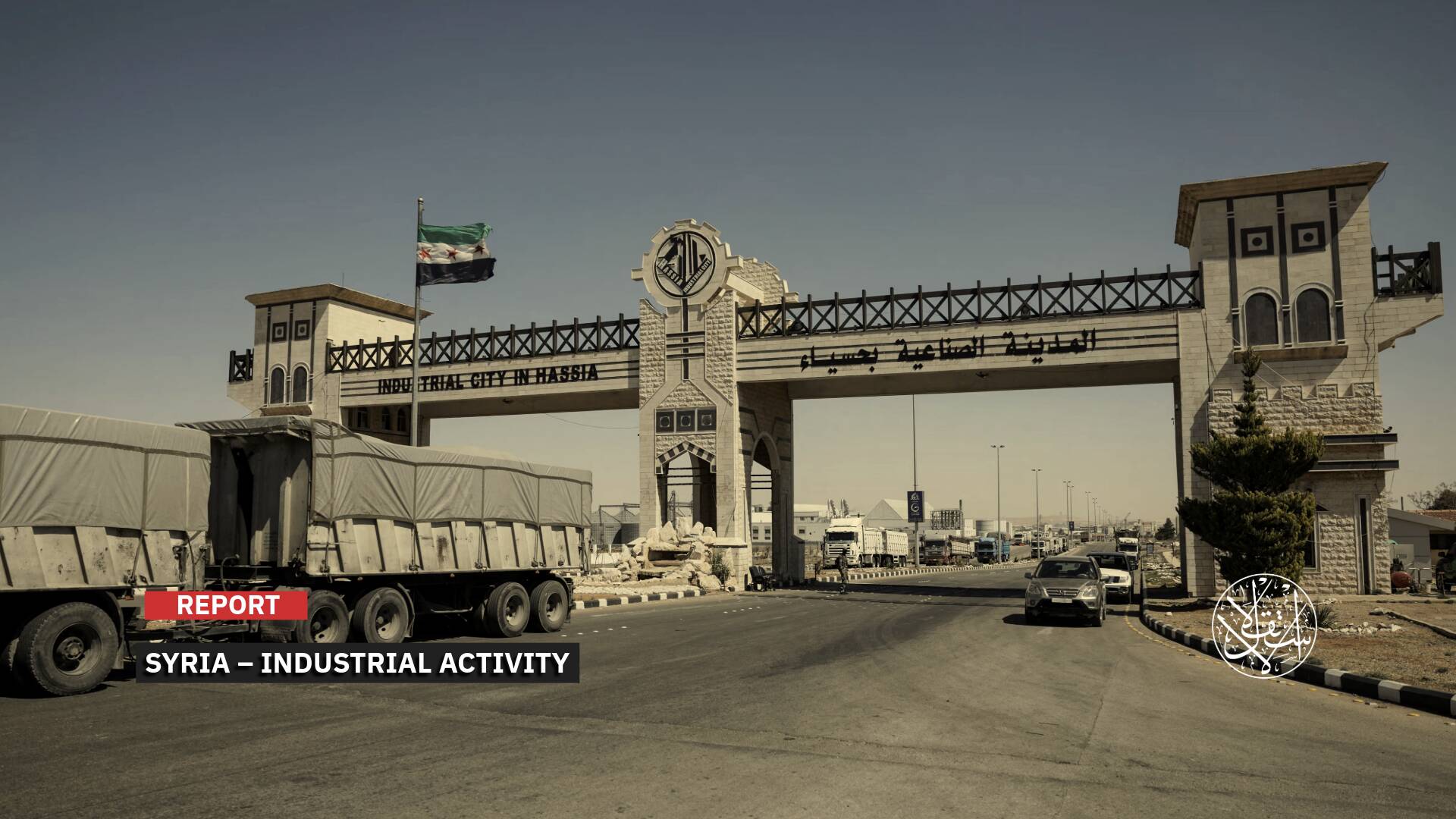
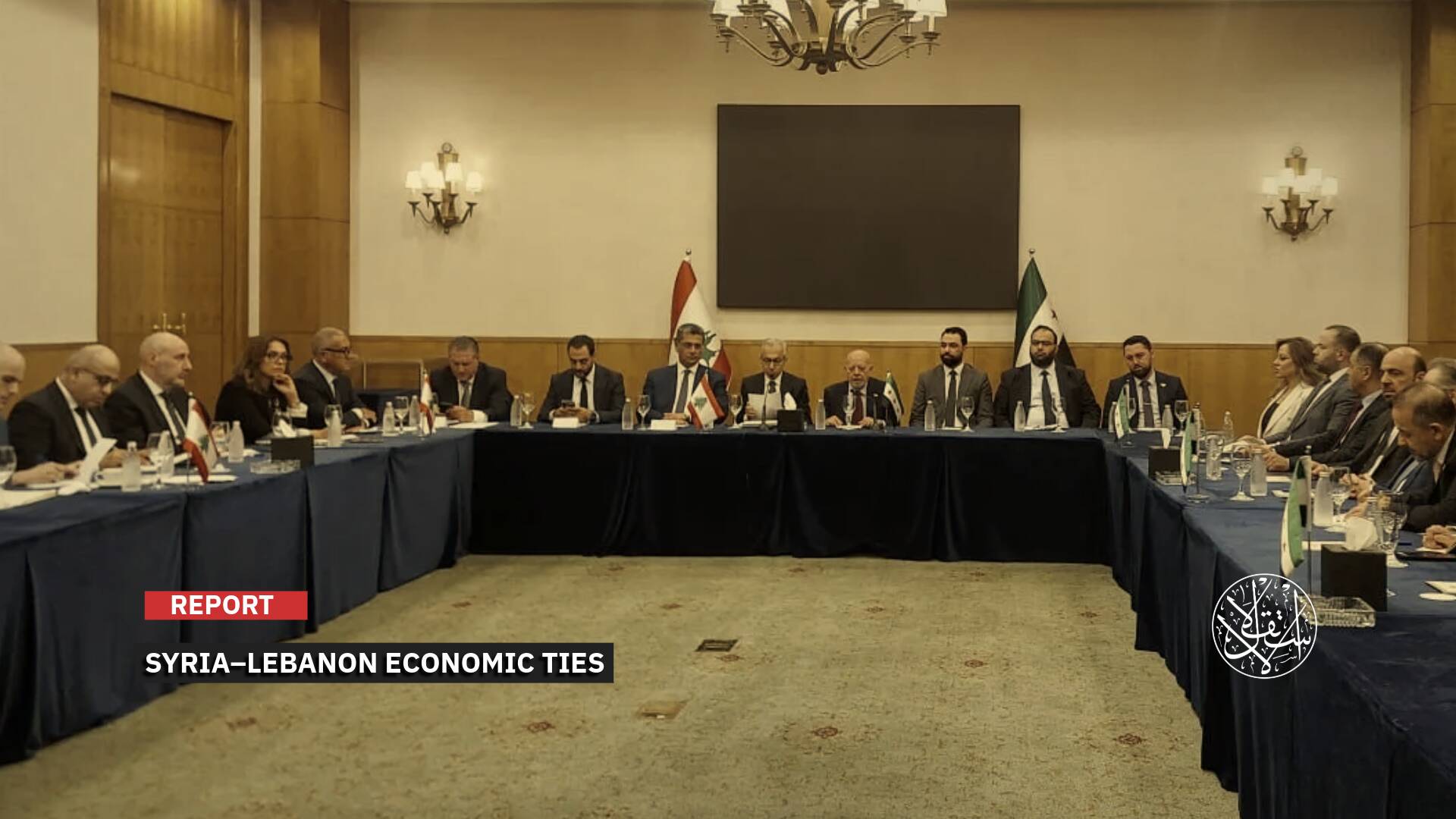
Syria is re-emerging on the regional and international radar not just as a theater of conflict, but as a potential player in reshaping supply chains between East and West.
25 days ago
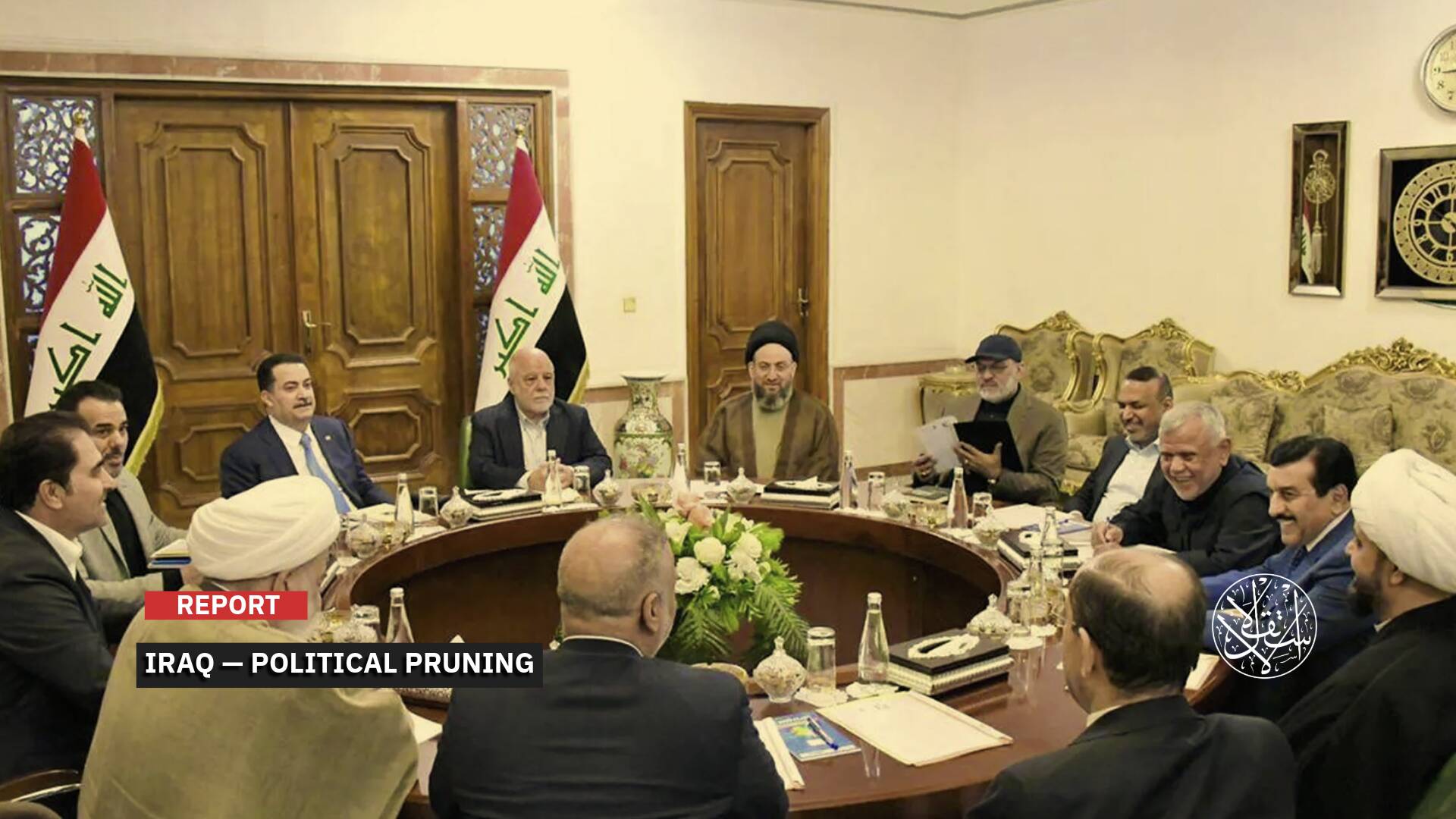
Iraq’s parliament has elected Nizar Amedi as the country’s new president, ending a political deadlock that had paralysed government formation.
a month ago
“Israel’s” military campaign in southern Lebanon is presented as involving mass displacement, demographic change, sectarian pressure, and emerging settlement efforts aimed at turning the area into a controlled buffer zone.
Sustained strikes on Iraq’s Popular Mobilization Forces in Sunni areas reflect efforts to weaken their presence, limit Iranian influence, and reshape Iraq’s security landscape amid regional competition.
“Israel” is seeking to establish a buffer zone in southern Lebanon up to the Litani River through military control, destruction, and displacement, amid ongoing resistance from Hezbollah.
As questions mount over the future of Iraq’s Sunni-majority provinces in the aftermath of the U.S.-Israeli War on Iran, most Sunni political leaders remain notably absent.
“Israel’s” stance on the ceasefire agreement between Iran and the United States has raised many questions, not only because of the terms of the deal itself, but also because of the contradictions it revealed in Tel Aviv’s calculations.
The reintegration of displaced Syrians into their original communities after years of forced displacement poses a strategic challenge for the Syrian government, as it seeks to demonstrate its ability to address the lasting damage of prolonged suffering and forced exile.
For the first time in decades, Iraq has turned to overland fuel exports through Syria, a move that underscores the scale of disruption hitting its traditional shipping routes as war on Iran intensifies, particularly around the Strait of Hormuz.
At a moment of acute regional sensitivity, Syrian President Ahmed al-Sharaa’s March 29, 2026 visit to Germany has raised key questions about Berlin’s future role in Syria’s reconstruction amid shifting geopolitical and economic dynamics.
By the end of March, the landscape along the banks of the Litani River in southern Lebanon had shifted dramatically after the Israeli occupation army destroyed most of its crossings and bridges.