After Militia Attacks During the War on Iran: What Next for Iraq–Gulf Relations?
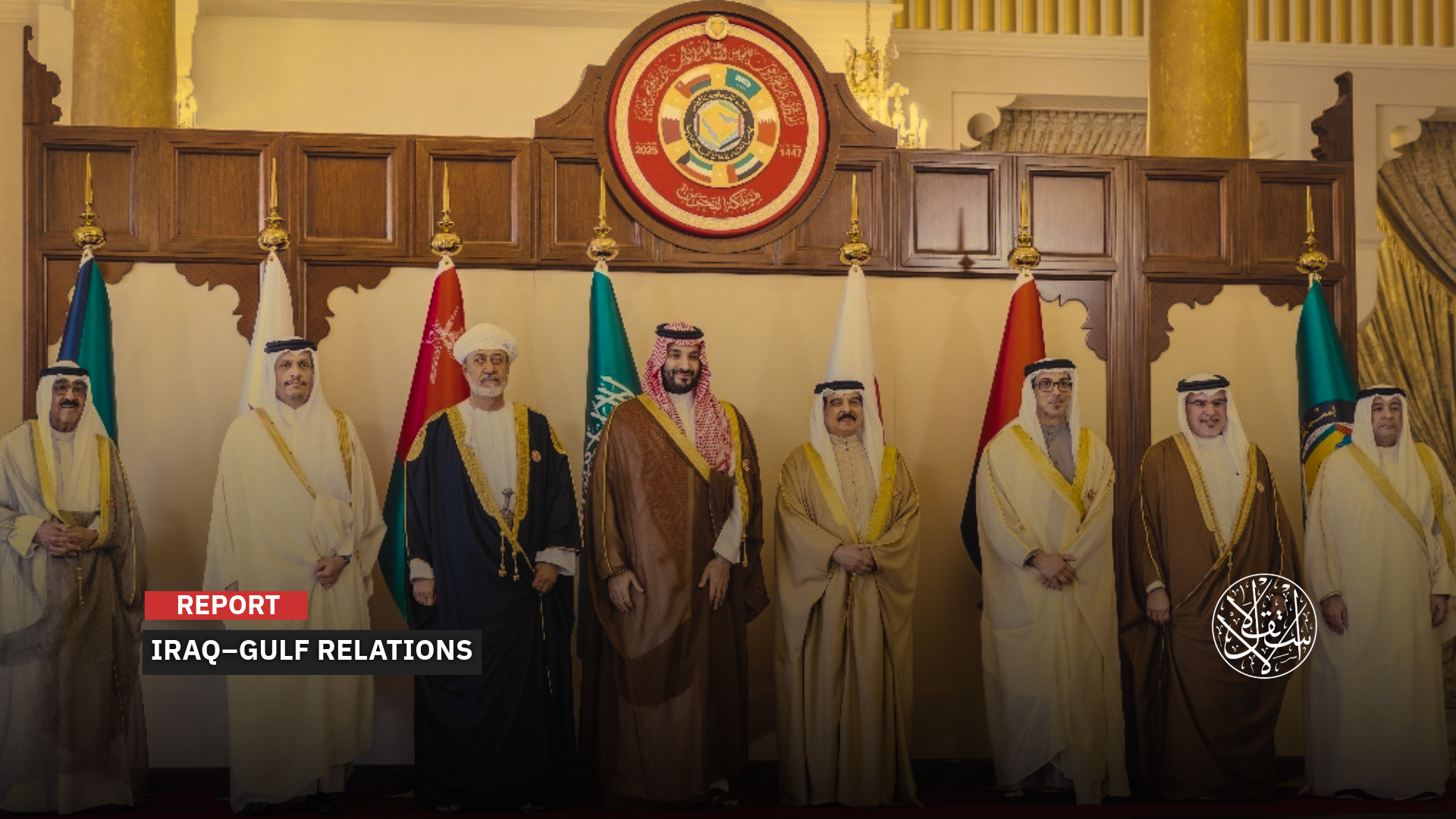
Arab countries expressed solidarity with Kuwait and called on the Iraqi government to take responsibility.
Gulf anger toward Iraq is rising fast, fueled by attacks launched from its territory since the United States began its war on Iran on February 28, 2026. A fragile 15-day truce took effect on April 8, only to be extended indefinitely by President Donald Trump.
The tension is no longer confined to the Gulf. Frustration is spreading across the region, especially after Kuwait was targeted on April 24, reviving pressing questions about the future of Iraq’s relationship with its Arab neighbors after years of cautious improvement.
That progress followed the dark chapter of 2014, when the “Islamic State” swept across Iraq and seized nearly a third of its territory. By 2017, Iraqi authorities declared those areas reclaimed, opening the door to renewed engagement with Arab states after years of strain tied to accusations that former prime minister Nouri al-Maliki had pursued deeply sectarian policies.
Arab Anger
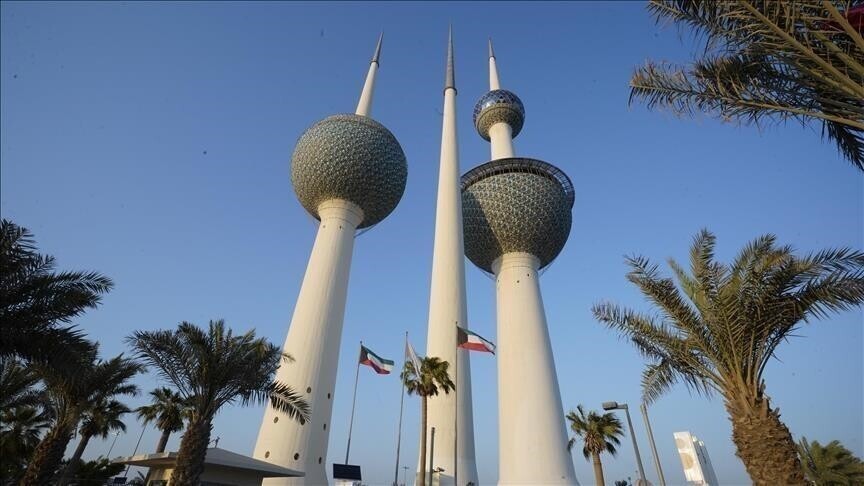
After the latest attack, condemnation from across the Arab and Islamic world surged on April 25, when Kuwait said two drones launched from Iraqi territory hit sites along its northern border, causing material damage but no casualties, according to an official military statement.
This was not routine outrage. Saudi Arabia, the United Arab Emirates (UAE), Qatar, Bahrain, Jordan, Egypt, Syria, and Yemen issued sharply worded statements carrying a clear message to Baghdad: take responsibility for threats coming from your soil. Each rejected any violation of Gulf sovereignty and warned against further risks to regional security.
They also made clear that Kuwait would not stand alone. In separate statements, these countries pledged full support for any steps Kuwait might take to defend its territory, framing its security as part of their own. The message reflected growing concern that such attacks could destabilize the wider region.
The secretary general of the Gulf Cooperation Council (GCC), Jasem Muhammad al-Budaiwi, condemned what he called treacherous attacks on Kuwaiti border sites, warning that continued strikes from Iraqi territory amount to a clear violation of international norms and the principles of good neighborly relations. He reaffirmed the bloc’s full solidarity with Kuwait and its support for any defensive measures it chooses to take.
Condemnation also came from major Islamic organizations. The Muslim World League denounced the attack, with its secretary general Mohammad bin Abdulkarim al-Issa describing it as a serious breach of sovereignty and a direct threat to regional stability. The Organization of Islamic Cooperation (OIC) echoed that position, calling the strike a blatant violation and backing Kuwait’s right to defend its security.
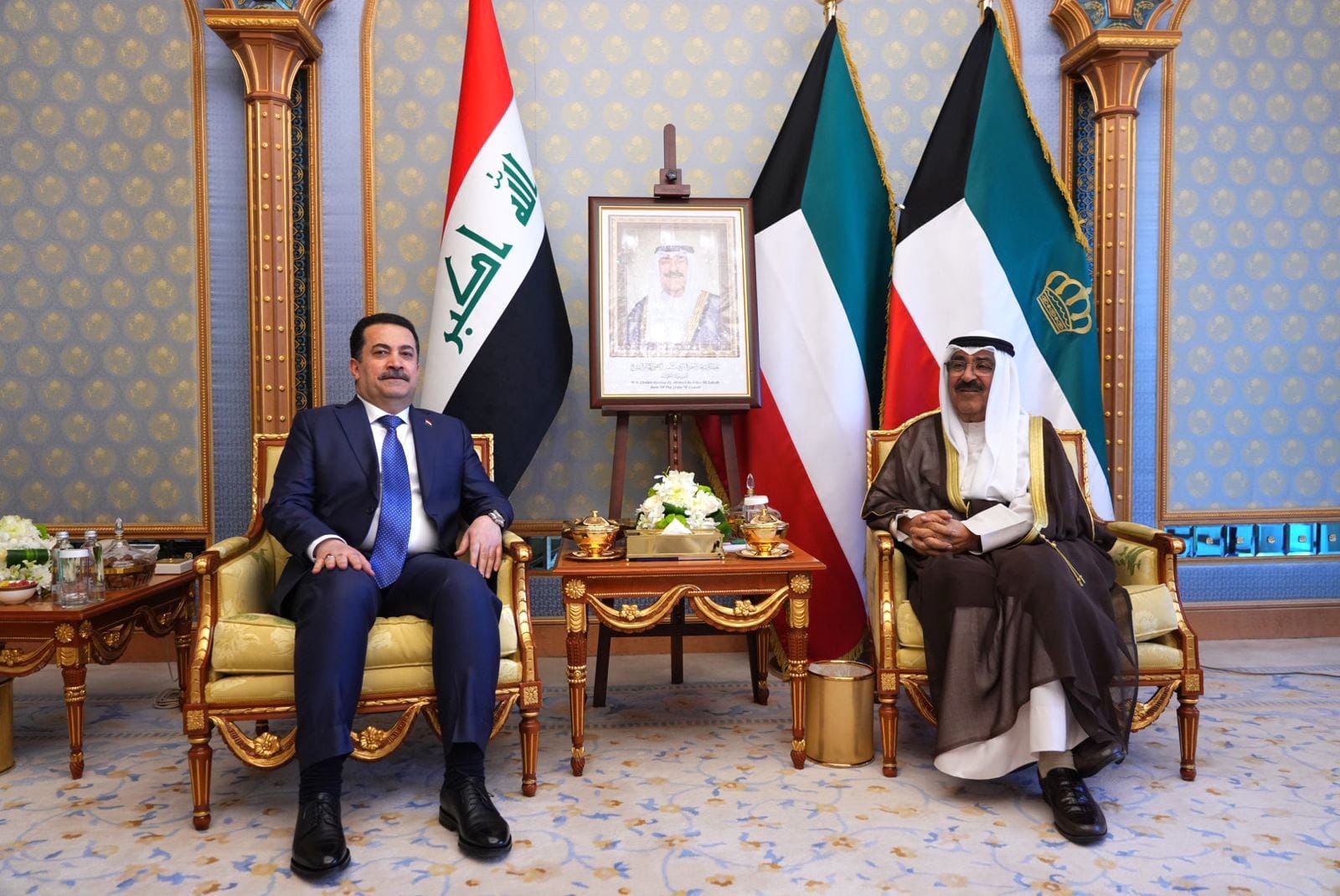
In Baghdad, officials moved quickly to contain the fallout. Interior Minister Abdul Amir al-Shammari said after speaking with his Kuwaiti counterpart Fahad al-Sabah that Prime Minister Mohammed Shia’ al-Sudani had ordered an urgent investigation to identify those responsible and hold them accountable.
The wave of condemnation points to a deeper anxiety taking hold across the region: that Iraqi territory is increasingly seen as a source of cross-border threats. For Baghdad, the moment is becoming a difficult balancing act between asserting control at home and managing rising pressure from its neighbors.
Strategic Losses
In an assessment of where Iraq’s crisis is heading and how it is reshaping the country’s regional standing, Iraqi researcher Iyad Thabit argues that the fallout will not be temporary but will leave a lasting mark on Baghdad’s position in the Gulf. “The negative impact is now inevitable,” he says, adding that Gulf states are increasingly likely to deal with Iraq’s governing authority as little more than a formal front lacking real decision making power, undermining the value of any agreements unless that perception changes in practice.
“Iran-aligned militias have stripped the Iraqi state of much of its authority, while the government continues to defend these groups when they come under U.S. strikes, framing such actions as violations of sovereignty, which only deepens the trust gap with regional states,” he told Al-Estiklal.
The researcher does not rule out Gulf demands for compensation over damage caused by cross-border attacks but says the deeper loss is strategic: Iraq’s gradual exclusion from major regional economic and infrastructure projects as countries move toward alternative connectivity corridors elsewhere in the region.
In his view, Iraq is steadily losing its status as a reliable partner, as the perception grows that it is an unstable environment shaped by armed actors operating outside state control. That reality, he says, makes multibillion-dollar investments increasingly risky, especially amid explicit threats from armed factions against projects that do not align with their agenda.
He points to past statements by political figures and armed groups rejecting major infrastructure schemes, including oil pipelines toward neighboring countries, describing them as part of unwelcome regional arrangements. These positions, he argues, function not only as political rhetoric but also as a real deterrent to Iraq’s economic reintegration.
The Iraqi government, by contrast, has repeatedly said such projects are intended to strengthen oil export flexibility, expand energy access routes, and improve national infrastructure while linking Iraq more closely to regional markets. But this vision, observers note, collides with a complex security environment that limits Baghdad’s ability to translate plans into reality.
As tensions rise, Iraq faces a dual test: rebuilding regional trust while proving it can assert state authority over non-state armed actors. The outcome of that balance will shape the country’s role in the region in the years ahead.
In May 2024, Iraqi parliament member Mustafa Sanad, seen as close to Iran, threatened to sabotage the Basra to Haditha oil pipeline project to Jordan, claiming it could serve hostile interests.
The Iraqi oil ministry rejected those claims at the time, saying the pipeline is designed to improve flexibility in transporting crude oil to domestic refineries, storage facilities, and power stations, as well as to expand future export routes through neighboring countries, including Turkiye, Syria, and Jordan.
In June 2024, the “Iraqi Resistance Coordination Committee,” which includes factions allied with Iran, also opposed the Basra to Aqaba pipeline, describing it as part of a broader project they say could pave the way toward normalization with the Israeli Occupation and warning it would drain Iraq financially without economic benefit.
Iraq, Iran’s Backyard
Iraq is increasingly being cast as a forward arena in a wider regional power struggle, drawn into Iran’s orbit in ways that raise difficult questions about sovereignty and control. Saudi writer Abdulrahman al-Rashed argues that Iraq, much like Lebanon, has been pulled into “Iran’s war” without fully choosing it. But he points to a key difference: while the Lebanese government condemned the actions of Hezbollah, Iraq’s leadership has neither blocked nor openly denounced attacks by its own factions against at least three Gulf states.
Writing in the Asharq al-Awsat on April 23, he suggests that real decision-making power lies in Tehran rather than Baghdad, even as legal responsibility still rests with the state from whose territory the attacks are launched.
Those factions, he argues, form part of “a broader Iranian regional weapons network,” pointing to the recent visit of Esmail Qaani, head of the Quds Force, to Iraq as evidence of continued direct coordination.
To understand the current moment, he writes, it is necessary to see how much Iraq has changed. It no longer resembles the country it was under Saddam Hussein, nor even in the years after the U.S. war on the country. Instead, it has moved closer to a model shaped by Iranian influence, though still distinct from Lebanon or Yemen in the scale and reach of its armed groups, which have a broader geographic and social footprint inside the country.
These groups, he says, operate with dual loyalties. They receive funding from the Iraqi government while also benefiting from Iranian financial support and direction, placing them in a gray zone where they are formally part of the state but functionally tied to an external agenda.
He estimates that the total number of fighters across this network approaches half a million, with roughly half integrated into formations linked to the official military structure but not fully under centralized control.
For years, he argues, Tehran has worked to entrench its influence in Iraq, leveraging oil resources and strategic geography to build what amounts to a parallel structure within the state. In some respects, the balance of power now tilts toward these factions rather than traditional military institutions, complicating Baghdad’s ability to fully assert sovereignty.
Still, he leaves room for a possible shift. “A weakened Iran,” whether through war or sanctions, could open space to rebalance power inside Iraq. Another factor is the continued U.S. oversight of Iraqi oil revenues moving through the global financial system, giving Washington a measure of indirect leverage over how those resources are managed.
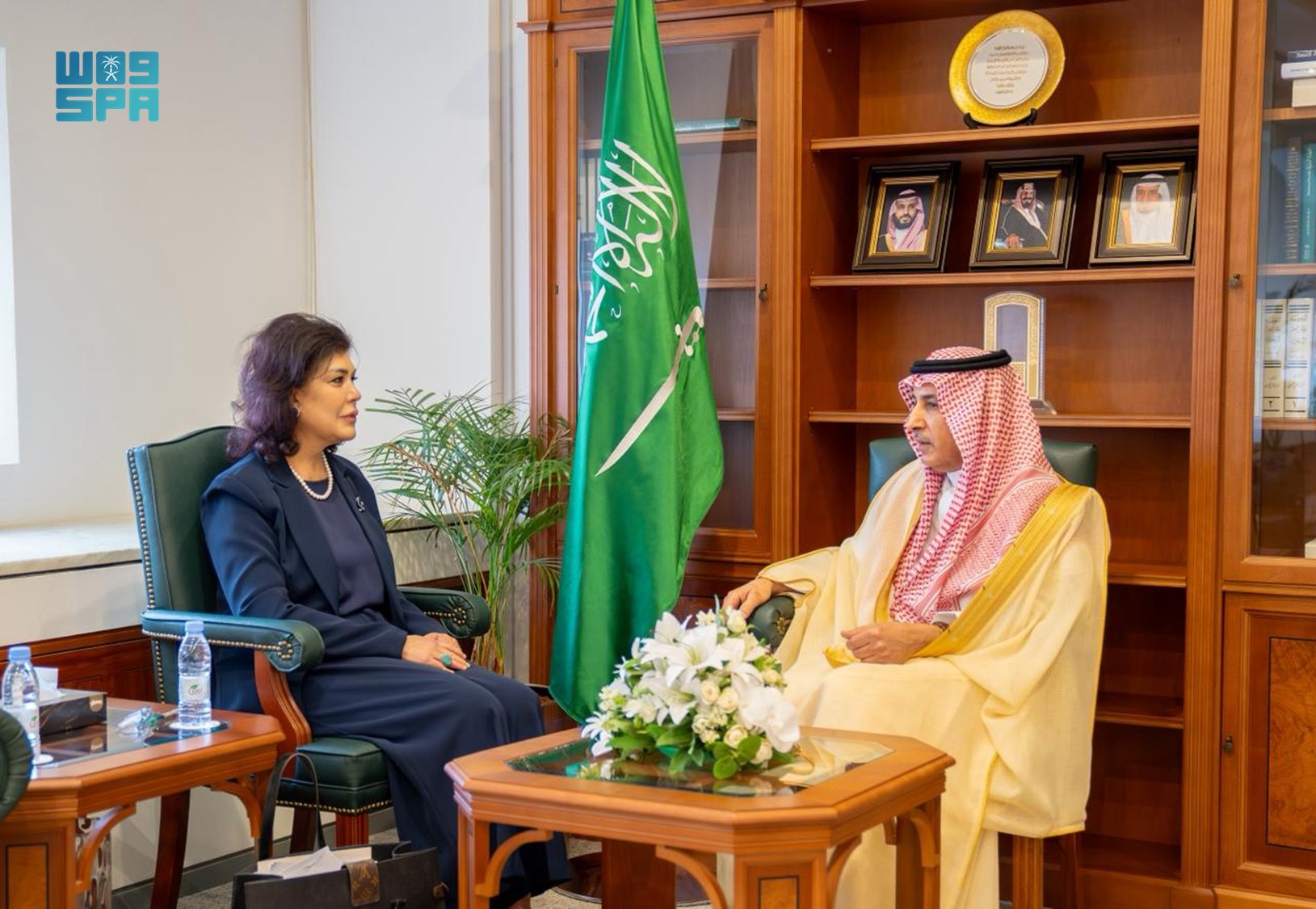
These assessments come as tensions with Gulf states continue to climb. Several governments have summoned Iraqi ambassadors and filed formal protests after drone attacks launched from Iraqi territory. Iraq’s foreign minister, Fuad Hussein, has acknowledged receiving calls from Arab countries, especially in the Gulf, rejecting the strikes and warning that they do not serve Iraq’s interests.
Since the regional escalation began on February 28, 2026, armed Iraqi factions have stepped up attacks using rockets and drones, targeting what they describe as “enemy bases” inside Iraq and across the region. The surge is adding new layers of strain to an already fragile security and political landscape, leaving Baghdad under growing pressure to balance its regional entanglements with the demands of maintaining control at home.
Sources
- Gulf States Condemn Drone Attacks on Kuwait Launched From Iraq [Arabic]
- Arab Condemnations Over Drone Strikes on Two Sites in Kuwait From Iraq [Arabic]
- Official Iraqi Statement After Attack on Two Border Sites in Kuwait [Arabic]
- Interior Minister: Prime Minister Orders Identification of Those Behind Attack on Kuwait and Their Prosecution [Arabic]
- Saudi Arabia Summons Iraqi Ambassador in Protest Over Continued Attacks From Its Territory [Arabic]
- How Populist and Uninformed Lawmakers Have Attacked Iraq’s Oil Outlets [Arabic]
- Iraqi Attacks on Gulf States [Arabic]