Ammar Headquarters: From Cultural Hub to Player in Shaping the War on Iran
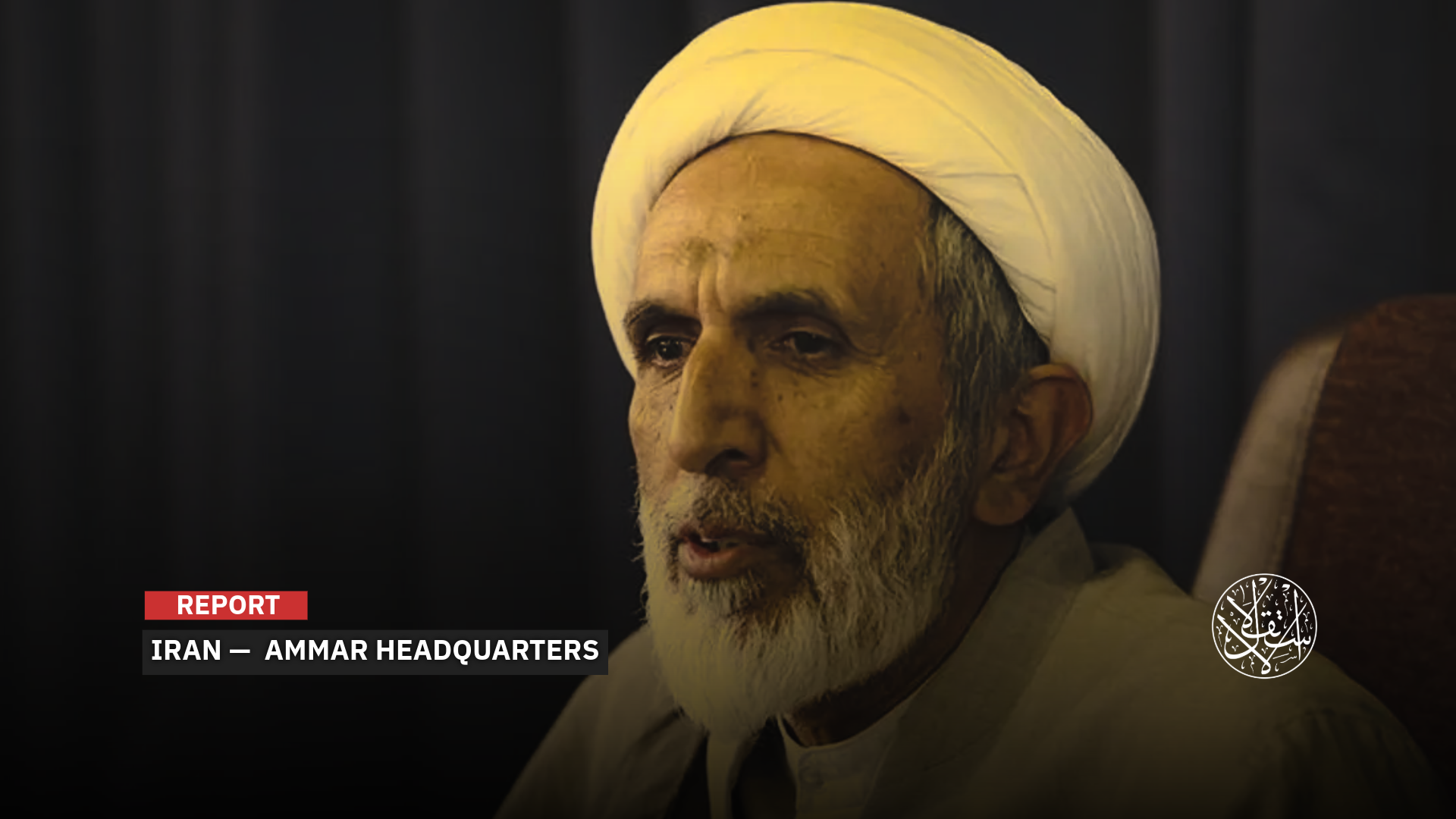
Ammar Headquarters is seen not only as a tool against the Iranian opposition but also as a player that could disrupt delicate internal balances.
At the height of military escalation between the United States and the Israeli Occupation on one side and Iran on the other, Ammar Headquarters, an Iranian political and cultural body, issued a stark call on April 20, 2026, urging Iranians to remain in the streets until final victory is achieved. What is unfolding, it said, is not simply a conventional war but a systematic attempt to uproot what it described as “revolutionary Islam” and reshape the state and its identity.
This was not a routine mobilization or seasonal propaganda. It pointed to a deeper and more complex shift, one that suggests the management of war inside Iran is no longer confined to military command rooms or security institutions. Instead, it is expanding into parallel arenas run by organized ideological networks that play an increasingly central role in shaping public sentiment and directing domestic responses to war. At the center of that structure sits Ammar Headquarters, one of the most opaque and influential actors in Iran’s current landscape.
The shift raises a pressing question: How did Ammar Headquarters move from a cultural and media mobilization platform into an actor that takes part, directly or indirectly, in managing major crises inside Iran and reshaping the tools of internal confrontation during periods of intense escalation?
Answering that question requires tracing the group’s trajectory from its origins, unpacking the organizational structure that underpins it, and examining the intellectual and media mechanisms it relies on. Only then does its current role come into focus, embedded within the complex balance of Iran’s political system and emerging as a force in moments of strategic pressure.
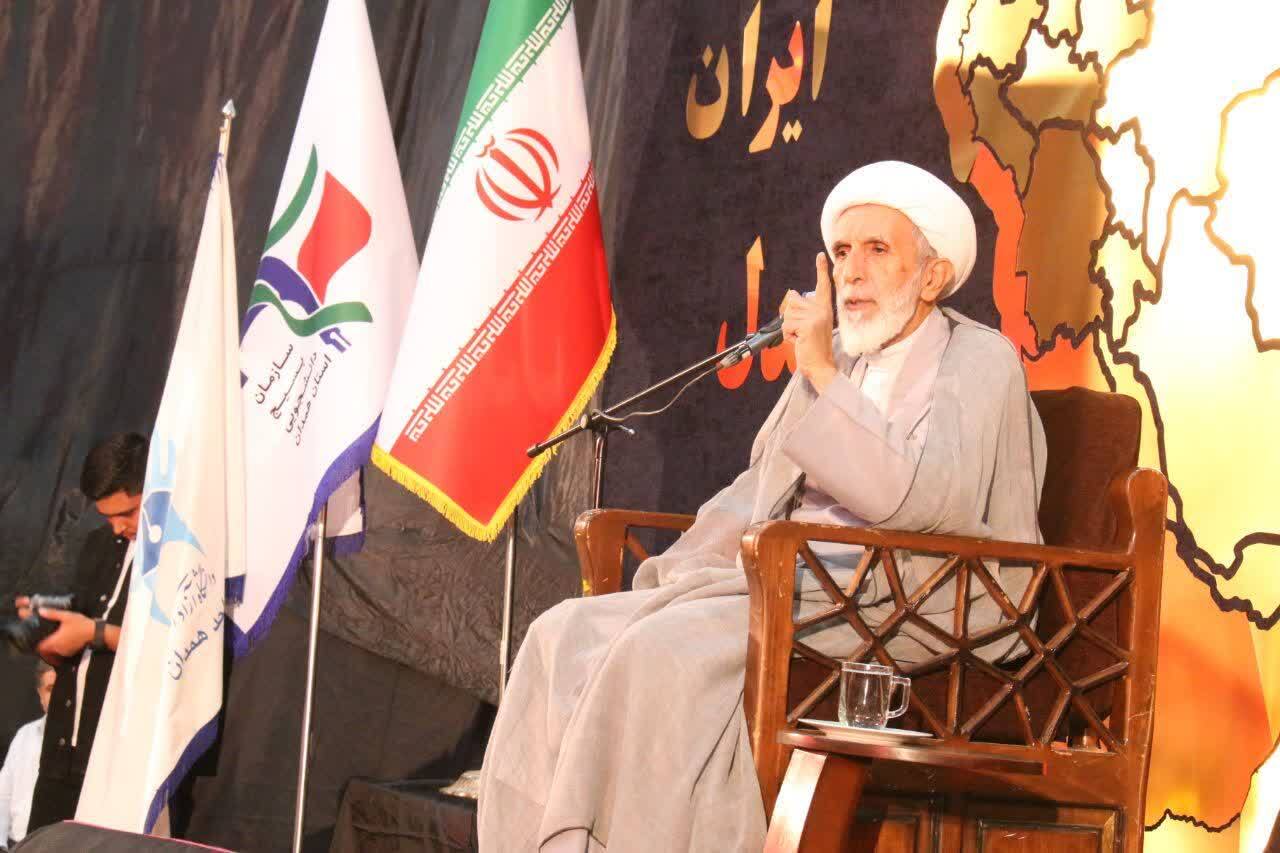
Ammar Headquarters
The story of Ammar Headquarters begins in the aftermath of what Iranian official discourse calls the “Fitna of 88,” a reference to the mass protests that erupted following the June 2009 presidential election.
In that pivotal moment, the Iranian leadership faced an unprecedented challenge in the streets. Circles close to Supreme Leader Ayatollah Ali Khamenei began searching for new tools to reassert control over the public sphere, not only through conventional security measures but also by reshaping the confrontation at the ideological and cultural level.
It was in this context that Ammar Headquarters, also known as Gharargah Ammar, was established in 2010 as what Iranian media, including Tabnak in 2011, described as “a gathering of thinkers, activists, and opinion leaders within the cultural front of the Islamic Revolution.”
The choice of name was far from incidental. Ammar refers to Ammar bin Yasir, a figure in Shiite tradition often presented as a model of clarity and insight in times of strife. Drawing on that symbolism, the group built its rhetoric around ideas of awareness and the ability to distinguish truth from falsehood, positioning itself against what the Iranian leadership frames as a soft war targeting the country’s internal fabric and seeking to dismantle its intellectual and social foundations.
Its founding core included roughly 70 figures, among them clerics, media figures, lawmakers, and former members of the Islamic Revolutionary Guard Corps (IRGC). At its center stood Mehdi Taeb, alongside influential figures such as Ali Reza Panahian and Hossein Yekta.
What set Ammar Headquarters apart from the outset was its refusal to adopt a conventional institutional form. It is neither a registered political party nor a formal security body. Instead, it operates as a flexible network with a loose leadership structure, bringing together individuals with influence across religious platforms, media, grassroots mobilization, and indirect security circles.
Within this framework, Mehdi Taeb serves as the intellectual and organizational center of gravity, not by running a formal bureaucracy but by leading a web of influence that extends across key nodes of the state and society.
This networked structure has given the group significant mobility within the government’s gray zones, allowing it to influence broader political trajectories without holding formal institutional responsibility. It does not make government decisions, but it helps shape the political and intellectual environment in which those decisions are formed, underscoring its core role as a shaper of public narratives and a driver of public perception.
Although Ammar Headquarters does not have a publicly declared budget or an independent economic arm, its financial presence is reflected in its integration into a broader funding ecosystem within the Iranian state, where religious, cultural, and semi-governmental institutions overlap.
Positioning itself as a hub for thinkers within the “Islamic Revolution’s” cultural front, it relies on logistical and human resources drawn from this layered environment without appearing as a direct economic entity, according to Iranian reporting since its founding.
Multiple studies suggest that such networks benefit from a wide funding space led by major institutions like the Mostazafan Foundation and the Execution of Imam Khomeini’s Order, which channel substantial resources into cultural and media projects aligned with official narratives. This creates an indirect funding environment for initiatives like Ammar Headquarters, even in the absence of clearly documented financial links.
This pattern of indirect support is reinforced by the ties of figures within the group to circles close to the IRGC and the Basij, both of which wield broad security, economic, and media influence inside the state, further amplifying the reach of these networks without presenting them as formal, independent institutions.
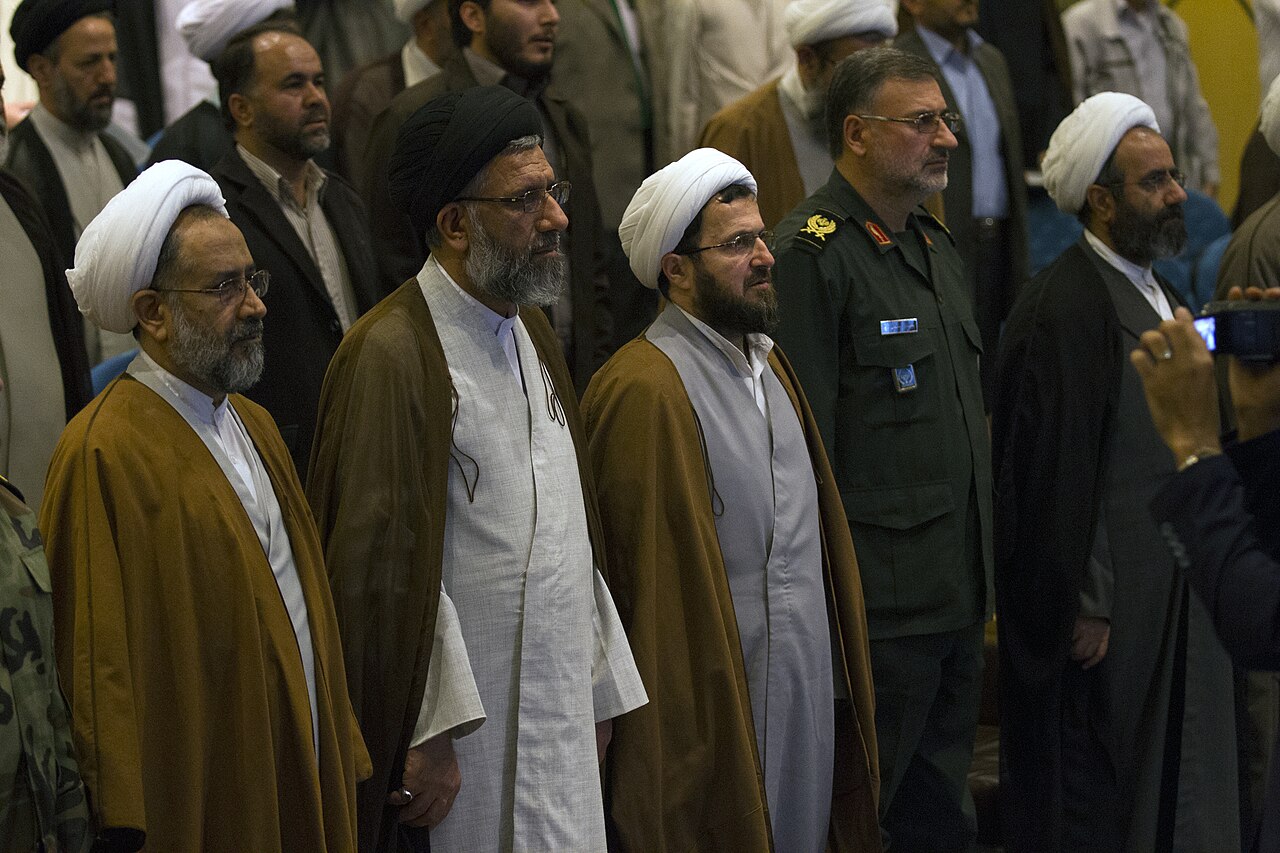
The Nature of the Discourse
From the outset, Ammar Headquarters has been deeply involved in producing a narrative built around a set of core concepts, most notably “sedition,” the “internal enemy,” “soft war,” and “infiltration.”
These were not simply rhetorical slogans or tools of surface-level mobilization. They evolved into a full interpretive framework through which political and social reality inside Iran is redefined.
Within this framework, a protester is no longer seen as a political dissenter calling for reform or change but is reframed as part of an external penetration project targeting the state from within.
Likewise, differences of opinion are no longer treated as legitimate political disagreement in the public sphere but are recast as deviation, something to be confronted and contained rather than debated.
This vision has been reinforced through a range of informal institutional tools, including religious platforms, alternative media outlets, and mobilization-driven cultural events, most notably the Ammar International Popular Film Festival, which has helped translate these ideas into a widely circulated cultural narrative.
The influence of this role became more visible during subsequent waves of protest, culminating in the demonstrations of 2026. Ammar Headquarters did not appear as a body leading operations on the ground, but it was present through prominent figures within its network who played a central role in shaping both official and unofficial mobilization discourse.
For example, Hossein Yekta appeared in statements broadcast on the Islamic Republic of Iran Broadcasting (IRIB), warning families against allowing their children to join protests and framing participation in demonstrations as direct involvement in a hostile project targeting the state and the leadership.
This style of messaging, documented by outlets including Iran’s Radio Farda in reports published throughout 2026, helped recast protesters from political actors into security threats, shifting the confrontation from the realm of politics into that of security.
In this way, the indirect relationship between narrative production and security action becomes clear. While security institutions carry out enforcement on the ground, networks like Ammar Headquarters play a parallel role by providing ideological cover, redefining protest and stripping it of legitimacy in the public consciousness.
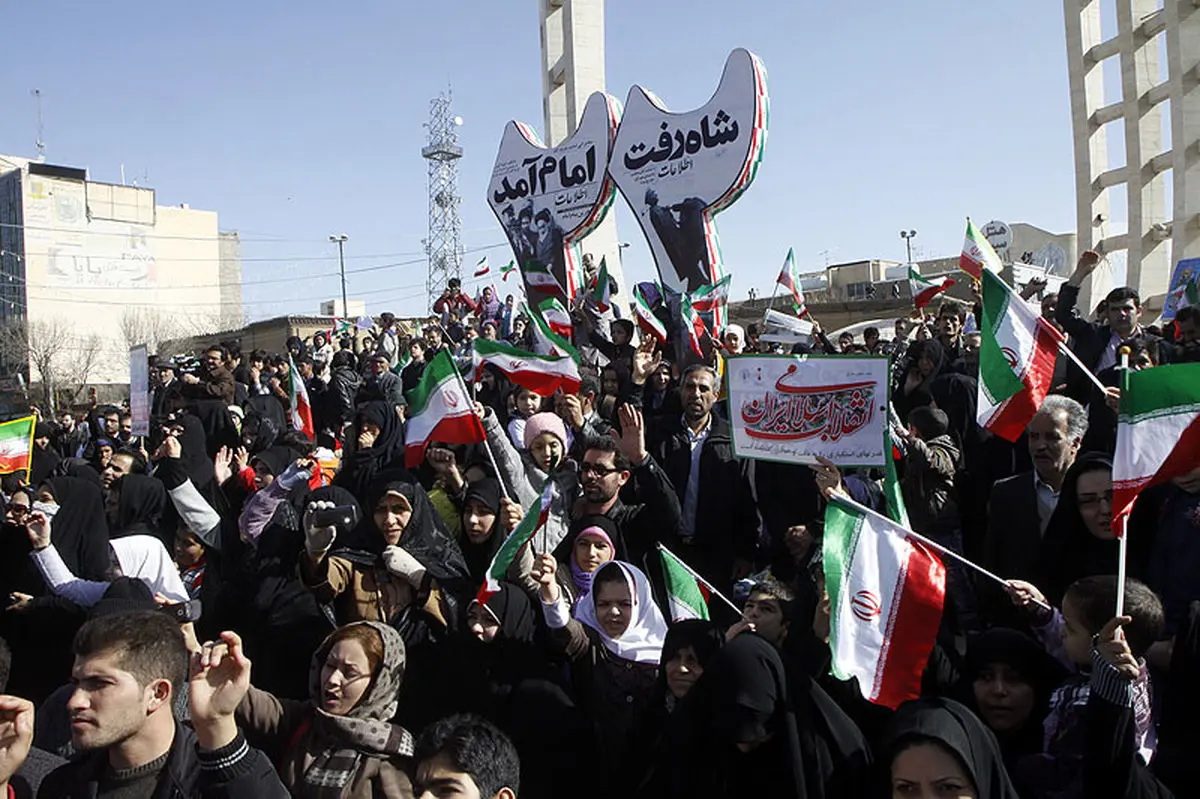
A New Phase
The role played by Ammar Headquarters has not unfolded without controversy inside Iran, particularly in political and media circles, where recurring questions have emerged about the nature of the group. Is it merely a cultural and intellectual platform, or does it exercise real political and ideological influence beyond the reach of institutional accountability?
As early as 2011, reports published by the Khabar Online News Agency pointed to internal disagreements within the group itself, especially following remarks by Mehdi Taeb targeting prominent political figures, including former Iranian president Mahmoud Ahmadinejad. The episode revealed early tensions over the limits of the group’s role and the extent of its involvement in political affairs.
In the years that followed, criticism intensified, particularly among reformist circles. In 2024, Iranian journalist Ahmad Zeidabadi engaged in a public dispute with Taeb over the events of 2009 before being summoned for questioning, according to Radio Farda.
The incident once again drew attention to the role played by figures linked to Ammar Headquarters in shaping narratives that justify the suppression of opposition while also raising broader questions about the boundaries of political accountability in this space.
Criticism has not been limited to reformists. Even within conservative circles, there have been reservations, with some pro-establishment media outlets criticizing what they saw as overreach by figures tied to the group, particularly when they intervened in internal power struggles or crossed the unwritten lines that govern the leadership’s internal balance.
This reflects a broader perception that Ammar Headquarters is not only a tool directed at the opposition but also an actor capable of unsettling sensitive internal balances within the power structure itself.
With the outbreak of the U.S.-Israeli War on Iran in February 2026, Ammar Headquarters entered a broader and more expansive phase. Its role is no longer confined to managing or influencing the domestic arena. It has become part of a wider mobilization system linking the internal and external fronts into a single framework.
Statements by Mehdi Taeb reflect this shift. They no longer focus solely on military resilience but emphasize public presence as a decisive factor in the confrontation.
This shift also signals a redefinition of the nature of war itself in official Iranian discourse. It is no longer framed as a conventional military conflict between states but as a comprehensive ideological struggle between what is described as “revolutionary Islam and global arrogance.”
In this context, taking to the streets becomes a political act with religious and ideological weight, not merely a form of civic expression or social protest. That framing places Ammar Headquarters at the center of transforming the war into a broad and sustained mobilization narrative.
Taken together, Ammar Headquarters represents a complex model within the Iranian leadership. It is neither a traditional formal institution nor merely a cultural collective but an ideological network operating in the space between state and society.
Its core strength lies not in direct executive power but in its ability to produce narratives and shape the interpretive framework that defines who is an enemy, who is an ally, and what is acceptable or unacceptable in the public sphere.
As escalation continues in 2026, this role appears set to expand. The greater the external pressure, the stronger the need for internal mobilization tools, and the more complex the challenges, the more central entities capable of unifying discourse and steering public opinion become, with Ammar Headquarters at the forefront.
Sources
- Iran Update Special Report, April 20, 2026
- Mehdi Taeb: Enemies Seek to Uproot “Revolutionary Islam,” Public Presence on the Streets Has Frightened Them [Arabic]
- Labeling Protesters in Iran as “Terrorists”: Where Did It Start and How Did It Emerge? [Arabic]
- Ahmad Zeidabadi Summoned After Debate With Mehdi Taeb on Charges of “Spreading False Information” [Arabic]
- Mr. Panahian: Where Does Ammar Headquarters’ Budget Come From? [Arabic]
- Central Members of Ammar Headquarters Appointed [Arabic]