Between Displacement and Sectarian Pressure: ‘Israel’s’ Path Toward Genocide Against Shia in Lebanon
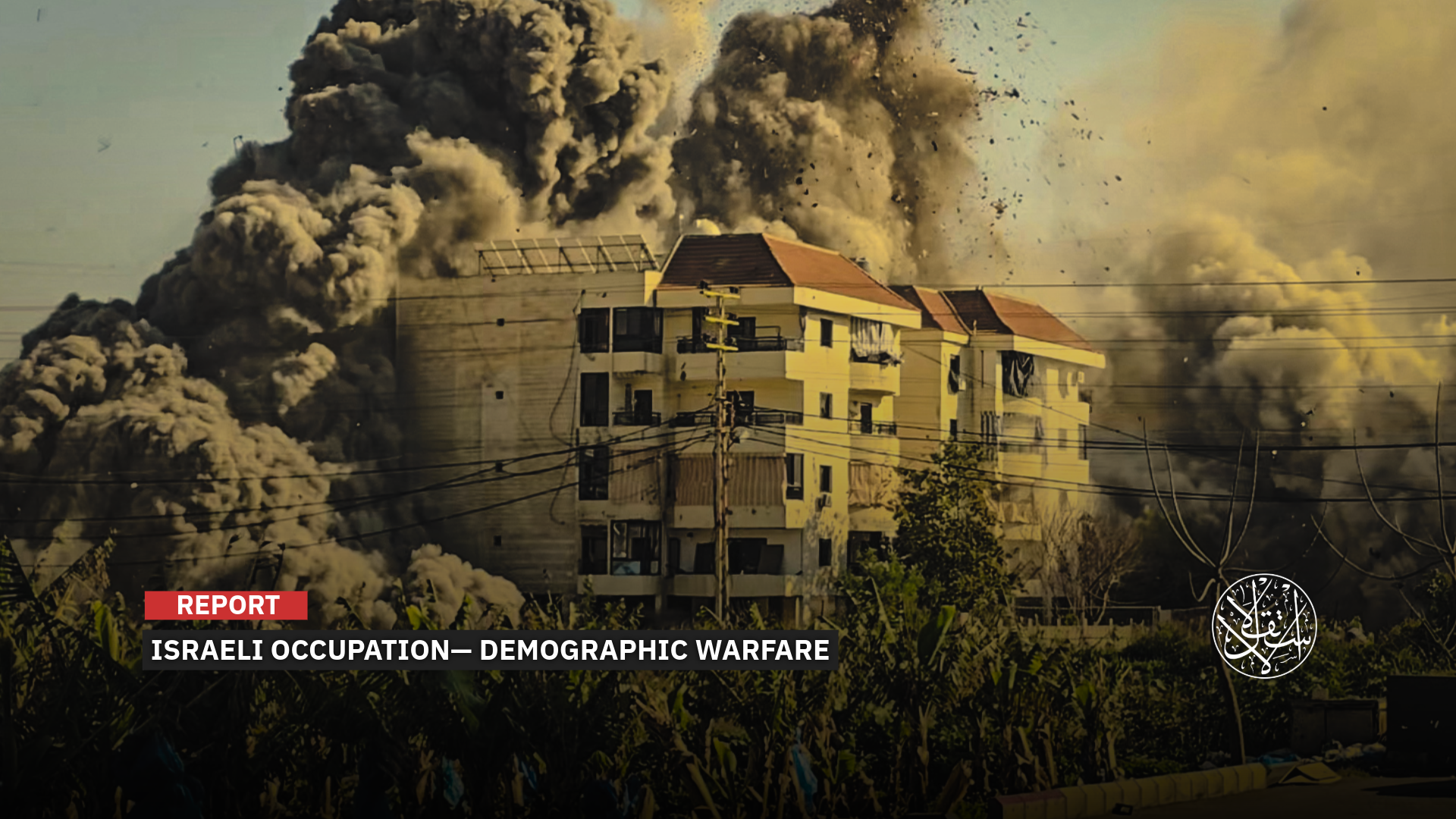
Israeli authorities have issued repeated evacuation orders for residents of Beirut’s southern suburbs.
At the same time as “Israel’s” plan to occupy approximately 10 percent of southern Lebanon, split the southern region into two halves, and establish the Litani River as a dividing boundary line, multiple reports indicate that “Israel” has carried out what is described as a genocide targeting the Shiite population in southern Lebanon, with the aim of altering the demographic balance in the area.
These plans reportedly include the shelling of homes and the displacement of Shiite residents from the south, along with the systematic destruction of all aspects of life in the targeted areas, similar to what occurred in the Gaza Strip during previous operations described as genocide and ethnic cleansing.
Israeli authorities have also issued successive evacuation orders for residents of Beirut’s southern suburbs, one of the largest Shiite-populated areas in Lebanon.
In addition, the Israeli army has reportedly ordered Christians in Lebanon, particularly in southern areas, not to shelter or host any displaced Shiite individuals sharing their homes or villages after the destruction of their houses and businesses, in what is described as an attempt to alter the demographic composition.
The southern suburbs of Beirut are considered the largest Shiite concentration in Lebanon, with an estimated population of between 900,000 and 1 million people out of approximately 1.5 million Shiites, who make up around 32 percent of Lebanon’s total population.
The reported Israeli plans focus on pushing a large proportion of the Shiite population away from areas bordering “Israel”, while destroying their homes and property under the pretext of building a security barrier intended to prevent Hezbollah rockets from reaching settlements in northern “Israel”.
What’s the Story?
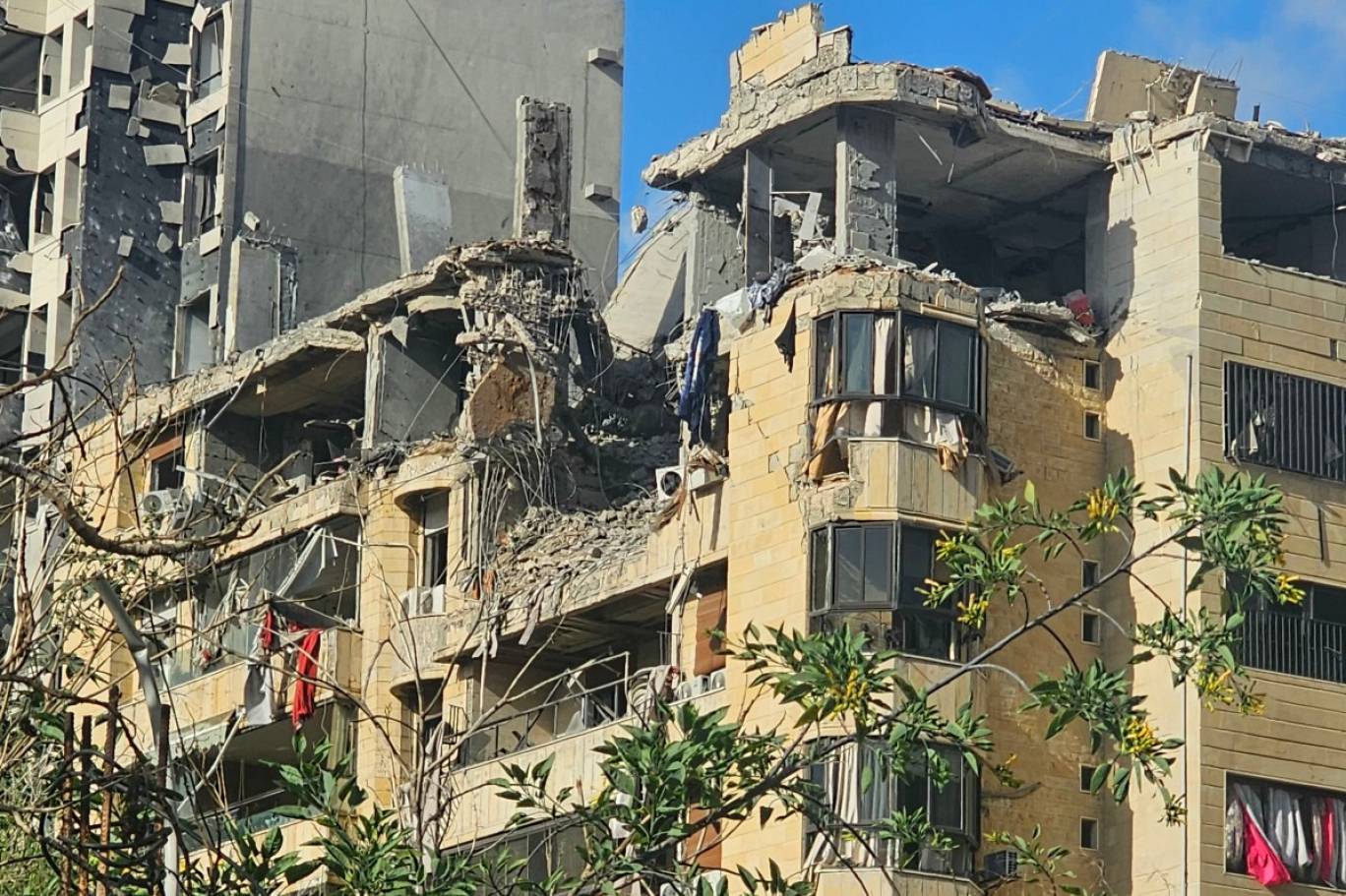
Since the start of the latest confrontation between Hezbollah and “Israel”, and the escalation of the Israeli incursion along the southern border under the pretext of expanding a so-called “buffer zone,” Israeli Occupation Forces have issued mass evacuation orders targeting Shiite communities, alongside widespread destruction of homes and infrastructure across the region, forcing residents into displacement.
In the same context, Israeli messaging, according to reports, has carried a clear implication to a broad segment of Lebanese society: “Shiites must leave.” In addition to sweeping evacuation orders, pressure has reportedly been exerted on some Christian and Druze leaders to expel Shiite Muslims from southern towns, according to reporting by The New York Times in early April 2026.
“Israel” has also issued directives to evacuate a wide area in southern Lebanon extending roughly 40 square kilometers from the border, within the South Governorate, which spans about 930 square kilometers, ordering residents to move north.
However, reports indicate that Israeli military officials have been communicating, in an unofficial capacity, with local leaders from non-Shiite communities in southern Lebanon, particularly Christians and Druze, asking them to remain, while indicating that evacuation measures are primarily targeting Shiites.
Local leaders also reported being pressured to expel any Shiite Lebanese who had taken refuge in their villages after their towns were nearly destroyed by Israeli bombardment, according to testimonies cited by Christian, Druze, and Shiite officials.
Shiite residents stated that after fleeing their farms at the outbreak of the war and seeking shelter in Christian or Druze-majority villages within evacuation zones, they were later told by local officials to leave immediately, with those officials citing Israeli pressure as justification.
According to these accounts, Israeli military officials contacted leaders in at least eight villages, instructing them to expel Shiite civilians who had sought refuge there, based on statements from municipal officials and local leaders across different sects in press interviews.
They further reported that most villages complied with these instructions out of fear of being targeted if they refused.
Reports also indicate that some municipal leaders began preventing newly displaced Shiite families from renting homes within these towns, out of concern that they might be linked to Hezbollah and could trigger Israeli strikes on those areas.
In the same context, officials in Christian and Druze-majority villages reportedly visited long-term Shiite resident families to ensure they were not hosting newly displaced relatives, warning that villages might be forced to comply with any Israeli orders to expel Shiites if issued.
According to Lebanese assessments, these messages have been interpreted as a clear indication of an attempt to force Shiites in the south to leave specifically on sectarian grounds tied to their association with Hezbollah, as a form of pressure on the group, but in a manner described by some as resembling ethnic cleansing under the pretext of establishing a new buffer zone.
This comes in the wake of public statements by Israeli Defense Minister Yoav Gallant, who said “Israel” plans to occupy Lebanese territory stretching from the border to the Litani River, equivalent to about 10 percent of Lebanon’s territory, stating that Shiites would not be allowed to return, and comparing the strategy in Lebanon to that used in the Gaza Strip.
Altering the Demographic Landscape
Since the expansion of Israeli aggression in Lebanon since early March 2026, and the escalation of a systematic pattern of killings, forced displacement, infrastructure targeting, and the isolation of areas south of the Litani River, serious concerns have emerged that the occupation plan aims to alter the demographic balance through systematic ethnic cleansing.
Displacement messages and pressure exerted on Christian and Druze residents in the south to expel Shiites from their villages indicate that “Israel” is seeking not only to redraw the geographical map of southern Lebanon, but also to reshape its demographic composition.
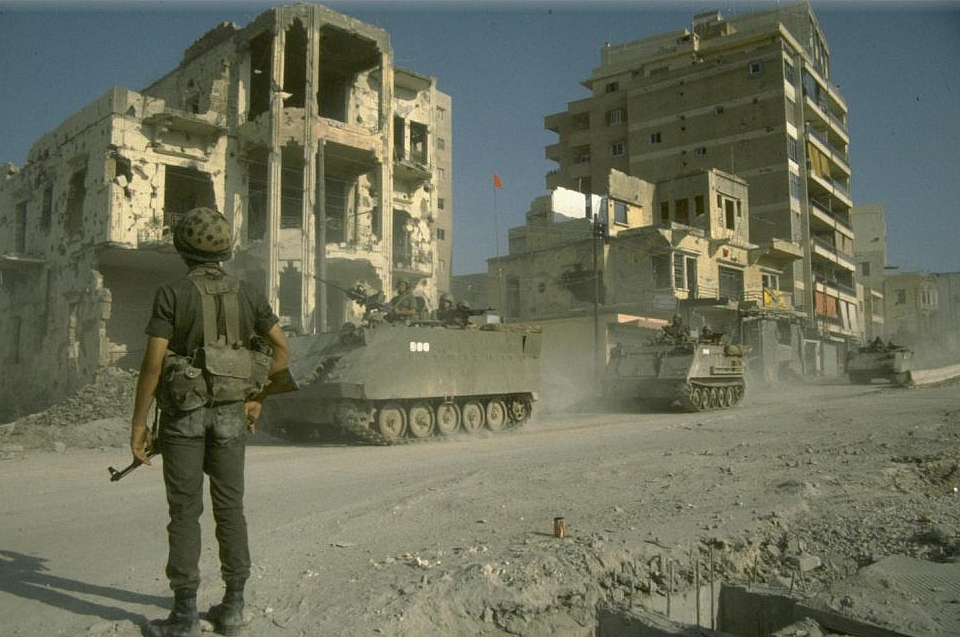
Media and human rights reports suggest that “Israel” is working to depopulate the border strip of Shiite residents in particular, in order to establish a buffer zone that is either empty or sparsely populated, in a manner similar to previous attempts in southern Lebanon in 1996, or in parts of the Gaza Strip.
The website +972 Magazine described these practices in a report published on April 6, 2026, as “ethnic cleansing,” noting that an entire population group, the Shiites, is being targeted, displaced, and killed because of their identity and place of residence, amid international silence.
Turkish Foreign Minister Hakan Fidan also warned of what he described as an “attempt at ethnic cleansing by Benjamin Netanyahu’s government in Lebanon under the pretext of fighting Hezbollah.”
In this context, bridges, crossings, and vital roads, particularly those connecting both banks of the Litani River, have been targeted in an effort to isolate entire areas and prevent displaced Shiite populations from returning.
These warnings specifically targeting Shiites have raised concerns among human rights organizations, which have described them as amounting to forced displacement, noting that expulsions in some areas are based on religious affiliation, with Shiites being singled out for removal, according to Human Rights Watch.
During the 2024 war between Hezbollah and “Israel”, only about twenty Shiite families were displaced from their villages along the border due to shelling, without any general evacuation orders. However, the current war has marked a shift in Israeli tactics, which now appear closer to a pattern of large-scale ethnic cleansing and forced displacement.
Sowing Sectarian Strife
Lebanese observers fear that “Israel’s” objectives may go beyond displacement and battlefield changes to include igniting sectarian strife and reigniting religious tensions in Lebanon, especially amid growing friction between Maronite parties and Hezbollah over the war with “Israel”.
Israeli warning messages have placed Christian and Druze leaders in a highly sensitive position, as complying with Israeli demands may spare their towns from destruction, but could also provoke potential retaliation from Hezbollah after the war, in addition to raising the risk of escalating sectarian tensions.
Christian leaders in the town of Marjayoun, located on a hill in southern Lebanon, reportedly stated that after asking displaced Shiite residents to leave the town, they received indirect threats from individuals believed to be affiliated with Hezbollah.
However, the greater concern is that such pressures could push some Christians to view an Israeli presence in the south after the war more favorably, as a form of protection or a “buffer” against possible retaliation, especially given that some had previously cooperated with “Israel” and the South Lebanon Army.
In the same context, Lebanese media reports suggested that “Israel” is “playing on sectarian divisions” within Lebanese society by occasionally targeting Christian areas or blaming Hezbollah for certain attacks, in an effort to turn Christian public opinion against the group.
Lebanon 24 reported on April 8, 2026, that “Israel” is seeking to inflame sectarian tensions during the war, particularly between displaced Shiites and Christian communities.
The report cited an example of a strike on an apartment in Ain Saadeh, in the Maronite-majority area, which killed a Lebanese Forces official and his wife, allegedly in an attempt to provoke Christians against Shiite displaced persons in their areas.
An Israeli missile also fell in the predominantly Christian area of Mansourieh, while “Israel” has repeatedly claimed that Hezbollah operatives are using Christian border villages to launch attacks on Israeli settlements and cities, in what is seen as an attempt to turn local populations against the group.
“Israel” has also accused Hezbollah of being behind the Qlayaa incident, in which Father Pierre al-Rahi was killed, despite being responsible for shelling the southern Christian town itself.
It further claims that Hezbollah uses churches and Christian holy sites in southern areas to launch rockets, an allegation viewed as an attempt to deepen divisions between Christians and Shiites and exploit segments of Christian public opinion opposed to Hezbollah’s involvement in the war, which is seen by some as linked to Iranian influence.
Lebanon 24 also noted that “Israel” is seeking to isolate displaced Shiites and restrict their movement in areas of refuge, particularly in Beirut and Christian and Druze regions, in order to pressure them either into leaving Lebanon, as happened in 2024 when some families fled to Syria and Iraq, or to increase public resentment, among both Christian and Shiite communities, toward Hezbollah, potentially pushing the group to end the war and surrender its weapons.
Following the announcement of a ceasefire between the United States and Iran, “Israel” reportedly moved quickly to instruct Shiite residents not to return to their villages, citing ongoing military operations in Lebanon, in what is interpreted as an attempt to prevent the reversal of displacement plans and to consolidate changes to the demographic reality in the south.

Settlement Is Also a Goal
Similar to what “Israel” is attempting to implement in the Gaza Strip after what is described as genocide and ethnic cleansing, through advancing settlement plans led by extremist Jewish religious groups under the cover of “buffer zones,” an investigative report published by the Israeli website “HaMakom HaKhi Chom” revealed the rise of a radical settlement movement called “Uri Tzafon” (“Awake, O North”), which seeks to expand into southern Lebanon up to the Zahrani River.
The report stated that this movement, backed by the ruling Likud Party, is running extensive fundraising campaigns under the slogan of “security necessity,” exploiting the fluid situation on the northern front to impose a settlement agenda that goes beyond international red lines and UN Security Council Resolution 1701.
It noted that the movement’s founder, Professor of Computer Science at Ariel University, Amos Azaria, promotes a vision based on “forced demographic change,” and was quoted as publicly stating that “the majority of the population, even up to the Litani and Zahrani regions, are Shiites.”
The report argued that this rhetoric lays the groundwork for replicating the “Golan Heights model,” through the displacement of indigenous populations, preventing their return, and replacing them with settlers to impose new “political facts on the ground.”
According to the report, Azaria spent six months in a settlement outpost called “Eli Gaza” on the Gaza border at the beginning of the current war.
After being evacuated from there, he shifted his organizational activity northward, founding the “Uri Tzafon” movement with the aim of establishing settlements in southern Lebanon.
It added that six families from the movement had already attempted to cross the border and set up tents in the Maroun al-Ras area in Lebanon, in what was described as a “settlement rehearsal,” but they were later removed by the Israeli army due to wartime conditions and fears that they could be targeted by Hezbollah.
Sources
- Israel’s Message to a Broad Swath of Lebanon: Shiites Must Go
- Israel Is Conducting a Campaign to Ethnically Cleanse Southern Lebanon of Shia Residents
- Israel’s Latest Genocide Is Against the Shias of Lebanon. Why Is the World Silent?
- Absence of Accountability for Gaza Genocide Has Enabled Israel’s War on Lebanon
- This Is How Israel Is Playing with the Fire of Sectarian Strife in Lebanon [Arabic]
- An Israeli Movement Works to Extend Settlement Activity in Lebanon Beyond the Litani River [Arabic]