Ramy Shaath Between Egypt and France: From Diplomatic Release to Facing Deportation
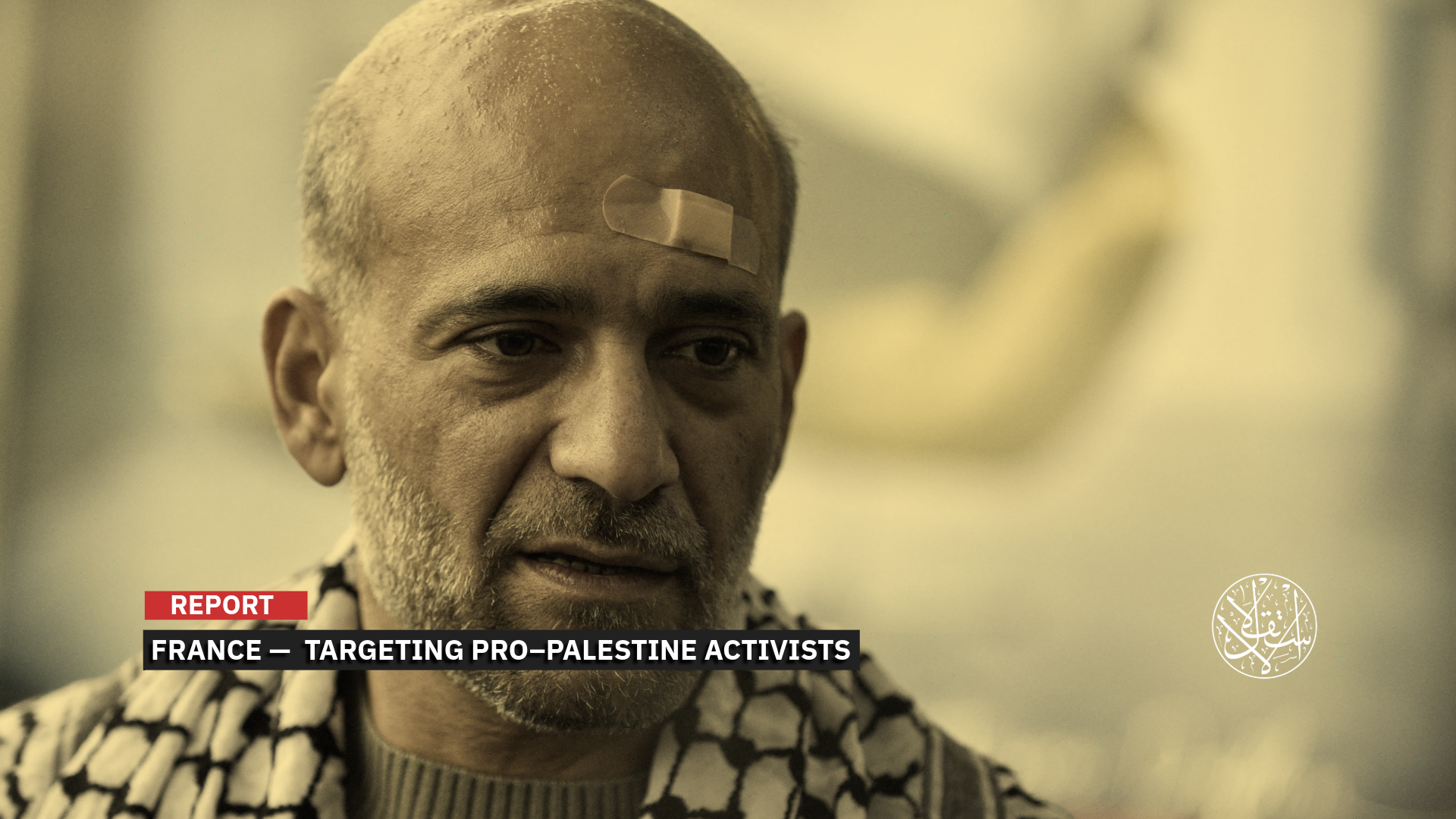
The sensitivity of Ramy Shaath’s case goes beyond his political and legal activities and extends into his personal and family life.
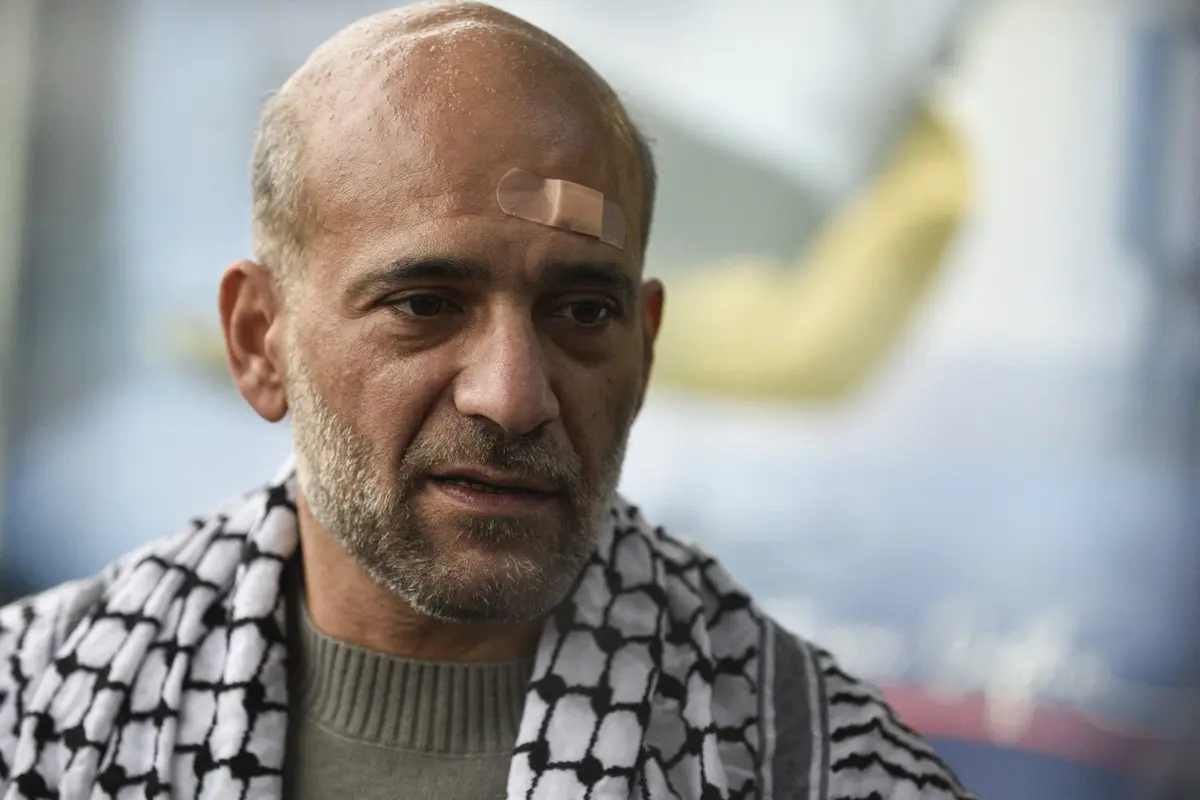
Palestinian activist Ramy Shaath has found himself once again at odds with authorities, this time in Paris, the city that once welcomed him after his release from years of detention in Egypt, presenting him as a symbol of free expression and human rights.
French authorities now say they intend to expel him, citing concerns that he poses a “serious threat to public order,” while Shaath argues that the move is part of a broader crackdown targeting Palestinians and supporters of Gaza across Europe.
Shaath’s Statement
In a lengthy statement published on May 14, 2026, in Arabic, English, and French, Shaath said that police in Nanterre had informed him of plans to deport him from France. He accused the French government of using legal and administrative tools to silence voices supporting Palestine, linking his case to a wider tightening of restrictions on pro-Gaza activism since the start of the Israeli Occupation’s war on the Strip.
His statement went beyond the deportation order itself and included direct accusations of French political, legal, and media complicity in the war on Gaza as well as a McCarthyist campaign against Palestinians and solidarity activists in the country.
According to the Associated Press (AP), French authorities have already begun legal proceedings that could lead to a final deportation order in the coming weeks, while his legal team prepares to challenge the case in French courts and potentially before European tribunals.
The case has now moved beyond a routine immigration dispute into a highly sensitive political and human rights issue, raising growing questions in France about freedom of expression and the boundaries placed on pro-Palestine activism in Europe, particularly amid the Israeli war on Gaza and the political and security tensions it has triggered in Western capitals.
Between Egypt and France
Ramy Shaath, the son of prominent Palestinian leader Nabil Shaath, is one of the most visible figures linked to the global Boycott, Divestment and Sanctions (BDS) movement in Egypt. Over the years, he became known for his outspoken defense of the Palestinian cause and his criticism of Israeli and Western policies toward it.
In June 2019, he was arrested by Egyptian authorities as part of the so-called “Hope Cell” case, which included a number of Egyptian politicians and activists.
Shaath remained in detention for more than two and a half years before being released in January 2022, after renouncing his Egyptian citizenship and being allowed to travel to France to join his French wife, Celine Lebrun, and their daughter.
At the time, Paris framed the case as a diplomatic and human rights success. President Emmanuel Macron publicly welcomed Shaath’s arrival in France, while French and international rights groups had pressed for his release.
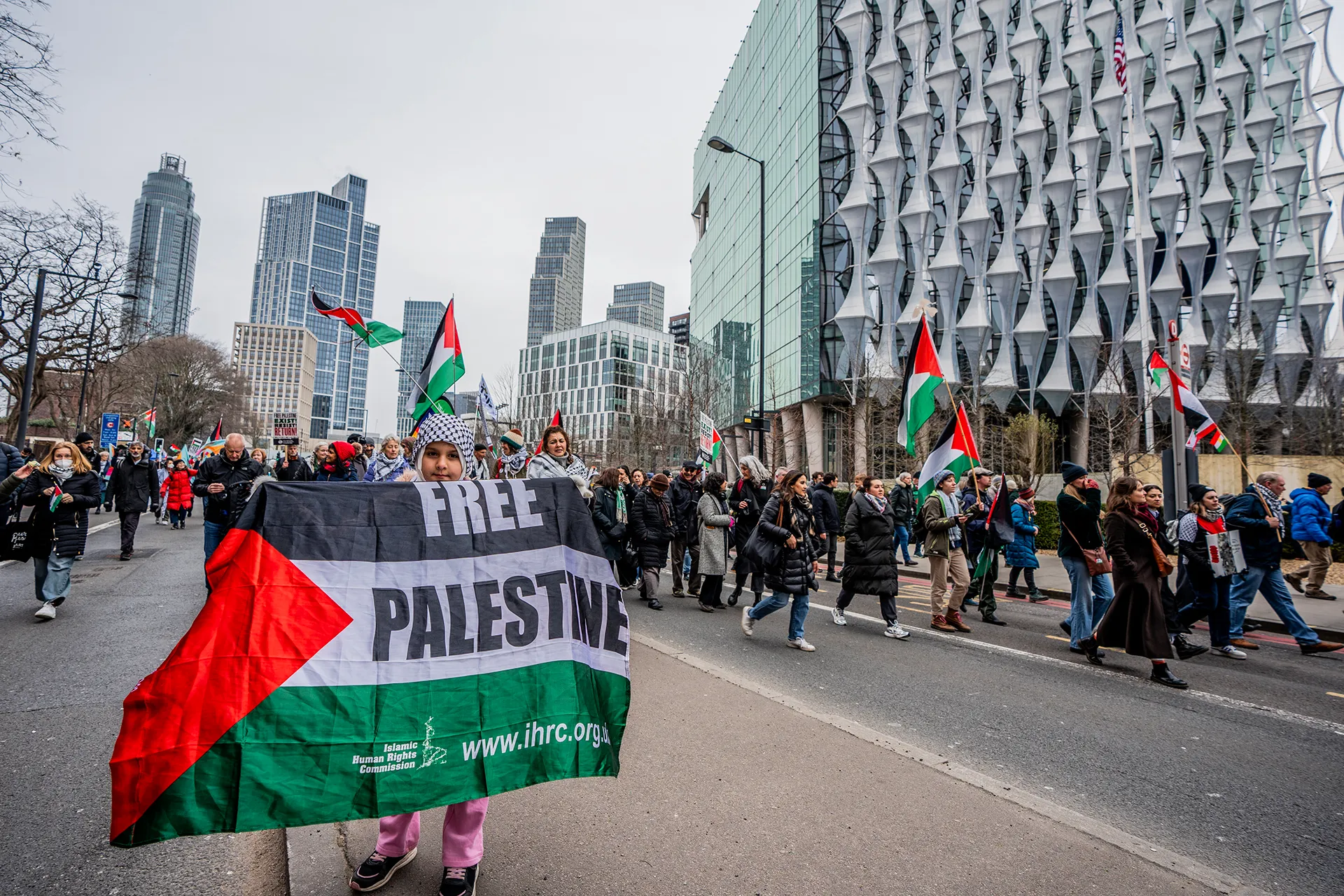
But the political shifts that followed October 7, 2023, reshaped the landscape. As pro-Palestine protests grew across European capitals, several Western governments began adopting tougher measures toward solidarity activism, framed through concerns over public order, counterterrorism, and antisemitism.
Within this context, Shaath gradually moved from a welcomed activist in France to a figure under increasing security scrutiny.
According to Agence France-Presse (AFP), the deportation case is based in part on his ties to the French movement “Urgence Palestine,” which he helped found after the war on Gaza, as well as his participation in demonstrations and events opposing Israeli genocide in the Strip.
French media reports, citing official documents, also say authorities consider some of his statements incitement to hatred or justification of terrorism, allegations Shaath strongly denies. He maintains that the earlier case related to “justification of terrorism” was closed without trial, arguing that there is no legal basis for the current claims.
Political Punishment
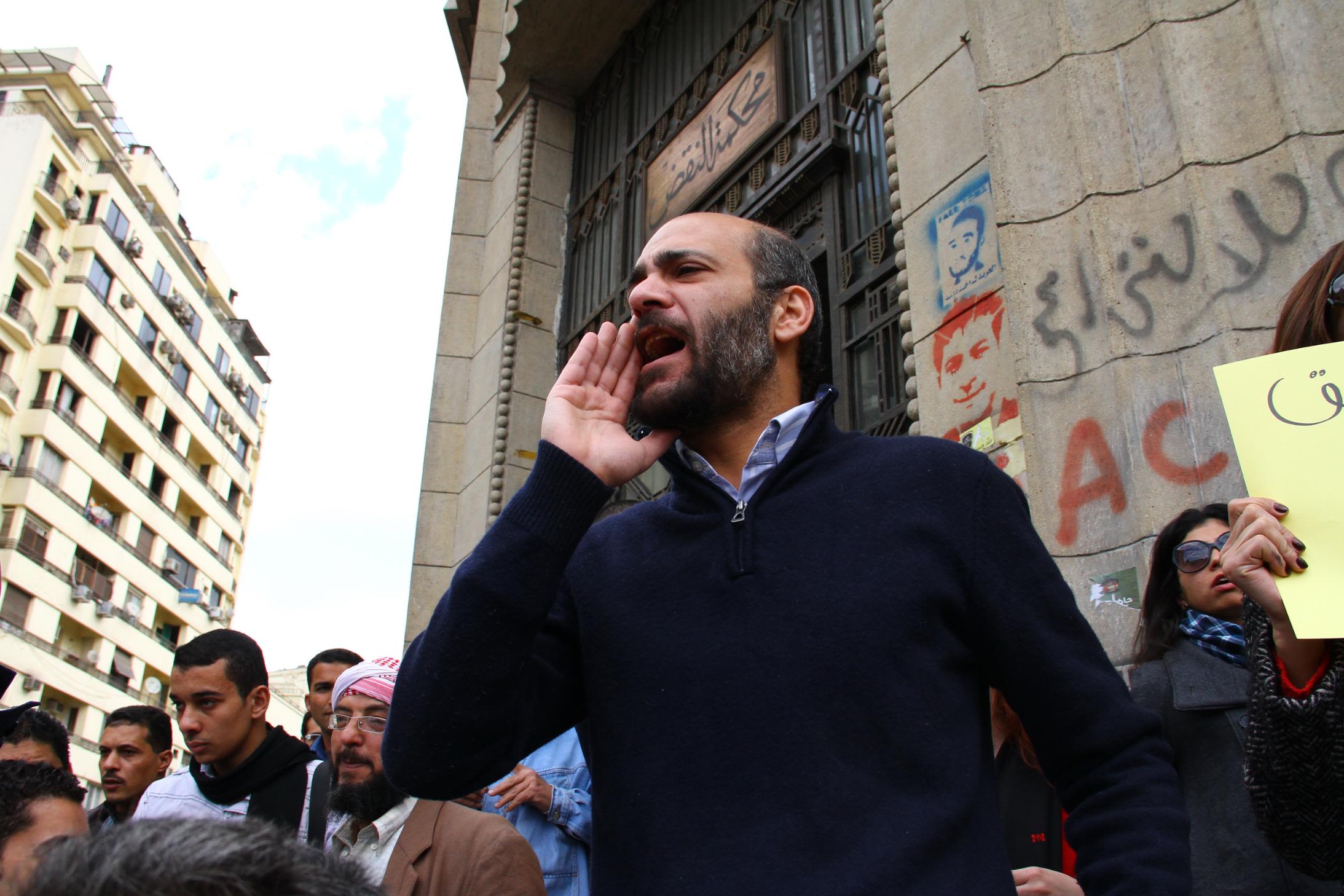
In his statement, Shaath describes what he has faced in recent months from French authorities as a shift from judicial targeting to administrative targeting, a pattern that has increasingly appeared in cases involving pro-Palestine activists across several Western countries.
Shaath says French authorities began by obstructing the renewal of his residency documents, despite his legal entitlement as the husband and father of French citizens, and then used this obstruction to restrict his ability to travel and work. He adds that the measures escalated to the freezing of his bank account without warning, followed by the suspension of his health insurance card, despite his having previously undergone two heart surgeries.
According to human rights advocates, these details reflect a form of unofficial punishment in which activists are not directly imprisoned but instead subjected to prolonged economic, medical, and administrative pressure.
Human rights lawyer Mostafa Ezzedine Fouad told Al-Estiklal that what is happening to Shaath reveals a clear shift in how pro-Palestine activists are being constrained in Europe.
He said Western governments are increasingly relying on administrative tools that appear legal on the surface but are in practice used to exhaust activists and isolate them socially and economically.
“Authorities no longer always need explicit court rulings, instead using residency rules, banking restrictions, health insurance systems, and travel regulations as instruments of pressure and punishment, creating a state of livelihood siege without criminal conviction,” he said.
“The significance of Shaath’s case lies not only in the possibility of deportation but also in how it exposes the use of bureaucracy itself as a political tool against pro-Palestine voices.”
Gaza and Europe
Shaath’s case cannot be separated from the broader European context since the outbreak of the Israeli war on Gaza, as security and administrative measures against activists, students, and academics participating in pro-Palestine events or criticizing the war have increased.
In Germany, Palestinian-British doctor Ghassan Abu Sittah faced restrictions that prevented him from taking part in public events. In the United States, student visas were revoked for individuals involved in campus protests, while Britain has seen similar cases linked to pro-Gaza political activity.
This climate has prompted human rights organizations, including Amnesty International and Human Rights Watch (HRW), to warn of a shrinking space for freedom of expression related to the Palestinian cause in Western countries and of the growing use of public order and counterterrorism laws to restrict peaceful activism.
The French Human Rights League (LDH) has also criticized what it describes as an expansion of administrative measures targeting activities linked to the war on Gaza, pointing to increasing reliance on non-judicial tools in dealing with activists.
Rights groups say Ramy Shaath’s case reflects a broader and growing tension in Europe between freedom of expression and security driven-assessments amid the war on Gaza and the deep political and legal polarization it has produced.
A Larger Battle
Shaath’s case does not end at the boundaries of his political activity or legal status. It extends into his personal and family life, making his situation more complex and layered.
He is married to French citizen Celine Lebrun and is the father of a daughter who also holds French nationality, meaning any potential deportation would directly affect family and human rights considerations, not just security or political assessments.
In his statement, Shaath spoke openly about the human impact of what he is facing, noting that his wife now finds herself in another struggle after years of campaigning for his release during his imprisonment in Egypt.
He also argued that what he is experiencing goes beyond an administrative measure, describing it as an attempt to “break up a family” and isolate him from his surroundings as part of a broader effort to silence pro-Palestine voices.
Human rights lawyer Mostafa Ezzedine Fouad said the case shows how pressure is no longer aimed solely at activists themselves but also at their families and wider social circles in an effort to raise the personal and psychological cost of pro-Palestine activism.
He added that Shaath has previously succeeded in overturning some measures against him through the courts, which he said reflects the “weak legal basis of certain actions taken against him,” while also noting that harm is already done even if decisions are later reversed.
French authorities have not yet issued a detailed response to the allegations, while Shaath’s legal team continues to prepare a legal challenge against the deportation order in French courts and potentially at the European level if necessary.
Beyond the courtroom, however, the case reflects a broader shift in Europe, where solidarity with Palestine has become an increasingly contested space between states and activists and between traditional narratives of civil liberties and the security-driven realities of the post war on Gaza period.
In Shaath’s case, the irony is particularly sharp. A man who left Egyptian prisons years ago as a political detainee and was welcomed in Paris as a symbol of freedom now faces the prospect of being expelled from the very country that once received him in that role.
Between welcome and potential expulsion lies a wider question about the limits of freedom in the West when it comes to Palestine and how tools such as residency status, bank accounts, health insurance, and family stability can become instruments of pressure in a struggle no longer confined to Gaza but extending to the right to speak in its defense.
Sources
- Palestinian activist Ramy Shaath says France is seeking to deport him
- Palestinian activist Ramy Shaath faces deportation from France
- Ramy Shaath: France informed me of plans to deport me amid its crackdown on Palestinians [Arabic]
- Palestinian activist Ramy Shaath says France is seeking to deport him [Arabic]