At Its Lowest Point in 25 Years: Why Can Morocco’s Authorities No Longer Tolerate Press Freedom?
Restricting the press and journalistic work leads to a loss of trust, which in turn harms social stability.
As the world marks World Press Freedom Day each year on May 3, debate is renewed over the state of journalism in the Maghreb countries, which have witnessed varying degrees of decline in recent years, according to the 2026 report.
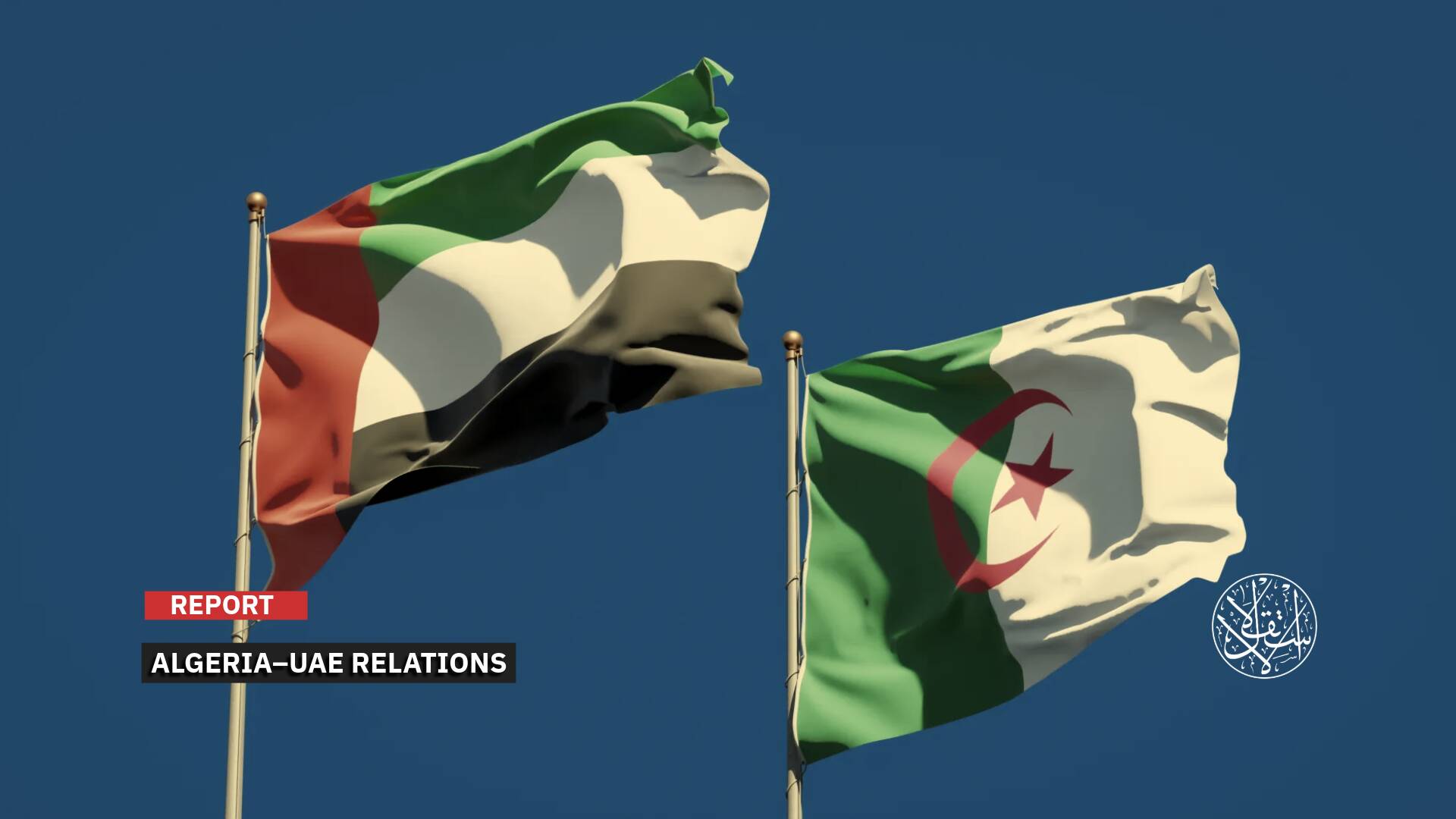
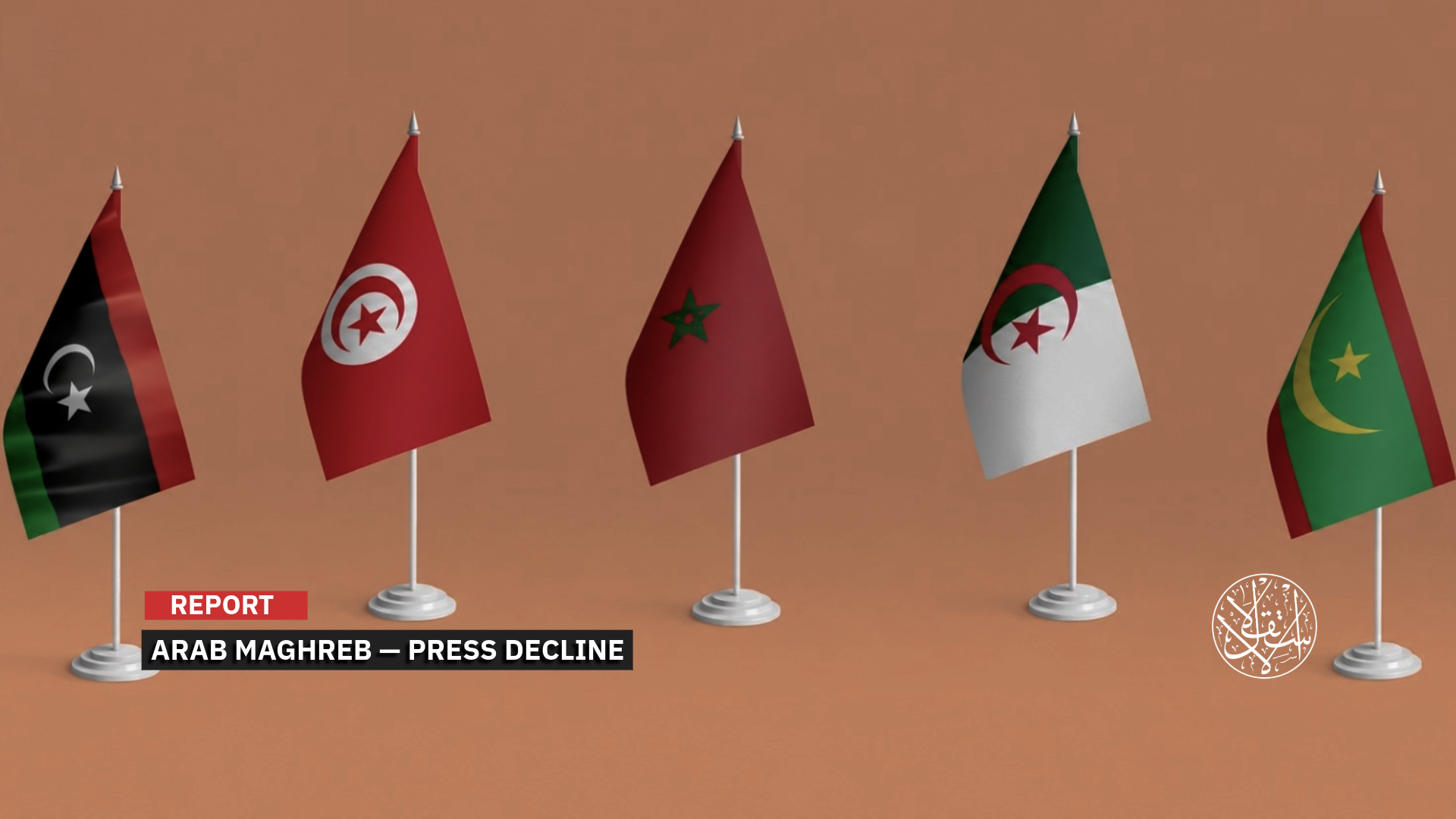
According to the 2026 Press Freedom Index issued by Reporters Without Borders on April 30, 2026, Algeria recorded the sharpest decline in the Maghreb region, falling 19 places to rank 145th, and was classified under the category of a “very serious situation.”
Algeria
In detail, this ranking is attributed to the presence of “vague laws” governing the profession, as certain amendments to the penal code are used, under pretexts such as “spreading false news” or “undermining national security,” as a means to criminalize journalistic work and prosecute journalists.
The threat of imprisonment also remains present in Algeria, as 2026 witnessed the continuation of policies of arrest and judicial prosecution. International reports documented the detention of independent journalists, such as Omar Farhat, director of “Algerie Scoop,” and independent journalist Abdelali Mezghiche, because of their journalistic activities.
The economic aspect is also considered one of the main tools of pressure in Algeria. The National Publishing and Advertising Agency (ANEP) monopolizes government advertising and uses it as a tool of reward and punishment: advertisements are granted to media outlets aligned with the official narrative, while they are withheld from those adopting an independent or critical editorial line.
On the other hand, the authorities impose near-total control over public media outlets (television and radio), using them as one-sided channels to promote the government’s discourse while ignoring opposing voices.
Because of the climate of fear and ongoing security and judicial prosecutions, many journalists are forced to practice “self-censorship,” avoiding investigations into sensitive issues such as financial corruption, military affairs, or protest movements.
Overall, the media landscape lacks genuine pluralism that freely and transparently reflects the full spectrum of Algerian society’s opinions and perspectives.
Mauritania
The report stated that Mauritania dropped 11 places, ranking 61st globally. This continues its downward trend after losing 17 places the previous year, falling from 33rd to 50th place.
The organization also confirmed that journalists in Mauritania are subjected to significant pressure from the political authorities, amid a fragile economic situation.
The organization pointed out that the misuse of the law related to the protection of national symbols, adopted in 2021, could constitute an obstacle to journalistic work. It also noted that complicated administrative procedures continue to hinder the work of the special press card committee established at the end of 2025.
The organization warned that despite the government’s pledge to improve journalists’ working conditions, their situation remains fragile, making them vulnerable to writing articles or producing reports in exchange for specific sums of money.
It also noted that although the Mauritanian government improved the status of freelance journalists working in public media outlets after decades of waiting, many of them still complain about low wages.
The organization stressed that independent media outlets are demanding transparency in the distribution of public advertising and guarantees that it is allocated fairly. It added that the Press Support Fund, despite the doubling of its annual budget, still remains incapable of ensuring the sustainability of media institutions.
The organization stated that those it described as the “Moorish” community, identified as an ethnic group speaking Arabic and Hassaniya, control most media outlets, which affects the content that is published or broadcast, while reminding that Mauritania is a multicultural and multiethnic country.
The organization also observed that the media rarely addresses issues such as marital rape, sex, or slavery, not to mention corruption, the military, Islam, and disparities between different social groups.
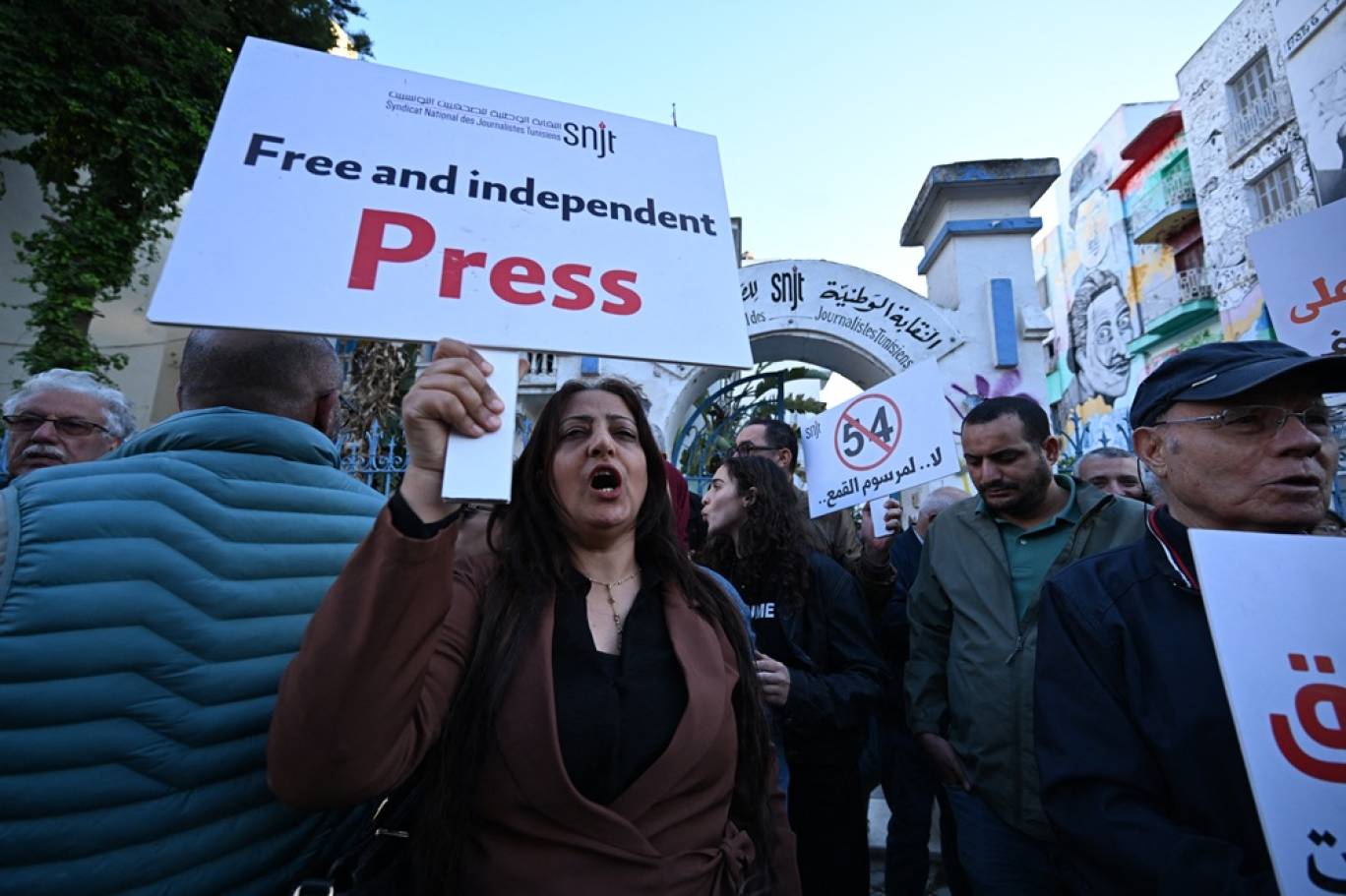
Tunisia
Reporters Without Borders recorded in its report that Tunisia dropped by eight places in 2026, ranking 137th globally.
Meanwhile, the National Syndicate of Tunisian Journalists (SNJT) published its annual report on press freedoms in Tunisia, which, according to the union, comes amid a domestic political climate marked by increasing restrictions on the public sphere and the redrawing of its boundaries in ways that reduce the role of independent actors and place the media before unprecedented challenges in its modern history.
The union pointed out that the specificity of the current phase in Tunisia lies not only in this overlap of crises, but also in the fact that it reflects a complex crisis that deeply affects the foundations of the public sphere and seriously calls into question the democratic guarantees produced by the Revolution of Freedom and Dignity.
It stated that “the crisis facing the media sector today is no longer merely a sectoral or temporary crisis, but has become an intense expression of broader imbalances affecting the relationship between the state and society.”
The union highlighted that the recorded imbalances come within a political context moving rapidly toward the erosion of political life, the marginalization of civil society, and the weakening of intermediary bodies, under various justifications such as combating corruption or protecting the state from fragmentation, which has effectively led to the reshaping of the public sphere on more closed and less pluralistic foundations.
Regardless of the many technical and economic factors involved, the same source stated that “political responsibility remains a decisive factor in explaining this decline, especially in light of public policies that tend toward controlling the key structures of the media sphere.”
It added, “Whether through legislation, restricting access to information, weakening regulatory bodies, or creating a climate of fear and indirect pressure, the practice of journalism has become an activity fraught with risks.”
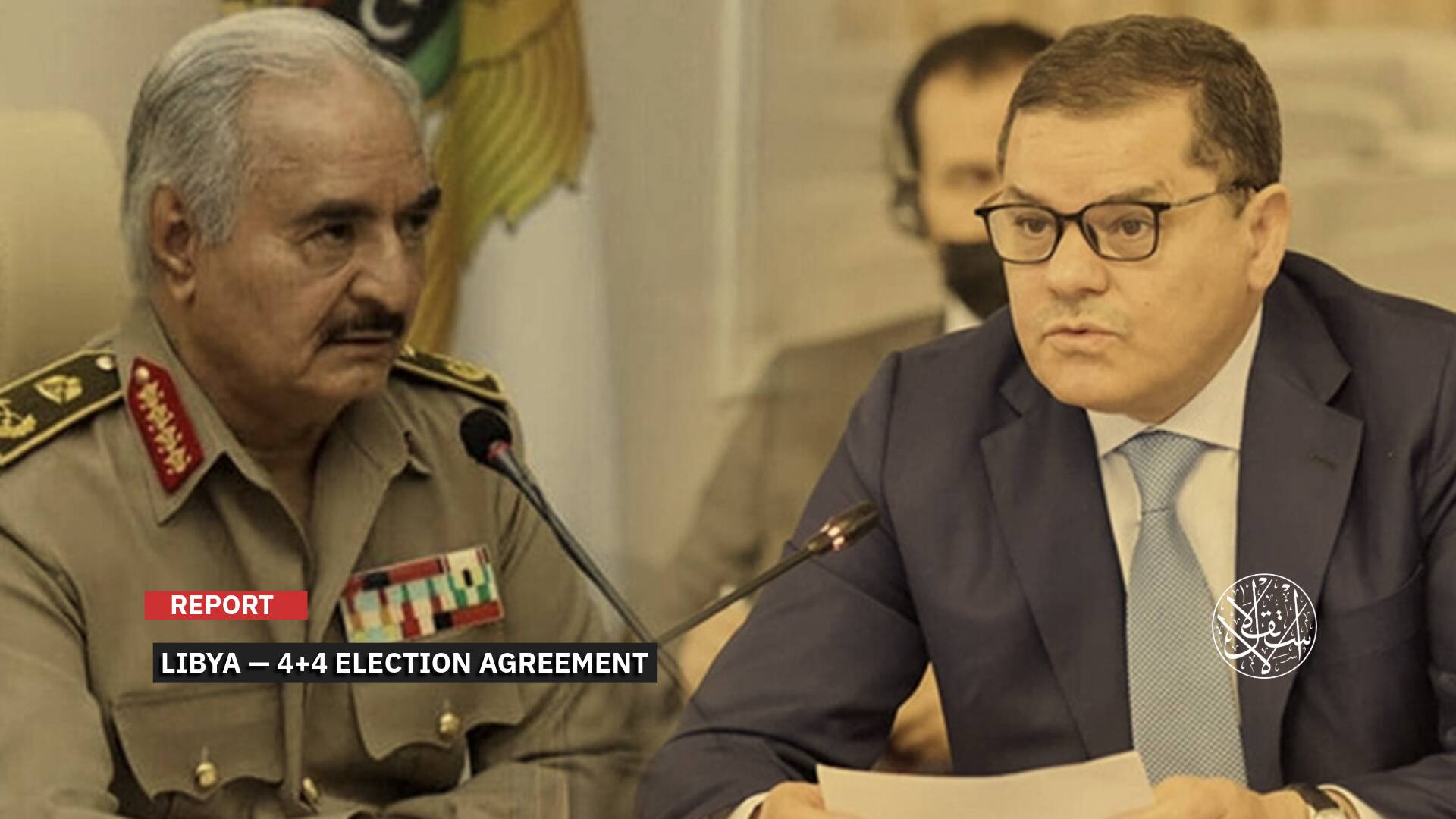
Libya
The annual report by Reporters Without Borders stated that Libya dropped by one place, moving from 137th to 138th globally. Although the report did not provide extensive details on Libya, the general indicators reflect a difficult media environment.
However, Solidarity for Human Rights (Solidarity) said in a statement issued on May 3, 2026, that press freedom in Libya faces serious and accumulating challenges, aggravated by political division, the multiplicity of power centers, and the absence of a legal framework protecting freedom of expression.
The organization documented systematic and ongoing violations against journalists, including arbitrary detention, enforced disappearance, threats, physical assaults, strict security censorship, forcing journalists to obtain prior approvals or disclose personal information, preventing media coverage, confiscating equipment, deleting journalistic material, restricting the entry of foreign journalists, and imposing arbitrary measures not stipulated by law.
The statement noted that Libya suffers from a politicized and fragmented media environment, where parties to the conflict exploit media outlets as propaganda tools and impose censorship on content, while many media institutions are forced to operate under the protection of armed groups or de facto authorities.
The organization stated that the 2022 Cybercrime Law represents one of the most significant challenges because it contains vague provisions granting executive bodies broad powers to block websites and monitor content without effective judicial oversight.
It also pointed out that many journalists have been forced to leave Libya or abandon the profession because of direct and indirect threats, while attacks against female journalists continue at an alarming rate.
The same source stressed that press freedom in Libya is going through a critical phase amid a complex political and security environment, increasing manipulation of information, and declining public trust.
The Solidarity for Human Rights (Solidarity) affirmed that a free and independent press is not a luxury, but a national necessity to ensure accountability, protect rights, and promote peace, calling on all parties to respect press freedom, guarantee journalists’ safety, and enable the media to fulfill its role in serving truth and the public interest.
Morocco
As for Morocco, it ranked 105th in the 2026 report, rising by one place compared to 2025. However, despite this slight improvement, the overall assessment still placed the kingdom in the category of a “difficult situation.”
The organization noted that independent journalists in Morocco face “continuous pressure,” estimating that the current government has strengthened its level of control over the sector.
It also argued that press pluralism in Morocco is merely a “formal façade” that does not genuinely reflect the diversity of political opinions, amid what it described as restrictions on critical media outlets and limitations on the right to access information.
The report pointed to the growing role of what it described as a “propaganda machine,” alongside the decline of the traditional role of the media, while also recording the use of media disinformation as a tool to serve political agendas.
It further highlighted the resort by government officials to judicial prosecutions against critical journalists, in addition to the influence of financial power over the editorial lines of the country’s most widely circulated media outlets.
Difficult and Dangerous Situation
The researcher specializing in press and media affairs, Abdallah Amoush, stated that the ranking of countries in the region, including Morocco, does not meet the expectations or satisfaction of observers, stakeholders, and human rights advocates, as it is not reassuring.
He added, in remarks to Al-Estiklal, that several factors have contributed to the negative situation experienced by Maghreb journalism.
He further explained that these include judicial prosecutions against several journalists, attempts by governments to attract media companies through subsidies or other forms of support, the concentration of many media institutions under holding companies close to decision-making circles, in addition to setbacks in the legal frameworks regulating journalistic work.
The academic researcher emphasized that all these factors and others threaten democratic development, given the informational, oversight, and public accountability roles played by the press.
Amoush also noted that restricting the press and journalistic work leads to a loss of trust, which in turn harms social cohesion and pushes audiences to seek alternative sources of information, describing this as a serious issue.
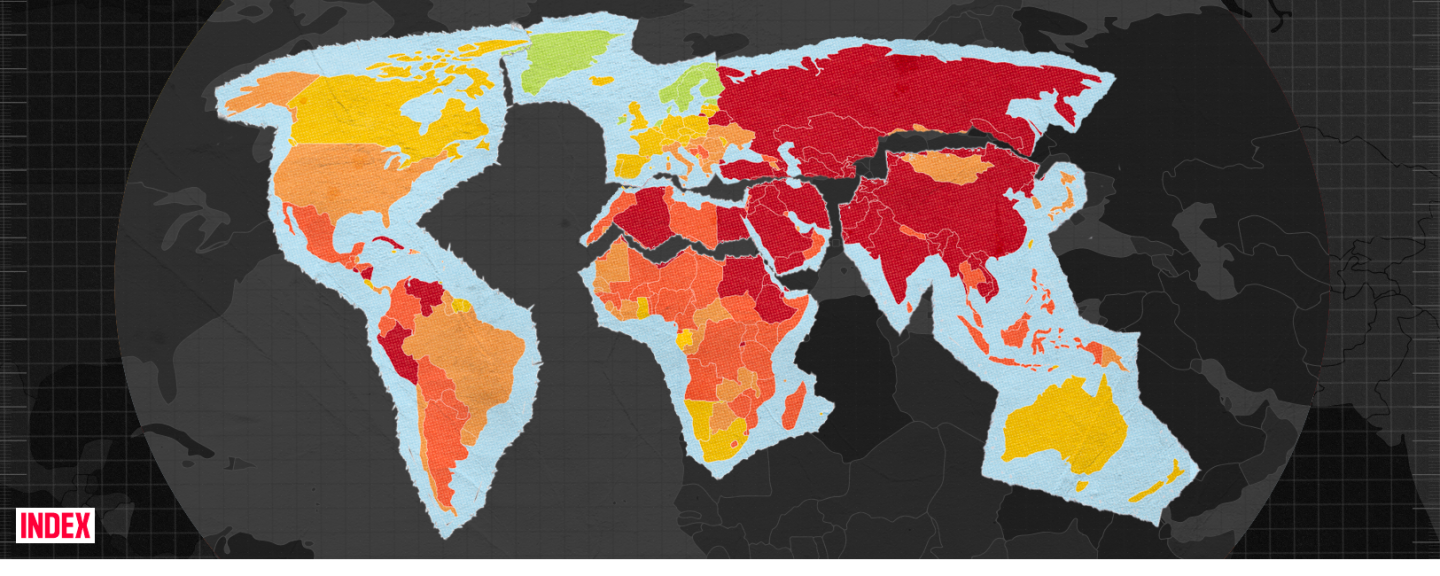
This negative situation affecting press and media freedoms in the Maghreb was not an isolated regional case. The Reporters Without Borders report stated that, for the first time in the history of its ranking, more than half of the world’s countries now fall into the category where the press situation is described as “difficult” or “very serious.”
It also explained that the average score of countries assessed has dropped to its lowest level in 25 years.
The report noted that the five indicators measuring press freedom worldwide (economic, legal, security, political, and social) all declined this year.
The United States (ranked 64th) lost seven places, while other American countries such as Ecuador and Venezuela also fell to lower positions.
For the tenth consecutive year, Norway remains at the top of the global ranking, while Eritrea continues to rank at the bottom for the third year in a row.
In her commentary on the report, the editorial director of Reporters Without Borders, Anne Bocande, said that we must not remain passive in the face of the suffocation of journalism, the systematic restriction of journalists, and the ongoing deterioration of media freedom.
Bocande noted that violations of the right to access information are becoming increasingly diverse and complex over time, adding that those responsible no longer bother to hide their actions.
She continued, whether they are authoritarian states, complicit or negligent political authorities, overreaching economic actors, or unregulated platforms operating without accountability.
In all these cases, she said, silence becomes equivalent to acceptance of the status quo. The issue is no longer about simply reaffirming principles; effective protection policies have become a necessity and must play a driving role in this field.
She added that the starting point should be ending the criminalization of journalistic work, whether through the misuse of national security laws, abusive judicial proceedings, or systematic pressure on those who investigate, expose hidden facts, and name things as they are.
She noted that while protection mechanisms remain very fragile, international law is increasingly eroding and impunity is worsening, making it essential to establish strong guarantees and enforce real sanctions.
She concluded that the responsibility now lies with democratic states and their societies, as they are the ones required to stand against those seeking to impose a wall of silence, stressing that authoritarianism is not an inevitable fate that cannot be resisted.