Mounting Rebellion in the Labour Party: Is Keir Starmer’s Downfall Imminent?
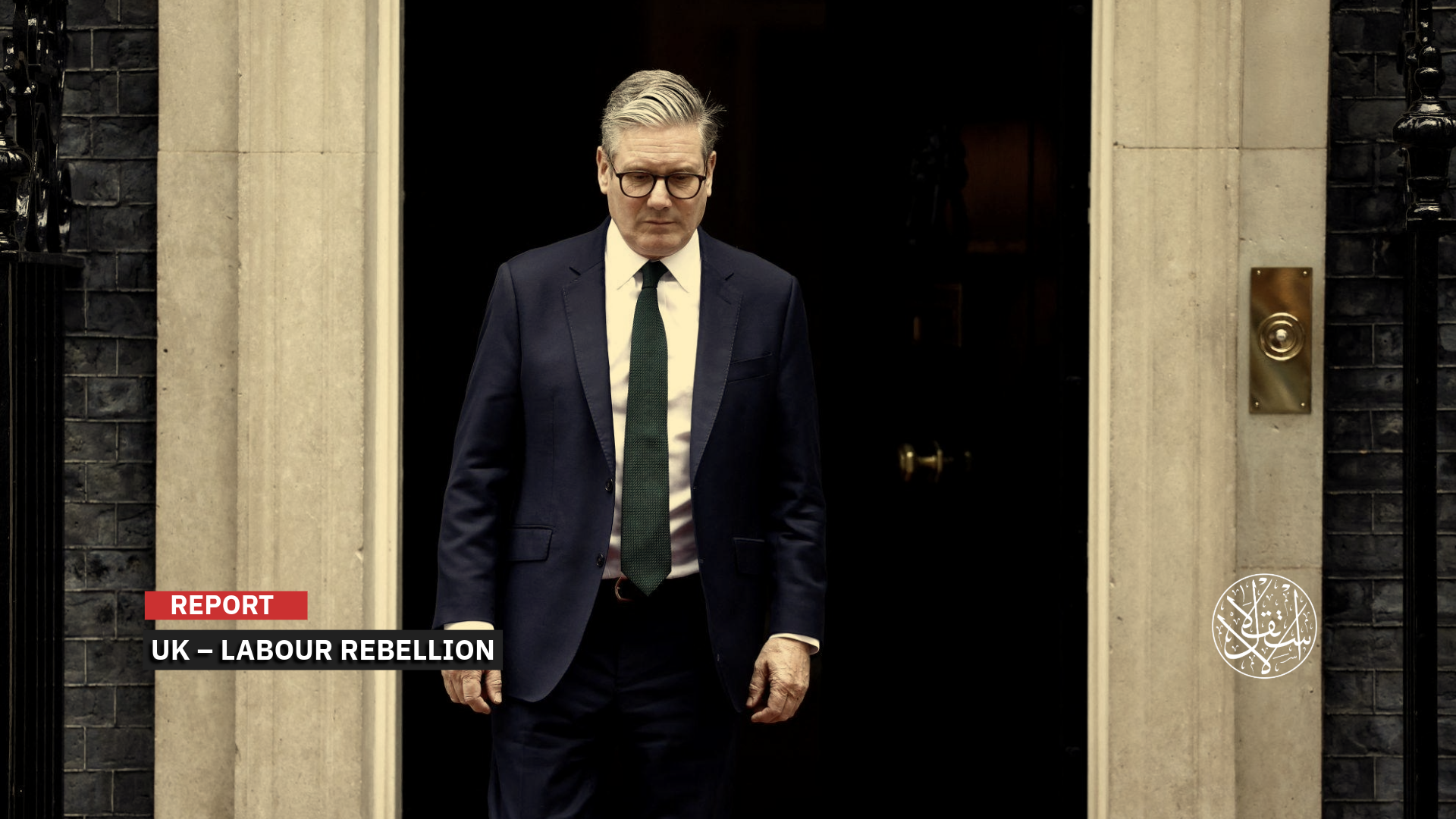
“A recent YouGov poll showed that only 29% of MPs want Starmer to remain in his post.”
Less than two years ago, British Prime Minister Keir Starmer came to power promising to end the years of political turmoil under Conservative rule and asserting his ability to restore stability to the government after a string of prime ministers had fallen.
But after the Labour Party's crushing defeat in the recent local elections, Starmer finds himself politically besieged by a growing internal rebellion and public calls for his resignation.
Amid economic crises and mounting social pressures, the British government faces a complex political test that could determine the future of the party's leadership.
The Telegraph reported that Starmer might voluntarily step down as Prime Minister, despite publicly declaring his readiness to defend his leadership against any challenges.
Manchester mayor Andy Burnham is seen as the leading potential candidate, amid moves within the party to reshape the leadership through by-elections and complex political maneuvering.
Internal Rebellion
Signs of political turmoil are mounting within Britain’s Labour Party, with growing talk of internal divisions and declining confidence in Prime Minister Keir Starmer’s leadership, amid political moves that could reshape the power structure within the ruling party.
A recent YouGov poll showed that only 29% of MPs want Starmer to remain in his post.
Politico magazine described the moves within the Labour Party to oust Starmer as coming after what it called the most turbulent week in British politics since former Prime Minister Liz Truss’s resignation in 2012.
The current rebellion within the Labour Party began gradually, with quiet calls for a leadership reassessment, before escalating into a public wave of demands for his resignation.
It also followed disastrous election results for the Labour Party last week, in which it lost nearly 1,500 seats in local councils across England.
The party also lost power in Wales and suffered its worst-ever result in the Scottish Parliament elections.
This election was a crucial test for Starmer's leadership, given the controversy surrounding his decision to appoint Peter Mandelson as ambassador to the United States, despite Mandelson's past ties to the late American financier and convicted sex offender Jeffrey Epstein.
In an escalation that threatens to end the Starmer era, Britain's 11 major trade unions dealt a significant blow to the Prime Minister, issuing a joint statement confirming that Starmer will not lead the party in the next election.
The unions did not limit their attack to Starmer personally, but also demanded a radical change in economic policy, citing the results of the recent local elections as evidence of the government's current direction failing.
Pressure on the Labour leader has intensified this month following the resignations of four ministers, including Safeguarding Minister Jess Phillips and Communities Secretary Miatta Fahnbulleh, as well as two cabinet aides, Tom Rutland and Joe Morris. Furthermore, 96 of the party's 403 MPs have called for a timetable for his departure.
Press reports indicate that Home Secretary Shabana Mahmood and Foreign Secretary Yvette Cooper have informally discussed with the Prime Minister the need to consider leaving the party. His position, in a move that coincided with the sudden and shocking resignation of Health Secretary Wes Streeting.
Former Deputy Prime Minister Angela Rayner emerged as a key player, particularly after announcing a settlement with HMRC regarding her tax affairs, which removed a major legal obstacle to her leadership ambitions.
In contrast, Starmer's allies, including Housing Secretary Steve Reed and Work and Pensions Secretary Pat McFadden, quickly rallied to his support, arguing that now was not the time to challenge him.
More than 110 Labour MPs also signed a letter affirming that now was not the time for a leadership battle, in an attempt to demonstrate their support for Starmer.
It should be noted that no MP has yet launched a formal challenge to the Prime Minister for the leadership, a move that requires the support of 81 MPs, or 20% of Labour MPs, according to party rules.
A New York Times analysis confirmed that many within the Labour Party are now convinced that the problem is no longer just about government policies, but about Starmer's personality, given his declining popularity. This poses an electoral burden on the party's candidates.
Despite this, the British Prime Minister continues to reject the idea of stepping down, asserting his ability to prove the doubters wrong, just as he did previously when he led the party to victory after the 2019 defeat.
Starmer recently challenged his potential rivals to mount a formal challenge to his leadership of the party, pledging to continue working to fulfill his promise of bringing about change in the country.
He unveiled a plan to revive the ruling party's fortunes, which includes a commitment to bringing Britain closer to the European Union a decade after the Brexit vote.
Potential Candidates
As moves within Britain’s ruling Labour Party against Prime Minister Keir Starmer intensify, an internal rivalry and growing division are emerging among the candidates vying to lead the party and the government.
There is a deep split within the party between those who want a swift change in leadership to avoid what they see as government paralysis, and those who believe that ousting Starmer now could exacerbate political instability at a sensitive economic and geopolitical moment.
Last week, Starmer faced his first direct challenge when Catherine West, a relatively unknown MP from North London, announced she would run for the Labour leadership if no other candidate came forward.
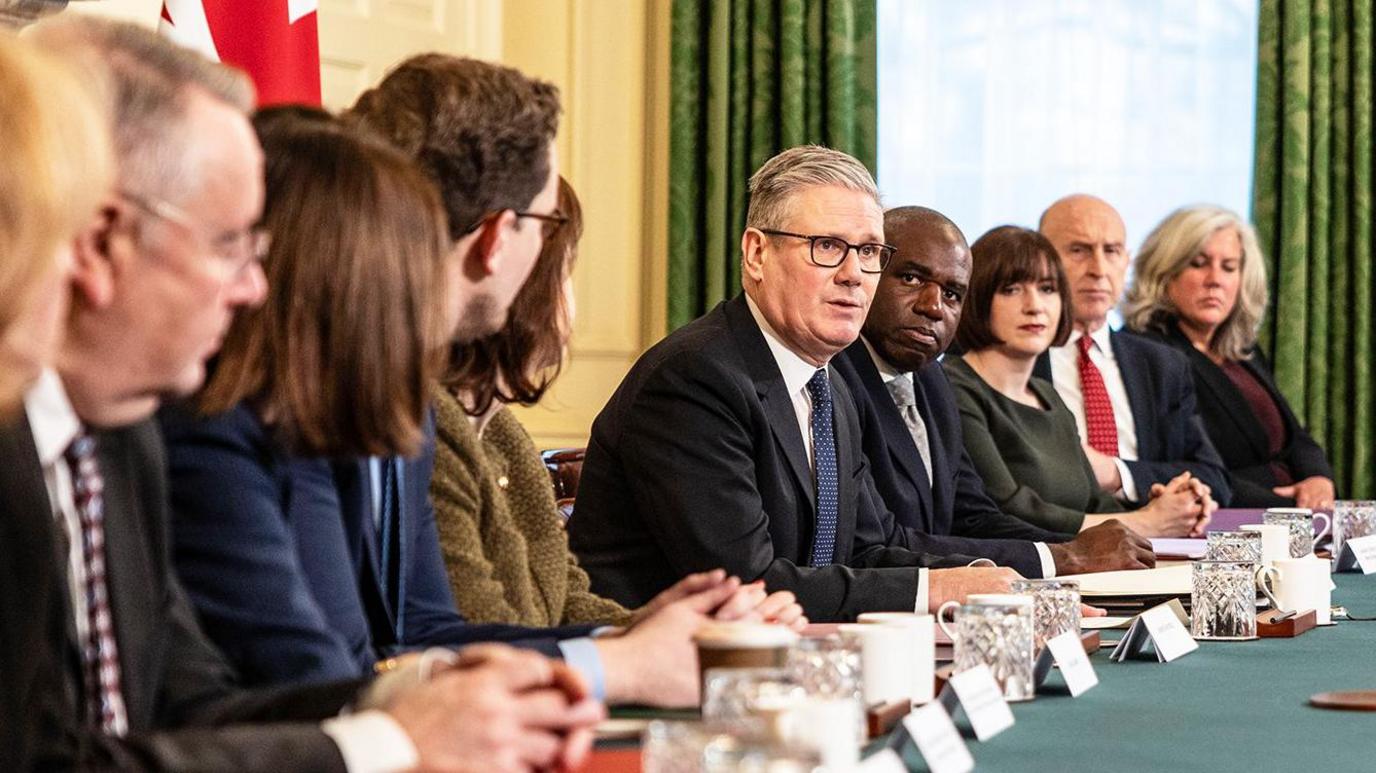
However, several prominent names are emerging as potential replacements for Starmer, most notably Manchester Mayor Andy Burnham and former Health Secretary Wes Streeting.
Burnham continues to bolster his image as the most popular candidate within the Labour base, with polls indicating he is clearly ahead of Starmer in terms of public approval and enjoying increasing support within the party.
However, the main problem is that he doesn't currently hold a seat in Parliament, meaning he first needs to win a by-election before he can become a serious contender for the party leadership.
Streeting is considered one of the leading candidates to succeed Starmer, especially after successfully presenting himself as a reformist figure capable of managing complex service-related issues, most notably reforming the National Health Service (NHS).
Following his resignation, he called for a leadership contest among the best possible candidates, emphasizing that the party needs to offer broader and more impactful solutions, without announcing his own immediate candidacy to succeed Starmer.
But Streeting's biggest obstacle remains his ability to secure the support of 81 Labour MPs to launch a formal leadership challenge, something he has yet to achieve.
Other names within the Labour Party are being floated as potential candidates, most notably former deputy prime minister Angela Rayner and Energy Secretary Ed Miliband, but their chances appear slimmer.
However, indications suggest Rayner may support Burnham rather than run herself, strengthening the internal opposition against Starmer.
Home Secretary Shabana Mahmood is seen as a rising star in the party. Tasked with cracking down on illegal immigration, some hope that she could appeal to voters on the right of the party.
Other names being circulated include Armed Forces Minister Alistair Carns, a former Royal Navy officer seen within the party as a fresh face.
A Reuters tally showed that roughly half of those calling for Starmer's resignation are from the party's left wing, while just over a quarter are from the center, indicating the absence of a majority candidate so far.
Political Instability
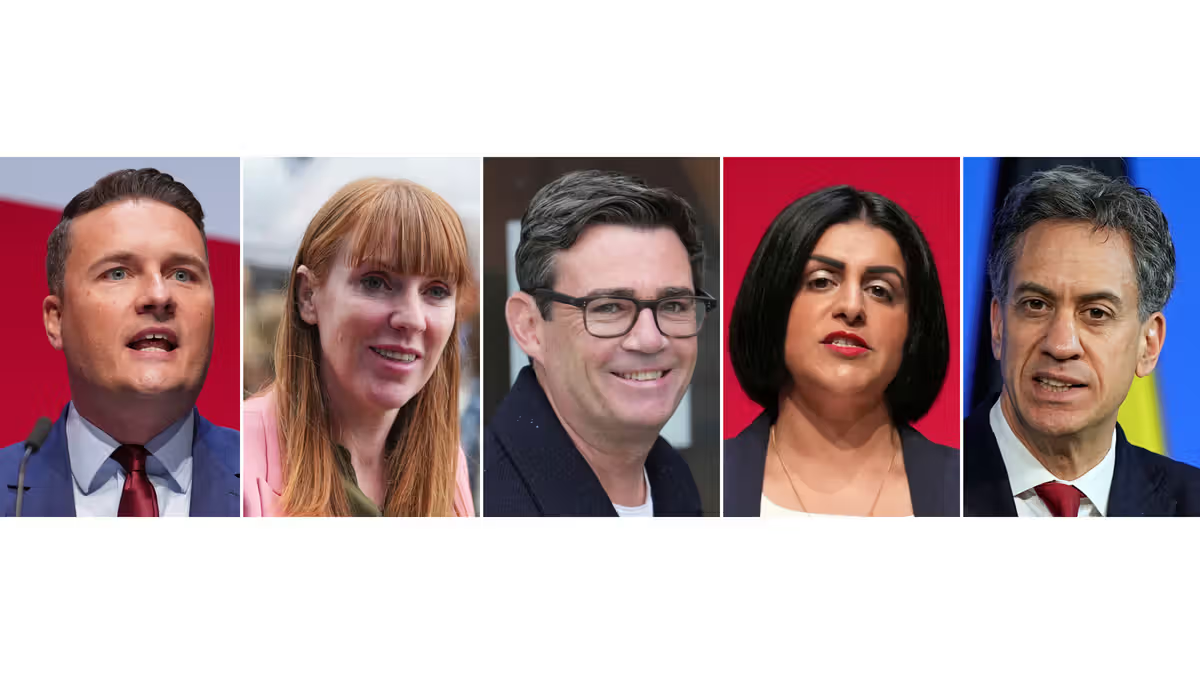
Observers say the current situation in Britain reflects an unprecedented tension between the symbolism of constitutional stability and the political crisis within the ruling party, making the event more of a formal protocol in a turbulent political reality.
Analysts believe that Starmer's clinging to his position despite declining support within his party may prolong the crisis, but at the same time, it gives the current leadership an opportunity to regroup.
Conversely, others warned that the continued division could lead to a repeat of political scenarios similar to what happened within the Conservative Party during the crisis to oust Boris Johnson in 2012, when successive resignations led to a rapid collapse of the government leadership.
Le Monde concluded that the future of the Labour Party leadership remains uncertain, as politics and economics become increasingly intertwined, and public and parliamentary pressure mounts on a government facing a crucial test of its credibility and ability to govern.
On the economic front, the yield on 10-year British government bonds rose to around 5.13%, a level reflecting investor concerns about continued political instability and its impact on public finances.
Financial sources indicated that markets are closely monitoring political developments in London, amid fears that the current crisis could lead to higher government borrowing costs and further strain on the budget.
Political analyst Bassam Tablieh explained to Al-Estiklal that the Labour Party is experiencing internal confusion regarding its political future, with some members calling for a shift further to the left, while others believe it is necessary to move closer to right-wing policies.
There is also a division regarding Starmer's own future. One faction believes the crisis stems from weak political communication, while others argue that the root of the problem lies in the policies themselves, not in how they are presented," he added.
"The current crisis reflects a deeper problem concerning the ruling party's loss of political identity, especially given the growing discontent within the trade unions, which represent the Labour Party's historical base," he claimed.
He concluded that "the political landscape in Britain and Europe in general is undergoing significant intellectual and political shifts that are further complicating the ability of traditional parties to maintain their internal balance and popular support."
Sources
- Keir Starmer has one last chance to avoid Labour leadership chaos
- Starmer given a lifeline after Streeting challenge fails to materialise
- What to know about contenders who could replace Keir Starmer as Britain's Labour leader
- Can Keir Starmer survive? Labour leadership scenarios explained
- Pressure grows on UK's Starmer to quit as PM
- Keir Starmer and the End of the Old Certainties