China Lifts Tariffs on African Nations: Motives and Fallout
“Sino-African trade is marked by a growing imbalance in China’s favor.”
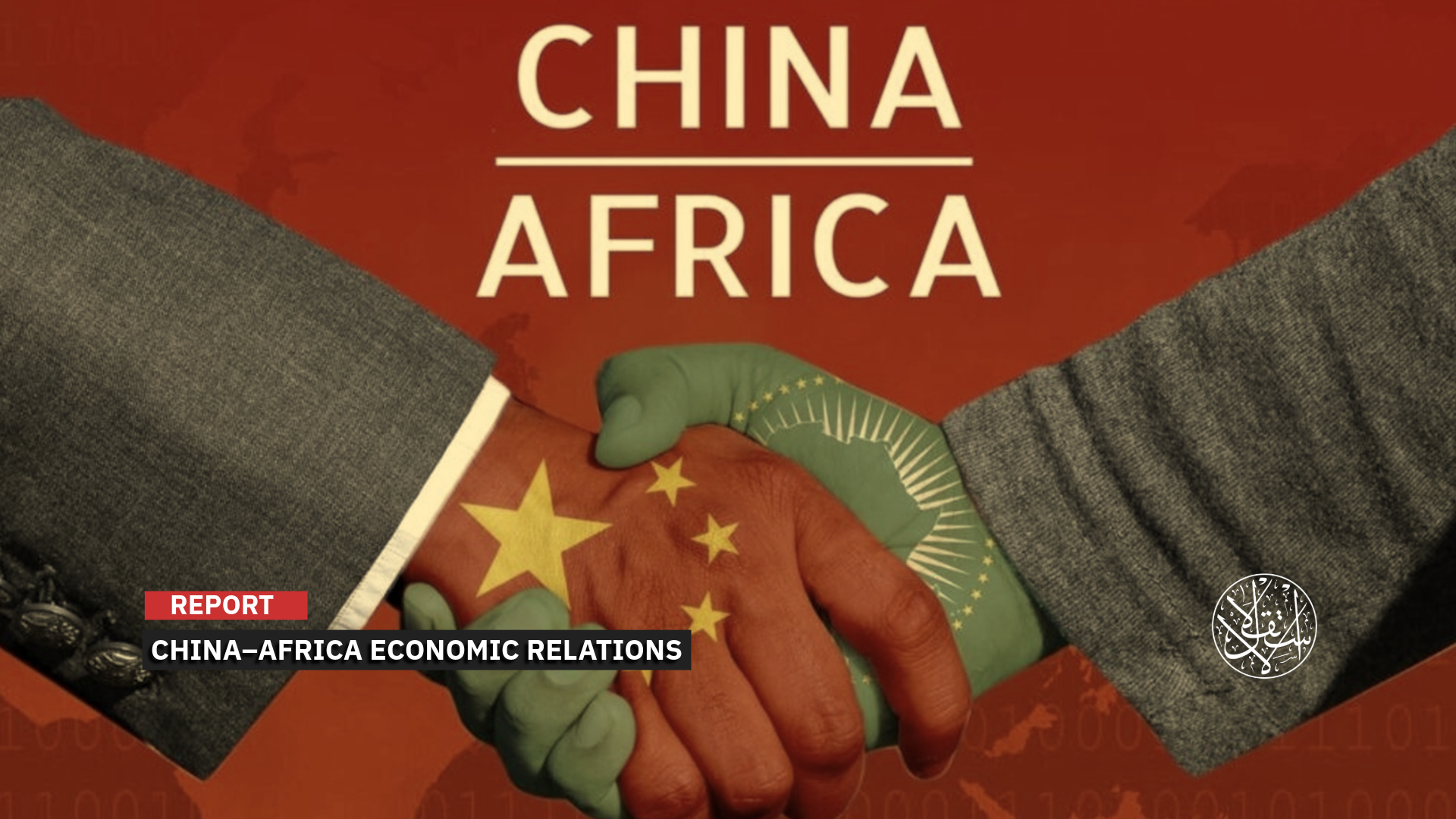
China has scrapped tariffs on goods from 53 African countries starting May 1, 2026, in a move that has sparked differing interpretations over its aims, impact, and broader context.
China’s Xinhua News said the policy opens new opportunities for Africa to boost exports and manufacturing amid rising global protectionist trends.
Beijing had already removed tariffs on all goods imported from 33 African countries classified as least developed, effective December 1, 2024. The new policy expands the exemptions to relatively wealthier economies, including Kenya, Egypt, and Nigeria.
Under the decision, zero-tariff treatment will now apply to imports from 20 African countries that were not previously included on the least developed countries list.
China’s Ministry of Commerce said the new exemptions would strengthen the competitiveness of African products, including cocoa from the Ivory Coast and Ghana, coffee and avocados from Kenya, and citrus fruits and wine from South Africa, which had previously faced tariffs ranging from 8% to 30%.
The ministry added that the decision would encourage China and its trade partners to increase investment in Africa, providing the capital, technology, and expertise needed to manufacture African products locally and helping create more balanced and sustainable trade between the two sides.
Chinese Foreign Ministry spokesperson Lin Jian said the new tariff policy reflects the shared commitment of China and Africa to supporting global peace and development through stability.
Jian said Beijing would continue expanding trade facilitation with Africa at a time when the world is witnessing rising protectionism and unilateralism, alongside indirect repercussions from developments in the Middle East on neighboring regions.
He added that the implementation of the tariff exemption policy reflects China and Africa’s commitment to sharing development opportunities and strengthening global stability.
Jian also said China would continue negotiating economic partnership agreements with African countries, alongside updating the “green lanes” for African agricultural exports to the Chinese market and further enhancing trade facilitation between both sides.
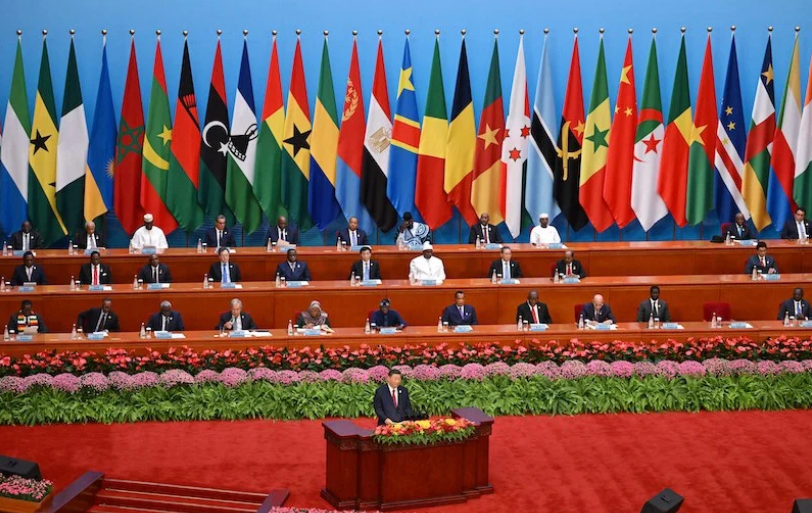
No Preconditions
On the African side, African Union Commission Chairperson Mahmoud Ali Youssouf described the tariff-free treatment as “extremely important” for Africa, which is bearing the weight of multiple global crises while facing growing isolationism and protectionism worldwide.
Youssouf made the remarks to reporters following the opening session of the China-Africa Entrepreneurs Summit in Addis Ababa, Ethiopia, on April 21, 2026.
“I would like to express, on behalf of the African Union Commission, our sincere gratitude for this very brotherly gesture that all Africans appreciate,” he added.
Meanwhile, China-Africa affairs expert Mohamed Khalil said the Chinese initiative follows a series of decisions by Beijing within the framework of the Belt and Road Initiative (BRI).
“The idea has been present throughout China-Africa cooperation conferences, as African countries have consistently pushed to reduce the trade deficit between the two sides—something he said this initiative could help achieve,” Khalil told Al-Estiklal.
“African countries stand to gain several benefits from the move, including higher exports, improved foreign currency revenues, and expanded export-oriented industries, which could in turn create more jobs.”
“The initiative is also expected to attract Chinese investors into export-focused industries across several African countries, as those investors would be able to re-export their products back to China without customs duties, a dynamic that would benefit both sides,” he added.
“China would also gain significantly, given its reliance on African raw materials, including minerals, oils, and agricultural products, which would enter the Chinese market at lower cost while also helping develop processing industries in African exporting countries,” according to the expert.
Overall, Khalil said, the Chinese tariff initiative would further expand trade relations between China and Africa.
Tang Xiaoyang, dean of the Department of International Relations at Tsinghua University, said China’s zero-tariff initiative, unlike the preferential policies prescribed by some Western countries, does not require reciprocal openness as a prerequisite and attaches no strings to Africa's internal affairs.
“This shows China’s respect for African countries and its sense of responsibility in driving common development with them,” Tang told Xinhua.
The professor expects the tariff incentive to deliver more than just a boost in trade, arguing that it could prompt multinational companies to establish assembly or processing facilities in Africa to take advantage of lower export costs to China, thereby strengthening the continent’s manufacturing base.
“This zero-tariff policy aligns well with the shared development model that China and Africa have been pursuing for years through infrastructure and industrial cooperation,” Tang said.
For her part, Lauren Johnston, senior researcher at the AustChina Institute, pointed to China’s competition with the United States in building stronger trade relations with African countries.
Unlike China, its main rival, the United States, imposed tariffs of up to 30% on some African countries in August 2025, although most are now subject to a 10% tariff after the U.S. Supreme Court struck down many of those duties.
In comments cited by the BBC on April 30, 2026, Johnston said that China is positioning itself as Africa’s trade liberator and friendly economic partner, unlike Donald Trump and the United States.
She explained that expanding China’s zero-tariff system could increase African agricultural exports, which would help raise rural incomes, improve rural productivity, and ultimately reduce hunger and poverty.
However, she cautioned that “Sino-African trade is marked by a growing imbalance in China’s favor,” meaning Chinese exports to Africa far exceed African exports to China—and that gap is widening.
She noted that Africa’s trade deficit with China rose by 65% during 2025 to around $102 billion, with minerals and raw materials such as crude oil and mineral ores continuing to dominate African exports to China.
China’s main trading partners in the region currently include Angola, driven primarily by oil exports, along with the Democratic Republic of Congo and South Africa.
Even so, Johnston argued that applying a unified tariff exemption system across such a diverse continent could produce uneven gains, with more developed and industrialized economies such as South Africa and Morocco likely to be better positioned to expand their exports.
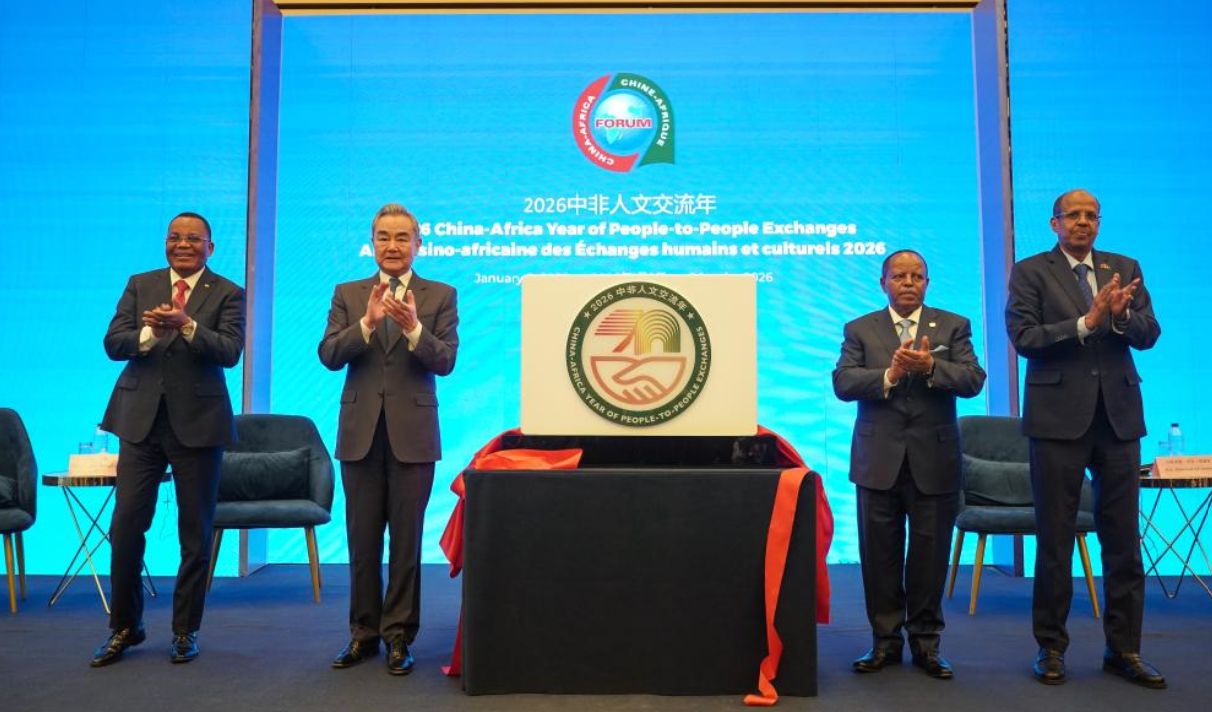
Tangible Gains
Capmad said in an analysis published on May 5 that the removal of tariffs is part of a broader Chinese strategy aimed at strengthening its economic presence in Africa, as Beijing seeks to deepen trade partnerships while presenting itself as an alternative partner to the United States and the European Union.
The outlet said the move comes amid global trade tensions and rising protectionist trends, noting that by lowering tariff barriers, China is sending a strong political message: it wants to be seen as a supporter of South-South cooperation and multilateral trade.
The report noted that the policy targets 53 African countries that maintain diplomatic relations with China, with Eswatini excluded because of its ties with Taiwan.
It stressed that this detail is significant because it shows that the initiative is not merely economic but also diplomatic. Beijing, it argued, is using trade as leverage to strengthen its alliances and isolate its rivals within areas of influence.
The analysis added that for African companies, the removal of tariffs could improve the profitability of exports to China. The sectors likely to benefit the most include agri-food industries, raw materials, certain manufactured goods, and small export-oriented businesses.
At the same time, the report cautioned that the announcement does not solve every problem. The main challenge, it said, remains the structure of trade between Africa and China, which is still marked by Africa’s heavy reliance on raw material exports. Without industrial development, tariff exemptions could increase trade volumes at the expense of local manufacturing.
It also warned that it will be necessary to determine whether African companies actually possess the logistical, financial, and organizational capacities needed to compete in this market, arguing that tariff-free market access is a positive step, but not enough on its own to create sustainable competitiveness.
The website noted that Beijing’s decision comes at a time when several powers are competing for influence in Africa. In that context, the continent has become both a stage for commercial rivalry and an arena for broader economic and strategic competition.
It concluded that the challenge now facing African countries is how to turn these opportunities into tangible gains: increasing exports, creating more jobs, and strengthening local added value.

Limited Impact
Chinese customs data show that total trade between China and Africa reached around €320.2 billion in 2025, marking a year-on-year increase of 17.7%, while Africa’s trade deficit with China widened to roughly €93.8 billion.
Chinese exports to Africa rose to around €207 billion, while imports from Africa stood at approximately €113.1 billion.
Despite that, the French outlet RFI said in an analysis published in early May 2026 that the economic impact of Beijing’s tariff move is likely to remain limited.
The remarks came from Thierry Pairault, an economist and China specialist at the French Institute for Social Sciences, who noted that China had already applied zero tariffs to a number of products from which Africa benefited under the same framework granted to other countries.
He said there were already preferential tariffs under the World Trade Organization (WTO) and preferential treatment for the least developed countries, adding that at least 96% of products were already benefiting from tariff exemptions.
Pairault argued that this means the reform affects only a tiny share of trade, noting that Africa’s largest exports to China are raw materials that were already subject to low tariffs or exempt from duties altogether.
He estimated the potential gains at between €92 million and €276 million at most—a figure insufficient to close Africa’s trade deficit with China.
Strategic Goals
China’s zero-tariff policy on African imports is part of a broader strategy aimed at countering the United States, while costing Beijing relatively little in economic terms.
Qiraat African said in an analysis dated May 7, 2026, that the Chinese move is aimed at deepening economic relations and strategic influence. By consolidating its position as Africa’s largest trading partner, China is strengthening its geopolitical standing across the Global South.
The report argued that the policy is intended to move beyond the simple extraction of raw materials by encouraging Chinese companies to invest in manufacturing industries inside Africa, potentially contributing to local industrialization, job creation, and an improved trade balance.
It stressed that the initiative reinforces joint African cooperation, allowing companies to build cross-border supply chains that benefit from tariff-free access to the Chinese market.
At the same time, the analysis cautioned that the effectiveness of the policy will ultimately depend on the ability of African countries to increase production and meet the strict sanitary and phytosanitary standards imposed by the Chinese market.
It concluded that if the policy succeeds, it could fundamentally reshape the trade balance, shifting it away from dependence on raw material exports toward a more balanced exchange based on processed agricultural products and industrial goods.
Sources
- China implements historic zero tariffs for all African nations with diplomatic ties
- China scraps tariffs for all but one African nation
- China opens tariff-free trade to nearly all African countries
- China Says It Will Deepen Trade Facilitation With Africa After Tariff Exemptions Take Effect [Arabic]
- Impact and Implications of China’s “Zero-Tariff” Policy on African Exports [Arabic]