‘Israel’s’ Hijacking of the Global Sumud Flotilla in International Waters: How Did Greece Get Involved?
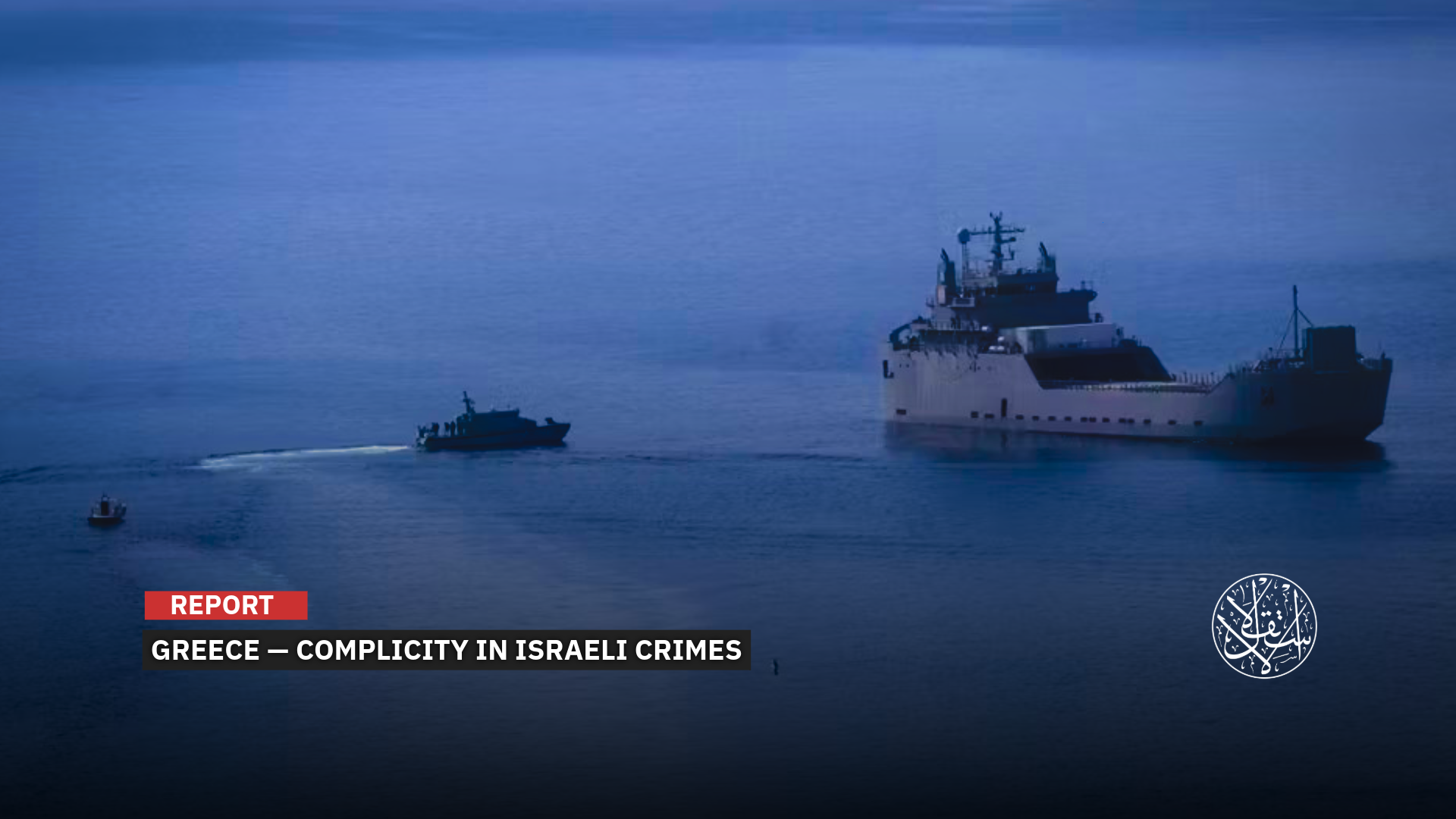
Israeli Occupation forces, backed by naval vessels, attacked around 20-22 ships at sea.
Hundreds of miles from Gaza, Israeli Occupation forces intercepted civilian vessels near the Greek island of Crete that were part of the Global Sumud Flotilla, carrying aid and activists attempting to reach the besieged territory after two years of “Israel’s” devastating genocidal war.
What could have spiraled into a sovereignty dispute between the European Union and the Israeli Occupation instead took a different course: activists were escorted to Greek ports, transferred to consular offices, and eventually placed on flights back home.
What Happened?
The Global Sumud Flotilla set sail from the Spanish city of Barcelona on April 12, 2026, with around 58 to 60 vessels carrying activists from more than 70 countries.
Some of the ships made stops in Sicilian ports in Italy before crossing the Mediterranean eastward, with a large group reaching southern Greece by the end of the same month.
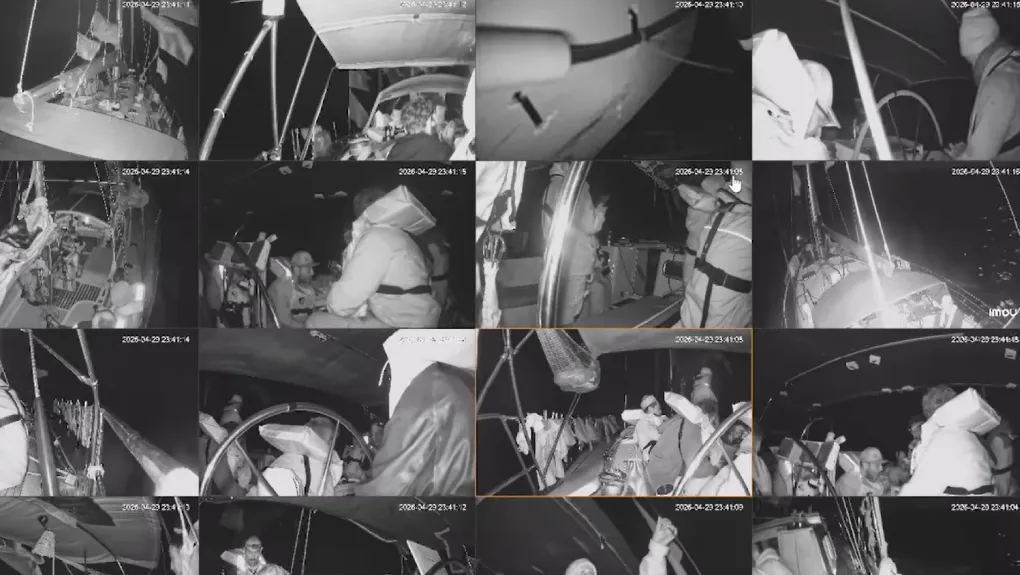
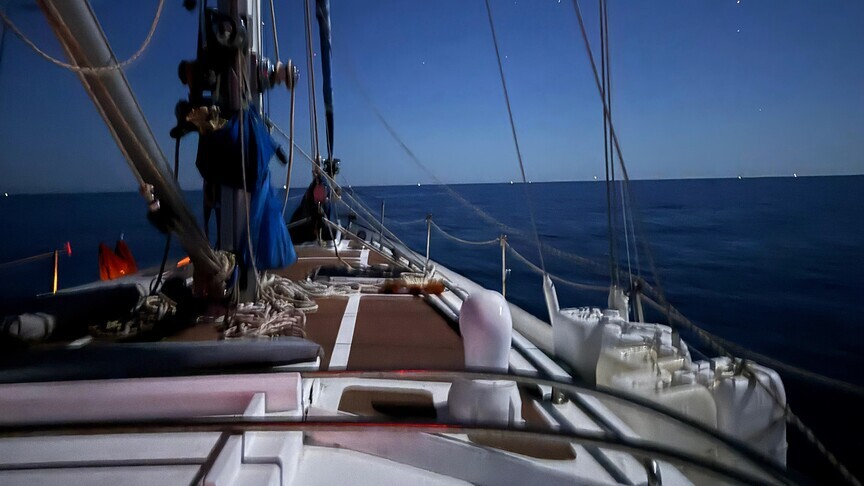
On the night of April 30, Israeli commando forces, supported by naval vessels, attacked roughly 20 to 22 ships at sea. According to organizers, the occupying forces disabled engines and damaged navigation systems.
Activists said the attack took place more than 600 miles from Gaza, while the Greek government stated it occurred about 50 nautical miles south of Cape Tainaron, outside Greek territorial waters.
The area falls within international waters but also within the Greek Search and Rescue (GSR) zone, an area of responsibility for rescue, not sovereignty. Greece does not have jurisdiction over activity there but is responsible for coordinating rescue operations when needed.
After taking control of the vessels, activists were forced aboard an Israeli warship. The following day, Israeli Occupation forces transferred them to Greek coast guard vessels, which brought them to port in southern Crete.
Authorities documented 176 people aboard the flotilla. Thirty-one required medical attention, while the rest were transferred to Heraklion Airport for deportation. Two activists were detained by Israeli Occupation forces.
Around 47 vessels from the flotilla remained at sea off southern Crete, considering resupply and whether to continue their journey. The precise details of the attack, including exact coordinates and how targets were selected by “Israel,” remain unclear.
The Israeli Occupation described the organizers as “professional provocateurs” and said it would not allow the blockade to be breached, claiming its navy acted in accordance with international law.
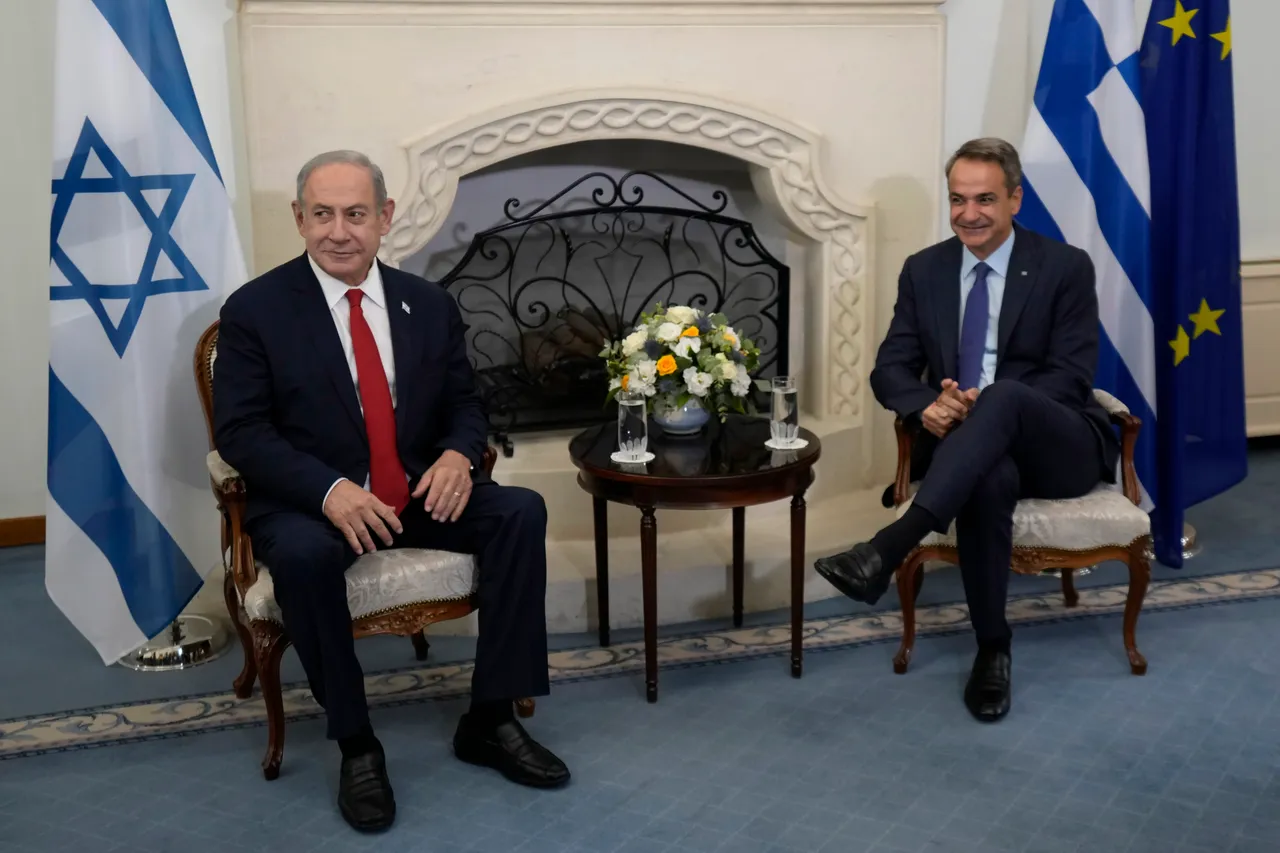
Following the interception, Israeli Foreign Minister Gideon Sa’ar said the activists would be disembarked in Greece in coordination with the Greek government, thanking Athens for its cooperation.
This was not the first attempt during “Israel’s” ongoing war on Gaza in which international flotillas tried to break the blockade and were intercepted.
The large Global Sumud Flotilla, departing from Barcelona, Tunisia, and other ports, was intercepted in September 2025. Another vessel was stopped in July the same year after departing from the Italian port of Syracuse.
In June 2025, Israeli Occupation forces seized the Madleen ship, part of the Global Sumud Flotilla, in international waters while it was heading to Gaza with humanitarian aid.
A month earlier, the vessel Conscience, also part of efforts to break the blockade on Gaza, was struck by an Israeli drone attack on May 2, 2025, while attempting to sail toward the enclave. The strike punctured the hull and sparked a fire at the bow.
Split Over the Hijacking of the Flotilla
Across Europe, reactions to the latest hijacking of the Global Sumud Flotilla were sharply divided, revealing deep political fault lines over the attack at sea.
The official Greek position framed the episode narrowly as an incident in international waters, with Athens emphasizing that it had fulfilled its humanitarian and consular duties.
By contrast, a joint statement from Germany and Italy expressed “serious concern,” urging respect for international law and restraint, while stopping short of condemning the attack.
Spain took a far more forceful line. Prime Minister Pedro Sanchez described the interception of the flotilla as a violation of international law and summoned “Israel’s” acting diplomatic representative in Madrid, particularly after the detention of a Spanish citizen.
Brazil, whose national was also reportedly detained, joined Spain in a joint statement calling the incident an “abduction in international waters” and demanding the release of those held. Turkiye, meanwhile, labeled the attack “piracy,” calling it a violation of humanitarian principles.
The European Union, for its part, limited its response to warning the flotilla about navigational risks and urging that aid be delivered through official channels, without directly attributing blame to the Israeli Occupation.
That restrained, bureaucratic stance drew criticism from left-wing members of the European Parliament, who described the interception as “state piracy” and called for the suspension of agreements with “Israel.”
Before the hijacking, Greek authorities had not imposed any ban on the flotilla’s departure, but they did warn of maritime risks. Government spokesperson Pavlos Marinakis said the Greek coast guard received an SOS call from a vessel in the flotilla about 60 miles off Crete, although the captain reportedly declined assistance.
The Greek government claimed it had not been consulted in advance about the interception and stressed that the incident took place outside its legal jurisdiction.
After the Israeli hijacking, Athens shifted to a consular response. The foreign ministry said it had asked “Israel” to withdraw its vessels and offered to receive passengers on humanitarian grounds.
As a result, Israeli naval forces transferred the activists to the port of Atherinolakkos, where Greek coast guard and medical teams received them. They were then transported by bus to Heraklion Airport for return flights coordinated with their embassies.
The process effectively turned the crisis into an administrative handling exercise, with “Israel” offloading responsibility to Greece, which moved quickly to process departures from its territory. Organizers and activists, however, accused the Greek government of failing to act decisively.
Greek Member of the European Parliament and left-wing deputy group vice president Kostas Arvanitis said any possible Greek involvement in the interception would be “deeply concerning,” calling for clarity and accountability.
He argued that the incident pointed to a broader failure at both national and European levels, urging Brussels to take concrete steps, including a reassessment of its relations with “Israel,” in order to uphold international law and restore credibility.
Greek Involvement?
Accusations and insinuations of Greek complicity quickly emerged in the aftermath of the operation. The March to Gaza-Greece movement and the New Left party argued that the hijacking took place within the GSR zone, which they said legally obliges Athens to protect vessels in distress. They accused the government not only of inaction but also of complicity.
Some critics went further, describing Greece’s role in receiving the activists as a form of “whitewashing” of an unlawful Israeli operation. Crete effectively became a safe transit hub for deportations, according to the organizers.
Activists also warned against ignoring the growing military cooperation between Greece and the Israeli Occupation, arguing that Athens’ acceptance of the activists amounted to a political move that gave “Tel Aviv” a way out of a political confrontation with European capitals.
“Palestine is no longer a cause concerning the Middle East alone. Israel’s terrorism is now knocking on Europe’s doors,” said Behesti Ismail Songur, a board member of the Global Sumud Flotilla in Turkiye.
“Last year [2025], Israeli terrorist forces struck the Conscience vessel in international waters, in an act carried out close to Europe, and today, the same terrorist Israel stands behind the attack targeting the Global Sumud Flotilla in the central Mediterranean.”
“After an attack carried out by the Israeli Occupation terrorist forces, I announce that the ships between Cyprus and Crete have been seized. In cooperation between the United States, Israel, and Greece, all of these people were unlawfully left in Athens,” Ismail Songur added.
At an event in Athens in solidarity with the suffering and resistance of Palestinians, Francesca Albanese, the United Nations special rapporteur on the Occupied Palestinian Territories, also criticized European responses.
She said she regretted the Greek authorities’ complicity in obstructing a humanitarian mission.
Albanese warned against the “Israelization of Europe,” saying, “Instead of cutting ties with this, European states have continued to trade to protect, to arm, to sell weapons, to buy spying tools from Israel, increasing the security grip in their societies, arresting them, arresting activists, and crushing fundamental freedoms. This is so there are. This is the Israelization of our societies.”
Former Greek finance minister Yanis Varoufakis, translating her remarks during the event, said Greece represented one of the clearest examples of this trend, adding that the country had become “more Israeli than any other in Europe.”
He said the Greek government was either complicit or incapable of defending its maritime space, in reference to the Israeli hijacking near Crete.
Human rights organizations, including the World Organization Against Torture (OMCT), also argued that Athens bore responsibility to act diplomatically and legally, given that the violation occurred within the GSR zone.
Le Monde said the incident raised questions about sovereignty and international law, pointing to growing criticism within Greece over leniency toward “Israel” and compliance with its violations, as well as delays in rescuing those stranded despite their distress calls.
The left-leaning Greek newspaper Avgi went further, arguing that “Israel” exposed the Greek government by confirming coordination with Athens.
The paper said the government quickly emphasized that the incident took place in “international waters” and that the coast guard had no authority to intervene beyond search and rescue operations, despite activists’ accusations that they requested assistance but received none.
In another report, Avgi said the Greek foreign ministry remembered hours later to ask “Israel” to withdraw its vessels after the operation took place within the GSR zone.
Meanwhile, the left-wing Greek newspaper EfSyn published a wave of reactions to the attack, describing it as “Israeli piracy” off Crete and reporting accusations that the Greek government was “responsible and complicit.”
Sources
- Possible Greek involvement in Sumud flotilla interception ‘deeply troubling’: Greek lawmaker
- UN special rapporteur warns against ‘Israelization’ of Europe
- Greek government faces criticism after Israeli attack on Gaza humanitarian flotilla
- Global Sumud Flotilla: Raid by Israeli forces on a humanitarian mission off Crete
- Outcry Over Israeli “Piracy” Against Flotilla Off Crete as Pressure Mounts on Government for Answers [Greek]
- Global Sumud Flotilla: Israel Points Finger at Government, Confirming Coordination with Athens [Greek]