Africa Moves Toward Visa–Free Travel for Its Citizens: What It Means
The poverty affecting parts of Africa is, at its core, driven by the external exploitation of its economic resources.
Africa is looking to turn a page on decades of economic strain, much of it shaped by internal and regional conflicts, by doubling down on cooperation between neighbors. At the center of that push is a simple but powerful idea: make it easier for Africans to move, trade, and connect across borders.
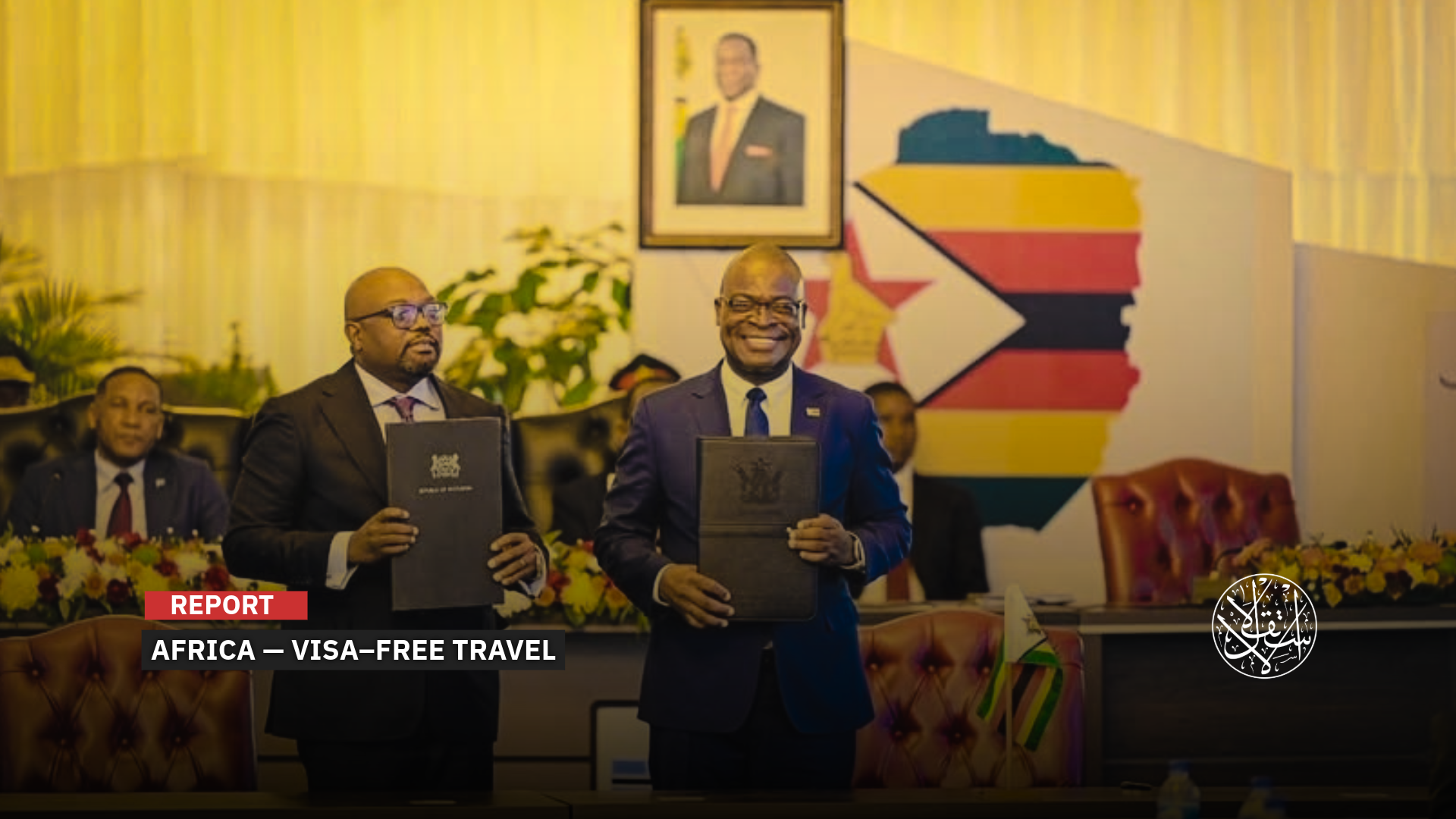
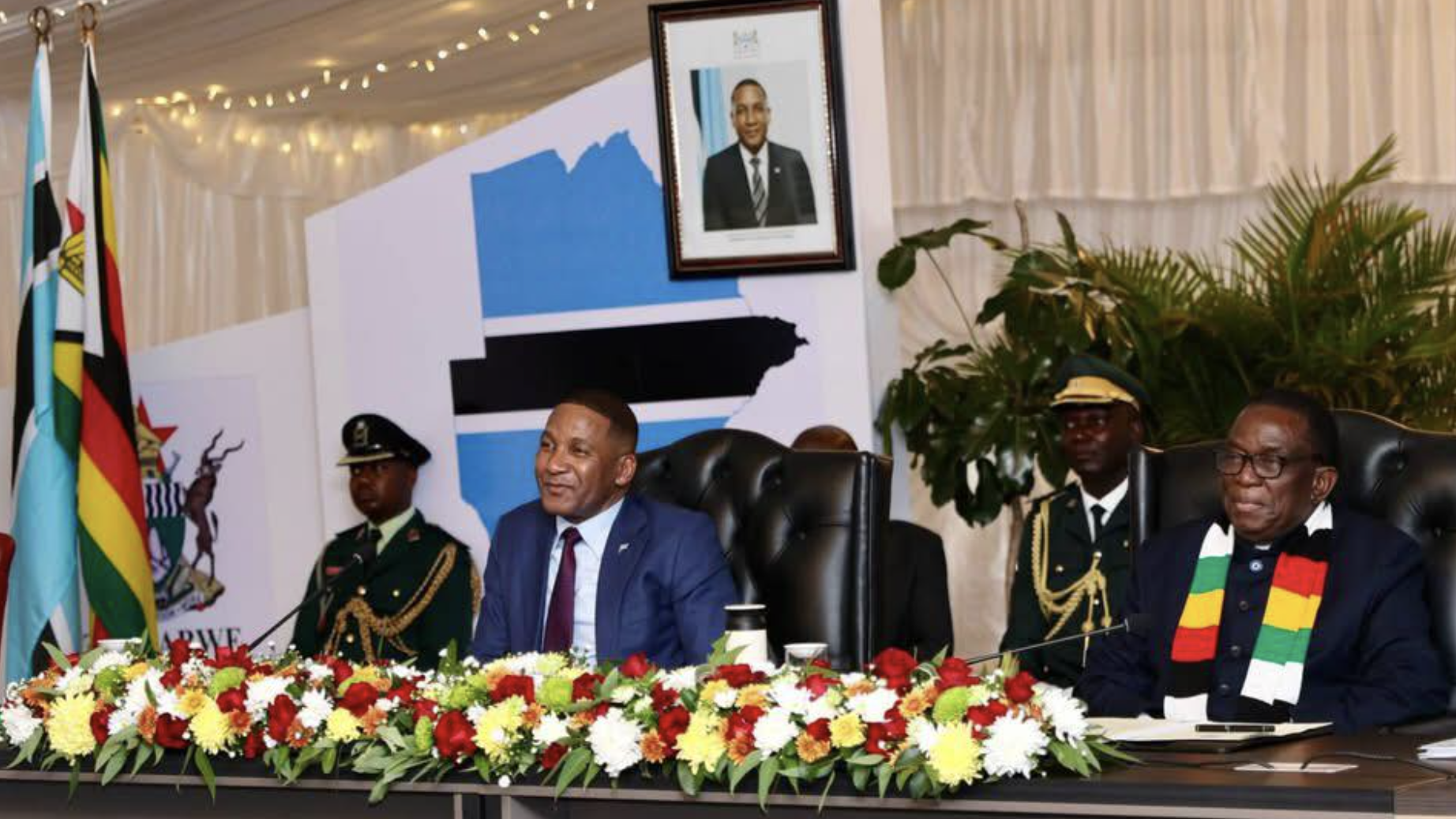
In a fresh sign of that shift, Zimbabwe and Botswana have unveiled a plan to deepen regional integration by allowing their citizens to travel between the two countries without passports, using only national ID cards instead.
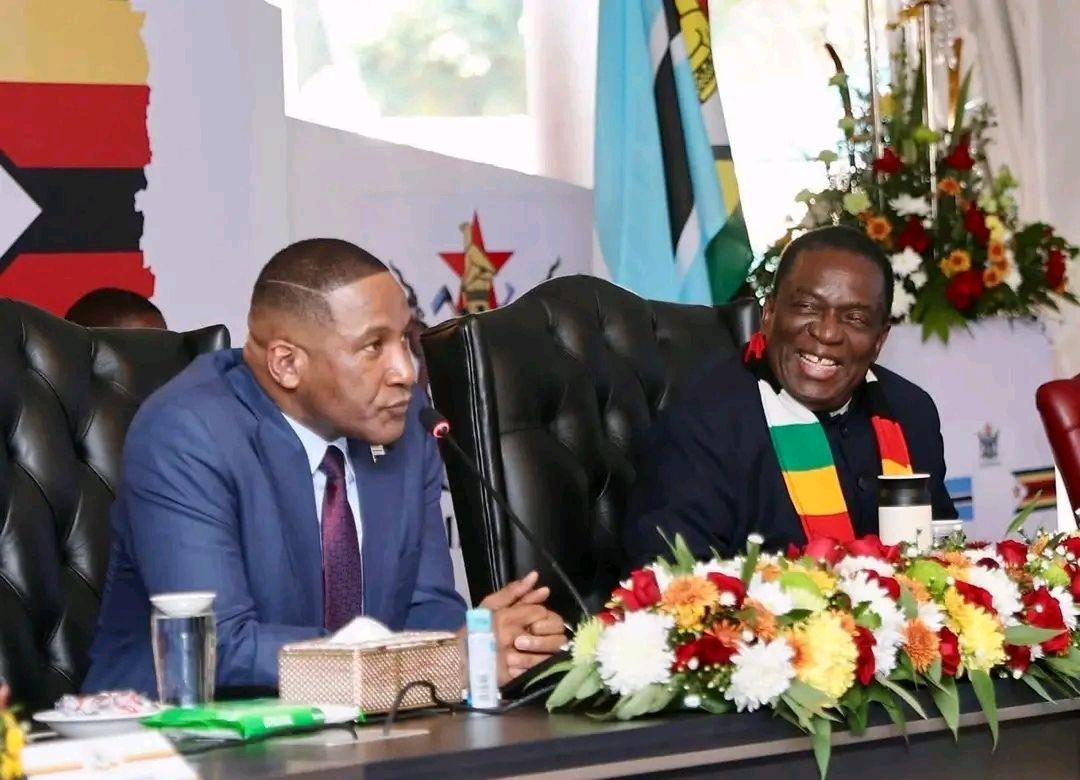
The announcement came during the fifth session of their Joint Permanent Commission on Cooperation (JPCC), held in Harare on April 22, 2026, where Presidents Emmerson Mnangagwa and Duma Boko signaled their commitment to moving the plan forward.
Beyond the headline measure, the talks produced a slate of agreements aimed at easing the flow of people, goods, and services across the border, a move expected to boost trade and tighten economic ties.
Mnangagwa framed the deal as an economic lever as much as a political one, saying it would smooth cross-border movement and strengthen bilateral relations. Boko, for his part, cast it as part of a broader regional vision—one that seeks to strip away barriers to mobility and open the door to deeper integration and shared prosperity.
The two sides also signed additional agreements covering defense cooperation, border security, and investment promotion, underscoring a wider effort to align economic and security priorities as the region looks to build a more connected future.
An Inward Turn
Read in context, the move looks less like an isolated gesture and more like part of a continental pivot. In a post dated April 24, the outlet Qiraat African argued that Africa is steadily loosening travel restrictions as its economies lean more heavily on internal integration to drive growth.
It’s a shift already led, in large part, by countries like Ghana and Kenya, which have moved to lower barriers for business travelers and tourists alike while positioning themselves as regional hubs for transport and trade.
Crucially, these policies dovetail with the ambitions of the African Continental Free Trade Area (AfCFTA), which is not only about cutting tariffs but also about enabling the free movement of people—a cornerstone for unlocking the full potential of a unified African market.
The logic is straightforward: ease of travel, and investment follows. Governments betting on looser mobility rules are aiming to spur cross-border capital flows, expand trade in services, and increase labor mobility—three pillars seen as essential to deepening the continent’s economic integration.
Unprecedented Easing
The Zimbabwe-Botswana announcement also echoes a growing chorus from business leaders who say Africa’s biggest obstacle isn’t ambition, but access. Among the most vocal is Aliko Dangote, who has repeatedly urged governments to tear down barriers to cross-border movement.
Reporting on April 24, the Zimbabwean outlet Business Report noted that Dangote has pressed African leaders to remove travel restrictions, arguing that trade and investment cannot thrive without the free movement of people, goods, and services.
His frustration is blunt. “Today, with a European passport, you can move faster in Africa than being an African. Which I think we must really stop,” Dangote said—a reality he believes must change.
It’s not a new complaint. In 2025, Dangote revealed he needed 35 visas to travel across the continent on his Nigerian passport, adding that a French passport granted him broader visa-free access within Africa than his own.
As chairman and CEO of the Dangote Group, he has called on governments to follow the example set by Kenya under President William Ruto, which moved to grant visa-free entry to African citizens. “Why can’t we allow visa-free for all Africans?” he asked.
“Please, we need to do that. Because if we don’t really do that, it will be difficult to trade with somebody that you cannot get in and out easily.”
His remarks capture a widening consensus among policymakers and investors: fragmentation remains one of the continent’s most persistent drags on growth. Even with frameworks like the AfCFTA in place, implementation gaps—especially around mobility—continue to constrain intra-African trade.
Dangote’s warning is clear: without simpler travel rules, even well-capitalized investors will run into avoidable friction.
Others are pushing the argument further. Samaila Zubairu, head of the Africa Finance Corporation (AFC), says integration must extend beyond roads and borders into financial systems themselves. Speaking at the Africa We Build Summit in Nairobi on April 23, 2026, he stressed that while the free movement of goods is critical, Africa also needs reforms to ensure its capital stays and works within the continent.
Infrastructure investment, he argued, is essential—but not sufficient. Without deeper, more efficient capital markets, sustained growth will remain elusive. Zubairu urged leaders, including William Ruto and Yoweri Museveni, to accelerate reforms that would allow capital to circulate more freely within the region.
Taken together, the push for mobility and capital reform points to a broader shift in Africa’s development narrative—from reliance on external financing to building self-sustaining systems powered by local resources and institutions.
Yet the gaps are hard to ignore. Policy fragmentation, capital flight, and shallow financial integration continue to weigh on progress. Large pools of African wealth still sit invested abroad, rather than being channeled into industries and infrastructure projects at home—an imbalance that, for many, underscores the urgency of turning integration from rhetoric into reality.
A Model of Openness
Ghana is fast cementing its reputation as one of Africa’s most open gateways, particularly when it comes to the movement of Africans across the continent. After rolling out visa-free access for citizens of all African countries, Accra has continued to double down on a strategy aimed at boosting regional integration and sharpening its economic appeal.
In an April 24 analysis, Capmad framed the decision as part of a broader continental push to ease mobility. The policy, which grants visa-free entry to all African passport holders, came into force at the start of 2025—marking one of the most sweeping moves of its kind.
The signal is unmistakable. Ghana is betting that openness will pay dividends, positioning itself as an easier destination for tourists, business travelers, students, and members of the African diaspora. It also aligns with a wider vision in which freedom of movement is treated not as a risk, but as a driver of economic integration.
The policy is already expanding outward. Following the announcement, three more countries—Antigua and Barbuda, Maldives, and Zambia—joined Ghana’s visa exemption framework, underscoring how mobility agreements are becoming a key tool in Accra’s diplomatic and trade playbook.
Ghana was hardly starting from scratch. It already ranks relatively high in mobility-friendly passport systems, with a web of visa arrangements that ease access for travelers. Adding more countries to its exemption list only reinforces a strategy that has been quietly building momentum for months.
The economic upside could be immediate. Easier entry tends to translate into more visitors, giving a lift to hotels, restaurants, services, and international events. It also lowers friction for trade missions and cross-border investment, particularly in sectors like commerce, logistics, and services.
More broadly, Ghana is sending a clear message: openness to fellow Africans is no longer seen as a liability but as a strategic asset. If it works, the model may not stay unique for long.
A New Awareness
For the economist Omar el-Kettani, the steady dismantling of visa barriers across parts of Africa signals something deeper than policy—it reflects a shift in mindset. Speaking to Al-Estiklal, he described it as a “new awareness” taking hold across the continent.
That awareness, he argues, is rooted in a long-overdue reckoning with history. Africa, once fragmented by slavery and colonial rule and often sidelined on the global stage, is now confronting a paradox: it is both resource-rich and economically strained. From that realization has emerged a growing conviction that the continent’s future lies in its own hands.
El-Kettani sees these mobility initiatives as part of a broader effort to move past older fault lines, including land disputes and tribal conflicts—many of them concentrated along borders. Opening those borders, he suggests, is not just about travel; it’s about bringing communities closer, encouraging people to discover their neighbors, and building commercial, financial, and social ties that outlast politics.
In that sense, visa-free travel becomes more than convenience—it becomes infrastructure for belonging. Trade, tourism, and investment begin to weave a shared fabric, reinforcing the idea of a common space rather than a patchwork of isolated markets.
For el-Kettani, the implications are strategic. These steps hint at what could be achieved through deeper African unity, including a stronger ability to withstand foreign influence that still shapes large parts of the continent’s economic landscape.
More immediately, he says, the shift—backed by governments—is opening a wide gateway for economic exchange and the circulation of ideas and expertise within Africa itself.
Security concerns, often raised as a counterpoint, are not dismissed but reframed. One of the most effective ways to ease tensions, el-Kettani argues, is through economic cooperation. Where cross-border communities are given resources and shared opportunities, long-standing frictions can soften, sometimes giving way to collaboration.
At the heart of it all is a gradual recalibration of interests. A sense of shared stake—economic, social, even psychological—doesn’t emerge overnight, but it is essential for persuading populations of the broader value of open borders.
Ultimately, el-Kettani returns to a stark diagnosis: much of the poverty and conflict seen in parts of Africa is tied, at its core, to the external exploitation of its resources and the influence exerted over segments of its leadership. Greater openness and intra-African cooperation, he suggests, are early signs that the continent is beginning to recognize—and confront—that reality at its roots.