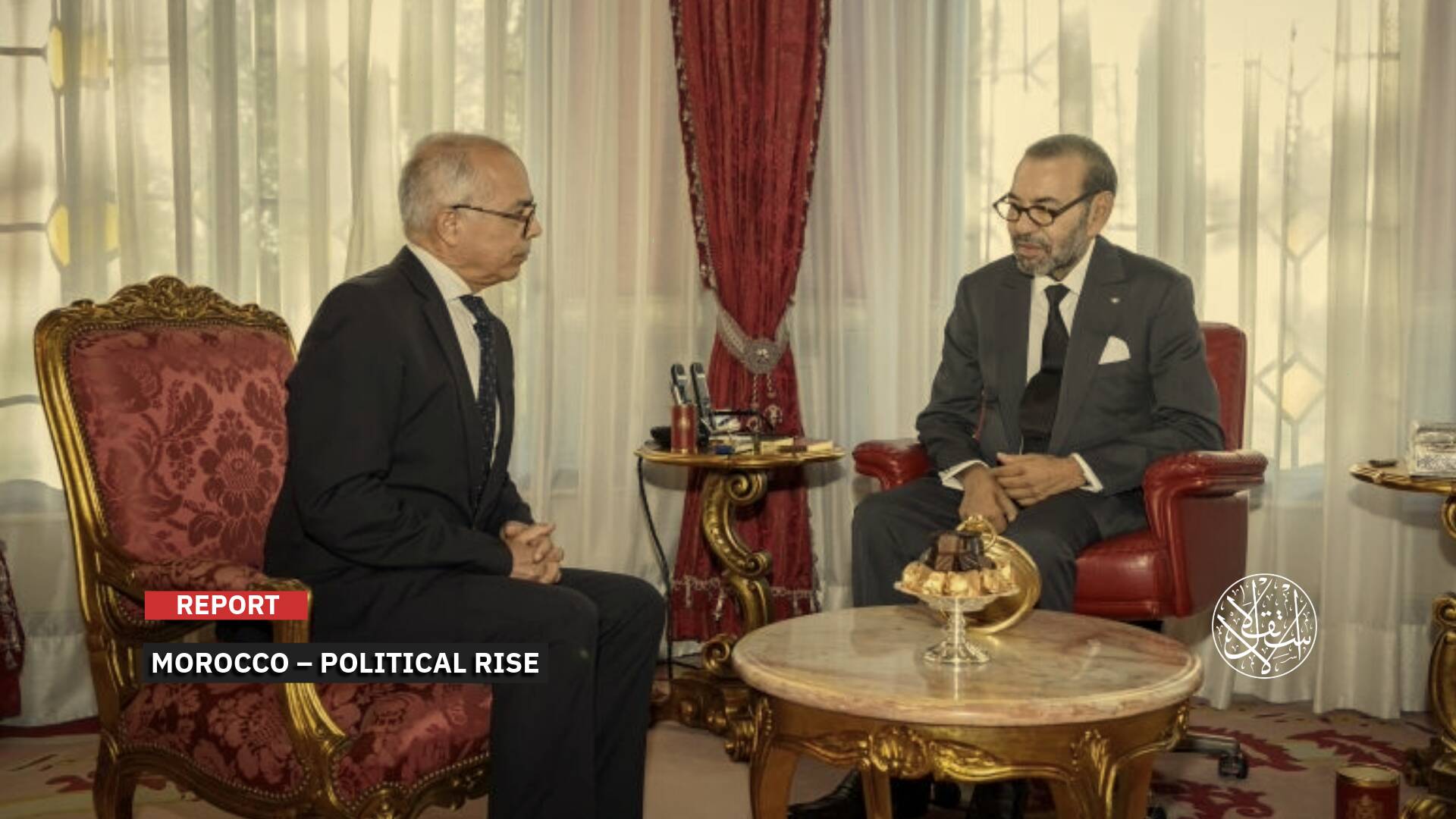
From Behind the Scenes to the Iraqi Premiership: How Businessman Ali al-Zaidi Rose to Power
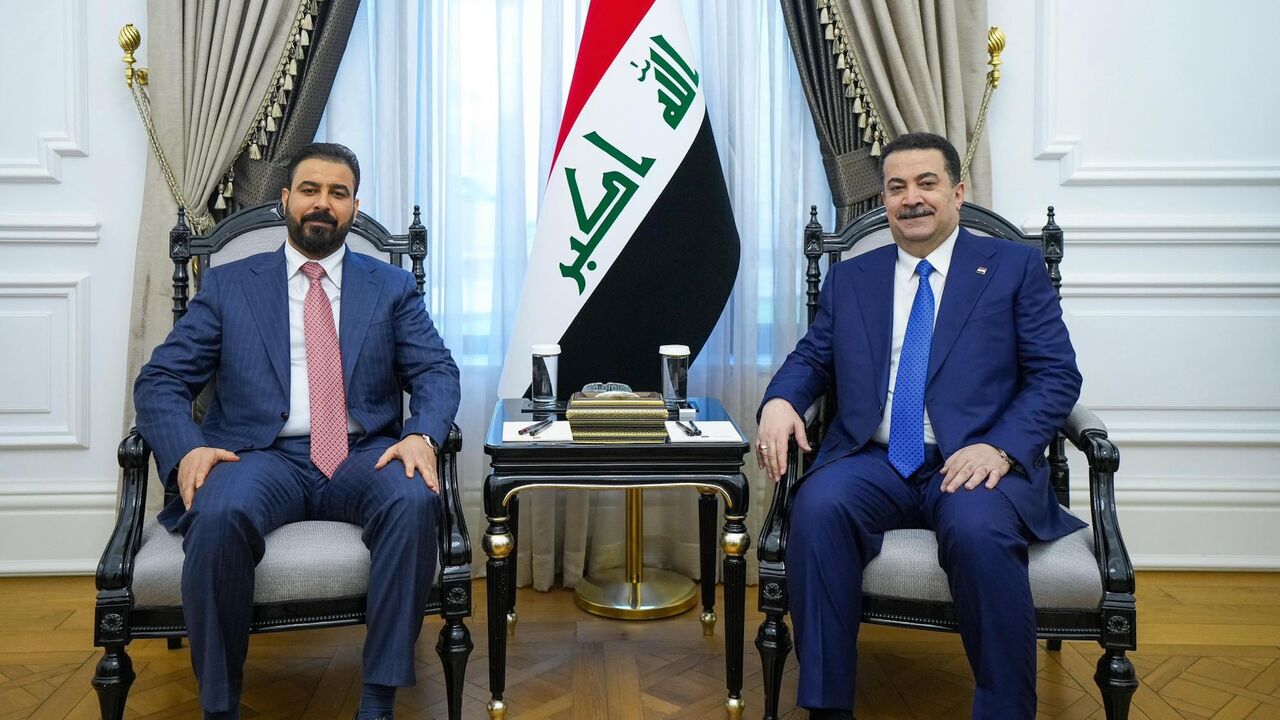
“The US embassy in Iraq welcomed the nomination of al-Zaidi.”
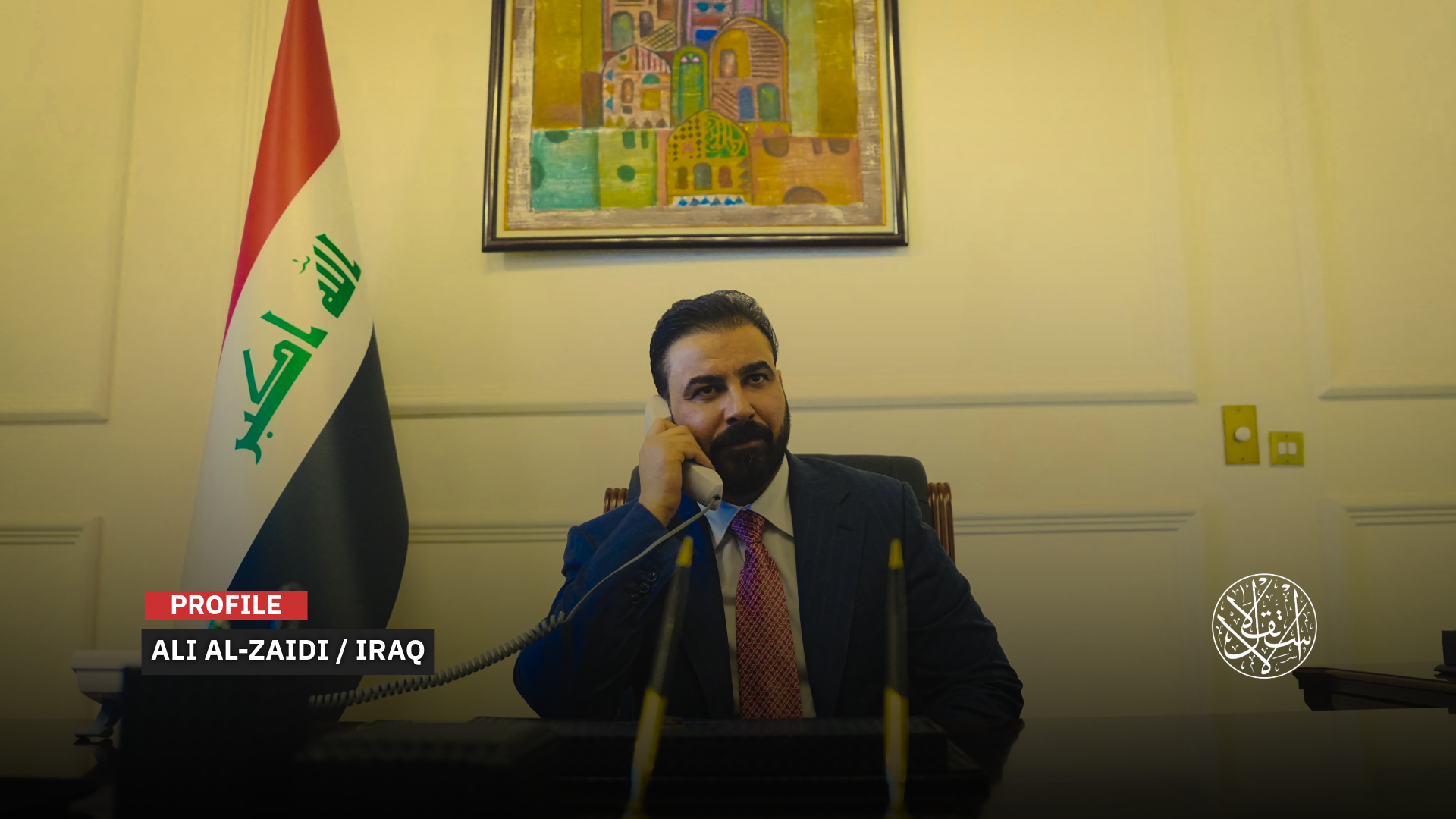
In a surprising move, the Shia Coordination Framework nominated Iraqi businessman Ali al-Zaidi for the position of Prime Minister, the highest executive post in the country, on April 28.
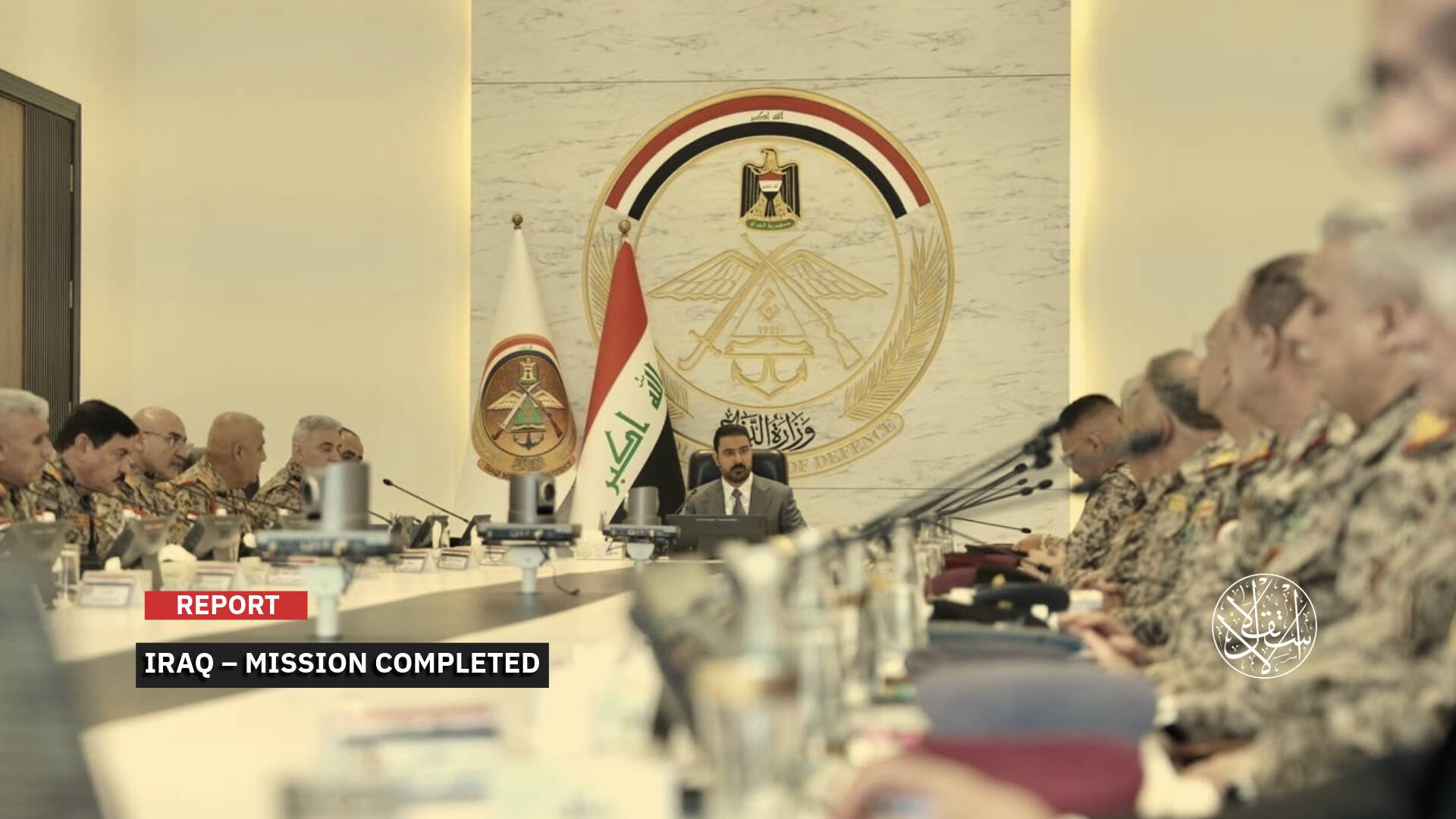
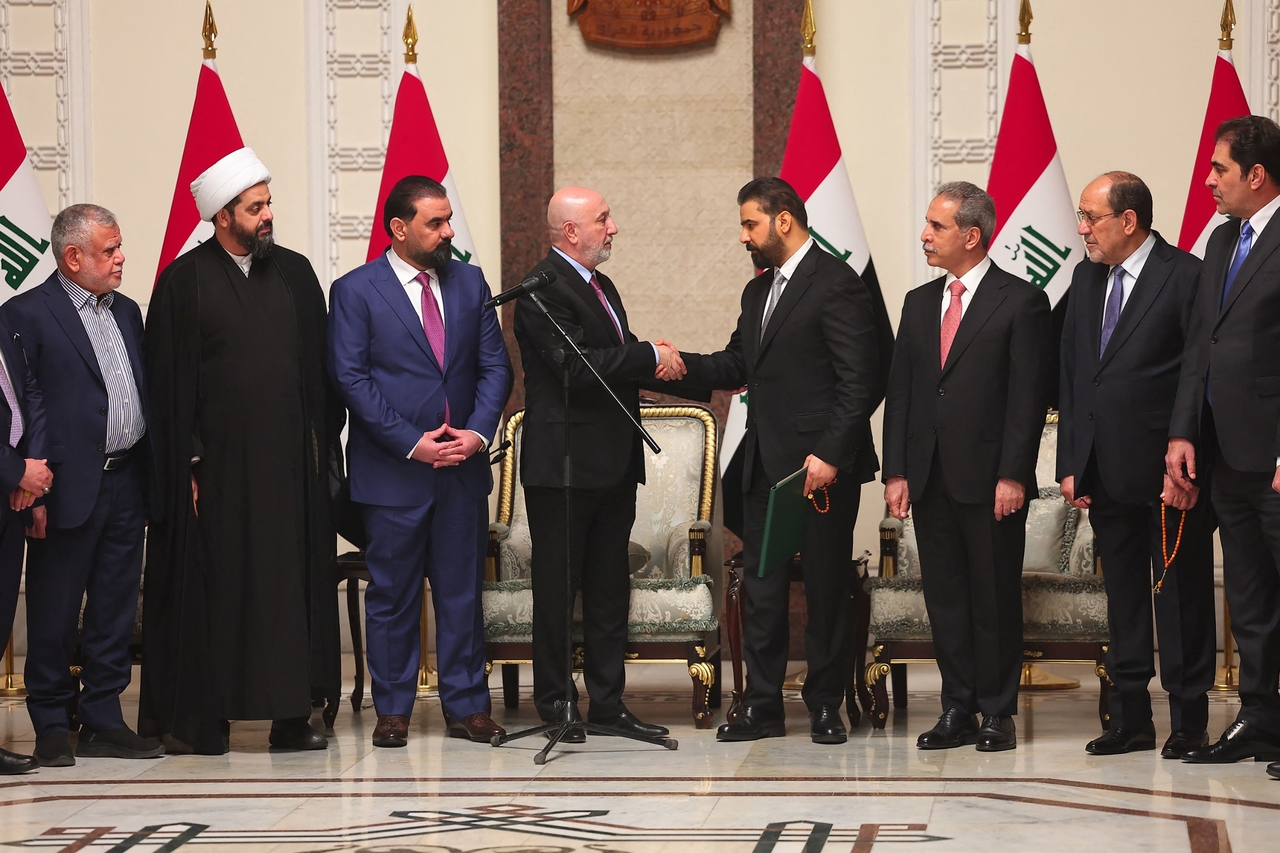
On the same day, al-Zaidi was officially tasked with forming a government by Iraqi President Nizar Amidi, in the presence of Parliament Speaker Haibat al-Halbousi, Chief Justice Faiq Zaidan, and most of the leaders of the Coordination Framework. He was given a 30-day deadline to form his government.
Youngest Prime Minister
His unexpected selection was not the only thing that astonished political and public circles. His young age was also a notable factor compared to his predecessors as Prime Minister since the establishment of the republican system in Iraq in 1958, following the military coup led by Abdul Karim Qasim.
Ali Falih Kadhim al-Zaidi was born in Baghdad in 1986 to a prominent family that hails from the southern Iraqi governorate of Dhi Qar, where he grew up in a prominent social family.
On the academic front, al-Zaidi holds a master's degree in finance and banking, having earned two bachelor's degrees in the same field, in addition to a specialization in law, reflecting a multidisciplinary educational background.
Professionally, al-Zaidi chairs the boards of directors of several institutions, including Al-Watania Holding Group, Al-Shaab University, the Ishtar Medical Institute, and the South Islamic Bank. He also owns Dijlah TV and is a member of the Iraqi Bar Association.
In the public sector, al-Zaidi's company, al-Oways Group, worked with the Ministry of Trade, where he managed the administration of the national ration card system.
However, the company has faced criticism from some members of parliament and accusations of corruption.
According to official sources, al-Zaidi's focus is on pushing for comprehensive institutional reform, achieving sustainable economic development, empowering youth, and enhancing the alignment of educational outcomes with labor market demands.
Despite being appointed prime minister, al-Zaidi is not known for his prior involvement in direct politics or for holding government positions in the period following the 2003 US-led invasion of Iraq, making his rise to power an exceptional development in the Iraqi political landscape.
US-Backed
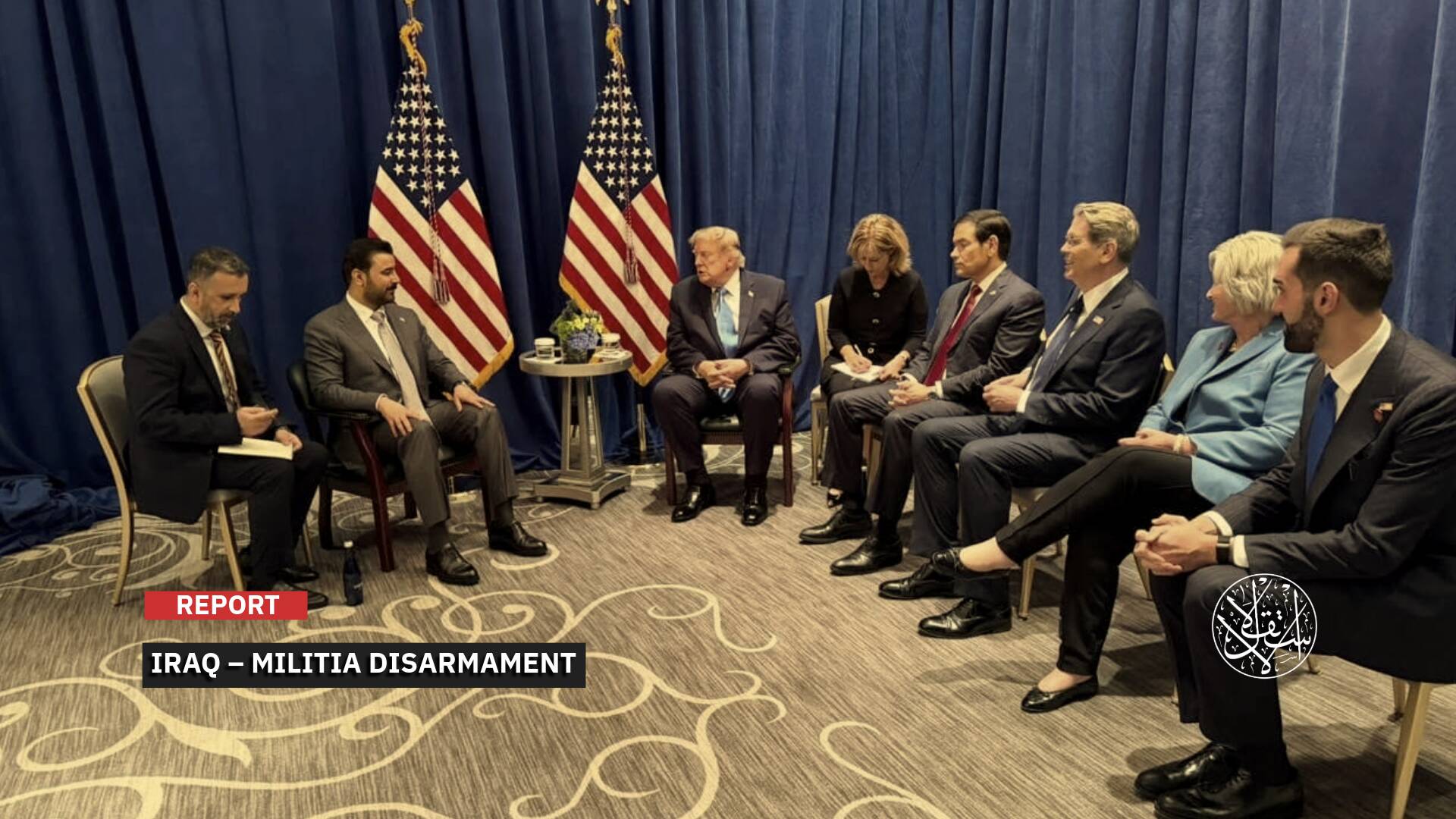
Since his official appointment, US President Donald Trump has expressed clear support for Ali al-Zaidi, extending to him a formal invitation to visit Washington after the formation of the Iraqi government is complete.
Trump had previously exercised an informal political veto by rejecting the nomination of Nouri al-Maliki, the candidate of the Coordination Framework, threatening punitive measures against Iraq should he return to power, based on what he considered a rapprochement with Iran, as he published on his Truth platform on January 27.
During a press conference on May 1, Trump said: "I congratulate the Iraqi Prime Minister. I supported him. We supported someone who wasn't well-known to many people, and he won by a landslide. I spoke with him yesterday."
He also confirmed that he had contacted al-Zaidi and expressed his strong support, adding: "With our help, he won, and we wish him all the best."
Trump added: "I assured him that the United States stands with him, and this is a great victory. The new Iraqi Prime Minister is someone we strongly support," a message reflecting the extent of the American stake in the next phase in Iraq.
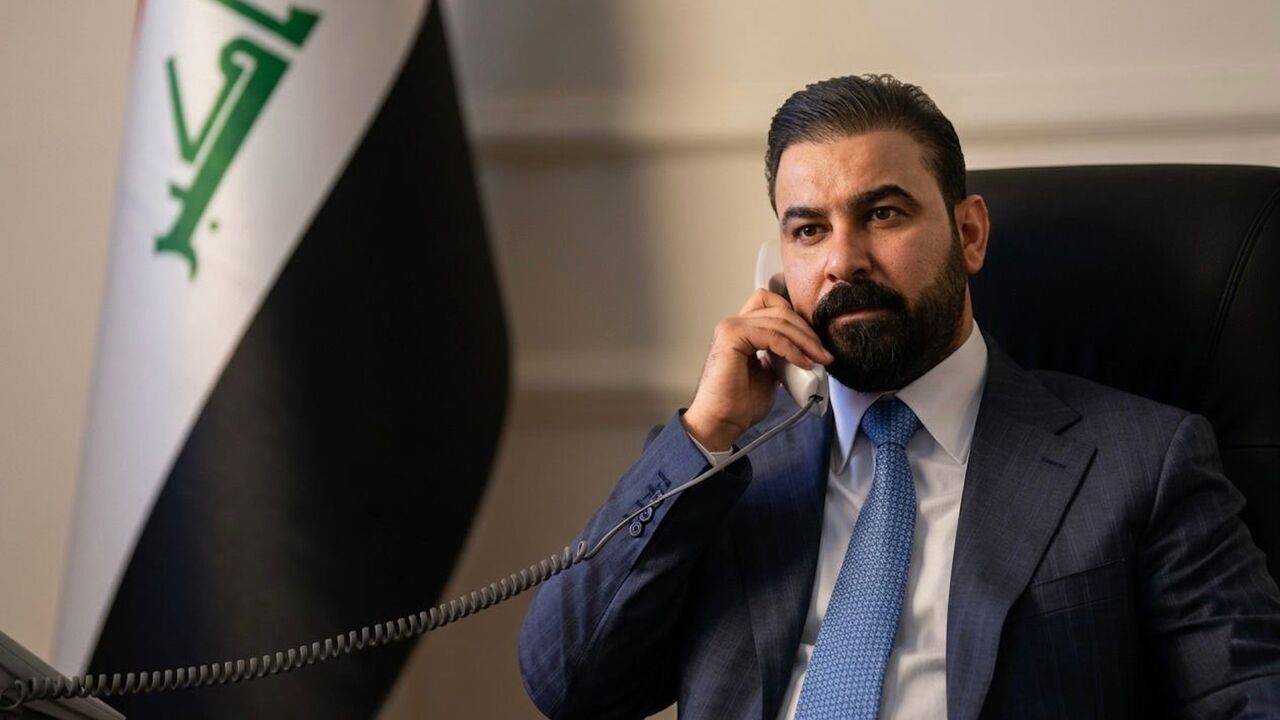
In a phone call on April 30, Trump congratulated al-Zaidi on being tasked with forming the government, expressing his hope for a strong, vibrant, and highly productive relationship between the U.S. and Iraq.
He also viewed al-Zidi's appointment as the beginning of a new chapter in bilateral relations, one based on prosperity, stability, and success, wishing him success in forming a government free from terrorism and capable of achieving a better future for the country.
In the same vein, al-Zidi received a call from the US envoy and Washington's ambassador to Ankara, Tom Barrack, who offered him official congratulations on his appointment, a move reflecting continued diplomatic support.
The US mission in Iraq also expressed its wishes for al-Zidi's success in forming a government that meets the aspirations of the Iraqi people, affirming its support for efforts to strengthen sovereignty and security, combat terrorism, and build a more stable and prosperous future that serves the interests of both sides.
One day after his appointment, Abdul Amir Taiban, advisor to outgoing Prime Minister Mohammed Shia' al-Sudani, revealed that al-Zidi had met with the US Chargé d'Affaires in Baghdad, Joshua Harris, considering this meeting a green light and an indication of US approval and support for his appointment.
Multiple Interfaces
The sudden rise of Ali al-Zaidi to the head of the executive branch in Iraq has sparked a wave of questions within political and public circles regarding the reasons for his selection over prominent political figures within the Coordination Framework and Shiite forces traditionally involved in party and parliamentary work.
An Iraqi political source, who preferred to remain anonymous, revealed that al-Zaidi's appointment was facilitated by the head of the Supreme Judicial Council, Faiq Zaidan, noting his close ties to outgoing Prime Minister Mohammed Shia' al-Sudani.
The source explained that Zaidan, along with al-Sudani, Asaib Ahl al-Haq leader Qais al-Khazali, and Hikma Movement leader Ammar al-Hakim, form a Shiite front opposed to Nouri al-Maliki, working to prevent his return to power.
The source added that al-Zaidi is seen as a financial front for al-Sudani, noting that he purchased the Dijlah TV channel from its previous owner, Jamal al-Karbouli, for approximately $10 million, as part of financial arrangements believed to be linked to al-Sudani, despite the channel officially remaining under al-Zaidi's name.
The source indicated a relationship between al-Zaidi and the Sunni leader of the Sovereignty Alliance, Khamis al-Khanjar, suggesting that this relationship is likely commercial in nature, especially given that the Ministry of Trade, which is under al-Khanjar's control, is involved in the procurement of food basket items, a task handled by companies associated with al-Zaidi.
Regarding the relationship with Iran, the source emphasized that any Shiite figure who reaches this position must have ties to Tehran or enjoy its tacit approval, even if its influence in the region has diminished somewhat.
The source was not ruled out that Iran had supported al-Zaidi's appointment through indirect channels to avoid him appearing as a candidate clearly aligned with them.
The source suggested that the four-day delay in Iran's congratulations to al-Zaidi after his appointment was a deliberate move to deflect suspicion about his relationship with Tehran, especially given the sensitivity of the American position.
The congratulations were only issued later by Iranian Foreign Minister Abbas Araqchi, who affirmed his country's support for Iraq's stability and the strengthening of cooperation between the two countries.
On another note, Iraqi MP Alia Nassif revealed that al-Zaidi was one of four candidates presented by al-Maliki to al-Sudani as consensus names, along with Asaad al-Eidani, Salih al-Hasnawi, and Hamid al-Shatri.
In a TV interview on May 2, she added that al-Sudani chose al-Zaidi immediately after his name was put forward, a move that displeased al-Maliki, who later regretted including him on the list of candidates.
She also explained that al-Zaidi's name had been floated about three and a half months earlier as a compromise candidate, noting that he had begun a tour of the leaders of the Coordination Framework by visiting al-Maliki, who informed him at the time that he would be the candidate for prime minister.
In a related context, she quoted al-Zaidi as saying that he had not sought this position, believing he did not need it, especially given his extensive network of investments in various sectors, including education, health, security, and trade.
Sources
- Trump congratulates al-Zaidi on his appointment as Prime Minister of Iraq [Arabic]
- Trump announces surprise regarding al-Zaidi's appointment as Prime Minister of Iraq [Arabic]
- Ali al-Zaidi discusses strengthening the partnership between Iraq and America with Trump's envoy [Arabic]
- Iraq: Trump's interest in Prime Minister-designate Ali al-Zaidi raises concerns for Iran and the Popular Mobilization Forces [Arabic]
- Who is Ali al-Zaidi, the man tasked with forming the Iraqi government? [Arabic]