Will the UAE’s Exit from OPEC Lead to Chaos in Oil Prices?
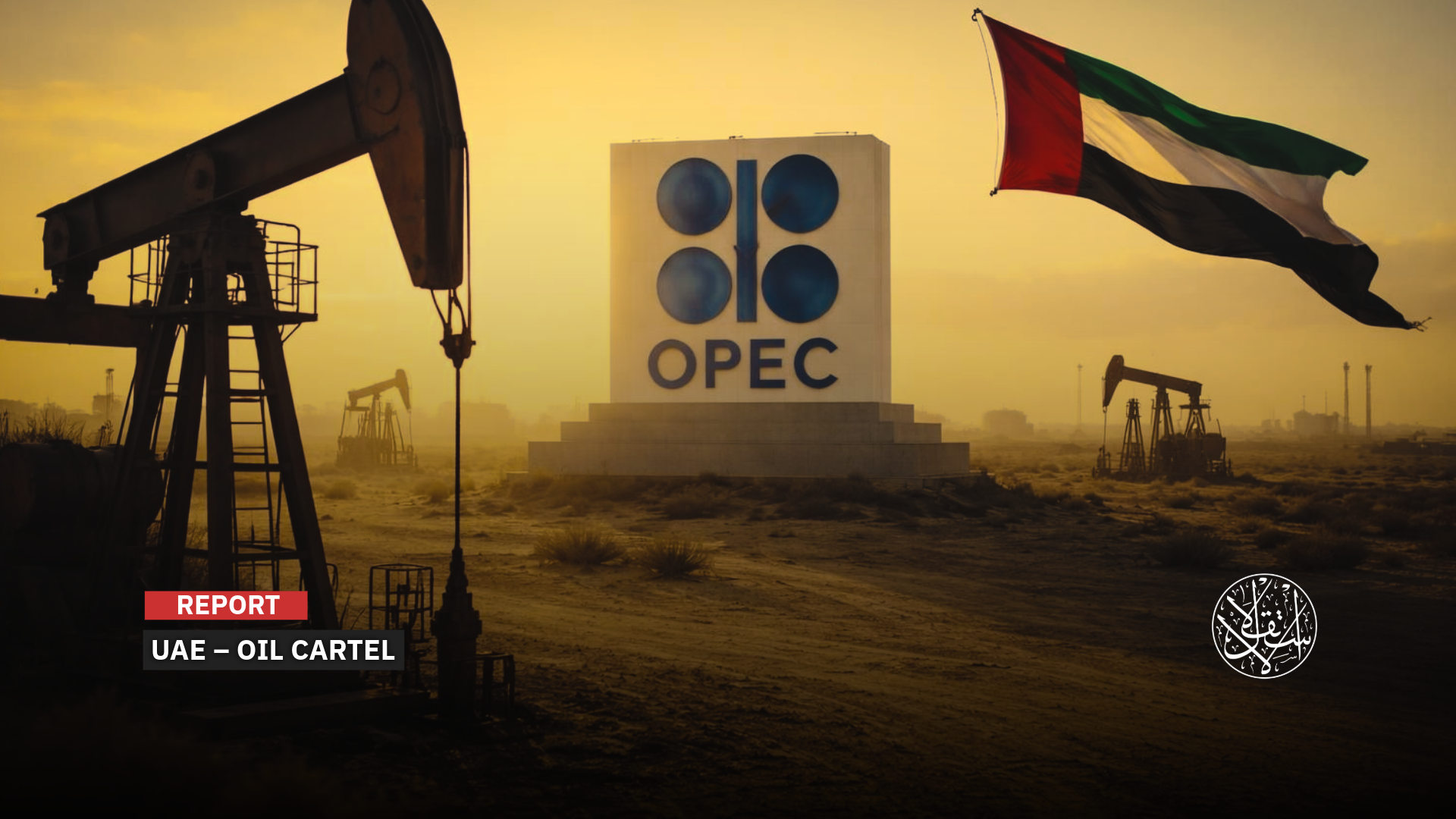
“OPEC Gulf producers have been struggling to ship exports through the Strait of Hormuz.”
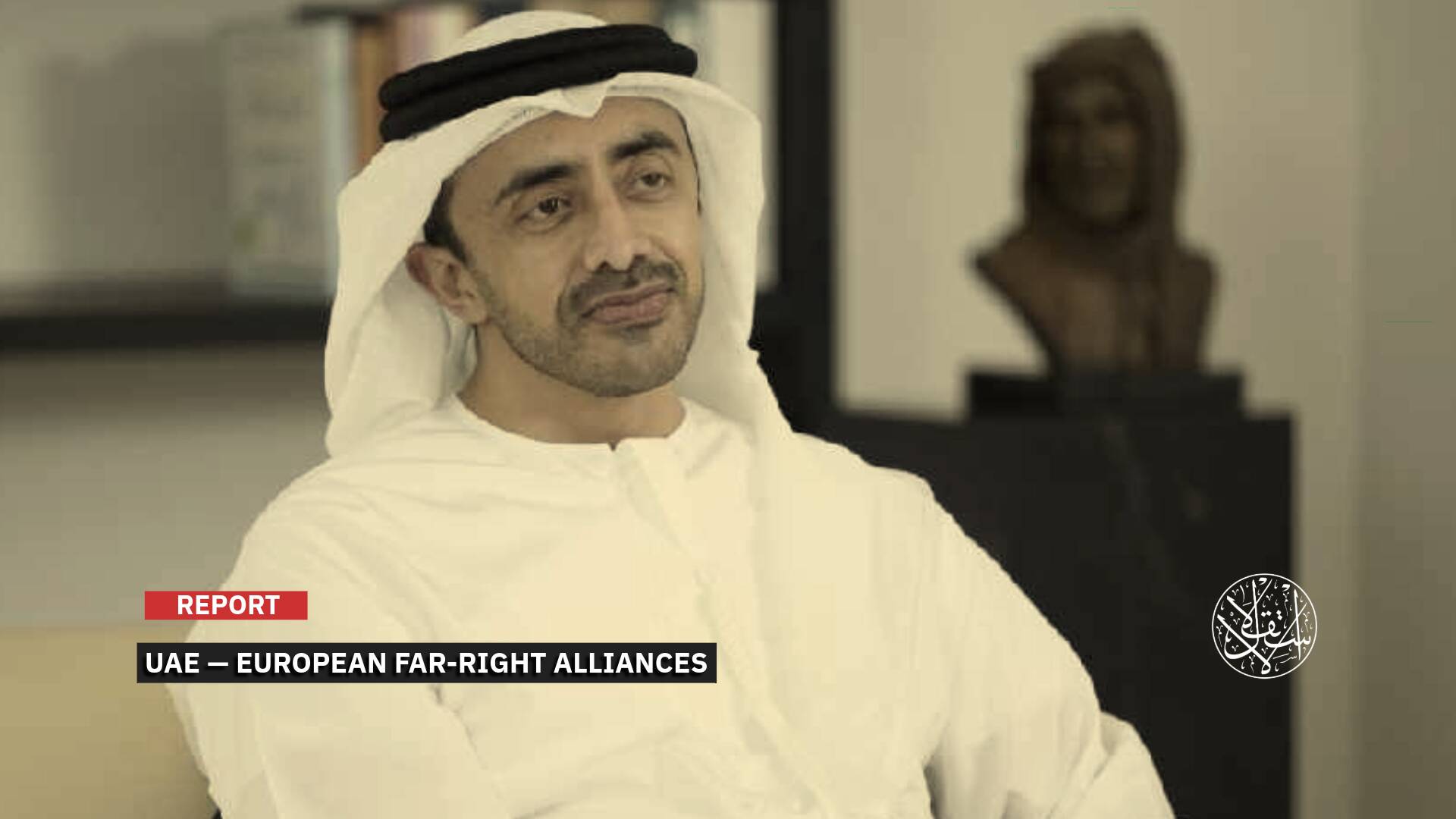
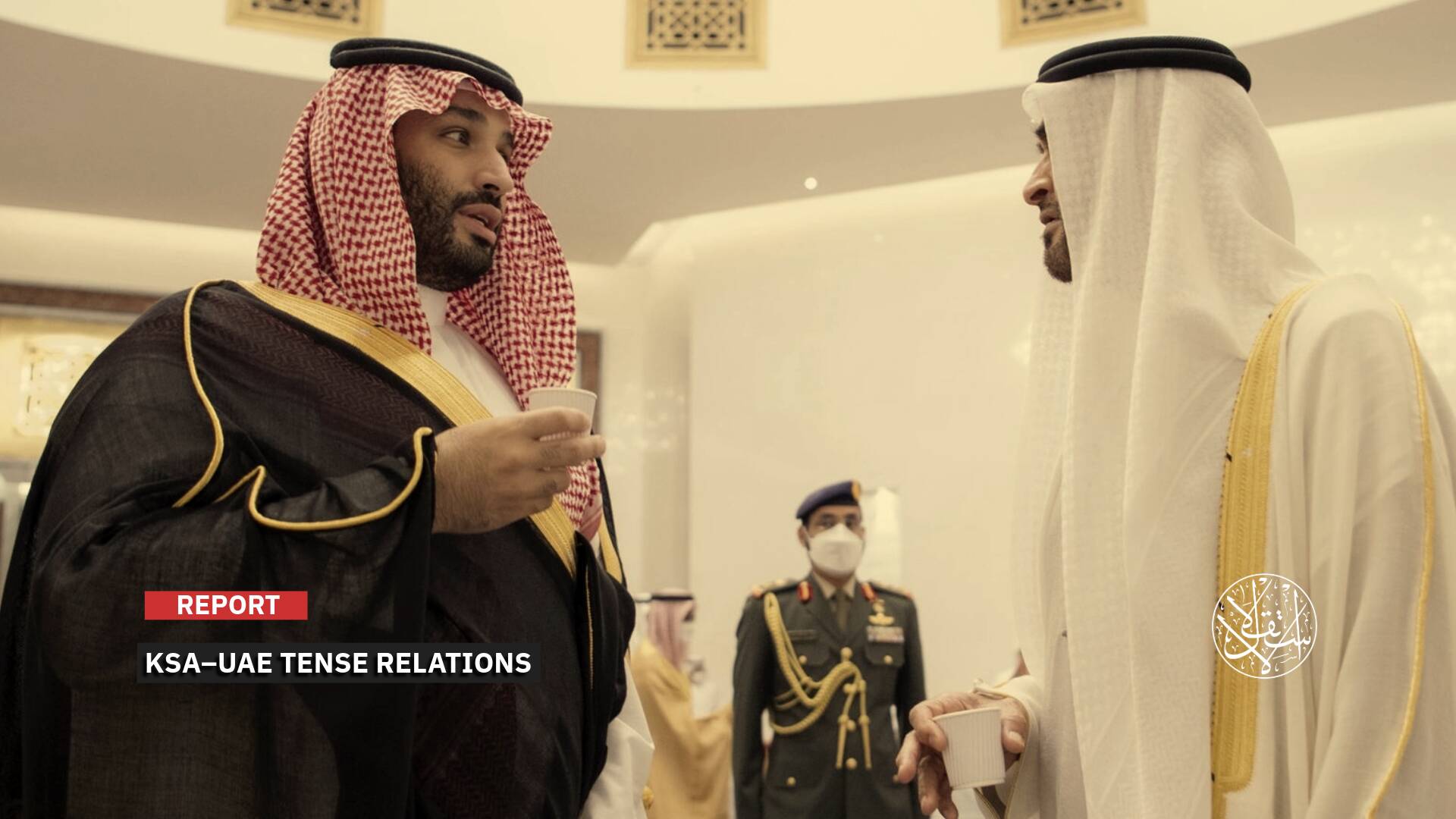
Amid unprecedented turmoil gripping global energy markets, OPEC announced the UAE's withdrawal from its membership, as well as from the OPEC+ alliance, effective May 1st.
This move ended decades of oil coordination within the most influential cartel in the global energy market.
The decision did not come in isolation from the international context. Rather, it coincided with the escalating global energy crisis resulting from the conflict between the United States and Israel on one side, and Iran on the other.
Furthermore, the subsequent sharp turmoil in the Gulf region, including the de facto closure of the Strait of Hormuz, gave the move dimensions that extend beyond economics to broader political and strategic considerations.
Western reports, including an analysis published by The Guardian on April 28, viewed this withdrawal as a turning point in the history of the oil market, at a time when OPEC faces an unprecedented test of its ability to maintain its cohesion in the face of escalating geopolitical and economic pressures.
Reuters also pointed out that the decision presents Saudi Arabia, as the de facto leader of the organization, with a significant challenge to maintaining its influence in the market, especially with the departure of one of the most prominent producers from the collective coordination system.
However, the implications of the decision extend beyond its timing. The UAE possesses a production capacity exceeding its OPEC quota, and its withdrawal reveals a structural flaw within the organization, accumulated over years of disagreements regarding production levels and burden-sharing.
Thus, the situation appears to be more than just a passing crisis within OPEC; it is an indicator of deeper transformations that could reshape the global oil system, given the shifting balance of power and the increasing influence of political factors on energy markets.
Key Player
Before OPEC established itself as a major force in the global oil market, effective control over production and pricing rested with a group of giant Western companies, historically known as the Seven Sisters.
This group included companies such as Exxon, Mobil, Chevron, Texaco, and Gulf Oil, along with BP and Royal Dutch Shell.
These companies controlled oil concessions within producing countries, setting production levels and prices to serve their own interests, given the lack of effective control those countries had over their resources.
However, the establishment of OPEC in 1960 marked a pivotal turning point. Producing countries gradually succeeded in regaining sovereignty over their natural resources and seizing control of the market, shifting the center of gravity from the companies to the governments.
Nevertheless, the role of these companies did not disappear; rather, it entered a new phase of adaptation to the changing reality.
Giant energy entities such as ExxonMobil, Shell, BP, Chevron, and Total Energies emerged. Although they no longer have the direct ability to set prices, as was the case in the past, they still exert a profound influence on the market through their massive investments, production decisions, and widespread global presence.
Thus, the oil market is no longer unilaterally controlled, but has become the product of a complex balance between producing countries, major corporations, and geopolitical factors.
However, this balance appears more fragile than ever today, given the escalating international tensions and the withdrawal of key players from traditional coordination mechanisms.

Real Dilemma
Historical reviews, supported by international economic data, indicate that one of the most prominent reasons for OPEC's declining influence is the lack of strict adherence to production quotas among member states. Some countries have consistently exceeded these limits to achieve short-term gains.
This behavior has weakened the organization's ability to enforce discipline, gradually transforming it from an entity capable of guiding the market into a negotiating platform that reflects the divergent interests of its members.
Meanwhile, the shale oil boom in the U.S. significantly diminished OPEC's influence, as Washington emerged as a major player outside the organization, capable of balancing its decisions or undermining its power.
Analyses from international institutions, including World Bank reports, confirmed that the oil market is no longer managed from a single center, but has become more fragmented, governed by a complex network of independent producers and geopolitical factors.
This structural shift presented OPEC with a real dilemma; it no longer possesses the same ability to enforce its decisions, and at the same time, it has failed to develop new tools that are compatible with the complexities of the modern market.
In an attempt to regain its role, OPEC expanded its coordination in 2016 by establishing the OPEC+ alliance, which included major producers such as Russia.
This alliance succeeded in its initial phase in supporting prices after their collapse through broader coordination of production policies, thus restoring some of the organization's influence.
However, this expansion brought with it profound contradictions, as the inclusion of countries with divergent political and strategic priorities made oil decisions more tied to geopolitical calculations and less subject to market logic.
With escalating international tensions, particularly in light of the recent war, maintaining the cohesion of this alliance has become increasingly difficult.
In this context, an analysis published by the Atlantic Council on April 30 explained that the UAE's decision to withdraw reflects a growing realization that remaining part of an alliance with politically disparate members no longer aligns with its interests, particularly given the restrictions imposed on its production.
The analysis added that this move had been anticipated for years, in light of lengthy internal debates about the viability of remaining within OPEC+.
Specialized energy sector reports, including World Oil, indicated that the UAE's departure could weaken OPEC+'s ability to act as a swing producer in the long run, given Abu Dhabi's spare production capacity, which had contributed to market balance.
Complex Scenario
The UAE's withdrawal raises fundamental questions about the future of the oil market should OPEC's role diminish: Are we facing a period of price chaos, or the beginning of a more flexible system less reliant on collective coordination?
Recent analyses, including estimates from StoneX, suggest that declining coordination within OPEC could lead to increased global production outside any organized framework, exerting downward pressure on prices in the medium term.
However, this scenario is not without risks. The absence of a market regulator could make prices more susceptible to sharp fluctuations, especially in a tense geopolitical environment.
In this context, external factors emerge as a crucial player, no less important than OPEC decisions.
The closure of the Strait of Hormuz, through which a significant portion of global oil trade passes, clearly demonstrates how a single geopolitical factor can completely reshape the market, regardless of production policies.
Furthermore, the rise of the U.S. to the ranks of the world's major producers has complicated the situation, as it has become capable of influencing market equilibrium outside of OPEC, thus limiting the organization's ability to unilaterally control price trends.
According to a report published by Axios, some analysts believe this shift could lead to lower prices in the long term due to increased supply, while others warn that the lack of coordination could create a more fragile market, where prices fluctuate sharply with each crisis.
Despite increasing pressures, whether from the UAE's withdrawal or the repercussions of regional tensions, OPEC still retains considerable influence, given its member states' control of a large percentage of global oil reserves. This gives it continued leverage, even if that leverage is no longer absolute as it once was.
In this context, an analysis published by the International Energy Agency (IEA) in its monthly oil market report indicates that the organization stands at a crucial crossroads: either it redefines its role as a flexible coordination platform capable of adapting to rapid changes, or it continues on a path of gradual erosion of its influence.
Reuters, for its part, believes that OPEC's biggest challenge is no longer managing production levels, but rather maintaining its internal cohesion in light of the growing individualism among member states, which are increasingly inclined to prioritize their national interests over collective commitments.
Thus, the UAE's withdrawal does not signify the end of OPEC, but it does open the door to a new phase characterized by greater fluidity and uncertainty.
In a world gradually shifting towards alternative energy sources, the organization may find itself compelled to reinvent its role, not only as a major oil producer, but also as an influential player in a more diversified and complex energy market.