Jeddah Summit: Why Have the Gulf States Failed To Unify Their Position Despite a Shared Threat?
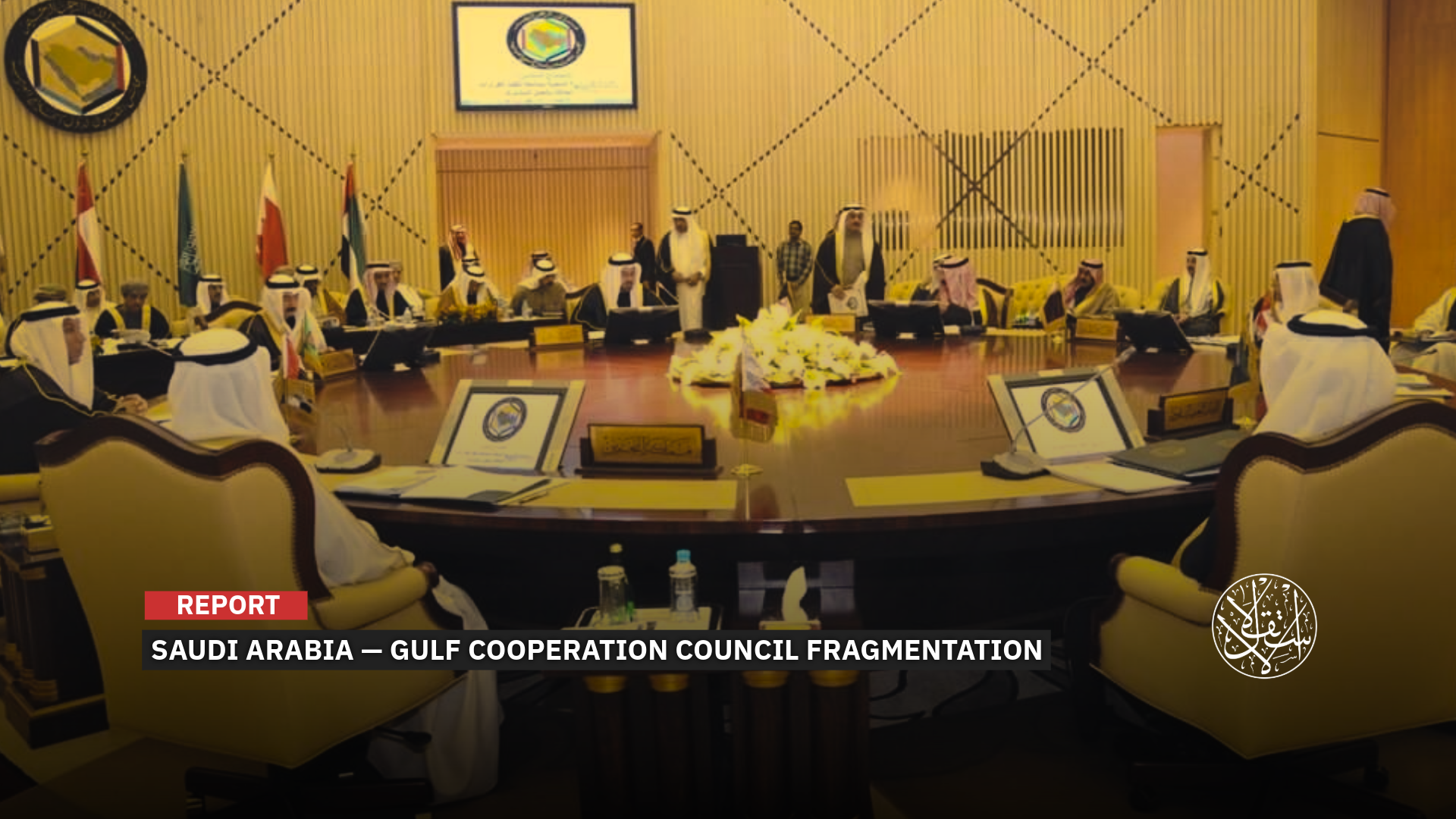
Was the summit merely an attempt to contain the shock, or an implicit acknowledgment of the limits of the current security framework?
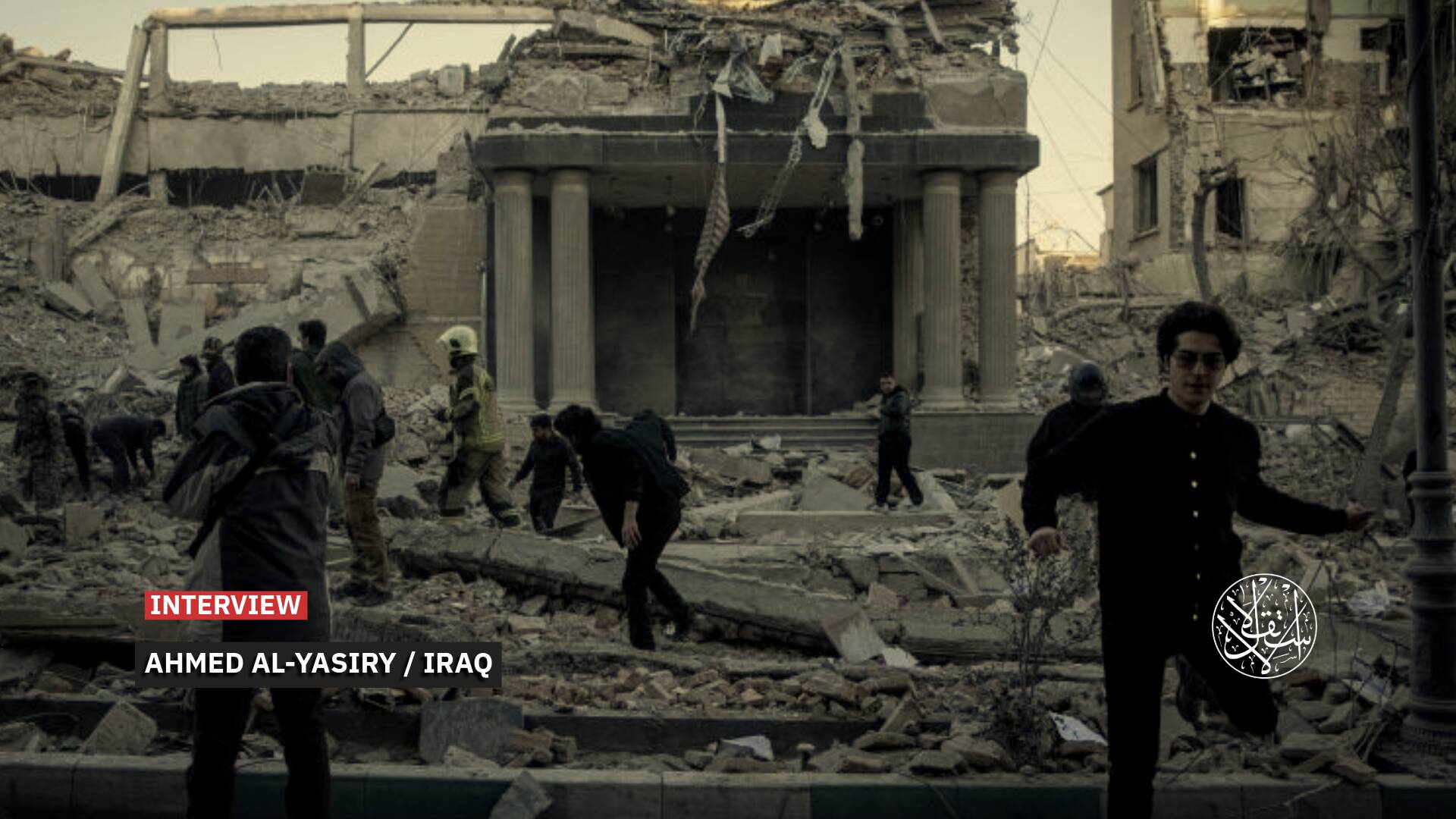
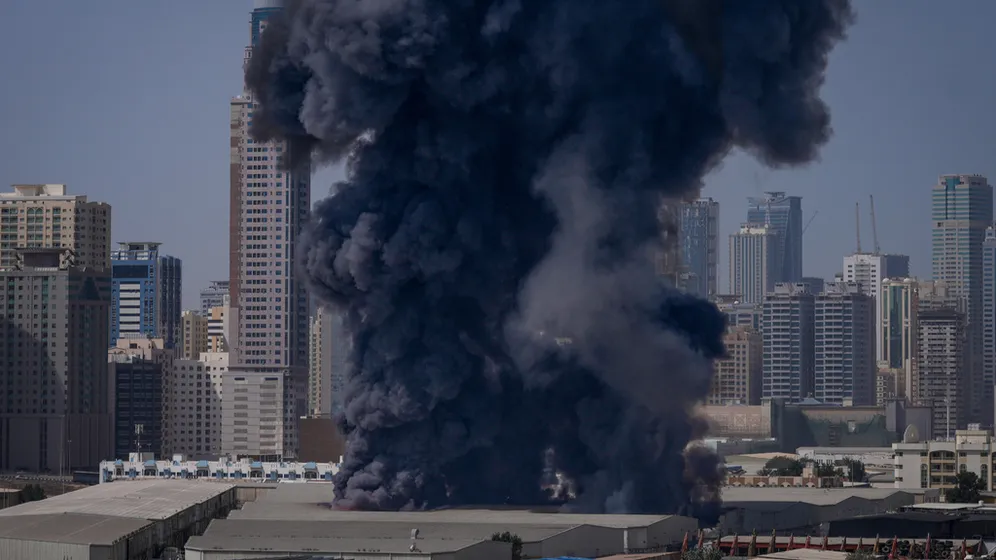
Despite Gulf capitals witnessing, for the first time in their history, direct military strikes that upended traditional security equations, the Jeddah Gulf Summit, held on April 28, 2026, to address these developments, concluded with a repetitive statement and ambiguous messages.
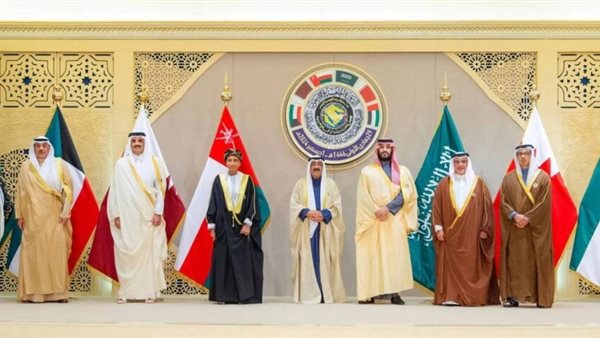
The scene was familiar; Oman, known for its alignment with Iran, was entirely absent, as was the UAE leadership represented by Mohammed bin Zayed.
Meanwhile, the traditional rhetoric was repeated, recycling concepts of “collective security” without offering a qualitative shift commensurate with the scale of current threats.
The final communique implicitly pointed to a Gulf trend toward strengthening self-reliance within a collective framework, but it did not resolve key issues, most notably the future of foreign military bases or whether the monarchies intend to reduce their reliance on U.S. protection. It also reflected differing positions among the states regarding Iran and the nature of future relations with it.
This paradox raises a deeper question: Was the summit merely an attempt to contain the shock, or an implicit acknowledgment of the limits of the existing security framework?
Another question also emerges: why was there no frank discussion of the U.S. military presence, considered by Iran to be a source of tension, while only vague references were made to gradually building independent security capabilities, without clear practical steps, and amid the absence of some leaders and states from resolving this critical issue?
Messages of the Final Communique
It was clear that the final communique aimed to send three main messages to the parties involved in the conflict, whose repercussions have spilled into the Gulf against its will, namely the United States, Iran, and “Israel”.
The statement carried three strategic messages directed at these parties, in a Gulf attempt to draw clear boundaries with a conflict it did not choose but whose consequences it has found itself at the center of.
This reflects an effort to reposition among the sides of an escalating regional conflict without fully aligning with any axis.
The communique was loaded with precise political signals, carefully crafted through measured language and cautious balancing, with the aim of defining the contours of the Gulf position on the escalation, between rejecting being drawn into war and, at the same time, affirming the protection of strategic and security interests.
These messages were not delivered in a direct confrontational tone, but rather within what can be described as a policy of “quiet signaling,” an approach favored by Gulf states even in the most sensitive moments, reflecting their intent to manage delicate balances without triggering escalation or sliding into open confrontation.
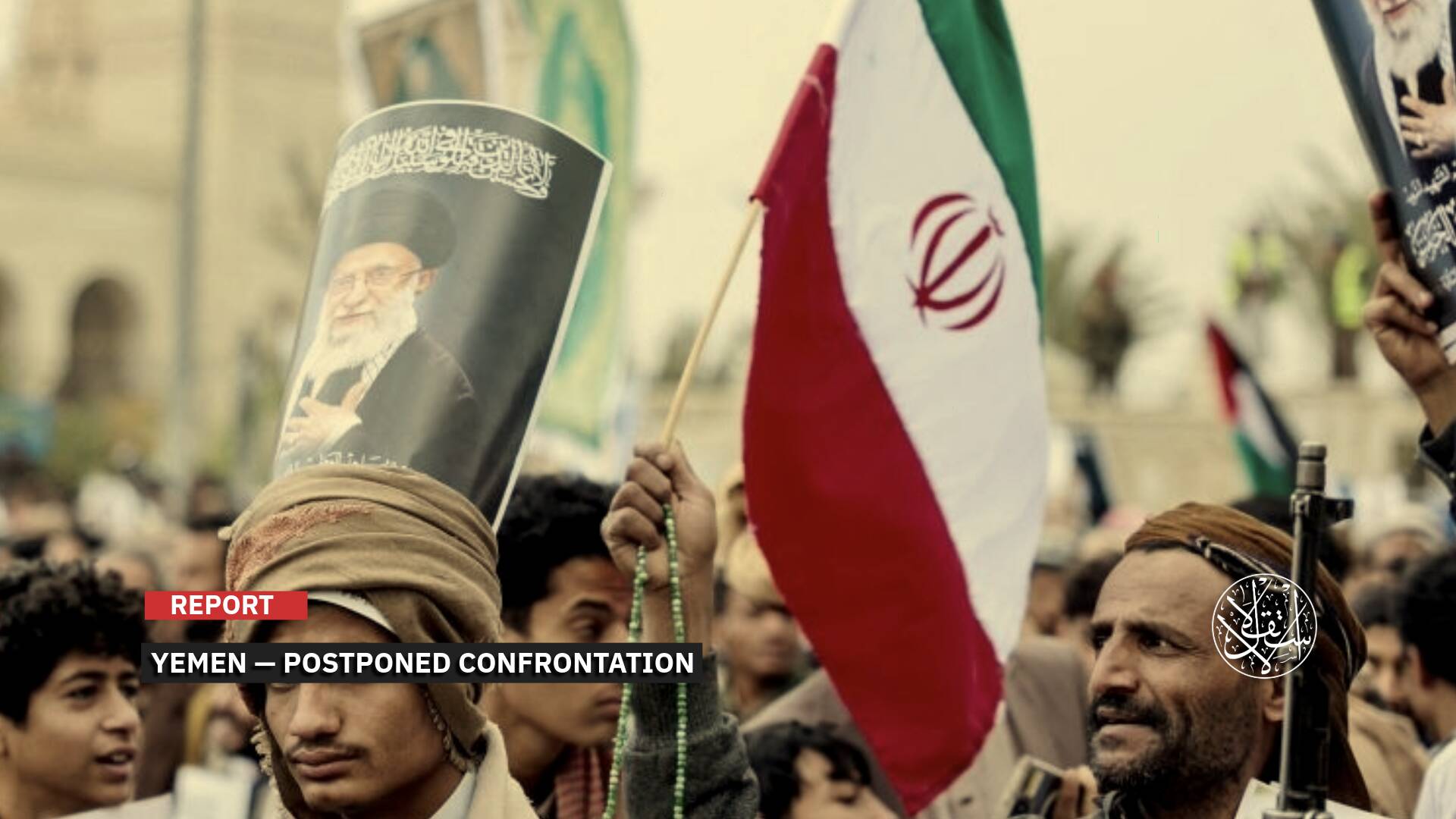
Given that Iran is the party that carried out strikes inside Gulf states, justifying them as targeting U.S. bases and interests rather than civilian facilities, most sections of the communique focused on Tehran, in an attempt to convey a precise message that Gulf states are not in a state of hostility with it, but will not hesitate to respond if these attacks affect their internal stability.
The message appeared firm in some of its wording, but at its core carried a dual character wrapped in a calm tone, which can be summarized in a clear equation, “We are not against you, but we are not on your side if you cross the lines of stability.”
At the same time, this language reflected a degree of eroding trust in Iran’s behavior, with an implicit indication that restoring that trust is contingent on practical steps, most notably halting attacks and demonstrating goodwill.
The message also showed a Gulf desire to keep de-escalation channels open and avoid sliding into direct confrontation with Tehran, a confrontation that is seen as one the United States and “Israel” may seek to push the region toward, especially with strikes targeting sites inside the Gulf by unidentified aircraft, which Iran has denied responsibility for.
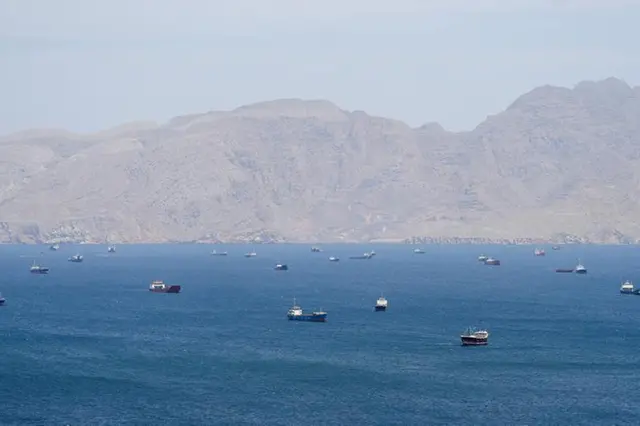
Amid the closure of vital routes for oil exports, foremost among them the Strait of Hormuz, and the direct threat this poses to Gulf economies, the summit carried a clearer message: the security of vital waterways, including the Red Sea and Bab al-Mandab, represents a red line that cannot be crossed.
The Jeddah statement affirmed that any direct or indirect threat to these interests, whether from Iran or others, would be met with an increased level of security and defense coordination among Gulf states, signaling a collective readiness to deal with escalating risks.
Military Bases
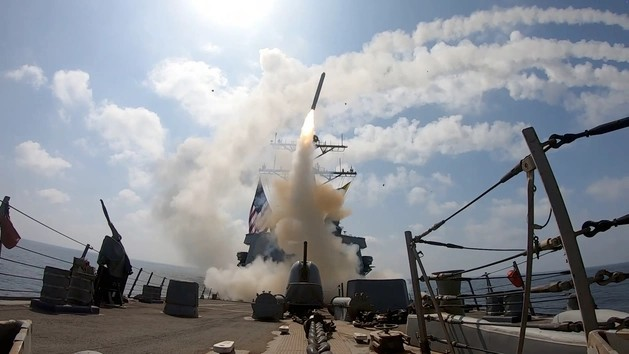
The message directed at the United States carried a dual tone and was framed as a sharp implicit question: were the American military bases spread across the Gulf truly established to protect host countries, or has their role become tied to other calculations that do not always align with Gulf security priorities?
In this context, clear Gulf frustration toward Washington emerged, whether due to the inability of these bases to provide full protection during the recent strikes, or a growing sense that U.S. priorities lean toward protecting “Israel” at the expense of the security of its Gulf partners.
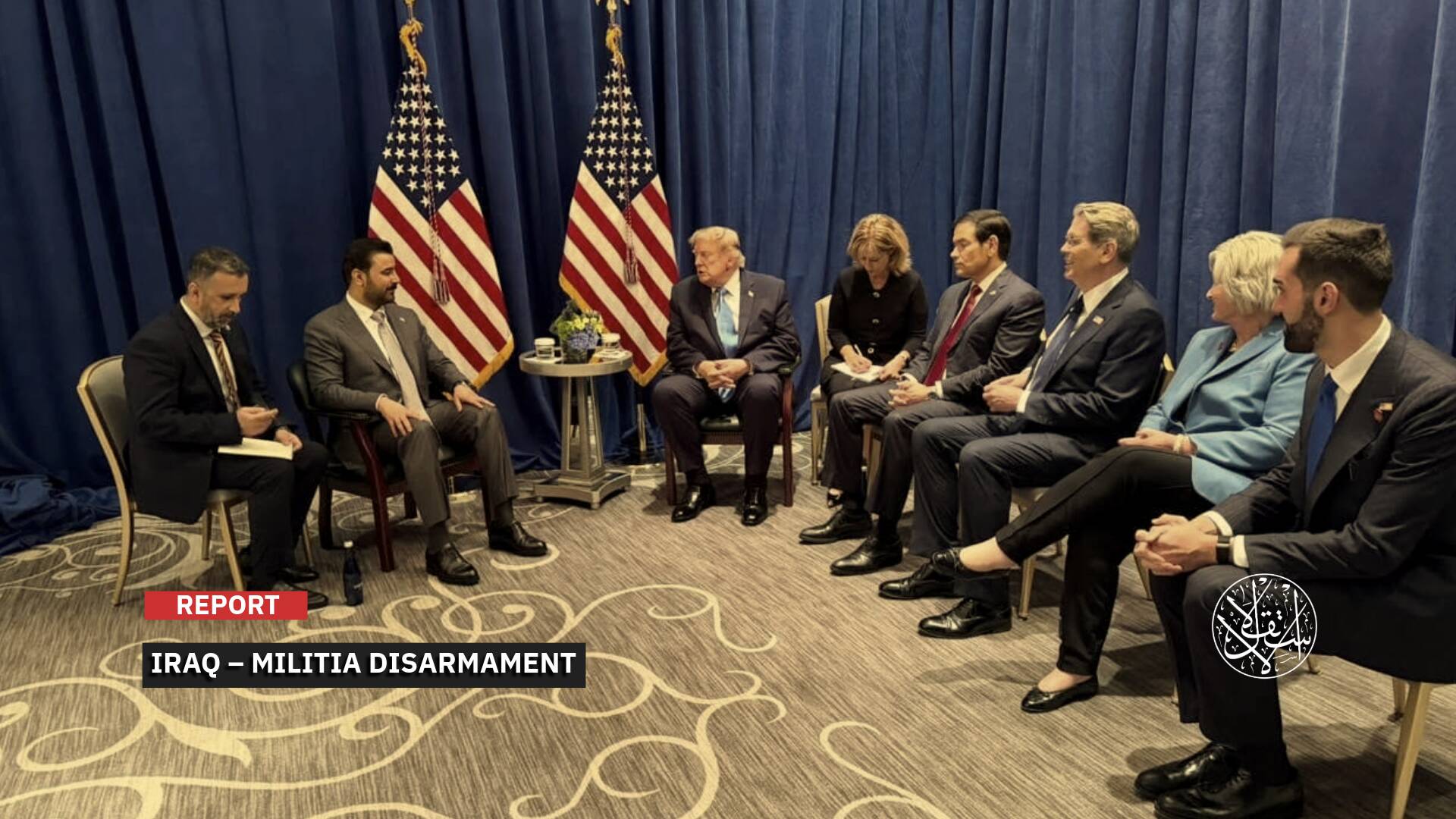
This perception became more pronounced with the policies of Donald Trump, which were seen as biased, especially through engagement in escalation against Iran without sufficient consideration for its impact on regional stability and economic interests.
Despite this implicit tension, the summit was careful not to move toward a rupture, as it affirmed, through both the communique and leaders’ statements, that the United States remains a key security partner.
At the same time, it was clear that Gulf states no longer view it as the sole guarantor of security, but are seriously considering strengthening their own capabilities and developing a more independent collective defense system.
Signals from the summit also reflected a move toward expanding strategic flexibility by diversifying international relations, whether with other major powers or through building regional arrangements, in a way that ensures more balanced protection of Gulf interests.
This approach carried an indirect message that any decline or inconsistency in U.S. commitment would push the region to seek realistic alternatives.
Although Gulf Cooperation Council states have long relied on a strategy of multiple defense partnerships, the United States still represents the primary reference point for security in the Gulf, according to Western assessments.
This evaluation is based on past experiences, most notably Washington’s role in the Gulf War 1991, which is seen as an example of the absence of an alternative capable of performing that role with the same effectiveness.
However, this reality is no longer taken for granted, as debate is growing within Gulf circles over the need for Washington to reconsider its defense strategy toward the region, ensuring a clearer and more balanced commitment to the security of its allies in an increasingly complex and volatile regional environment.
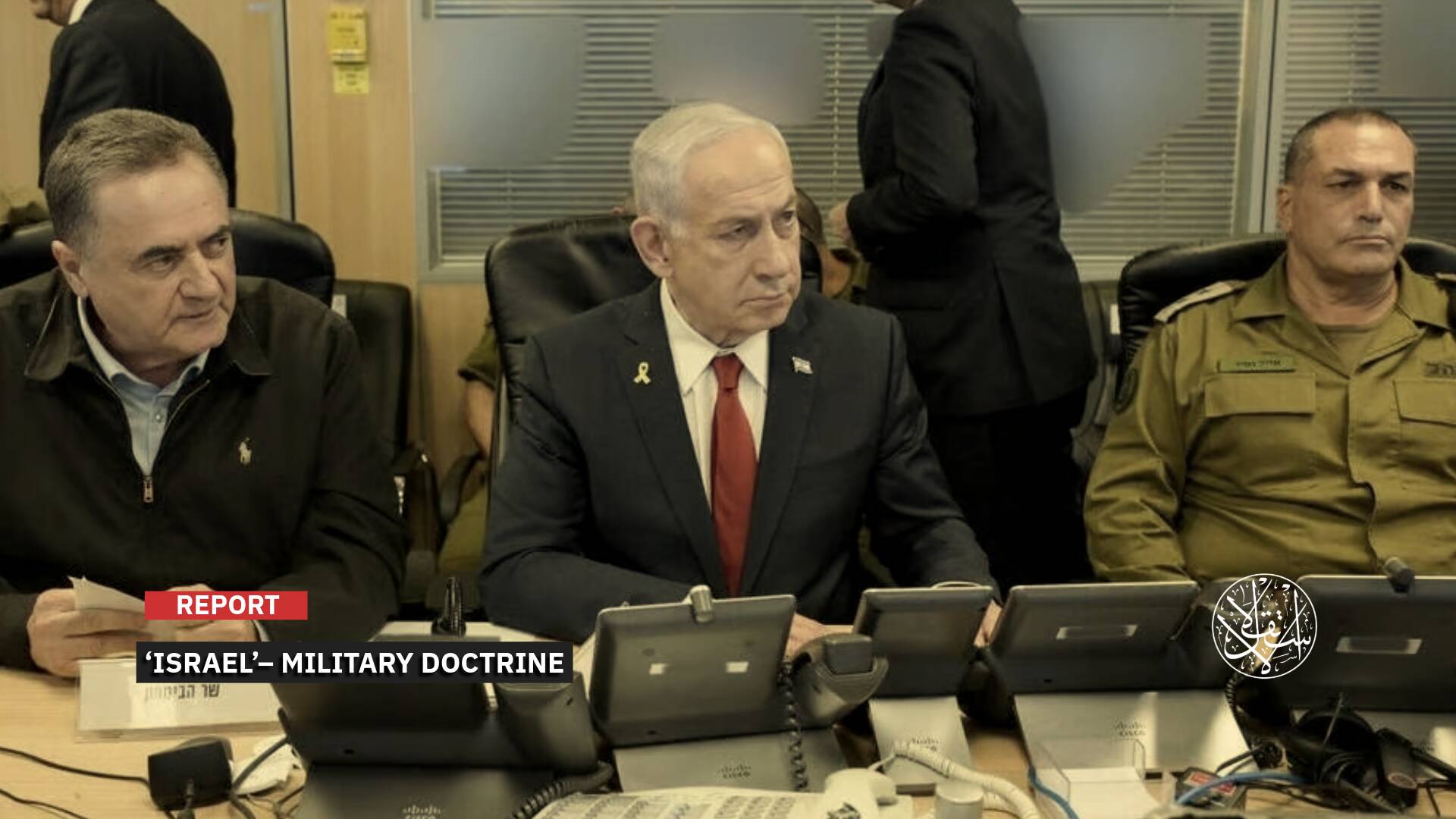
The summit did not focus on sending direct messages to “Israel”, but it did not ignore references to attempts to impose influence in the region, a clear hint at the policies of Benjamin Netanyahu and his repeated rhetoric about a “new Middle East” reshaped to serve Israeli interests.
In a form of indirect response to these directions, the Jeddah Summit alluded to the role of “malicious actors” seeking to ignite a confrontation between the Gulf and Iran, in an attempt to drag the region into a broader conflict.
The communique affirmed rejection of moves aimed at imposing dominance by force, stressing that regional stability cannot be built on open wars or the imposition of facts by force, and that any wide escalation would have serious repercussions for the economic and security interests of Gulf states.
A reading of these three messages, directed at Iran, the United States, and “Israel”, reveals a clear point of convergence: the Gulf states’ effort to establish themselves as a relatively independent actor, rather than merely an arena for conflict among major powers.
This was evident in the summit’s effort to avoid alignment with any single axis and to reinforce a delicate balance.
This balance is based on containing tensions with Iran without engaging in direct confrontation, and maintaining partnership with the United States without full dependence on it.
The ultimate goal is to protect regional stability, safeguard Gulf interests, reject dependency, and seek a more active role in shaping the region’s balance of power rather than merely reacting to it.
Summit Outcomes
Due to the absence of Oman, which had played a mediating role before the war between the United States and Iran and had criticized Washington through its foreign minister, along with the absence of UAE President Mohammed bin Zayed, whose position is seen as rejecting a dual approach toward Tehran that combines threat and de-escalation, it was expected that the statement would emerge in a traditional form lacking decisiveness.
The presence of Foreign Minister Abdullah bin Zayed instead of the head of state, along with the absence of Omani representation, signaled ongoing internal divergences over how to deal with Iran and “Israel”, even as the region is experiencing one of the most dangerous security crises in its modern history, amid a forceful reshaping of the balance of power.
The situation was further complicated by the UAE’s announcement, on the eve of the summit, of its withdrawal from the OPEC+ alliance, a decision that cannot be separated from the growing climate of divergence within the Gulf.
It adds an economic dimension intertwined with the security one, reflecting the fragility of cohesion within the Gulf Cooperation Council.
The “Jeddah Statement” limited itself to noting that leaders had discussed developments in regional and international conditions, and ways to address Iranian attacks targeting infrastructure and oil facilities, in addition to the closure of the Strait of Hormuz and the disruption of navigation.
However, rather than adopting a clear stance on the escalation, it emphasized the importance of the diplomatic track, referring to mediation efforts, including the Pakistani channel between Iran and the United States.
The most notable element in the statement was the reaffirmation of “the right of member states to defend themselves individually and collectively,” and that “the security of member states is indivisible,” phrases that have been repeated in previous statements without clear practical implementation.
The communique also focused on accelerating the implementation of a ballistic missile early warning system, enhancing security coordination, condemning the closure of the Strait of Hormuz, threats to navigation, and the imposition of transit fees on ships.
It further reiterated long-standing integration projects, such as electricity grid interconnection, Gulf railway networks, oil and gas transport projects, and strengthening strategic reserves.
Although the statement contained signals suggesting a reassessment of Gulf security thinking, and a gradual shift from full reliance on external protection toward building new security balances, it did not reach the level of breaking with the American security umbrella, nor did it go beyond general orientations.
In essence, the outcomes of the summit remained closer to a repetition of aspirations, without concrete steps reflecting the scale of the challenges facing the region.
Failure and Disagreements
The outcomes of the summit led a number of analysts to describe it as a failure, arguing that its statement had been prepared in advance, which explains the reliance on repeating slogans such as “collective security,” despite the Gulf states facing an unprecedented threat after their capitals were subjected to direct military strikes for the first time.
A clear contradiction also emerged in the discourse, between calls for greater self-reliance in security and the avoidance of a decisive position on continued dependence on U.S. military bases.
Western assessments indicate that the positions of the six member states of the Gulf Cooperation Council, as reflected in statements and declarations, revealed deep divergences rooted in differing national priorities.
According to a report by the Taqaddum Center for Policies on April 29, 2026, there was a clear diversity of views toward Iran, even though all member states had been targeted militarily.
While the United Arab Emirates and Bahrain adopt a more hardline stance, viewing Iran as an existential threat requiring strong deterrence, Saudi Arabia and Kuwait lean toward a dual approach combining deterrence and diplomacy.
Meanwhile, Oman and Qatar continue to favor mediation and dialogue, based on their previous experiences.
In this context, Saudi Foreign Minister Faisal bin Farhan held a call with his Iranian counterpart Abbas Araghchi before the summit, signaling that Riyadh is not closing the door to communication.
Araghchi also visited Muscat and met with Sultan Haitham bin Tariq as part of mediation efforts to maintain communication channels between Iran and the United States.
Despite these differences, the member states, at least publicly, maintained a unified stance of not responding militarily and not engaging in the war. At the same time, there was clear dissatisfaction with the absence of a proactive U.S. defense strategy to protect the Gulf, despite official praise for the effectiveness of American defense systems.
The UAE’s more hardline position was evident in statements by Anwar Gargash, who criticized the council’s performance as falling short of previous crises, explicitly described Iran as an “enemy,” and affirmed his country’s readiness to take necessary measures to defend its security without waiting for collective consensus.
At the same time, a report by Axios on April 26, 2026, revealed that “Israel” had sent an advanced air defense system to the UAE, along with an operating crew, as part of high-level coordination during the war.
The UAE’s announcement of its withdrawal from the OPEC+ alliance further intensified divergences, amid indications that it may expand its regional options, including deepening cooperation with “Israel”.
A report by the Stimson Center on April 28, 2026, pointed to an “internal trust crisis” among GCC states regarding the model of collective security, with ongoing doubts stemming from past disputes and differing assessments of the Iranian threat.
It also highlighted fractures in economic coordination, particularly after the UAE’s withdrawal from OPEC+, along with questions about the implications of its relations with “Israel” and concerns over the adequacy of the American security umbrella.
Paradoxically, according to the report, the war, which was expected to strengthen Gulf cooperation, produced the opposite effect, with declining indicators of integration, confirming that building an effective collective security system remains “out of reach.”
This is partly due to the nature of political systems in the Gulf, where authority is concentrated within a narrow national framework, while collective defense requires broader sovereignty concessions that have not yet matured.
Thus, Gulf states find themselves facing two options: either move toward deeper security and economic coordination, or drift into divergent national strategies that begin with oil but do not end there, a path that could weaken the Gulf Cooperation Council at a moment when it needs, more than ever, a unified position and a coherent voice.