A Decade of Bloodshed Since 2015: Where Are Aden’s Assassinations Headed?
Aden is no longer dealing with isolated killings but with a deep-rooted legacy of political and security assassinations.
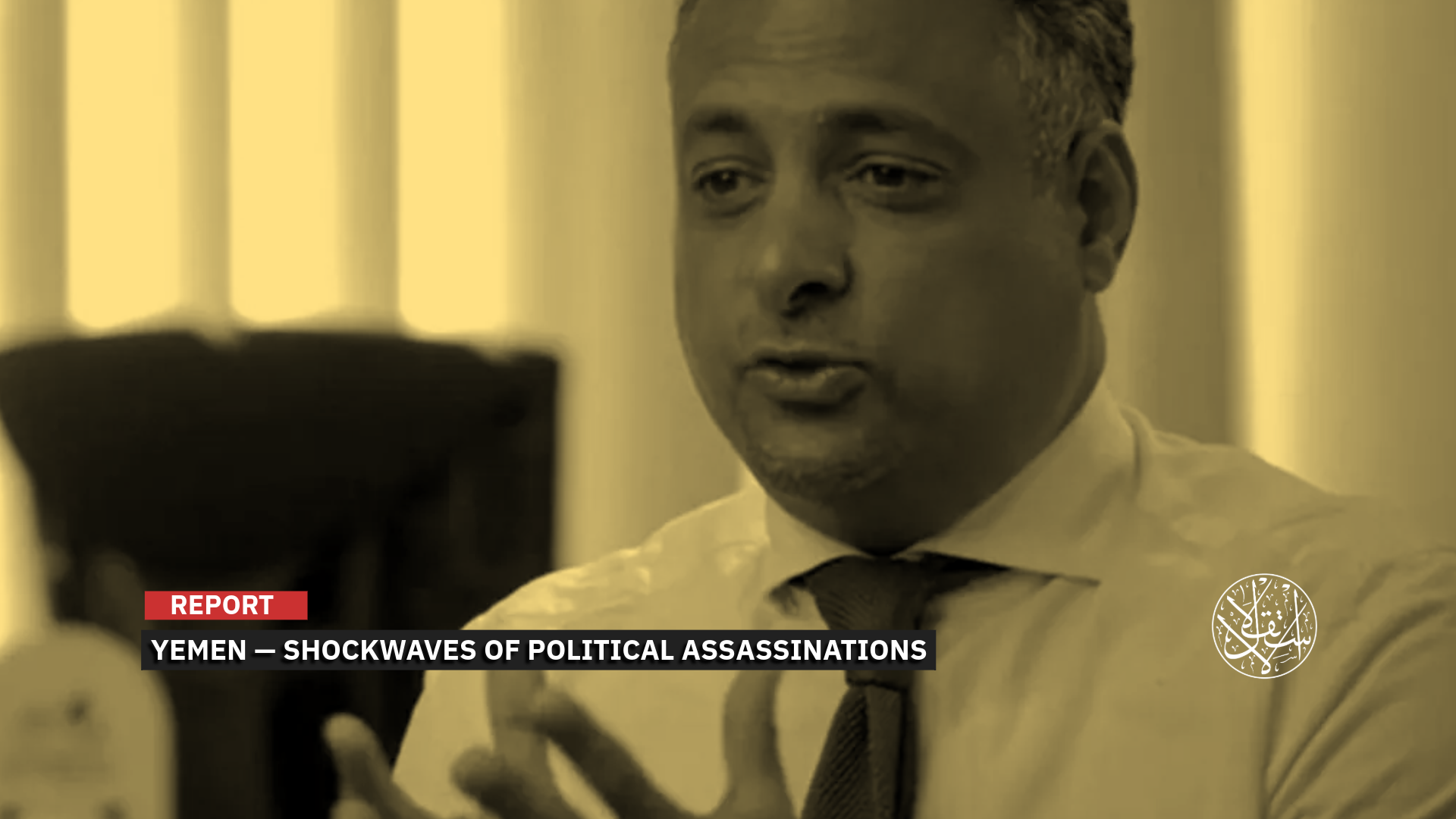
On the evening of May 3, 2026, the southern city of Aden was shaken by a crime that revived memories of the lawlessness that followed Yemen’s war. Gunmen in civilian clothing driving a blue car intercepted Wesam Qaid, the acting executive director of the Social Fund for Development, as he was leaving the Enmaa residential district in Al Buraika. Witnesses said the assailants forced him into their vehicle at gunpoint and drove him to an unknown location. Hours later, he was found dead.
The attack, captured in widely circulated video footage showing the moment of the abduction, triggered outrage across Yemen. Many viewed it not as an isolated criminal act but as the return of a grim pattern that has haunted Aden since 2015: coordinated assassinations and kidnappings ending in execution-style killings. The incident underscored the ability of armed groups to carry out highly targeted operations inside a city that is supposedly under heavy security control.
The Message Behind the Killing
The significance of Wesam Qaid’s assassination lay not only in the method of the attack but in who he was. Qaid was neither a military commander nor a security official, nor even a political figure directly involved in Yemen’s factional struggles. He was a development official whose work centered on reconstruction projects, donor funding, and humanitarian assistance.
For many Yemenis, that made the killing far more than the targeting of a single individual. It was seen as an attack on the image of Aden itself as a relatively stable interim capital where international organizations and aid agencies could still operate.
The assassination came only days after the killing of Abdulrahman al-Shaer, a senior member of the Yemeni Congregation for Reform party, who was shot dead by unidentified gunmen on April 25, 2026, while heading to his workplace in the al-Mansoura district. Between the two attacks, security authorities announced the arrest of a cell allegedly preparing a new wave of assassinations targeting social, religious, and political figures.
But the official announcement did little to calm fears on Aden’s streets. Instead, it deepened questions that have lingered over the city for years. Is Aden slipping back into another cycle of security collapse? Or are old assassination networks, forged during the chaos of war, resurfacing as political and military alliances shift across Southern Yemen?
Those fears are rooted in more than speculation. Since the expulsion of the Houthis from Aden in July 2015, the city has endured years of targeted killings that transformed it into an arena for political and security score settling amid competing armed factions and overlapping local and regional influence.

City of Fear
After the Houthis were driven out of Aden in mid-2015, the city appeared poised to consolidate the authority of Yemen’s internationally recognized government led by Abd-Rabbu Mansour Hadi. But events on the ground quickly moved in a different direction.
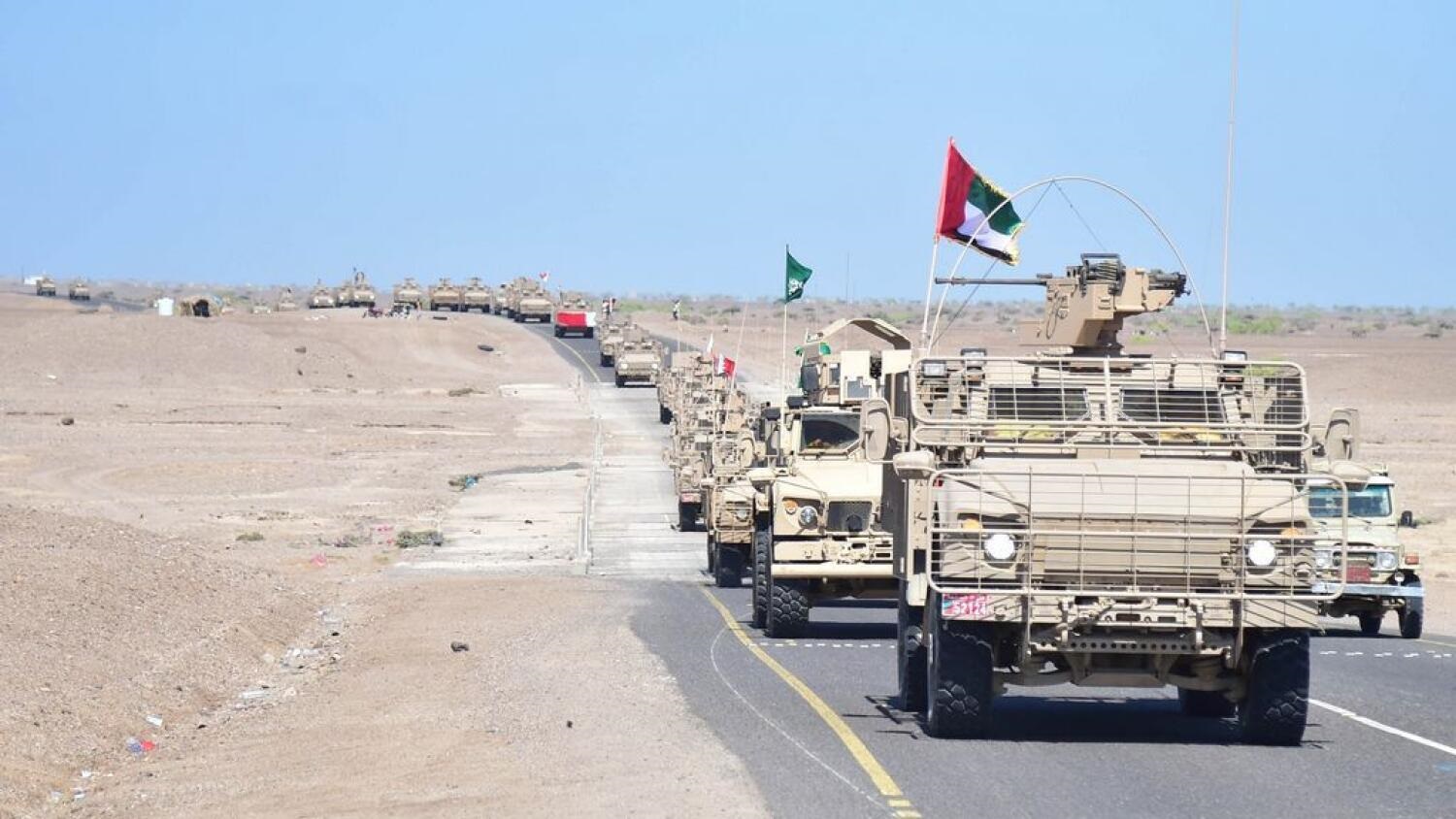
Within months, a new security landscape had emerged, shaped by a patchwork of armed factions with competing loyalties. Some operated under the umbrella of the Yemeni government, while others were backed directly by the United Arab Emirates (UAE), which became a central power broker in southern Yemen after the Arab coalition’s intervention.
It was during this period that a sweeping wave of assassinations began to spread across the city. Mosque preachers, members of the Islah party, military officers, academics, and social figures were all targeted. The attacks followed a chillingly familiar pattern: unidentified gunmen, civilian cars or motorcycles, a burst of gunfire, and then complete disappearance without arrests or accountability.
According to Yemeni human rights monitors and local documentation groups, more than 480 assassinations have been recorded in areas outside Houthi control since 2015. Dozens of those killings targeted figures linked to Islah or associated with political Islam.
Researchers with the Armed Conflict Location and Event Data Project (ACLED) have described the violence in southern Yemen as a systematic targeting of Islamist figures since 2015. Their findings suggest that a significant share of the killings were concentrated in Aden and aimed at religious and political personalities connected to Islah.
Over time, the assassinations were no longer seen as isolated security incidents. Instead, they became a permanent feature of Aden’s political landscape, to the point that many Yemenis began describing them as an organized campaign of eliminations rather than ordinary lawlessness.

2015: The Beginning
On December 29, 2015, a powerful explosion ripped through the area near the residence of the Islah party leader and parliamentarian Insaf Mayo in Aden.
At the time, the incident was treated as yet another assassination attempt amid the chaos consuming the city. But the years that followed suggested the attack was not an isolated act of violence. Instead, it appeared to be part of a broader and far more organized campaign.
In a 2018 investigation published by BuzzFeed News, later expanded upon by BBC and the Associated Press (AP), reporters revealed that the UAE had hired a private American security firm known as Spear Operations Group to conduct assassinations in Yemen targeting political and religious figures in Aden, many of them linked to the Islah party.
According to those investigations, the company was founded by Hungarian Israeli security contractor Abraham Golan and staffed by former U.S. special forces operatives, including Isaac Gilmore and Dale Comstock. The team reportedly arrived in Aden in late 2015 and operated under direct Emirati supervision.
The BBC documentary aired in January 2024 included testimonies from individuals involved in the operations and asserted that the program extended beyond direct targeting missions to include training local forces in assassination tactics and surveillance methods.
Then, in March 2026, the AP revealed that Insaf Mayo had filed a lawsuit before a federal court in San Diego against former company officials, accusing them of attempting to assassinate him in 2015 on behalf of the UAE.
According to the lawsuit, the company received $1.5 million a month, in addition to bonuses tied to successful operations.
The significance of the case lies in the way it pushed Aden’s assassination file beyond the realm of local accusations and into international courts and investigative scrutiny, drawing direct links between private security networks and politically motivated targeting programs in southern Yemen.
A Long List of Killings
Among the most prominent names associated with Aden’s wave of assassinations since 2015, according to local and international reporting focused on the targeting of religious and political figures linked to Islah or the broader Islamist movement, are:
Sheikh Saleh Hantous, a cleric, was targeted during the wave of killings that struck mosque imams and preachers after 2015.
Sheikh Samhan al-Rawi was assassinated during a series of attacks on religious figures in the city’s early postwar years.
Sheikh Abdulrahman al-Adani, whose name appeared in local reports documenting religious figures targeted for assassination or attempted killings.
Rawi al-Ariqi was targeted amid a broader campaign against military and political personalities in southern Yemen.
Riad Yassin, who survived an assassination attempt in Aden in 2015 while serving in office.
Jaafar Mohammed Saad, the governor of Aden, was killed on December 6, 2015, in a bombing that struck his convoy in the Tawahi district.
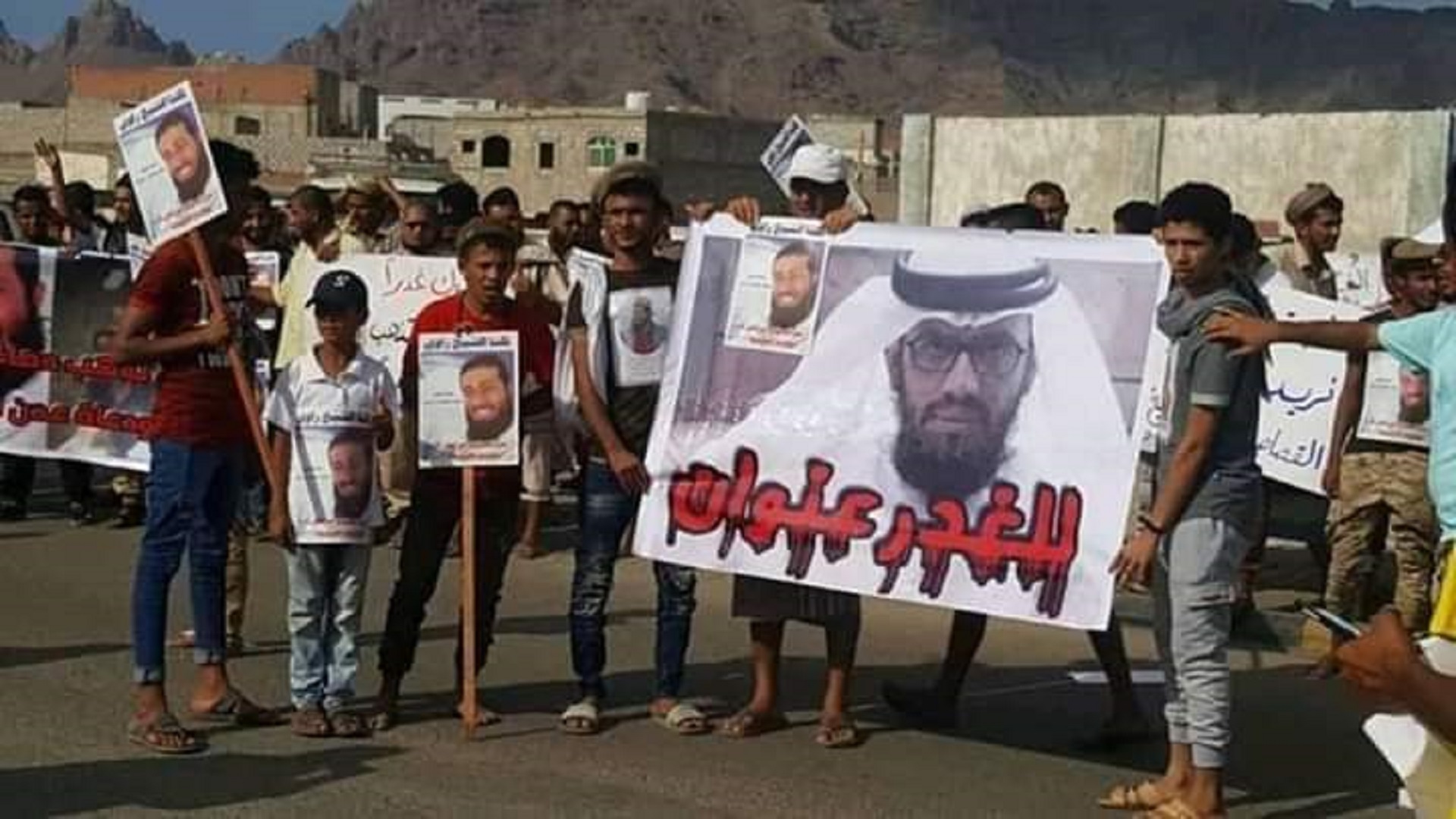
Nabil al-Quaety, a Yemeni photojournalist who was shot dead outside his home in Aden in June 2020, sparked widespread outrage because he reported on the war and human rights abuses.
The UAE and Its Security Grip
Since entering the Yemen war, the UAE has built an extensive network of influence across the south, creating and backing a range of local armed formations, including the “Security Belt Forces,” “elite units,” and “counterterrorism divisions,” before later throwing its support behind the Southern Transitional Council (STC).
Abu Dhabi framed its role as part of the fight against extremist groups, particularly al-Qaeda and ISIS affiliates. But human rights organizations and Western investigations repeatedly argued that the intervention evolved into something far broader: a system used to eliminate political rivals, operate secret prisons, and oversee detention networks outside any legal framework.
In June 2017, Human Rights Watch (HRW) said the UAE had supported Yemeni forces implicated in arbitrary arrests, enforced disappearances, and torture, adding that many of those units operated beyond the effective control of Yemen’s internationally recognized government.
The AP also reported in a series of investigations on secret detention facilities allegedly run or supervised by UAE-backed forces in southern Yemen.
That sprawling security architecture turned Aden into a city of overlapping authorities: government troops, local militias, foreign-backed units, and competing centers of power operating side by side.
Amid that fragmentation, assassination cases rarely produced decisive judicial outcomes, reinforcing public perceptions that the city had become a place where impunity thrived under political and security protection.
Yemeni observers say the latest wave of assassinations cannot be separated from the broader struggle unfolding across the south over the redistribution of military and security influence, particularly as the Yemeni government attempts to restructure official institutions and curb the power of some locally armed factions.
A New Test
Against that backdrop, Yemeni Prime Minister Shaya Mohsen al-Zindani and Interior Minister Major General Ibrahim Ali Haidan vowed to pursue those responsible for the assassination of Wesam Qaid and prevent Aden from sliding back into security chaos.
Western governments also reacted swiftly. The U.S. embassy, the European Union, and the United Kingdom all condemned the killing and called for a transparent investigation and accountability for those behind the attack.
According to the Yemeni local website al-Mushahid, people in Aden are no longer easily convinced by official statements of condemnation and promises of action. Years of experience since 2015 have shown that most assassination cases end without public results or remain locked inside security investigations with no trials that expose the networks behind planning and funding.
The report adds that the real danger today is not isolated killings but an entire legacy of political and security assassinations that accumulated during the years of war and became entangled with shifting local and regional power struggles.
It argues that understanding the renewed wave of assassinations is impossible without this longer history. The networks formed during the war years, trained to operate within a fragmented security environment marked by multiple armed actors, did not disappear. They simply went quiet, embedded within the political and security landscape.
The real question, it suggests, is no longer who killed Wesam Qaid, but whether the Yemeni state has the capacity to dismantle the structure that turned assassination into a tool for managing conflict in Aden over the past decade.
So far, there is no clear answer. What is clear, however, is that Qaid’s killing is not just another entry in Yemen’s long record of violence. It is a moment that has reopened a file long left unresolved since 2015: political assassinations, security power networks, and years of impunity that have left Aden living on the edge of fear.
Between official pledges to pursue the perpetrators and international calls for accountability, Aden’s security situation remains defined by questions that go far beyond a single crime.
Since 2015, a long series of assassination cases has gone without judicial resolution, with many lacking public outcomes or any clear dismantling of the networks behind them. This has deepened a widespread sense that impunity continues to prevail.
In this context, the killing of Wesam Qaid does not stand alone but forms another link in a continuing chain of political and security violence that reflects the fragility of the security order and the competing centers of power within the city.
With no firm answers yet in sight, the central question remains open: how far can the Yemeni state go in regaining control over the assassination file, and breaking the cycle that has turned Aden into an open arena of violence since the early years of the war?
Sources
- Houthi rebels say a US airstrike that hit Yemen prison holding African migrants kills 68
- Yemen: UAE Backs Abusive Local Forces
- US Website: Abu Dhabi Used American Mercenaries to Carry Out Assassinations in Yemen (Report) [Arabic]
- The Return of the Assassination Specter in Aden and Questions Over Authorities’ Options to Stop It [Arabic]
- Aden: Suspect Arrested in Killing of Social Fund for Development Director [Arabic]
- Aden’s Security Test: Why Have Assassinations and Bloody Messages Returned? [Arabic]