Khamenei’s Envoy: Is Iran Obstructing al-Zaidi’s Bid to Form Iraq’s Government?
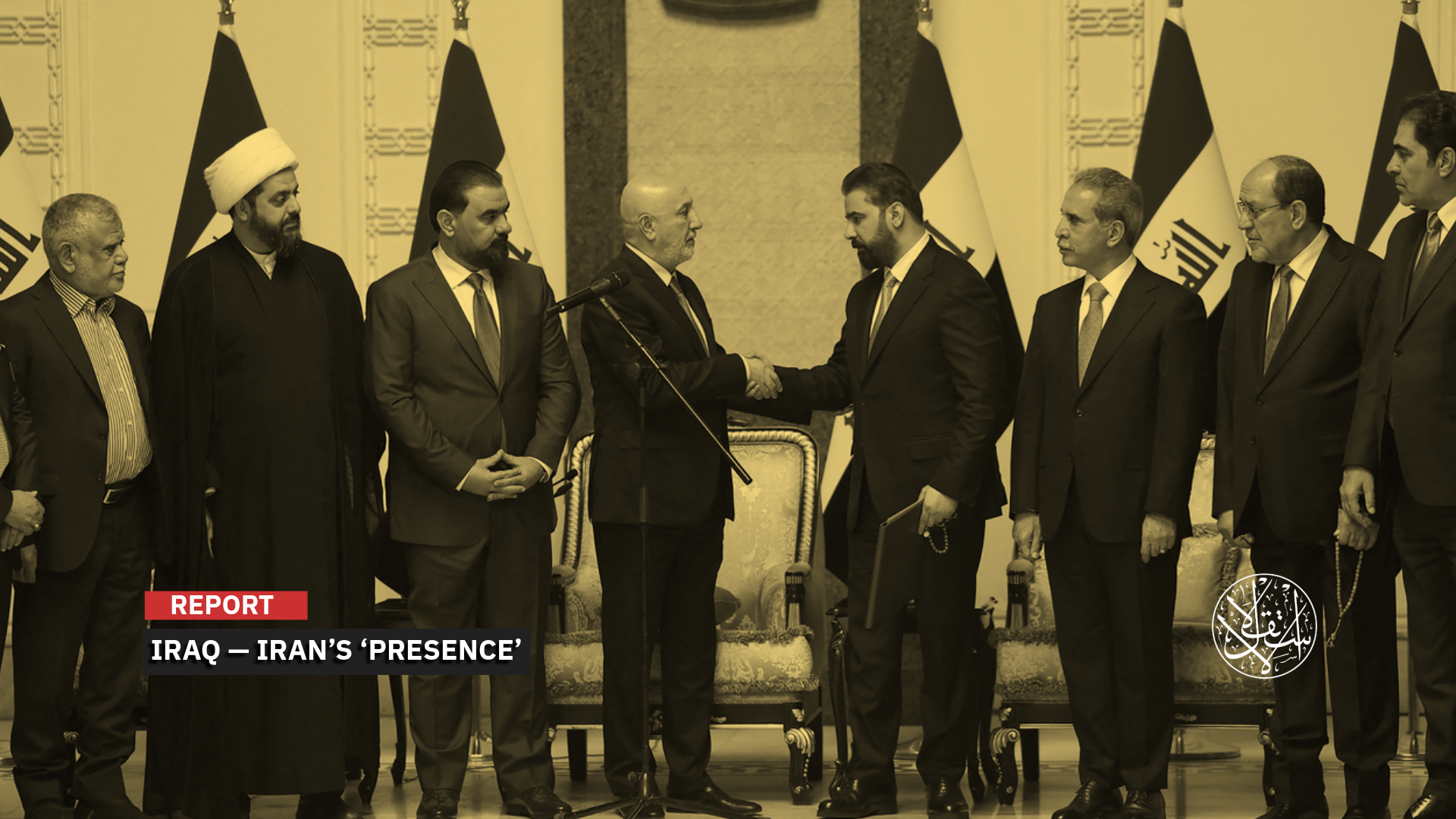
Press reports said Qaani told Coordination Framework leaders that Tehran opposes al-Zaidi’s nomination.
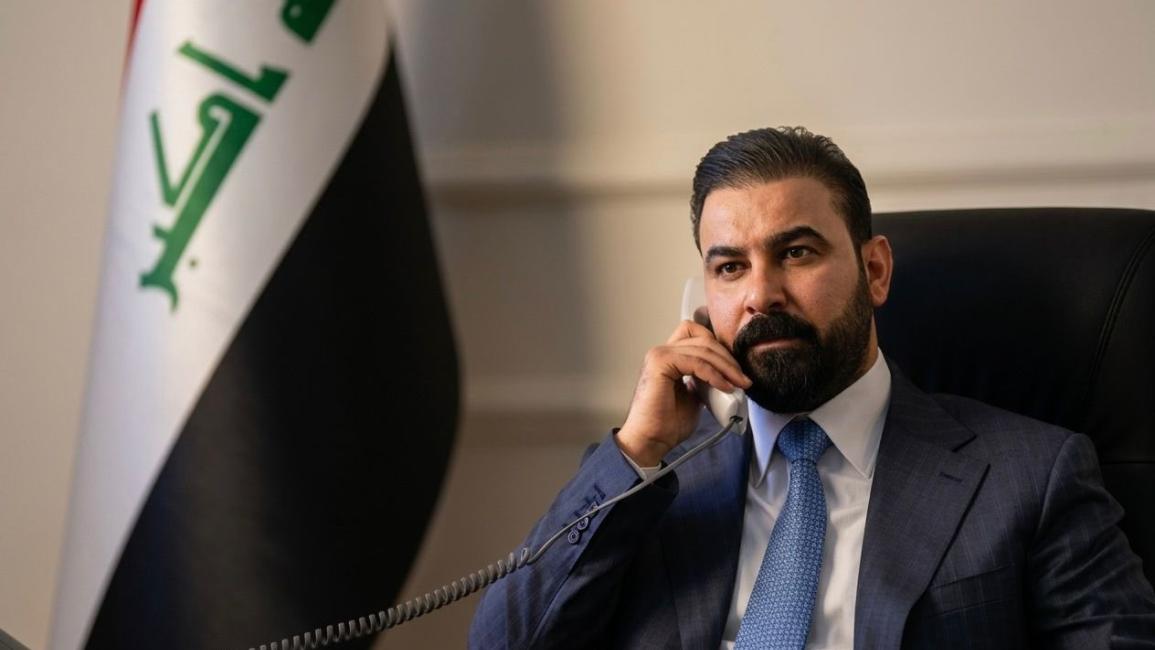
As the deadline for Iraqi prime minister-designate Ali al-Zaidi to present his cabinet to parliament nears, Iran has become directly involved in the government formation process, despite previously insisting it was a purely Iraqi matter beyond external interference. The shift follows a visit to Baghdad by General Esmail Qaani.
On May 7, 2026, al-Zaidi submitted his government program to Parliament Speaker Haibet al-Halbousi for circulation among lawmakers for review and discussion, while delaying the announcement of his cabinet lineup to a later date in line with constitutional and legal procedures.
Since Iraqi President Nizar Amidi formally tasked businessman Ali al-Zaidi with forming the government on April 27, the premier-designate has had just 30 days to complete the process and present it to parliament for a confidence vote, in accordance with constitutional deadlines.
Iranian Objections
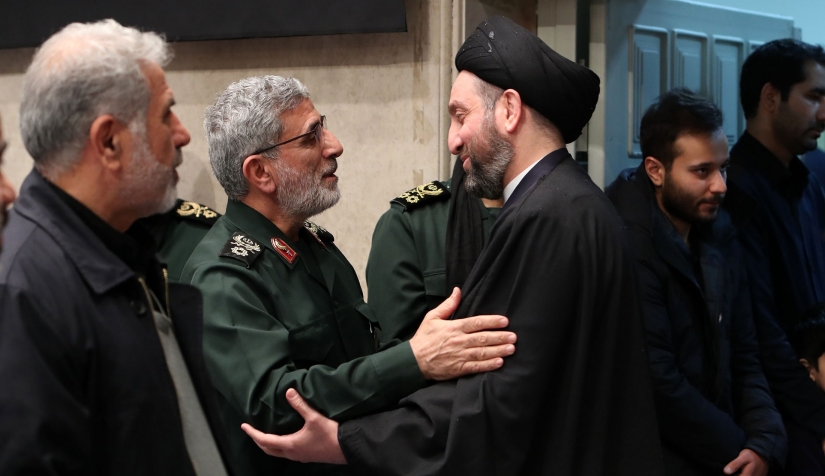
As al-Zaidi moved closer to completing his task, local and Western media reports revealed that Iranian Quds Force commander General Esmail Qaani visited Baghdad, where he met leaders of the Shiite Coordination Framework (CF) and heads of armed Shiite factions, during which Tehran reportedly voiced reservations about the prime minister-designate himself.
On May 10, Iraq’s Shafaq News agency reported that Iranian objections to al-Zaidi’s appointment were behind Qaani’s trip to the Iraqi capital.
According to the outlet, Qaani held a series of meetings with political leaders from the CF and commanders of several armed factions, noting that the visit coincided with political and parliamentary efforts to convene a session to grant confidence to al-Zaidi’s government.
The talks reportedly focused on the formation of Iraq’s new government under al-Zaidi, with Tehran’s reservations tied to the strong U.S. backing he has received, which Iranian officials reportedly see as a sign of shrinking Iranian influence in Baghdad.
On April 20, Qaani addressed the controversy surrounding an earlier visit to Baghdad and reports of his meetings with CF leaders and alleged involvement in selecting Iraq’s next prime minister.
“Forming a government is the right of the Iraqi people. Iraq is too great to allow others—especially criminals against humanity—to interfere in its affairs,” Qaani said in an official statement at the time.
The Wall Street Journal (WSJ) reported that al-Zaidi had emerged as U.S. President Donald Trump’s preferred choice, but on the condition that armed factions be excluded from the government, underscoring the widening divide between Tehran and Washington.
The newspaper said al-Zaidi enjoys Trump’s backing and has been invited to Washington, adding that the White House support came with expectations that he would sideline “Iran-backed militias” from the next Iraqi government and curb Tehran’s influence in Baghdad.
Citing unnamed current and former U.S. officials, the report added that al-Zaidi had previously faced similar pressure from Washington, noting that he owns a bank that was barred by the U.S. Treasury from dealing in dollars in 2024 over suspicions of ties to a militia leader linked to Iran’s Revolutionary Guard Corps (IRGC).
According to the report, al-Zaidi emerged as a compromise candidate after Trump warned that U.S. aid to Iraq could be suspended when former prime minister Nouri al-Maliki was floated for the post following months of political deadlock.
The newspaper also quoted unnamed Iraqi officials as saying that both the United States and Iran had been consulted on the nomination before it was announced, noting that al-Zaidi received phone calls from both Trump and Iranian President Masoud Pezeshkian.
The Iraqi officials said that during his May 10 visit to Baghdad, Qaani urged Iraqi leaders not to exclude militia commanders from the government or attempt to disarm the groups.
The newspaper added that a senior U.S. State Department official said Washington is seeking concrete action against the militias, accusing them of carrying out 600 attacks on American diplomatic and military sites in Iraq since the start of the U.S.-Israeli War on Iran.
‘He Will Not Pass’
As reports circulated about Qaani’s visit and Tehran’s objections to al-Zaidi’s nomination, a political analyst known for his affiliation with Iraq’s Kata’ib Hezbollah hinted that the premier-designate would fail to secure parliamentary approval because of Iran’s opposition.
In a post on X on May 10, Ali Fadlallah wrote, “The one who defeated America and crushed its project will not agree. So it will not pass. The axis will be just fine without him,” in an apparent reference to the Iranian-led regional axis.
Fadlallah added that the axis is treating what Trump and his allies are proposing with indifference until they finish dealing with the “outcomes,” a phrase understood as referring to the allocation of ministerial posts, concluding by saying this was simply his reading of the political scene.
In the same context, the owner of the well-known X account “Abu Marym” wrote on May 10 that Qaani informed a number of CF leaders that prime minister-designate Ali al-Zaidi is rejected by Iran and the Supreme Leader and that he is part of a project to bring Ba'athists back to power.
He added that Qaani also told them Trump’s support for al-Zaidi “has no limits” and claimed there was a project backed by a Gulf state, with media outlets working to push it forward, accusing the owner of one satellite TV channel of aligning himself with the effort.
“In short, Iran does not want al-Zaidi and is seeking an alternative. The question is whether Coordination Framework leaders will follow Qaani and Iran’s directives or fail in that effort. There is already another player warming up as a replacement for al-Zaidi. Let’s wait for the end of the Iranian-American clasico. The details are many,” the account added.
Amid these statements, local media began reporting that the parliamentary vote on al-Zaidi’s government could be postponed from May 11 to a later date, with the possibility that only half the cabinet would be approved, while the remaining ministers would be delayed until after Eid al-Adha because several lawmakers are leaving for pilgrimage.
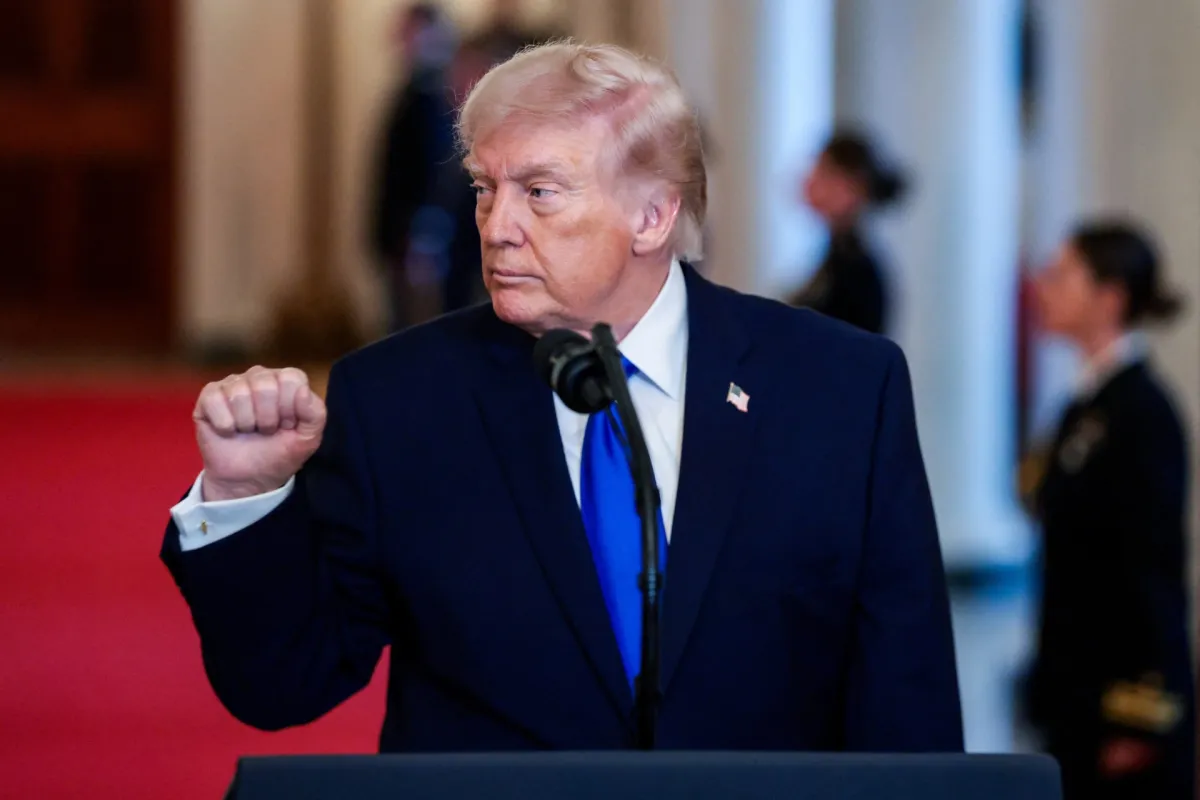
On May 9, Trump expressed strong optimism about recent developments in Iraq, describing them as very good and welcoming the appointment of Ali al-Zaidi to form the country’s new government.
Speaking to reporters outside the White House, Trump said recent events in Iraq were encouraging and voiced satisfaction with the choice of the prime minister-designate.
In a statement issued on April 30, Trump congratulated al-Zaidi on being tasked with forming the Iraqi government and said he looked forward to a strong, vibrant, and highly productive relationship between Washington and Baghdad.
Trump described al-Zaidi’s appointment as the beginning of a new chapter between the two countries built on prosperity, stability, and success, while expressing hope that the Iraqi premier-designate would succeed in forming a terror-free government capable of delivering a better future for the country. He also invited al-Zaidi to visit Washington after the government is formed.
Leaked for Distraction
On the question of whether Iran’s objections to al-Zaidi are real and what they might mean for the political process, political researcher Latif al-Mahdawi said the CF’s silence over reports of Qaani’s visit to Baghdad effectively confirms that the visit did take place, opening the door wide to speculation that could ultimately validate claims of Tehran’s rejection of the nominee.
“It was not unlikely that such narratives are being deliberately leaked to obscure any perceived Iranian ties to al-Zaidi and to align with Trump’s position in order to push his nomination through without obstacles,” he told Al-Estiklal, noting that objections to excluding militias from the government are an expected part of completing the deal.
“It was implausible for Iran not to comment on the exclusion of its allies from al-Zaidi’s cabinet at Washington’s request.”
“Any such response would not be official given the sensitivity of the issue, and because Tehran does not want to disrupt government formation, especially as al-Zaidi is the Coordination Framework’s own choice,” al-Mahdawi added.
The researcher said the CF is already riven by sharp disputes over the distribution of ministerial portfolios in al-Zaidi’s government, with some factions raising objections as a pressure tactic to secure desired posts, and added that he was confident parliament would ultimately vote in favor.
Iran did not issue a congratulatory message to al-Zaidi until four days after his formal nomination, when Foreign Minister Abbas Araghchi affirmed Tehran’s respect for Iraq’s sovereignty and its support for political stability, development, and expanded cooperation in the interests of both peoples.
Political analyst Raad Hashim wrote on X on April 28 that Iran was uneasy about statements from some CF figures regarding a meeting between the U.S. embassy and the prime minister-designate, saying Tehran was closely monitoring the situation.
A day after Ali al-Zaidi was tasked with forming Iraq’s ninth government since 2003, Abdul Amir Taiban, an adviser to outgoing Prime Minister Mohammed Shia’ al-Sudani, said al-Zaidi had met with U.S. acting head of mission in Baghdad Joshua Harris, describing the meeting as a “green light” and an American endorsement and blessing for his appointment.
In 2018, following Iraq’s parliamentary elections, former IRGC commander Mohammad Ali Jafari said Iran had outplayed the United States in Iraq “three to zero,” referring to Tehran’s influence in determining the country’s top three positions: the presidency, parliament, and the prime ministership.
Sources
- Al-Zaidi Government: Qaani Stands Firm on “Resistance Weapons” as He Clashes with Trump’s Conditions [Arabic]
- Esmail Qaani Speaks About His Visit to Iraq and Comments on Government Formation [Arabic]
- Iranian Reservations Over al-Zaidi’s Nomination: Qaani in Baghdad to Set the Pieces in Order [Arabic]
- Trump’s Talk of a “Terror-Free” Iraqi Government Puts al-Zaidi to the Test [Arabic]
- Esmaeil Qaani: Iraq must decide its own government without foreign interference https://ilkha.com/english/world/esmaeil-qaani-iraq-must-decide-its-own-government-without-foreign-interference-526794