The Iron Dome and ‘Spectro’: How Did ‘Israel’ Intervene Militarily to Defend the UAE?
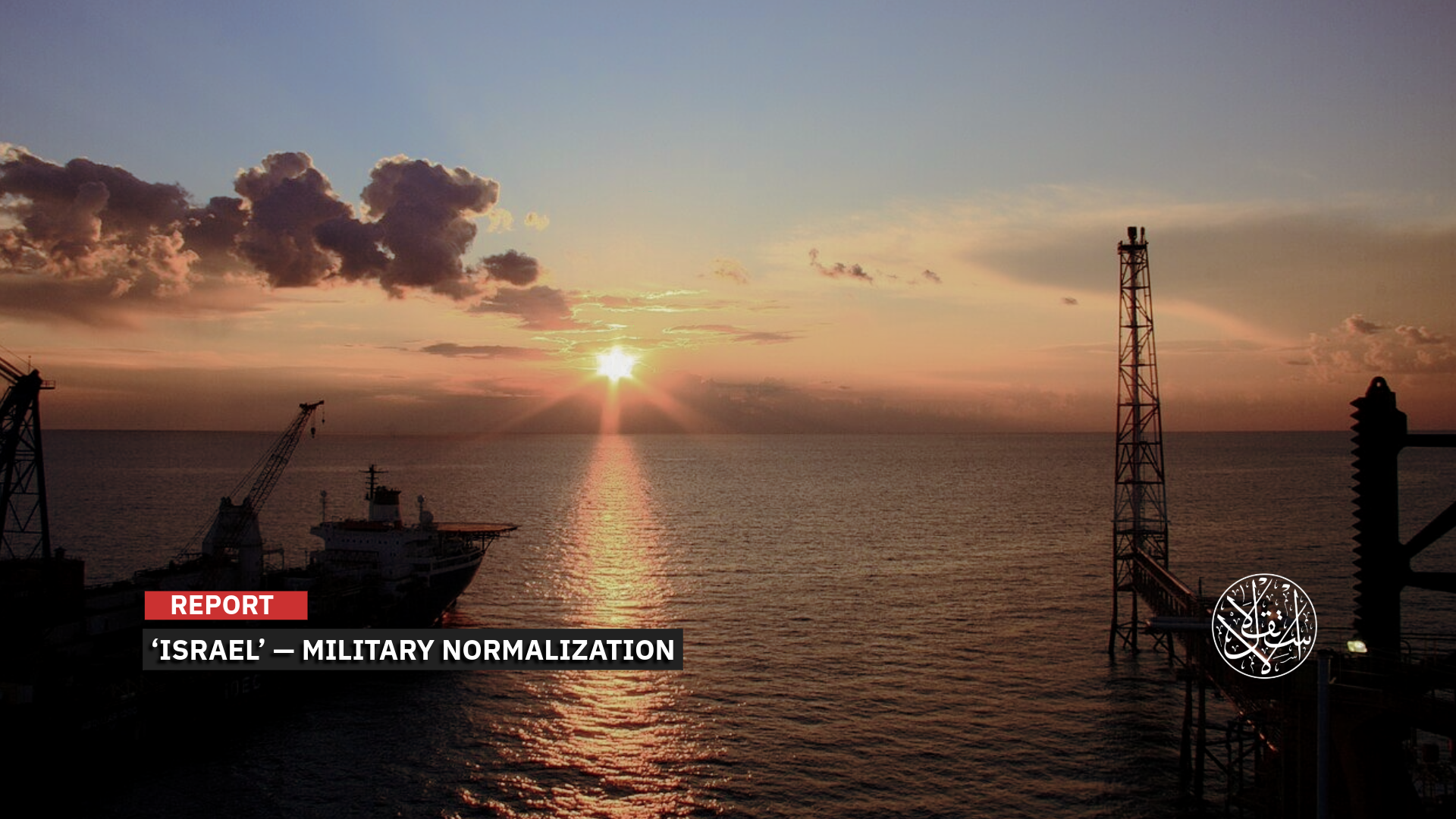
The Israeli army took the weapons from the laboratories and delivered them to the Emiratis.
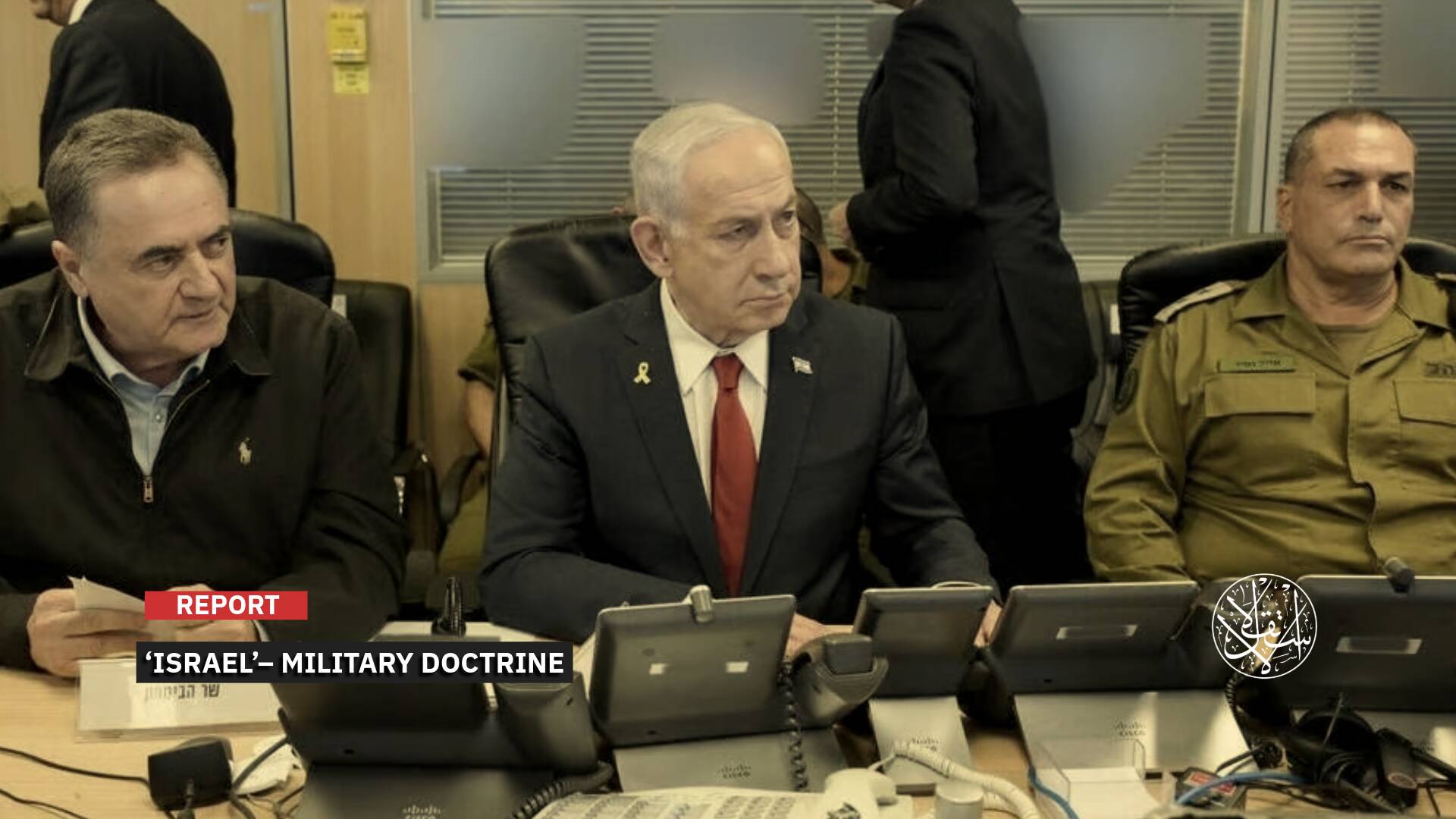
Under sustained Iranian attacks, the United Arab Emirates was not defending itself alone, as an explicit Israeli presence emerged within the confrontation through deployed air defense systems and military personnel on the ground.
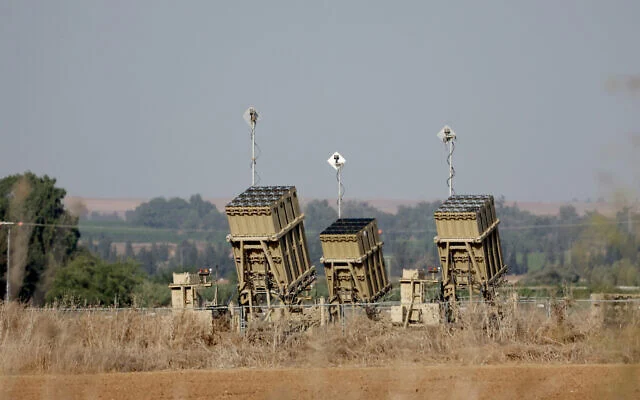
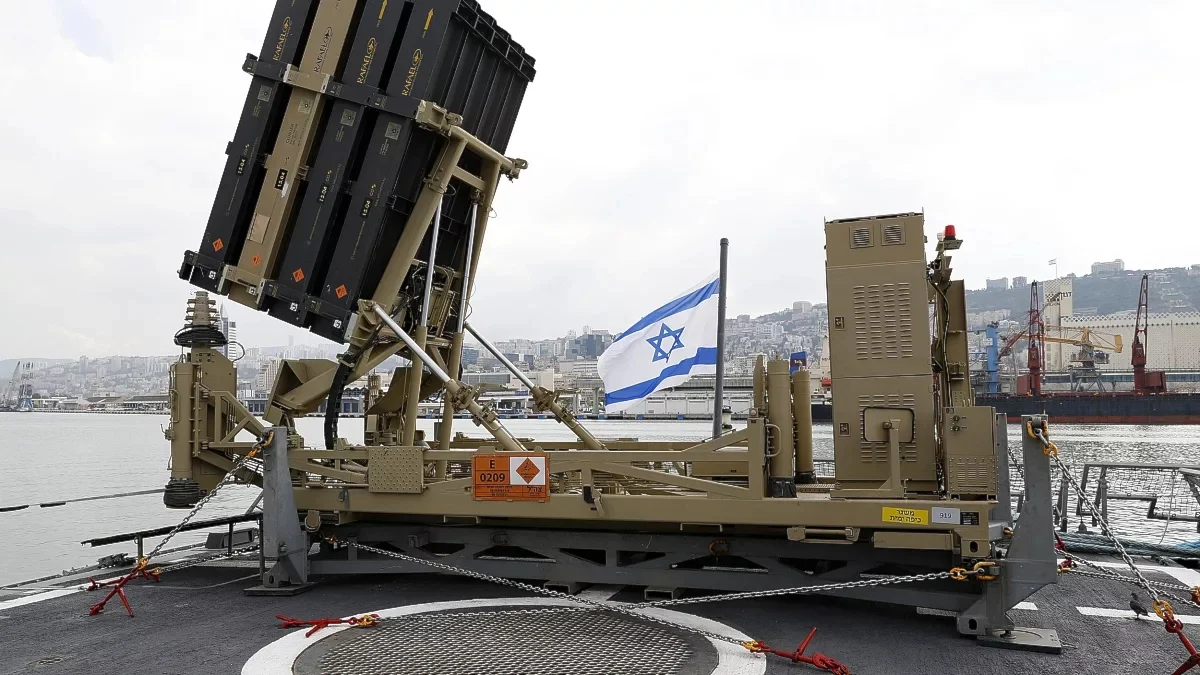
The U.S. outlet Axios reported on April 26, 2026, that “Israel” had deployed an Iron Dome battery to the UAE, accompanied by dozens of military personnel to operate it, in an unprecedented step outside its usual “U.S.–Israel” operational framework.
This development, which reportedly followed direct communication between the Emirati leadership and Israeli Prime Minister Benjamin Netanyahu, according to the Israeli Channel 12, went beyond technical support and reflected operational participation in managing air defense systems during a direct confrontation with Iran.
In the same context, overlapping reports from the Financial Times and The Times of Israel indicated that the system successfully intercepted several incoming projectiles.
However, the deeper significance lay in the direct Israeli military presence inside a Gulf state during active war, signaling a shift from coordination to joint operational engagement.
On May 1, 2026, the Financial Times published an expanded report revealing further details about the scope of Israeli support to the UAE.
The report, written by three FT correspondents, stated that “Israel” also deployed its Iron Beam laser system, along with the Spectro surveillance system, as part of an urgent response to counter Iranian drone attacks.
The Times of Israel confirmed the same information on the same day, noting that these systems were sent as part of an integrated operational package that included Israeli technical and military specialists.
Iron Beam is one of “Israel’s” most advanced air defense projects, using laser technology to intercept short-range targets, making it significantly cheaper than conventional interceptor missiles.
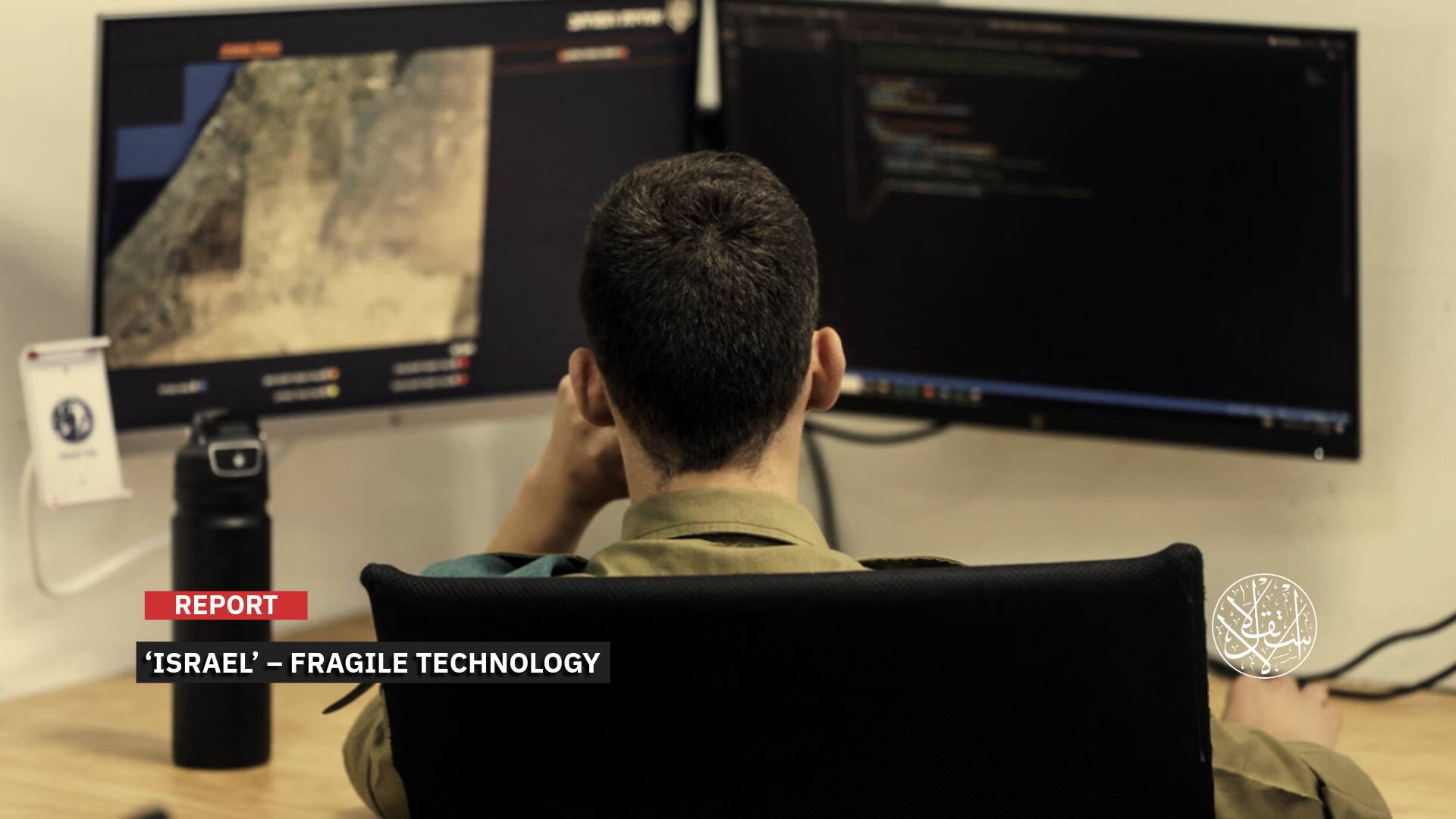
The Spectro system, developed by “Israel’s” Elbit Systems, provides advanced detection of low-signature drones, particularly Shahed-type UAVs, at ranges of up to approximately 20 kilometers.
The deployment of these systems to the UAE reflects a level of operational integration that goes beyond procurement, evolving into a fully coordinated air defense network covering detection, early warning, and interception under direct Israeli operational supervision.
From Lab to Front
The Financial Times reported in the same article, citing informed sources, that some of the systems transferred to the UAE had not yet entered full operational service inside “Israel”, and were still in experimental stages or remained prototype models that had not been fully integrated into Israeli defense networks.
One source described the move by saying that “the Israeli army took weapons from the laboratories and delivered them to the Emiratis,” highlighting an unprecedented acceleration in the deployment of military technology driven by battlefield pressure and the need to test the systems’ effectiveness in real combat conditions.
These details open the door to a deeper reading of the nature of this rapidly evolving military cooperation. The UAE does not appear to have been merely a recipient or beneficiary of these systems, but has effectively become a real-world testing ground for Israeli military technology.
The use of the Iron Beam system in an actual war environment outside “Israel” provides “Tel Aviv” with a rare strategic opportunity to evaluate the performance of this advanced weapon under real threats, particularly low-cost drones that increasingly challenge traditional air defense systems.
Similarly, the integration of the Spectro system into the Emirati air defense network goes beyond technical support, reflecting a high level of operational integration and sensitive data sharing. This suggests a shift in the relationship from conventional cooperation to a deeper strategic partnership in developing and testing military technologies, and possibly even reshaping joint air defense concepts.
In further confirmation of this trajectory, Channel 12 quoted former head of the UAE National Security Council, Tareq Alotaiba, as saying that the United States and “Israel” had proven themselves to be true allies during the war, having provided extensive military and intelligence support to the UAE, including operational coordination and intelligence sharing.
Alotaiba commented that the events marked a “revealing moment,” adding, “We will not forget it, we now know who our real friends are,” a statement that reflects a significant shift in regional alliances and signals a reconfiguration of security partnerships in the region in light of this shared military experience.
Preemptive Strikes
Simultaneously with the deployment of defensive systems, Axios reported that “Israel” provided the UAE with real-time, precise intelligence on the movements of missile launch platforms inside Iran, helping enhance defensive readiness and enabling early preparedness before the attacks occurred.
The report also indicated that the Israeli Air Force carried out preemptive strikes inside Iranian territory, targeting missile launch platforms that were reportedly aimed at the Gulf region.
This development reflects a qualitative shift in the nature of Israeli support, as it is no longer limited to supplying defensive systems within the UAE, but has expanded to include direct offensive action aimed at neutralizing threats at their source before launch.
In this context, Emirati security becomes increasingly linked to Israeli capabilities in intelligence gathering and precision strikes, placing Abu Dhabi within a broader operational network led by “Tel Aviv”, where defensive and offensive roles overlap within an unofficial regional security framework.
These developments are particularly significant given the nature of the Iranian threat, which relies on low-cost, high-volume attacks using ballistic missiles and drones, requiring targeted strategies that combine preemptive deterrence and multi-layered defense rather than conventional systems alone.
On April 30, the i24 news published an analysis praising the UAE’s role in confronting Iran, describing its military support as a strategic necessity for “Israel” amid rising regional threats.
On May 1, Yedioth Ahronoth went further, explicitly calling for deeper cooperation with Abu Dhabi and the establishment of a joint regional defense system led by “Israel” to enhance its ability to manage cross-border threats.
This discourse reflects an Israeli view of the UAE as a pivotal partner in countering Iran and a strategic gateway for expanding influence in the Gulf region, whether militarily, intelligence-wise, or technologically.
At the same time, this trajectory raises questions about the UAE’s positioning within its broader Arab and Islamic environment, especially amid criticism of its diplomatic stances during the crisis and the potential realignment of its regional alliances.
Overall, the narrative highlights “Israel’s” clear effort to capitalize on the war’s dynamics to cement its role as a central actor in emerging regional security arrangements, leveraging shifting Arab positions and the current state of strategic fluidity in the region.
Military Normalization
The recent military developments between the United Arab Emirates and “Israel” do not appear isolated from a broader, systematic evolution in their relationship since 2020. Rather, they represent a natural continuation of a process that began on diplomatic and economic grounds, before gradually deepening into security and military domains, reaching unprecedented levels of coordination and integration.
A report issued by the Washington Institute for Near East Policy on August 6, 2025, indicates that this trajectory has followed a clear upward pattern through a series of key milestones that shifted the relationship from limited coordination to a near-integrated defense partnership, in which shared interests, capabilities, and threats increasingly overlap.
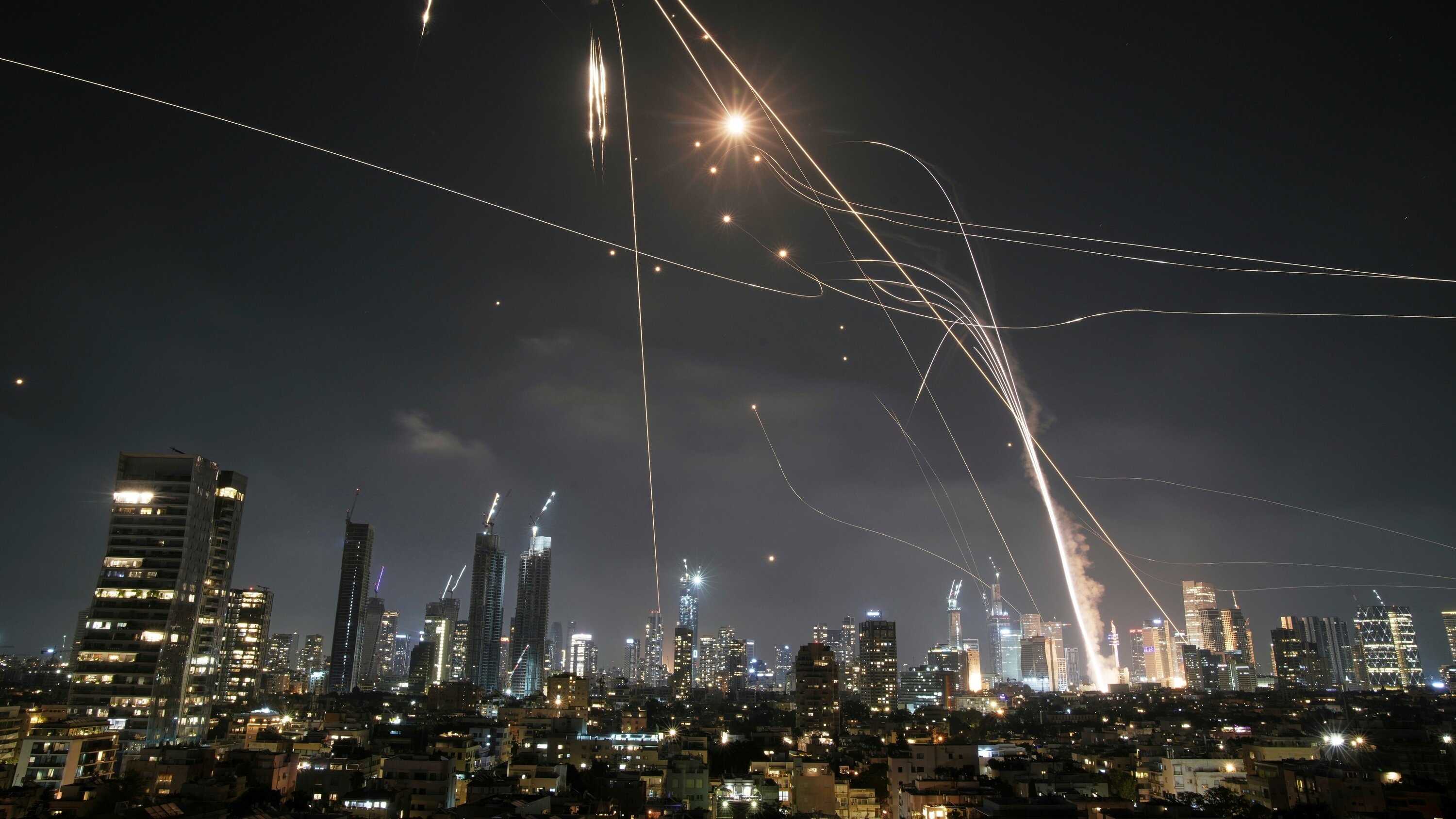
In November 2021, the UAE, “Israel”, and Bahrain participated in multilateral naval exercises in the Red Sea under the supervision of U.S. Central Command, marking the first publicly acknowledged military drills involving Abraham Accords signatories. This represented a turning point from political normalization to operational military coordination.
In September 2022, Elbit Systems announced that its UAE branch had secured a $53 million contract to supply the Emirati Air Force with defense systems, alongside “Israel’s” approval to provide Abu Dhabi with the mobile air defense system Spyder, strengthening mutual dependence in defense procurement and technology.
One month later, in October 2022, the Barak air defense system was deployed in the UAE, signaling a shift toward building a shared defense architecture in which Israeli systems were integrated into Emirati security infrastructure.
This trajectory continued in February 2023, when both countries announced their first direct bilateral naval exercises, along with the development of an unmanned naval vessel, indicating a move from procurement to joint military production, with significant long-term strategic implications.
In April 2025, Emirati Mirage 2000-9 aircraft participated in multinational air exercises in Greece alongside the United States and “Israel”, despite the ongoing war in Gaza, reflecting the continuity of military cooperation regardless of regional political tensions.
Beyond conventional military collaboration, the report also highlights the expansion of cooperation into intelligence sharing on shared threats and the use of advanced technological platforms, including the Crystal Ball cybersecurity platform, signaling an extension of cooperation into digital domains and non-traditional warfare.
In this sense, Israeli military support for the UAE during the confrontation with Iran cannot be separated from years of accumulated cooperation. Rather, it appears to be the culmination of a long-term strategic transformation that evolved from diplomatic normalization to defense normalization, and ultimately to an advanced military partnership that becomes most visible during moments of crisis and wars.
Sources
- Scoop: Israel Sent "Iron Dome" System and Troops to UAE During Iran War
- Israel Sent Iron Dome and Troops to Help Defend UAE During Iran War – Report
- Report | Unprecedented Military Cooperation: Israel Supplies UAE with Advanced Defense Systems Against Iran [Arabic]
- Strengthening Defense Partnership Between Israel and the UAE in the Context of the Abraham Accords [Arabic]
- Financial Times Reveals New Details on Israeli Military Support to the UAE During Iranian Attacks [Arabic]