Nine Shut Down: Why Niger and the Sahel Are Squeezing Out French Media
French influence in Niger and across the Sahel is likely to remain under pressure unless Paris rethinks its policies.
Sahel states have intensified their campaign against the French presence across the region, extending beyond military, diplomatic, and economic ties to target French media outlets as well.
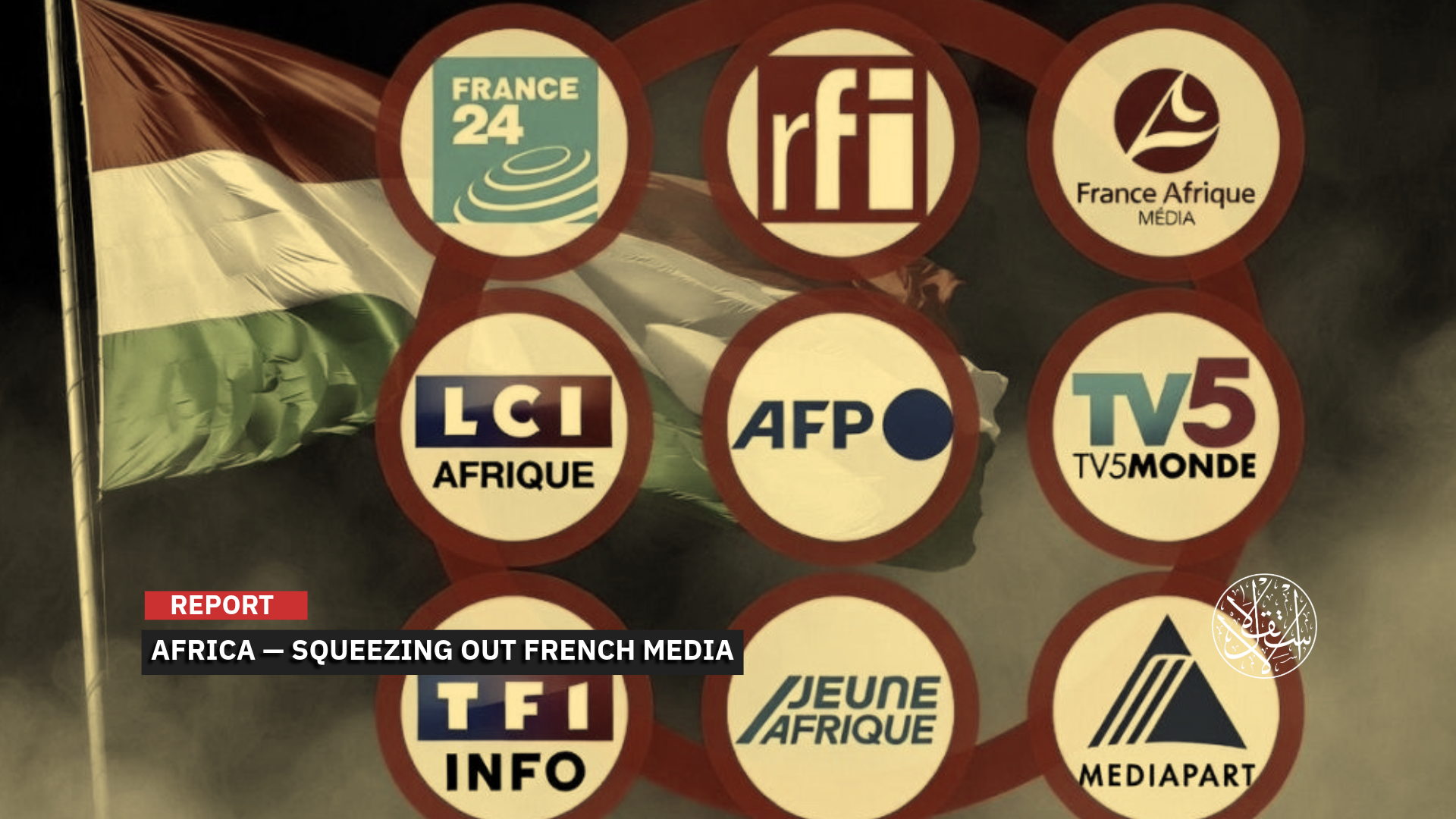
In the latest move, Niger announced the suspension of nine French media organizations operating in the country, saying the decision was aimed at “preserving peace, social cohesion, and the stability of institutions” within the Alliance of Sahel States, which includes Mali, Niger, and Burkina Faso. Authorities also said the measure was intended to bolster the morale of defense and security forces.
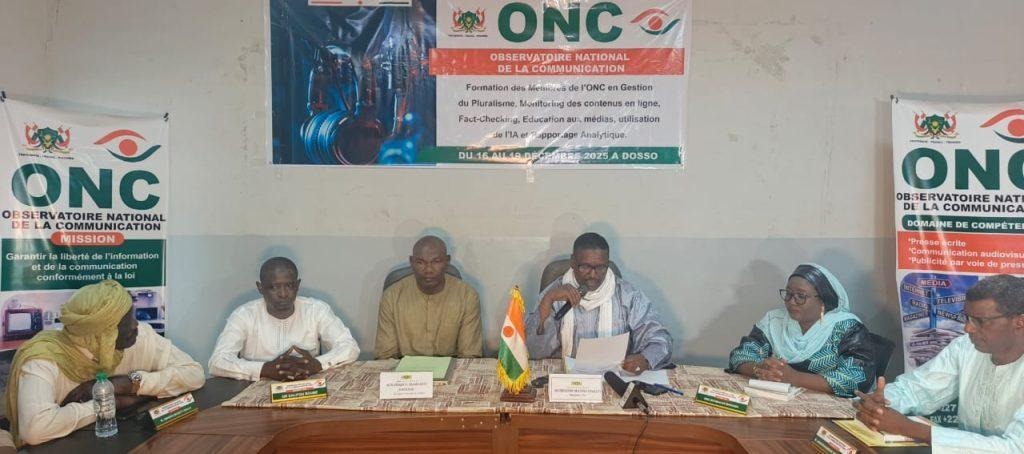
A statement issued on May 9, 2026, by Niger’s National Observatory of Communication (ONC) said the suspension affected several prominent French outlets, including France 24, Radio France Internationale, France Afrique Media, LCI Afrique, Agence France-Presse (AFP), TV5 Monde, TF1 Info, Jeune Afrique, and Mediapart.
The ONC said the decision followed what it described as the “repeated publication of media content likely to seriously threaten public order, social cohesion, and the stability of republican institutions” in the Alliance of Sahel States, while also undermining the morale of security forces engaged in defending the region.
The statement stressed that press freedom must be exercised in accordance with national laws, professional ethics, and “the supreme interests of the nation” at a time marked by mounting security challenges and information warfare.
It also called on local and international media organizations, digital actors, and opinion leaders to act with responsibility and restraint when covering issues related to security, social stability, and national unity.
The move comes as French media outlets face growing restrictions and repeated bans across Niger, Burkina Faso, and Mali following the military takeovers that swept the region between 2020 and 2023 and triggered a deepening rupture with France.
Earlier this month, Burkina Faso suspended broadcasts of TV5 Monde, accusing the French channel of spreading misinformation and glorifying terrorism in its coverage of jihadist violence.
‘An Extremely Dangerous Decision’
Reporters Without Borders (RSF) claimed the move is an “arbitrary decision” that reflects what it sees as an escalating crackdown on press freedom in Niger and, more broadly, across the Alliance of Sahel States.
In comments published by the French outlet RFI on May 10, Sadibou Marong, the RSF’s regional director for West Africa, said the suspension represented “an extremely dangerous decision.”
“We believe the National Observatory of Communication is pushing the country further toward denying the public access to diverse sources of information, based on accusations we consider entirely fabricated,” he said.
Marong added that the measure would only deepen an already alarming situation in Niger, which fell 37 places in the latest World Press Freedom Index amid what the organization described as arbitrary arrests of journalists.
He also accused authorities of manipulating legislation, including cybercrime laws, which he said were being used as tools against the press.
Marong called for the immediate reversal of what he described as an arbitrary measure and urged regulatory bodies to stop yielding to the will of military authorities through decisions such as the suspension of the nine media outlets.
Deep-Rooted Hostility
Commenting on the move, Le Monde described the decision as further proof of the ruling military authorities’ continuing hostility toward France.
In an analysis published on May 9, the outlet noted that several Western media organizations have been banned since the military seized power in Niger through a coup in July 2023.
It added that the vast Sahel nation quickly moved to sever ties with France, its former colonial power, most notably by forcing the withdrawal of French troops involved in anti-jihadist operations. Since then, the ruling authorities have turned toward new partners, including Russia, while increasingly denouncing foreign imperialism and emphasizing national sovereignty.
Le Monde also pointed out that Niger’s decision came just ahead of a major France-Africa summit in Nairobi under the banner “Africa Forward,” a gathering that Niger, Mali, and Burkina Faso are not expected to attend.
Meanwhile, AfricTelegraph argued in a May 10 analysis that the suspension of French media outlets goes far beyond regulatory concerns.
According to the website, by targeting media organizations whose ownership or editorial direction is closely tied to the French public sector or Paris-based media groups, authorities in Niamey are sending a direct political message to the former colonial power.
“The diplomatic rupture that began with the expulsion of the French ambassador at the end of 2023 has now expanded into the media sphere,” the report said.
The outlet added that the practical impact on Nigerien audiences may remain limited because people can still access content through social media, satellite broadcasting, and direct online platforms.
Even so, it warned that the restrictions could complicate access to reliable information while giving greater space to state-aligned media and poorly regulated platforms.
AfricTelegraph further noted that several analysts of the Sahel media landscape believe the vacuum created by the restrictions could benefit outside powers, particularly Russia and Turkiye, both of which have expanded their media presence in the region through institutional partnerships and broadcasting agreements.
The website argued that the May 8 decision reflects a dual strategy: tightening internal control over the media space while simultaneously reshaping regional media alliances.
Another outlet, African Perceptions, said in a May 10 analysis that Niger’s authorities have consistently accused foreign media organizations of spreading misleading information and therefore see control over information as necessary in the face of mounting security threats.
The website said the decision reflects “a desire to dominate political and security narratives,” contributing to a decline in access to independent international reporting.
At the same time, it added, new international media actors are gaining momentum as Sahel states seek alternative partnerships and build new frameworks for regional cooperation.
According to the analysis, the developments point to a broader geopolitical shift in which control over information has become a central issue.
‘A Heavy Cost’
The researcher in contemporary history and political affairs, Dedai Bibout, argues that understanding Niger’s decision requires stepping back in time to the foundations of French influence in West Africa, which were built on a colonial past reinforced through military campaigns carried out at immense human, economic, and cultural cost for local populations.
Speaking to Al-Estiklal, Bibout said that this cost did not end with formal independence in the early 1960s, including in Niger, which has had ten presidents since gaining independence from France in August 1960.
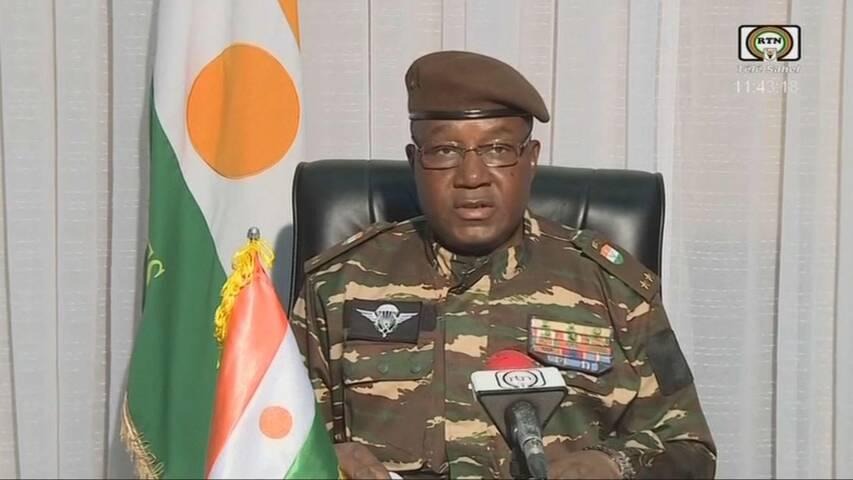
He noted that the most recent was Mohamed Bazoum, a member of the Arab minority, who was ousted in the July 26, 2023, coup led by General Abdourahamane Tiani in coordination with military authorities in neighboring Burkina Faso and Mali, in direct response to the continued traditional imperial approach of France in its dealings with the regimes and states of its former colonies.
Bibout added that since the current military leadership took power, French influence has been in steady decline, with steps including the nationalization of Niger’s uranium production and the expulsion of French companies from mining operations.
He said the authorities also ordered the withdrawal of a French military deployment of about 1,500 troops, which had been engaged in counterterrorism operations and other missions. France, he added, did not remain passive and instead pursued international legal action to reclaim parts of its economic interests, particularly uranium resources it had helped develop.
He also pointed to recurring media campaigns conducted through French media outlets across West Africa and Europe, which, he said, have consistently criticized the military authorities and portrayed their actions as illegitimate following the overthrow of democratic institutions.
According to Bibout, the suspension of French media outlets is linked to what Niger described in an official statement as hostile coverage targeting the state, its institutions, and its social fabric, as well as its rejection of continued dependence on France.
The academic stressed that hostility toward France across the Sahel reflects a long record of disillusionment with Paris’s role in the region and across Africa more broadly.
He said Niger’s decision reflects a broader break with its former colonial power, as France continues to lose economic influence and strategic standing in the country, much of which is now being reshaped by new international players such as China, Russia, and, at times, Turkiye.
Bibout concluded that pressure on French influence in Niger and elsewhere is likely to continue unless France reconsiders its policies toward these countries.
Sources
- Niger suspends nine media outlets, Reporters Without Borders calls for reversal of the decision [French]
- In Niger, the ruling junta has suspended around ten French media outlets, including RFI, AFP, and France 24, accusing them of "seriously endangering public order" [French]
- Niger suspends nine French media outlets, citing claims of “endangering public order” [French]
- Niger expands media bans amid growing rift with France [French]