Afghans and Syrians in Turkiye’s Workforce: Toward a New Model of Integration
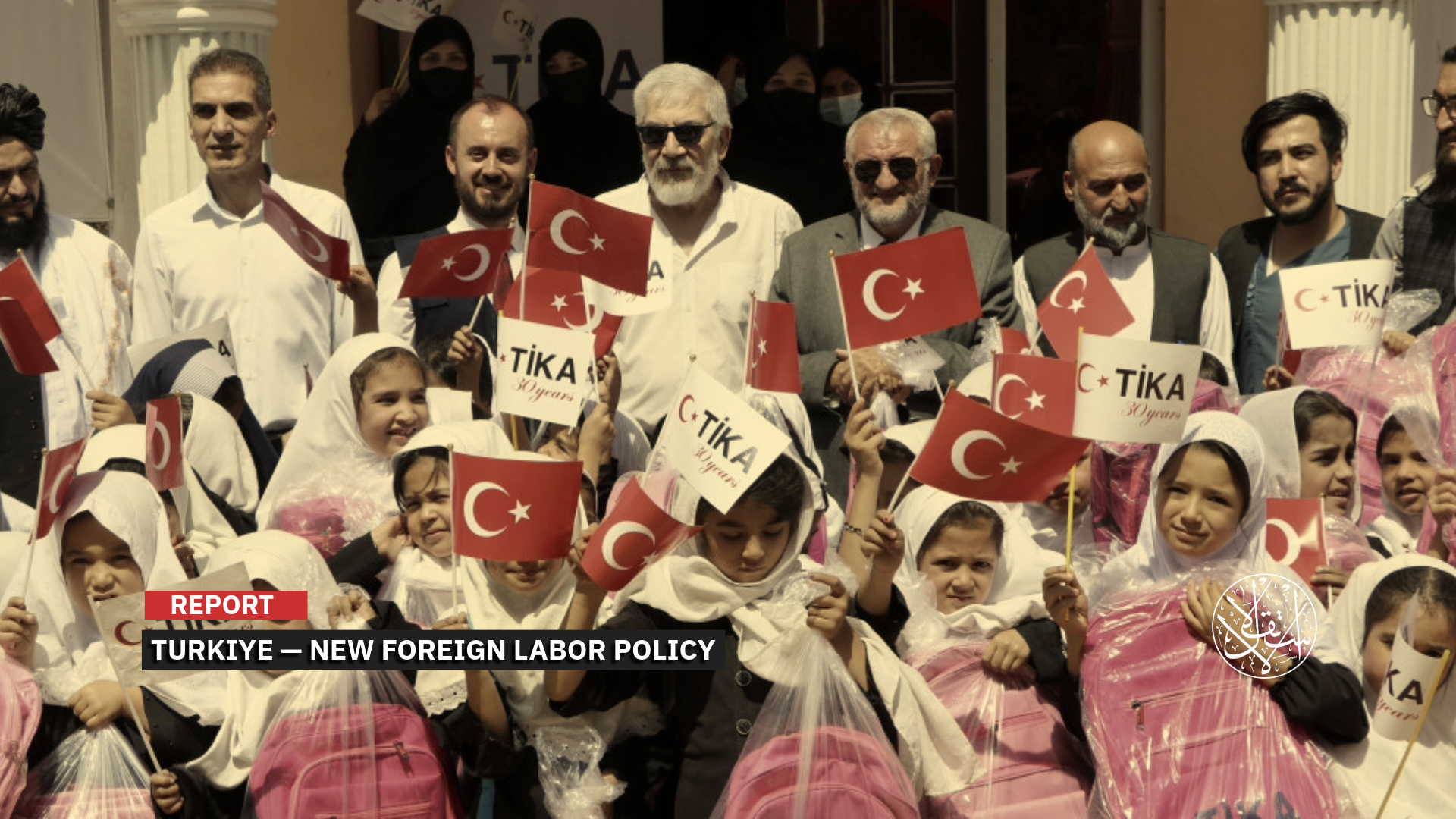
The issue extends beyond Afghans to the future of Turkiye’s economy and the millions of foreigners who now form part of its workforce.
Afghanistan’s Ministry of Refugees and Repatriation (MORR) announced on May 15, 2026, that Turkiye had issued thousands of work visas to Afghan citizens for jobs in the livestock sector, highlighting a notable shift in Ankara’s approach to foreign labor.
After years in which the issue was largely framed through the lenses of irregular migration, security concerns, and political pressure, Turkiye is increasingly treating foreign labor as a tool for addressing growing workforce shortages in key productive sectors, particularly agriculture and livestock farming.
The shift raises questions that extend well beyond Afghan workers. Turkiye is home to millions of Syrians and hundreds of thousands of other foreign nationals who have become an integral part of economic activity across manufacturing, trade, agriculture, and services.
As labor shortages deepen, Ankara appears to be facing a new challenge: Will it limit itself to recruiting specialized foreign workers to fill gaps in specific industries, or is it moving toward a broader strategy that integrates the foreign workforce already present in the country into the formal economy and redefines its role in Turkiye’s labor market?
Managing Labor
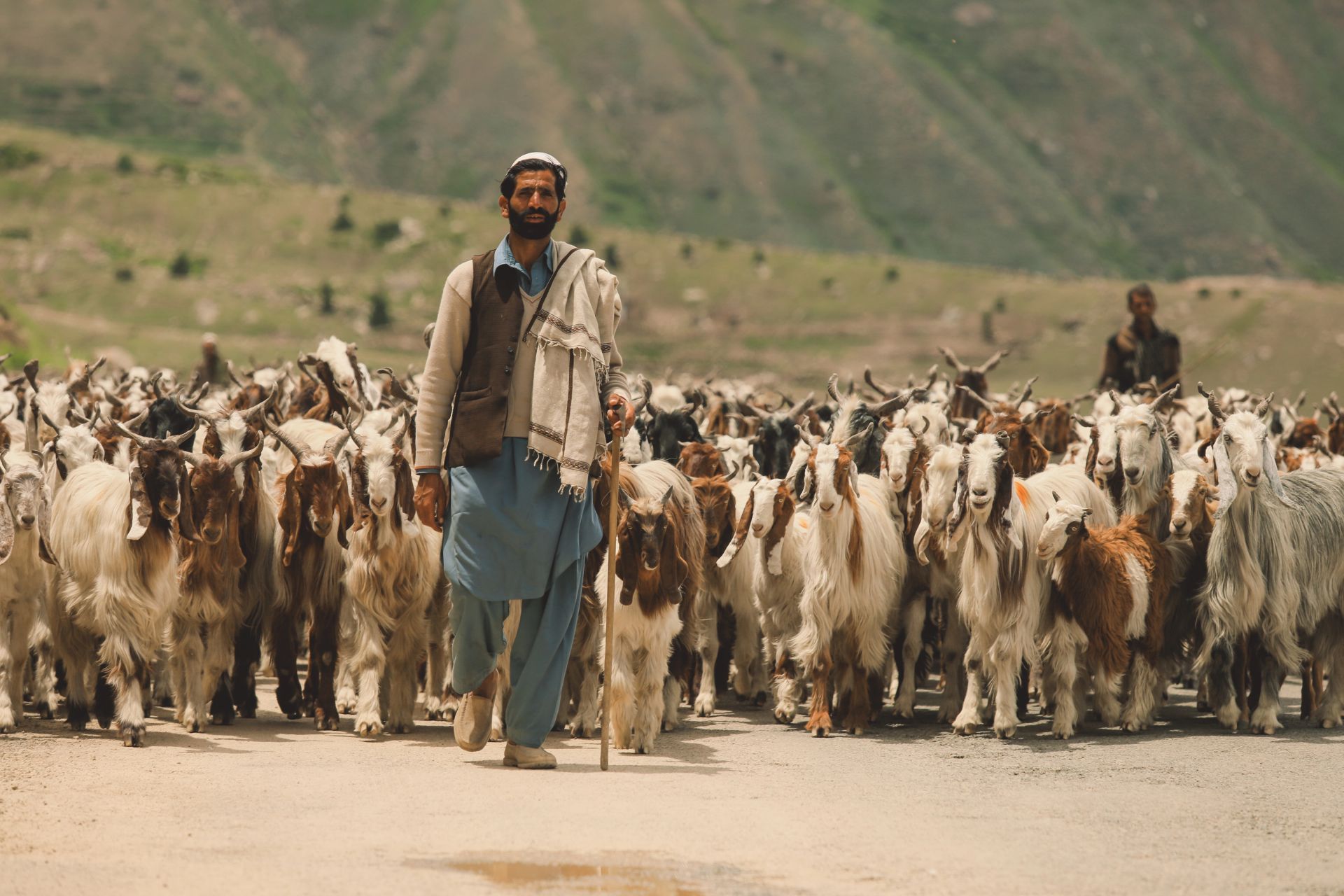
The Afghan announcement did not come out of nowhere. On June 12, 2025, Turkiye’s Ministry of Labor and Social Security introduced a new system allowing registered livestock farms to legally hire foreign shepherds, following years of complaints from farmers and livestock breeders struggling to find Turkish workers willing to take on the job.
Under the new regulations, Ankara tied the number of foreign workers a farm can employ to the size of its registered herd and required employers to enroll those workers in the country’s social security system, ensuring legal protections and official oversight.
The goal was not only to address labor shortages. It was also an effort to shift part of the agricultural workforce from the informal economy into the formal sector, reducing unregistered employment while expanding tax revenues and social protections.
The move came as Labor Ministry data released on April 2, 2025, showed the number of work permits issued to foreign nationals had climbed to 300,851, a significant increase from previous years. Manufacturing, construction, agriculture, and services ranked among the sectors most dependent on foreign labor.
Speaking to the business daily Dunya on May 12, 2026, Nihat Çelik, head of Turkiye’s Sheep and Goat Breeders Association, said the livestock sector faces a worsening shortage of local shepherds. Growing numbers of farm owners, he said, have turned to foreign workers as younger Turks increasingly shy away from demanding rural jobs and the lifestyle that comes with them.
In that sense, the Afghan case is less a response to demand for overseas jobs among Afghans than it is a reflection of Turkiye’s own labor needs, shaped by deep changes in the workforce and the transformation of rural employment patterns.
For that reason, many Turkish economists see the policy as part of a broader shift in state thinking: away from treating migration primarily as a security and social issue and toward managing labor as an economic and developmental tool tied to market demand.
Over the past decade, Afghan workers have become a familiar presence in Turkiye, particularly in agriculture, livestock farming, and construction. Yet much of that workforce has remained in the informal economy or operated under uncertain legal conditions, limiting the state’s ability to regulate and fully benefit from it.
Under the emerging model, Afghan workers are no longer arriving as migrants searching for jobs after entering the country. Instead, they enter through a prearranged legal framework tied to a specific employer, a defined contract, and a designated sector. The shift marks a significant change in how Turkiye manages foreign labor.
On May 18, 2026, the Turkish outlet OdaTV reported that the Afghan announcement aligned directly with measures introduced months earlier by the Labor Ministry to regulate the employment of foreign shepherds, giving the issue a clear economic and developmental dimension beyond the traditional migration debate.
Data from Turkiye’s Ministry of Agriculture and Forestry show that the livestock sector has struggled for years with a declining rural workforce. In several provinces across eastern and central Anatolia, finding an experienced shepherd has become increasingly difficult despite rising wages and improved working conditions.
These trends suggest that Ankara’s objective is not simply to secure low-cost labor, as some critics argue. The government is also seeking to preserve productive sectors considered vital to food security and agricultural supply chains.
That is what makes the Afghan case particularly significant. It represents Turkiye’s first clear attempt to link foreign labor recruitment to a specific economic need through a regulated legal mechanism, potentially laying the groundwork for similar programs in other sectors facing labor shortages, including seasonal agriculture, food processing, and parts of the service and skilled trades economy.
The Bigger Force
If the Afghan case represents an early test of how Turkiye might structure regulated foreign labor recruitment, Syrians pose the far larger challenge—and the real stress test for any new policy in this area.
According to data published by Turkiye’s Presidency of Migration Management in May 2026, around 2.28 million Syrians remain under temporary protection status. Although that number has declined in recent years due to voluntary return programs to Syria, Syrians still constitute the largest foreign community in the country, giving them significant weight in Turkiye’s labor market and broader economy.
Yet the gap between demographic presence and formal labor market inclusion remains wide. In February 2025, the Ministry of Labor and Social Security reported that only 109,370 Syrians under temporary protection held official work permits.
At the same time, an AIDA report published on July 29, 2025, estimated that the number of Syrians actually working in Turkiye’s economy is far higher, pointing to continued reliance on informal employment and work outside fully legal frameworks.
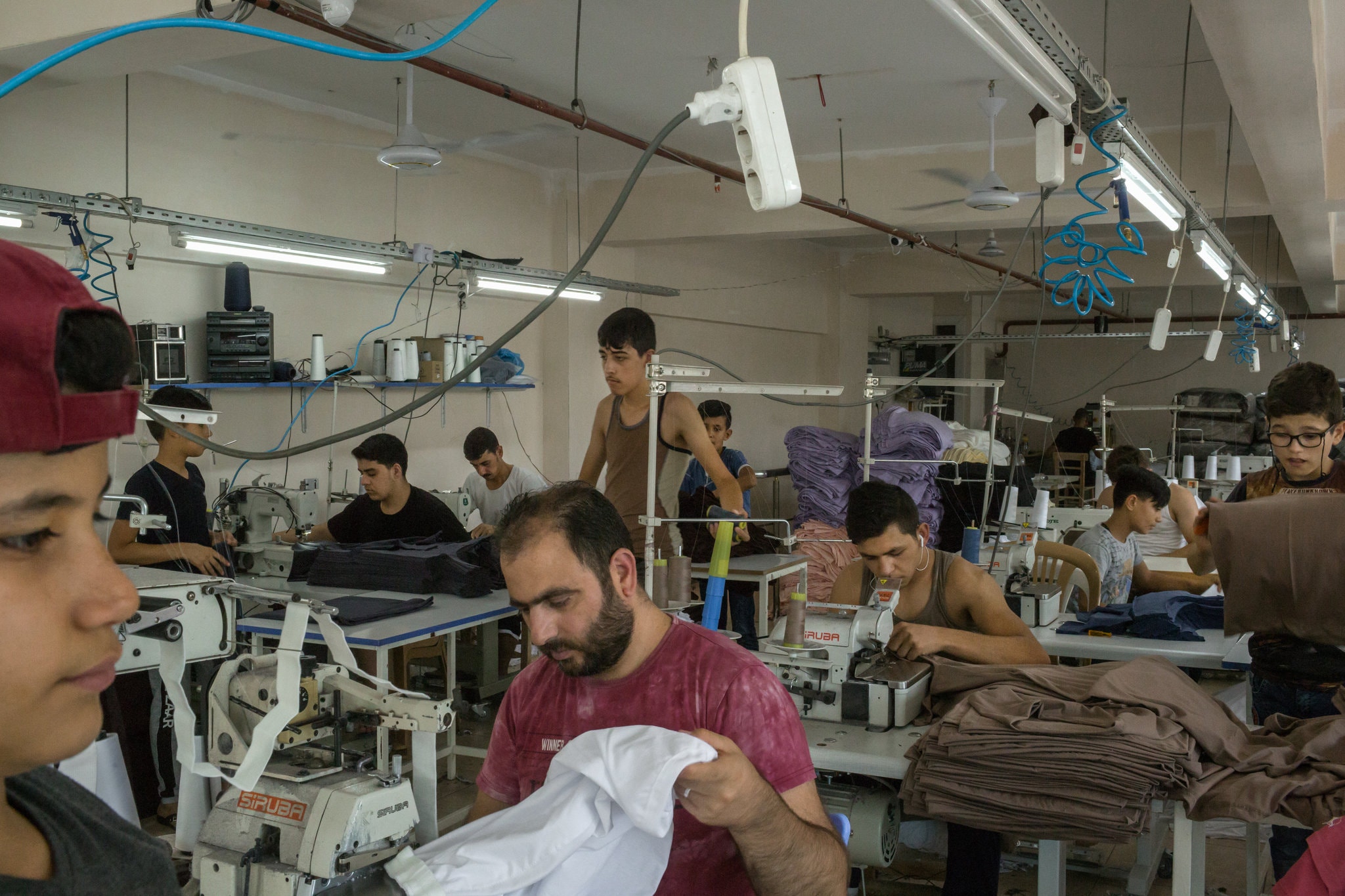
This disparity reflects an economic reality that has become increasingly clear in recent years: Syrians have become a key labor force across essential sectors, including textiles, construction, agriculture, food production, logistics, restaurants, and small-scale trade.
On December 27, 2024, Le Monde published a report on the potential impact of large-scale Syrian returns, citing concerns among Turkish factory owners, farmers, and business operators about losing a critical share of the workforce sustaining their production chains.
The report warned that sectors such as textiles, agriculture, and construction could face rising costs and labor shortages if Syrian employment were to decline significantly, underscoring the extent of their integration into Turkiye’s economic cycle.
However, this integration remains incomplete from a legal and institutional standpoint. A significant share of Syrian workers still operate outside the social security system or within small and medium-sized enterprises that do not complete formal work permit procedures. This limits workers’ access to legal protections and social rights while also depriving the state of potential tax and insurance revenues that formal integration could generate.
As a result, observers argue that Turkiye’s real challenge is no longer limited to recruiting new foreign workers to fill sector-specific gaps. It now also involves organizing and integrating hundreds of thousands of foreign workers already in the country, especially Syrians, in a way that balances economic demand with legal protection and labor market regulation.
The Arab Economic Footprint
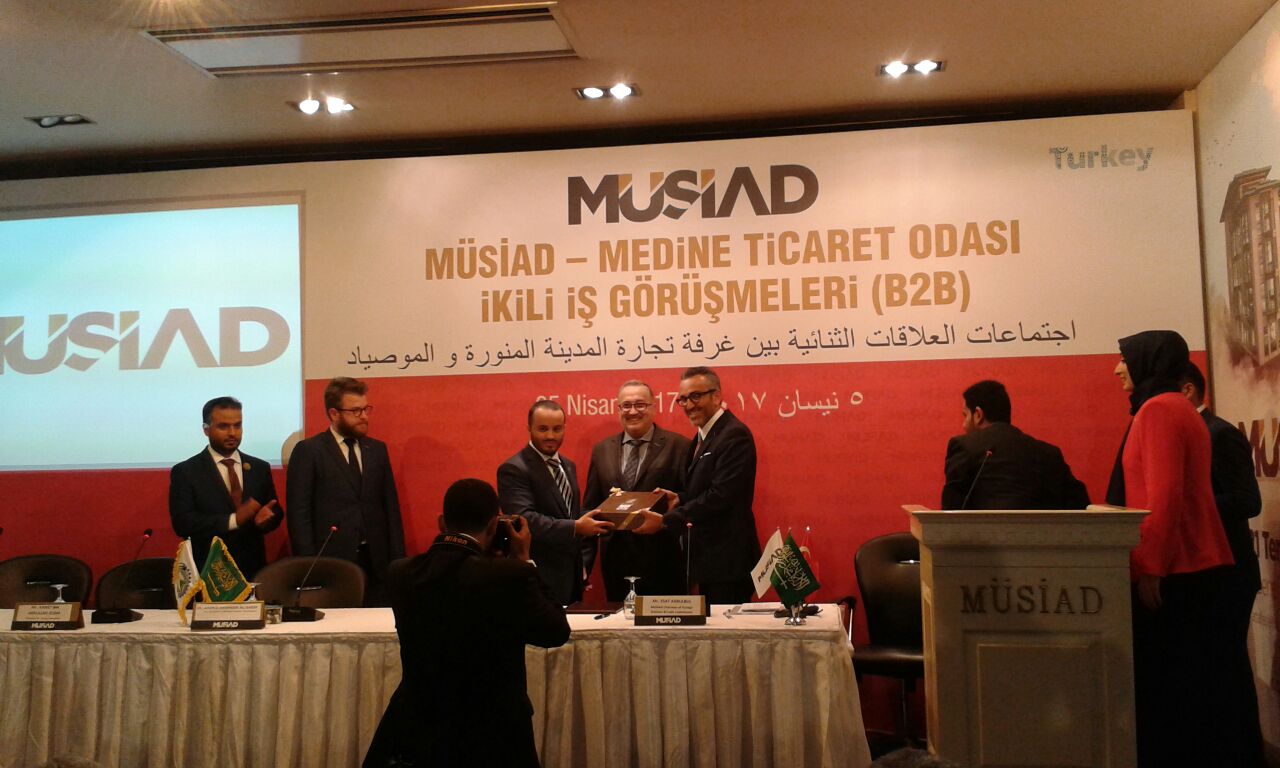
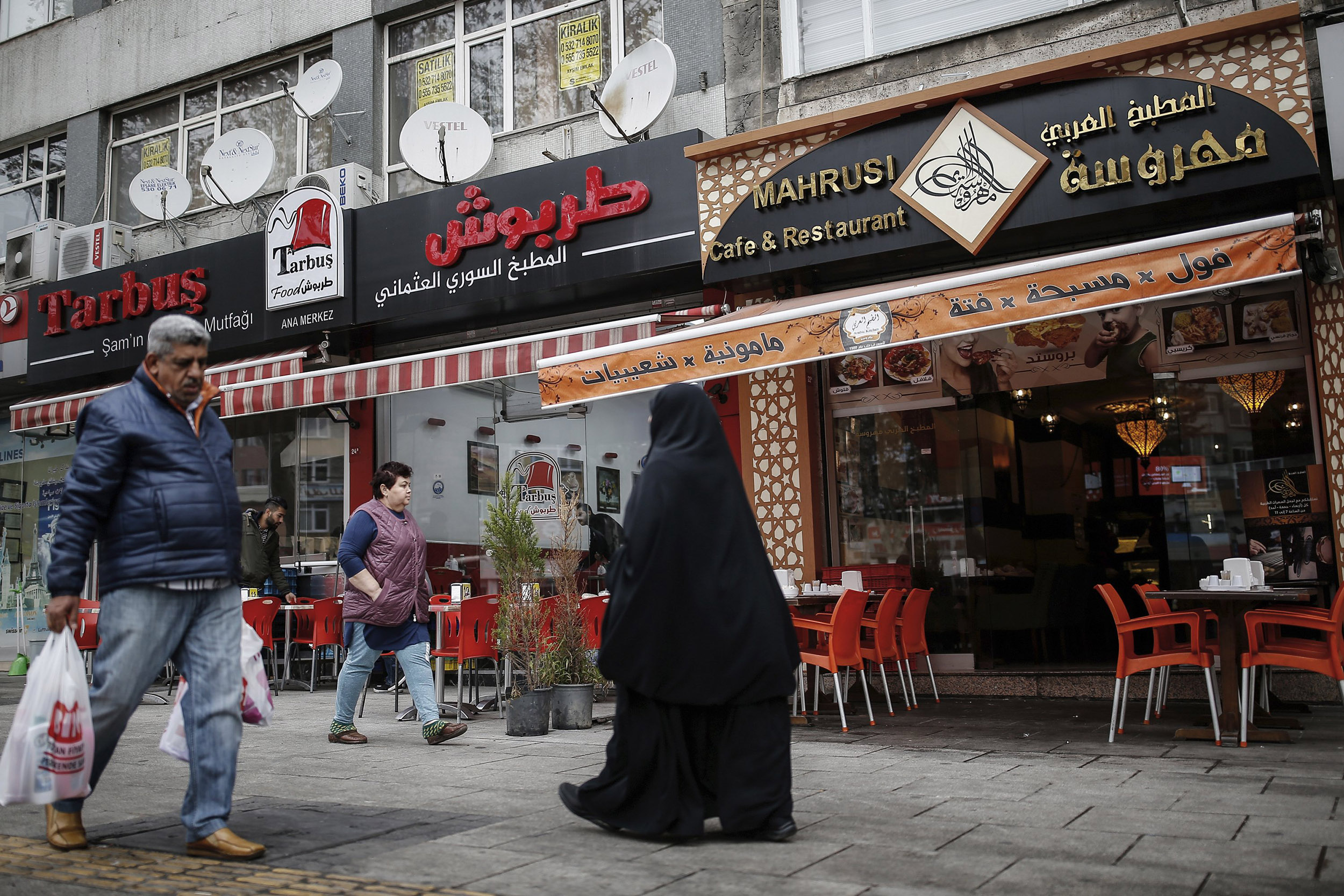
Syrians represent only part of a broader Arab economic presence in Turkiye. In recent years, Iraqis, Saudis, Yemenis, Egyptians, Palestinians, Libyans, Sudanese, and Gulf nationals have all become active players in the country’s investment and business landscape.
According to data from the Union of Chambers and Commodity Exchanges of Turkiye (TOBB), cited by Sozcu on January 24, 2024, citizens from Middle Eastern and Gulf countries established more than 28,000 companies in Turkiye between 2013 and 2023.
Syrians ranked first with more than 10,000 companies, followed by Saudis and then Iraqis, while investors from the UAE, Qatar, and Kuwait have steadily expanded their presence in real estate, services, trade, and finance.
Over the past decade, Arab communities have evolved beyond consumer or demographic groups into influential economic actors within the Turkish market.
Iraqi entrepreneurs, Sozcu reported, have played a major role in cross-border trade, particularly with the Kurdistan Region in northern Iraq.
Syrian business owners have helped build export networks into Arab markets, while Gulf investors have increasingly focused on real estate, tourism, and financial services.
A report by TEPAV, in cooperation with the European Bank for Reconstruction and Development (EBRD), published on August 25, 2025, found that Arab-owned companies in Turkiye are now integrated into local production chains and have contributed to creating thousands of jobs for both Turkish and Arab workers.
These developments confirm that debates over foreign labor regulation are no longer limited to refugees or manual workers alone but extend to a wider Arab economic ecosystem that has taken shape in Turkiye over the past decade.
A Delayed Correction
According to estimates and reports issued by the Organization for Economic Co-operation and Development (OECD) and the World Bank between 2025 and 2026, the Turkish economy has benefited significantly from the presence of millions of foreign workers, though a large share of that benefit has remained outside the formal system.
An unregistered worker does not fully contribute to the social security system, while the employer who hires them outside the system is not subject to the same legal obligations as formal employers. As a result, the state loses part of the tax and insurance revenues that could be collected from the labor market.
In this context, Turkish researchers and labor economists argue that regulating foreign labor is not merely an administrative step but a broader economic reform aimed at expanding the formal economy and strengthening public revenues, alongside its role in migration management.
A 2023 International Labour Organization (ILO) study on migrant labor in Turkiye emphasized that expanding formal employment for migrants helps raise productivity, reduce the size of the informal economy, and improve fair competition in the labor market.
The study also noted that the benefits extend beyond direct financial gains. Integrating foreign workers into legal frameworks improves oversight of working conditions, reduces exploitation, provides more accurate labor market data, and helps ease social tensions linked to unregulated job competition.
From this perspective, the Afghan case can be seen as an initial step in a wider shift: moving foreign labor from the margins of the informal economy into the structured formal sector, thereby strengthening the state’s ability to manage the system more efficiently and sustainably.
‘The Afghan Experiment’
Syrian researcher Ibrahim Yavuz, based in Turkiye, told Al-Estiklal that there are currently no official indicators suggesting that the Turkish government is preparing to extend the Afghan shepherd model to Syrians or other Arab communities.
He said available economic data instead points toward a broader trend in Turkiye: greater regulation of foreign labor and deeper integration into the formal economy, rather than any move to reduce its presence or economic role.
Yavuz added that Turkiye is facing overlapping challenges, including growing labor shortages in key productive sectors, pressure to expand its tax base amid economic strain, and the reality that a large foreign workforce has already become embedded in the country’s production cycle.
At the same time, he noted that Syrian and other Arab communities continue to face obstacles in obtaining work permits, residency status, and full legal integration into the labor market, leaving a significant portion of foreign labor outside formal structures.
He argued that the key point of convergence between Turkiye’s economic needs and the interests of foreign communities lies in expanding regulated employment channels and linking them directly to labor shortages in specific sectors.
“If the Afghan shepherd experiment proves successful in meeting the needs of the livestock sector and achieving its economic and regulatory goals,” he said, “it is likely to become a model that could be applied in other sectors that already rely on foreign labor.”
According to Yavuz, the future question may no longer be how Turkiye restricts foreign labor but how it organizes its presence in a way that maximizes economic benefit while ensuring rights for both workers and employers.
He concluded that the issue is not about Afghans alone but about the future of Turkiye’s relationship with millions of foreigners who have become part of its productive economy. After years of treating migration primarily as a security and political issue, he said, Turkiye now stands before an opportunity to redefine it as an economic resource that can be managed more efficiently and sustainably.
Sources
- Work Permit Application Processes for Shepherds/Herd Managers to be Employed in Livestock Enterprises
- Türkiye grants over 300,000 work permits to foreigners in 2024
- Country Report: Türkiye 2024 Update
- Companies Established in Turkey by Middle Eastern Investors [Turkish]
- Shepherd Crisis and the Need for Foreign Shepherds [Turkish]
- 20,000 Afghan Visas: Kabul Announces, Ankara Remains Silent [Turkish]
- Work Visas for Afghans in Turkiye: Migration Shifts Toward a Semi-Regulated Economic Channel [Arabic]