With Israeli Intelligence, Is the UAE Dragging Gulf States Into a Confrontation With Iran?
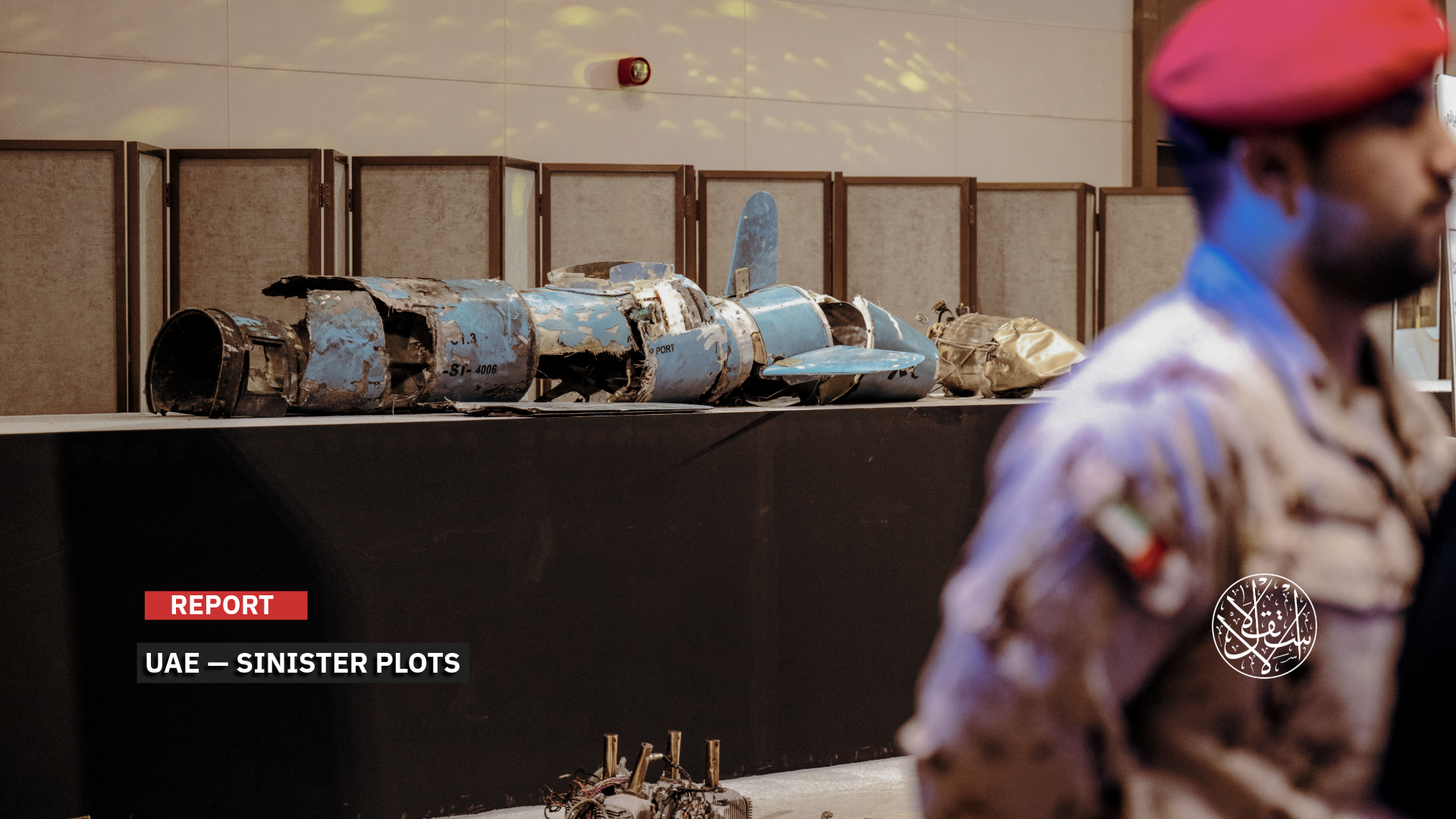
The UAE unsuccessfully sought to rally Gulf states behind a unified military response to the Iranian strikes.
What began with reports that the United Arab Emirates (UAE) carried out covert airstrikes inside Iran has evolved into broader claims that other Gulf states may have quietly joined the fight, raising fresh questions about whether the war is expanding beyond Washington and “Tel Aviv.”
Western intelligence and media reports in May 2026 claimed the UAE secretly struck targets inside Iran in retaliation for Iranian attacks, despite Abu Dhabi never publicly acknowledging any offensive military operations on Iranian territory.
The latest allegations go further. On July 24, The Wall Street Journal and Yedioth Ahronoth reported that Kuwait and Bahrain had carried out their first covert strikes against Iran with Emirati support, claims Kuwait swiftly and categorically denied.
According to those reports, the UAE not only took part in the early stages of the U.S.-Israeli War on Iran but also supplied intelligence on potential targets to Kuwait and Bahrain while providing air defense cover for the alleged operations. The reports have fueled speculation over whether Abu Dhabi is working to broaden the war on Iran in ways that align with U.S. and Israeli strategic interests.
Some analysts believe the reports may have originated from Israeli intelligence and were deliberately leaked to Western media to reinforce the perception that the campaign against Iran is no longer an Israeli effort alone but one backed by Gulf partners.
They warn that such leaks could be part of a broader effort to prepare public opinion for a wider regional conflict and draw Gulf states deeper into the confrontation. Kuwait, however, firmly rejected the reports, calling them "completely false."
Some analysts also argue that the UAE has sought to persuade Gulf states to adopt a coordinated military response to Iranian attacks. In their assessment, Saudi Arabia and Qatar resisted that approach, concluding that the U.S.-Israeli War on Iran does not directly serve their national interests.
The reports, coupled with talks that Saudi Arabia is becoming more deeply involved in military operations against the Houthis, have renewed questions about whether the region's rules of engagement are shifting and whether regional players, particularly the UAE and the Israeli Occupation, are pushing to widen the war.
If the allegations prove accurate, they would signal a dramatic shift from the Gulf's policy of cautious neutrality to undeclared military involvement against Iran, a move that could increase the risk of Iranian retaliation, threaten shipping lanes and critical infrastructure, and pull the region into the broader conflict Gulf governments have sought to avoid since the war erupted in late February 2026.

The Entrapment Plot
Since the U.S.-Israeli War on Iran erupted in late February 2026, followed by Iranian strikes on American bases across the Gulf, including facilities in the UAE, Western intelligence leaks and media reports have repeatedly pointed to an Emirati role in coordinating with “Israel.” The reports also said that Israeli Prime Minister Benjamin Netanyahu secretly visited Abu Dhabi during the war.
The UAE, however, has consistently denied any direct involvement in military operations against Iran. It rejected reports of Netanyahu's wartime visit, despite the Israeli leader publicly stating that the trip took place. Abu Dhabi also denied separate reports saying it carried out covert drone strikes inside Iran, even though several Western outlets cited intelligence sources making those accounts.
The latest controversy erupted on July 24, 2026, when The Wall Street Journal reported that Bahrain and Kuwait had secretly launched fighter jet strikes against Iran. The story, written by Dubai-based correspondent Summer Said, cited what it described only as people familiar with the matter.
The report's publication from Dubai prompted questions among regional analysts about the nature of its sources and whether the information was part of a broader leak intended to create the impression that Gulf states were beginning to join the war on Iran.
According to the report, intelligence indicated that Kuwait and Bahrain carried out covert strikes on Iranian targets, echoing earlier accounts involving the UAE. Analysts viewed the narrative as an attempt to portray the war on Iran as no longer an Israeli aggression alone but one backed by Gulf partners.
The report said the alleged strikes targeted missile and drone storage facilities along with other military sites. It further said that the UAE provided intelligence support and air defense cover, without explaining the nature of that assistance or offering evidence to substantiate the information.
It also described the operations as the first direct military action by Kuwait and Bahrain against Iran in modern history, again attributing the information only to unnamed sources.
Kuwait quickly rejected the allegations, calling them "completely false" and insisting it had taken part in no military operations against Iran.
The following day, Kuwait's Foreign Ministry announced that its ambassador to the United States had sent a formal letter to The Wall Street Journal rejecting what it described as "false allegations" that Kuwait had participated in military action against Iran.
The report nevertheless raised further questions among regional experts, particularly over its narrative that the UAE supplied intelligence and defensive support to Kuwait and Bahrain while, according to the same report, not openly participating in the strikes itself. Some analysts argued that the contradiction weakened the credibility of the account.
Citing the same unnamed sources, the report concluded that Gulf governments were increasingly discussing a tougher approach toward Iran to protect trade routes and energy supplies if the war continued.
It further said that a prolonged war could push some Gulf states toward taking a more public role against Iran.
The report also added that Saudi Arabia joined the UAE in carrying out strikes against Iran during the early stages of the war before later reassessing its position, claims that Saudi authorities have neither confirmed nor publicly addressed.
The Wall Street Journal had previously alleged that the UAE participated in dozens of airstrikes against Iran from the opening days of the war and continued operations until the day after the April 2026 ceasefire announcement. Abu Dhabi has never confirmed those reports and continues to deny any direct military role.
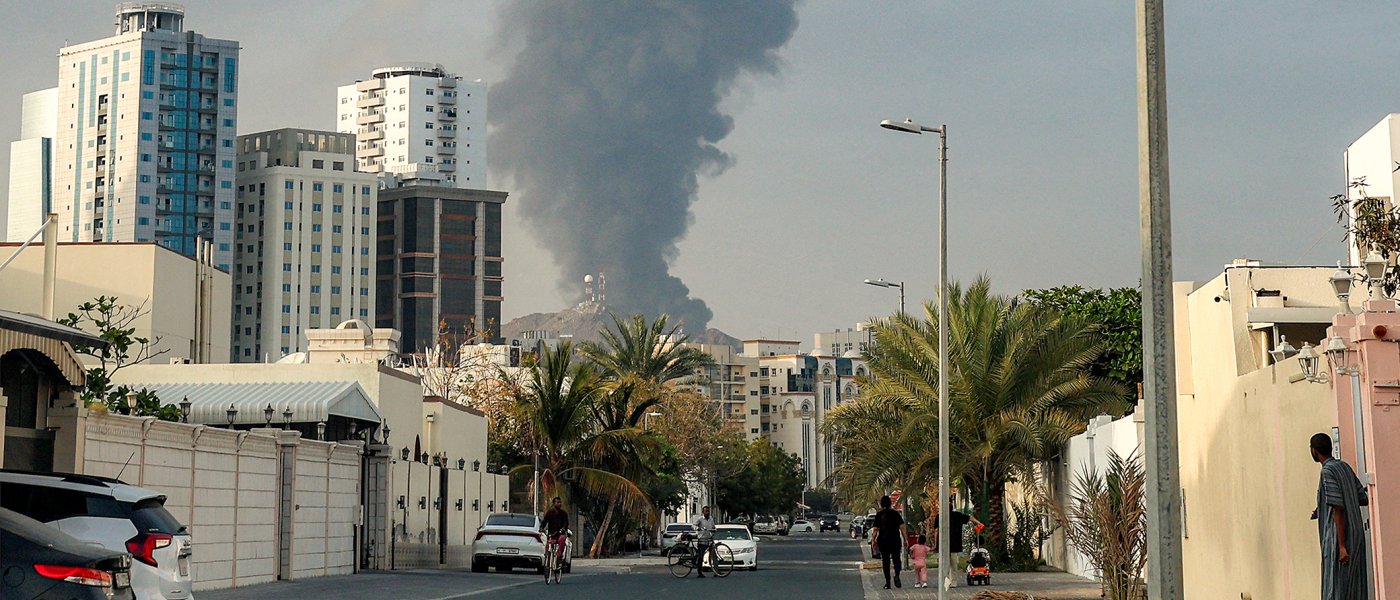
Meanwhile, separate media reports suggested that while Iran has largely refrained from directly targeting the UAE in recent weeks, it attacked two Emirati oil tankers earlier this month, underscoring how tensions across the Gulf have persisted despite repeated talk of a ceasefire.
Leaking the Story
According to Western assessments, the UAE may have an interest in reports portraying a Gulf alliance that has already entered the confrontation with Iran. These assessments suggest Abu Dhabi’s motives are linked less to expanding the war and more to strengthening its political and economic influence in the region through security calculations and strategic positioning.
For years, the UAE has viewed Iran as one of the Gulf’s main security challenges and a barrier to expanding its regional influence, citing concerns over Tehran’s missile program, its support for armed groups seen by Abu Dhabi as hostile to Emirati interests, and Iran’s influence in Yemen, Iraq, Syria, and Lebanon.
Official statements and policy documents from the UAE indicate that, despite efforts in recent years to ease tensions with Tehran, Abu Dhabi continues to prioritize strengthening its defense capabilities and expanding security partnerships with the United States.
It has also deepened military and intelligence cooperation with the Israeli Occupation, particularly after the signing of the “Abraham Accords.” Media reports have suggested that this cooperation expanded during the U.S.-Israeli War on Iran, including “Israel’s” deployment of air defense systems and operating teams to the UAE.
Researchers at the Atlantic Council, in a report published on May 7, 2026, and Chatham House, in a study released on June 17, 2026, argue that the UAE is seeking to cement its role as a leading security partner in the Gulf and the Red Sea, giving it greater influence over regional security arrangements and strengthening its position with Washington.
At the same time, these research centers say Abu Dhabi has pursued what they describe as a “dual policy”: strengthening military deterrence on one hand while maintaining channels of communication with Iran on the other in an effort to avoid being pulled into a direct confrontation.
Against this backdrop, some analysts argue that reports claiming Kuwait and Bahrain joined strikes on Iran, without official confirmation from either country, could serve a narrative suggesting that a Gulf military coalition has entered the war. Some also believe the information behind these reports may have come from Israeli intelligence leaks, although no official body has confirmed such claims.
Western analysts, however, warn that if such narratives take hold in Iran, they could increase the risk of direct retaliation against Gulf states if Tehran concludes that they are actively participating in military operations against it.
Media reports have indicated that Iran intensified attacks against targets in the UAE and later against Kuwait and Bahrain after information circulated about U.S. military operations being launched from bases in some Gulf countries, contributing to the widening regional tensions.
A report by the International Institute for Strategic Studies, published on May 26, 2026, warned that an expanding war could turn oil facilities, ports, military bases, and civilian infrastructure into potential targets, raising the cost of confrontation for every country in the region, including those seeking to avoid direct involvement.
The report also cited experts who argued that the more sustainable approach would be to contain Iran through deeper economic and regional ties, suggesting that economic integration could provide a more effective way to reduce the risk of escalation.
From this perspective, the report noted that some U.S. research centers have called for integrating Iran into a regional economic framework based on shared interests and stability, arguing that this would offer, in their view, “the best chance of deterring destabilizing Iranian behavior in the future.”

‘Israel’s’ Interests
Reports saying that Gulf states have taken part in the U.S.-Israeli War on Iran have raised questions about what benefits the Israeli Occupation could gain from reinforcing this perception, even in the absence of official confirmation from the countries involved.
Several researchers specializing in Israeli security affairs argue that a key pillar of “Israel’s” deterrence strategy is convincing adversaries that they are facing a broad regional coalition rather than “Israel” alone. They say this perception became more prominent after the signing of the “Abraham Accords” and has become part of “Israel’s” broader vision for expanding security cooperation with Arab states against Iran.
Since the “Abraham Accords” were signed in 2020, the Israeli Occupation has worked to expand ties with several Arab countries beyond political normalization, developing broader security and intelligence cooperation, particularly around countering Iranian threats.
Amid reports of an Emirati role in supporting Kuwait and Bahrain, Israeli newspapers called for expanding cooperation between “Tel Aviv” and Abu Dhabi, portraying it as the foundation for a potential Gulf-Israeli alliance against Iran.
In an editorial published on July 26, 2026, The Jerusalem Post called on “Israel” and the United States to support Gulf states against Iran and urged the creation of a formal regional defense alliance bringing together “Israel,” the United States, and Gulf countries.
The newspaper argued that “Israel” could provide expertise in countering Iranian missiles and drones, along with intelligence capabilities, while Gulf states could contribute military bases, airspace access, logistical support, and funding. It also called for advance agreements on response mechanisms if any of these countries came under attack from Iran or Tehran’s allies.
Western reports suggest that Gulf involvement, or even the perception of such involvement, in operations against Iran serves a psychological and strategic objective for “Israel”: convincing Iran’s leadership that the war is no longer limited to Tehran, “Tel Aviv,” and Washington but instead involves a wider network of regional partners.
This view aligns with a study published by Israel’s Institute for National Security Studies on March 18, 2026, which described building a joint regional deterrence system against Iran as one of “Israel’s” stated goals following the “Abraham Accords.” The study argued that integrating Gulf defense capabilities with Israeli systems could raise the cost of any potential Iranian response.
Against this backdrop, analysts argue that reports suggesting Kuwait and Bahrain, following the UAE, participated in military operations against Iran, even if based on media leaks or unverified information, could put Gulf states in a difficult political and security position.
Even if these countries remain silent or quickly deny the reports, the mere circulation of such information could reinforce the perception of a new regional security alignment and increase pressure on Gulf capitals to clarify their positions in the U.S.-Israeli War on Iran.
In such a scenario, the Israeli Occupation would likely be among the main beneficiaries at both the psychological and strategic levels. The narrative would strengthen the idea that Iran is facing a broad regional network rather than a single adversary, while potentially opening the door to expanded security and intelligence cooperation between “Israel” and Arab states, a goal “Tel Aviv” has increasingly pursued since the “Abraham Accords.”
The Institute for National Security Studies analysis also suggests that expanding regional cooperation could reduce Iran’s ability to focus its military response solely on “Israel,” forcing Tehran to divide its capabilities and operations across multiple fronts and creating more complex military and political calculations.
However, researchers warn that the strategy carries significant risks. It could lead Iran to view Arab states believed to be cooperating with “Israel” as legitimate targets for retaliation, potentially widening the war rather than containing it and increasing the risk of a broader regional confrontation.

An Alternative to the UAE’s Strategy
A study published by the International Crisis Group on July 20, 2026, indirectly points to an alternative to the UAE-backed approach of pushing Gulf states into the war on Iran with Israeli support. The study describes what it calls a new initiative to help the Gulf region escape the trap of the United States, “Israel,” and Iran.
The initiative would involve creating a “consultative framework” or regional body bringing together Saudi Arabia, Pakistan, Egypt, and Turkiye, giving these countries a greater role in shaping the future of Gulf security and influencing the trajectory of the U.S.-Israeli war on Iran.
The study argues that Gulf states now find themselves in an extremely sensitive position. They are not direct parties to the war on Iran, yet they have become among the actors most exposed to its security and economic consequences.
It explains that Gulf Cooperation Council countries no longer view their security solely through the lens of traditional tensions with Iran. Instead, they increasingly see the escalating U.S.-Israeli War on Iran as a threat that could turn the Gulf into a battlefield against their will.
As a result, these countries are seeking a different approach based on reducing tensions with Iran while maintaining their security ties with the United States and keeping communication channels open with the Israeli Occupation.
The study says the proposed Gulf initiative is based on the belief that military solutions can no longer guarantee security and that any prolonged war would lead to repeated attacks on oil infrastructure, ports, desalination plants and airports, as the region has already witnessed during the current war.
The initiative therefore focuses on reopening channels of communication between Tehran and Washington, strengthening the ceasefire and establishing regional mechanisms for crisis management and preventing military miscalculations.
The study notes that Gulf states have discovered during the war the limits of U.S. security guarantees.
Despite the large American military presence in the region, Washington has made military decisions based on its own strategic priorities, which do not always align with the security needs of its Gulf partners.
As a result, Gulf capitals have begun reassessing their heavy reliance on the U.S. security umbrella, seeking to diversify defense partnerships, strengthen their own capabilities, and expand cooperation with other powers such as China and Europe, while maintaining ties with Washington as one pillar of security rather than the only one.
The study argues that “Israel” views this Gulf approach with caution, as it prefers the continued formation of a stronger regional front against Iran, while most Gulf capitals lean toward avoiding direct involvement in any offensive military alliance targeting Tehran.
Gulf states understand that they would be the first to bear the cost of any major escalation, whether through attacks on oil facilities, disruption of shipping in the Strait of Hormuz, or damage to their long-term economic plans.
The study also stresses that the Gulf initiative does not mean siding with Iran. Instead, it represents an attempt to restore balance to the regional security environment.
It is based on the principle that military deterrence alone is insufficient and that dialogue with Tehran must move alongside the development of stronger Gulf defense capabilities, reducing the risk of miscalculation and preventing Gulf territory from becoming a battlefield.
Assessing the chances of success, the study says the initiative faces major challenges, including continued distrust between the United States and Iran, “Israel’s” determination to maintain its military pressure campaign, and Iranian suspicions about the intentions of some Gulf states.
Nevertheless, the study argues that the initiative represents the best available opportunity to prevent the region from sliding into an open-ended regional war, as it reflects a growing Gulf realization that continued polarization between Washington, “Tel Aviv” and Tehran could leave Gulf security hostage to conflicts beyond their control.
Sources
- Bahrain, Kuwait Warplanes Struck Iran in Rare Gulf Retaliation
- Kuwait and Bahrain launch first-ever strikes on Iran
- Now is time for Israel, US to support Gulf states in confronting Iran - editorial
- Can a New Initiative Help the Gulf Region Escape the U.S.-Israel-Iran Trap?
- Gulf states can contain the threat from Iran and Israel. But they’ll need help
- What Gulf states need in a US-Iran deal