Turkiye, Qatar, Pakistan, and Indonesia: A Defense Partnership Puts Joint Production to the Test
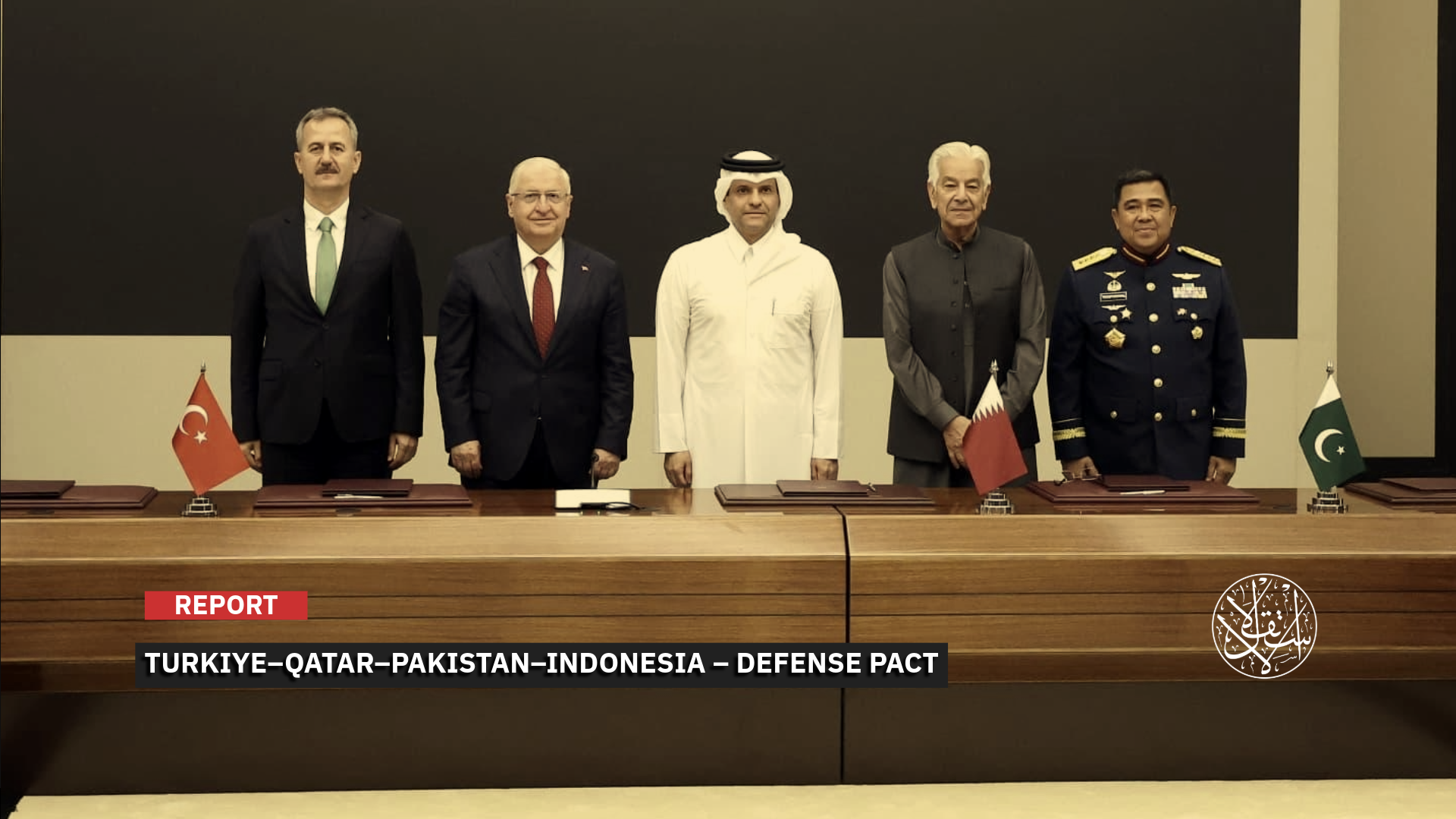
"The agreement was signed by the four countries’ defense ministries, with the participation of defense production agencies in Ankara and Islamabad."
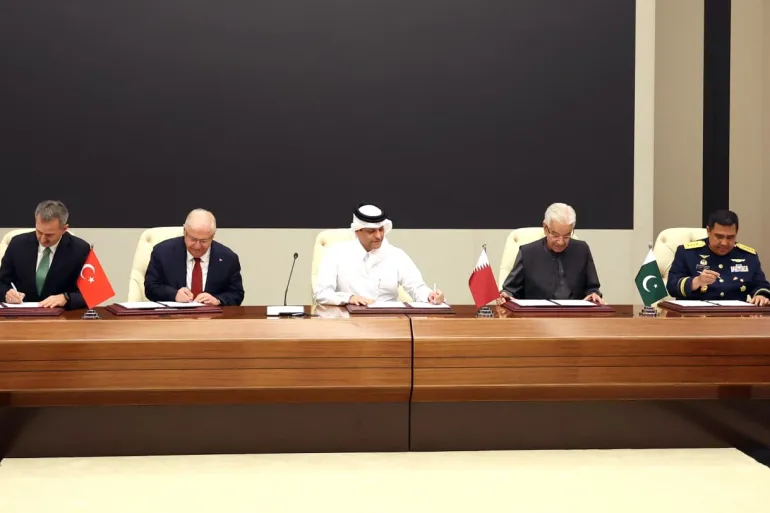
Turkiye, Qatar, Indonesia, and Pakistan have placed arms production at the heart of a new partnership by signing ‘the Badr Memorandum of Understanding’ in Doha on Wednesday, 21 October 2026, in a move aimed at expanding their ability to meet their actual military needs.
The agreement was signed by the four countries’ defense ministries, with the participation of defense production institutions in Ankara and Islamabad, giving the cooperation an intertwined governmental and industrial dimension.
The initiative gives Qatar a role in a framework that extends beyond its bilateral relationships and puts the participating countries’ existing understandings to the test of coordination within a single structure.
The official announcement also outlined economic goals alongside military objectives, linking capability development to the interests of allied and friendly countries.
As responsibility for implementing the initiative shifts to the relevant institutions, understanding what each partner can contribute and what it hopes to gain will be key to assessing the partnership’s likely direction over the coming years.
What brings the four countries’ capabilities together? How can they build on their previous experience? What impact will the memorandum have on their relationships with arms suppliers? What conditions will determine whether the partnership delivers measurable gains?
Funding Meets Technology
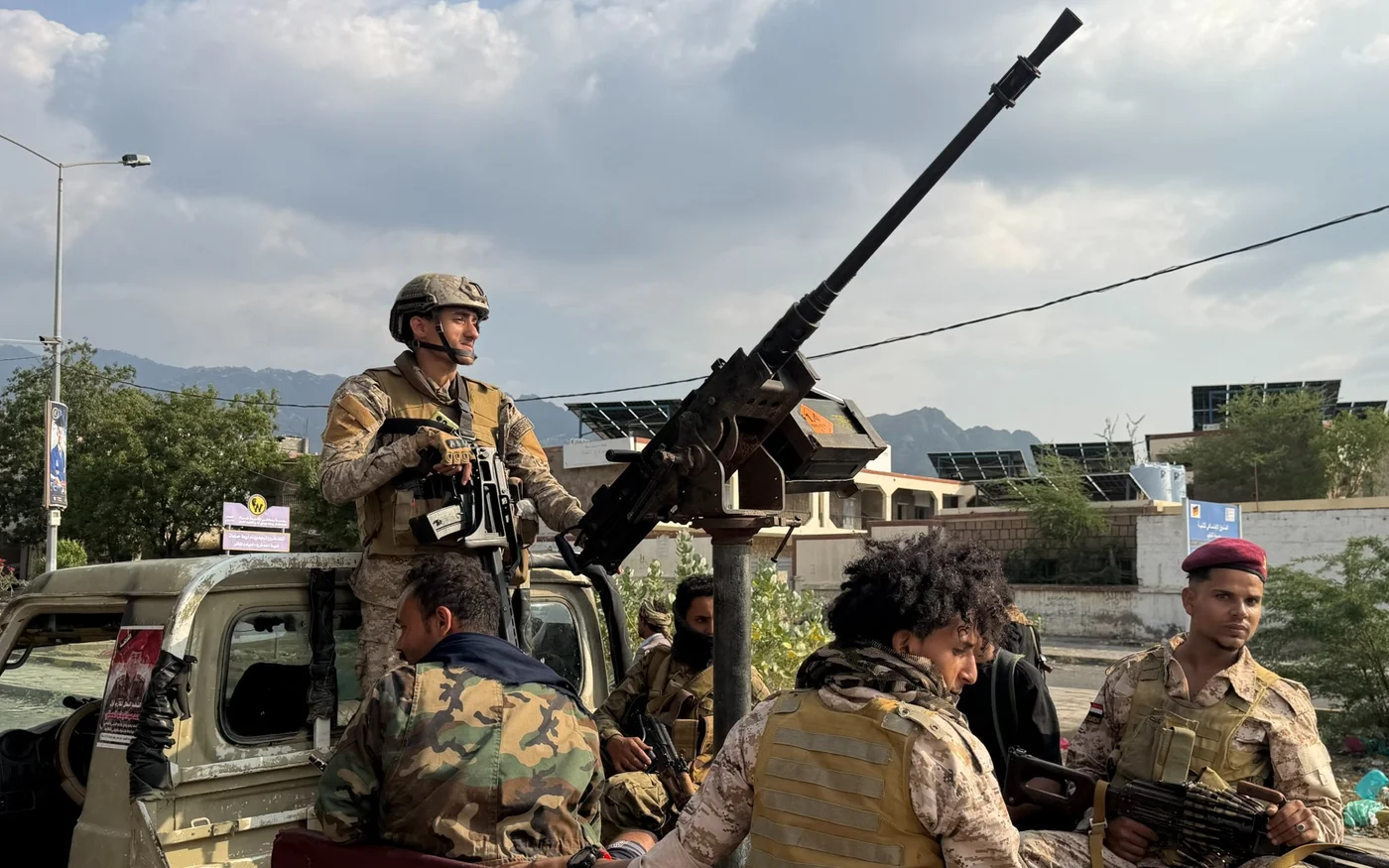
The memorandum’s significance begins with the differences in capabilities each country brings to the new four-way partnership.
Turkiye has expertise in systems engineering, design, and integration, supported by a defense industry whose exports have expanded in recent years.
According to the Stockholm International Peace Research Institute (SIPRI), Turkiye’s exports of major arms increased by 122 percent between the 2016–2020 and 2021–2025 periods, making it the world’s 11th-largest arms exporter.
Turkiye’s defense and aerospace exports exceeded $10 billion in 2025, up 48 percent from the previous year. This is a separate financial measure from the country’s global ranking in major arms exports.
Qatar brings investment capacity and demand for military equipment, while Pakistan and Indonesia offer manufacturing bases, skilled workforces, and large domestic markets.
Arda Mevlutoglu, a Turkish defense industry analyst and managing director of Mergen Analytical Strategies, believes that combining these strengths could establish integrated supply chains across which equipment development, production, and support could be distributed.
Economically, this model would allow research costs to be shared among several partners and provide a longer-term demand outlook that encourages companies to invest in production lines.
A factory serving several militaries has greater potential to expand its orders than one dependent on a single customer.
Importing countries could also keep part of their spending within their own economies through jobs and contracts awarded to local companies.
Albert Vidal, a researcher at the International Institute for Strategic Studies (IISS), notes that localizing some production activities in Pakistan and Indonesia could lower costs for Turkish companies, while Qatar’s resources would give the project greater financial depth.
The expected benefits, therefore, will depend not simply on how many weapons the countries exchange, but on how much value each national industry contributes to the final product and whether the partners can use their combined demand to build sustainable economic activity.
Partnership Roots in Factories
These calculations draw on existing projects that provide a practical track record on which the partnership can build.
In Qatar, cooperation with Ankara has extended beyond the acquisition of Bayraktar TB2 drones, armored vehicles, and attack boats to the establishment of Barq, a joint venture between Barzan Holdings and Aselsan.
The company assembles, produces, and calibrates SARP remote-controlled weapon stations and electro-optical systems, linking military procurement to the development of technical skills within Qatar.
Qatar’s network of industrial partnerships also includes Turkish companies STM and MKE, broadening the industrial ties between the two countries’ defense institutions.
In Pakistan, the Babur-class corvette program, part of the MILGEM project, offers a different model for distributing work.
The program involves building four ships, two in Istanbul and two in Karachi, with ASFAT serving as the main contractor.
The cooperation has included upgrading Karachi’s shipyard production infrastructure and equipping its workforce with expertise in ship engineering and outfitting. These benefits extend to the facility and its employees beyond the completion of the order.
Indonesia, meanwhile, has developed the Kaplan MT medium tank, known locally as Harimau, in cooperation with Turkiye through Turkish company FNSS and Indonesia’s PT Pindad.
The project’s arrangements have enabled Indonesian manufacturing to continue beyond the initial prototypes and batches produced on the Turkish side.
Together, the three examples illustrate different paths: electronics in Doha, shipbuilding in Karachi, and armored vehicle development in Indonesia.
These projects predate the Badr memorandum and are not achievements resulting from it, but they demonstrate that the participating countries already have experience managing bilateral industrial partnerships.
Burcu Ozcelik, a Turkish researcher at the Royal United Services Institute (RUSI), argues that bringing separate agreements under a more organized framework could help the partners avoid starting negotiations from scratch each time and coordinate activities that have so far been spread across individual projects.
Reducing Dependence on Arms Suppliers
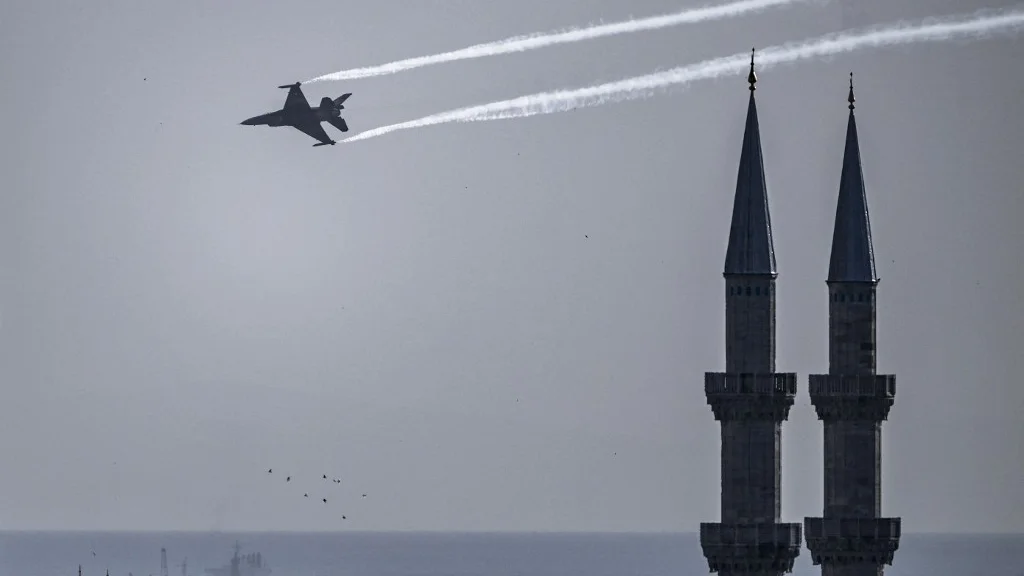
According to the Middle East Eye, reorganizing these relationships has become more urgent because of the surrounding security environment.
The U.S.-Israeli War on Iran and Houthi attacks on Saudi Arabia have underscored the costs of exposing critical infrastructure and airports to sustained threats, as well as the heavy ammunition consumption and urgent replenishment needs that come with prolonged conflicts.
The absence of a tangible peace agreement between Washington and Tehran makes it harder to estimate how long this pressure will last, leaving governments facing urgent and growing needs that cannot be met by counting on a near-term diplomatic breakthrough.
Experts link these pressures to efforts to diversify partnerships, particularly amid reports of shortages of certain U.S. weapons and disruptions to supplies.
When a crisis erupts, a country’s ability to obtain spare parts, maintenance, and upgrades becomes part of its military readiness. Its options may narrow when these services depend on decisions made by a single external supplier.
The issue extends beyond delivery schedules to restrictions on the use and re-export of technology, making arms security closely tied to political relations with suppliers.
Broader domestic expertise can help countries address some equipment failures and meet recurring needs, reducing potential bottlenecks that could disrupt the operation of military systems.
However, this approach does not in itself signal an intention to abandon Washington.
Mevlutoglu rules out the prospect of Qatar relinquishing its strategic relationship with the United States while arguing that Turkiye is seeking technological independence within NATO.
Under this approach, existing relationships would remain in place, with additional alternatives giving governments greater flexibility in responding to crises.
The security objective is to reduce the impact of a disruption to any single supply channel and expand the options available to armed forces, without assuming that their existing systems can be replaced quickly.
The extent of dependence on foreign suppliers will continue to hinge on which components each country can manufacture domestically and which it must still obtain from abroad.
Diversifying these options could also reshape relations among the participating countries. The memorandum links the Gulf with Turkiye, South Asia, and Southeast Asia, giving Indonesia a place in industrial cooperation shaped by security considerations extending beyond its immediate region.
Bader Mousa al-Saif, a professor at Kuwait University and an associate fellow at Chatham House, sees the initiative as reflecting a growing Gulf shift toward the Global South and Muslim-majority countries.
Contracts Will Determine the Partnership’s Value
These capabilities will face their decisive test when the first projects are selected, and management arrangements are established.
According to information reported by Anadolu Agency, citing informed sources, the memorandum provides for an executive council to identify joint projects and a strategic council to approve them and set their timelines.
These arrangements establish a decision-making process, while Haluk Gorgun, head of Turkiye’s Defense Industries Presidency, links the partnership’s value to knowledge sharing and the development of human resources and industrial infrastructure in the participating countries.
However, the available announcements have yet to specify funding packages, new programs, companies’ respective shares, or delivery schedules. These are the details that will determine whether the partnership moves from commitments to implementation.
This will require budgets covering the various stages of development and guarantees of sustained funding even when governments change or spending priorities shift, particularly for programs that take years to reach the market.
The first practical question concerns ownership of designs and the limits on how they can be used. Will a partner receive assembly rights only, or will it have the capacity to modify a product and develop subsequent generations?
Next comes the allocation of manufacturing sites and responsibilities, along with mechanisms for resolving disputes and addressing delays, ensuring that the parties’ rights are protected and that an entire program does not grind to a halt if one contractor encounters difficulties.
Marketing any jointly developed product will also require agreement on export destinations, licensing terms, revenue sharing, and support obligations to buyers.
Differences in military standards and armed forces’ requirements may necessitate additional work before a common design can be approved, affecting both costs and the time needed to bring it to market.
This is why the participation of specialized defense production institutions matters beyond their presence at the signing ceremony: they are responsible for translating broad understandings into specifications and clearly defined, accountable responsibilities.
The first signs of success will be announced contracts, clearly defined levels of local participation, and products that pass acceptance tests, followed by the partners’ ability to fulfill their commitments after delivery. Only then will it be possible to measure what Badr has added to their actual capabilities.
Sources
- Turkey, Qatar, Pakistan and Indonesia forge ‘Badr’ deal to jointly produce weapons
- How Qatar, Turkiye, Pakistan and Indonesia are deepening defence ties
- Turkiye, Qatar, Pakistan and Indonesia to sign defence industry deal
- Turkiye, Qatar, Pakistan, and Indonesia move toward a multilateral partnership in defense manufacturing [Arabic]