Days Before the Election: Why Trump Wants Netanyahu To Stay in Power
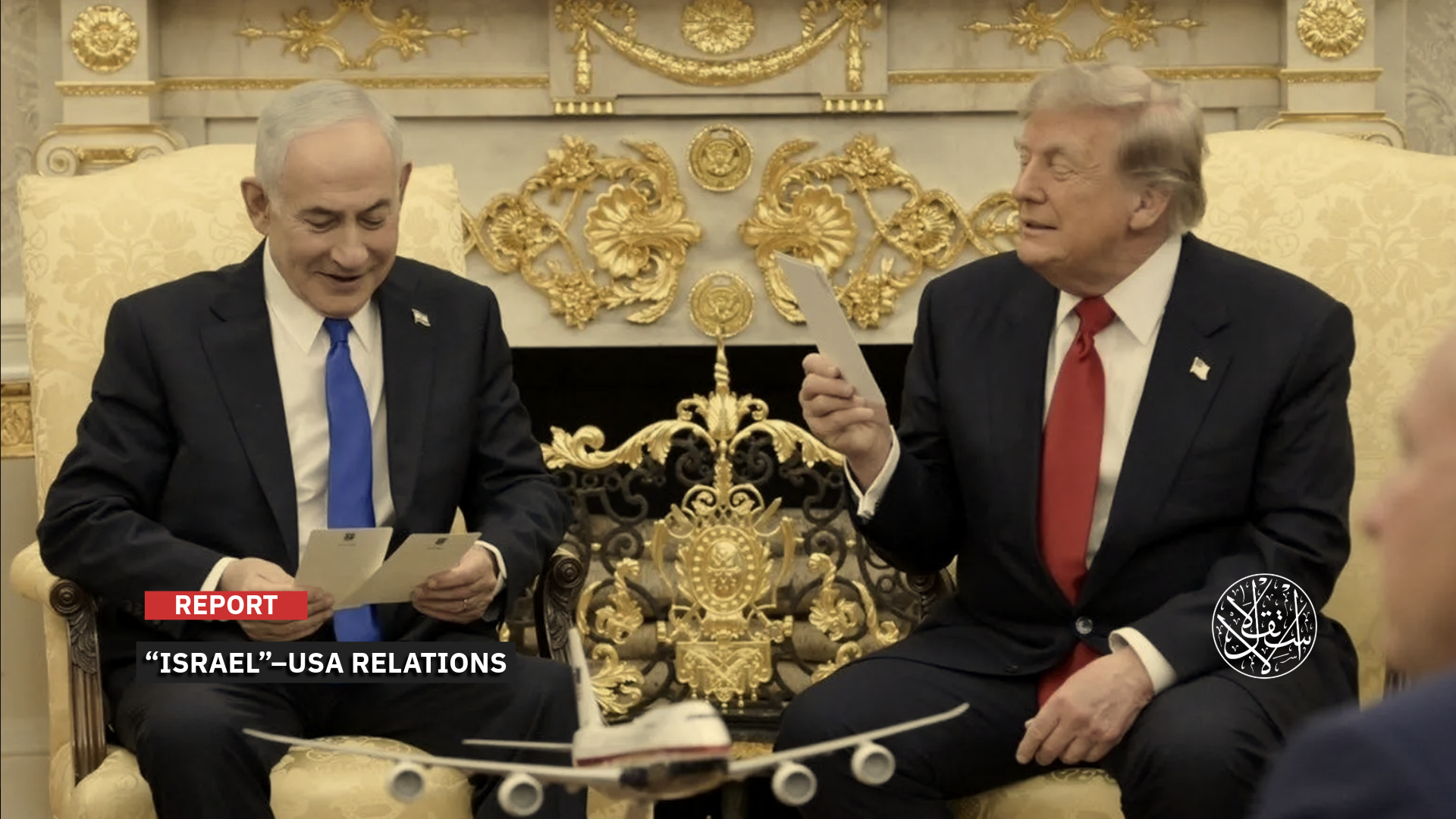
“Trump described Netanyahu as ‘a great wartime prime minister.’”
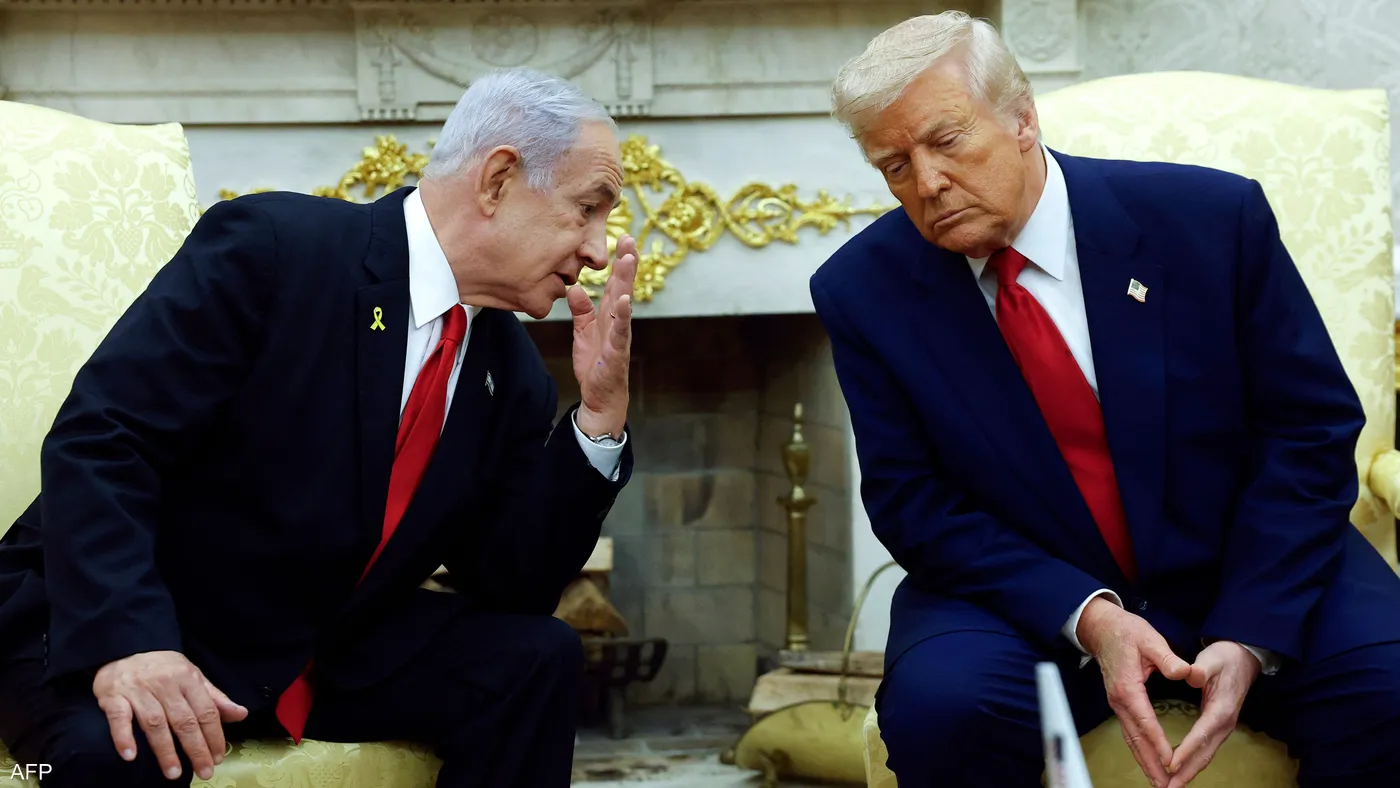
Nine days before the Israeli election, U.S. President Donald Trump announced his support for Israeli Prime Minister Benjamin Netanyahu, while Vice President JD Vance refrained from endorsing him, a divergence that raises questions about Washington’s calculations regarding the future of government in Tel Aviv.
Trump’s intervention came after months of avoiding an explicit endorsement of Netanyahu, amid disagreements over Iran and Gaza, and at a time when some of his advisers favored the formation of a new Israeli government, as the U.S. midterm elections approached.
Amid mixed polling results and difficulties facing the opposition in forming an alternative coalition, questions are emerging about the motives behind Trump’s support for Netanyahu, his ability to improve Netanyahu’s chances of remaining in power, and the future of relations with Washington if Netanyahu loses the election.
What Are Washington’s Calculations?
On October 18, Trump announced his full and total endorsement of Netanyahu’s reelection, describing him as a great wartime prime minister and a key partner for Washington in confronting Iran.
He warned that electing another leader could force the United States to take on the task of confronting Tehran itself, an option he said he did not want.
In an interview with the U.S. news website Axios on the day of the announcement, Trump said he had intended to endorse Netanyahu from the outset but had deliberately delayed the move.
He explained that he had a good relationship with Netanyahu and expected their cooperation to continue if he were reelected.
When asked whether he could work with another Israeli leader, Trump replied that he might do so or might not, questioning the wisdom of taking a risk by changing the current partner.
Axios described the move as the first public and explicit endorsement by a US president of a candidate in an Israeli election, noting that it came after months in which Trump had refrained from backing Netanyahu because of disagreements over Iran and Gaza.
The report revealed that, in private conversations, the U.S. president had held Netanyahu responsible for security failures preceding the October 7, 2023, attack and had expressed dissatisfaction with the impact of his policies on “Israel’s” international standing.
Some of Trump’s advisers, meanwhile, believed his Middle East agenda could make greater progress under a new Israeli government.
Iran is at the forefront of the reasons behind Trump’s endorsement. The United States and Israel have been engaged in a joint military confrontation with Tehran since February 2026, disrupting energy markets and trade through the Strait of Hormuz and increasing the economic and political costs of the war for the U.S. administration.
With negotiations stalled and mutual threats continuing, Trump is counting on cooperation with a partner alongside whom he has previously conducted military operations, particularly as the possibility of renewed confrontation remains on the table.
Disagreements over the timing of escalation, however, reveal the limits of the understanding between the two men.
Axios reported on October 13 that Trump and Netanyahu had discussed the possibility of launching a major military operation against Iran before the Israeli and U.S. elections.
Trump initially leaned toward approving the move before deciding that it would be preferable to postpone it until after the elections.
On October 21, the British newspaper The Financial Times, citing three people familiar with the discussions, reported that Netanyahu had pushed for a large-scale attack on Iran over the weekend of October 10, targeting nuclear facilities, regime-linked sites and energy infrastructure.
According to the newspaper, Trump opposed resuming hostilities before the U.S. midterm elections scheduled for November 3, 2026.
On the same day, the Israeli newspaper The Jerusalem Post quoted security sources denying that a fully developed operational plan for an attack at that time existed.
The sources stressed that the Israeli military command had received no orders to prepare for such an operation, amid consultations between Washington and Tel Aviv over the possibility of renewed confrontation with Iran.
U.S. Secretary of War Pete Hegseth’s visit to “Israel” on October 19 further underscored the importance of this issue. He met Netanyahu at Ovda Air Base in southern “Israel”, which hosts U.S. fighter jets and aerial refueling aircraft.
According to Axios, the unannounced visit took place eight days before the election, amid consultations over the possible resumption of major military operations against Iran.
The Israeli side said the meeting focused on offensive and defensive cooperation in the face of regional threats.
Aaron David Miller, a former U.S. negotiator and a scholar at the Carnegie Endowment for International Peace, suggested on October 18 that Trump may have held back his endorsement to strengthen his leverage over Netanyahu on Iran, Gaza and Lebanon before deploying it in the final phase of the election campaign.
These calculations are closely linked to the domestic political situation in the United States. The Republican Party is heading into the midterm elections under pressure from rising fuel prices, declining approval ratings for Trump and the economic repercussions of the war with Iran.
On October 20, the British news agency Reuters quoted Iranian officials and a source familiar with the matter as saying that Tehran was deliberately prolonging negotiations with Washington, believing that the continuation of the crisis would weaken the U.S. president and his party ahead of the vote.
In Gaza, the Trump administration is seeking to implement its plan to disarm Hamas, the Islamic Resistance Movement, rebuild the territory and establish arrangements for the post-war period.
These efforts are affected by Netanyahu’s positions and those of his right-wing coalition partners, particularly factions opposed to any political concessions to the Palestinians.
A similar challenge faces Washington’s efforts to expand normalization agreements. On May 25, 2026, Trump linked the expansion of the Abraham Accords to regional arrangements that would include reaching an agreement with Iran.
Meanwhile, Saudi Arabia continues to condition normalization with Israel on a pathway toward establishing a Palestinian state, a demand Netanyahu opposes.
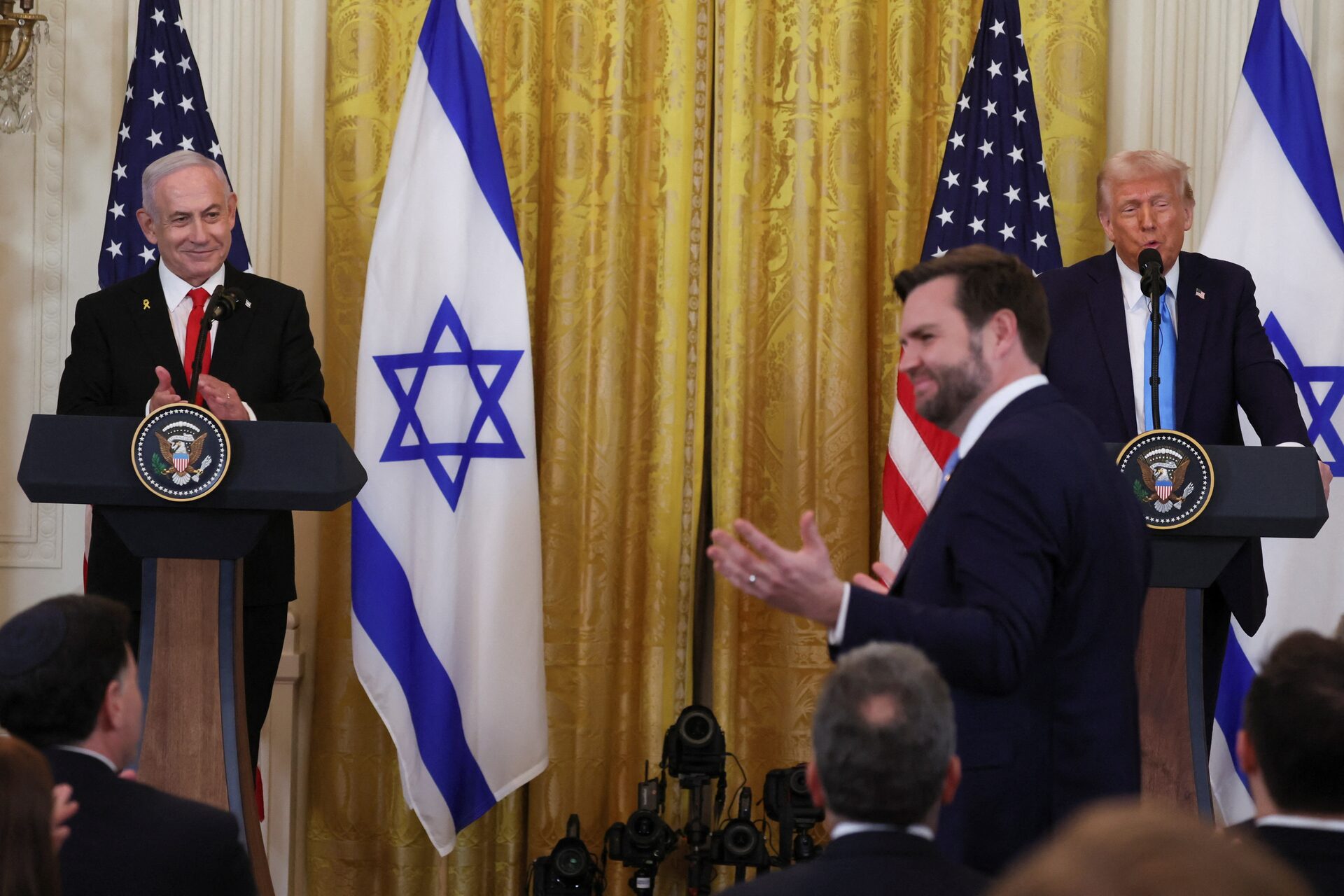
In contrast to Trump’s endorsement, Vance praised the influence of presidential endorsements on October 19 but said his focus was on supporting American candidates in the midterm elections and that he would not intervene in the Israeli election. He avoided endorsing or opposing Netanyahu.
Vance’s restraint carries additional significance given his previous involvement in elections outside the U.S.
In the spring of 2026, he participated in efforts to support former Hungarian Prime Minister Viktor Orban before Orban’s party lost the parliamentary election.
Vance’s previous statements also point to recurring reservations about Israeli policy toward Iran. In June, he criticized Israeli officials who opposed Trump’s efforts to end the war.
In July, he accused elements within the Israeli government of attempting to influence American public opinion to undermine negotiations and prolong the confrontation.
According to a report published by the U.S. news agency Associated Press on October 19, Vance’s position comes amid divisions within the Republican Party over relations with “Israel”.
It also comes as the vice president faces criticism from pro-Israel Republican figures over his positions and his ties to prominent conservative voices, including media personality Tucker Carlson, who is known for opposing U.S. military interventions abroad.
Vance’s reservations are also linked to his position within the America First movement, which prioritizes U.S. interests and seeks to avoid open-ended foreign military commitments, at a time when the war with Iran and its economic costs have become important issues in the congressional elections.
His decision not to endorse Netanyahu, while refraining from criticizing Trump’s decision, reflects a distinction in their respective positions on the Israeli prime minister and the extent of U.S. commitment to his military policies, without providing confirmed evidence of a direct disagreement between the president and his vice president.
Can Trump Save Netanyahu?
Trump’s endorsement gave Netanyahu an opportunity to redirect his campaign toward relations with Washington and the confrontation with Iran, two issues he seeks to use to underscore his security credentials and direct ties to the U.S. president.
He is doing so in the face of criticism over the October 7 failures and disagreements over the conscription of ultra-Orthodox Jews and judicial reforms.
Within minutes of the endorsement announcement, Netanyahu’s campaign team published a campaign video featuring previous statements of praise for him by the U.S. president.
Aviv Bushinsky, a former adviser to Netanyahu, told the Jewish Telegraphic Agency that the move would allow the Israeli prime minister to steer the election debate back toward Iran and present himself as the leader capable of continuing the confrontation in cooperation with Washington. However, Bushinsky expected the endorsement to yield only a potential gain of one additional seat.
Ilana Shpaizman, a lecturer in political studies at Israel’s Bar-Ilan University, likewise argued that the endorsement would have a limited impact on voter preferences.
Netanyahu’s supporters already know the nature of his relationship with Trump, while his opponents hold the U.S. president responsible for pressuring the Israeli government over Gaza and Iran.
Tamar Hermann, director of the Viterbi Family Center for Public Opinion and Policy Research at the Israel Democracy Institute, estimated that the announcement came after most voters had settled on their electoral choices, reducing the likelihood of votes shifting between political camps.
According to the Israeli Society Index published by the Jewish People Policy Institute on October 14, 69 percent of Israelis consider Trump the most “pro-Israel” U.S. president, with the figure rising to 94 percent among right-wing voters.
However, the index showed a decline in the proportion of Israelis who expressed a high degree of confidence in his decisions concerning U.S.-Israeli relations, from 34 percent in March to 10 percent in August 2026.
This reveals a gap between his image as an ally of “Israel” and public confidence in his political decisions.
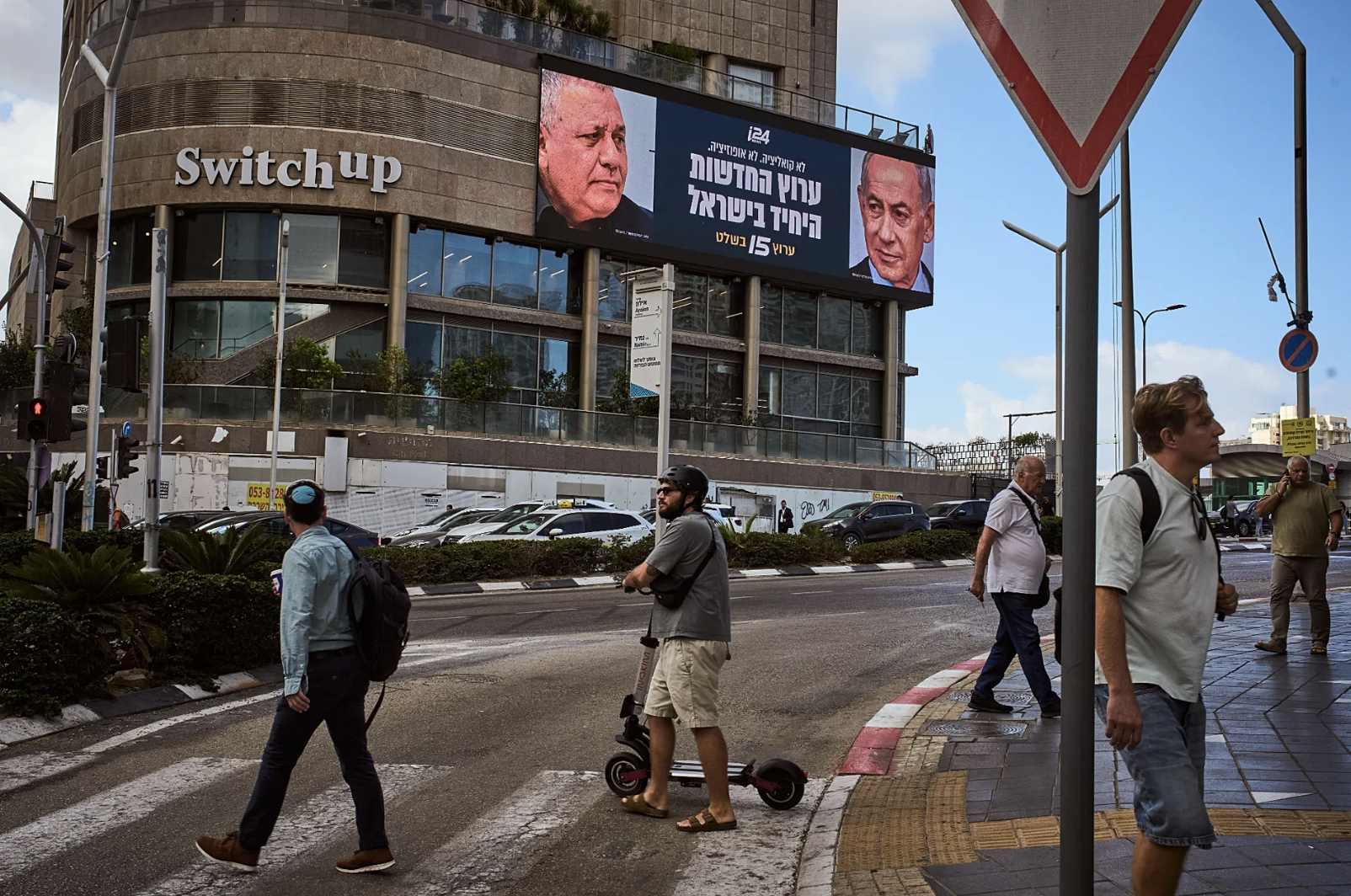
In Channel 12’s first poll following Trump’s announcement, the Yashar party, led by Gadi Eisenkot, the former chief of staff of the Israeli military, secured 24 seats, compared with 21 for Netanyahu’s Likud and 14 for the Yahad party, led by former prime ministers Naftali Bennett and Yair Lapid.
The poll allocated 55 seats to Jewish parties opposed to Netanyahu, compared with 51 for his camp, while the two Arab lists, the Joint List and the United Arab List, secured 14 seats.
Eisenkot also led Netanyahu when respondents were asked who would be best suited to serve as prime minister, with 45 percent choosing Eisenkot and 33 percent Netanyahu.
Meanwhile, 81 percent of opposition supporters said they intended to vote, compared with 74 percent of supporters of Netanyahu’s camp, according to results published by The Times of Israel on October 19.
A poll conducted by the Israeli news website Walla on October 20 was more unfavorable to Netanyahu, giving Likud 19 seats, compared with 23 for Eisenkot’s party and 14 for the Bennett-Lapid alliance.
The incumbent prime minister’s camp secured 48 seats, compared with 54 for the non-Arab opposition, while the two Arab parties received 14 seats.
The Reserve and Economy list, led by politician Yoaz Hendel and economist Yaron Zelekha, received four seats. The list is not directly aligned with either of the two main camps.
By contrast, an October 20 poll by “Israel’s” i24NEWS channel gave Likud 26 seats, compared with 20 for Eisenkot’s party, bringing Netanyahu’s camp to 58 seats.
On the same day, a poll by Israel’s Channel 14 gave Likud 30 seats and Eisenkot’s party 20, putting Netanyahu’s camp at 62 seats, a majority sufficient to form a government.
The discrepancies between the polls reveal a wide divergence in estimates of the relative strength of the electoral camps.
Moreover, because the polls were conducted shortly after Trump’s announcement and coincided with former military chief and defense minister Benny Gantz’s withdrawal from the race on October 19, it is difficult to measure the impact of the U.S. endorsement independently of other developments.
As the election approaches, opinion polls suggest that Likud voters are more firmly committed to their choices than their counterparts in opposition parties.
The Walla poll found that 68 percent of Likud voters were completely certain of their choice, compared with 40 percent of Eisenkot’s voters and 23 percent of Bennett’s voters.
This could give Netanyahu’s camp a potential advantage in retaining its electoral base, despite the opposition’s lead in some polls.
These calculations also intersect with the prospects of smaller parties hovering near the electoral threshold of 3.25 percent, including Amkha Yisrael, led by former Israeli military officer Ofer Winter.
The Walla poll put the party at 2.9 percent of the vote, while the i24NEWS poll gave it approximately 3.1 percent, both below the threshold required to enter the Knesset.
If small right-wing lists fail to cross the threshold, votes that might otherwise strengthen Netanyahu’s camp could be lost.
The participation of Palestinian citizens of “Israel” is similarly important, with electoral studies estimating that turnout among them could rise to approximately 63 percent, compared with around 56 percent in the 2022 election.
Several polls give the Arab lists approximately 14 seats, making their positions potentially influential in efforts to form a government or prevent Netanyahu from securing a parliamentary majority.
However, Eisenkot has ruled out forming a governing coalition with Arab parties. Ahmad Tibi, one of the leaders of the Joint List, has indicated that his list would be willing to support an anti-Netanyahu government from outside the governing coalition, while Mansour Abbas, head of the United Arab List, has left the door open to negotiations after the election.
These positions leave the opposition facing difficulties in securing a majority of 61 lawmakers. Netanyahu is seeking to exploit this challenge by portraying a potential Eisenkot-led government as dependent on support from Arab parties.
Netanyahu could benefit if his opponents fail to form an alternative coalition, allowing him to remain head of a caretaker government, with the possibility of another election if the political deadlock continues.
David Makovsky, director of the Arab-Israel Relations Program at the Washington Institute for Near East Policy, argued in a post on X that Trump’s endorsement broke with a longstanding American tradition of avoiding direct intervention in Israeli elections.
Trump went further, Makovsky noted, by linking cooperation on Iran to the identity of “Israel’s” next prime minister.
However, Makovsky emphasized that Netanyahu’s real test would be securing a majority of 61 seats, noting that the prime minister was focused on preventing Eisenkot from forming a government.
What Comes After the Elections?
The future of relations with Washington if Netanyahu loses the election will depend on his rivals’ positions on Iran, Gaza, and regional normalization.
In an interview with Israeli military radio on October 13, Gadi Eisenkot said he saw no critical development that would justify an immediate joint U.S.-Israeli strike against Tehran.
He argued that the resumption of military operations should be contingent on Iran moving toward acquiring a nuclear weapon.
He also questioned whether the Iranian regime could be toppled through foreign military force, accused Netanyahu of failing to achieve the war’s objectives, and cast doubt on his suitability to lead another military operation.
In Gaza, Eisenkot pledged during an election speech near the territory’s border on October 15 to end Hamas’s rule within 18 months of taking office as prime minister and destroy its military wing, either by implementing Trump’s plan to disarm and rebuild the territory or through military force.
In an analysis published on October 19, The Jerusalem Post suggested that Eisenkot might be more willing to implement Trump’s plan gradually.
This could include assigning administrative and security responsibilities to figures affiliated with the Palestinian Authority, involving international forces, and permitting partial reconstruction in exchange for steps toward disarmament.
Netanyahu, by contrast, has tied the reconstruction of Gaza to the complete disarmament of Hamas. This difference could affect Washington’s ability to implement its plan in the next phase.
Naftali Bennett, meanwhile, has advocated a tougher policy toward Iran at a political conference organized by his party. His approach involves holding Tehran directly responsible for attacks by its regional allies, including Lebanon’s Hezbollah, and calling for strikes on Iranian territory in retaliation.
Bennett also pledged on August 19, 2026, to maintain “Israel’s” freedom of military action in Gaza and rejected giving Qatar or Turkiye a role in post-war arrangements.
Lapid, by contrast, has made rebuilding relations with both the Republican and Democratic parties in the United States a foreign policy priority, alongside restoring ties with the European Union and expanding regional normalization. These priorities could give Washington greater room to negotiate on certain political issues.
However, the U.S. president’s efforts to expand normalization, particularly with Saudi Arabia, face obstacles that could persist under any new Israeli government.
Yoel Guzansky, head of the Gulf Program at Israel’s Institute for National Security Studies, told the U.S.-based outlet The Media Line on October 21 that security contacts between Riyadh and Tel Aviv face constraints stemming from Saudi public opposition to overt normalization.
Riyadh also insists on a credible pathway toward establishing a Palestinian state, while Eisenkot and Bennett oppose Palestinian statehood. This complicates the prospects of reaching an agreement even if Netanyahu leaves office.
On the Palestinian Cause, Israeli parties share opposition to Palestinian statehood and support for continued settlement expansion, while competing to adopt tougher positions toward the Palestinians.
An opposition-led government would likely seek to improve “Israel’s” international image by curbing some settler attacks or reducing announcements of settlement expansion.
Joost Hiltermann, a researcher at the International Crisis Group, warned that escalating settler violence and the absence of a political horizon increase the likelihood of a broader confrontation in the West Bank.
In this context, Michael Young, a researcher at the Carnegie Middle East Center, argued that Israel’s security establishment and most of its political class share a strategic outlook centered on confronting Iran, maintaining forward defensive positions and strengthening military deterrence. This convergence narrows the scope for fundamental policy changes after the election.
Young warned that the confrontation with Iran could continue for an extended period, estimating that Tehran was counting on its ability to withstand U.S. and Israeli pressure.
Between Trump’s bet on continuing his partnership with Netanyahu and Vance’s reluctance to endorse the Israeli prime minister, the formation of a governing coalition remains the decisive factor after the election.
The results could give the incumbent prime minister a chance to remain in office despite his rivals’ advances, or force Washington to recalibrate its relationship with a new Israeli leadership.
Sources
- Trump tells Axios why he endorsed Netanyahu's reelection
- Inside Trump, Netanyahu's dilemma: Strike Iran before elections or wait
- Netanyahu made plans to restart Iran strikes earlier this month
- Scoop: Hegseth meets Netanyahu on unannounced Israel visit
- JD Vance declines to endorse Netanyahu for reelection, says he’s focusing on midterms
- Iran prolongs talks in stalemate to influence US midterms, officials say
- How much will Trump’s endorsement help Netanyahu?
- JPPI Israeli Society Index – October 2026: Security Becomes a More Decisive Factor in Elections
- Eisenkot says Netanyahu unfit to lead another Iran operation; aims to overtake Likud by ‘significant’ margin in election