Al-Azhar’s Call to End Yemen War: A Push for De-escalation or a Political Message Regarding Egyptian Intervention?
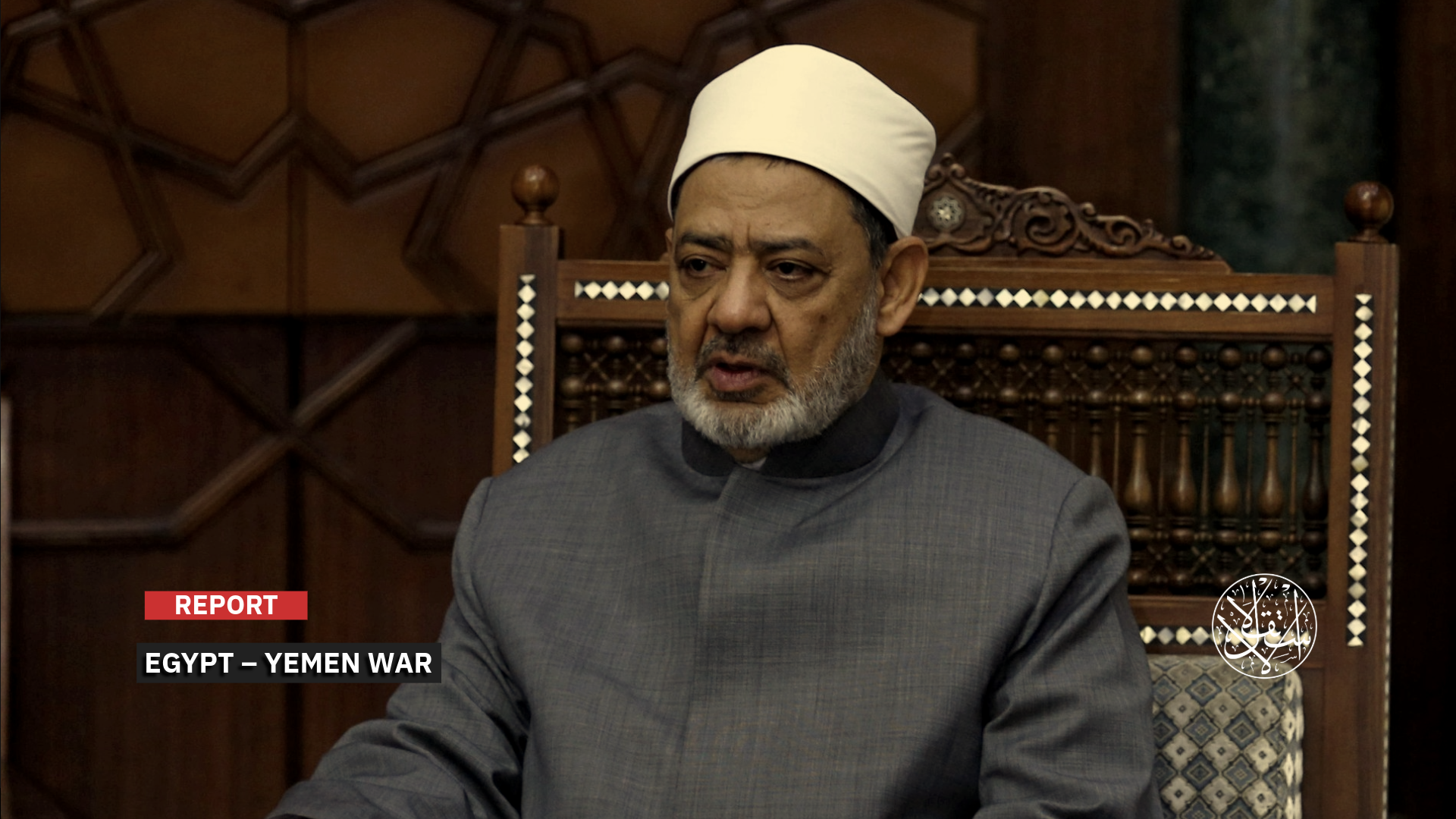
“The Grand Imam of Al-Azhar called for a comprehensive ceasefire and the immediate formation of a committee to mediate and ease tensions.”
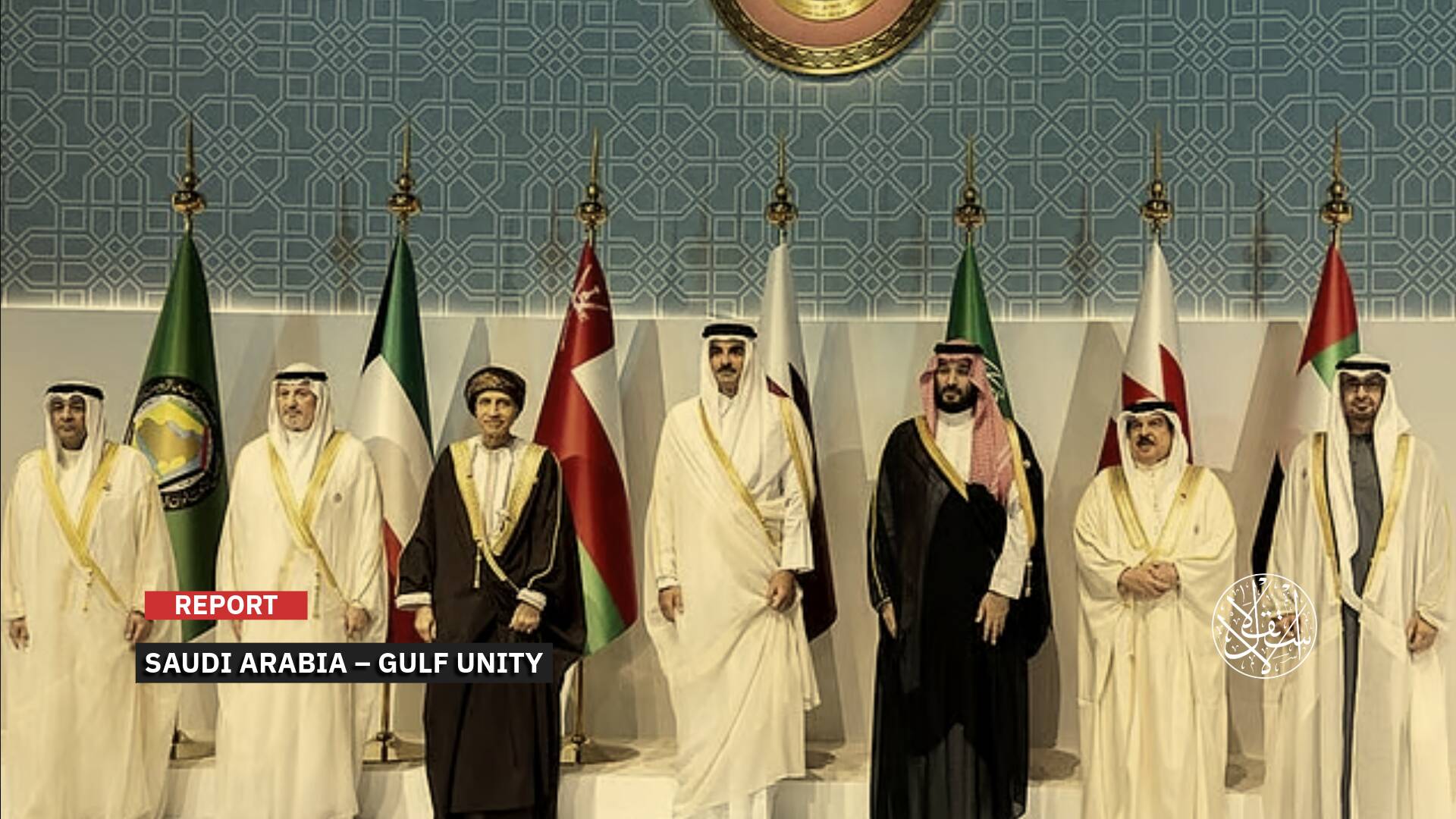
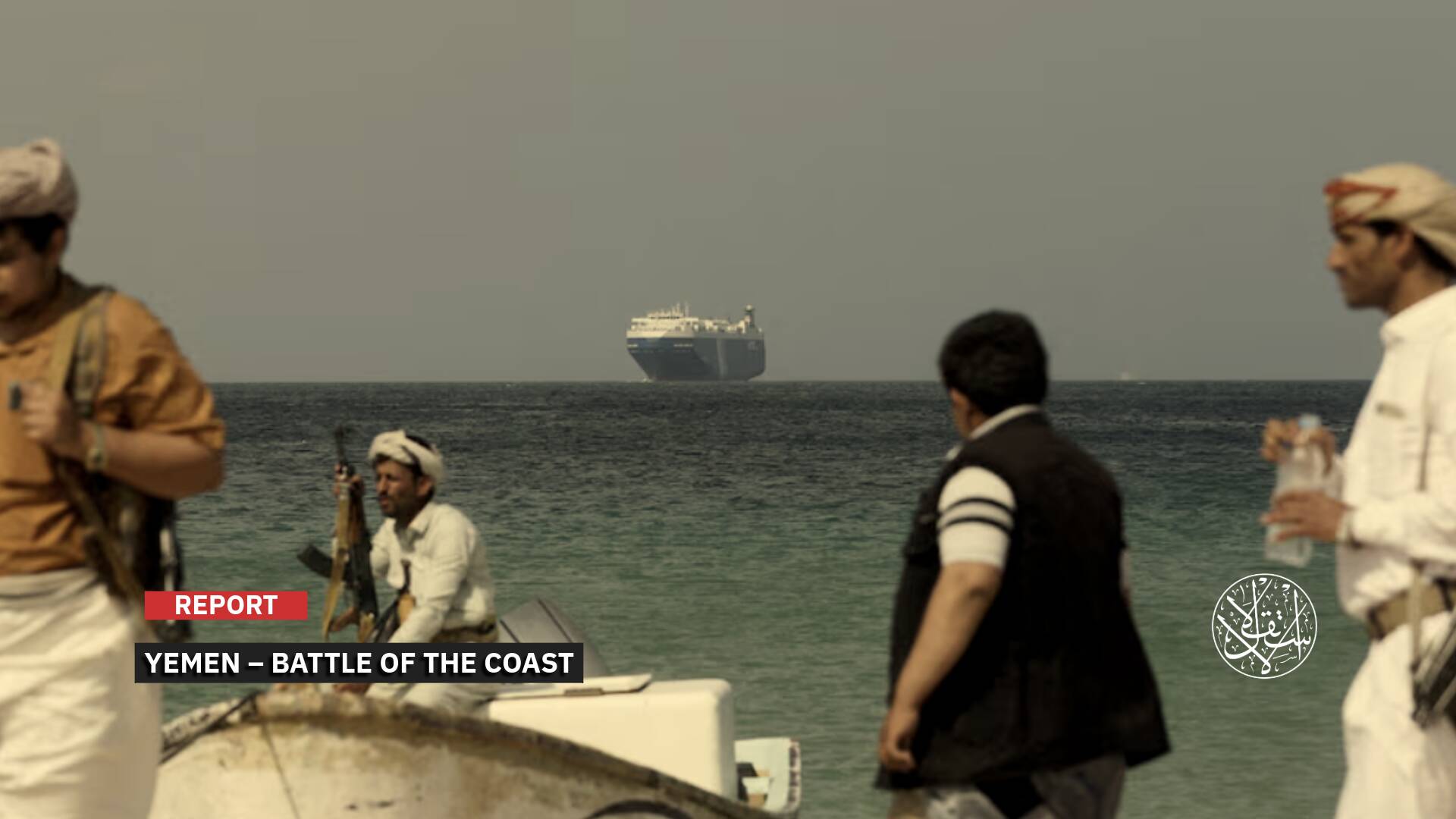
As the war between Saudi Arabia and the Houthis in Yemen widened, missile attacks hit strategic sites and airports, prompting Riyadh to call on countries around the world to support it.
Turkiye and Pakistan stepped in under what became known as the Mecca Defense Alliance, and Egypt later announced its readiness to support Saudi Arabia. Against this backdrop, Ahmed al-Tayeb, the Grand Imam of al-Azhar, issued a call to end the war on October 18, 2026.
Al-Tayeb called for a comprehensive ceasefire and the immediate formation of a committee to mediate and ease tensions. His appeal came as the Egyptian regime, led by Abdel Fattah el-Sisi, considered whether to move beyond political support for Saudi Arabia and provide direct military assistance if Riyadh requested it.
The timing raised questions about the political significance of al-Azhar’s intervention and why it had not issued a similar call earlier, before Cairo announced its readiness to provide military support to Riyadh.
Does the appeal reflect a shift in the religious institution’s assessment of the conflict, or has the prospect of Egypt’s military involvement created a new reality that prompted a parallel religious response?
Could the move also strain relations between al-Azhar and el-Sisi, especially as the call to end the war coincided with growing Egyptian opposition to military involvement in Yemen?
An Initiative to End the War or Just a Call for Peace?
Egyptian analysts say Al-Azhar’s appeal addresses wars and conflicts across the region more broadly and calls for forming an Arab and Islamic mediation committee.
Therefore, it appears to be a general appeal rather than an initiative specifically aimed at ending the war between Saudi Arabia and the Houthis, and may also serve as a warning against drawing Egypt into the conflict.
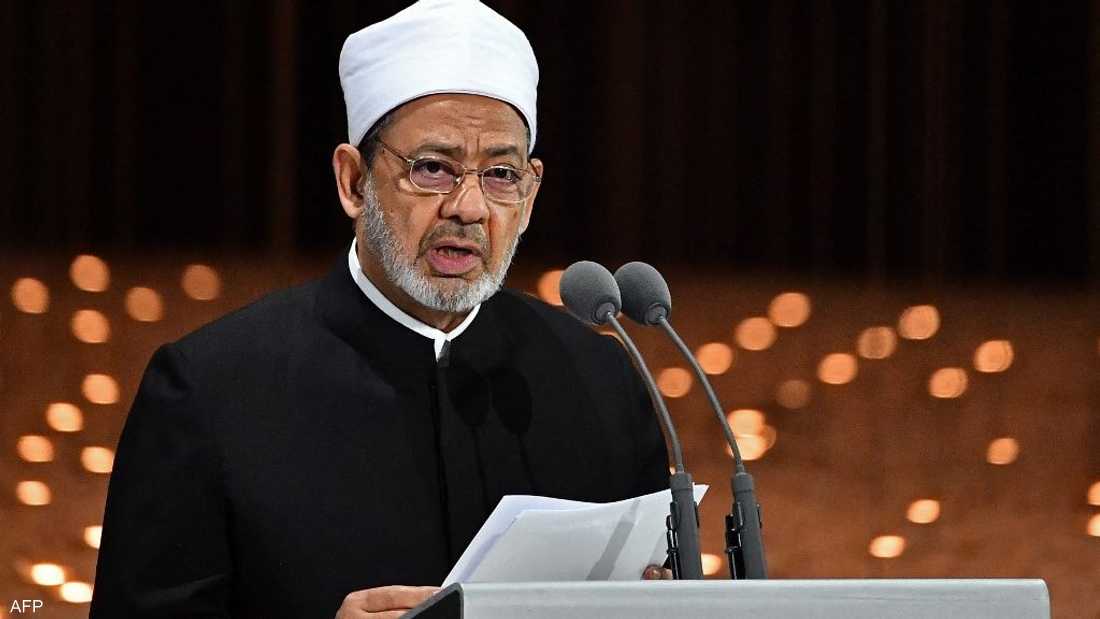
On October 18, 2026, the Grand Imam of Al-Azhar, Ahmed al-Tayeb, called for an immediate and comprehensive ceasefire and the urgent formation of a committee to mediate and ease tensions, as Cairo was weighing the possibility of providing direct military assistance to Saudi Arabia.
Notably, al-Azhar’s official statement did not name Saudi Arabia or the Houthis, nor did it single out the war in Yemen.
Instead, it called for a comprehensive halt to warfare, fighting, and destruction across the region and urged the formation of a committee tasked with defusing crises and bringing conflicting parties closer together.
However, the appeal came just one day after el-Sisi announced a request to convene an emergency session of parliament to consider authorizing him to take measures to provide military support to Saudi Arabia if the kingdom requested it.
The timing fueled speculation about the possibility of renewed tensions between the religious institution and the regime.
The coincidence raises another question: Is al-Azhar seeking to play a political role that challenges el-Sisi’s authority, given its past disagreements with his regime over both religious and secular matters, including reforming religious discourse and approaches to the Islamic heritage?
On October 17, el-Sisi requested an emergency parliamentary session to consider authorizing him to take measures to defend Saudi Arabia if the kingdom requested it, amid escalating Houthi attacks.
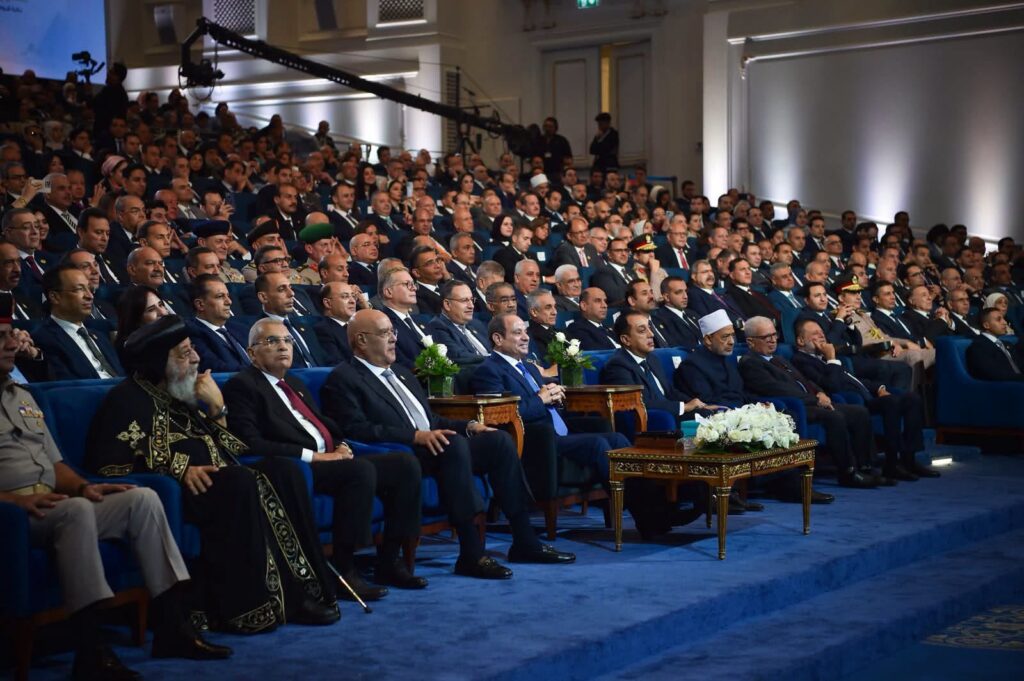
On the morning of October 18, Egypt’s National Defense Council convened and announced Cairo’s full support for Saudi Arabia, including the possibility of providing all necessary and possible forms of support.
At the same time, it stressed the need to continue political and diplomatic efforts to de-escalate tensions and reach peaceful solutions.
That evening, the Grand Imam of Al-Azhar called for an immediate and comprehensive end to wars, fighting, and destruction across the region.
He proposed forming an emergency committee of representatives from Arab and Islamic countries to mediate, ease tensions, and bring opposing sides closer together.
This sequence of events places al-Azhar’s appeal at a moment when Egypt’s debate had shifted from political solidarity with Saudi Arabia to considering the possibility of military support.
This raises questions about why al-Azhar chose this particular moment to intervene, even as the war in Yemen and its regional repercussions had persisted for years.
Did the growing prospect of Egyptian military involvement change the religious institution’s calculations or strengthen the case for pursuing mediation, particularly amid opposition among Egyptians to becoming embroiled in the war for fear of repeating Egypt’s intervention in Yemen in the 1960s?
Analysts viewed al-Azhar’s statement as a message to Egyptian public opinion and a way to gauge how willing Egyptians would be to support sending troops abroad, whether for defensive or offensive purposes.
The appeal does not necessarily mean that al-Azhar opposes Egyptian military intervention. The institution did not reject support for Saudi Arabia in its statement, directly address el-Sisi’s request for parliamentary authorization for military action, or call on Egypt to refrain from intervening.
Instead, al-Azhar called for an end to wars in general, as Egypt’s National Defense Council reaffirmed Cairo’s support for Saudi Arabia while stressing the need for continued diplomatic efforts to de-escalate tensions.
Egyptian analysts offered three possible explanations for the appeal.
First, it may have been a general call for de-escalation that coincided with Cairo’s announcement of support for Riyadh in its confrontation with the Houthis.
Second, it may have been a warning about the risk of the conflict widening, reflecting concerns that political support could evolve into deeper military involvement without constituting an official rejection of such action.
Third, al-Azhar may have issued the appeal as a broader religious statement that went beyond the Yemen crisis, reflecting its stated responsibility to address wars across the region.
Meanwhile, some Egyptian assessments suggested that el-Sisi himself may have prompted al-Azhar to issue the appeal.
Analysts speculated that the regime had asked the religious institution to call for an end to the war.
This interpretation rests on the assumption that el-Sisi, al-Azhar, and parliament are all mindful of Egyptian public opinion, which opposes becoming embroiled in the Yemen war.
Some Egyptians sympathize with Yemen and view Saudi Arabia as the aggressor in the conflict.
Those who support this interpretation see a link between al-Azhar’s appeal and el-Sisi’s request for parliamentary authorization, arguing that the Egyptian state favors a negotiated political settlement over military escalation.
Under this reading, al-Azhar proposed forming a mediation committee after Cairo announced its official position in support of Saudi Arabia in an effort to prevent Egypt from becoming directly involved in the war against the Houthis.
This interpretation is also supported by the National Defense Council’s emphasis on continuing political and diplomatic efforts to de-escalate tensions and reach peaceful solutions.
Why Now?
The timing of Egypt’s move to prepare for possible military intervention in the conflict, alongside al-Azhar’s call for an immediate end to the war, has raised questions about the religious institution’s stance and the limits of its role in containing Arab conflicts.
It has also prompted speculation about whether Cairo’s growing proximity to the front lines accelerated efforts to propose a path toward mediation.
The questions go beyond the substance of al-Azhar’s appeal to the timing of its intervention.
Is the institution seeking to contain an escalation that could widen the war and increase its costs for the region, or did it act in response to a new phase in which the prospect of Egyptian military involvement had become more serious?
Does al-Azhar have any real leverage over the parties to the war, or is its appeal merely a moral stance in the face of a conflict driven by national security calculations and regional alliances?
Article 152 of Egypt’s Constitution stipulates that declaring war or deploying the armed forces on a combat mission outside the country requires consultation with the National Defense Council and approval by a two-thirds majority of the House of Representatives.
El-Sisi has said Egypt would take any necessary measures to defend Saudi Arabia if asked to do so, without specifying what those measures might entail.
In this context, Al-Estiklal reported that it had learned that call-up notices had been issued to members of Egypt’s reserve forces.
Parliamentary sessions were also held behind closed doors, and lawmakers were warned not to disclose details to the media, according to members of parliament who spoke to Al-Estiklal.
The phrase ‘all necessary and possible forms of support’ has raised questions about the nature of any assistance Egypt might provide.
It does not, however, indicate a decision to deploy troops or conduct military operations, despite reports from Egyptian sources suggesting that forces could be sent to Saudi Arabia.
Depending on what Cairo and Riyadh agree on, possible options could include political and security coordination, intelligence sharing, defensive or naval support, or other forms of cooperation.
However, the choice of any such course of action remains contingent on official decisions that have not been announced in the statement.

Was Saudi Arabia Angered?
Although al-Azhar’s official statement did not name Saudi Arabia or the Houthis and did not focus exclusively on the war in Yemen, instead calling for an end to all conflicts and wars in the Arab region, some al-Azhar sources suggested that the wording was deliberate.
Sources within al-Azhar told Al-Estiklal that the phrasing could be interpreted in two ways. First, it gave the institution room to act as a religious authority calling for an end to bloodshed rather than as a party to the conflict.
Second, it allowed al-Azhar to avoid directly blaming either Saudi Arabia, a key party to the confrontation, or the Houthis, at a time when the kingdom was facing escalating attacks.
According to these assessments, the statement’s diplomatic language was intended to keep the door open to mediation with all parties.
Other observers, however, said the appeal had angered Saudi Arabia because its implicit message could be interpreted as opposition to Egypt sending troops to defend the kingdom.
Saudi social media accounts criticized Al-Azhar’s intervention and mocked the statement’s reference to the institution’s historical and religious responsibility toward the issues of the Arab and Islamic nations.
Reports also circulated that Saudi authorities had arrested an Egyptian teacher after he posted on Facebook in support of al-Azhar’s call to form a reconciliation committee between Saudi Arabia and Yemen.
According to posts shared by social media accounts and activists, the teacher was Yasser Ahmed Mohamed, an English teacher at Al-Motaqadimah School in Riyadh’s Qurtubah district.
Social media accounts said he was fired on the orders of Saud al-Qahtani, a former royal court adviser accused by activists of overseeing online surveillance, and later arrested.
If confirmed, the incident would suggest that the appeal had struck a nerve in Saudi Arabia.
The timing of al-Azhar’s appeal came just as Egypt announced its support for defending Saudi Arabia, even though the kingdom had no need for such a gesture.
Those who are not up to the task should step aside instead of preaching to us about some idealistic notion of parity and peace with criminal gangs that have taken over the state.
If al-Azhar is now showing such maturity, where was it when Aleppo, Mosul, Fallujah, and Gaza were being devastated?
Al-Azhar’s brand of Islam only speaks up when the interests of Ash’aris, Sufis, and their ilk are at stake.
The Saudi controversy also appears to have been fueled by the Houthis’ interpretation of al-Azhar’s appeal as a rejection of Egypt’s involvement in the war and an offer to mediate.
On October 19, 2026, Yemenewsnet described the Egyptian religious institution’s statement as a rejection of renewed efforts to draw Egypt into the war in Yemen, viewing it as part of broader public and elite opposition in Egypt to any new military involvement.
Al-Azhar’s position on the Saudi-led war in Yemen, which began in 2015, suggests that the institution had previously supported the Arab coalition’s military intervention.
Relations between al-Azhar and Riyadh have also featured repeated meetings and pledges of cooperation on issues affecting the Muslim world. Yet al-Azhar’s October 2026 statement struck a different tone, invoking the bonds of Arab and religious brotherhood while warning that fighting among fellow nations drains their resources and threatens regional stability.
On April 18, 2015, Dr. Abbas Shuman, then al-Azhar’s deputy Grand Imam and secretary-general of the Council of Senior Scholars, said Operation Decisive Storm was legitimate and pursued a noble objective.
He described it as a response to what he called the Houthi group’s assault on Yemen’s legitimate government, adding that portraying the operation as a Sunni-Shiite war was “a cheap act.”
In an interview with Asharq al-Awsat, Shuman said Operation Decisive Storm was a war against aggression, tyranny, and the seizure of power.
He praised the joint Arab coalition’s efforts to thwart those he described as conspirators seeking to spread chaos and destruction across the region.
Disagreements Over Military Intervention
El-Sisi’s call for potential authorization to deploy the armed forces beyond Egypt’s borders has sparked debate over the nature and limits of Cairo’s military role and the costs of becoming involved in an escalating regional conflict.
The way his request has been handled in parliament has also raised questions about possible differences within state institutions over military intervention abroad.
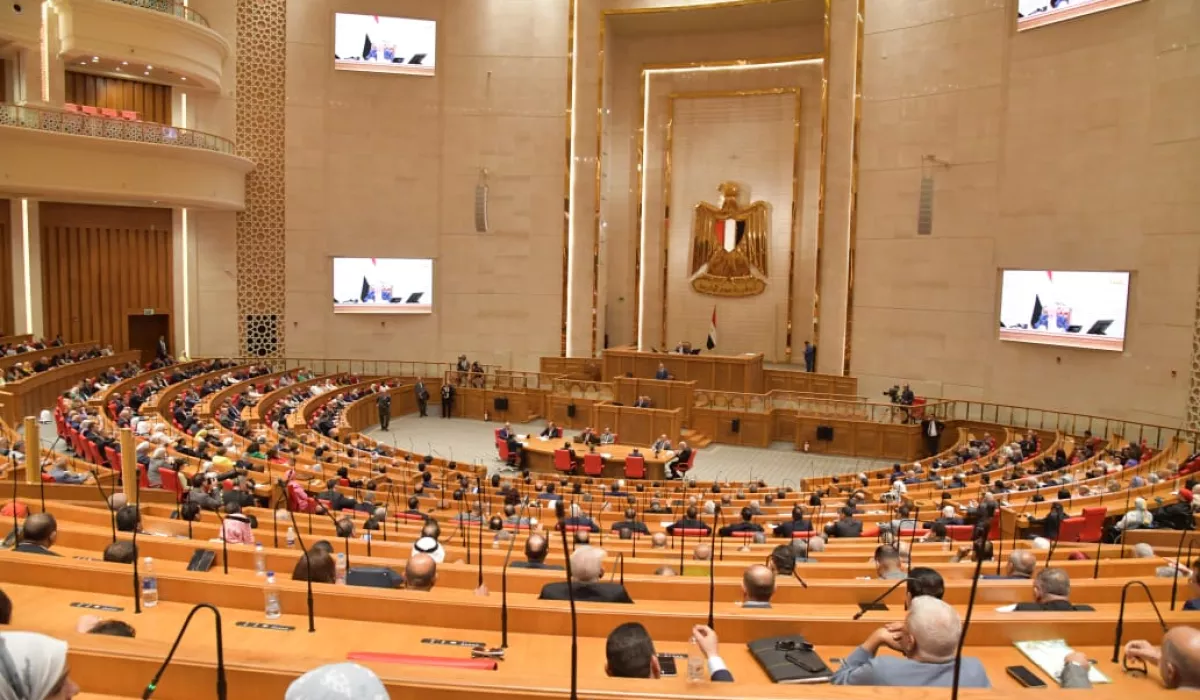
On October 18, 2026, Egypt’s National Defense Council announced that Cairo would provide Saudi Arabia with all necessary and possible forms of support, while parliament continued deliberations on el-Sisi’s request for authorization to take measures to assist the kingdom if asked.
A parliamentary session scheduled for October 18 to discuss the authorization, which was expected to win the backing of the pro-regime majority, was postponed, with deliberations and a vote deferred until October 26, 2026.
Journalists and analysts attributed the extended discussions to two possible factors.
The first is resistance from some quarters and disagreements within state institutions over deploying Egyptian troops to take part in military operations beyond the country’s borders.
Those who hold this view believe some officials are seeking to limit the authorization to a defensive mission in support of Saudi Arabia, without engaging in direct combat against the Houthis inside Yemen or crossing into Yemeni territory.
They argue that Egypt’s parliament, where pro-regime forces hold a majority of seats, could have approved the authorization quickly had there been full agreement across state institutions on deploying troops.
The debate has revived memories of 2015, when Egypt did not participate in the Saudi-led coalition’s military operations in Yemen to the extent Riyadh had hoped.
According to some political assessments, this contributed to a diplomatic rift between the two countries in 2016, before tensions were contained.
The second possible factor is mediation led by Oman, potentially with Iranian involvement, between Saudi Arabia and the Houthis.
Proponents of this view suggest that Cairo may be waiting to see the outcome of diplomatic efforts before authorizing military intervention in an effort to avoid further inflaming regional tensions.
Mohamed Saad Abd Elhafiz, deputy head of Egypt’s Journalists Syndicate, was quoted as saying that Cairo was watching the mediation efforts unfold before making a final decision on intervention.
Ashraf Elsayed Abouelhoul, a journalist close to the Egyptian regime, said the postponement of parliament’s vote on the request to deploy troops to Saudi Arabia was an indication that a backchannel de-escalation effort between Riyadh and the Houthis may be underway, potentially explaining why Cairo was holding off on a final decision on the authorization.
On October 19, 2026, the news website Zawia3 reported, citing four Egyptian sources from diplomatic, sovereign, and military institutions, that there were disagreements within state institutions over sending Egyptian troops to Saudi Arabia to help it confront the Houthis.
The sources said some objections centered on el-Sisi’s choice of words, particularly his reference to deploying the Egyptian armed forces in accordance with the directives of King bin Salman.
They described the phrasing as ill-advised and said it had upset several participants in the discussions because of its implications for Egypt’s military decision-making and the armed forces’ autonomy in determining their missions.
The sources stressed that the decision should have come after consultations with the leadership of the National Defense Council, not before.
In their view, the head of the regime’s announcement had placed Egypt under a firm commitment to provide military support to Saudi Arabia.
This, they said, explained why the council’s statement remained general and did not specify the limits of any Egyptian military intervention.

Economic Benefits
As el-Sisi sought parliamentary authorization and Egypt’s National Defense Council endorsed support for Saudi Arabia, the head of the Egyptian regime’s reference to the financial assistance provided by Saudi Arabia and other Gulf states following the 2013 events drew attention.
The authorization request came as Cairo and Riyadh negotiated the renewal of $5.3 billion in Saudi deposits at the Central Bank of Egypt that fell due in October 2026.
Egypt is facing substantial external financial obligations in the current fiscal year, 2026/2027, according to Asharq Business on October 16, 2026.
The $5.3 billion in deposits dates back to Saudi financial support for Egypt beginning in 2014.
The kingdom also holds another $5 billion in short-term deposits at the Central Bank of Egypt, which are renewed annually.
This brings the total value of Saudi deposits at the Egyptian central bank to $10.3 billion.
On August 12, 2026, the World Bank reported that Egypt was required to repay $62.8 billion in external loans over the 12 months from April 2026 through March 2027, a period marked by mounting debt-servicing costs.
These obligations include approximately $7 billion in interest payments and $55.8 billion in loan principal repayments, according to figures reported by the Egyptian financial news website Economy Plus on October 18, 2026.
Of the total, $21.1 billion is linked to deposits and currency holdings from Gulf countries, some of which could be renewed or converted into investments.
About $19.1 billion of these obligations consists of deposits maturing at the Central Bank of Egypt, most of them held by Gulf states.
Against this backdrop, some Egyptian assessments and analyses suggest that Cairo’s moves may also be driven by its need for Saudi financial support amid deteriorating economic conditions and mounting debt, possibly as part of efforts to renegotiate its financial obligations to the kingdom.
Another interpretation, however, attributes Egypt’s position to national security calculations, from the Red Sea and Bab el-Mandeb to the Suez Canal.
Under this view, Cairo is also seeking to protect maritime routes and stem potential losses to canal revenues as the war widens.
Sources
- Egyptian Troops to Saudi Arabia? Divisions Within the State Raise Questions Over the Limits of Military Intervention [Arabic]
- Al-Azhar Opposes Egypt’s Involvement in the War and Offers to Mediate [Arabic]
- Egypt in Talks With Saudi Arabia to Renew $5.3 Billion in Deposits [Arabic]
- Divisions and Debate Over al-Azhar Grand Imam’s Call for a Mediation Committee to Resolve Regional Conflicts [Arabic]