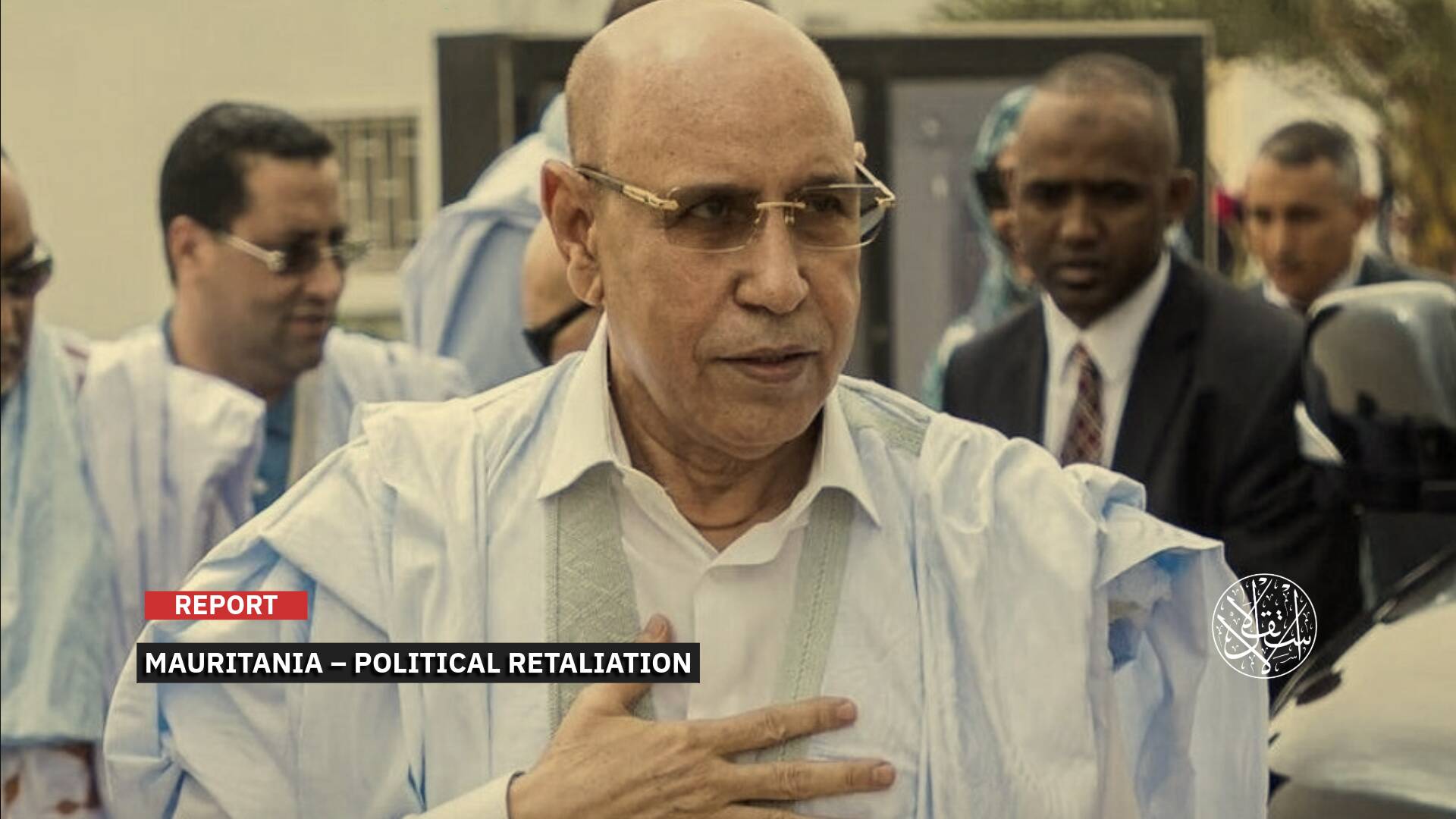
Draining Riyadh and Fragmenting Gulf Unity: What Lies Behind the Houthi Escalation?
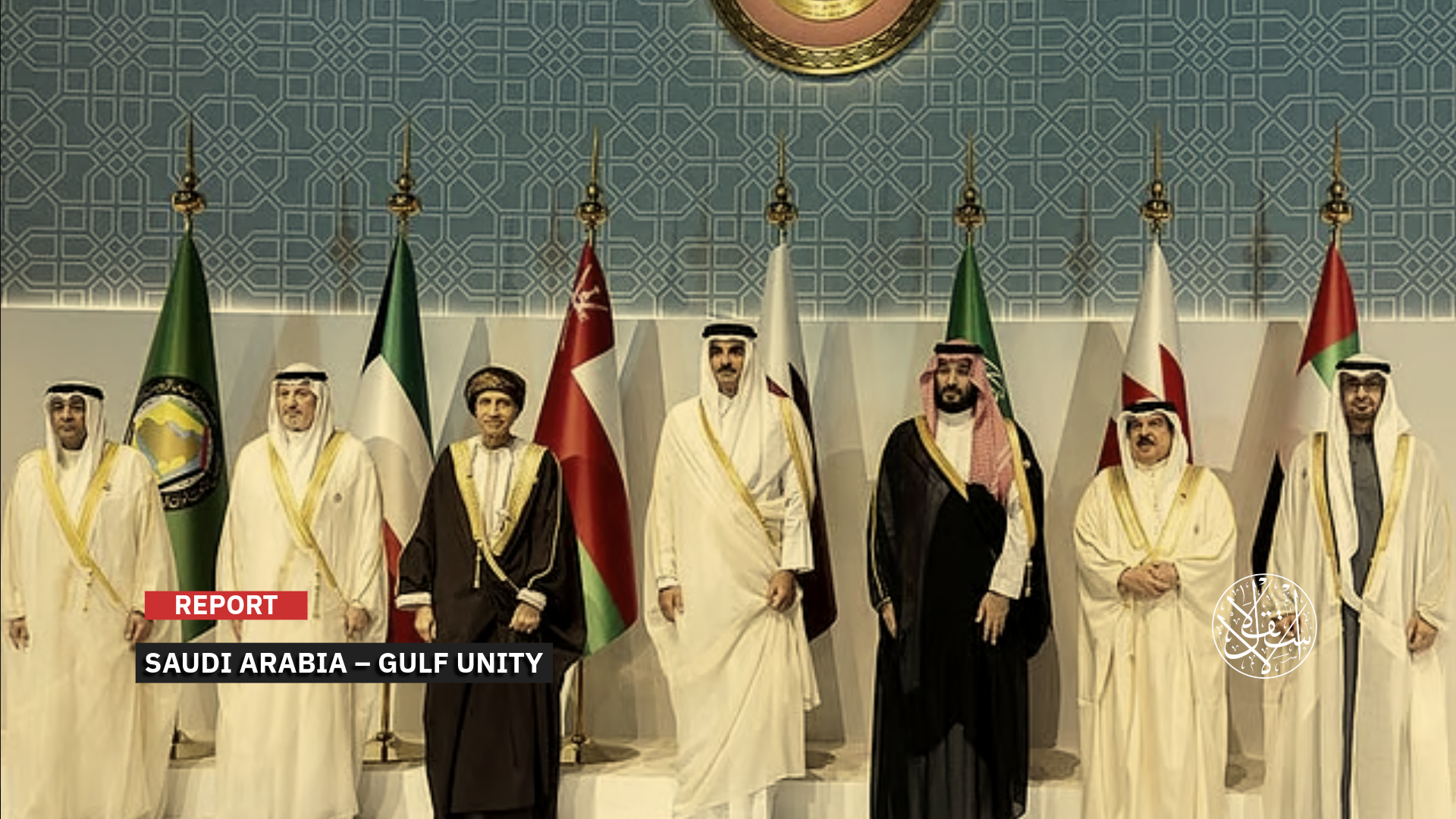
“Hamad bin Jassim called on the Gulf states to put aside their differences and provide practical support to Saudi Arabia.”
Houthi attacks targeting Saudi civilian infrastructure and airports have reignited questions about Gulf security and the ability of the Gulf Cooperation Council (GCC) states to overcome their differences and form a united front in support of Riyadh, amid escalating regional tensions and accusations that Iran is behind efforts to destabilize the region.
The significance of the escalation extends beyond the conflict in Yemen, raising questions about whether the war could become a means of exhausting Saudi Arabia and undermining the Gulf security system, and whether the current threats will prompt GCC states to realign their alliances or whether de-escalation with Tehran remains a viable option.
Gulf Unity
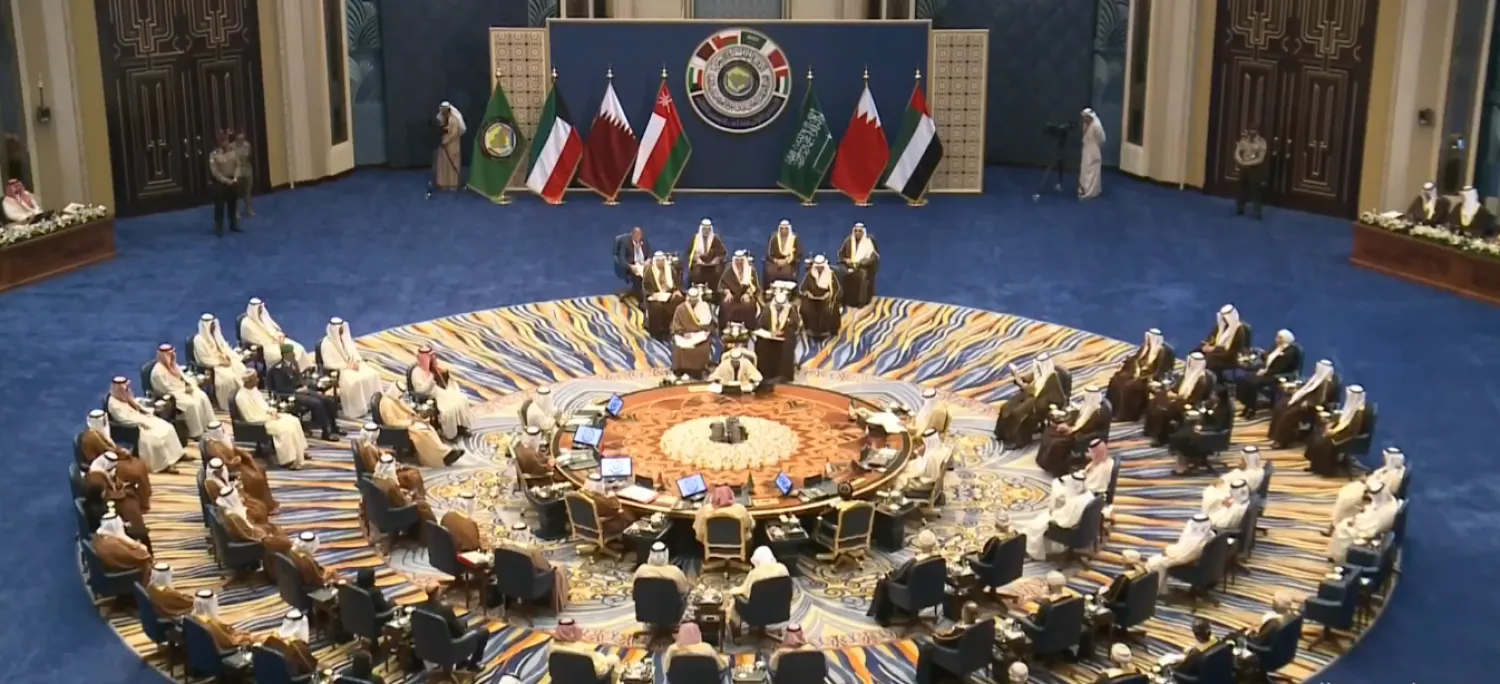
Former Qatari Prime Minister and Foreign Minister Hamad bin Jassim al Thani has called on the Gulf Cooperation Council (GCC) states to overcome their differences and stand firmly and decisively with Saudi Arabia in the face of ongoing Houthi attacks.
He warned that continued threats require action that goes beyond conventional political statements.
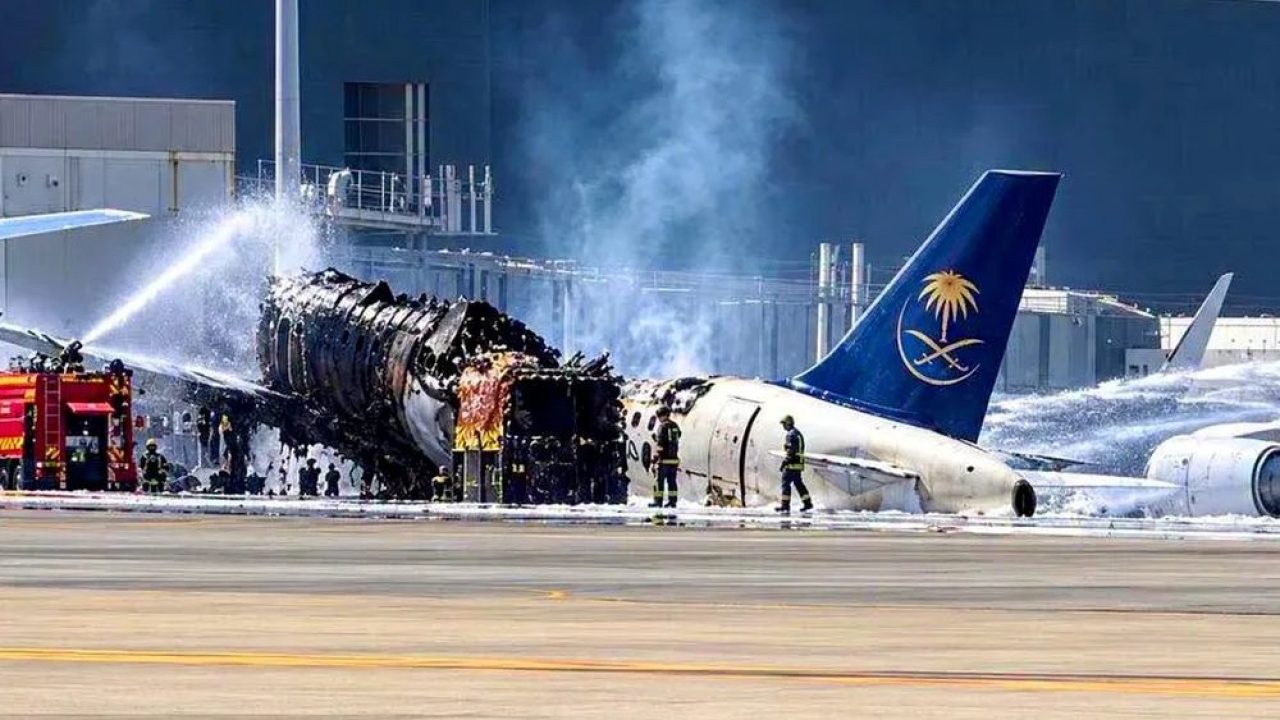
Bin Jassim made his remarks on his account on X on October 10, 2026, coinciding with an attack on King Khalid International Airport in Riyadh that reportedly left 12 people dead and dozens injured, bringing the security of civilian infrastructure back to the forefront of Gulf concerns.
The former Qatari official said that the threats facing Saudi Arabia are not directed from within Yemen, but are being plotted and managed from outside it.
He argued that the nature of the attacks calls for a broader assessment of the sources of danger, rather than treating them merely as an extension of the war in Yemen.
Bin Jassim stressed the need to set aside all secondary differences among some GCC states and demonstrate unity openly and in practical terms, rather than settling for statements of verbal support.
His position reflects concerns that divisions among Gulf states could undermine their ability to confront shared threats.
The former Qatari official argued that Saudi Arabia’s position within the Gulf system makes its stability a key factor in the stability of the other states.
He warned that continued attacks against the kingdom would have consequences extending beyond its borders, affecting the security, economic and political interests of all GCC members, regardless of their existing differences.
This call reflects a growing emphasis on the interconnectedness of Gulf states’ security, based on the premise that an attack on a pivotal member could expose the remaining members to mounting challenges, particularly if the attacks expand to include critical infrastructure or force governments to reassess their security policies and regional alliances.
On October 6, GCC Secretary-General Jasem Mohamed AlBudaiwi declared that the member states stood united in support of Saudi Arabia following attacks on Jazan and Najran airports.
He reaffirmed their support for the measures Riyadh takes to safeguard its security, stability, territorial integrity, citizens, and residents.
AlBudaiwi condemned the attacks on the two airports, describing the targeting of civilian infrastructure as a dangerous escalation and a direct threat to civilians and air navigation.
He called on the international community to adopt a firm stance, hold those responsible for the attacks accountable, and work to halt actions that threaten regional security and stability.
However, moving from declarations of solidarity to establishing a unified Gulf position will depend on the member states’ willingness to set aside their differing priorities, coordinate their approaches toward Iran and Yemen, and translate political statements into joint measures commensurate with the level of threat described in Gulf officials’ remarks.
Exhausting Saudi Arabia
Commenting on the issue, Ali al-Hail, a professor of political science at Qatar University, told Al-Estiklal that the Gulf, Arab and Islamic states have no choice but to support Saudi Arabia, stressing that the kingdom represents the region’s strategic depth and that its security should be a shared priority.
Al-Hail added that Saudi Arabia should be treated as a red line, emphasizing that its stability and strength are closely linked to the security of the Gulf, the Arab world and the Islamic world.
Ignoring this interdependence, he warned, could allow regional powers to exploit differences between states and undermine their ability to protect their interests.
Explaining what he sees as the objectives of the escalation, al-Hail claimed that the Houthis have links to interests with “Israel” in Somaliland and coordinate with the Southern Transitional Council, in addition to coordinating with the Somali militant group al-Shabaab.
He argued that the interests of these parties converge around exhausting and weakening Saudi Arabia.
He added that the ultimate objective was to exhaust the Kingdom of Saudi Arabia and ultimately weaken it to force Riyadh to normalize relations with “Israel” without obtaining anything in return.
He noted that Saudi Arabia rejects this form of normalization and that its position is tied to conditions concerning Palestinian rights and the establishment of an independent Palestinian state.
Al-Hail linked his position to the Arab Peace Initiative, presented by the late Saudi King Abdullah bin Abdulaziz at the Arab League summit in Beirut in 2002.
He explained that, in his view, normalization should be contingent on the implementation of relevant United Nations Security Council resolutions dating back to 1967 and the establishment of an independent, sovereign Palestinian state.
He noted that the initiative calls for the establishment of a Palestinian state along the borders of June 4, 1967, with Jerusalem as its capital, alongside addressing the issue of Israeli settlements, which he described as undermining the possibility of establishing a Palestinian state. He also pointed out that the number of Israeli settlers exceeds 800,000.
This perspective presents a political interpretation of the attacks that links them to a broader regional conflict extending beyond the confrontation between the Houthis and Saudi Arabia to encompass the future of Arab-Israeli relations and Riyadh’s position in any forthcoming political arrangements.
In this context, the war in Yemen becomes more than an internal conflict if cross-border attacks are used as a means of pressuring Saudi Arabia on other regional issues, including normalization and security alliances.
This raises the question of Saudi Arabia’s ability to separate efforts to contain the military threat from the management of its regional relations.
Continued attacks could increase the costs of security and defense, complicate investment and stability prospects, and prompt Gulf states to reassess whether their existing arrangements are sufficient to protect their critical infrastructure and vital interests.
Iran and De-escalation
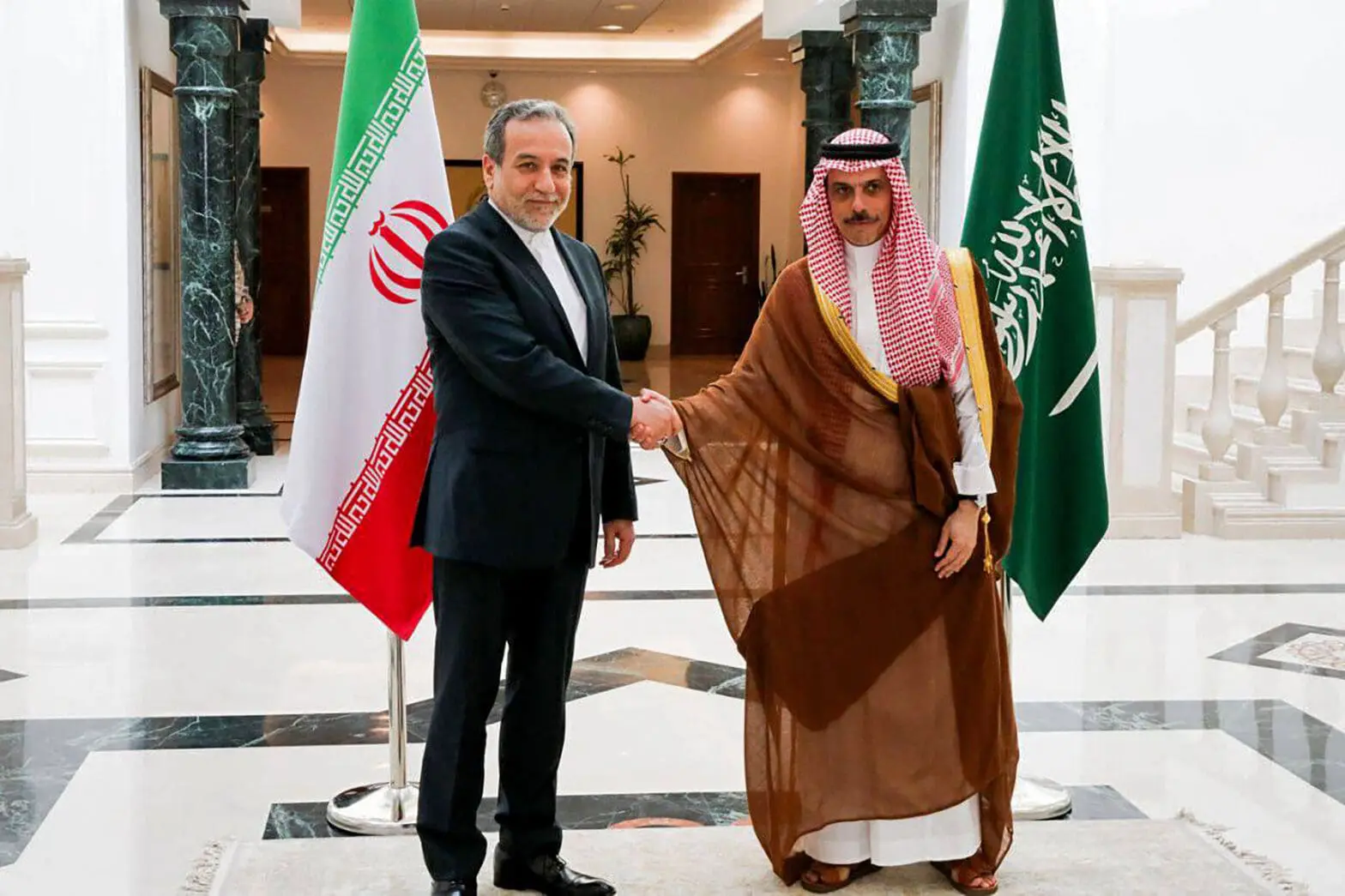
Bin Jassim’s warning went beyond the need to unify the Gulf’s position to address the nature of the threat facing GCC states. He said that the region continued to face an existential threat to the GCC states, not from Iran alone, before adding that Iran had become the main enemy.
The statement reflects a shift in how relations with Tehran are being characterized. However, it does not explicitly call for closing the door to dialogue with Iran once and for all.
Bin Jassim clarified that warning against Iran’s role does not mean abandoning efforts to pursue peace and establish clear relations. He also noted that the current crisis has multiple underlying causes, which he did not discuss in detail.
This reference carries important implications for the future of Gulf-Iranian de-escalation. It presents GCC states with a dilemma: protecting their national security while preserving the possibility of a political settlement, particularly given that confrontation could widen the conflict and increase its costs for all parties.
At the same time, repeated attacks on airports and civilian infrastructure could narrow the space available for diplomacy and increase domestic pressure on Gulf governments to adopt tougher positions, particularly if the attacks continue or expand to other strategic facilities, threatening air travel and economic interests.
Bin Jassim warned of what he described as hostile plots and conspiracies targeting GCC states. He explained that some sought to drain their wealth, while others aimed to impose political and economic control.
However, the statements cited did not provide details substantiating the nature of these alleged plots or identifying those responsible.
These concerns overlap with al-Hail’s call for a broader regional alliance. He acknowledged differences in interests among Arab and Islamic countries, as well as their differing foreign alliances, but expressed a preference for them to join what he called the ‘Mecca Accord Alliance’, describing it as a framework for protecting national security and confronting powers he considers hostile.
All-Out War
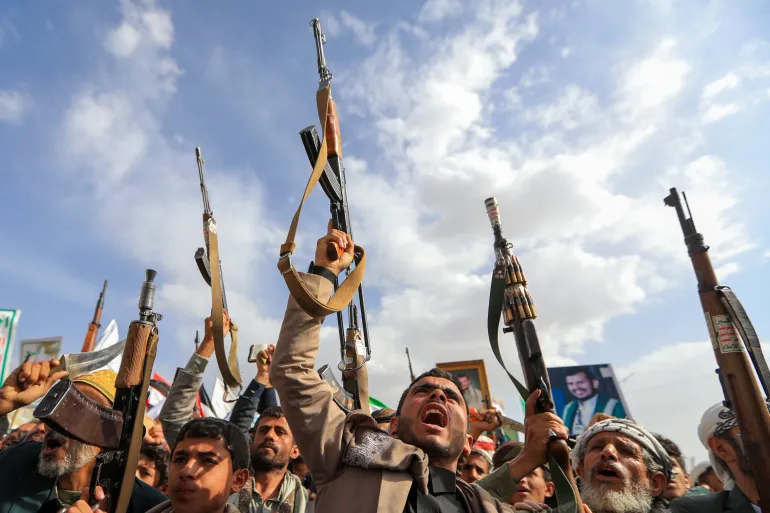
The escalation against Saudi Arabia has coincided with military developments in Yemen, where forces affiliated with the Yemeni government have announced the launch of operations they say are aimed at restoring state institutions and ending Houthi control.
This indicates that the confrontation is not limited to attacks on Saudi territory but also involves military movements on the ground inside Yemen.
Yemeni Presidential Leadership Council Chairman Rashad al-Alimi announced the launch of an operation dubbed ‘Dawn of Yemen’.
On October 6, the Nation’s Shield Forces announced that they had conducted a military operation in al-Wazi’iyah District, in Taiz Governorate, claiming to have seized strategic positions as they advanced against the Houthis.
The Taiz Military Axis Command also reported targeting Houthi vehicles and gatherings in the Quds area of al-Mawasit District, while forces affiliated with the internationally recognized Yemeni government announced that they had taken control of new positions in Haifan District, south of the governorate.
These developments come amid an expansion of military operations and an increase in the number of fronts witnessing clashes between government forces and the Houthis.
These developments raise questions about whether the military escalation will weaken the Houthis and reduce their ability to threaten Saudi Arabia, or instead open additional fronts that drain resources and prolong the war, particularly if cross-border attacks continue alongside ground and air operations inside Yemen.
At the same time, the available information is insufficient to conclude that the war has already become a coordinated strategy to exhaust Saudi Arabia, or that regional actors share a unified plan for directing its course.
Nevertheless, continued attacks on airports, alongside the expansion of military operations in Yemen, have heightened concerns about the growing intersection of military and political developments.
Saudi Arabia’s security remains a central consideration for the GCC states, given the kingdom’s position and size within the Gulf system, as Bin Jassim and al-Hail have argued.
However, this interdependence does not necessarily mean that all member states will engage in confrontation. Their responses may vary, ranging from security coordination and political support to diplomatic action.
Sources
- Hamad bin Jassim Calls for Practical Support for Saudi Arabia: “Iran Is the Gulf’s Main Enemy” [Arabic]
- Gulf Cooperation Council States Declare Unified Support for Saudi Arabia to Protect Its Security [Arabic]
- All-Out War: Why Did Al-Alimi Choose This Moment to Settle the Battle with the Houthis? [Arabic]