South Sudan Heads for Its First Election: A Path to Stability or a New Conflict?
"The government amended the transitional framework and electoral law on September 2, 2026."
After postponing the election five times, South Sudanese President Salva Kiir issued a decree on September 22, 2026, calling for the country’s first presidential and parliamentary elections since it gained independence from Sudan in 2011.
He dissolved the government and appointed a temporary transitional administration ahead of the elections scheduled for December 22, 2026.
The decision to proceed with the vote has raised several questions: Why has Juba decided to move forward now after repeatedly postponing the elections? And why have they become more urgent than ever, even though the political and security conditions that prompted the delays remain unresolved?
How can democratic elections be held while opposition leader and former Vice President Riek Machar, one of the parties to the peace agreement and leader of the Sudan People’s Liberation Movement-in-Opposition, remains under house arrest and faces trial on charges including treason and murder?
Setting an election date does not mean South Sudan is fully prepared for a stable democratic transition. The United Nations, the African Union, and research centers continue to point to major security, legal, and political obstacles to holding free and inclusive elections.
There are also questions about the political and security motives behind proceeding with the vote, amid signs of shrinking space for opposition participation and speculation that Salva Kiir may hand over leadership of the country to his powerful military deputy, Benjamin Bol Mel, despite the presence of two other rival figures.
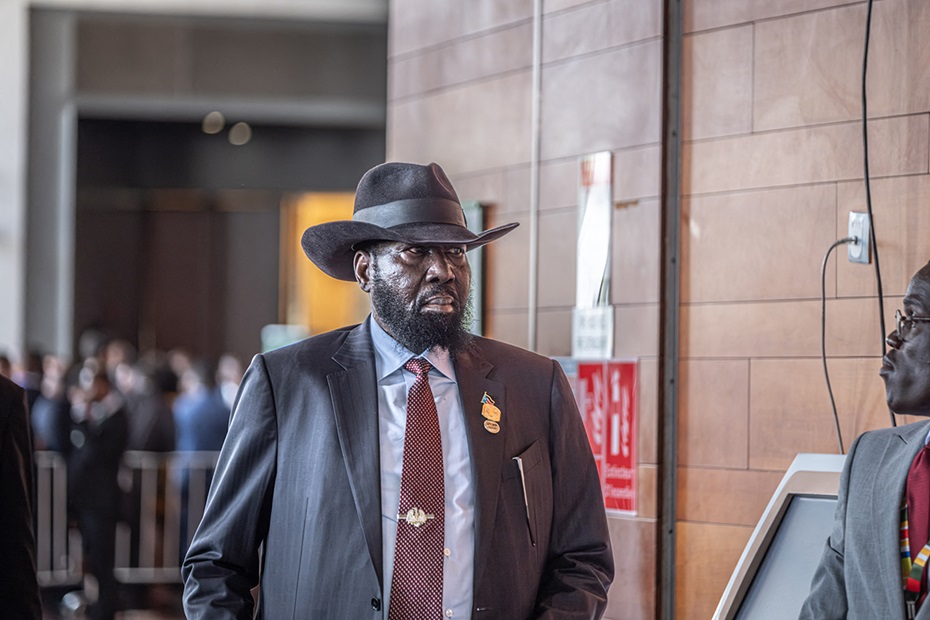
Postponed Elections
South Sudan has held no national elections since gaining independence in 2011. The vote has been repeatedly postponed because of the civil war and delays in implementing the 2018 peace agreement, as well as the failure to adopt a permanent constitution or conduct a national census, both key requirements for a political transition.
However, on September 2, 2026, the government amended the transitional framework and electoral law, removing the requirement to adopt a permanent constitution or conduct a national census before holding elections.
The elections were originally expected to take place after South Sudan’s independence from Sudan in 2011 but were postponed because of internal conflict.
They were later rescheduled for 2022 as part of the transitional period that followed the 2018 peace agreement, but that deadline was also missed.
Successive governments have justified the postponements by citing limited financial and logistical capacity.
The delays have entrenched insecurity across the country, prolonged instability, and deepened conflicts among the groups that took part in the struggle for independence from Sudan.
An analysis published by the Africa Center for Strategic Studies (ACSS) on February 25, 2026, noted that the elections had been postponed five time (2015, 2018, 2020, 2022, and 2024), leaving South Sudan without national elections since independence.
In September 2024, the authorities agreed to extend the transitional period by another two years, moving the elections from December 2024 to December 2026.
They said the additional time was needed to complete essential preparations, including implementing provisions of the peace agreement and securing funding for the electoral process. Those requirements, however, remained unmet.
ACSS argues that the failure to hold elections reflects a lack of political will among South Sudan’s current politicians, who have little incentive to organize a vote that could alter the status quo while they continue to benefit from their positions, influence, and financial privileges indefinitely.
It also links the failure to hold elections to these political leaders’ sense that they can escape the accountability that periodic public mandates would require, affirming the legitimacy of their continued hold on power.
Following the previous extension, the United Nations warned that the parties needed to use the additional time to implement the peace agreement and that another postponement would leave the country facing the same problems.
In August 2026, the African Union also voiced support for credible elections in December and rejected another extension of the transitional period.
This has placed President Salva Kiir’s government under mounting domestic, regional, and international pressure to either proceed with the vote or face renewed accusations of prolonging the transitional period.
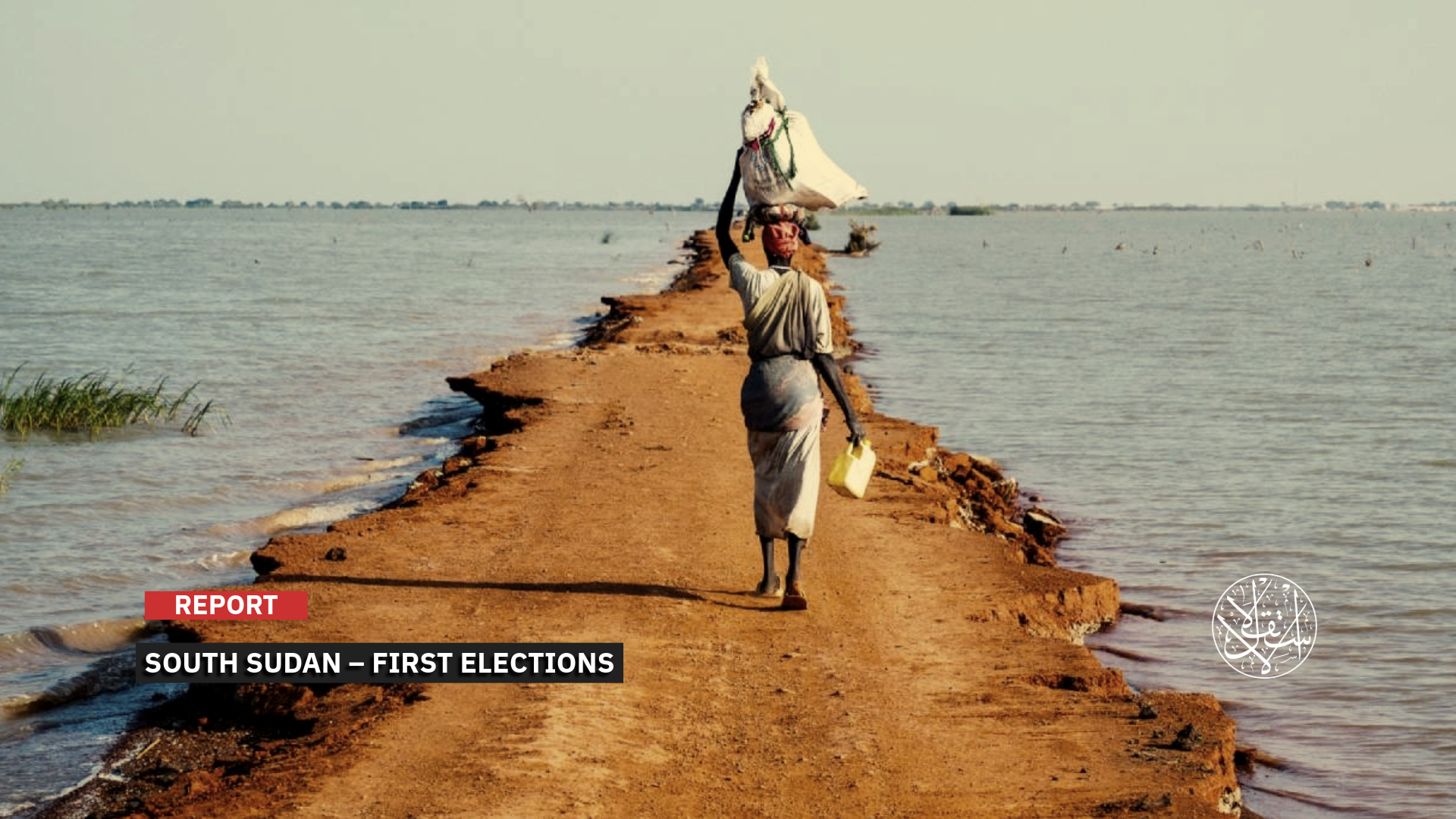
South Sudan ranks last on the United Nations Human Development Index. Its infant mortality rate has also risen since independence, reaching 72 deaths per 1,000 live births, the highest rate in Africa.
These extremely poor social and economic indicators persist despite the country receiving $1.6 billion a year in oil revenue, much of which is appropriated by its leaders. South Sudan also ranks last, at 180th out of 180 countries, on Transparency International’s Corruption Perceptions Index.

Obstacles to the Elections
The first major obstacle to free and inclusive elections is the political environment itself.
Riek Machar, one of President Salva Kiir’s most prominent rivals and a key signatory to the peace agreement, remains under house arrest.
Machar, the former vice president and leader of the Sudan People’s Liberation Movement-in-Opposition (SPLM-IO), is standing trial before a special court on charges including murder and treason, which he denies. His trial was still ongoing as of September 2026.
The house arrest of Machar, Kiir’s most prominent rival, prevents him from participating in the elections under normal conditions.
It has also heightened tensions between his faction and the president’s camp, increasing the risk of clashes that have never fully subsided and could escalate into a broader confrontation or all-out war.
Holding elections while one of the main players in the political landscape is sidelined raises fundamental questions about how inclusive the contest can be, beyond the authorities’ ability to open polling stations. A final voter register has yet to be established.
Machar’s opposition movement has also rejected the electoral amendments, arguing that they remove safeguards set out in the peace agreement and allow elections to proceed before essential political and security arrangements have been completed.
Many of the preconditions for elections outlined in the peace agreement remain unfulfilled. South Sudan still lacks a permanent constitution, and neither a national census nor voter registration has been completed.
On September 2, 2026, parliament approved constitutional and legal amendments that decoupled the elections from the completion of a permanent constitution and a national census. Both had been linked to the electoral process under the peace agreement. Salva Kiir signed the amendments into law.
The government says the move removes legal obstacles to holding the vote. Critics, however, argue that bypassing some of the peace agreement’s requirements raises questions about whether the process complies with the original accord.
A June 2026 independent analysis by Janes warned that unilateral amendments could heighten tensions among the parties to the agreement. It said the changes were very likely to increase the risk of signatories withdrawing from the deal, in turn raising the risk of a return to full-scale war in South Sudan.
A peace agreement reached in 2018 ended five years of bloody civil war that left 400,000 people dead and 4 million displaced. It led to the formation of a unity government in which the former rivals, Salva Kiir and Riek Machar, became president and vice president, respectively.
The political crisis persisted throughout a transitional period that was supposed to end with elections in 2022 but was extended repeatedly. During this period, Machar was arrested and placed under house arrest.
Machar was detained in March 2025 and placed under house arrest, as fighting resumed between forces loyal to President Salva Kiir and militias aligned with Machar.
Beyond the detention of Kiir’s most prominent rival, the opposition remains divided into two factions. One, based in Juba, participates in the political process, while the other, led by Machar, rejects the current electoral process.
An analysis published by the Global Governance Center on September 28, 2026, identified Machar’s arrest and trial as major reasons for questioning whether the political environment is conducive to elections, particularly because he remains the leader of the SPLM-IO.

Unmet Conditions
The second challenge is that elections are being presented as the end of a prolonged transitional period, even though the conditions for building a functioning state remain unmet, 15 years after independence. Key requirements for peace have also yet to be fulfilled.
Analysts say the country’s first elections, held without all the necessary conditions in place, could be an attempt to project the image of a country that has theoretically moved beyond the transitional period while, in practice, entering a more closed political phase dominated by Salva Kiir’s camp across state institutions.
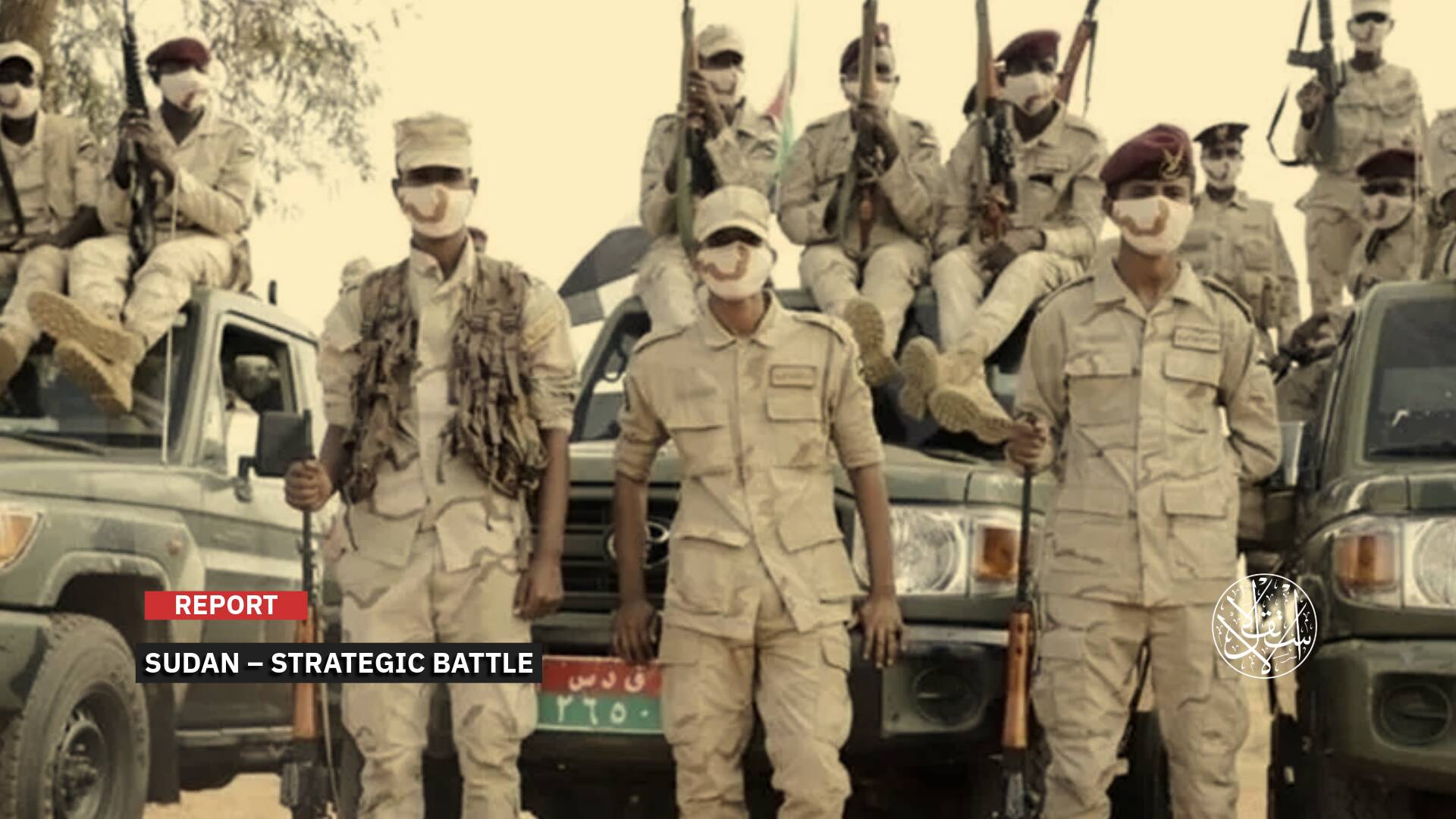
Security remains another concern, as the elections are being held in a country where political and military conflict has not fully ended.
The United Nations says fighting continues in several states, including Jonglei, Upper Nile, Unity, and Warrap, alongside ongoing displacement and abuses. These conditions are disrupting the political process and threatening voters’ ability to participate safely.
The World Bank expects South Sudan to face a severe humanitarian crisis in 2026, with more than 10 million people, or roughly two-thirds of the population, projected to need humanitarian assistance amid displacement, violence, and economic turmoil.
Holding elections in the capital and more stable areas, therefore, would not by itself demonstrate that the country can organize an inclusive nationwide vote.
The economic crisis is also adding to pressure on the government. South Sudan’s economy is heavily dependent on oil, which accounts for more than 80 per cent of gross domestic product, about 95 pe rcent of exports and between 70 and 80 per cent of government revenue, according to the African Development Bank.
The crisis has worsened following disruptions to oil exports linked to the war in Sudan. The World Bank has reported substantial public sector salary arrears, mounting fiscal pressures, and severe inflation, as Sudan’s warring parties, the army and the Rapid Support Forces, control different areas along the oil export routes from South Sudan.
This makes an open-ended transitional period increasingly costly at a time when the government needs to restore a measure of institutional and financial stability.
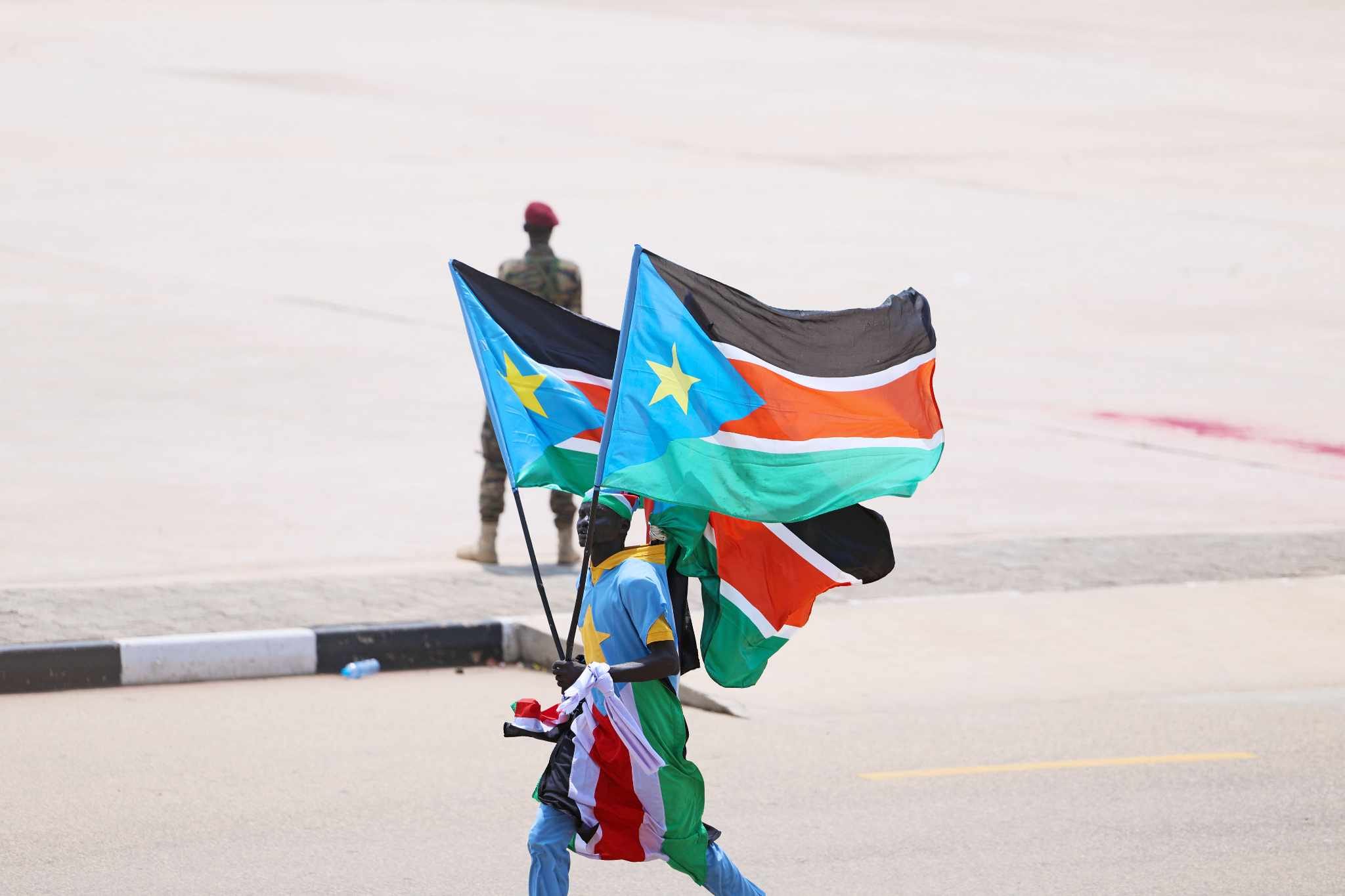
Historic Vote
Repeated election postponements have eroded public trust in governing institutions, particularly because most of the reforms promised under the 2018 peace agreement ahead of the elections have not been implemented, and there is insufficient political consensus on the rules governing the vote.
Without these safeguards for free elections, the country risks ending the transitional period without completing it.
Elections that were supposed to consolidate peace could instead become a new source of political instability, according to an analysis by the Global Governance Center.
An analysis published by the Africa Security Analysis Center on June 26, 2026, warned that the December elections in South Sudan add to the risks facing a fragile transition and raise a fundamental question: Is this a historic vote or a spark for conflict?
It said the key question is not whether South Sudan needs elections, because it clearly does, but whether a vote held under current conditions can establish legitimacy rather than deepen conflict.
The U.S. National Security Agency shares similar concerns, viewing the election date as politically significant but operationally fragile. Without an agreed security and political framework, the vote risks becoming another arena for armed competition rather than a step toward democratic transition.
The Africa Security Analysis Center also highlighted the risk of armed disruption of the elections by the opposition. A faction of the SPLM-IO aligned with Riek Machar has rejected the electoral timetable.
The faction has warned against any election-related activity in areas under its influence. This warning cannot be dismissed as merely a political stance, particularly because the detention of its leader, Machar, raises questions about the legitimacy of the elections and, consequently, their outcome.
Upper Nile, Jonglei, and Unity states, along with parts of Central Equatoria and other conflict-affected areas, remain vulnerable to renewed fighting, the mobilization of local militias, intercommunal violence, and clashes between opposition and government forces.
Holding elections in these areas requires access, protection, public trust, and logistical capacity, none of which can currently be guaranteed.
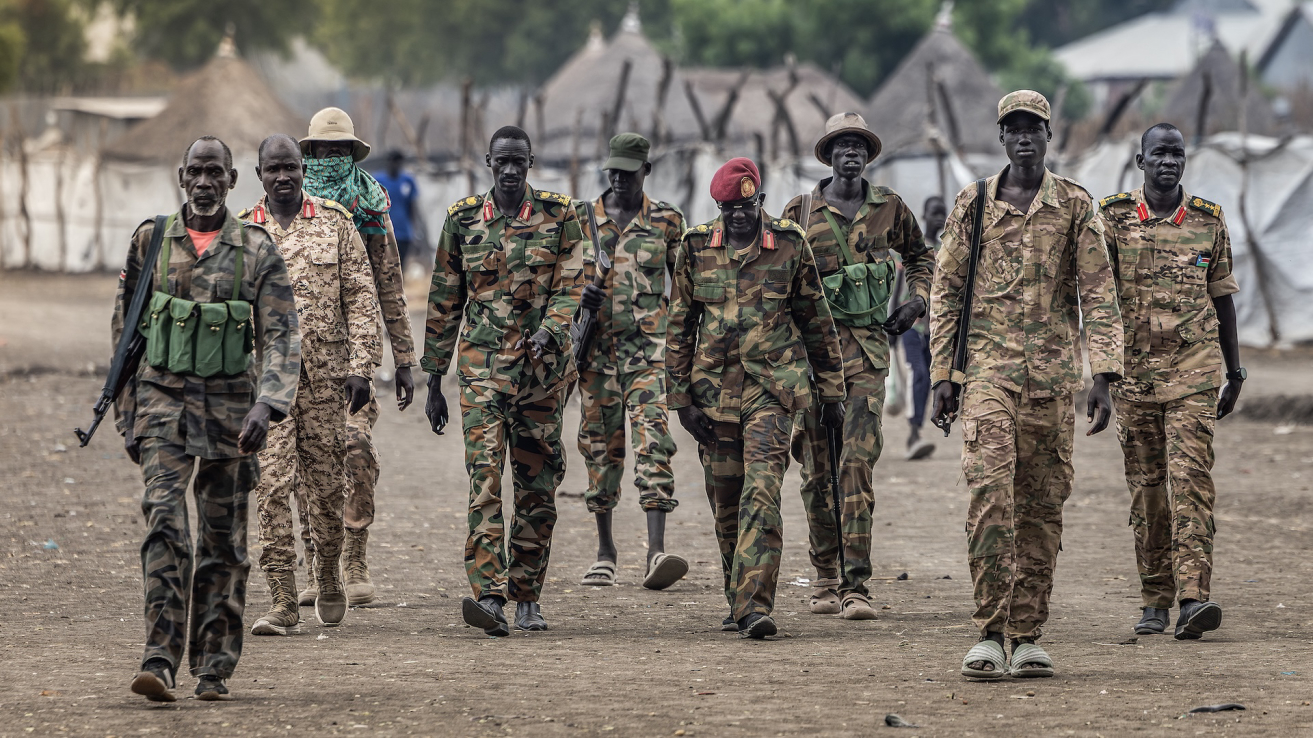
Five Possible Scenarios
The most likely scenario is a contested electoral process, with the government moving ahead with preparations and some parties participating, while opposition factions reject the process or disrupt it in certain areas.
The second scenario, and the most positive, would be a negotiated agreement before the elections, potentially with support from mediation by the African Union and the Intergovernmental Authority on Development (IGAD). Such an agreement could secure limited opposition participation or at least reduce the risk of armed disruption.
The third scenario, which carries a high risk, is that the elections trigger clashes in opposition-held or disputed areas, leading to a broader military confrontation before December.
A fourth scenario is another postponement to reduce the risk of direct conflict. However, this would deepen public skepticism and reinforce the perception that South Sudan’s transitional period remains trapped between the incomplete implementation of the peace agreement and fears of holding elections.
The fifth scenario is a partial election, with voting taking place in government-controlled areas while being disrupted or prevented altogether in opposition-held territories.
This could produce official results but weaken national legitimacy, potentially leading a large segment of South Sudanese opposed to the government to reject the legitimacy of the new parliament or the government formed as a result of the vote.
The number of parliamentary seats is set to be reduced from the current 650 to 332, which will be contested in December.
A September 28, 2026, report by the Global Governance Institute (GGI) on the prospects for credible elections in December argues that their success will be measured not by whether polling stations open or votes are cast, but, above all, by what happens afterward.
If the electoral process gives citizens and political actors confidence that the results will be accepted and that judicial mechanisms are available to resolve electoral disputes, the elections could provide a credible way out of the prolonged transitional period.
If not, the country will bring the transitional period to an end without completing it, turning elections that were supposed to consolidate peace into a new source of political instability.