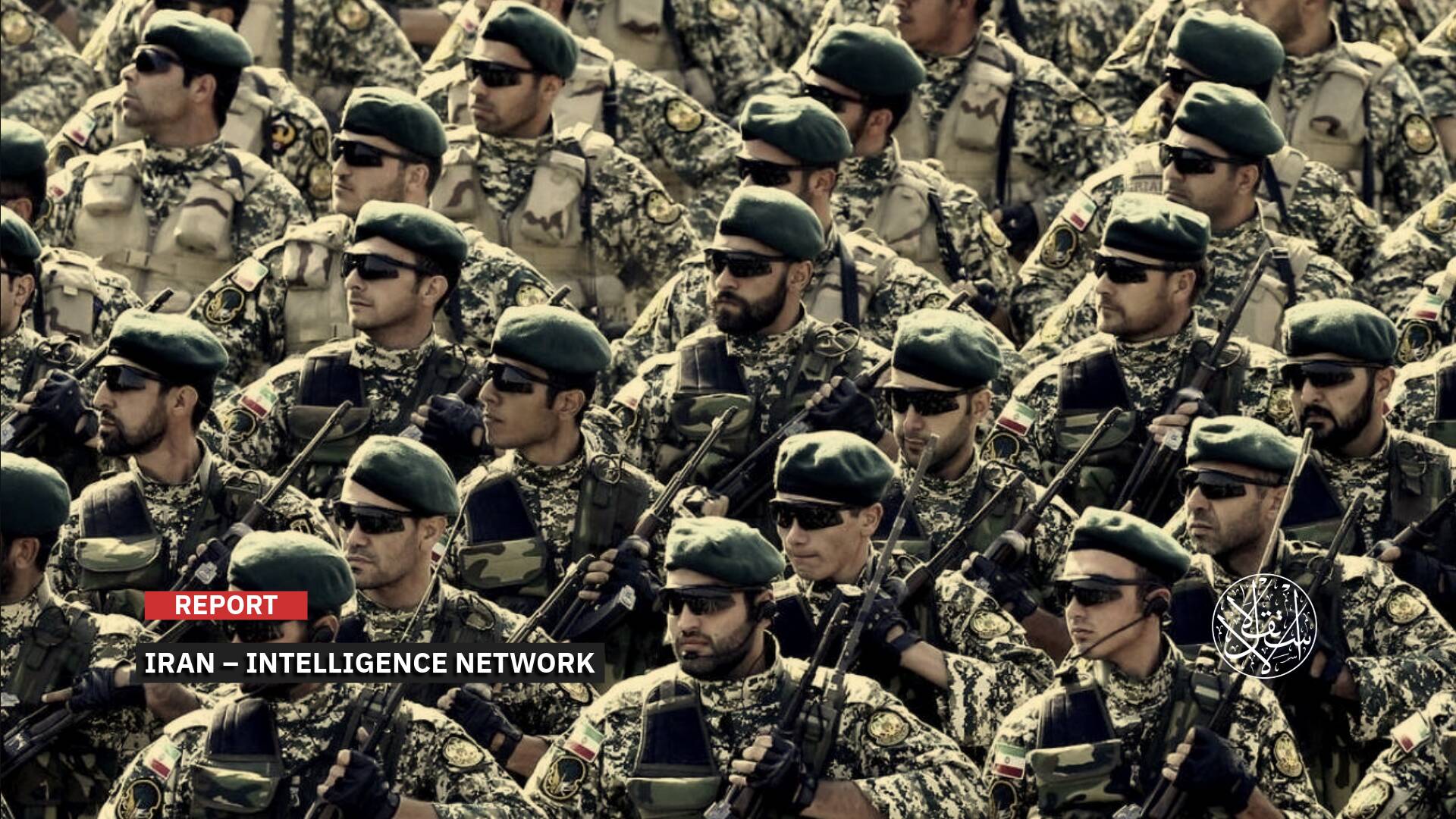
Lebanon and Hezbollah on the Brink of Confrontation: Explosives Put State Sovereignty at Risk
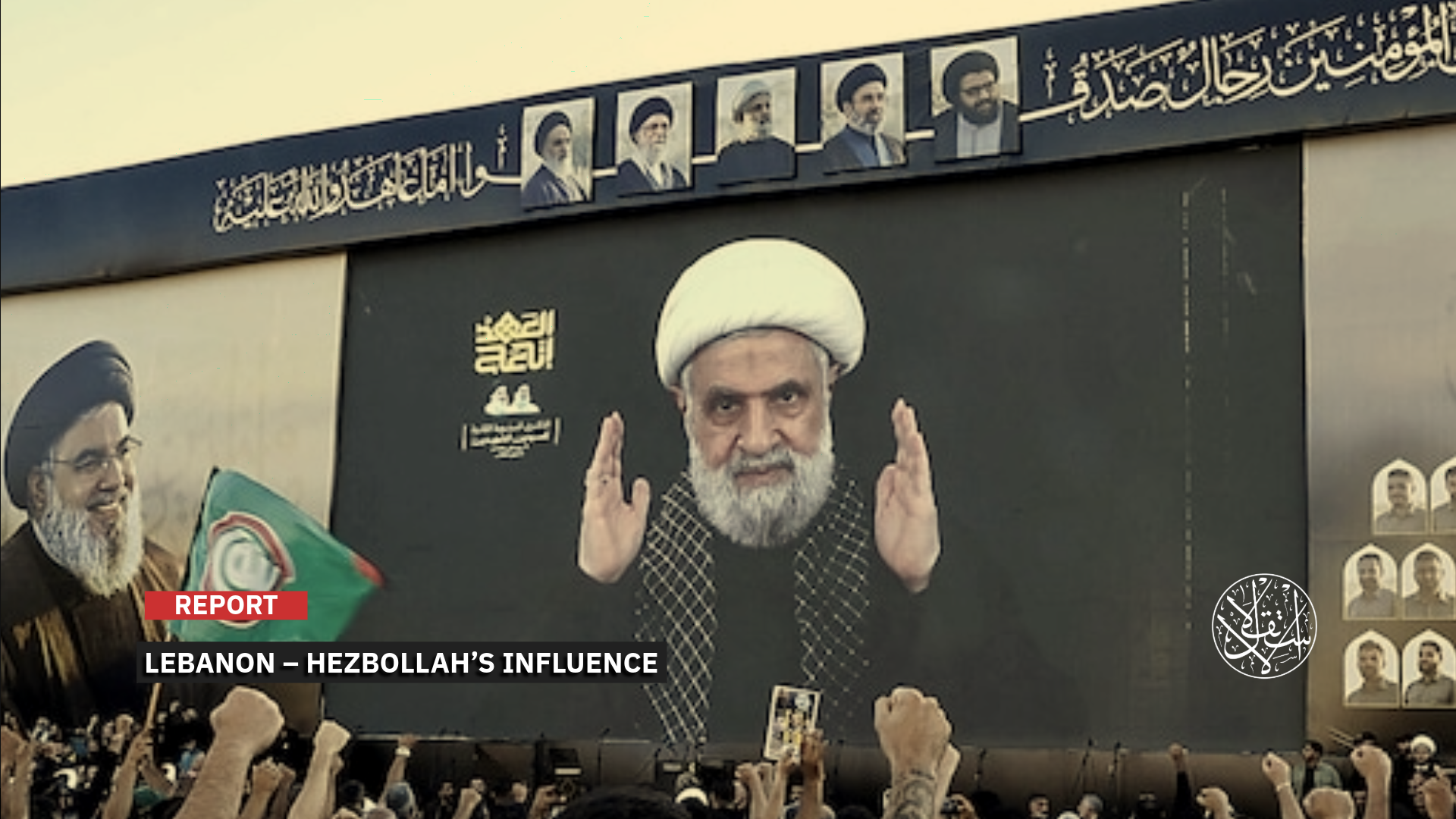
“Hezbollah MP Hassan Fadlallah acknowledged that the shipment belonged to the party.”
Tensions between the Lebanese state and Hezbollah are escalating following a security raid on a pharmaceutical warehouse in Beirut’s southern suburbs, where a large shipment of explosives was seized.
The incident has raised questions about the government’s ability to end the party’s security influence in areas under its control and whether the judicial dispute could escalate into an internal confrontation.
These developments come amid U.S. pressure to hold those responsible for transporting the explosives accountable and government efforts to place all weapons under state control.
They have revived fears of a repeat of the May 2008 events, particularly as Hezbollah remains determined to retain its weapons and refuses to abandon previous coordination mechanisms with Lebanon’s security agencies.
On May 7, 2008, armed clashes erupted in Lebanon between Hezbollah and its allies and Sunni forces aligned with the government.
The violence followed a decision by the government, then headed by Prime Minister Fouad Siniora of the Future Movement, to dismantle Hezbollah’s telecommunications network and dismiss the head of security at Beirut airport.
In response, Hezbollah seized control of neighborhoods in western Beirut. The crisis eventually ended with the signing of the Doha Agreement.
The Sovereignty Challenge
On October 16, 2026, the escalation began when individuals attempted to prevent a security patrol from raiding a warehouse storing expired medicines in the Gallery Semaan area of Beirut’s southern suburbs.
Security forces later completed the operation with army support, seized the medicines, and sealed the warehouse with red wax, despite objections during the raid.
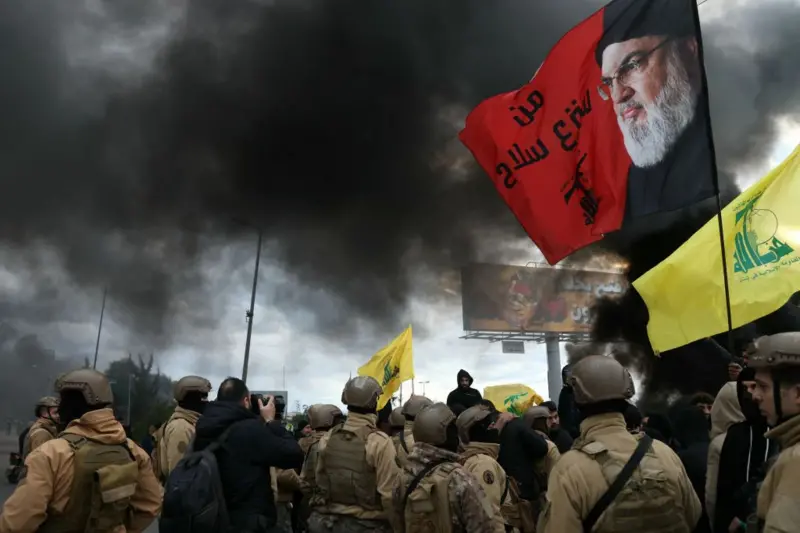
According to local media, Hezbollah demanded that the patrol withdraw, viewing the operation without prior coordination as a precedent that would allow security agencies to enter the southern suburbs and enforce judicial orders without consulting the party.
Hezbollah maintained that the raid had failed to follow the agreed-upon mechanism for handling such cases.
Meanwhile, MP Ashraf Rifi suggested that carrying out the raid without coordinating with Hezbollah could signal a shift in the state’s approach to areas under the party’s influence.
News websites reported that the warehouse was allegedly owned by the son of Hezbollah Secretary-General Naim Qassem, although this information could not be independently verified.
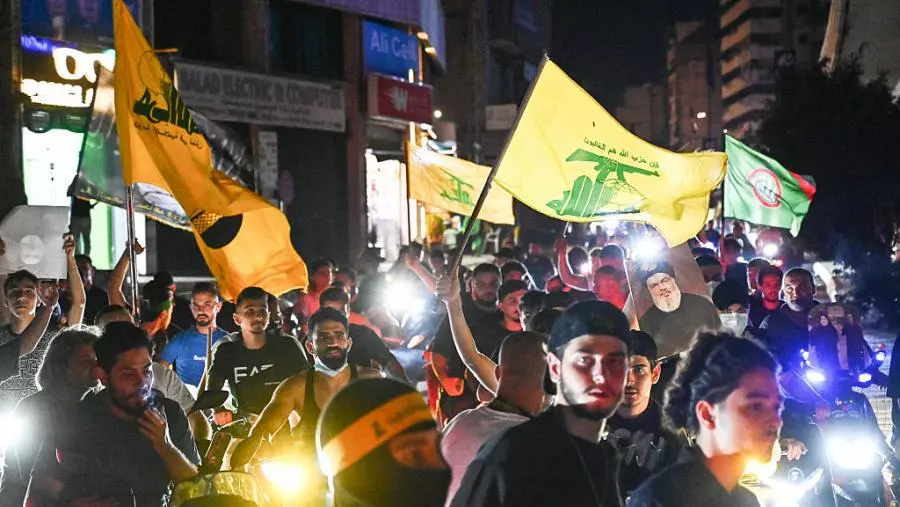
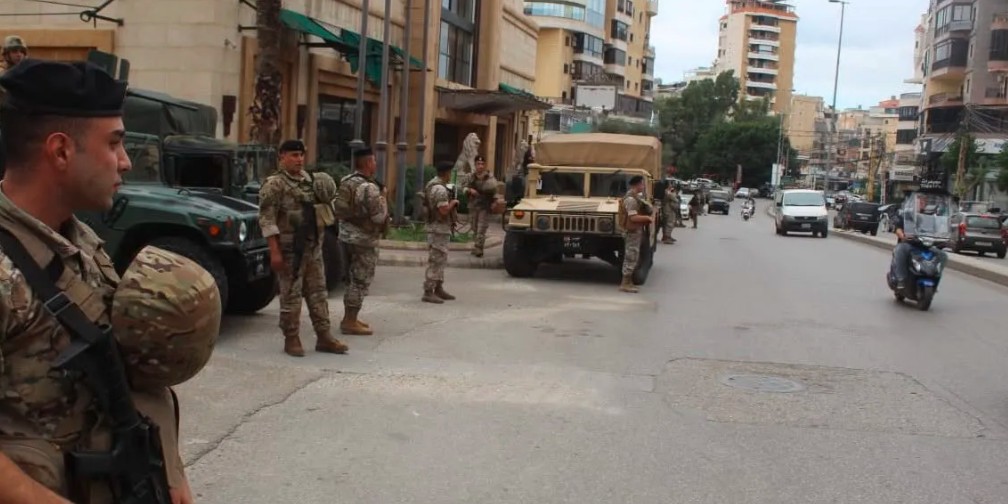
Hezbollah denied any connection to the warehouse or its contents. The incident was followed by movements of Hezbollah supporters on motorcycles through Beirut’s streets, amid a deployment of the Lebanese army.
These developments raised fears that the dispute could spill onto the streets, turning security and judicial measures into a direct test of relations between the state and the party.
In this context, Jordanian writer and political analyst Hazem Ayyad, who specializes in Middle Eastern affairs, told Al-Estiklal that the warehouse raid crisis did not appear likely to escalate into a confrontation between the Lebanese government and Hezbollah.
He said both sides were seeking to use the incident politically and in the media to advance their respective narratives and strategies, without fundamentally changing the balance of power.
Ayyad explained that the Lebanese government is trying to present its handling of this case as an achievement that demonstrates its ability to maintain security and manage domestic affairs through the law and judicial decisions.
Hezbollah, by contrast, believes the crisis could have been resolved through negotiations, avoiding an escalation that might fuel sectarian strife.
He added that the crisis did not reflect a major decline in Hezbollah’s strength so much as a weakening of the ability to reach understandings between the party and the government.
Each side, he said, was seeking to exploit the other’s vulnerabilities to strengthen its negotiating position and political standing domestically and at the regional and international levels.
The Dahr al-Baydar Explosives
Amid the warehouse raid crisis, a dispute intensified over a shipment of explosives seized by security agencies while being transported from the Bekaa region toward Beirut.
On October 17, a Lebanese judicial source told Agence France-Presse (AFP) that two men suspected of belonging to Hezbollah had been arrested while transporting the shipment.
The source said the shipment, seized in the Dahr al-Baydar area along the international highway leading to Syria, weighed 500 kilograms of explosives, including 250 kilograms of TNT and an equal amount of C-4. Authorities also announced that they had seized three shipments since the beginning of October.
On October 15, Hezbollah MP Hassan Fadlallah acknowledged that the shipment belonged to the party, stressing that it was intended for use against “Israel”.
He said Hezbollah had informed the security and judicial authorities of its ownership and demanded the immediate release of the detainees and the return of the vehicle and its contents.
In response, Lebanese Prime Minister Nawaf Salam stated in a post on X dated October 12 that his government would pursue and expand the investigations to identify those involved and those behind them, uncover their objectives, and prosecute them.
He stressed that the government will deal with the required firmness with any weapons outside the framework of state legitimacy, whether in possession, transportation, or use.
The case became more sensitive after reports cited a security source as saying that the explosives had been intended for an assassination attempt, although no judicial findings had confirmed this.
Salam recalled the use of C-4 in previous political assassinations, a claim Fadlallah rejected, describing it as a campaign aimed at inciting strife and deepening divisions among the Lebanese.
On October 18, Lebanese writer Mona Fayad, in an article published on the Janoubia website, linked the seizure of the explosives to Lebanon’s history of political assassinations.
She argued that the shipments raised fears of a return to using security threats to shift political balances and undermine the state’s authority.
Fayad argued that the challenge lies in completing the investigations transparently and preventing any attempts to obstruct them.
She suggested that the pressure facing Hezbollah could push the party to try to regain its influence, while the positions of the government and the presidency would remain decisive in determining the investigations’ outcome and the institutions’ ability to enforce the law.
Escalating Pressure
These developments coincided with a call by U.S. Secretary of State Marco Rubio, during a conversation with Lebanese President Joseph Aoun on October 15, for those responsible for transporting the explosives, financing the operation, and overseeing it to be held accountable, and for the shipment not to be returned to Hezbollah.
This added an international dimension to the crisis surrounding the authority of Lebanon’s security and judicial institutions.
In this context, Al-Akhbar newspaper reported on October 17 that judicial warrants had been issued for the arrest of Hussein Abdullah, head of Hezbollah’s Liaison and Coordination Committee, and his assistant, Ali Ayoub.
However, MP Ibrahim al-Moussawi denied that such warrants had been issued. A judicial source also denied to Al-Jadeed TV the accuracy of the reports concerning Abdullah, as debate over the case continued.
Ayyad argued that the Lebanese government was seeking to leverage these developments diplomatically and demonstrate its ability to enforce the law and assert sovereignty.
He cited statements by Deputy Prime Minister Tarek Mitri, who affirmed the government’s commitment to its obligations while “Israel” remained non-compliant, with insufficient U.S. pressure to compel it to withdraw from Lebanese territory.
He added that “the United States remains closer to the Israeli narrative” and pays insufficient attention to the challenges facing the Lebanese government.
Beirut, meanwhile, views “Israel” as the main obstacle to extending state authority and allowing the Lebanese army to deploy and exercise its security powers throughout the country.
Ayyad explained that Hezbollah points to the government’s inability to end the Israeli occupation as justification for retaining its military capabilities.
This, he said, turns the crisis into an opportunity for both sides to strengthen their positions rather than a prelude to confrontation, despite continuing disagreements over weapons and security authority.
He noted that changing the balance of power would require allies and partners capable of helping the Lebanese state establish new realities on the ground, something that is currently lacking.
He expected the government to continue using the crisis diplomatically to secure gains in its dealings with Washington, a political approach that Hezbollah would not necessarily oppose.
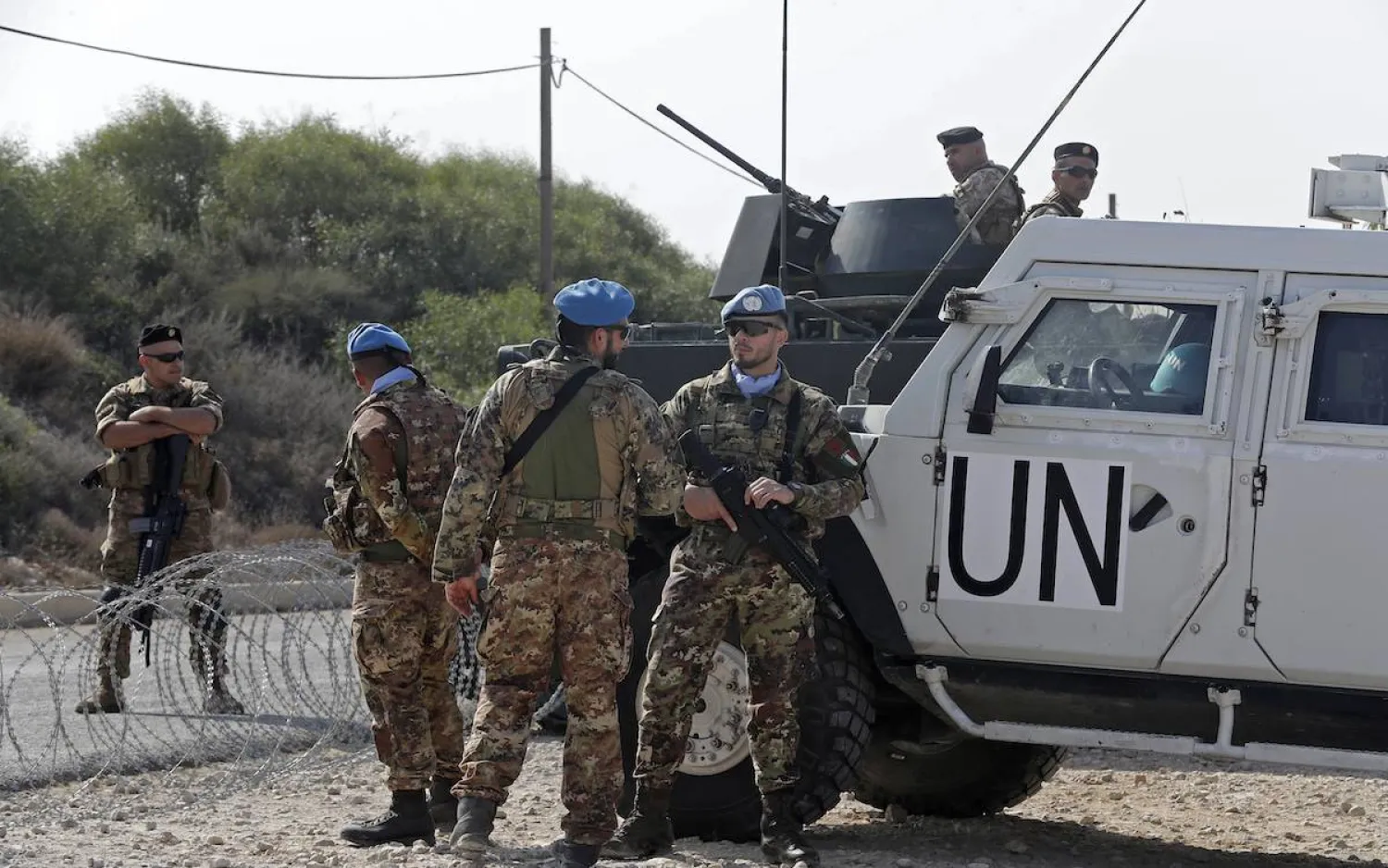
According to Ayyad, Lebanon’s insistence on maintaining an international force presence and preserving the role of the United Nations Interim Force in Lebanon (UNIFIL) represents another complicated issue that has not received sufficient engagement from the United States, “Israel”, or Europe.
This reflects the growing challenges facing the government as it seeks to assert sovereignty and fulfill its security and political commitments.
Scenarios for Confrontation
The crisis has revived memories of the May 2008 events, raising questions about the possibility of another internal confrontation, particularly as disagreements over Hezbollah’s weapons persist.
The party’s leadership refuses to give up its arms, despite the government’s adoption of a plan to place all weapons under the control of legitimate state forces and its decision to task the army with implementing it following confrontations with “Israel”.
Hezbollah emerged from a war that lasted more than a year and ended with a ceasefire in November 2024, before becoming involved in renewed fighting with “Israel” in early March in response to the assassination of Iranian Supreme Leader Ali Khamenei, bringing Lebanon back into the war.
Although a security source ruled out a repeat of the May 2008 events, citing changed circumstances and Hezbollah’s diminished capabilities, the source did not rule out limited clashes.
This leaves the government facing a difficult balancing act: implementing judicial and security decisions, maintaining stability, and preventing a slide into internal confrontation.
Ayyad ruled out a major clash between the two sides, despite calls to expand the investigations and Hezbollah’s failure to demonstrate a willingness to respond to or cooperate with the government.
He stressed that “talk of an internal confrontation serves neither side at this stage and would not receive external support.”
He explained that Syria has repeatedly declared that it does not wish to become involved in an internal Lebanese conflict, while the United States is preoccupied with its elections and prefers to exert political and diplomatic pressure.
“Israel”, in his assessment, remains the party threatening war and assassinations, including potential threats against Hezbollah’s leadership.
Ayyad noted that U.S. and Israeli preoccupation with elections, alongside fears of renewed confrontation between Iran and “Israel”, means that broader regional dynamics overshadow Lebanon’s domestic situation and reduce the likelihood of internal escalation, despite continued political sparring and efforts by each side to strengthen its position against the other.
The Middle East expert concluded that the crisis would remain confined to internal disputes, continuing to be used for political, media, and diplomatic purposes without triggering an all-out confrontation or fundamentally changing the balance of power.
The government’s ability to resolve the explosives case and bring weapons under state control will therefore remain a test of its authority and the limits of Hezbollah’s influence.
Sources
- Hezbollah Acknowledges Ownership of Explosives Seized by Lebanese Authorities [Arabic]
- A Defiant Party and a Fearful State Amid Iranian Audacity! [Arabic]
- Dahr al-Baydar Truck Incident Escalates: Warrant Issued for Hussein Abdullah, Successor to Wafiq Safa [Arabic]
- Lebanon: Security Raid Tests Relations With Hezbollah [Arabic]
- Hezbollah Admits Ownership of Explosives Shipment and Demands Its Return [Arabic]
- The 2008 Lebanon Conflict [Arabic]