Jordan’s Security at a Crossroads: Why Target Karak Church Now?
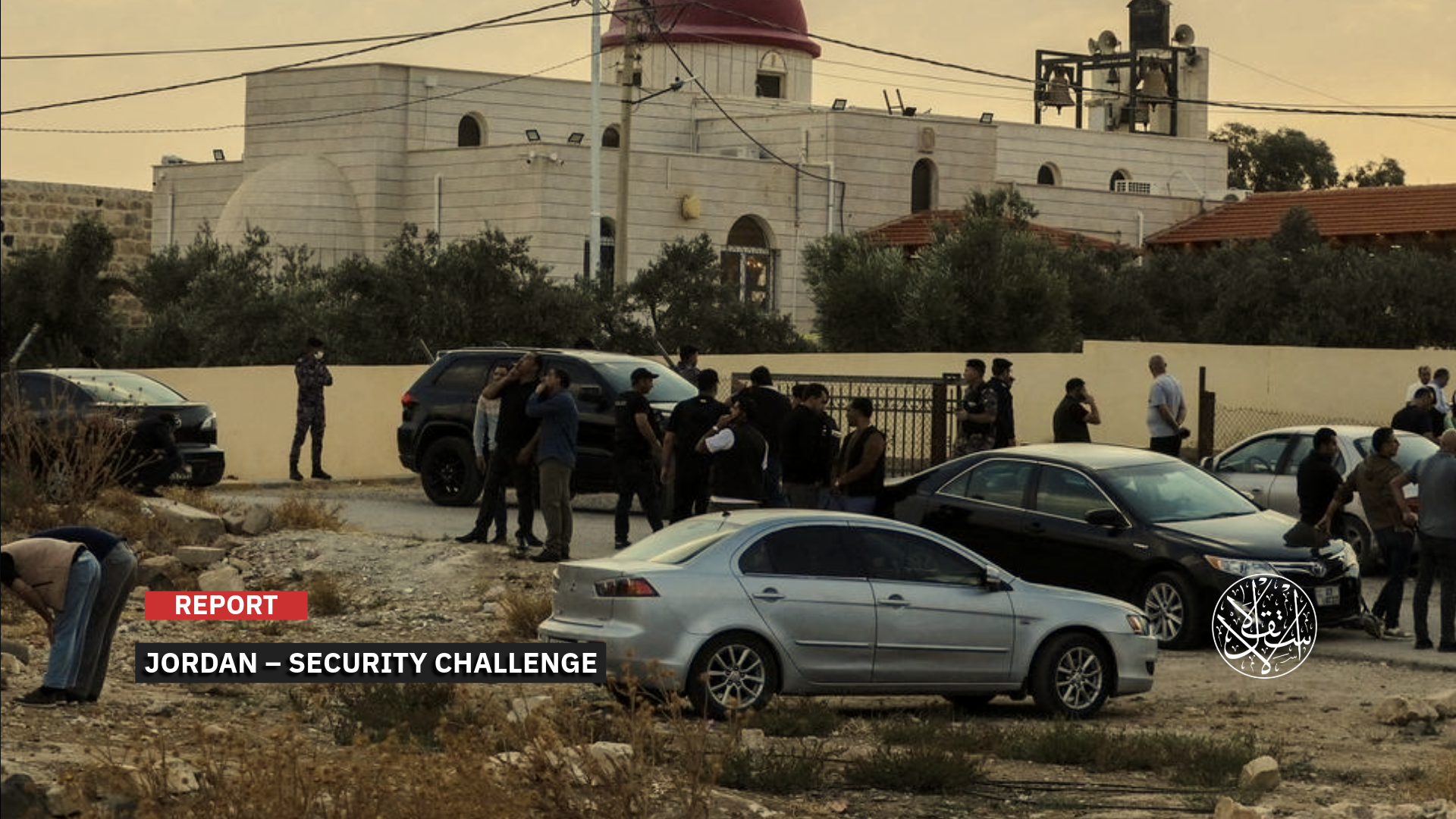
"The death toll from the attack rose to eight, with 27 others injured."
The attack on a church in Jordan’s southern Karak Governorate has raised concerns that the nature of the threats facing the kingdom may be changing, as a religious site becomes a target.
The incident has also prompted questions about the attackers’ motives and whether the attack was linked to regional conflicts.
Questions are mounting over whether the choice of a church as a target on 23 October 2026 reflects a shift in the objectives and tactics of extremist groups or an attempt to undermine social cohesion.
The attackers are still being pursued, and no official information has confirmed any links to foreign parties.
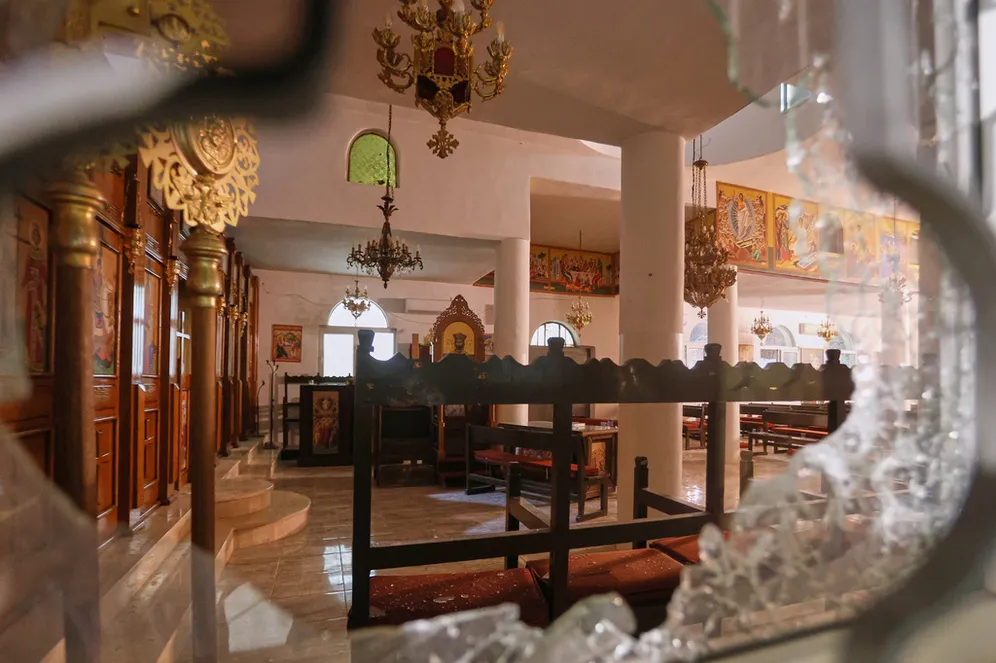
A Qualitative Shift
Jordan’s state television reported that the death toll from the attack had risen to eight, while Health Minister Ibrahim al-Badour said 27 injured people were receiving treatment in hospitals.
Two were in critical condition at Prince Ali bin al-Hussein Military Hospital, while the remaining patients were in stable condition.
As investigations continue, al-Mamlaka TV reported that the Public Security Directorate had not officially confirmed the arrest of members of the cell involved in the attack, despite reports that one of the perpetrators had been arrested on Friday evening.
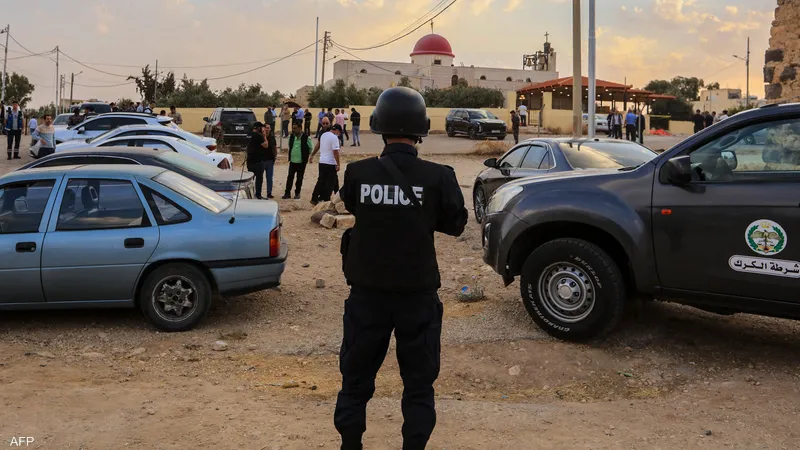
The reports came amid a heavy security deployment across Karak Governorate and ongoing manhunts.
Security measures have been tightened across the governorate, with dozens of checkpoints set up in various areas.
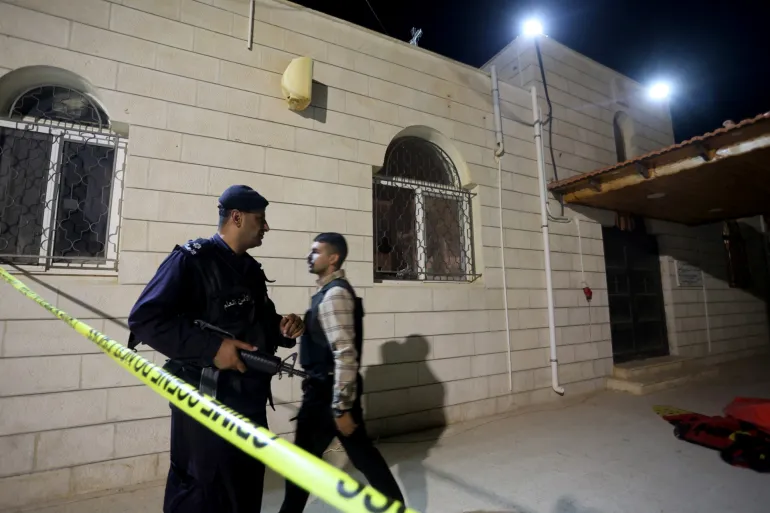
Some of the closures imposed after the attack have been lifted, but security forces continue to cordon off the targeted church as concerns grow over the incident’s potential implications for domestic security and social stability.
In the government’s first response, Jordan’s Prime Minister Jafar Hassan described the attack as the result of takfiri terrorist ideology and blind extremism, stressing that the country would not allow society to be pushed down this path.
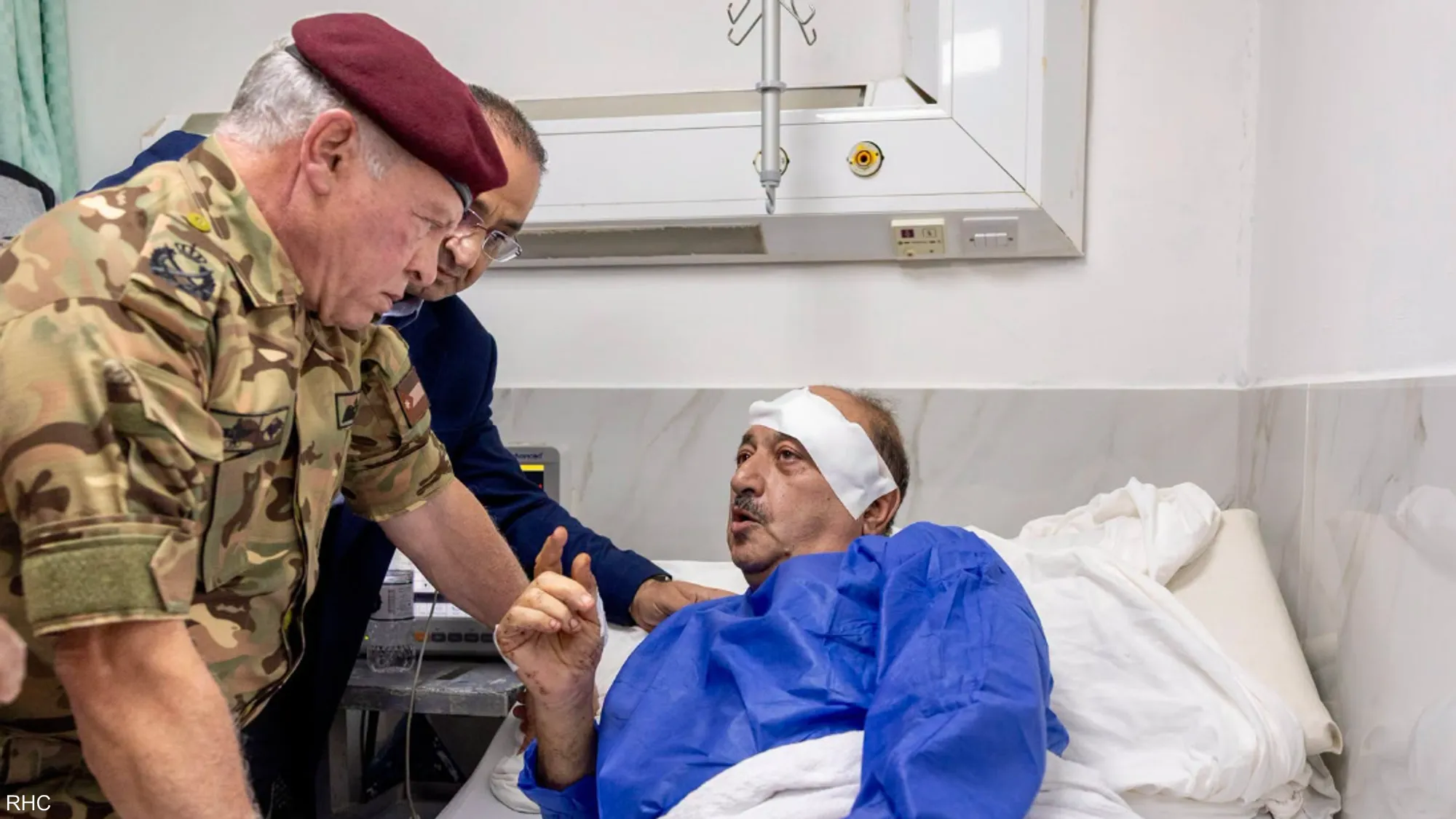
King Abdullah II also visited Karak Governorate, vowing to respond firmly to anyone who threatens the country’s security and stability.
Jordanian writer and political analyst Hazem Ayyad told Al-Estiklal that targeting a church marked a qualitative shift in the nature of the targets, as previous attacks had focused on tourist sites or locations of economic importance rather than a religious site.
Ayyad explained that the attack carried sectarian implications that threatened social peace and security, seeking to undermine the harmony and coexistence Jordan had presented as a model in a region beset by turmoil for more than 20 years. He said the nature of the target called for a different assessment of the attack’s motives and consequences.
“This targeting marks a turning point, but it does not necessarily mean it will happen again,” he said, warning that repeated attacks on religious sites could point to covertly planned agendas aimed at targeting Jordan, undermining its standing and image, and weakening its political and diplomatic role in the region.
Hidden Agendas
Ayyad argued that targeting the church reflected an attempt to find an easy target and bring extremist ideology back into the spotlight after public attention had shifted to new regional priorities and challenges.
He said the perpetrators were seeking to reassert themselves as a security and political threat to the kingdom.
He added that the attack was an attempt to create a disturbing image that would bring extremists back into the public eye.
The danger, he said, lay not only in the assault but also in the message conveyed by choosing a religious site and the potential threat this posed to domestic coexistence.
In assessing the attack’s political implications, Ayyad said the move amounted to “a dangerous convergence of interests with the Israeli Occupation,” which he argued was seeking to sideline Jordan politically and diplomatically, particularly on the Palestinian issue and the Islamic and Christian holy sites in the occupied Palestinian territories.
The Jordanian analyst linked the kingdom’s diplomatic standing to its role in safeguarding holy sites in occupied Jerusalem and “Bethlehem.” He argued that undermining Jordan’s model of coexistence could damage its image and standing and weaken one of the foundations underpinning its role in defending Palestinian religious rights.
Jordanian strategic researcher Amer al-Sabaileh, meanwhile, said Jordan had “no precedent for churches being targeted in this way.”
He argued that the nature of the target and the circumstances surrounding the attack called for a reassessment of the security threats facing the kingdom at this stage, according to a report published by Leb Talks on 24 October.
Al-Sabaileh pointed to a possible regional dimension to the attack, suggesting that it could be part of attempts to transfer regional crises into Jordan and destabilize the domestic situation.
However, he did not assert that any confirmed foreign links existed, noting that investigations were ongoing and the circumstances surrounding the attack remained unclear.
The researcher warned that the attack on the church could signal attempts to undermine civil peace and threaten Jordan’s stability.
He noted that the kingdom had been targeted by various forces in recent months, arguing that the incident should be examined within a broader context rather than treated solely as an isolated security incident.
Possible External Links
Regarding the possibility that external parties were behind the attack, Ayyad stressed that investigations are still ongoing, and all hypotheses remain on the table. These include examining which parties might seek to exploit the incident or benefit from it, as well as the circumstances and broader context preceding the attack.
He noted that the incident came amid tensions with the Israeli Occupation and separate developments along the Syrian border, where criminal groups had been targeted.
He also pointed to reports published by The Telegraph discussing links between some of these groups and “Israel”, as well as Israeli activities to support groups involved in drug smuggling.
Ayyad cautioned, however, that these details remained possible lines of inquiry for Jordanian authorities to examine. He emphasized that “no official statements have been issued regarding these links so far,” adding that the short time elapsed since the attack made it impossible to reach firm conclusions about the parties that might have been involved.
Al-Sabaileh, meanwhile, raised concerns about the possible activation of cells inside Jordan, suggesting that this could be part of an Iranian strategy aimed at creating chaos in the region.
He did not, however, establish any verified link between these concerns and the attack, as uncertainty persisted over the perpetrators’ identities and affiliations.
These assessments reflect differing interpretations of the incident’s possible regional dimensions. While some link it to tensions with “Israel”, others warn that Iran could seek to exploit the regional climate.
Ultimately, determining the perpetrators’ motives and any affiliations will depend on the findings of the official investigation, details of which have yet to be released.
In a development underscoring the security concerns surrounding the incident, the U.S. Embassy in Amman issued an alert on 24 October urging American citizens to exercise caution and avoid crowds and areas with a heavy security presence. It also noted heightened security measures at shopping malls and foreign embassies in the Jordanian capital.
The embassy urged U.S. citizens to follow official updates and comply with local authorities’ instructions, warning that police deployments could increase as manhunts and investigations continued.
Attention is now focused on whether Jordanian security agencies can establish the circumstances surrounding the attack and determine whether any external parties were involved.
Strengthening the Home Front
On the measures needed to prevent similar attacks, al-Sabaileh stressed the need for an approach that goes beyond security measures to address the root causes of extremism and strengthen national identity and dialogue among Jordanians. He said the kingdom now faces a dual challenge, combining security risks with cultural threats targeting the fabric of society.
He argued that extremism was no longer simply a long-term risk but an immediate challenge requiring serious action.
He called for a clear plan to address the phenomenon and rebuild social cohesion, ensuring citizens’ safety while promoting dialogue and unity among the different components of Jordanian society.
Al-Sabaileh also called for swift security reviews and a reassessment of extremism-related cases, alongside a deterrent and proactive policy to prevent regional circumstances from being exploited to target the kingdom.
He stressed that combating terrorism and safeguarding Jordan’s security remain constants of the country’s regional policy, regardless of the range of potential threats.
Ayyad, meanwhile, said the Jordanian state recognizes the importance of social solidarity and religious, moral, and tribal norms in confronting such challenges.
He argued that society has multiple safety valves, along with a long-standing legacy of navigating crises and threats to domestic stability and coexistence among its diverse communities.
These factors, he added, serve as essential deterrents alongside security and political measures. He emphasized the need for coordinated efforts by both society and the authorities to contain the fallout from the incident and prevent it from becoming a threat to civil peace, particularly given the sensitivity of attacks on religious sites and their social significance.
Ayyad warned of the danger that agendas may seek to exploit, fuel, or repeat such incidents.
He stressed that confronting these threats requires an integrated security and community response, as well as coordination with neighbouring and regional countries to prevent external crises from spilling over into Jordan.
The attack in Karak remains a test of Jordan’s ability to protect religious sites and preserve domestic cohesion. Whether the incident had regional dimensions will depend on what the investigation uncovers, rather than on conclusions that have not been officially confirmed by the authorities.
Sources
- Karak Church Attack: Death Toll Rises to 9 as Jordan’s King Vows Firm Response [Arabic]
- Inside the Karak Attack: The Bloody Moments and Why Authorities Are Cautious in Pursuing the Perpetrators [Arabic]
- Al-Sabaileh to LebTalks: Fears of Iranian-Directed Cells Being Activated in Jordan [Arabic]
- Jordan’s King Visits Church Attack Victims, Vows “Harshest Punishment” for Perpetrators [Arabic]