When Units Defect, Not Individuals: The Significance of 280 RSF Militia Fighters Breaking Away
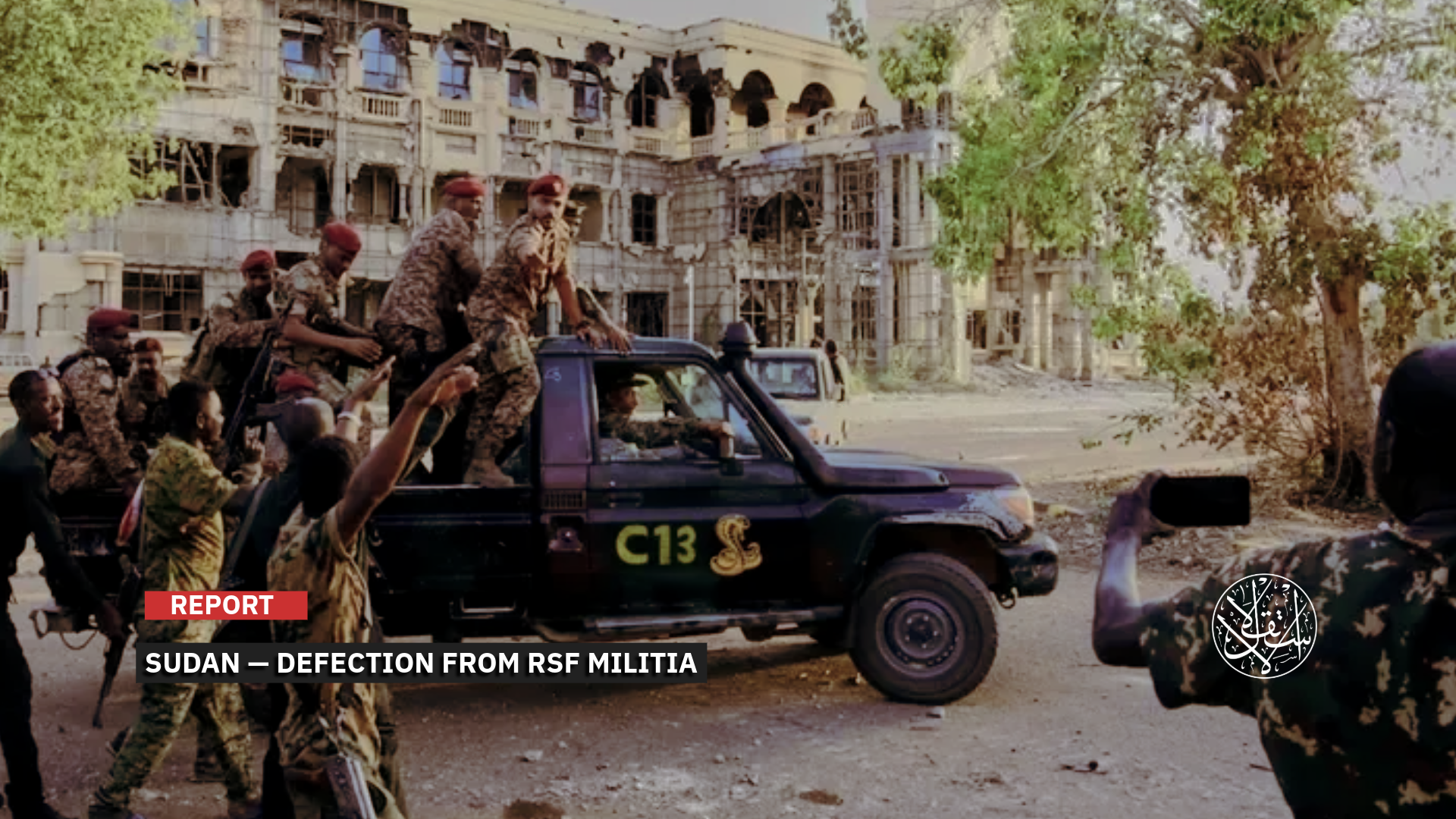
The defection of a group of around 280 fighters from the RSF militia carries significance far beyond its numbers.
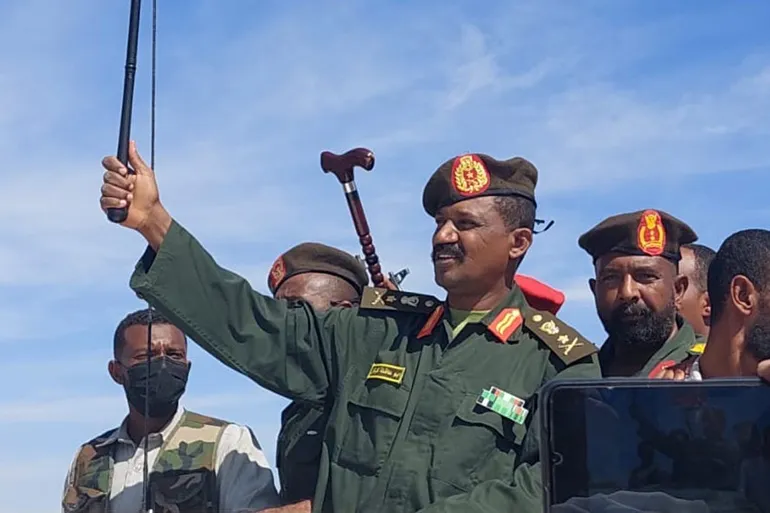
In a covert operation, a force of around 280 fighters, including field commanders, arrived in Khartoum on July 23, 2026, after breaking away from areas controlled by the Rapid Support Forces militia (RSF) and declaring their allegiance to the Sudanese army.
The arrival of the group was more than a simple military transfer from one side to another. Its withdrawal was carried out under the supervision of the Sudanese Armed Forces before the fighters were moved to designated camps as a first step toward integrating them into the army’s ranks.
The defection comes at a sensitive moment for the RSF militia, which is facing mounting pressure on battlefronts in Kordofan and Darfur, as well as internal struggles over leadership and influence. It also follows a series of defections involving commanders and fighting groups in recent months.
While the Sudanese army has presented the move as a new breakthrough against the RSF militia’s internal cohesion, the development raises a broader question: Is the militia beginning to fracture from within, or does the shift simply reflect the changing dynamics of a war still being reshaped?
How Did the Defection Unfold?
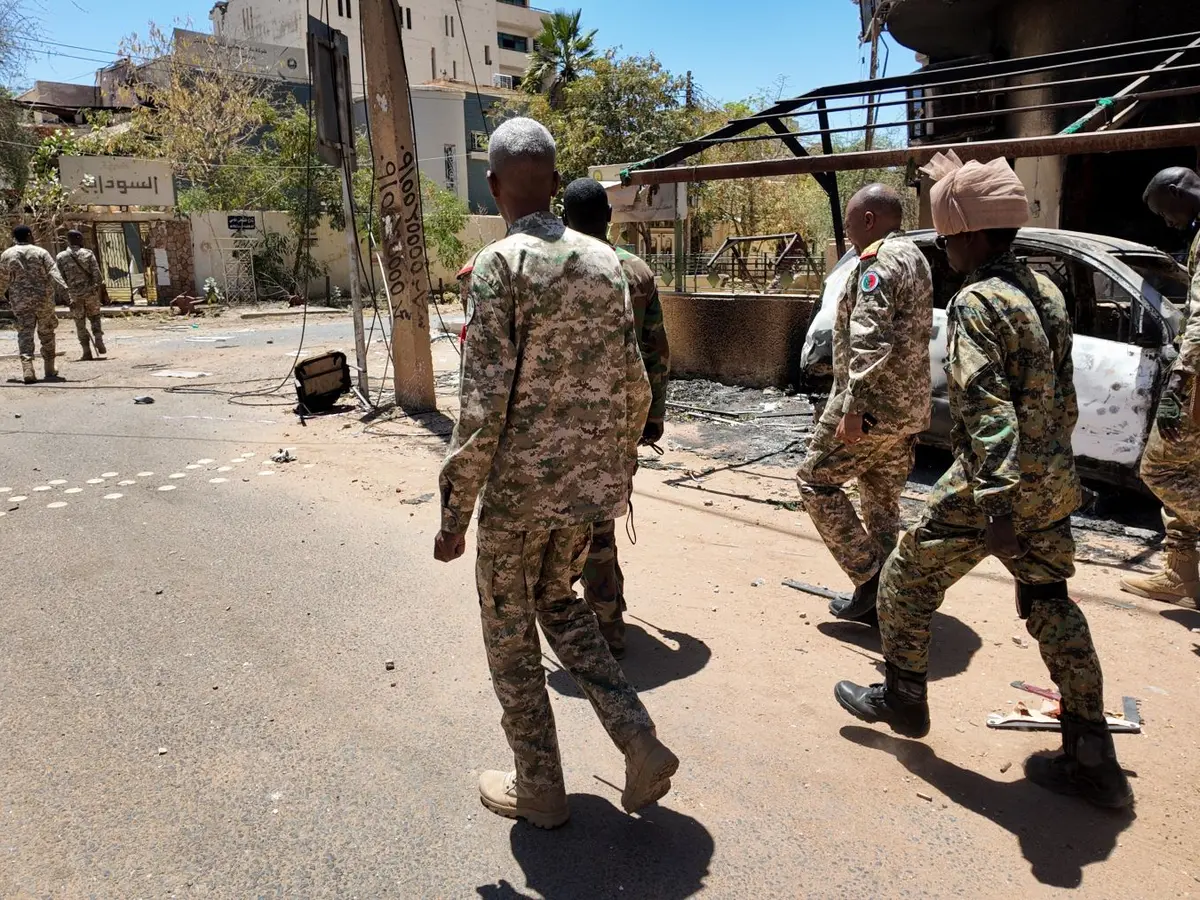
The group’s journey did not begin at the gates of Khartoum. It started deep inside areas controlled by the RSF militia, where, according to field sources, careful arrangements were made to move around 280 fighters, including field commanders, out of RSF-controlled territory without alerting their leadership.
The Sudanese Armed Forces oversaw the operation and secured the group’s arrival in the capital before transferring its members to separate camps to complete the necessary security and military procedures ahead of their integration into the army.
The way the defection was carried out suggests that the Sudanese army is no longer focused solely on confronting the RSF militia on the battlefield, but is also seeking to penetrate its internal structure and attract its units and commanders.
Sudanese reports indicate that the group came from Darfur and arrived with its full military equipment, including between 30 and 32 combat vehicles.
The organized departure of a force of this size points to the existence of active communication channels inside RSF-controlled areas, as well as the ability to secure safe routes and provide guarantees for fighters seeking to leave its ranks.
The significance of the move is amplified by its timing. The RSF militia is going through a period in which military pressure overlaps with political tensions within the Tasis alliance, internal competition over influence and positions, and growing uncertainty over the political project it is fighting under, according to statements by former defectors.
Sudanese researcher and political analyst Amin Abdel Razek told Al-Estiklal that the defection of a group of around 280 fighters carries implications far beyond its numbers. He said it sends a message to other RSF members that leaving the force has become a possible option, particularly as the army offers safe passage and integration for defectors. This, he argued, could encourage other groups to reconsider their positions, especially if collective defections accompanied by military equipment continue.
He added that RSF militia leadership would likely respond by tightening security measures, reshuffling commanders, and imposing greater oversight on field units. Such steps, he said, could limit the force’s operational flexibility and deepen mistrust within its ranks.
Abdel Razek argued that the group’s importance is not only linked to its size but also to its battlefield background. If the fighters did indeed leave Darfur after taking part in battles in Kordofan, they possess detailed knowledge of supply routes and corridors connecting the two regions, which serve as critical lifelines for the RSF militia’s movement of fighters, ammunition, and fuel.
For this reason, he said, repeated defections along these fronts could affect the RSF militia’s logistical capabilities more than its direct military presence in Khartoum.
He added that the consequences extend beyond the battlefield into the political sphere. The continued departure of commanders and fighters weakens the image of the Nyala-based government as a cohesive political umbrella for the RSF militia and exposes internal divisions over leadership, influence, and resources.
At the same time, Abdel Razek warned that integrating defectors without clear mechanisms for verification and accountability could create legal and political challenges, particularly if some of them face accusations of involvement in wartime abuses.
He concluded that the defection of the 280 fighters does not necessarily mean the RSF militia has entered a phase of collapse, but it represents an important sign that internal fractures are moving beyond individual departures and reaching combat units.
The real impact, he said, will depend on whether similar defections follow in Darfur and Kordofan and on the size of the commanders and military equipment that leave with them. Only then will it become clear whether defections have become a strategic factor shaping the course of the war or remain limited tactical gains.
Savannah and al-Qubba
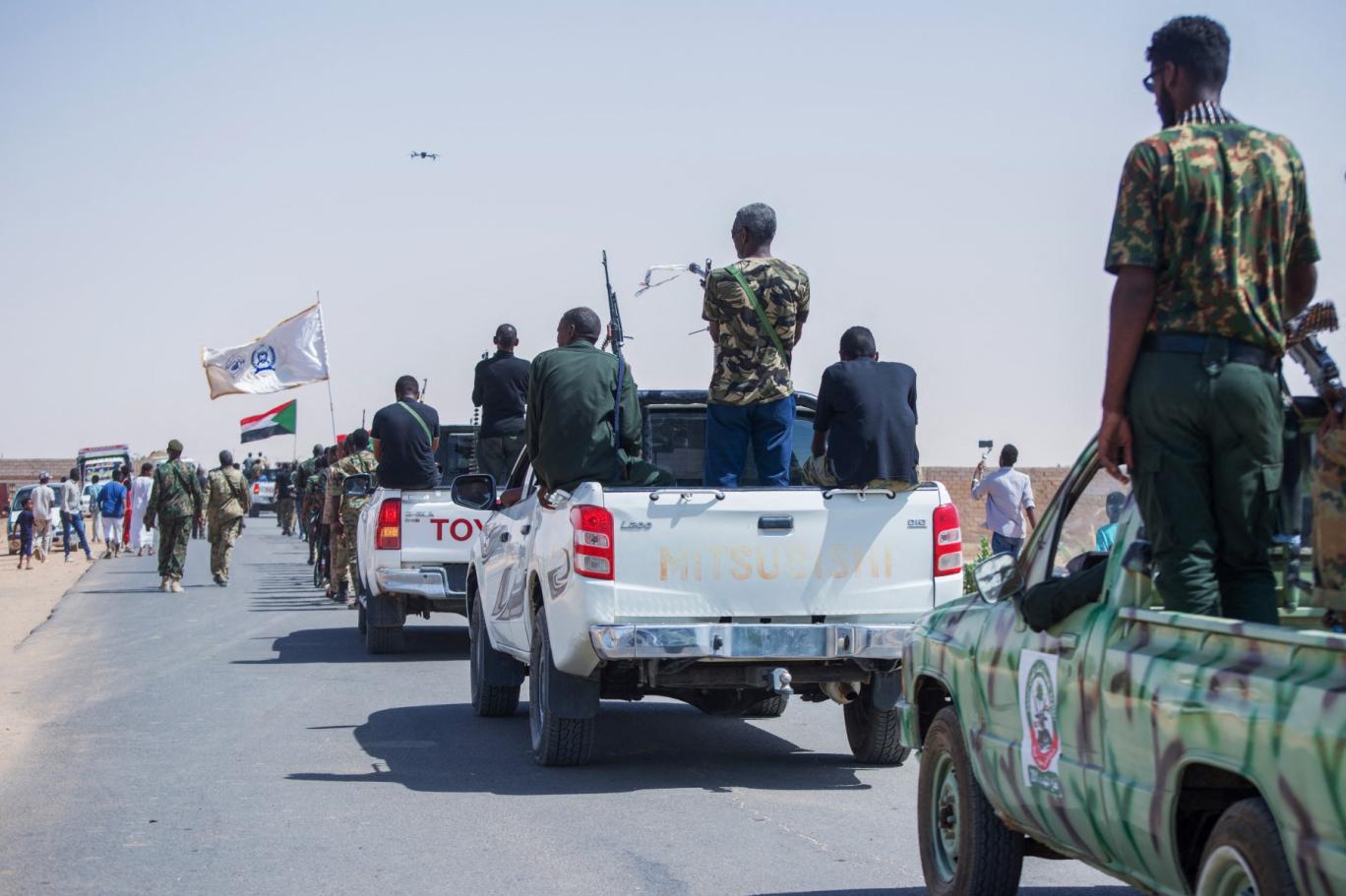
On May 11, 2026, senior RSF field commander Ali Rizqallah, known as Savannah, defected from the RSF militia.
Savannah was not an ordinary commander within Mohamed Hamdan Dagalo’s military structure. His name was linked to sensitive operations, including the recruitment of foreign fighters from Chad, Niger, and South Sudan, as well as managing supply routes and mobilization efforts across western and northern Kordofan.
He also held significant tribal influence within the Mahamid branch of the Rizeigat tribe, one of the key social bases that the RSF militia relied on in Darfur.
The impact of his departure was intensified by the fact that it came only weeks after the defection of Major General al-Nour Ahmed Adam, known as al-Qubba, one of the RSF militia’s most prominent commanders in Darfur. It also came as field reports pointed to the surrender of entire groups of fighters in Kordofan and Darfur, amid continued battlefield setbacks and internal disputes over leadership, influence, and the distribution of resources.
How Did the Defection Wave Begin?
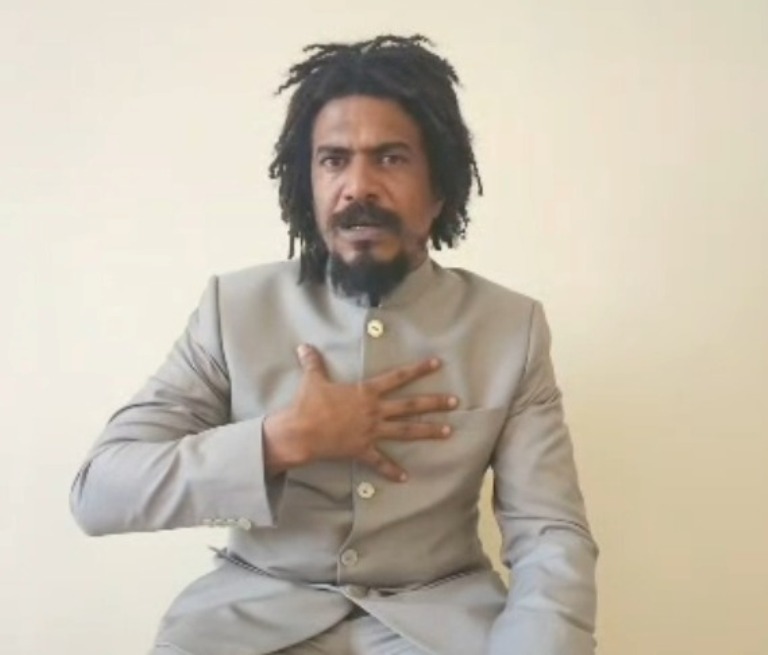
Although Sudan’s civil war erupted in April 2023, major public defections from the RSF militia did not emerge on a large scale until the second half of 2024, as battlefield dynamics shifted and the Sudanese army began regaining the initiative on several fronts.
The most significant turning point came on October 20, 2024, when the Sudanese Armed Forces announced that RSF commander Abu Aqla Keikal, the militia’s leader in Gezira state, had broken away and joined the army along with a number of his fighters.
Reuters described the move at the time as the first defection of a senior commander from the RSF militia since the war began.
Keikal, a former Sudanese army officer, had commanded the Sudan Shield Forces, a militia allied with the RSF in central Sudan, before switching sides as the army advanced in Sennar and Gezira states.
According to an analysis by the Armed Conflict Location & Event Data Project (ACLED), based in Wisconsin, Keikal’s defection marked a major shift that accelerated the collapse of RSF militia positions in Gezira state and paved the way for the army’s later advance toward Khartoum.
The RSF’s response to Keikal’s defection was far from ordinary. Reuters and Amnesty International reported that the militia carried out retaliatory attacks against villages and areas in eastern Gezira following his departure, highlighting the level of disruption the move caused within the RSF’s military structure.
The Drivers Behind the Defections
These defections were not simply a reaction to battlefield losses or shifting military fortunes. They also exposed a deeper crisis that had been quietly developing within the RSF militia’s tribal and organizational structure.
Since its formation, the militia has relied on complex tribal alliances in Darfur, particularly among branches of the Rizeigat tribe. But the latest war has revived old rivalries that had remained dormant for years.
Field reports indicate that the RSF’s aggression on the area of Mistariha, a stronghold of tribal leader Musa Hilal in North Darfur, became one of the key moments deepening divisions within the militia’s social base.
The attack, which left dozens dead, brought back the long-running rivalry between the Mahamid, the group to which Musa Hilal belongs, and the Mahariya, the branch linked to RSF commander Mohamed Hamdan Dagalo (Hemedti) and his brother Abdel Rahim.
According to local reports and field sources, Musa Hilal has played an important role in recent months in persuading some Mahamid fighters within the RSF to distance themselves from the militia, leave its ranks, or remain neutral. This was reflected in the defections of al-Qubba and later Savannah.
Audio recordings and statements from some defecting commanders have also revealed growing frustration over the dominance of Abdel Rahim Dagalo, Hemedti’s brother and the RSF’s second-in-command, over key decision-making areas within the militia, particularly weapons, funding, medical care, and salaries.
Reports by Arab and international media outlets suggest that some field commanders have increasingly come to view the RSF militia as a force controlled by a narrow inner circle, amid the declining influence of local and tribal leaders who once formed the backbone of its military presence in Darfur and Kordofan.
Observers say these disputes are now directly affecting the battlefield, as some tribal groups have begun viewing the war less as a broader Darfur conflict and more as a struggle driven by a specific leadership faction within the RSF militia.