The Shib Border Crossing Crisis: A Clash of Border Interests or a Political Rebellion Against al-Zaidi’s Government?
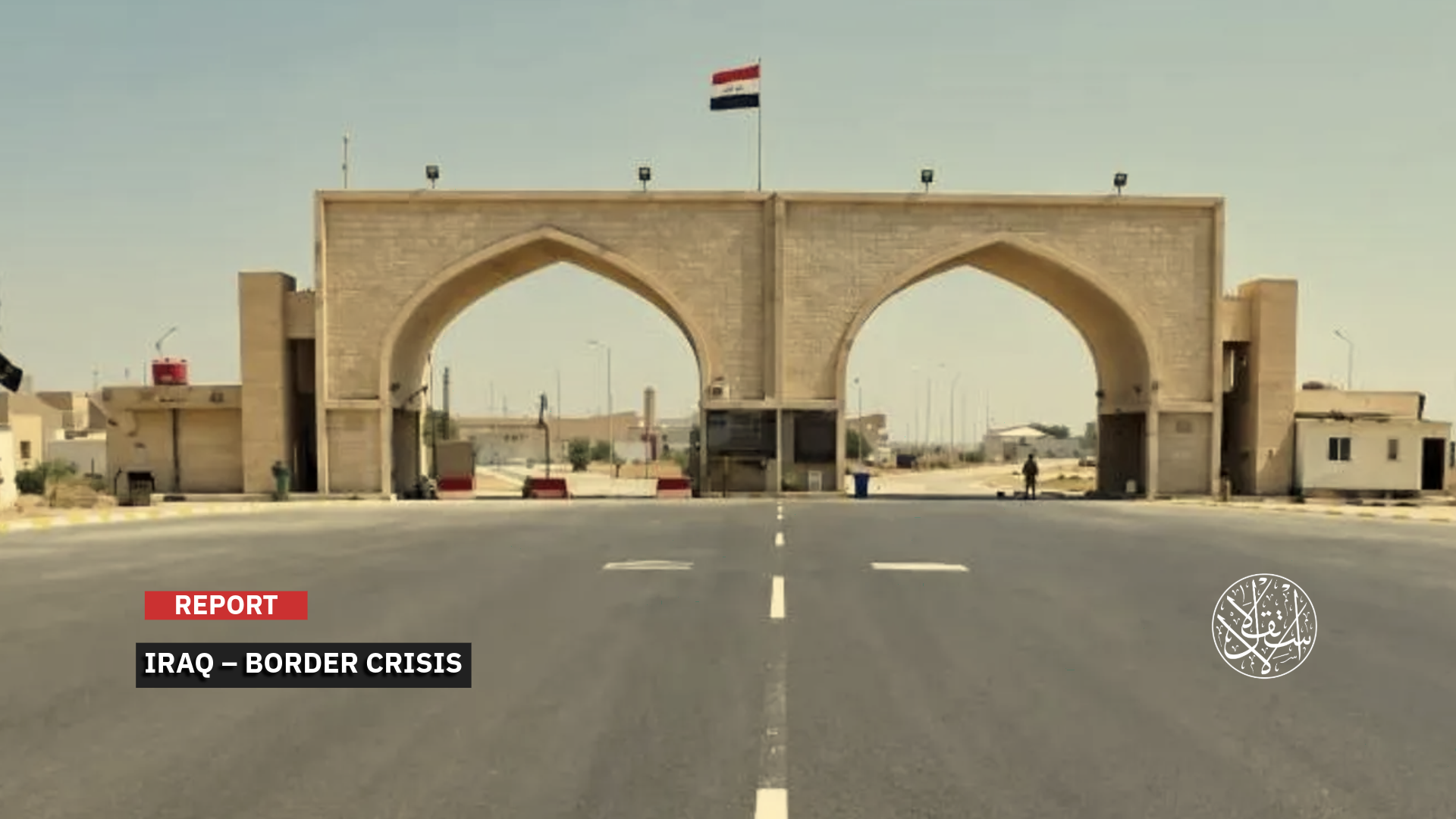
Maysan Provincial Council head Mustafa Da'ir al-Muhammadawi threatened to secede from Iraq.
Maysan Provincial Council Chairman Mustafa Duair al-Muhammadawi threatened to declare civil disobedience and seek to separate the province from Iraq in protest against the closure of a border crossing with Iran.
The threat has raised questions about the nature of the escalation: is it a politically motivated challenge backed by influential forces, or an attempt to pressure the federal government into reopening the crossing?
The crisis puts Iraqi Prime Minister Ali al-Zaidi to the test, challenging his ability to assert the federal government’s authority amid political opposition and public protests. There are also warnings that reversing the closure decision could encourage other provinces to defy Baghdad and trigger a wider confrontation over control of Iraq’s border crossings.
Local Escalation
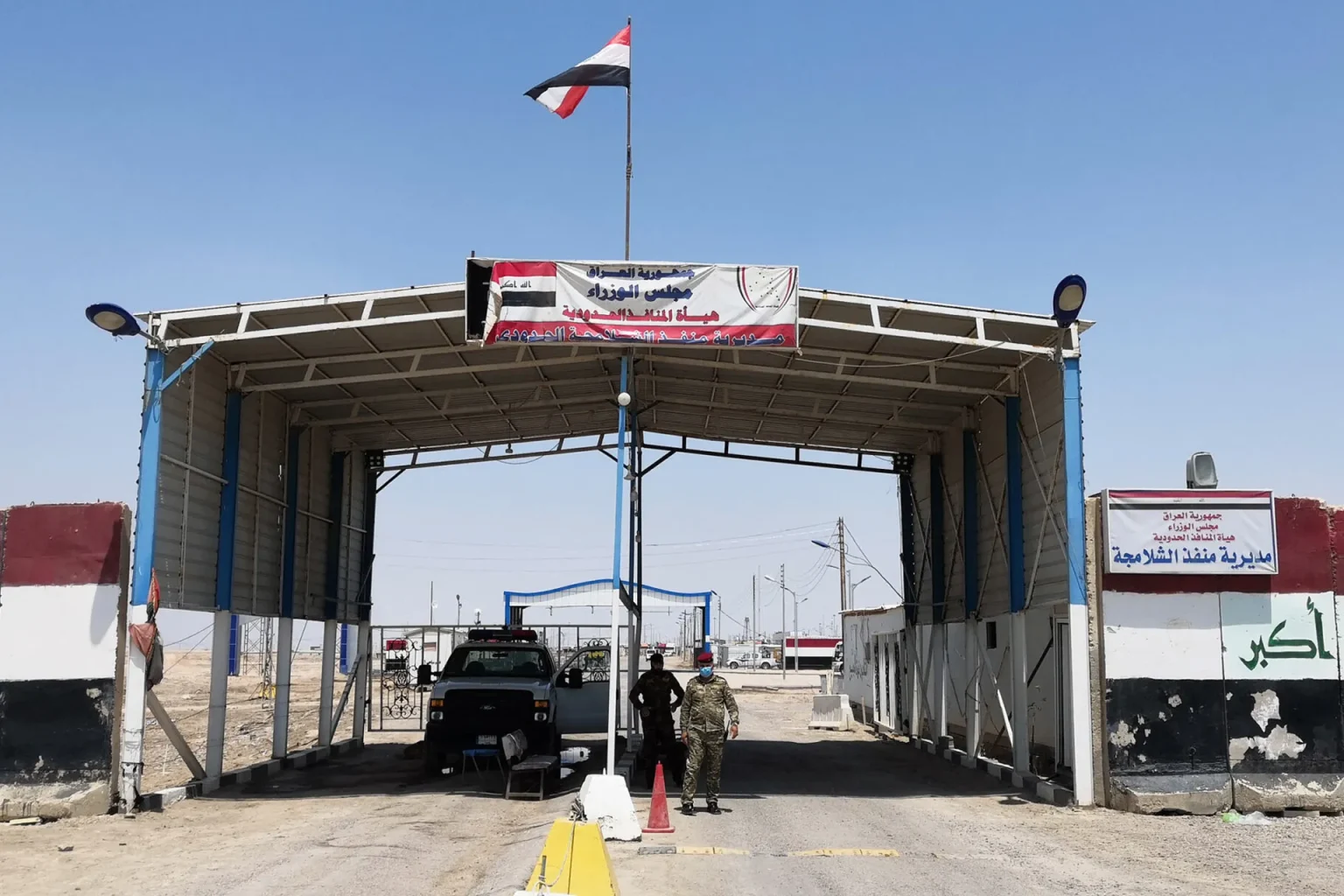
The crisis began on 20 October 2026, when the Iraqi government ordered the closure of the Shib border crossing until further notice. The decision drew local criticism over its economic and social consequences, while the government maintained that it was necessary to address serious security violations involving smuggling and forgery.
Iraqi government adviser Abdul Amir Taiban said authorities had been forced to shut down the crossing after detecting sophisticated smuggling operations involving drugs and counterfeit Iraqi and U.S. currency being transported to southern provinces, including Maysan and Dhi Qar. He warned that these activities posed a threat to both citizens and the national economy.
Taiban described the operations as more dangerous than missiles and accused unruly groups and traders on the Iranian side of being behind the violations, without identifying those involved.
Iran’s Interior Ministry, meanwhile, expressed dissatisfaction with the closure, saying Tehran had received no prior notification from Iraqi authorities.
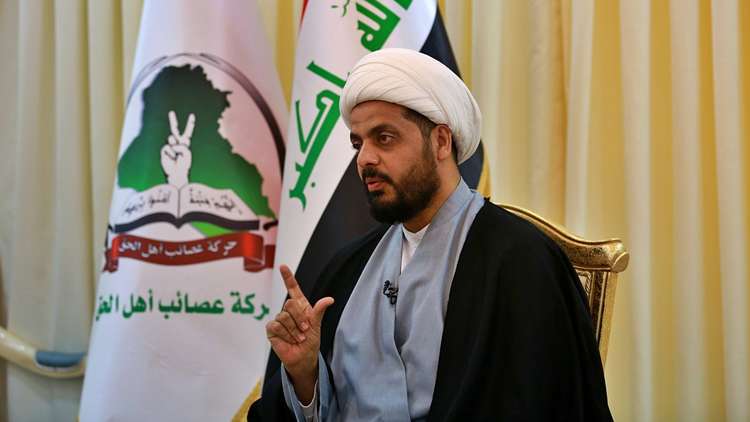
On 25 October, Maysan Provincial Council Chairman Mustafa Duair al-Muhammadawi gave the federal government three days to reopen the crossing during a press conference held at the site.
He threatened to declare civil disobedience, block roads, and “separate the province from Iraq” if his demand was not met by the following Thursday.
The threats coincided with protests across the province, during which dozens of demonstrators blocked the vital Bazargan road leading to oil companies in protest against the continued closure. Security forces were deployed in the area. The developments marked a shift from political statements to on-the-ground action aimed at pressuring the federal government.
The following day, al-Zaidi ordered an investigation into the provincial council chairman, stressing the need to abide by the law and constitutional and administrative procedures.
The Third Karkh Investigation Court subsequently issued an arrest warrant for al-Muhammadawi under Article 224 of Iraq's amended Penal Code No. 111 of 1969.
However, the provincial council chairman's media office announced on 27 October that al-Muhammadawi had been released after appearing before the court.
He thanked Qais al-Khazali, secretary-general of Asa’ib Ahl al-Haq, and the Iraqi judiciary, while vowing to continue defending the province's rights.
Meanwhile, Saqr al-Muhammadawi, a member of parliament's Security and Defense Committee, announced the formation of a committee to investigate the reasons behind the closure.
MP Mohammed al-Fartousi warned that the decision could drive up food prices, deprive hundreds of families of their livelihoods, and prevent patients from traveling for medical treatment. He described the crossing as an economic lifeline for Maysan.
Political Loyalties
Commenting on the nature of the threats, Iraqi political analyst Latif al-Mahdawi told Al-Estiklal that Maysan Provincial Council Chairman Mustafa Duair al-Muhammadawi may have been acting independently to demonstrate his loyalty to Iran at the expense of his own country, despite holding an official position within the Iraqi state.
Al-Mahdawi noted that al-Muhammadawi belongs to Asa’ib Ahl al-Haq, which is represented in the Iraqi government and holds the position of deputy prime minister.
He said these circumstances raise questions about the political motives behind the escalation and whether it is linked to competition to demonstrate loyalty to Tehran.
“Iran-aligned political forces and militias are competing to prove their loyalty during crises like this,” he said, explaining that some figures adopt escalatory positions without necessarily believing in them, seeking media attention rather than showing any genuine willingness to follow through on threats of sit-ins or secession.
Al-Mahdawi argued that the provincial council chairman’s remarks amounted to a direct insult to the Iraqi government and Prime Minister Ali al-Zaidi, since the decision to close the crossing had been issued by the country’s highest executive authority. Threatening secession, he said, therefore amounted to a direct challenge to a government decision, not merely a local administrative objection.
The analyst questioned whether a local official in Iran could threaten to break away from the country in protest against a government decision.
He criticized what he described as a lack of national commitment among Iraqi officials when decisions made in Baghdad conflict with interests or positions associated with Iran.
Iraqi political analyst and former Defense Ministry adviser Maan al-Jubouri described al-Muhammadawi’s threat, during a televised interview on 25 October, as a premeditated rebellion against the Iraqi state and constitution.
He argued that its significance extended beyond a dispute over a border crossing to threatening the country's unity and the authority of its institutions.
Al-Jubouri compared the threats to separatist positions taken by Druze groups in Syria.
He also accused Iran-aligned parties and militias of exploiting border crossings for activities beyond legitimate trade, including smuggling drugs, weapons, and unfit goods. He provided no evidence during the interview to substantiate these accusations.
These assessments reflect differing interpretations of the escalation. Some view it as an organized political challenge to the state, while others see it as an attempt to display loyalty and influence without any genuine intention to pursue secession. The extent of direct support for the threats from Iran-aligned forces remains an open question.
State Authority
The swift release of the Maysan Provincial Council chairman has raised further questions about the federal government's ability to respond to threats against its authority, particularly after the crisis escalated from a dispute over an administrative decision to calls for civil disobedience, road blockades, and the province's separation from Iraq.
Political analyst Latif al-Mahdawi expressed surprise at al-Muhammadawi's quick release without any penalty.
He questioned whether the authorities would respond in the same way if a local official in another province with a Sunni majority made similar threats.
“Had the chairman of the Anbar, Salah al-Din, or the Nineveh Provincial Council made such a statement, would the decision have been to release him or to punish him and remove him from office?” al-Mahdawi asked, pointing to concerns over unequal treatment of officials.
Similarly, Iraqi political analyst Ghalib al-Daami called, in a post on X on 27 October, for an end to what he described as acts of rebellion by certain institutions against the state and their interference in matters falling under the exclusive authority of the federal government.
Al-Daami stressed that border crossings are gold mines generating profits for criminal networks operating outside the law.
He argued that the federal government's decision to prevent the Maysan Provincial Council from interfering in the management of the Shib crossing was justified, given that border management falls within the federal government's exclusive powers.
This position places the dispute in a broader context than local economic demands. It raises questions about who benefits from activity at border crossings and how much influence these parties can exert over government decisions, particularly amid accusations of smuggling raised by the government adviser.
Al-Jubouri warned that giving in to the threats would undermine the authority of the federal government and allow forces backing the escalation to impose their will on state institutions.
He cautioned that this could turn the Shib crossing crisis into a precedent from which other parties might seek to benefit.
Sources
- Iraqi Judiciary Releases Maysan Provincial Council Head After He Complies With Legal Procedures [Arabic]
- Iraq Closes Shib Border Crossing With Iran, Halting Passenger and Trade Traffic [Arabic]
- Al-Zaidi’s Adviser Accuses Tehran of Serious Violations Against Iraq [Arabic]
- Maysan Provincial Council Threatens Baghdad With “Secession From Iraq” (Video) [Arabic]