The Southern Transitional Council’s Escalation Against Saudi Arabia: Southern Secession or a Pressure Tactic?
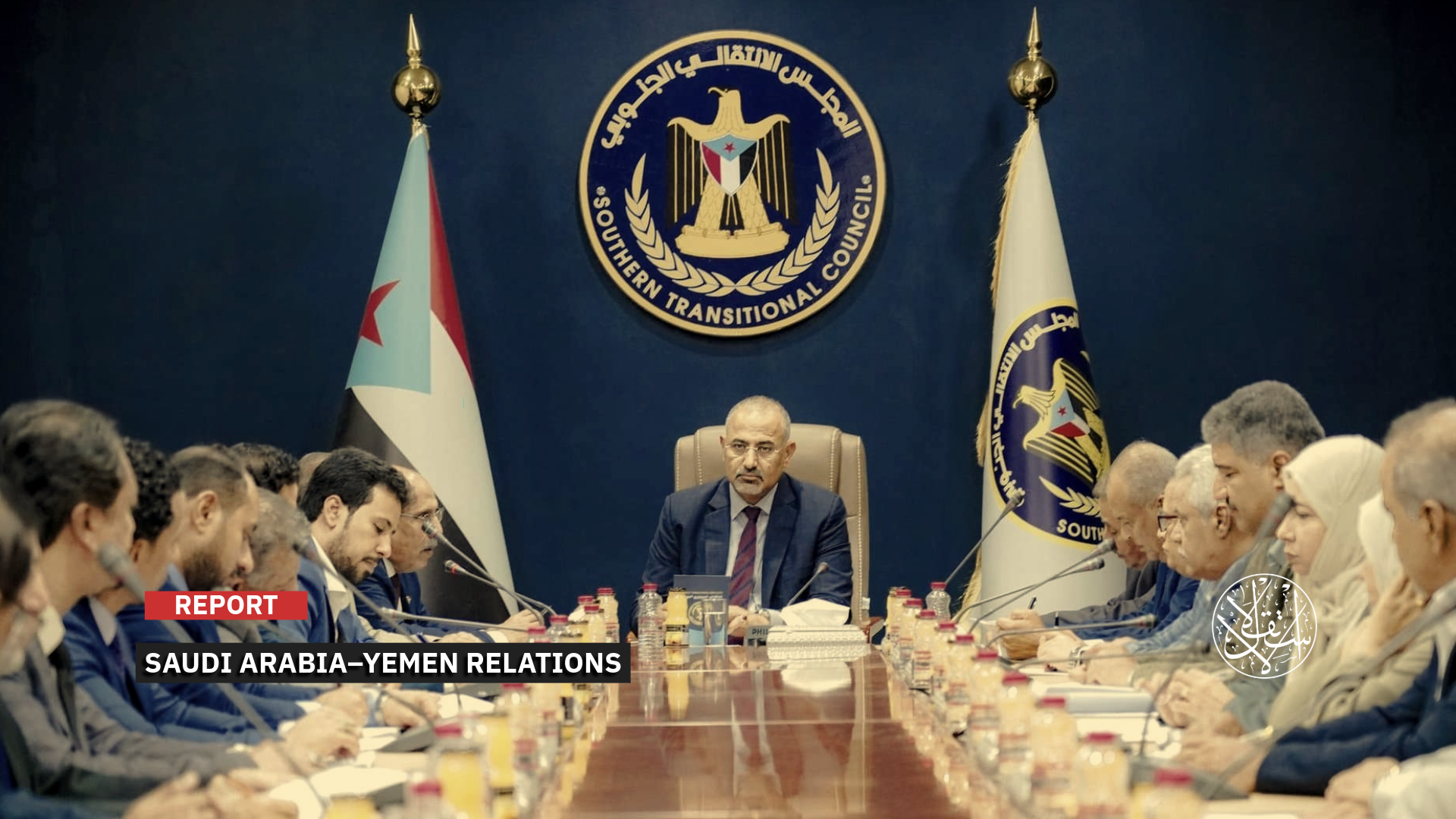
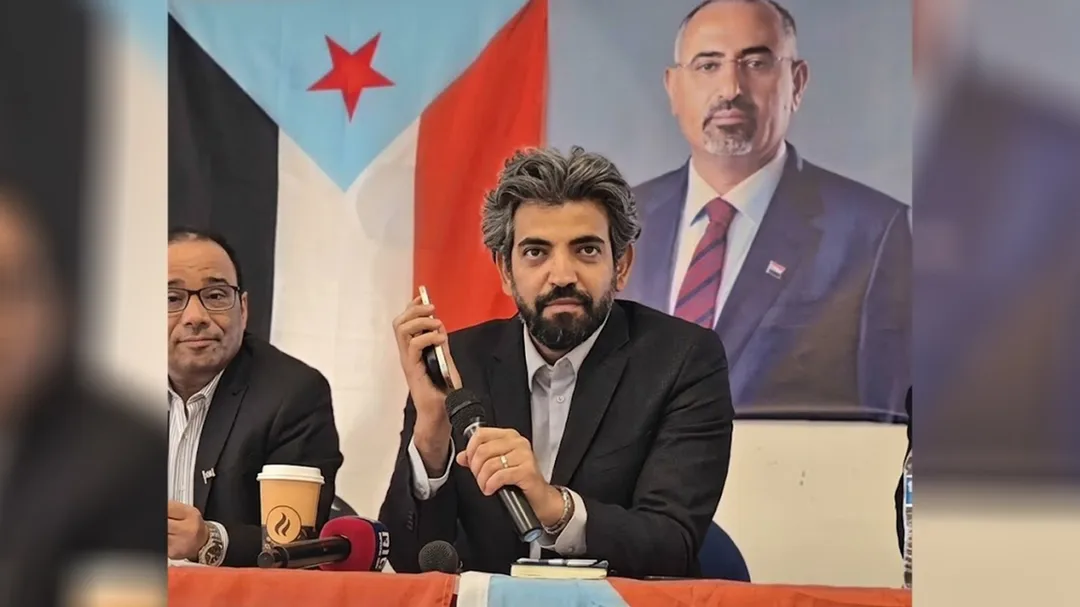
Amr al-Bidh accused Riyadh of making a strategic mistake by targeting his forces and pushing the UAE out of Yemen.
Relations between Saudi Arabia and Yemen’s Southern Transitional Council (STC) have entered a new phase of political escalation, after STC leaders, backed by the UAE, directly accused Riyadh of weakening the front against the Houthis.
This comes alongside renewed calls for southern independence and the council’s refusal to participate in the government’s military campaign to retake areas under Houthi control.
The escalation raises questions over whether it signals a strategic shift in the STC’s position or is a pressure tactic aimed at securing Saudi recognition of its secessionist project, amid differing views among its leaders, internal divisions, and regional complexities that leave the south’s future subject to scenarios beyond the council’s ability to determine on its own.
Deliberate Escalation
In his latest remarks, Amr al-Bidh, a member of the Southern Transitional Council’s (STC) Presidium and its president’s representative for foreign affairs, said that the partnership with the Saudi-led Arab coalition had become detrimental.
He accused Riyadh of making a strategic mistake by targeting southern forces and pushing the UAE out of Yemen.
Speaking in a televised interview on October 21, 2026, al-Bidh said the STC had joined the coalition to confront the Houthis but was surprised when the focus shifted away from advancing toward Sanaa and toward competing with southern forces.
He noted that Saudi airstrikes targeting STC forces in Hadramout last January had undermined trust between the two sides and deepened existing divisions.
The STC official linked the restoration of relations with Saudi Arabia to Riyadh’s recognition of the roadmap announced by STC President Aidarous al-Zubaidi in early 2026.
The roadmap includes a two-year transitional period, dialogue between southern and northern forces, and a referendum on the south’s future status. This effectively makes recognition of the secessionist project a condition for reaching an understanding.
These remarks came three days after Saudi Defense Minister Khalid bin Salman visited Abu Dhabi and met with UAE President Mohammed bin Zayed, amid disagreements over Yemen that intensified following the STC forces’ advance into Hadramout and Al-Mahra, before Saudi-backed forces retook areas in the south and east early this year.
In a recorded address on October 18, al-Zubaidi had called on Saudi Arabia to recognize the constitutional declaration and political statement issued on January 2, which outline a path toward restoring the southern state.
At the same time, however, he announced mobilization against the Houthis and condemned their attacks on the kingdom, adopting a position that differed in tone from al-Bidh’s sharper remarks.
On October 19, Emirati academic Abdulkhaleq Abdulla called, in a post on X, for collective Gulf recognition of an independent southern state as a strategic ally, an end to support for the northern government, and a halt to dealings with the Houthis, whether in war or peace, until further notice.
His remarks reflect the continued presence of the southern statehood project in discussions surrounding regional positions.
In this context, Yemeni writer and political analyst Yassin Al-Tamimi described al-Bidh’s remarks, in comments to Al-Estiklal for which no date was provided in the article, as proxy blackmail.
He argued that STC leaders based in Abu Dhabi were seeking to exploit the challenges facing Saudi Arabia as a result of Houthi attacks to secure political gains.
Al-Tamimi dismissed the possibility that the escalation reflected a unified position within the STC, pointing to Al-Zubaidi’s messages of solidarity with Saudi Arabia.
He argued that some STC leaders blame Riyadh for the failure of their attempt to impose secession by force and are seeking to capitalize on current circumstances to pressure Saudi Arabia and reshape relations with it in ways that serve their political interests.

Convergence of Interests
On the military front, the STC’s refusal to participate in Operation Decisive Dawn, announced by Presidential Leadership Council Chairman Rashad al-Alimi in early October, has raised questions about the cohesion of the anti-Houthi front and the Saudi-backed Yemeni government’s ability to unite military and political forces around the goal of retaking the northern territories.
Amr al-Bidh described the operation as political suicide, claiming that the decision to launch it was made in Riyadh without a clear strategy or unified military command.
He stressed that the STC would not take part in battles in northern Yemen, as its priorities are focused on protecting southern areas, particularly Al-Subaiha, Lahj, and Bab al-Mandab.
The contrast between al-Bidh’s position and al-Zubaidi’s call on October 18 to unite efforts against the Houthis is particularly striking.
While the latter presented himself as a partner in the fight and condemned attacks on Saudi Arabia, the former tied military engagement to the south’s priorities and criticized the coalition’s approach and military and political decisions.
Commenting on this divergence, Hussam Radman, senior researcher at the Sana’a Center for Strategic Studies, told the U.S.-based Alhurra website on October 18 that the new element in al-Zubaidi’s rhetoric was his condemnation of attacks on Saudi Arabia, his adoption of a conciliatory tone, and his call for intensified efforts to confront the Houthis.
Al-Tamimi, meanwhile, argued that al-Bidh’s remarks reflected alignment of interests with the Houthis.
He said the escalation was exploiting the exceptional circumstances facing Saudi Arabia and Yemen amid the armed confrontation with the group, adding that some parties were seeking to settle scores and achieve their objectives through affiliated local forces.
The Yemeni analyst noted that Iran had worked in recent years to strengthen its military cooperation with the Houthis by supplying missiles, sending military experts, and developing the group’s specialized capabilities to use in a confrontation with Saudi Arabia. This comes amid overlapping regional agendas and growing attempts to exploit the ongoing turmoil.
The STC’s refusal to join the military operation raises the possibility of an indirect convergence of interests between the council and the Houthis, despite their differing objectives.
By staying out of battles in the north, the council weakens the prospects of forming a unified front, while remaining committed to focusing its efforts on establishing an independent southern state.
Previous security tensions further highlight the complexities of the military landscape. On September 11, clashes broke out in Al-Dhalea after armed men affiliated with the STC, according to military sources, surrounded the convoy of Defense Minister Taher al-Aqili, leaving several people dead and wounded.
Conditional Independence
The STC’s dispute with Saudi Arabia extends beyond disagreements over military operations to the future of its secessionist project, particularly after al-Zubaidi announced a political roadmap in January aimed at restoring an independent southern state.
The announcement coincided with military moves in Hadramout and Al-Mahra, which were later met with a response from Saudi-backed government forces.
This was followed by the Yemeni Presidential Leadership Council’s decision to revoke al-Zubaidi’s membership and accuse him of high treason and undermining the republic’s independence.
The Yemeni government also asked the UAE to withdraw its forces, a demand supported by Saudi Arabia. Emirati forces withdrew on January 2, while al-Zubaidi left Yemen for Abu Dhabi.
On January 9, STC Secretary-General Abdul Rahman Jalal al-Subaihi announced the council’s dissolution from Riyadh. However, leaders loyal to al-Zubaidi rejected the decision, describing it as a unilateral move imposed by Saudi Arabia.
The dispute exposed divisions over the legitimacy of such decisions and who has the authority to determine the future of the political organization.
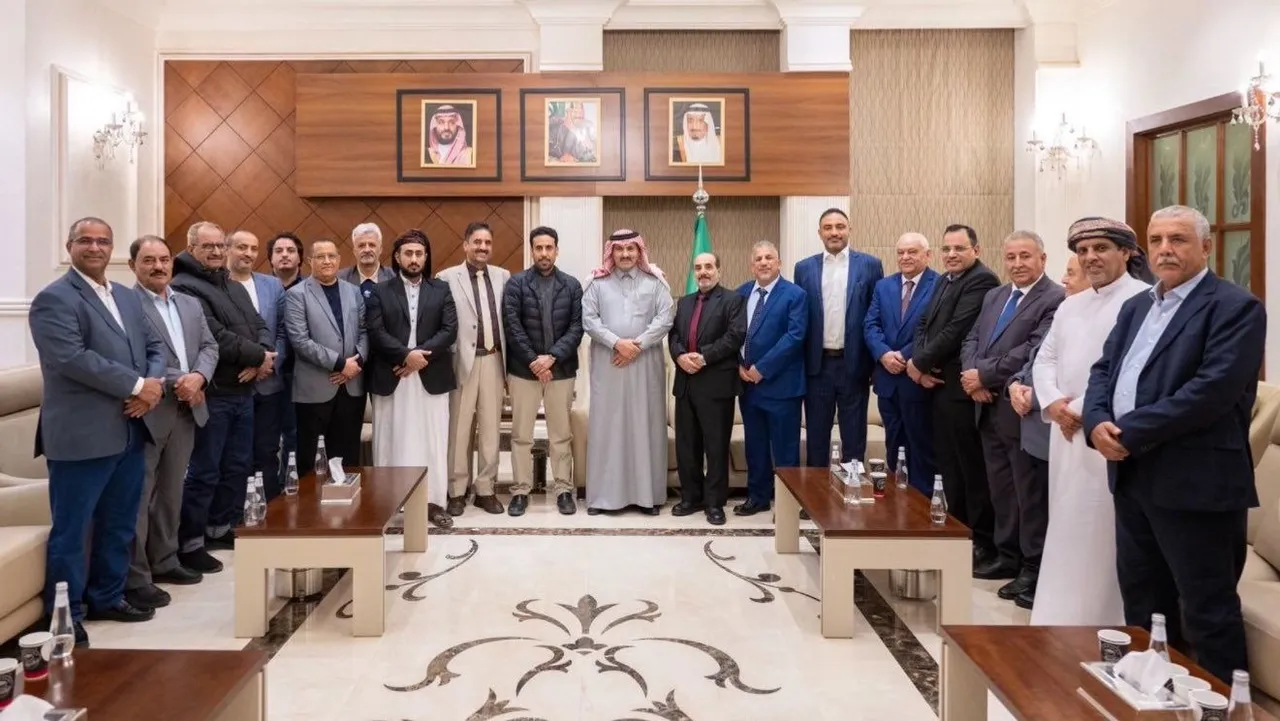
The issue of STC leaders based in Riyadh resurfaced when al-Bidh said that members of the council’s delegation had traveled to participate in the dialogue but had become unable to choose for themselves.
He expressed hope that they would return safely, remarks that sparked further debate over the nature of relations between Saudi Arabia and STC leaders.
Al-Tamimi, however, described al-Bidh’s claims that council representatives were being detained as inaccurate.
He pointed to the presence in Aden of Abdulrahman al-Mahrami, a member of the Presidential Leadership Council and deputy head of the dissolved STC, alongside his forces.
He also stressed that the council was undergoing internal divisions, shifts, and realignments among several of its leaders.
He explained that Saudi Arabia is pursuing an approach that does not limit representation of the southern cause to the STC.
The internationally recognized Yemeni government, he noted, has pledged to hold a Saudi-sponsored southern dialogue conference, with various political options remaining open for discussion, including secession, without granting the council exclusive authority to represent the cause.
According to Al-Tamimi, what STC leaders fear most is losing their position as an “exclusive Emirati instrument” and their ability to steer the southern cause in line with Emirati interests.
This, he argued, explains their attempts to exert political pressure on Riyadh despite internal divisions and differing positions among the council’s leaders.
Caught between its insistence on independence and its demand for Saudi recognition of its roadmap, the southern project remains tied to complex regional power dynamics.
The STC depends on the UAE, the Yemeni government opposes secession, and Saudi Arabia rejects the council’s claim to exclusive representation of the south.
These factors raise questions about the council’s ability to establish an independent state without regional understandings.
Relations between Riyadh and the STC remain open to either further escalation or renewed accommodation, amid contrasting messages from the council’s leaders, ranging from confrontation to conciliation.
While the council remains committed to its secessionist project, its prospects depend more on its ability to address divisions within the south and define its relationship with the Yemeni government and Saudi Arabia than on political statements alone.
Sources
- Al-Bidh Accuses Saudi Arabia of Attacking the STC and Publicly Criticizes Riyadh in Remarks Signaling a Looming Political Crisis [Arabic]
- A “Conciliatory Tone” Toward Saudi Arabia: What Does al-Zubaidi Want? [Arabic]
- Dissolved STC Militias Surround Defense Minister’s Convoy and Block Roads in Al-Dhalea [Arabic]
- Emirati Academic Proposes a Solution to Yemen’s War: “Secession and Disengagement” [Arabic]
- Saudi Defense Minister and UAE President Discuss Regional Developments [Arabic]