From Energy Protection to Military Intervention: What Is Driving Algeria into Niger?
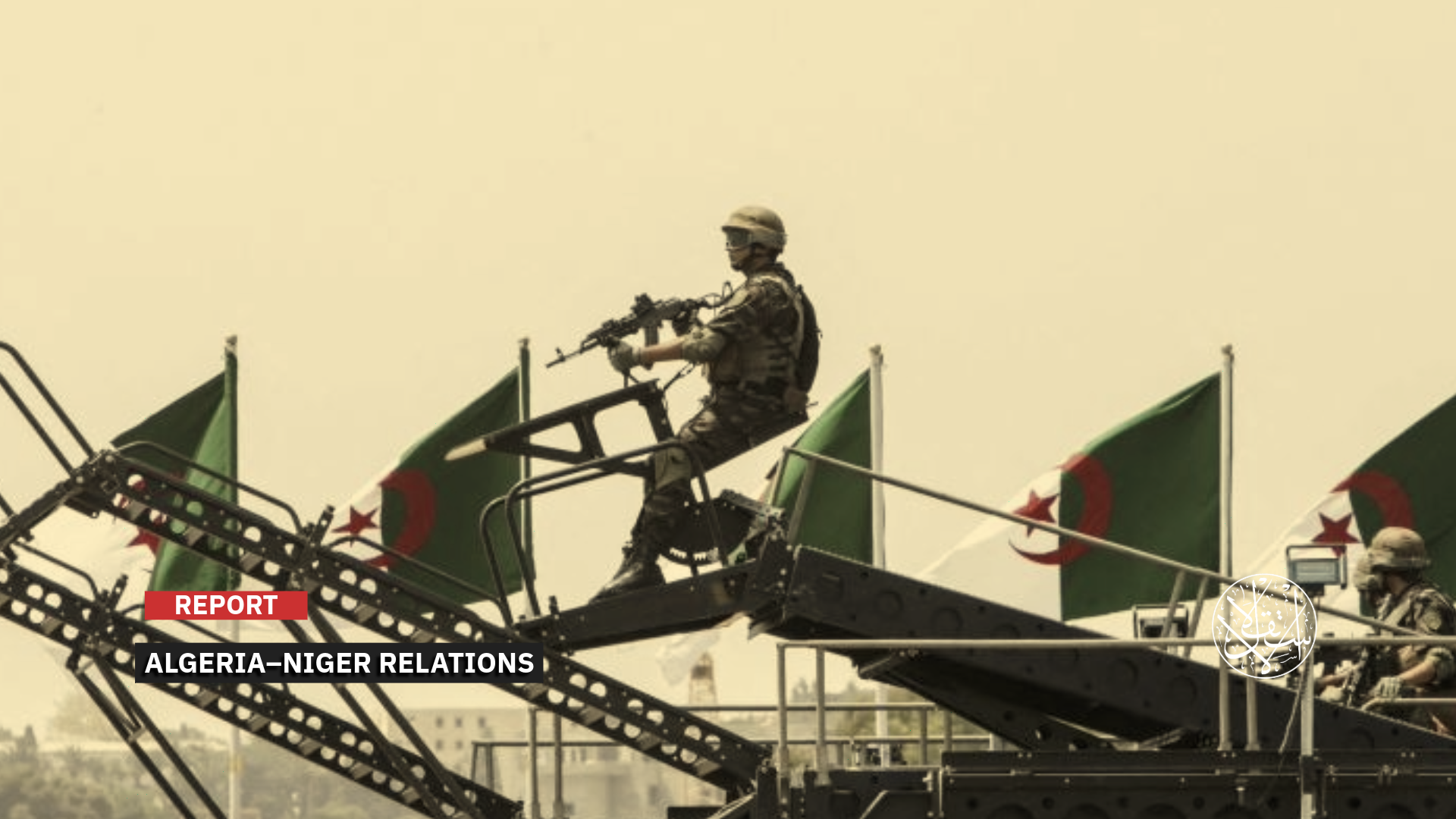
The Algerian Parliament authorized the deployment of military units to protect shared economic and energy interests.
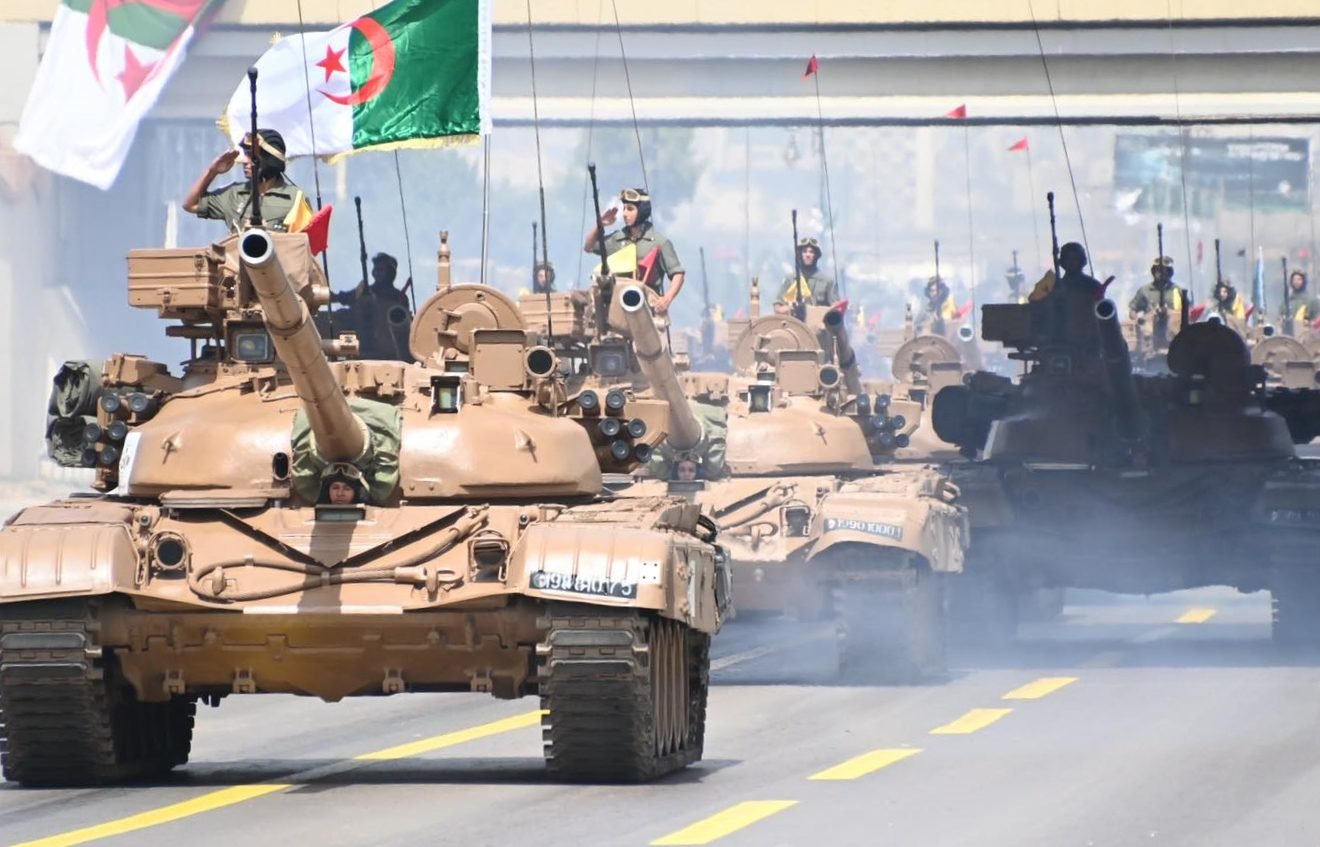
Algeria is preparing for an unprecedented military move that could shift its policy from avoiding direct intervention beyond its borders to taking on a more active security role in the Sahel region.
On October 25, 2026, the Algerian Parliament authorized the deployment of military units to Niger.
The presidency announced the decision the following day, stating that its aim was to protect shared economic and energy interests.
This potential move signals a shift in Algeria’s security calculations. The country has long upheld a policy of non-intervention in military conflicts beyond its borders, despite its diplomatic involvement in crises affecting neighboring states.
However, growing threats in the Sahel, coupled with concerns over energy facilities and transportation routes, are prompting Algeria to reassess its approach to mounting risks along its southern borders.
Niger holds strategic importance for Algeria, not only because the two countries share a border, but also because of its role in regional energy projects, most notably the Trans-Saharan Gas Pipeline.
The project is intended to transport Nigerian gas through Niger to Algeria, and from there to European markets. This connection means that any security disruption in Niger could pose a potential threat to Algeria’s economic interests and future projects.
This shift comes amid a highly volatile regional environment, where armed groups’ activities overlap with international competition for influence and resources, while Sahel countries face growing difficulties in controlling their borders and securing critical infrastructure. These conditions have made the protection of energy infrastructure a central part of the security calculations of the countries concerned.
From Dispute to Support
Algerian-Nigerien relations became strained following the military coup that ousted President Mohamed Bazoum in July 2023, and the disagreements that followed over how to deal with the new authorities in Niamey.
Algeria maintained its support for constitutional and political solutions and warned of the security consequences of any military intervention in Niger, as regional and international pressure on the ruling military council continued to mount.
However, the prolonged political crisis, declining prospects for a settlement, and growing security threats across the Sahel have forced Algeria to deal with a new reality, one that affects not only Niger’s stability but also Algeria’s domestic security, southern borders, and economic interests.
Algeria is closely monitoring the activities of armed groups across the Sahel, particularly in border areas where groups linked to extremist organizations are active, taking advantage of weak government control and vast desert expanses.
This situation increases the risk of threats spilling over into Algerian territory, especially given the difficulty of monitoring the long, interconnected borders with neighboring countries.
Against this backdrop, the deployment of Algerian forces in Niger, if confirmed, could mark a shift from reliance on security cooperation and intelligence coordination to a direct military presence beyond Algeria’s borders.
Such a move would raise questions about the nature of the mission, its geographical scope, its duration, and the legal and political framework under which it would operate.
The Oil and Gas Stakes
Oil and gas interests occupy a central place in Algeria’s calculations regarding Niger, as Algeria seeks to strengthen its position as a reliable energy supplier to Europe, at a time when European countries are seeking to diversify their energy supplies and reduce their dependence on certain traditional suppliers.
The Trans-Saharan Gas Pipeline project stands out as one of the most important strategic initiatives linking Algeria, Niger, and Nigeria.
The project aims to transport Nigerian gas through Niger to Algeria, where it would enter the Algerian gas transportation network before being exported to European markets.
However, its implementation faces political, security, and logistical challenges, including instability across the Sahel and the difficulty of securing a long route that passes through areas vulnerable to armed groups.
If energy facilities, supply routes, or the pipeline's path were exposed to security threats, Algeria could suffer economic and strategic losses, while its opportunities to benefit from European demand for gas could diminish.
Protecting these interests, therefore, is not solely an economic matter; it is also linked to Algeria’s regional standing and its ability to play an influential role in the dynamics of energy and security.
Nevertheless, linking the protection of energy facilities to the deployment of troops beyond national borders creates additional challenges.
The mission could evolve from securing specific sites into involvement in a complex security environment where the interests of local, regional, and international actors intersect. This could increase the costs of military engagement, particularly if the mission is prolonged or its scope expands.
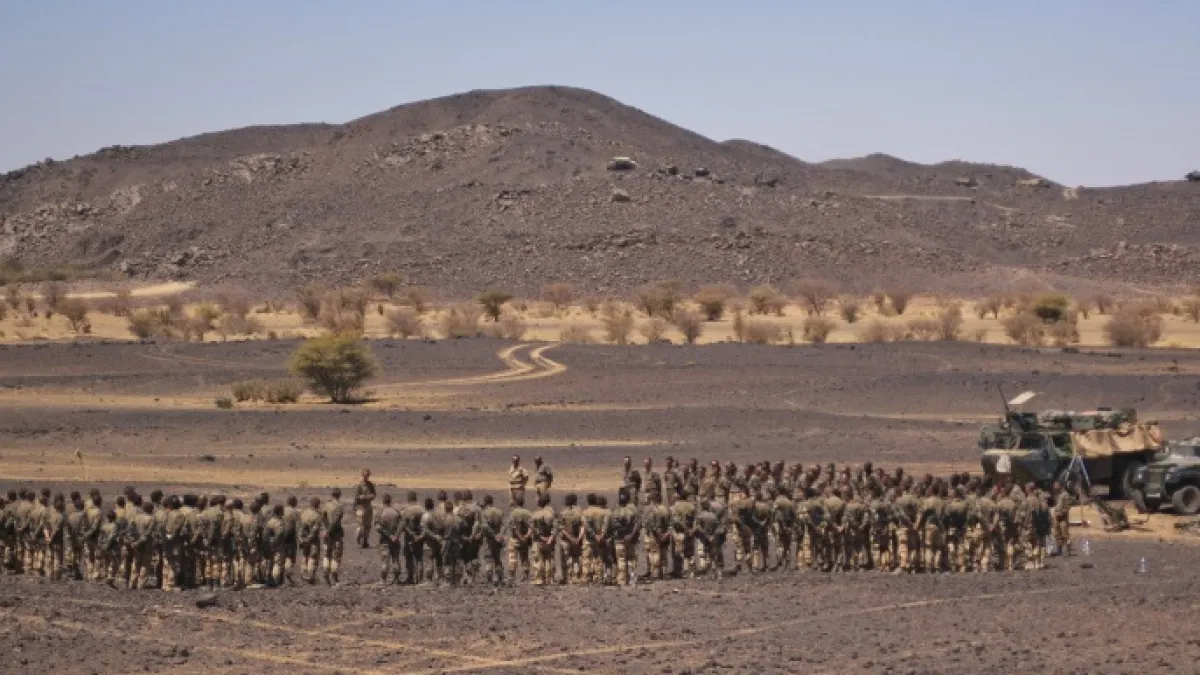
Madama and the Gateway to Libya
Algeria’s military doctrine has traditionally been based on the principle of non-interference in the internal affairs of other countries and refraining from sending its armed forces to participate in military operations beyond its borders.
This approach is rooted in historical and political experience that has made Algeria wary of becoming involved in external conflicts that could drain its capabilities or expose its domestic security to additional risks.
However, escalating threats across the Sahel are increasingly putting this principle to the test, particularly as armed groups expand their cross-border activities and some governments lose their ability to exercise control over their entire territories.
Under such circumstances, Algeria may conclude that relying solely on surveillance and security coordination is no longer sufficient to protect its vital interests.
There is a significant difference between carrying out limited operations to protect facilities or personnel and deploying forces as part of a broader military mission inside another country.
A limited mission may be easier to contain in terms of duration and scope, whereas involvement in wider operations could drain military and financial resources and increase the likelihood of clashes with local actors or armed groups.
Any Algerian military deployment in Niger would also raise questions about coordination with the Nigerien authorities, the nature of the rules of engagement, command-and-control mechanisms, and safeguards against the mission turning into a long-term intervention.
These details will be crucial in determining whether the move remains confined to clearly defined security objectives or develops into broader involvement in the regional conflict.

A New Map of Influence
Any Algerian military move in Niger would have implications beyond bilateral relations between the two countries. Its impact could extend to the balance of power across the Sahel, a region undergoing rapid political and security changes and witnessing competition for influence among regional and international powers.
If it takes place, an Algerian deployment could prompt the parties concerned with regional security to reassess their calculations, particularly neighboring countries facing similar challenges in combating armed groups and securing their borders.
It could also raise questions about the future of regional security cooperation and the ability of the countries concerned to establish joint mechanisms to address cross-border threats.
Other actors, meanwhile, may view an Algerian military presence as a sign that Algeria is seeking to expand its influence in the Sahel, particularly amid the declining roles of some foreign powers and changes in the nature of security partnerships across the region. This could open the door to renewed competition for influence or encourage greater coordination if the security interests of the parties involved align.
In this context, Algeria faces a delicate balancing act. It seeks to protect its borders and economic interests while avoiding steps that could be interpreted as interference in Niger’s internal affairs or as an attempt to impose security and political arrangements on its authorities.
The success of any such move would also depend on whether the Nigerien authorities accept it, the nature of any agreements governing the deployment, and the ability of the deployed forces to carry out clearly defined missions without becoming entangled in internal conflicts or open confrontations with armed groups.
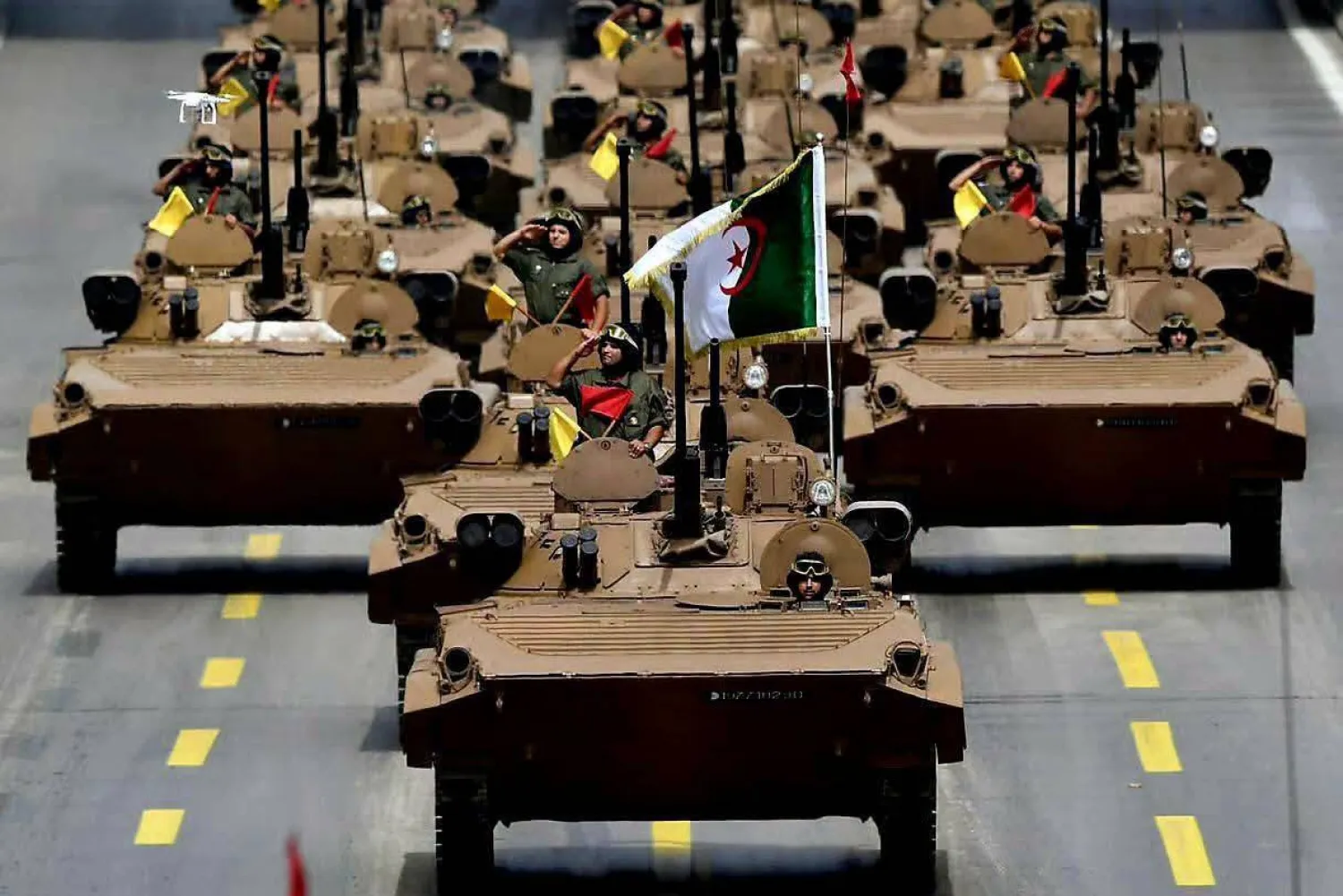
Risks of Sliding into an Open-Ended Conflict
Despite the protection that a military deployment could provide for certain vital interests, operating in a volatile security environment such as the Sahel carries multiple risks.
Armed groups do not necessarily operate along fixed front lines and can target troops and facilities through hit-and-run attacks, improvised explosive devices, or operations against supply lines.
Any attack resulting in deaths or injuries among Algerian forces could intensify domestic pressure for retaliation, potentially expanding the scope of the military mission and making withdrawal more complicated.
The length of the borders and the vastness of the desert terrain could also place additional burdens on supply, surveillance, and protection operations.
Another concern is the possibility that the mission could become entangled in local conflicts that are not directly related to Algeria’s interests.
This could leave its forces facing difficult choices between avoiding involvement in internal disputes and protecting their deployment sites.
Without clearly defined objectives and a specific timeline, a limited deployment could turn into a long-term military commitment.
Any decision to deploy forces to Niger would therefore require a careful assessment of the potential gains and risks, as well as a clear definition of the threats being targeted, the means needed to address them, and the conditions under which the mission could be brought to an end.
Protecting economic interests does not necessarily mean that direct military intervention is the least costly or most effective option.
If confirmed, Algeria’s potential moves in Niger would reflect an attempt to reconcile the established principles of its foreign policy with the demands of national security in a region increasingly exposed to cross-border threats.
Developments in the Sahel are no longer a distant concern for Algeria; they are now closely linked to the security of its borders, its economic projects, and its position in the energy market.
However, establishing a direct military presence beyond its borders would remain a decision with implications extending far beyond protecting a facility or securing a project.
It could affect Algeria’s regional relations, its image as a country committed to the principle of non-intervention, and the nature of its future role in Sahel crises.
Against this backdrop, the outcome of any potential deployment will depend on the clarity of its objectives, the limits of its scope, coordination with the Nigerien authorities, and the ability to avoid being drawn into prolonged confrontations.
Caught between the need to protect its strategic interests and the risks of becoming embroiled in an open-ended conflict, Algeria faces a delicate test that could redefine the boundaries of its security role in the Sahel.
Sources
- Algeria’s Military Deployment to Niger: What’s Behind the Move?
- Algeria Sends Troops to Niger in First Overseas Deployment Since the 1973 War [Arabic]
- In Algeria, Parliament Authorizes the Deployment of Military Units to Niger [French]
- Between the Sahel and the Maghreb
- What’s Behind the Algeria-UAE Rupture?