The Tehran Meeting: Can Iran Succeed in Averting a Strike and Halting Houthi Attacks?
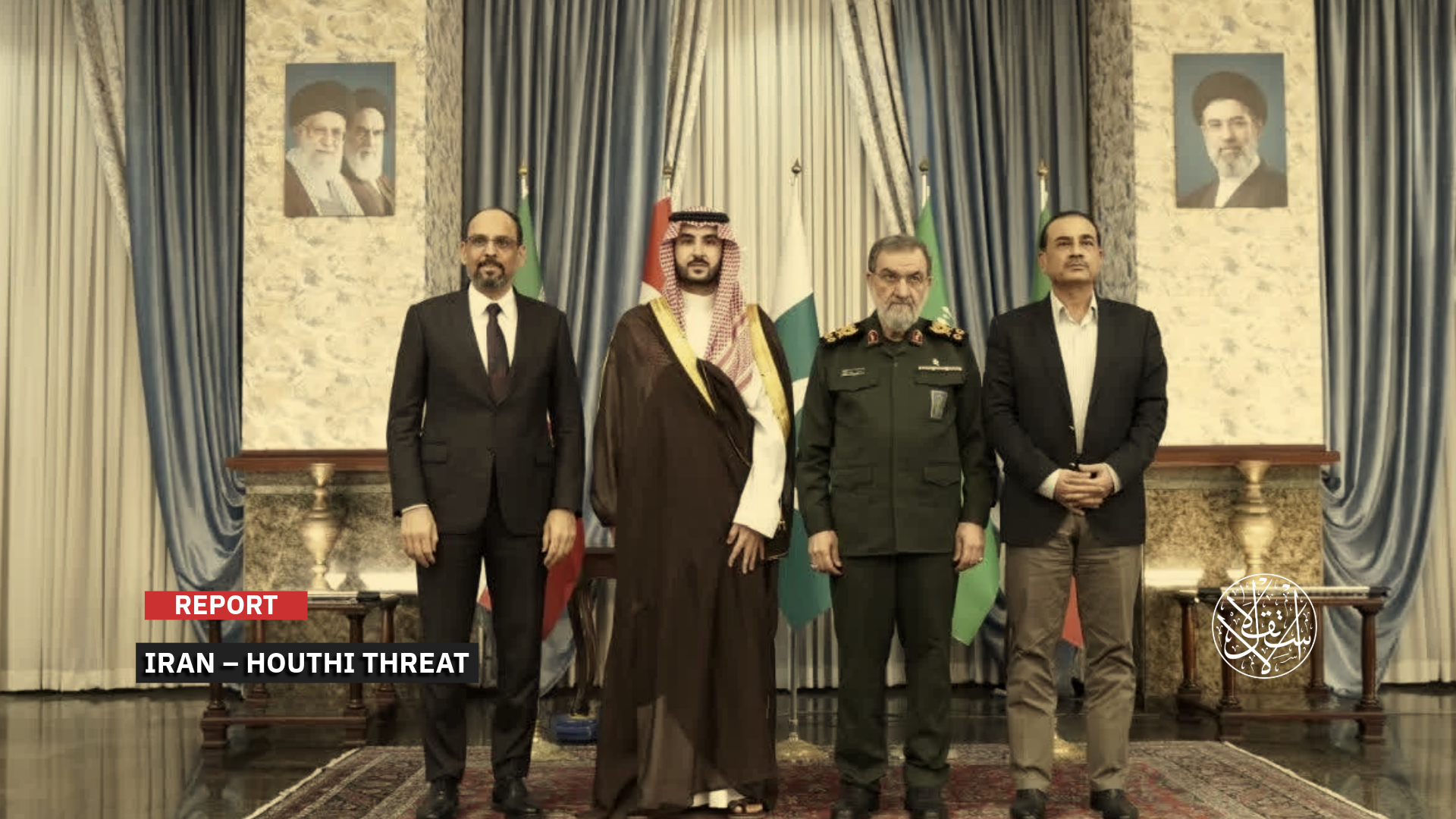
The four-party meeting agreed to continue dialogue to strengthen cooperation among them.
The four-party meeting hosted by Iran, with the participation of Riyadh, Ankara, Islamabad and Tehran, has raised questions about the nature of this regional initiative and whether it aimed to prevent a potential US-Israeli strike against Iran or to secure Iranian guarantees to halt Houthi attacks on Saudi Arabia.
The meeting, held on 26 October 2026, is particularly significant given the participation of parties to the Mecca Mutual Defence Agreement, amid escalating military tensions and continued Houthi attacks.
The initiative also raises questions about Tehran’s ability to enforce de-escalation and the possibility of establishing new regional security arrangements.
Regional Mediation
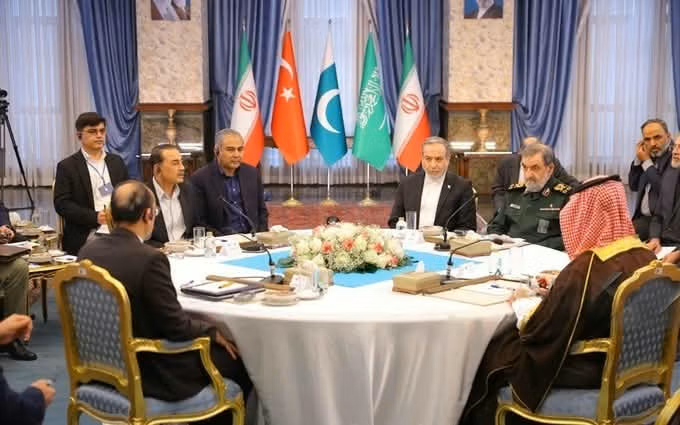
A joint statement issued following the four-party meeting announced that Iran, Pakistan, Turkiye and Saudi Arabia had agreed to continue dialogue to strengthen cooperation among them, including in the areas of peace and security in the region.
The move reflects the participating countries’ desire to keep diplomatic channels open as they seek to address escalating regional crises.
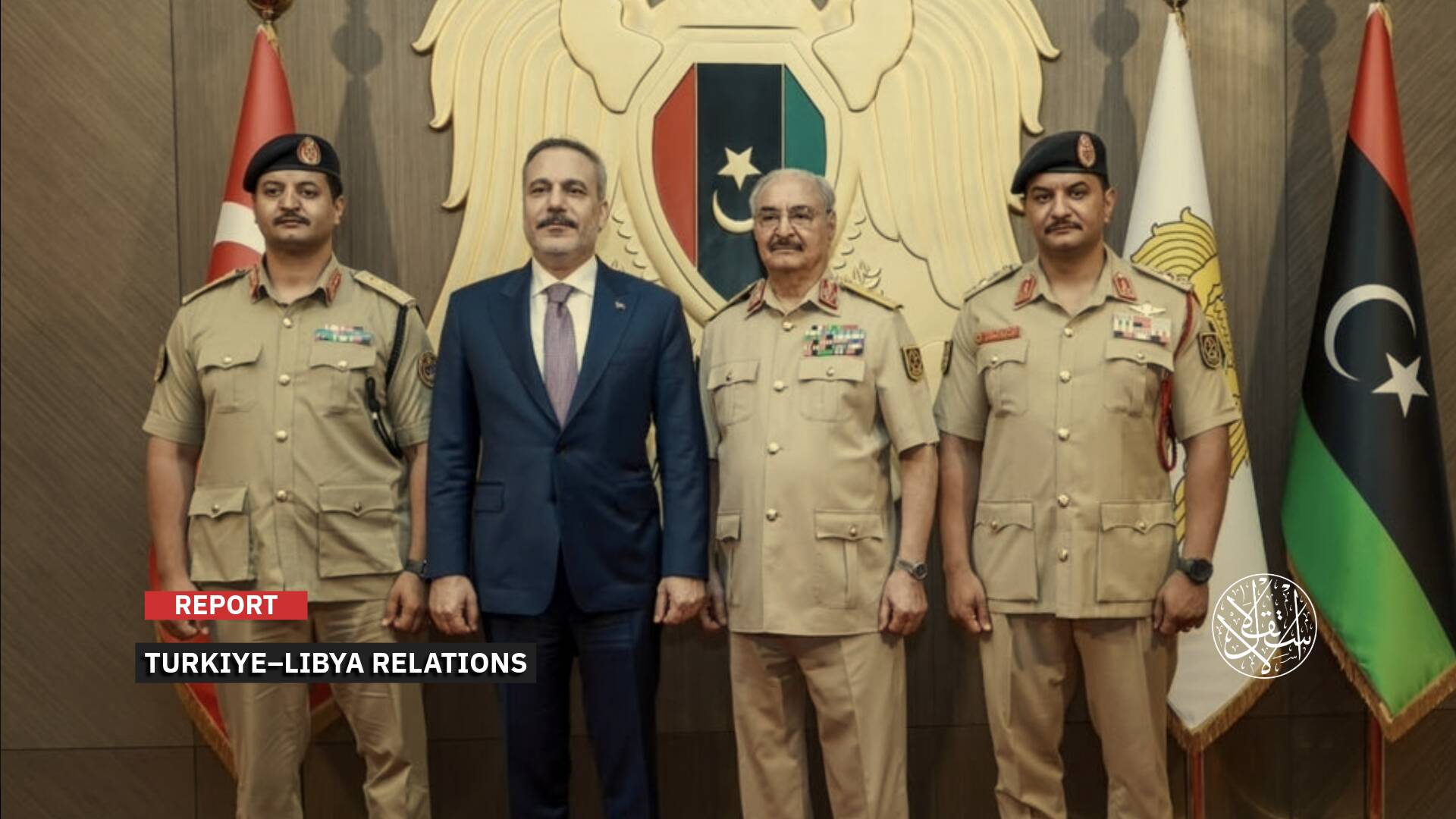
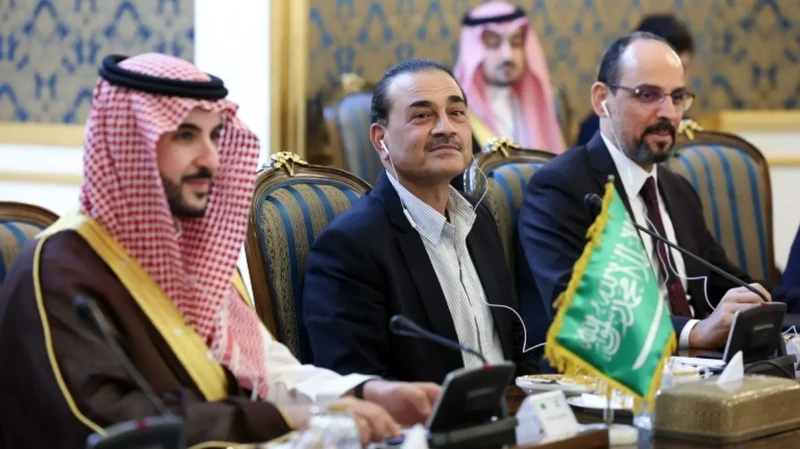
The meeting was hosted by Iranian Supreme National Security Council Secretary Mohsen Rezaei, with the participation of Saudi Defense Minister Khalid bin Salman, Pakistan’s Army Chief Asim Munir, and Turkiye’s intelligence chief Ibrahim Kalin.
The discussions focused on regional security and stability, as well as the possibility of strengthening cooperation among the four countries in the coming period.
Iranian President Masoud Pezeshkian called for greater regional unity, expressing hope that the meeting of representatives from influential Muslim countries would pave the way for greater cohesion.
Saudi Arabia, meanwhile, stressed the importance of opening channels for negotiations to reach an agreement that would bring the crisis to an end and promote security and peace in the region and the world.
The diplomatic initiative came amid threats by Washington and “Tel Aviv” to launch a military strike against Iran, alongside continued Houthi attacks on Saudi territory.
This places the meeting before two interconnected objectives: preventing the regional confrontation from escalating and addressing threats to the Kingdom’s security.
In this context, Qatari political analyst Ali Al-Hail told Al-Estiklal that “Qatar’s mediation efforts to prevent a US-Israeli strike against Iran have never stopped”.
He stressed that both the US and Iran listen to Doha and respond positively to its diplomatic efforts.
Al-Hail described Qatar as the key player in efforts to avert the strike. He added that the visits by Saudi, Turkish and Pakistani officials also aim to put an end to what he described as futile and provocative Houthi attacks, particularly those targeting Saudi territory, civilian facilities and airports, including Riyadh and Dammam airports.
For his part, Iranian writer and political analyst Mohammad Saleh Sedghian argued in a post published on X on October 26 that the meeting had offered, for the first time since February 28, “a glimmer of hope for ending the war in the region and reaching understandings that would restore security and stability.”
Sedghian also argued that US President Donald Trump was not detached from the meeting and was closely watching its outcome.
He explained that the chances of the meeting succeeding depend on Trump’s approval of its outcomes, foremost among them an end to the war and military operations across the region, highlighting the extent to which the regional diplomatic process remains linked to Washington’s position.
A Test of Influence
The Tehran talks are closely linked to demands conveyed by Pakistan to the Iranian leadership regarding a halt to Houthi attacks.
Pakistani government sources told Anadolu Agency that Army Chief Asim Munir had asked Iranian officials to use their influence over the Houthis to stop missile and drone attacks against Saudi Arabia.
According to the sources, Munir’s talks in Tehran on October 20 focused primarily on the escalation between Saudi Arabia and the Houthis, alongside Islamabad’s efforts to resume US-Iranian negotiations.
The Pakistani army chief reaffirmed his country’s commitment to defending the Kingdom under the Mecca Agreement signed by the three countries.
In response, Iranian officials renewed their offer to mediate between Riyadh and the Houthis, stressing that Tehran did not want the conflict to escalate further.
However, the sources did not disclose details of Iran’s response to Pakistan’s demands, while the group continues to carry out attacks targeting Saudi facilities and airports, leaving the outcome of the mediation efforts uncertain.
These developments raise questions about the limits of Iran’s influence over the Houthis and Tehran’s ability to respond to Saudi demands.
In particular, the continuation of attacks despite diplomatic contacts could further complicate the efforts of the three countries and pave the way for additional regional pressure to secure clear security guarantees.
In this context, Qatari political analyst Ali Al-Hail stressed that, despite Iran’s assertions that the Houthis make their own decisions independently of Tehran, Iran can persuade them to stop attacks against Saudi Arabia and resort to negotiations.
He emphasised the need to reach a settlement with the various Yemeni parties, including the forces based in Aden.
Al-Hail questioned why the Houthis target Arab countries when Iran and the group possess missiles and drones that could be directed against Israeli targets.
He argued that attacks on the Gulf states and Jordan were unjustifiable, adding that continued confrontations between Arab parties give “Israel” an opportunity to benefit from regional conflicts.
He emphasised that “negotiations are the solution”, warning that continued warfare would only lead to death and destruction.
He also called on Tehran to review its policies and regain the trust of Arab and Gulf countries and their populations by halting attacks and adopting understandings that guarantee good neighbourly relations and respect for the territorial integrity of other states.
Against this backdrop, Iran’s ability to turn its offer of mediation into tangible results appears to be an important factor in the future of regional de-escalation.
Continued Houthi attacks would keep Saudi demands on the table, while a halt to the attacks could strengthen prospects for dialogue, which the four countries agreed to continue following the Tehran meeting.
Security Balances
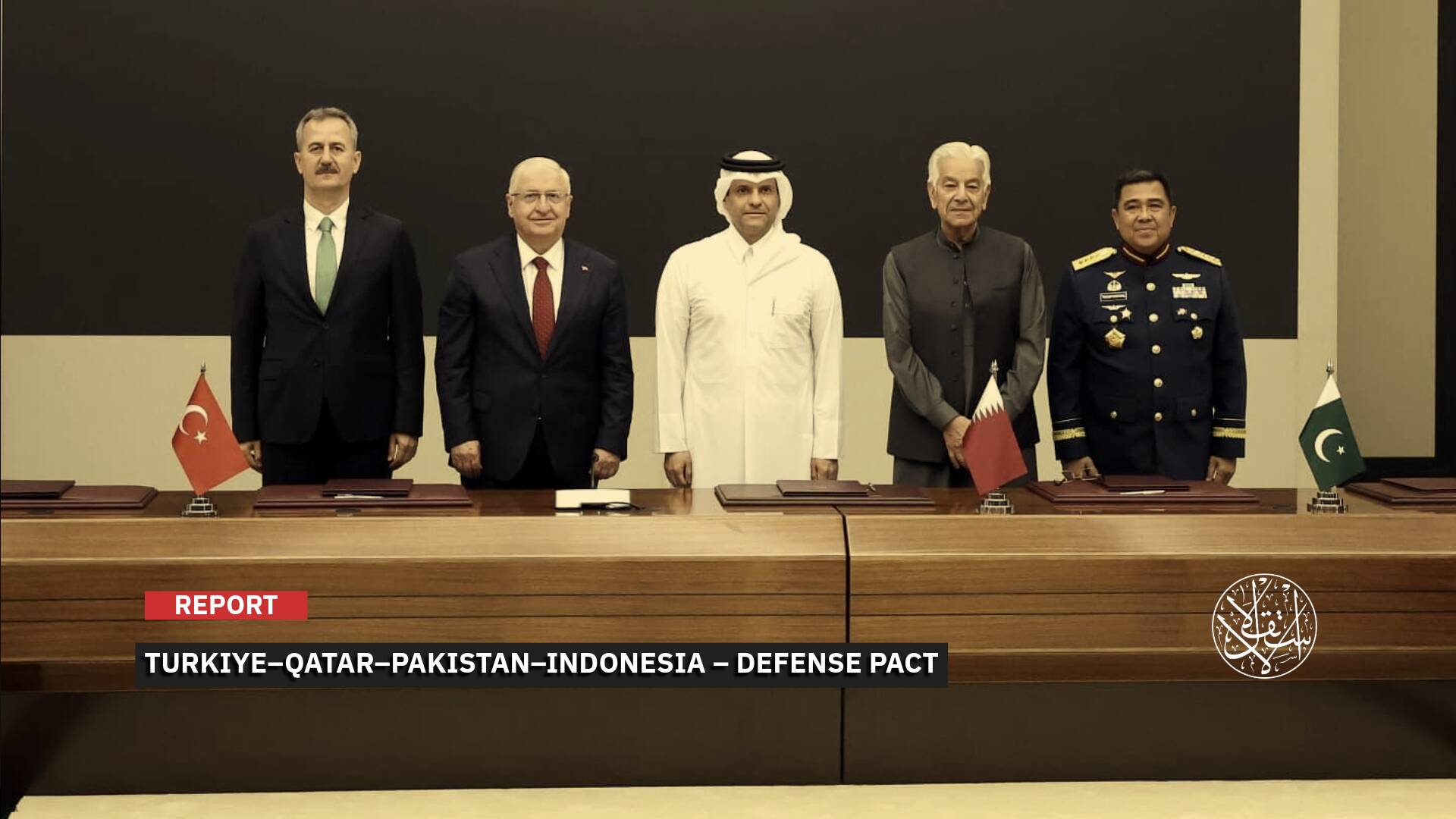
The military dimension of the initiative is particularly significant in light of the Mecca Mutual Defence Agreement, signed by Saudi Arabia, Turkiye and Pakistan on August 7 during a summit bringing together Saudi Crown Prince Mohammed bin Salman, Turkish President Recep Tayyip Erdogan and Pakistani Prime Minister Shehbaz Sharif. The agreement aims to establish joint defense and security cooperation among the three countries.
The agreement stipulates that any armed attack against one of the three countries shall be considered an attack against all parties. It also provides for enhanced military and intelligence cooperation.
This raises questions about whether the agreement could evolve into a military framework for countering threats from Iran and its allies should diplomatic efforts to de-escalate tensions fail.
On October 5, the three countries held an emergency meeting in the Saudi capital, Riyadh, following an escalation in Houthi attacks.
They decided to move toward the practical implementation of their mutual defense commitments, including the provision of agreed-upon forces and military capabilities and their rapid deployment inside Saudi Arabia in accordance with national legislation.
According to Reuters, Turkiye began parliamentary ratification procedures for the agreement on October 20, while Pakistan had already approved it, as the three countries discussed arrangements to strengthen the Kingdom’s defenses.
This gives the diplomatic outreach to Tehran significance beyond political consultations, turning it into a test of the relationship between military deterrence and diplomatic containment.
In Tehran, Ali Bagheri Kani, Deputy Secretary of Iran’s Supreme National Security Council, said the meeting could represent a step toward establishing regional security based on the countries of the region themselves, free from external interference.
He also revealed that the idea for the meeting had been raised during the Pakistani army chief’s visit to Iran.
Qatari political analyst Ali Al-Hail argued that the Saudi-Pakistani-Turkish Mecca Agreement is not directed against any party, but rather seeks to establish a regional defense and security framework.
He stressed that Iran is part of the region and that addressing existing disagreements requires dialogue and the containment of tensions rather than confrontation.
Al-Hail suggested that the agreement might include, among its undisclosed provisions, efforts to reach understandings with Iran on good-neighborly relations and non-aggression, backed by Turkish and Pakistani guarantees.
He argued that integrating Tehran into regional security arrangements could help halt the attacks and restore trust between Arab countries and Iran.
He also referred to remarks by Saudi Foreign Minister Faisal bin Farhan regarding U.S. military bases, as well as statements by Turki Al-Faisal concerning foreign influence.
He considered these remarks indicative of a possible reassessment of the U.S. military presence and an increased emphasis on establishing security arrangements based on the interests of regional countries, rather than allowing wars and confrontations to continue.
Although the Tehran meeting concluded with a declaration that dialogue would continue, without disclosing any specific guarantees to halt Houthi attacks, the future of the initiative remains dependent on the outcome of mediation efforts, Iran’s willingness to respond to Saudi demands, and the ability of the parties to the Mecca Agreement to balance political de-escalation with their defense commitments without sliding into a wider regional confrontation.
Sources
- Joint Statement on Four-Party Meeting Affirms Commitment to Continued Cooperation on Peace and Security [Arabic]
- Talks Begin in Tehran Between Parties to the Mecca Agreement and Iranian Officials as Pezeshkian Calls for “Regional Unity” [Arabic]
- Iranian Official: Nuclear Program Will Not Be Discussed During Talks With Mecca Agreement Members in Tehran [Arabic]
- Khalid bin Salman Heads to Tehran on “Important Visit” Accompanied by High-Level Turkish and Pakistani Delegations [Arabic]
- Mecca Mutual Defense Agreement Reaches Turkish Parliament for Ratification [Arabic]