UAE Arms the Houthis With Intelligence: How Saudi Arabia Is Paying the Price
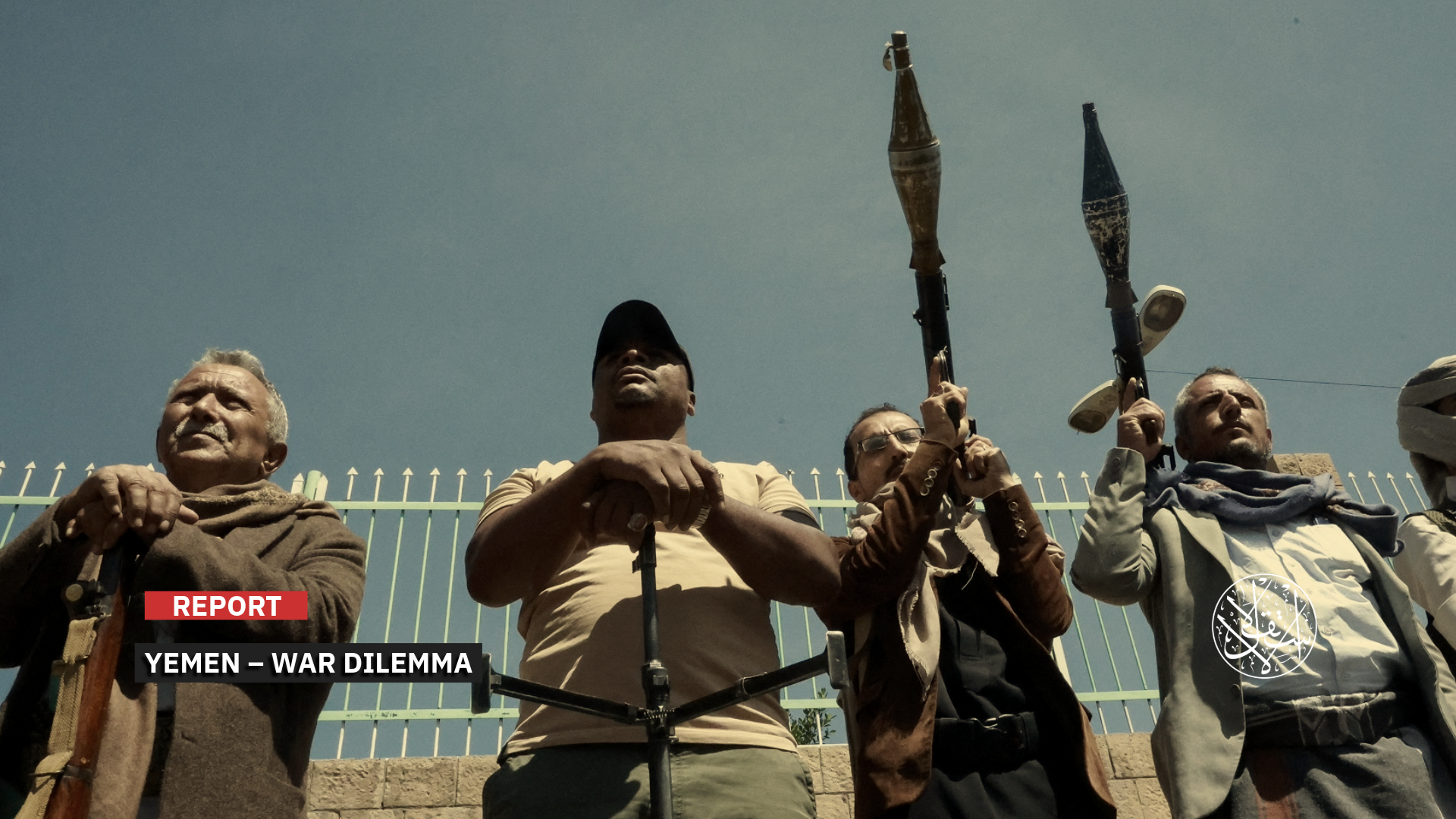
A Yemeni source said the UAE had passed a large amount of intelligence to the Sana’a government.
The growing rift between Saudi Arabia and the UAE in Yemen is no longer just a contest for influence or a dispute over the spoils of war. It has entered a more dangerous phase, with Abu Dhabi accused of secretly undermining forces backed by Riyadh by passing intelligence to the Houthis and helping them identify targets.
An investigative report published by Drop Site News on 27 October 2026, by journalists Ryan Grim and Iona Craig, revealed that the UAE was providing such support to the Houthis in their battles against Saudi-backed forces, citing four sources familiar with the matter.
The revelations come weeks after a surprise Houthi offensive tightened the group’s grip on the Bab el-Mandeb Strait, prompting Saudi Arabia to intensify its airstrikes on Sana’a. The escalation has put alliances within the anti-Houthi camp to a new test, raising questions about the limits of the Saudi-Emirati rivalry and how far each side is willing to go to weaken the other on the battlefield.
Why, according to the investigation, would the UAE assist its ideological foe? What does Abu Dhabi hope to secure in Yemen after withdrawing its forces? And what price is Riyadh paying as competing interests become increasingly entangled and the costs of confrontation continue to rise?

Cooperation in the Shadows
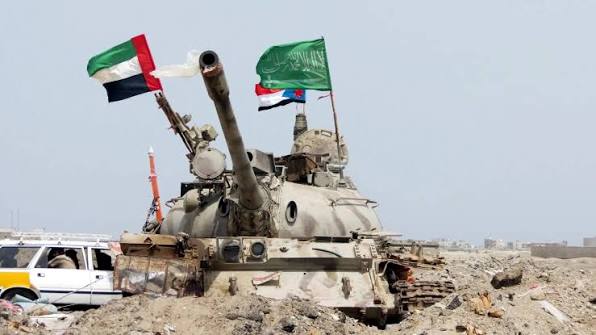
The UAE’s support for the Houthis operates on two parallel tracks. On the first, Yemeni forces aligned with Abu Dhabi help the group identify targets within the ranks of government forces, with the UAE turning a blind eye.
The second track is more direct: two sources familiar with the matter say the UAE itself has supplied the Houthis with intelligence to help them target Saudi-backed forces.
The accusations are significant not only because of the nature of the support attributed to Abu Dhabi, but also because of the identities of the parties involved. The UAE is a close ally of Washington and “Tel Aviv,” while the Houthis are among Tehran’s most prominent regional allies. Yet in Yemen, according to the investigation, the two adversaries have found common ground under the logic that “the enemy of my enemy is my friend.”
A Yemeni source familiar with the backchannel goes further, saying that the UAE has passed a large amount of intelligence to the Sana’a government. The line of communication between the two sides, the source added, remains open, and the Houthis have established their own channels with military commanders who remain loyal to Abu Dhabi.
According to the sources, however, this cooperation has carefully defined limits. It is confined to the battlefield inside Yemen and does not extend to assistance in striking targets inside Saudi territory.
Washington has also taken notice. A senior U.S. official recently warned Emirati officials that the United States was aware of what was happening and demanded that it stop. But the sources say the cooperation is still ongoing.
UAE Ambassador to Washington Yousef al-Otaiba did not respond to requests for comment. Houthi official Mohammed al-Bukhaiti, meanwhile, denied that Abu Dhabi had provided “any form of support,” insisting that the UAE was committed to neutrality and opposed to returning to the war, despite repeated efforts by Saudi Crown Prince Mohammed bin Salman to persuade it to join.
From Partnership to Expulsion
Still, this rapprochement did not emerge out of nowhere. Its roots go back to the early years of the war. Since the Saudi-led coalition intervened in 2015 to support Yemen’s internationally recognized government, Abu Dhabi’s priority appeared to be less about fighting the Houthis than confronting what it viewed as the threat posed by the Muslim Brotherhood, represented in Yemen by the Islah party, a key component of the very government the coalition was fighting to defend.
With that in mind, the UAE built a network of armed groups across southern Yemen, financing and directing their operations. In 2017, it also sponsored the creation of the separatist Southern Transitional Council (STC), led by Aidaros Alzubidi, capitalizing on longstanding southern resentment over the dominance of northern elites since Yemen’s 1990 unification.
The growing divide soon erupted into armed confrontation. In August 2019, Emirati fighter jets launched as many as 24 airstrikes against government forces and units aligned with Islah in Aden, Abyan, and Marib. Riyadh sought to contain the fallout through the Riyadh Agreement, but its implementation stalled.
The dispute reached its peak in December 2025, when STC forces advanced eastward and seized two large provinces bordering Saudi Arabia and Oman. Riyadh responded by bombing an Emirati military shipment at the port of Mukalla and gave Abu Dhabi 24 hours to leave Yemen and end its “military or financial support to any party inside the country.”
The UAE complied and withdrew. Its allied forces quickly collapsed under the advance of government troops backed by Saudi airpower, while Alzubidi fled to Abu Dhabi in January.
Al-Bukhaiti sees that episode as key to understanding the UAE’s current position. In his view, Saudi Arabia expelled the UAE from the coalition “in a humiliating way,” effectively shooting itself in the foot. It was therefore “natural,” he argued, for Abu Dhabi to refuse to rejoin despite pressure from Saudi Arabia, the United States, and the Israeli Occupation.
Frozen Front Lines
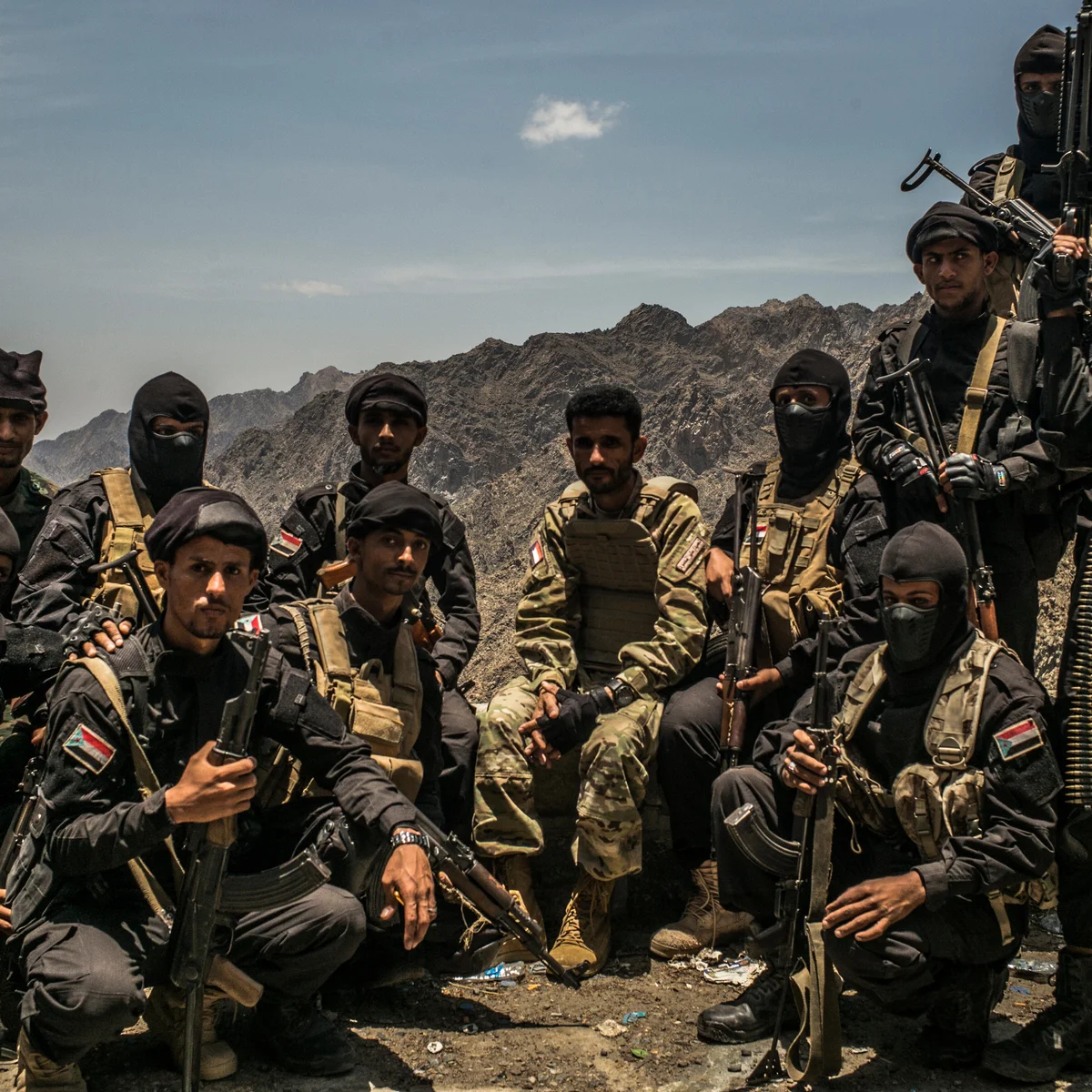
The UAE’s instruments of influence in Yemen did not disappear when Abu Dhabi withdrew. Efforts to integrate the forces it had funded into the government’s military and security institutions remain incomplete, having been derailed by renewed fighting. STC loyalists are still entrenched in the mountains of al-Dhalea, Alzubidi’s birthplace. According to a Yemeni source, one of the council’s senior figures serves as a channel for communications between the STC and the Houthis.
The same source accuses STC unit commanders of avoiding clashes with the Houthis and repeatedly withdrawing from their positions, effectively freezing the front lines in al-Dhalea and neighboring Lahj, both of which border Taiz.
The picture is much the same within the Giants Brigades, a predominantly Salafi force estimated to number between 20,000 and 30,000 fighters. Several of its commanders have been accused of misleading Saudi-backed forces and abandoning their positions without a fight, even as reports emerged that Abu Dhabi had agreed earlier this month to resume some payments to forces it had previously supported.
Asked which factions were most likely to be passing intelligence to the Houthis, a person close to the STC replied sarcastically, “Probably all of them.” A senior official based in the UAE, however, denied that any communication channels existed between the council and the group. Amr al-Bidh, the STC president’s special representative, said their forces would not fight in northern Yemen but would confront any Houthi advance toward the south.
The accusations carry added weight given Abu Dhabi’s advanced intelligence capabilities. These include Project Raven, an electronic surveillance operation that compromised the phones of foreign leaders, including Qatar’s emir and Turkiye’s defense minister, as well as “Israel’s” Pegasus spyware, which was revealed in 2021 to have been used to monitor members of Yemen’s internationally recognized government.
What Does Abu Dhabi Want?
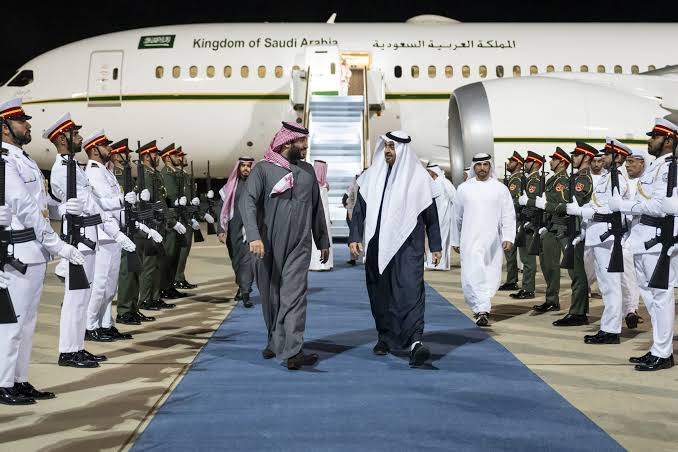
Abu Dhabi left Yemen early this year, sidelined by a Saudi decision. Now, according to the findings of the investigation, it appears to be trying to regain a strategic foothold in a country where it spent a decade building influence. A closer look at the evidence points to three broader objectives.
The first is to demonstrate that Saudi Arabia cannot win the war on its own. Every front left exposed by UAE-backed allies and every target whose coordinates are passed to the Houthis drives up the cost of the war for Riyadh, turning Abu Dhabi’s return from a Saudi option into a necessity on Emirati terms.
This helps explain the striking contradiction: the UAE is officially moving back toward Riyadh through the resumption of funding, while its allies are pulling back from the battlefield.
The second objective is to preserve the southern project it has sponsored for years. Keeping STC forces outside the government’s control gives Abu Dhabi a ready-made bargaining chip in any future settlement and prevents southern Yemen from becoming an exclusively Saudi sphere of influence.
The third is to continue its longstanding campaign against the Islah party. Weakening government forces also undermines the party, which has been Abu Dhabi’s foremost adversary within the internationally recognized government camp since 2015.
These calculations, however, face clear limits, according to The Guardian. By confining its assistance to Yemen, Abu Dhabi appears intent on putting pressure on Riyadh rather than entering into an open confrontation with it. The U.S. warning has also narrowed its room for maneuver.
Al-Bukhaiti, for his part, is keen to stress that overlapping interests do not amount to a formal alliance. He described talk of an Emirati effort to form a joint front against Saudi Arabia as completely baseless.
Riyadh Pays the Price
Under these circumstances, Saudi Arabia is facing mounting military, political, and strategic costs. The Houthi offensive that brought the group to the Bab el-Mandeb Strait did more than drive back Saudi-backed forces.
It placed one of the world’s busiest shipping lanes, and a major alternative to the blockaded Strait of Hormuz, under Houthi control. Most Saudi-backed efforts to retake lost territory have failed.
On the battlefield, the Houthis have in recent months demonstrated a striking ability to target commanders of Saudi-backed forces and anticipate their movements. This was evident in two rounds of precision strikes on 2 and 7 October against a coalition base west of Aden.
One strike hit the entrance to the Saudi commander’s office while he was away; the other struck newly arrived military vehicles just hours after they had reached the base.
Although the support attributed to Abu Dhabi does not extend to targets deep inside Saudi territory, the costs of the war have crossed the border.
Houthi strikes have hit the kingdom’s main airport, with one attack killing 12 people and injuring more than 300. The attack also forced the cancellation of the Future Investment Initiative conference.
Civilians are paying the heaviest price. More than 250,000 people have been displaced since early August 2026, nearly half of them from Taiz.
Meanwhile, aid remains out of reach for more than 600,000 residents of the governorate, whose main city is under Houthi siege.
Politically, Riyadh is waging its war within a divided camp, while its former ally still holds the keys to several fronts within it.
Al-Bukhaiti’s remarks carry an implicit message: Saudi Arabia has no reason to fear a future Emirati-Yemeni alliance as long as it agrees to end the war and lift the blockade on both sides. The implication is that this possibility will continue to hang over the conflict if Riyadh refuses.
Caught between an open war with a compromised front and a negotiated settlement shaped by a balance of power that Riyadh no longer controls alone, Saudi Arabia faces a costly choice whichever path it takes.