Two Thirds of Gaza's Ambulances Are Out of Service: How Are the Wounded Reaching Hospitals?
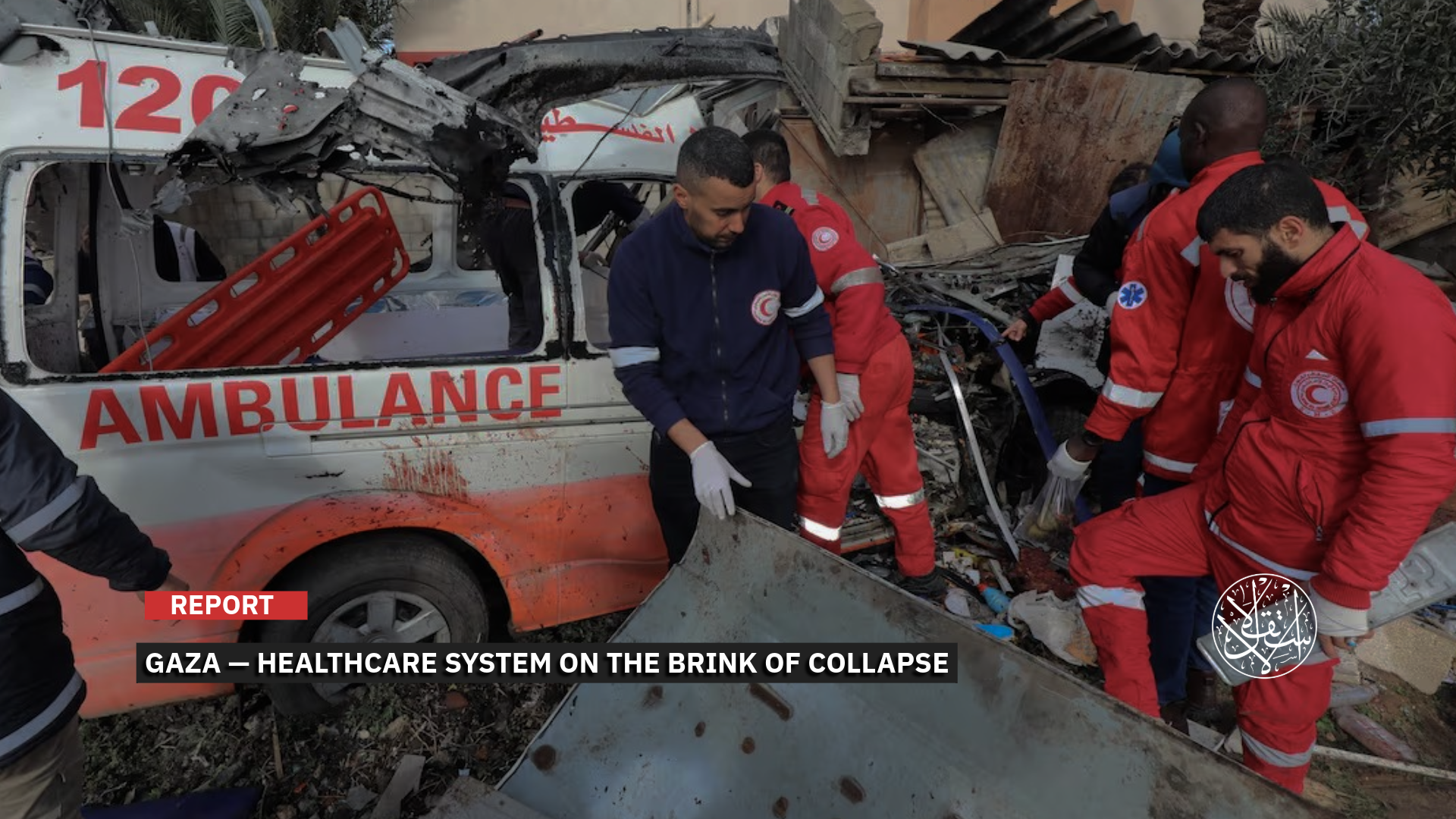
About 70% of the Gaza Health Ministry's ambulances and patient transport vehicles are no longer operational.
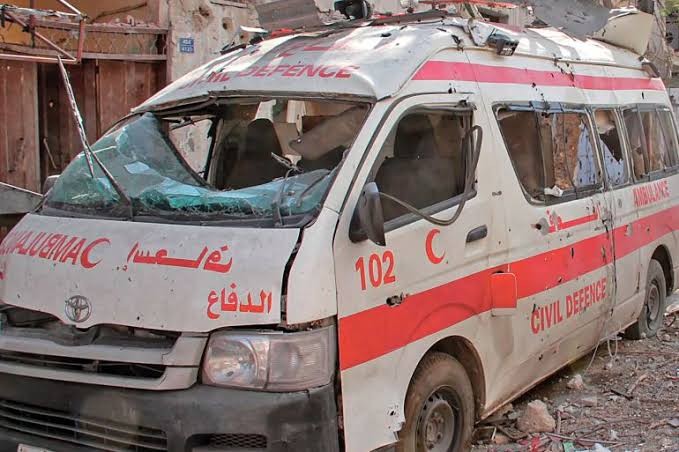
Gaza's ambulance system is operating on a depleted fleet after months of Israeli Occupation aggression, a crippling blockade, and relentless use on roads left in ruins, even as emergency calls continue during the fragile ceasefire that took effect on October 10, 2025.
For many of the wounded, the journey to a hospital has become an improvised chain of transport, often beginning in a civilian car or a three-wheeled tuk-tuk, then passing through another vehicle or a field medical station before finally reaching an emergency room.
Between the site of an injury and the hospital, paramedics contend with a severe shortage of ambulances, fuel, and spare parts while also facing the risk of attack, detention, and the inability to reach or evacuate entire areas.
Ambulance System on the Brink
Emergency and rescue services in Gaza are divided among the Health Ministry, the Palestinian Red Crescent Society, medical services, and the Civil Defense, alongside medical points and local organizations involved in field response.
The Gaza Health Ministry said on July 12, 2026, that 39 of its 82 ambulances had been completely taken out of service, while another 17 required urgent repairs.
The crisis has effectively disabled nearly 70% of the ministry’s ambulance and transport vehicles due to Israeli direct attacks, accumulated mechanical failures, and restrictions on the entry of spare parts and maintenance supplies.
Days later, Mohammed Abu Samak, head of the Planning Department at the Ministry of Health's Ambulance and Emergency Unit in Gaza, said the service had 114 ambulances, with 39 completely out of service, 35 requiring urgent repairs, and about 40 still operating at varying levels of capacity.
The figures show that roughly two thirds of Gaza’s ambulance fleet is either inactive or awaiting urgent maintenance, while the remaining vehicles carry out around 5,000 weekly missions to transport wounded people, patients, and medical staff, in addition to about 140 missions moving medicines and supplies between hospitals, warehouses, and health centers.
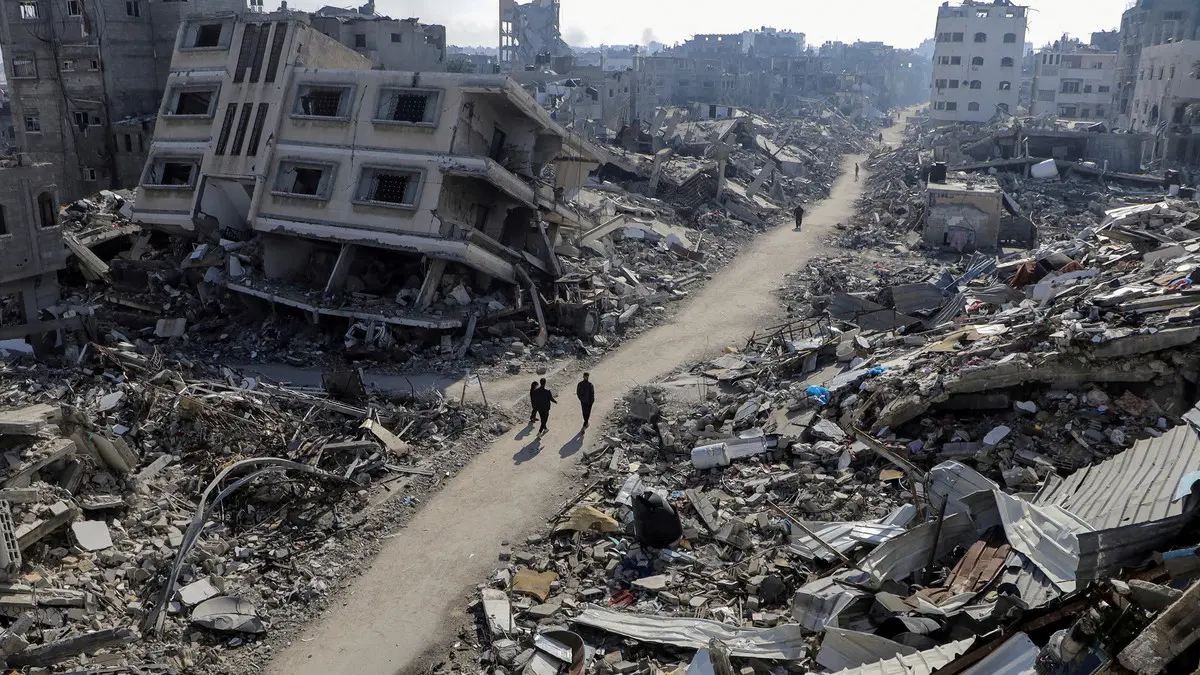
These vehicles operate amid shortages of fuel, oil, tires, batteries, and spare parts, while navigating roads destroyed by Israeli bombardment and enduring heavy workloads and continuous operation that accelerate breakdowns.
The damage has also affected vehicles used to transport medical staff, medicine, and equipment, weakening the network that connects hospitals with field medical points.
When support vehicles stop running, ambulance operations are also affected, as medical teams struggle to move supplies, staff, and patients between facilities.
The Palestinian Red Crescent said on July 15, 2026, that only 41 of its 99 ambulances remained in service after 31 were lost to direct attacks and 27 were sidelined by major mechanical failures.
Medical services, meanwhile, were operating with eight ambulances out of a fleet of 30, while Civil Defense had only 10 operational vehicles out of 17, according to data released by the Higher National Ambulance Committee on July 19, 2026.
The decline has sharply reduced the ability of Gaza’s emergency services to respond simultaneously to airstrikes, recover the wounded, and transport patients between areas and hospitals.
Across the different services, the causes of collapse are similar: direct attacks, fuel shortages, restrictions on spare parts, oil, tires, and batteries, as well as the relentless wear caused by operating on destroyed roads.
The real capacity of Gaza’s ambulance system is now measured not by the number of vehicles listed on official records but by how many can actually move when an emergency call comes in and whether they can reach the scene and return safely.
Targeting Gaza’s Ambulance Fleet
The World Health Organization’s surveillance system for attacks on health care recorded 937 attacks in the Gaza Strip between October 7, 2023, and January 31, 2026.
The attacks martyred 993 civilians, injured 1,654 others, and damaged or targeted 216 ambulances, according to a WHO report published in January 2026.
The toll places ambulance attacks within a broader aggression on Gaza’s health infrastructure, including hospitals, medical centers, health workers, and emergency transport.
The targeting of medical evacuation routes emerged in the early weeks of the Israeli war on the Strip. On November 3, 2023, Israeli Occupation forces bombed a convoy of five ambulances near the gate of al-Shifa Medical Complex as it was preparing to transport wounded and sick patients to southern Gaza, killing 15 civilians and injuring 60 others.
On November 22, Israeli forces stopped another convoy of 14 ambulances for more than seven hours, searching patients and vehicles and detaining members of the medical teams. Among those detained was Awni Khattab, director of the Khan Younis Medical Center, who remained in custody even after the convoy was allowed to continue.
On January 29, 2024, the Palestinian Red Crescent sent paramedics Youssef Zino and Ahmed al-Madhoun to rescue six-year-old Hind Rajab after securing coordination for an ambulance to reach the Tel al-Hawa area of Gaza City. Contact with the team was lost, and 12 days later Hind, her family members, and the two paramedics were found martyred, alongside a destroyed ambulance.
On May 30, 2024, the Red Crescent announced the martyrdom of paramedics Haitham Tubasi and Suhail Hassouna after an ambulance was targeted in Tel al-Sultan, west of Rafah. The organization said they were inside a clearly marked Red Crescent vehicle while carrying out a rescue mission.
The deadliest incident came on March 23, 2025, when Israeli Occupation forces killed 15 emergency workers, including eight Red Crescent paramedics, Civil Defense personnel, and a UN employee, after they traveled to the al-Hashashin area of Rafah in response to reports of wounded people.
The bodies and vehicles were found buried nearly a week later. Footage recovered from a paramedic’s phone showed emergency vehicles moving with their lights and markings clearly visible before they came under Israeli fire.
Israeli Occupation attacks continued during the fragile ceasefire. On February 4, 2026, the International Federation of Red Cross and Red Crescent Societies announced the martyrdom of paramedic Hussein Hassan al-Samiri during a rescue mission west of Khan Younis after medical teams came under attack while attempting to reach victims of an earlier strike.
On June 9, 2026, Israeli Occupation forces detained seven Red Crescent paramedics while they were working in southern Gaza. Five were released after questioning, while two remained in custody.
On July 16, 2026, the UN Office for the Coordination of Humanitarian Affairs reported limited access to emergency medical transport services in communities near the “Yellow Line” in northern Rafah.
The Israeli deliberate attacks on Gaza’s ambulance system have taken multiple forms: strikes on vehicles and medical crews, gunfire during rescue missions, detention of paramedics, delays to convoys, road closures, and restrictions on reaching the wounded.
Every delay consumes part of the narrow window available to save a life, even when an ambulance is ready to move.
Sources
- oPt Emergency Situation Update
- Access to emergency medical services and associated barriers among war-affected patients evacuated from Gaza: a cross-sectional study
- PRCS Statement on The Israeli Occupation Forces shelling of the Ambulance Convoy transporting the injured from the aggression on Gaza towards Rafah crossing border on November 3rd 2023
- PRCS Calls for Independent International Investigation to Hold Those Responsible for the Crime of Targeting Ambulance Teams in Rafah Accountable
- Gaza ambulances become mobile clinics as fighting blocks way to hospitals
- Gaza Health Report [Arabic]
- Under Israeli Blockade: Gaza’s Ambulance and Emergency System on the Brink of Collapse [Arabic]