Ozel’s New Party: Will the Split in the Republican People’s Party Pave Erdogan’s Way to a New Term?
Gursel Tekin, the Istanbul head of the Republican People’s Party (CHP), downplayed the impact of the split, saying, ‘A storm in a teacup.’
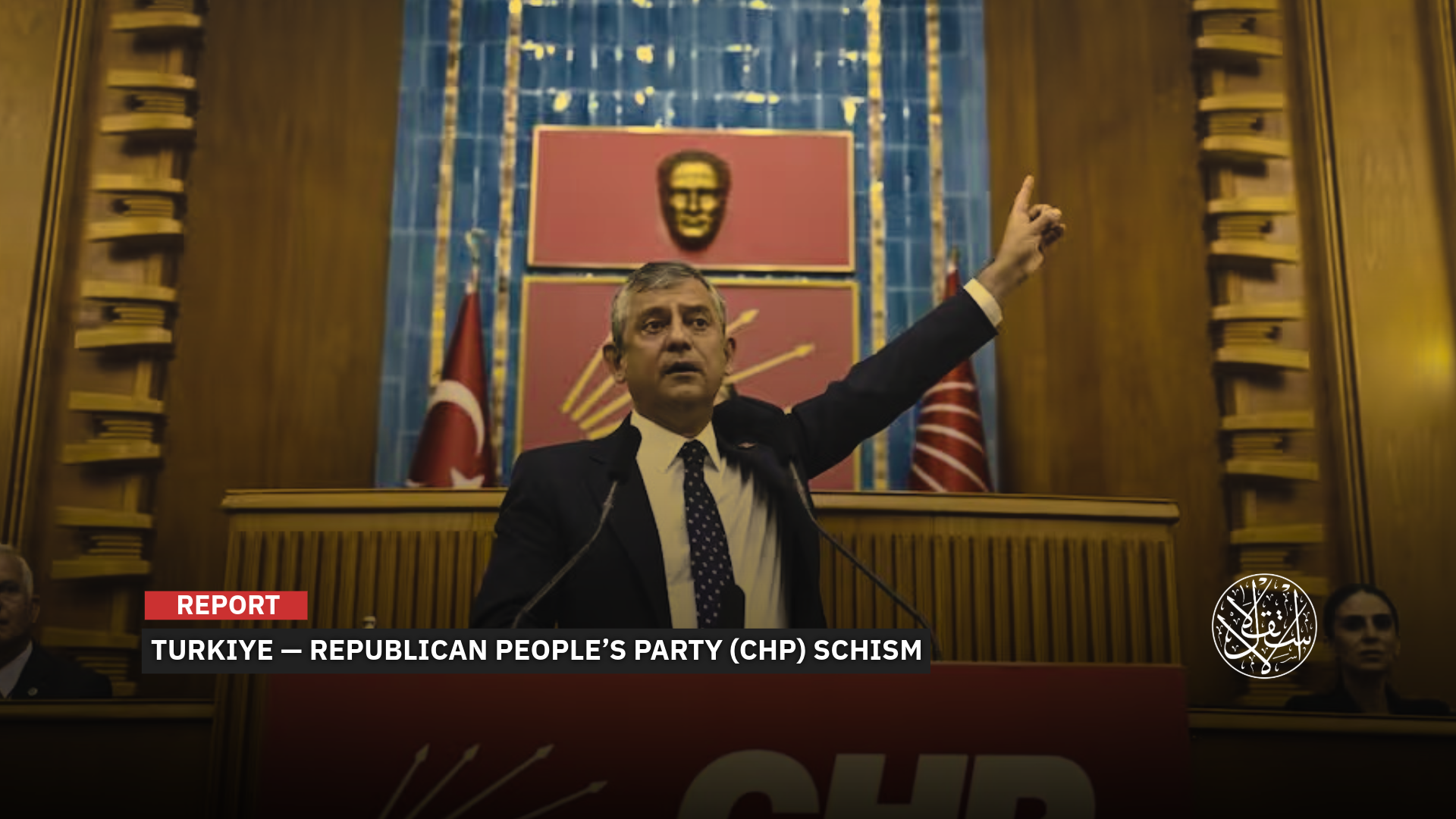
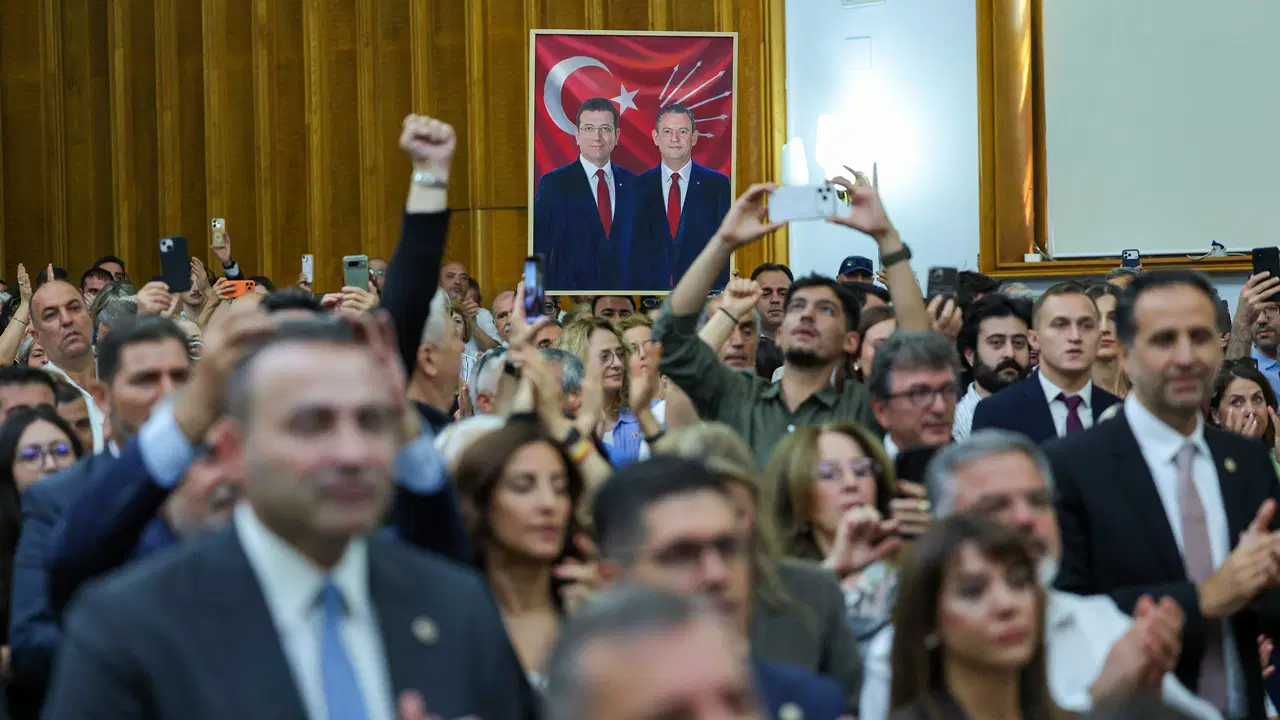
In a development that could redraw the map of Turkiye’s opposition, former Republican People’s Party (CHP) leader Ozgur Ozel, who was removed from the party leadership following a court ruling, announced his resignation and the establishment of a new political party. The move brought weeks of internal conflict to an end and opened the door to a split within Turkiye’s largest opposition party.
Ozel made the announcement during the party’s parliamentary group meeting on July 21, 2026, after confirming that dozens of lawmakers would join the new formation. He estimated that it would become the main opposition force in parliament once its legal procedures were completed.
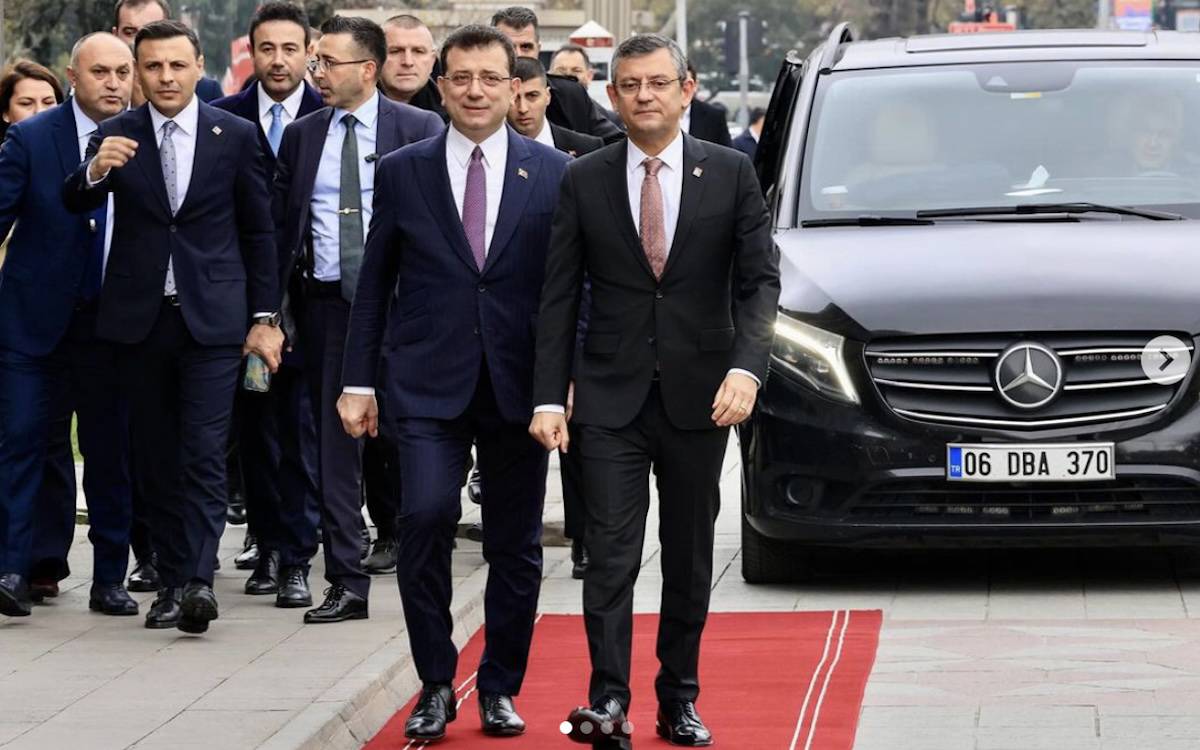
He also renewed his challenge to the party’s current leader, Kemal Kilicdaroglu, calling for a vote among nearly two million party members and announcing that he would continue his alliance with the suspended Istanbul Mayor Ekrem Imamoglu and Ankara Mayor Mansur Yavas.
Thus, the crisis that began with a court ruling that restored Kilicdaroglu to the party leadership has evolved into a political split that could reshape Turkiye’s opposition landscape ahead of the next elections.
A Court Ruling Reignites the Long-Delayed Conflict
In the short term, the split within the Republican People’s Party (CHP) could provide President Recep Tayyip Erdogan and the ruling alliance with an important political opportunity. It could weaken Turkiye’s largest opposition force and open the door to an internal struggle over leadership, the presidential candidate, municipalities, and the electoral base.
The Turkish newspaper Yeni Report reported that the first beneficiary of this division could be the Justice and Development Party (AK Party)–Nationalist Movement Party (MHP) alliance, which may take advantage of the opposition’s declining cohesion to strengthen its position in parliament.
Analysts point out that the current parliamentary calculations favor the ruling alliance, particularly because it needs additional support from some opposition lawmakers to reach the threshold of 360 deputies, the majority required to call early elections. This would allow President Erdogan to run for another presidential term under constitutional mechanisms.
However, this scenario is not accepted by all observers. Others believe the split could become an opportunity to reshape the opposition if Ozel succeeds in attracting the larger parliamentary bloc, maintaining his alliance with Ekrem Imamoglu and Mansur Yavas, and establishing a party with a distinct political program rather than merely being an organizational extension of the CHP.
In this context, Turkish journalist Murat Yetkin warned against rushing to consider the split a definitive victory for the ruling authorities. He estimated that the outcome would depend on the new party’s ability to build a strong organization and attract voters dissatisfied with both major parties.
Meanwhile, others argue that multiple centers of decision-making within the opposition could lead to vote fragmentation and weaken its ability to compete in upcoming elections with a unified candidate. This could give the ruling alliance a clear advantage in the next presidential and parliamentary elections.
Ultimately, the split is not only reshaping the map of Turkiye’s opposition but also opening a new political phase that could alter the balance of power ahead of the 2028 elections.
While Kemal Kilicdaroglu retains legal legitimacy and the CHP name, Ozgur Ozel is relying on popular legitimacy and parliamentary support. The key question remains: Will the new party succeed in inheriting the opposition, or will the split ultimately give Erdogan an opportunity to further consolidate the dominance of the ruling alliance?
The New Party's Identity
Despite Ozgur Ozel’s announcement of the launch of his political project, the real challenge does not lie in the number of lawmakers who will join him, but rather in his ability to transform the split into a party with a clear political identity and a fully developed organizational structure.
The legal name of the new formation has not yet been finalized, although the name “New Party” has been circulated as the closest option. The name carries historical significance, as it was previously used by a party founded in 1993 by Yusuf Bozkurt Ozel, the brother of former Turkish President Turgut Ozel, before later merging into the Democratic Party.
Turkish media reports have said that Ozel’s team considered other names, such as “The March” and “Independence,” while also preparing a new logo based on the colors red and white and searching for a central headquarters in Ankara. This indicates that organizational preparations had begun before the split was officially announced.
In the first outline of the party’s identity, Ozel emphasized his commitment to the principles of the republic and the legacy of Mustafa Kemal Ataturk, while seeking to build a broader opposition movement capable of attracting voters beyond the traditional base of the Republican People’s Party (CHP).
However, the new party will face complex challenges from its first day, beginning with the establishment of its organizations across all provinces and districts and the completion of the legal requirements needed to contest elections. These challenges also extend to attracting political figures and municipalities, which form the backbone of the opposition’s organizational strength.
The party also faces another, more sensitive battle, concerning its legitimacy in representing Turkiye’s social democratic movement, as the CHP retains its historic name, organizational foundations, and assets, while the new party seeks to inherit its political influence and popular support.
In contrast, the leadership of the Republican People’s Party (CHP) rejected attempts to downplay its internal cohesion. Gursel Tekin, the party’s former Istanbul head, described claims of a broad split as “a storm of lies,” stressing that the party would continue to focus on economic and social issues rather than being distracted by responding to its opponents.
Meanwhile, the party’s spokesperson, Muslim Sari, described the announcement of establishing a new party from the CHP parliamentary group platform as “an unethical act,” arguing that the dispute is not about a different political project, but rather a struggle over leadership positions and influence.
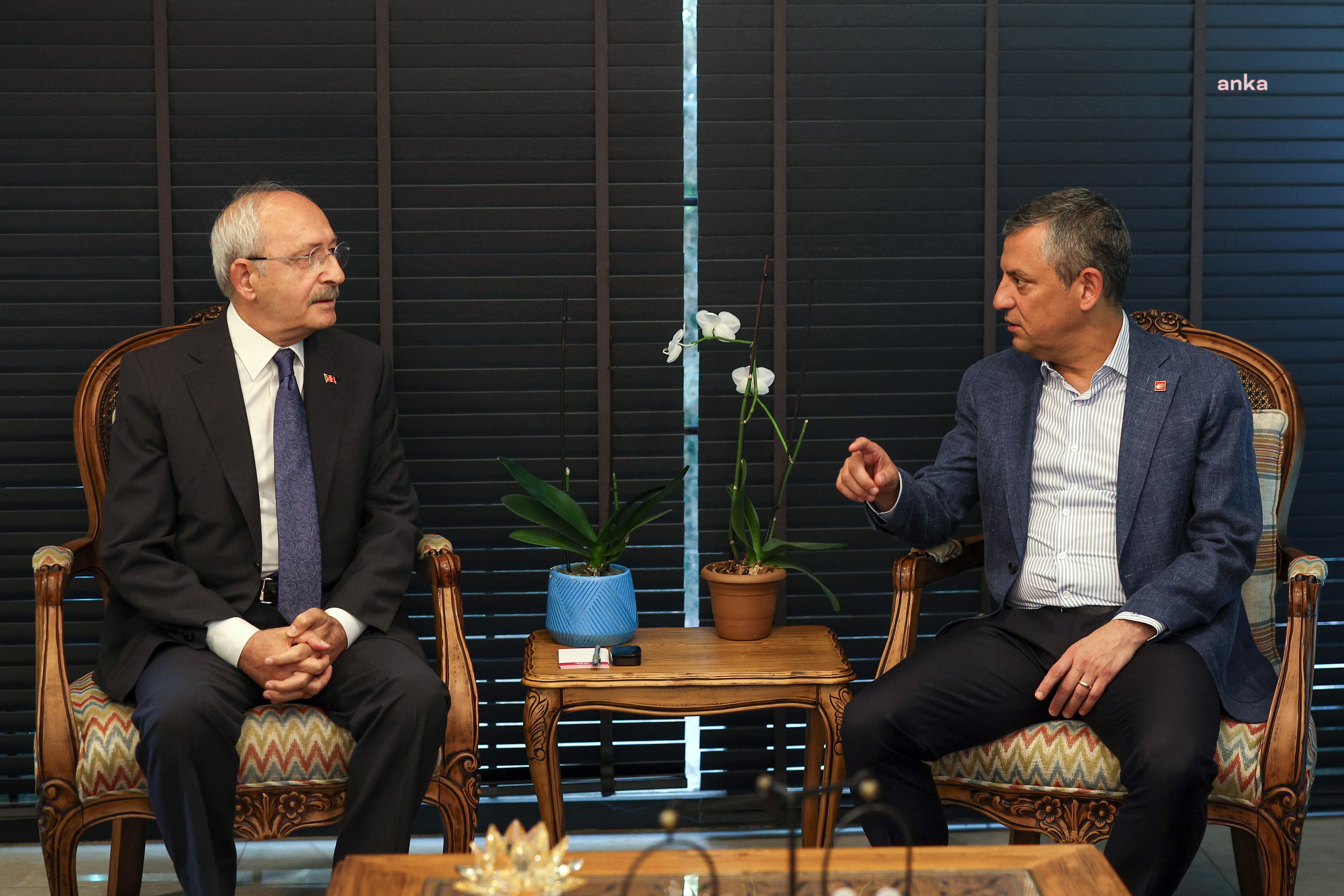
In conclusion, Kemal Kilicdaroglu enters the new phase retaining legal legitimacy, the party’s name, and its organizational structure, while Ozgur Ozel is relying on his popularity within the parliamentary bloc and the support of prominent opposition figures.
Between legal legitimacy and political legitimacy, the Turkish opposition appears to be facing one of its most complex crises in years, at a time when the consequences of this split could reshape the balance of power ahead of the upcoming presidential and parliamentary elections.
Does the Split Benefit Erdogan?
Beyond the details of the internal struggle within the opposition, a larger question emerges: who is the real beneficiary of this split?
According to the Turkish newspaper Yeni Report and several analysts, the fragmentation of the largest opposition party gives President Recep Tayyip Erdogan and his ruling alliance an important political opportunity by dividing their opponents and opening a new struggle over leadership, the presidential candidate, and major municipalities.
This possibility gains further significance given the ruling alliance’s need to expand its parliamentary base to reach the threshold of 360 deputies, which would allow it to call early elections and potentially open the door for Erdogan to run for another term.
At the same time, observers do not rule out the possibility that the crisis could become an opportunity for the opposition if Ozel succeeds in attracting a majority of lawmakers and local leaders, maintains his alliance with Ekrem Imamoglu and Mansur Yavas, and presents a new political project that goes beyond simply recreating the Republican People’s Party (CHP) under a different name.
In conclusion, the crisis does not appear to be merely an organizational dispute within Turkiye’s largest opposition party, but rather a turning point that could reshape the political landscape ahead of the 2028 elections.
Either Ozel succeeds in establishing a new opposition center capable of challenging the ruling authorities, or the split leads to the fragmentation of the opposition, giving Erdogan a political and electoral advantage in the coming years.
Sources
- Ozgur Ozel Announces the “New Party” at CHP’s Final Group Meeting: “The Sadness of a Farewell Whose Time Has Come” [Turkish]
- Ozel Leaves the CHP to Form a New Party, With a Backup Party Also Ready [Turkish]
- Ozgur Ozel Bids Farewell to the CHP: “We Are Establishing Our New Party” [Turkish]
- After Ozel’s Farewell, Political Circles Are Buzzing: Is the Name “New Party” Returning to Politics, and How Many Lawmakers Will Join? [Turkish]
- Only 86 People? Who Is Moving to the New Party and Who Is Staying in the CHP? [Turkish]