Squeezed Wages, Soaring Prices: How the War on Iran Is Rippling Through the West Bank
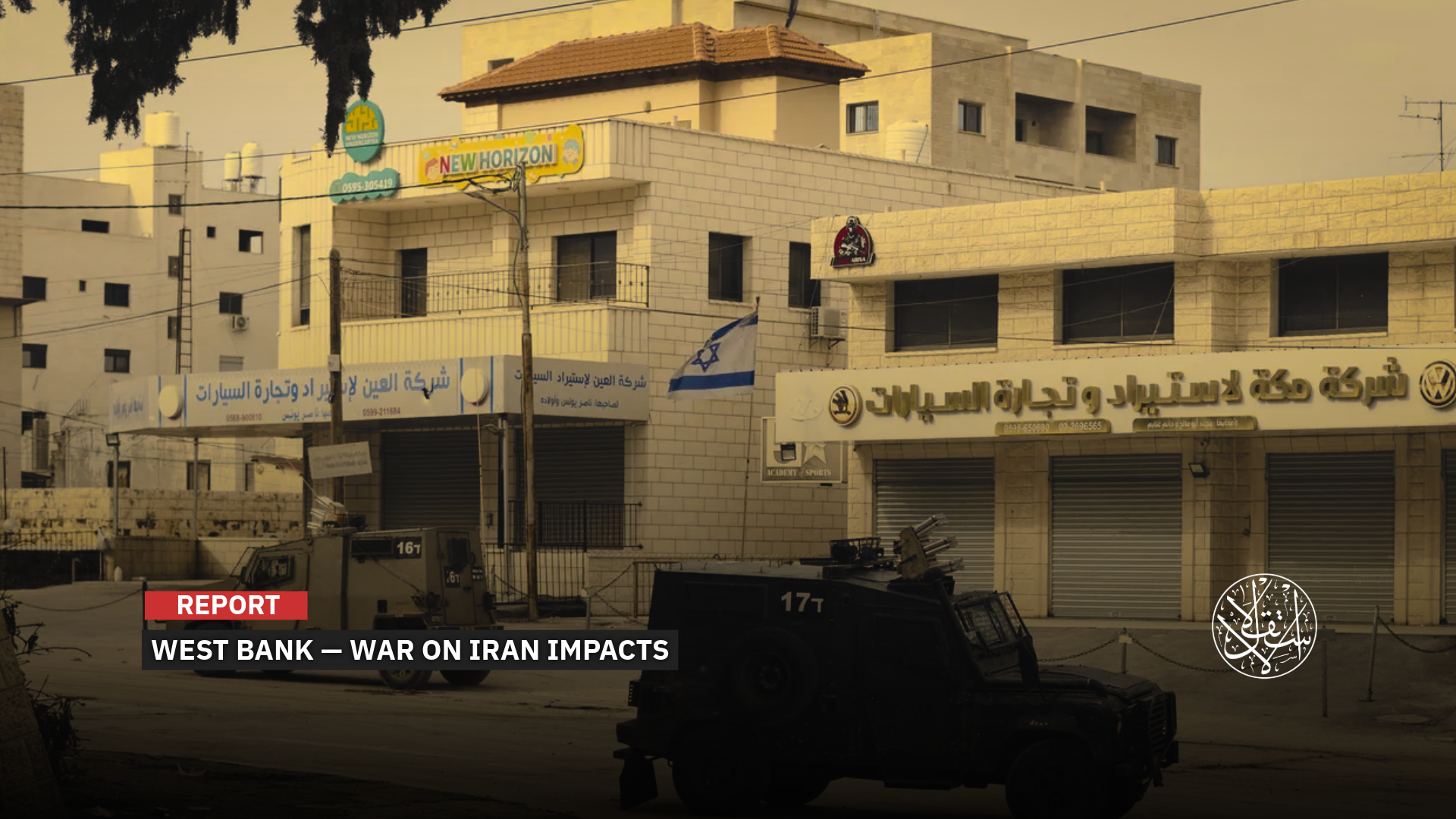
The Palestinian Authority depends on clearance revenues collected by “Israel” on its behalf as its main source of funding.
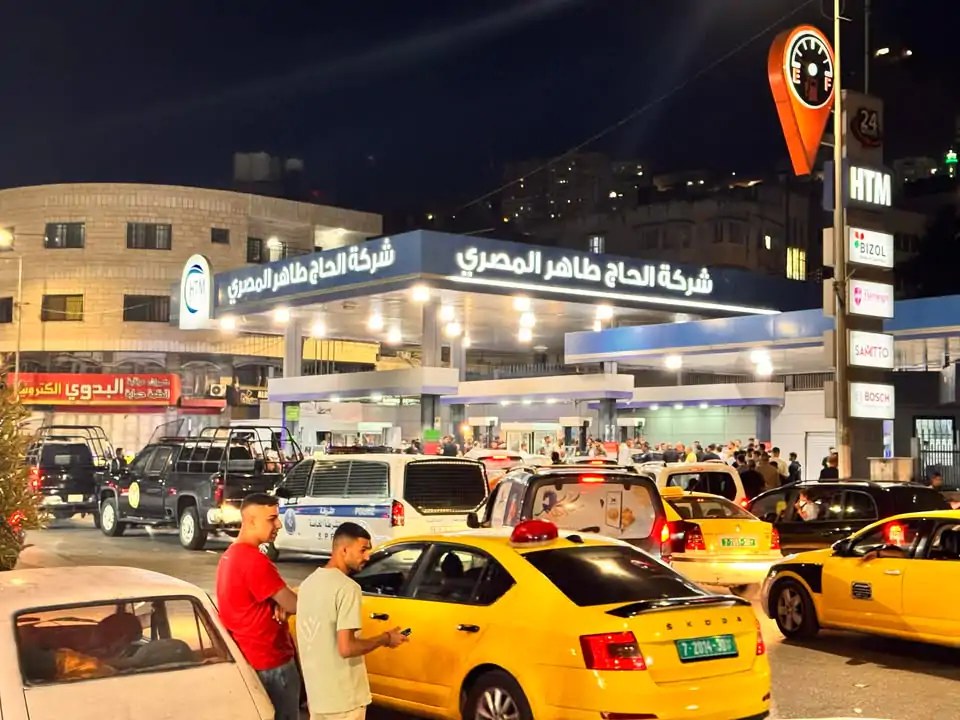
Within days of the U.S.-Israeli War on Iran breaking out in late February 2026, streets across West Bank cities filled with lines at gas stations as prices for vegetables and bread surged, and the strain has persisted despite a two-week ceasefire.
The Palestinian Authority (PA) was already struggling under withheld clearance revenues, while tighter Israeli restrictions and expanding settlements have made daily life increasingly difficult, leaving many Palestinians unable to work or move as normal.
The Main Impacts
By the end of March, the Palestinian Energy and Natural Resources Authority in Ramallah released its April price list, and the increases were stark. Gasoline prices surged to 7.90 shekels per liter for 95 octane and 8.86 for 98, while diesel and kerosene climbed to 8.40. A dollar trades at roughly 3 shekels.
Cooking gas followed the same trend. A standard 12-kilogram cylinder rose to 95 shekels, while a larger 48-kilogram cylinder reached 380. Official data showed increases of 15.3 percent for gasoline, nearly 41 percent for diesel and kerosene, and 25 percent for smaller gas cylinders.
The spike was driven largely by rising global oil prices after the closure of the Strait of Hormuz and strikes on oil facilities during the war, pushing Brent crude above $120 a barrel. Because Palestinian fuel prices are tied to the Israeli Occupation market under the Paris Protocol on Economic Relations, the West Bank has been hit particularly hard.
The effects quickly filtered through the economy. Transport fares were raised after the Ministry of Transport, in coordination with unions, approved temporary adjustments to offset rising operating costs, with a promise to reverse them once prices stabilize.
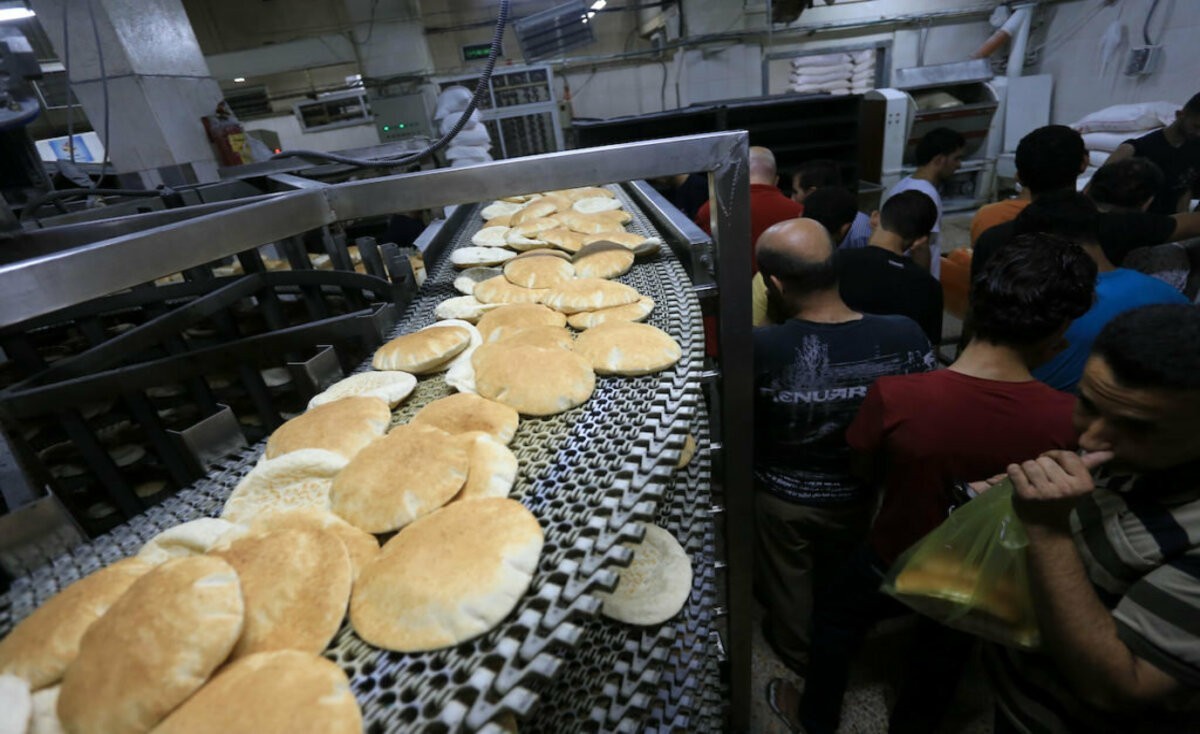
Food prices soon followed. Bread and vegetables became more expensive, even as the Ministry of Economy and the bakers’ union insisted that the official price of bread remained at 4.5 shekels per kilogram, praising bakeries for holding the line during wartime conditions.
For many, the pressure is immediate and personal. Mohammed Hassouneh, a 28-year-old taxi driver in Ramallah, said cooking gas had been unavailable for days, adding that the crisis extends well beyond household use. Rising gas prices have pushed up production costs, forcing some bakeries to shrink portions or quietly raise prices outside official limits.
“For my work, I need about 60 liters of diesel a day,” he told Al-Estiklal. “Before the war, I paid around 300 shekels. Now it’s 500. I can’t raise fares much because passengers can’t afford it.” The result, he added, is a shrinking daily income despite longer working hours.
“As fuel costs rise, so do the costs of transporting and distributing goods, leaving households buying less bread, fruit, and vegetables as the squeeze deepens,” the taxi driver said.
An Economy Under Strain
Even before the latest crisis, the Palestinian economy was already under severe pressure. The PA relies heavily on clearance revenues collected by the Israeli Occupation on its behalf, which account for around 70 percent of government income.
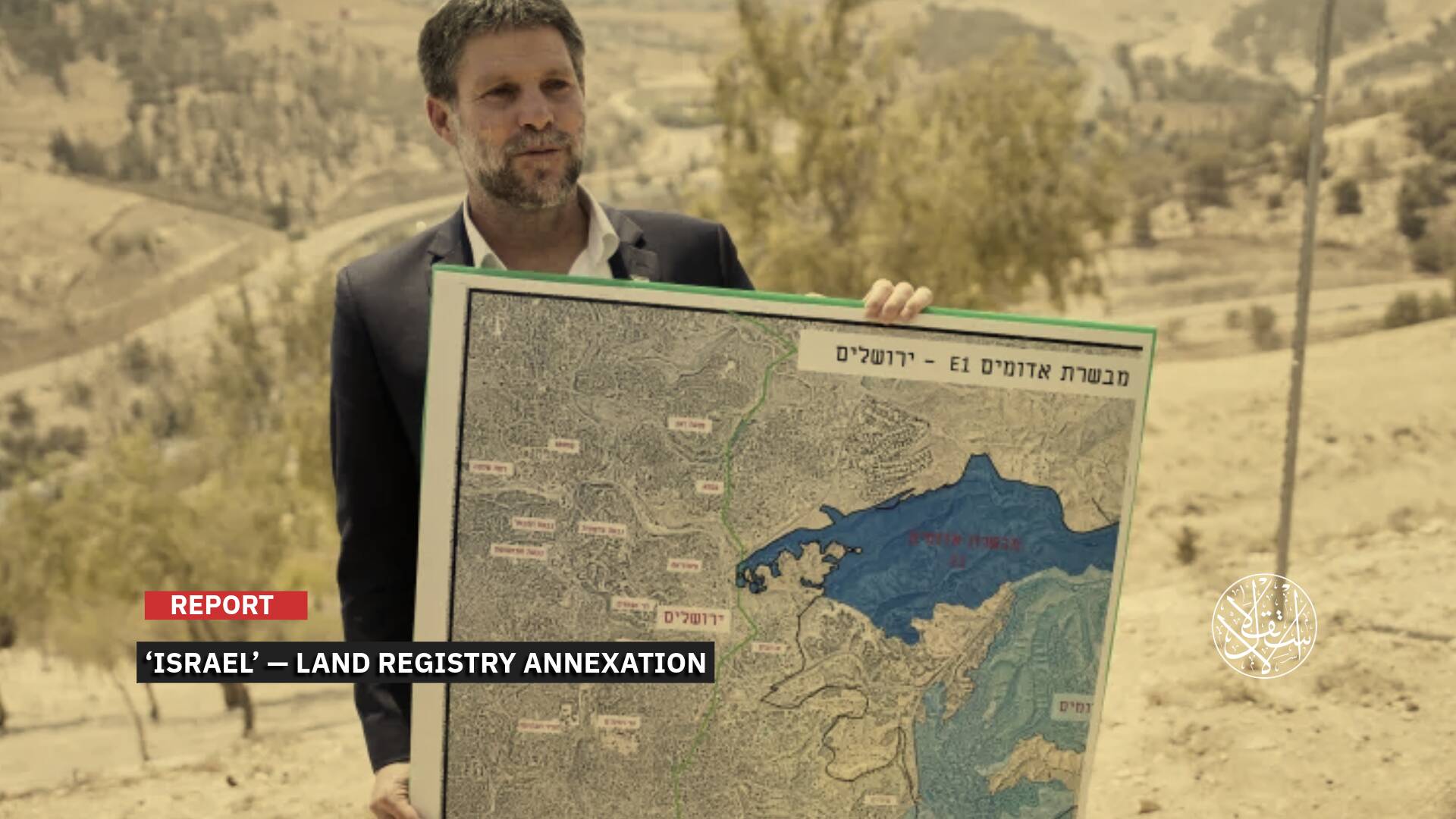
Since May 2025, those transfers have been effectively frozen following decisions by “Israel’s” extremist finance minister Bezalel Smotrich, leaving roughly $4.4 billion in withheld funds. Palestinian Finance Minister Estephan Salameh has said the shortfall has forced the government to pay only 60 percent of public sector salaries, with ten consecutive months without transfers pushing the deficit above 4.5 billion shekels.
Public debt, he added, reached about $15.4 billion by the end of 2025, pushing the PA toward domestic borrowing and cuts to fuel subsidies.
For workers, the impact is immediate. A public employee who once earned 3,000 shekels now takes home around 1,800. A government employee in Ramallah, who asked not to be named, said her income now barely covers rent and basic food, while electricity, water, and other bills continue to pile up. In March, she said, she had to borrow to support her family of four. “Even before the war, the salary cuts made it impossible to keep up,” she told Al-Estiklal. “Since the war on Iran began and costs started rising, we’ve had to rely on loans.”
The war has deepened the shock to an economy already reeling since 2023 under tighter Israeli restrictions following Operation al-Aqsa Flood on October 7. According to the Palestinian Central Bureau of Statistics (PCBS), GDP in the West Bank shrank by 13 percent in 2025. Unemployment reached 46 percent across Palestine, including 28 percent in the West Bank and 78 percent in Gaza, leaving around 650,000 people out of work.
The West Bank has also been hit by the loss of income from workers previously employed in “Israel.” Before October 2023, around 200,000 Palestinians held such jobs, but most permits were revoked. Local reports suggest roughly 100,000 permits were canceled, with fewer than 10,000 reinstated during 2025, cutting remittances by an estimated $4 billion annually.
The International Labour Organization (ILO) has warned that unemployment in the West Bank could climb to 38.5 percent by the end of 2025, with GDP contracting by more than 17 percent over two years.
At the same time, a liquidity crunch is taking hold. Large volumes of Israeli currency have accumulated in Palestinian banks, but the Israeli Occupation restrictions prevent their effective use, limiting access to digital liquidity. The result is a tightening financial squeeze that is hindering imports, delaying payments, and raising the risk of broader economic instability.
Israeli Occupation as a Driving Factor
Israeli policies and settler violence remain central to the crisis. On April 9, the Israeli Occupation government approved 34 new settlements in the West Bank, further fragmenting Palestinian communities and deepening territorial divisions.
The ILO estimates that more than 800 Israeli checkpoints and roadblocks now crisscross the West Bank, disrupting trade, movement, and access to work. Since February 28, violations and settlement expansion have escalated sharply. According to the UN Office for the Coordination of Humanitarian Affairs (OCHA), two-thirds of Palestinians martyred in the West Bank in 2026—22 out of 33 by the end of March—were killed after the war intensified.
Over the same period, OCHA recorded more than 211 settler attacks affecting over 100 Palestinian communities, an average of six incidents a day. These attacks, along with demolitions, have displaced more than 1,700 Palestinians—mostly in the Jordan Valley—marking the highest figure recorded in the past three years.
The impact goes beyond direct violence. Palestinian authorities have reported hundreds of fragments from missiles and drones falling across multiple areas as strikes related to the U.S.-Israeli War on Iran spilled over, damaging homes and infrastructure.
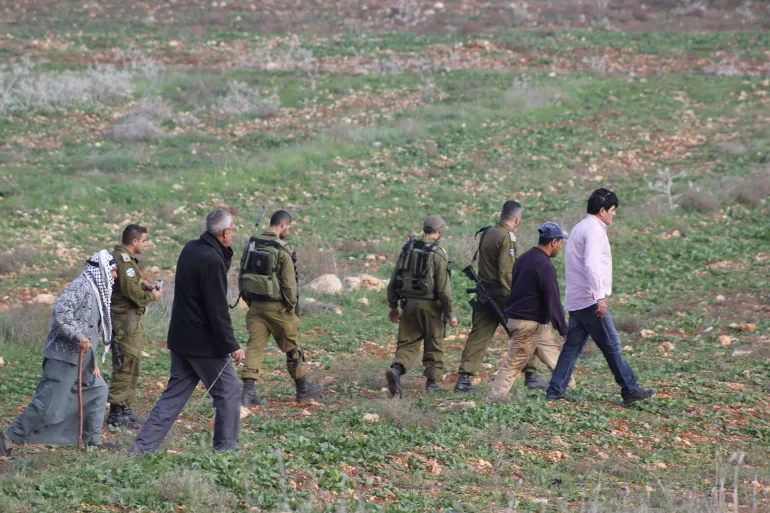
Movement has also become increasingly restricted. Armed settlers have blocked key roads, particularly between Ramallah and Nablus, forcing farmers onto longer, costlier routes. Israeli Occupation checkpoints continue to prevent even permitted workers from reaching their jobs, while also delaying the transport of goods, cutting working hours, and driving up costs.
At the same time, settlement expansion is shrinking the land available for Palestinian agriculture. Farmers are often barred from accessing fields near settlements.
The impact does not stop there. Settlers have also set fire to olive trees and confiscated agricultural equipment, reducing production and increasing reliance on costly imports.
As a result, the restrictions on movement are not merely security measures, as Israeli Occupation authorities claim; they disrupt supply chains and make daily life increasingly difficult for Palestinians.
With work permits largely suspended, many Palestinians have resorted to attempting entry into “Israel” through gaps in the separation barrier, often at great personal risk. OCHA has documented 17 Palestinians killed and 262 injured in such attempts since October 2023, reflecting the lack of viable economic alternatives.
Against this backdrop, talk of a “wartime economy” is gaining ground in the West Bank as overlapping crises, from rising global energy costs and frozen clearance revenues to collapsing wages and tightening restrictions and Israeli attacks, converge to reshape daily life.
Sources
- Global Inflation or Poor Planning?! Did the Palestinian Government Reduce Fuel Subsidies?
- Fuel price hikes in West Bank deepen economic pressure on Palestinians
- Israel withholding $4.4 billion in PA funds, minister says
- Palestinians end 2025 amid widespread death, displacement, and economic collapse, says PCBS
- ILO warns of deepening employment and livelihood crisis in the West Bank due to two-year war in Gaza
- World Bank Report: Impacts of the conflict in the Middle East on the Palestinian Economy – September 2025 Update
- Humanitarian Situation Report | 2 April 2026