With China and Pakistan: How Qatar Played a Broad Regional Role in De-Escalation
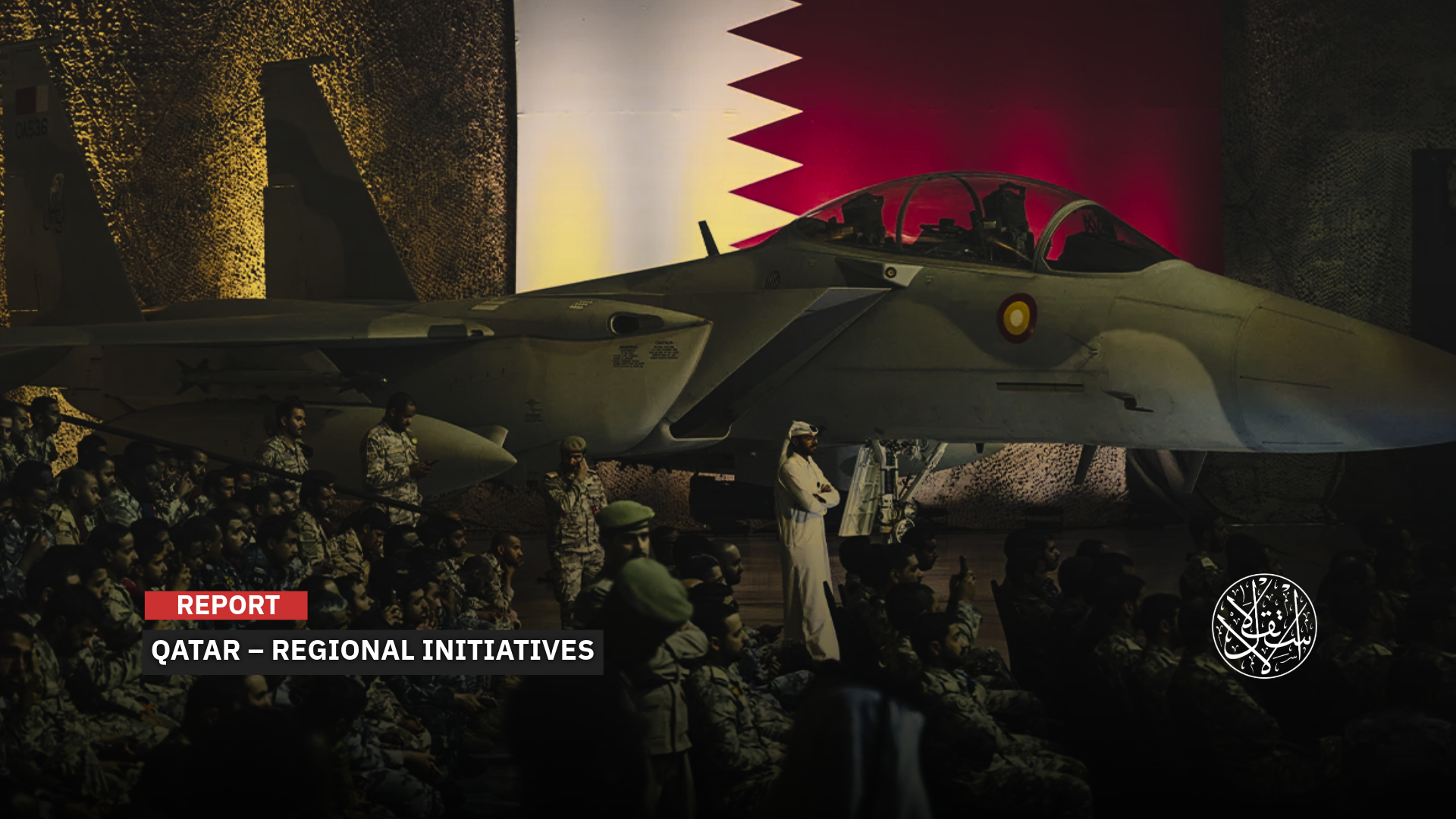
“Qatar calls for supporting regional and international initiatives aimed at reducing tensions.”
Qatar has intensified its diplomatic and political efforts amid escalating regional tensions, engaging in a series of high-level contacts and meetings focused on containing the escalation while simultaneously bolstering preparedness to address any potential repercussions.
It emphasized that resolving the escalating crises and tensions in the region cannot be achieved through external solutions alone, but requires a comprehensive regional approach based on direct dialogue among the region's countries.
It called for support for regional and international initiatives aimed at de-escalation, stressing that political solutions remain the most effective option in confronting the complex challenges facing the region.
It reaffirmed its commitment to its active diplomatic role in regional mediation and its efforts to bridge the gaps between the various parties.
Diplomatic Solutions
In this context, Qatar's Amiri Diwan says Emir Sheikh Tamim bin Hamad Al Thani discussed regional developments and the repercussions of the escalation with the President of the European Council, Antonio Costa, in Doha.
They also emphasized the importance of ensuring the smooth flow of energy supplies and enhancing the security of maritime routes.
Regarding the Iranian issue, the European official reiterated his country's support for the ongoing dialogue, including efforts led by regional parties, aimed at consolidating the ceasefire and paving the way for a sustainable political settlement.
Costa highlighted Qatar's role, describing it as an honest mediator in efforts to achieve stability and peace in the region.
He noted that the international community relies on Qatar's continued role in facilitating communication between the various parties, which contributes to consolidating the truce and preventing its collapse.
Sheikh Tamim also received a phone call from the Sultan of Oman, Haitham bin Tariq, during which they discussed regional and international developments in light of the current escalation, particularly concerning the Strait of Hormuz.
Both sides stressed the importance of restraint and prioritizing diplomatic solutions to contain the escalating tensions and enhance security and stability in the region.
They also emphasized the need to guarantee freedom of navigation and the safety of maritime routes, given the growing concerns about the repercussions of any disruption on the global economy.
These Qatari-Omani consultations reflect a growing awareness of the sensitivity of the current phase, as geopolitical tensions threaten to disrupt energy markets and supply chains, prompting key players to intensify coordination to avert escalation scenarios.
The Emir of Qatar also received Turkish Minister of National Defense Yasar Guler, where they discussed strategic cooperation between the two countries, particularly in the military and defense fields.
The talks also included a review of the latest regional and international developments and international efforts aimed at supporting security and stability in a period characterized by increasing complexities and overlapping crises.
These numerous meetings reflect the depth of the Qatari-Turkish partnership and its role in strengthening regional balances, especially given the rapid transformations the region is witnessing, which necessitate high levels of political and military coordination.
Direct Negotiations
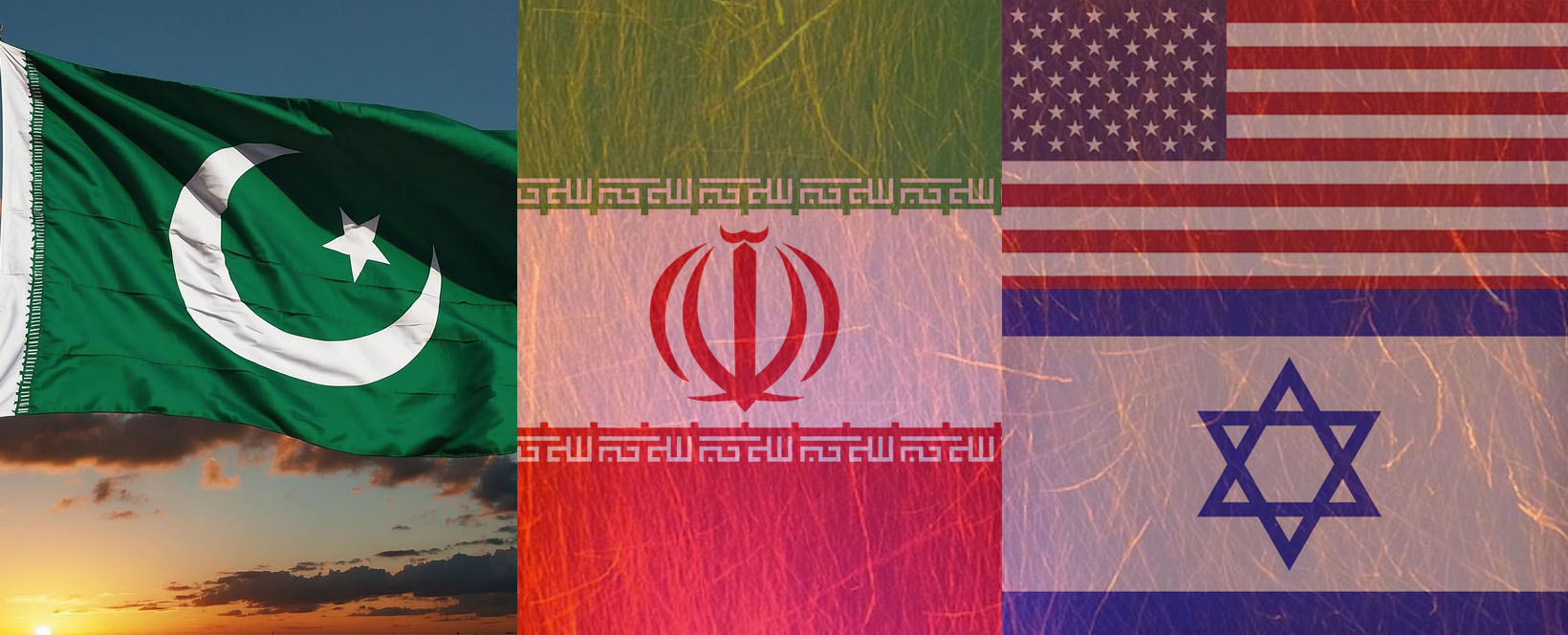
In a related context, the Pakistani Foreign Ministry revealed a five-point initiative presented by Pakistan and China to halt the US-Israeli war on Iran, emphasizing continued cooperation with regional countries to de-escalate tensions.
It stated that there are common points between the positions of Iran and the US to reach an agreement, indicating that both countries trust Pakistan to facilitate the talks.
It reiterated its commitment to continuing dialogue and facilitating talks between the two countries, stating that it is awaiting the scheduling of a meeting between the concerned parties.
It noted that there is coordination with China and other partners to facilitate these talks, clarifying that it has no confirmation regarding the arrival of a US delegation to negotiate with Iran.
It indicated that its country is actively engaged with Washington to reach a settlement to the conflict with Iran.
For its part, the Iranian Foreign Ministry today described the United States' demands to end the war in the Middle East as extreme and illogical, denying that negotiations were underway regarding a ceasefire.
The Iranian news agency ISNA quoted Iranian Foreign Ministry spokesman Esmail Baghaei as saying, “Messages have been received through intermediaries, including Pakistan, but there are no direct negotiations with the United States.”
Iranian television quoted Baghaei as saying, “We are prepared for any kind of attack, including a ground offensive.”
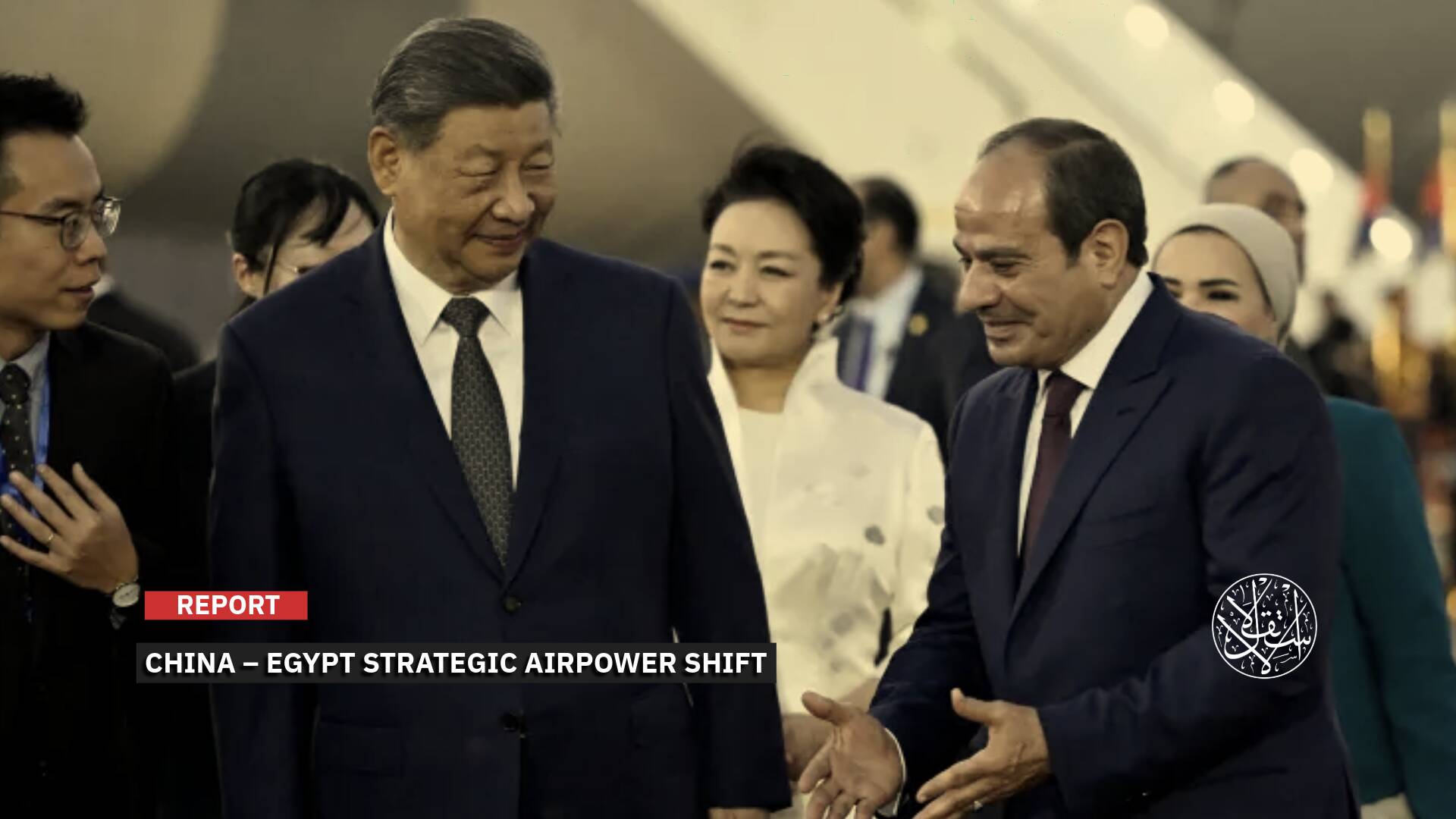
Meanwhile, the Chinese Foreign Ministry stated that military means do not solve any problems and that the conflict must be de-escalated, in response to US President Donald Trump's speech in which he affirmed the continuation of military operations against Iran.
Foreign Ministry spokeswoman Mao Ning said during a press briefing, “We urge the parties to cease military operations and call for avoiding further serious consequences for the global economy and energy security.”
“The root cause of the Strait of Hormuz crisis is Iran’s illegal military operation. This necessitates that all parties work together to prevent escalation and maintain the safety of this vital waterway,” he added.
Regional Efforts
Before and after the two-week truce in the US-Israeli war on Iran, attention turned to Pakistan, which hosted mediation efforts between Tehran and Washington. However, China quickly emerged in the background, playing a key role in persuading its ally Tehran to accept the de-escalation.
Pakistan's emergence as a mediator to end the war came as a surprise to many observers, who were accustomed to other regional powers playing such a role, most notably Oman and Qatar, both of which maintain relatively good relations with Iran.
The Qatari Ministry of Foreign Affairs welcomed the agreement, emphasizing the importance of ensuring maritime security, freedom of navigation, and the continuation of trade in accordance with international law.
During a phone call, Qatari Foreign Minister Mohammed bin Abdulrahman Al Thani urged his Iranian counterpart, Abbas Araqchi, to respond positively to the Pakistani mediation efforts in order to end the war in the region and reopen the Strait of Hormuz, which has been closed since March 2.
He stressed the necessity for all parties to cooperate with the ongoing mediation efforts, which would pave the way for addressing the root causes of the crisis through peaceful means and dialogue, leading to a sustainable agreement and preventing renewed escalation.
He emphasized the need to open maritime routes, guarantee freedom of navigation, and refrain from using them as a bargaining chip or pressure tactic.
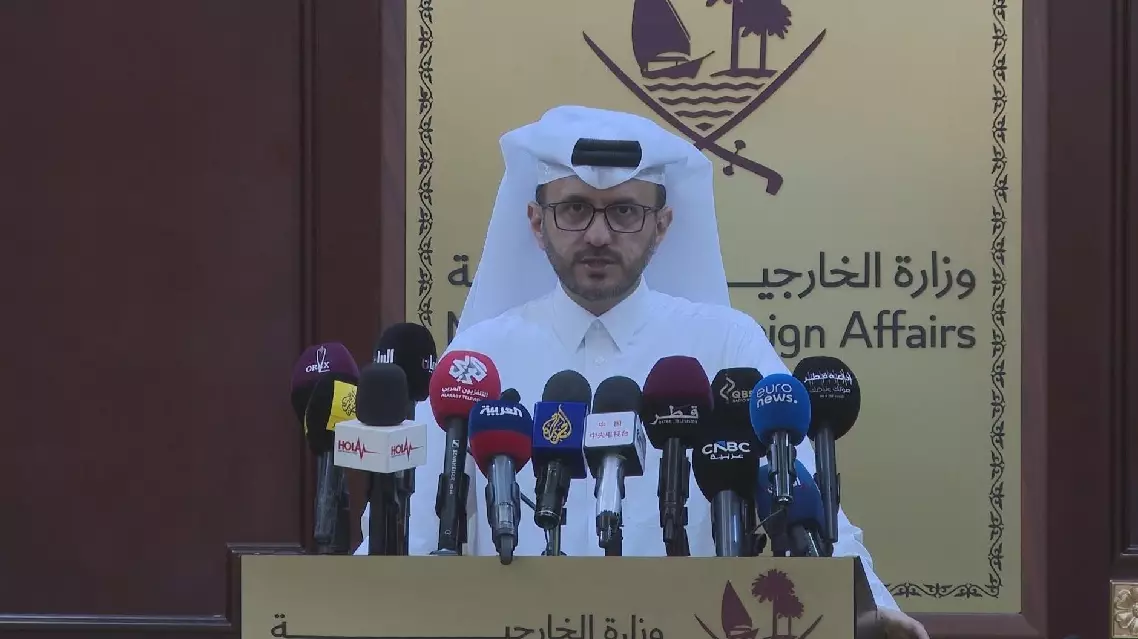
In a related context, Qatari government spokesperson Majed Al Ansari affirmed during a press conference on April 14 that all Gulf states, and those linked to supply chains, are directly concerned with reaching this solution.
He emphasized the necessity of maintaining the ceasefire between Iran and the United States, stressing that the current focus is on solidifying this agreement.
He pointed out that all crises must be resolved through dialogue, noting that the management of the Strait of Hormuz had not previously faced any problems.
He indicated that it is still too early to talk about final settlements, given the ongoing efforts to end the war and prevent further escalation in the region.
He emphasized his country's position rejecting threats that violate the principles of good neighborliness, indicating that the language of threats, escalation, and dictates serves no one, and that Qatar is committed to defending its sovereignty and preserving its security and safety.
He explained that Qatar fully supports Pakistan's mediation efforts and is coordinating with its regional partners to reach a unified regional position that contributes to de-escalating the current situation and resolving crises through dialogue and diplomatic means.
He denied the existence of any agreement between Qatar and Iran on this matter, clearly stating that Doha has not paid any money to Tehran in exchange for halting attacks against it. This refutes the circulating rumors, and he emphasized the state's commitment to absolute transparency.
He concluded by affirming that Qatar operates within a framework of regional and international cooperation to confront security challenges, stressing that collective action is the best way to ensure the protection of the common interests of nations, far removed from policies of escalation or threats.
Political analyst Mahmoud Alloush, in a statement to Al-Estiklal, warned against any Gulf states considering military involvement in the war, pointing out that the infrastructure in the Gulf countries is fragile and vulnerable to destruction, especially vital facilities such as desalination and power plants near the coasts.
He indicated that Qatar's actions in this context are based on a firm conviction that returning to the diplomatic track is the most realistic option for addressing contentious issues, emphasizing that all current efforts are aimed at creating the appropriate conditions for a return to the negotiating table.
According to Alloush, the Qatari position reflects Doha's keenness to prevent the establishment of new realities by force in the Gulf and to push for a collaborative security system that balances the interests of the region's countries with global security considerations.
He pointed out that the Qatari role emphasizes the importance of diplomatic solutions and blocks the path to military solutions, because it is a negative option for everyone, noting that Qatar is not absent from the current mediation, especially with its distinguished relations with all parties, which makes it present in the negotiating scene, even if not directly.