Between Efforts To Stop the War and Conspiracies To Ignite It: Why Are Qatar and the UAE’s Calculations Different?
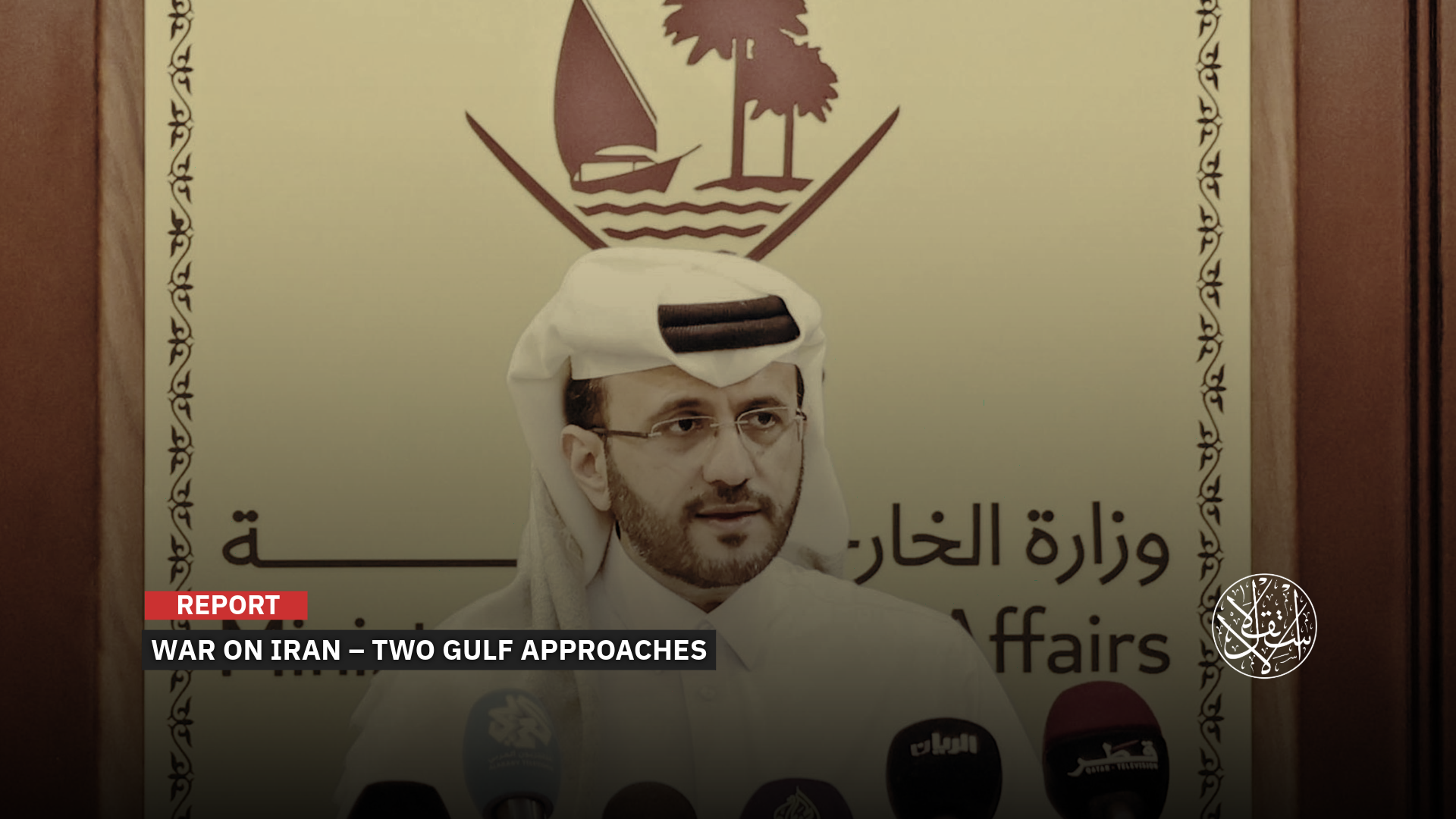
“Qatar stands against any escalation that risks regional security and stability.”
At a highly sensitive regional moment, as the war beat faster between the United States and “Israel” on one side, and Iran on the other, and as the repercussions for the region's peoples intensified, Qatar has emerged with a different voice, characterized by greater balance and responsibility.
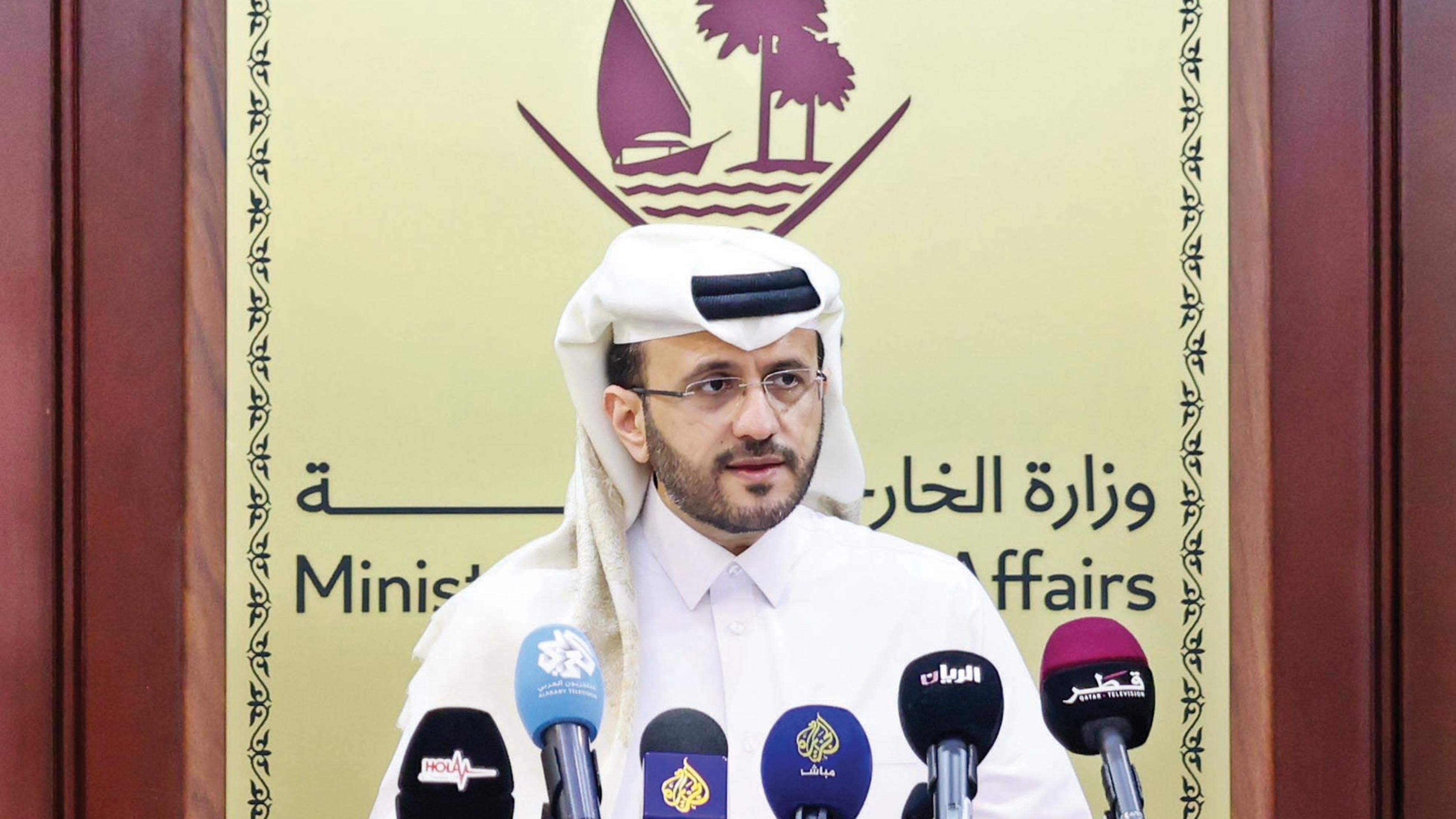
In this context, the statement issued by the spokesperson for the Qatari Ministry of Foreign Affairs, Majid Al-Ansari, on March 31, reaffirmed the priority of diplomatic solutions and the necessity of consolidating regional coexistence, rather than sliding into open confrontations whose costs none of the parties can afford.
This stance does not reflect a mere passing political choice, but rather expresses a coherent Qatari vision that recognizes that the continuation of the war will not lead to a decisive outcome, but will instead plunge the region into a protracted cycle of attrition, threatening its security and stability for years, perhaps even decades.
In contrast, a media attack from platforms affiliated with the UAE was quick to emerge, attempting to portray this diplomatic approach as a concession or a deal with Iran.
Retaliatory Responses
While Doha is pushing for containment of the war and preventing its escalation, other voices seem more inclined to adopt a military solution, regardless of the cost, even if it comes at the expense of the stability of the entire Middle East.
Thus, this divergence transcends the realm of media debate, revealing a genuine crossroads within the Gulf Cooperation Council: between an approach that seeks to extinguish the fire before it spreads, and another that appears prepared to pursue the confrontation indefinitely.
According to a Reuters report published on March 27, Gulf states such as Qatar, Oman, and Kuwait are pushing behind the scenes for a swift end to the war, fearing economic repercussions and retaliatory responses.
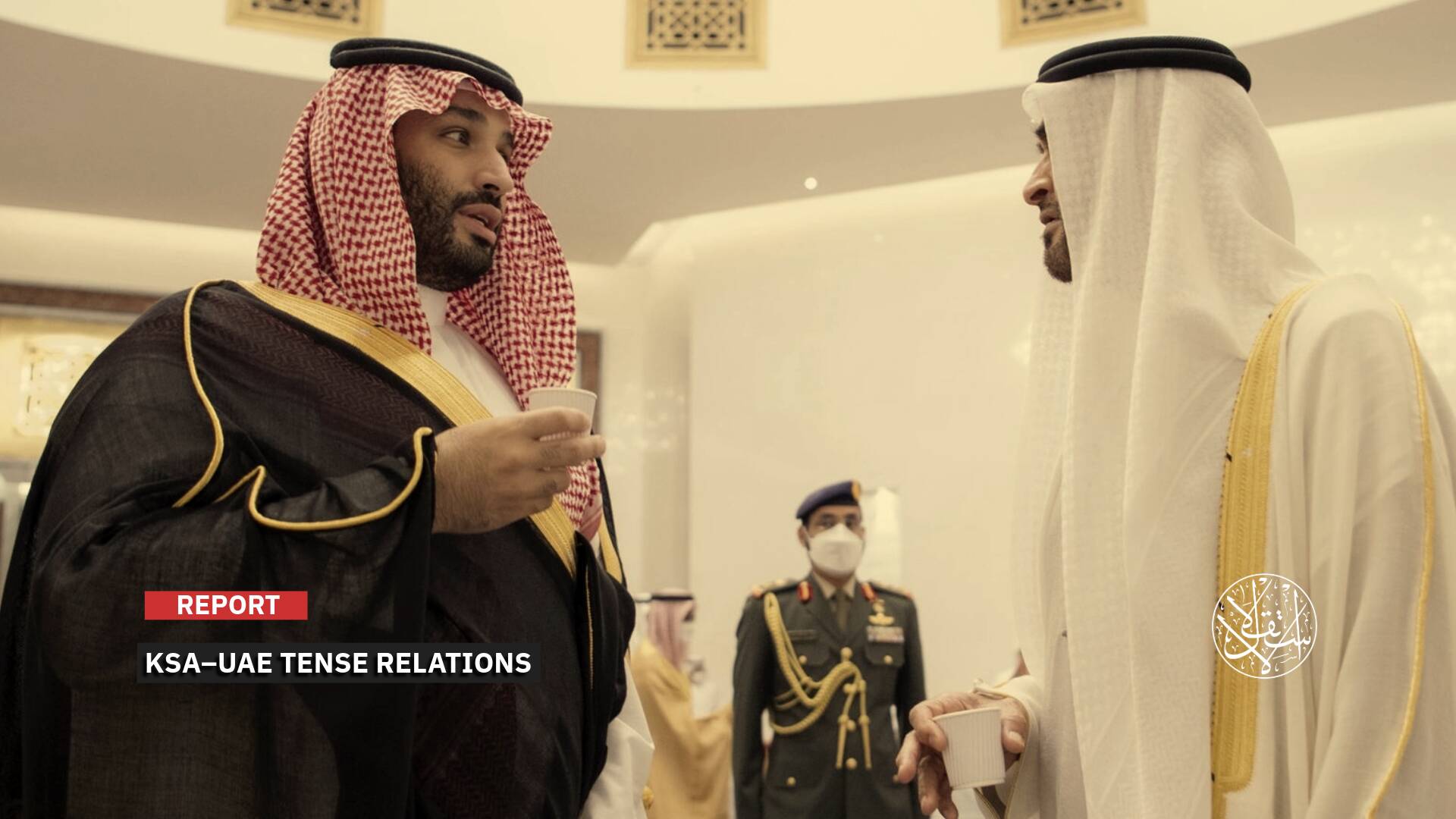
In contrast, it indicates that the UAE, Saudi Arabia, and Bahrain affirm their readiness to withstand an escalation of the war and refuse to accept a post-war Iran if it remains capable of using the Strait of Hormuz as a bargaining chip or a tool for exerting pressure.
Meanwhile, the Israeli channel i24NEWS reported that the Qatari government is intensifying its efforts to halt the war, as part of its endeavors to contain the escalation and prevent the confrontation from spreading further in the region.
According to the channel, Doha is pushing for a swift end to the conflict, while also citing the positions of other Gulf states, particularly the UAE, which is demanding guarantees from Washington to prevent what it describes as the Iranian threat from persisting after the war ends.
Axios revealed in a report published on March 21 that Donald Trump had begun preliminary discussions regarding the next phase of the conflict and the potential paths it might lead to for peace talks with Iran.
According to the website, Washington is exploring mediation options, including a Qatari role, while simultaneously seeking to engage with the actual decision-making centers within Tehran, rather than relying solely on traditional official channels.
The Emirati Approach
In contrast to Qatar's stance calling for de-escalation, the Financial Times, in a report published on March 26 citing informed sources, revealed that the UAE had informed Washington and several other capitals of its readiness to participate in a multinational naval force aimed at reopening the Strait of Hormuz, and even to work on mobilizing dozens of countries to form what was described as the Hormuz Security Force.
This Emirati approach reflects a more advanced level of engagement compared to the other Gulf states, some of which have expressed outright rejection, while others have preferred to wait or implicitly refrain from sending naval forces to the Strait, given the risks associated with escalating the confrontation.
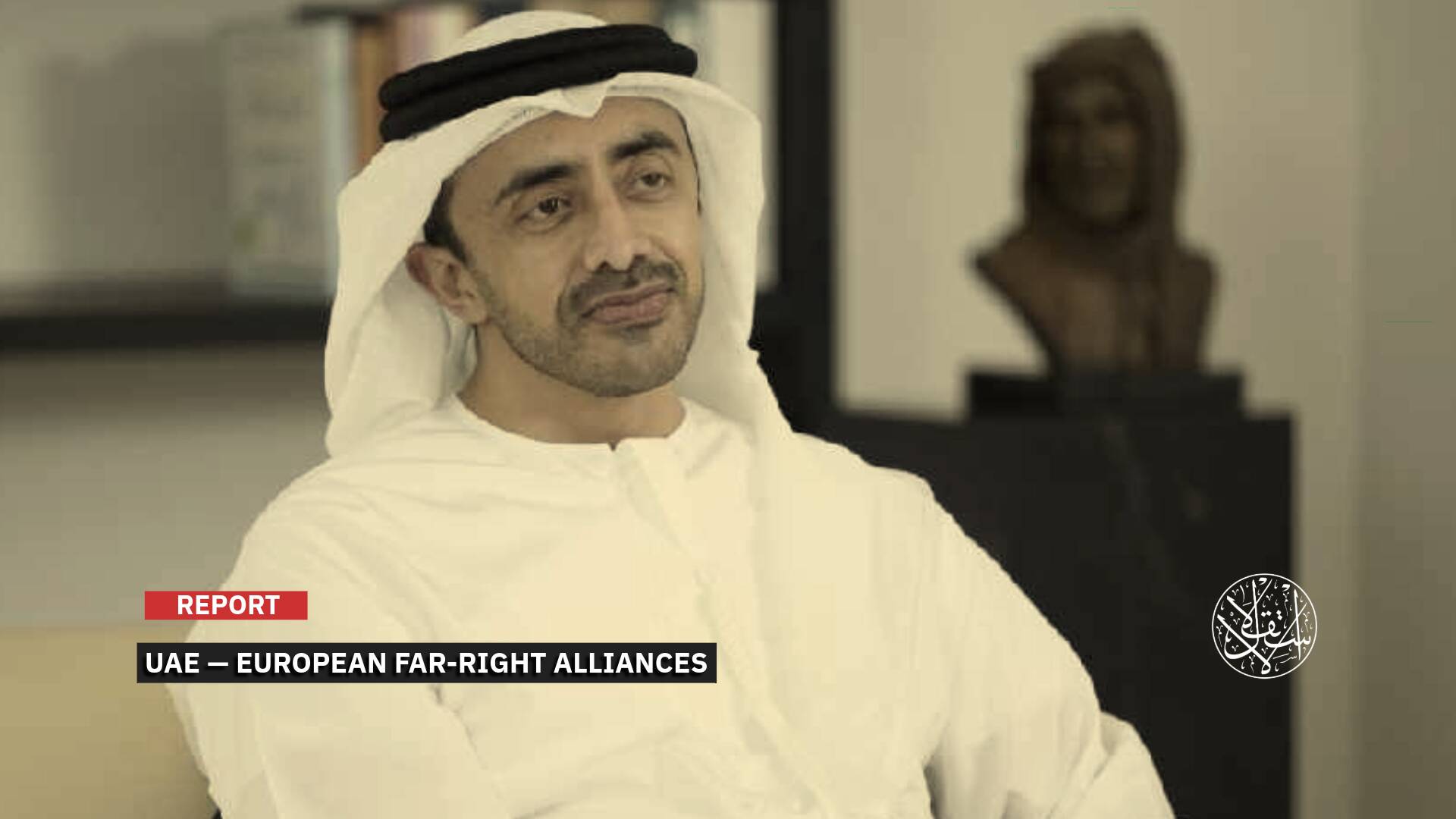
The Emirati position evolved through a series of public statements by high-ranking officials, beginning with Anwar Gargash, advisor to President Mohammed bin Zayed, who indicated in a speech at an event hosted by an American research center on March 17 that his country could join international efforts to protect navigation in the Strait.
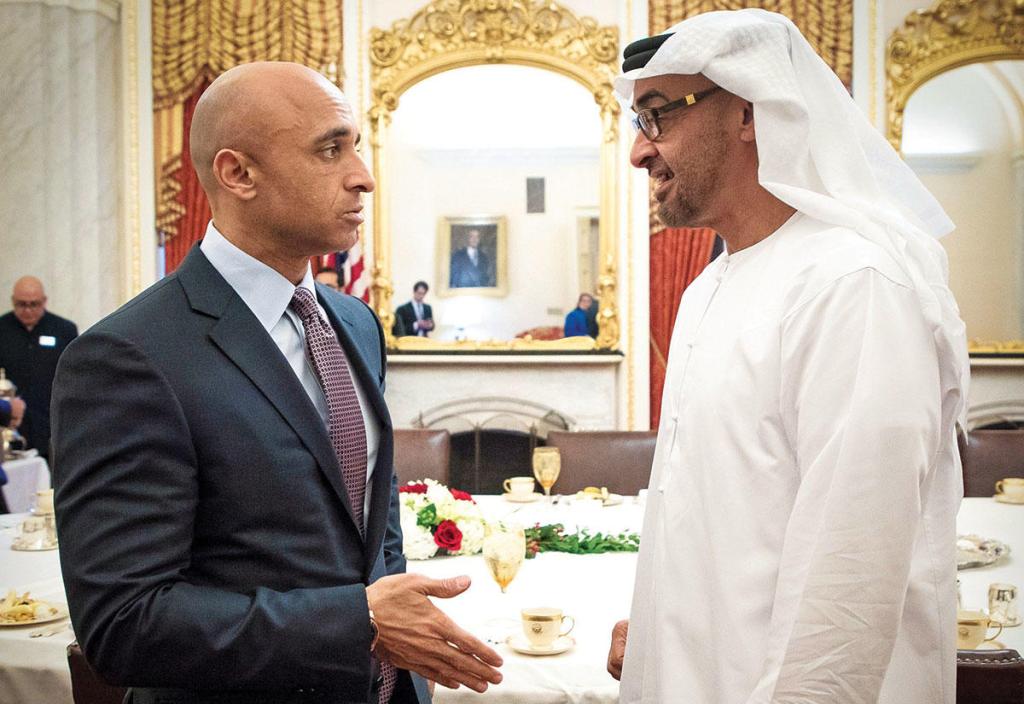
Later, this proposal moved from the realm of possibility to certainty with an article published by the Emirati ambassador to Washington, Yousef Al Otaiba, in the Wall Street Journal on March 25, titled ‘The UAE Stands Up to Iran’.
In this article, he adopted a more assertive tone, aligning with the maximum war objectives advocated by the American-Israeli alliance, particularly the faction within the US administration that opposes a ceasefire.
He asserted that a ceasefire alone is insufficient, calling for a comprehensive resolution that addresses, in his words, what he considers Iran's threats, including its nuclear program, missile and drone capabilities, as well as its regional influence and impact on international maritime routes.
Dangerous Situation
In a context that reinforces the Qatari perspective, which warns against the cost of sliding into open confrontation and escalating the war, Alex Vatanka, an expert at the Middle East Institute in Washington, believes that geographical factors alone make it difficult to stop Iranian attacks.
In a statement to the BBC on April 4, he pointed out that the geographical proximity factor has placed the Gulf states in a vulnerable position, turning them into frontline states in a war they were not a party to, yet they bear a heavy economic cost.
He added that directing all resources toward defense does not change the fact that these countries remain relatively easy targets for Iran.
He noted that investments worth billions of dollars are now exposed to the threat of low-cost drones costing no more than thousands of dollars.
He believes that this structural flaw is directly reflected in higher insurance costs and more complex supply chains, and may even prompt international companies to reassess their exposure in the Gulf region.
In a warning that reflects the limitations of relying on security alliances, the expert emphasized that strengthening defense relations is not without its constraints, especially regarding the extent to which the U.S. is willing to defend its Gulf allies.
He revealed that regional governments had warned Washington of the dangers of escalation before the conflict erupted, but were met with a sense of frustration.
“Trump largely waged war on behalf of Netanyahu, ignoring the Gulf states, who realize they will never receive the same treatment as Israel,” he said.
He pointed out that domestic political considerations in the United States impose limits on its long-term commitment to Gulf security, asking, “Will American public opinion be ready to bolster the military presence in the region?”
He concluded with a striking warning that aligns with the core of the Qatari approach, emphasizing that Iran could literally disrupt life in these countries, potentially threatening their stability for generations.

The Gulf Model
In an article published in Foreign Policy on April 10, researcher Steven Cook highlighted the repercussions of the war on the future of development in the Gulf states.
He warned of the cost of an ill-considered escalation, a view that clearly aligns with Qatar's approach, which calls for de-escalation and avoiding a slide into open confrontation.
He pointed out that the past few weeks have witnessed the war's shift to the Gulf, with energy and technology infrastructure in several countries subjected to intense Iranian attacks, reflecting the fragility of the regional environment in the face of a broader escalation.
He argued that the outlines of a ceasefire and the proposed peace plan do not appear reassuring to the Gulf states, especially given Tehran's insistence on maintaining its influence in the Strait of Hormuz, which could leave the Gulf states with two unpalatable options: either relying on Iran's goodwill or paying a financial price to secure the flow of trade.
He warned that this new reality deepens security and economic threats and undermines the Gulf's image as an attractive investment environment, at a time when the risk of targeting infrastructure remains even under a fragile truce.
He added that the bet placed by some parties (such as the UAE) on a military solution has not materialized, while the chances of Washington returning to a large-scale escalation appear limited, given complex domestic American considerations.
He concluded that the Gulf states may find themselves compelled to rearrange their priorities by directing more resources toward security and defense, and perhaps diversifying their international partnerships, including strengthening relations with China.
This conclusion reinforces a Qatari argument that avoiding escalation is not a tactical option, but a strategic necessity to avert a catastrophic cost whose effects could extend for generations, in contrast to a more impulsive Emirati approach that favors continuing the confrontation despite its risks.
Sources
- Qatar: Any role in stopping the war is welcome, and contacts with Iran are ongoing [Arabic]
- Israeli channel: Qatar seeks to stop the Iran war... This is the position of Saudi Arabia and the UAE [Arabic]
- Will the UAE join the war against Iran? [Arabic]
- Where Do the Gulf States Go From Here?
- How might a war with Iran reshape the policies of the Gulf states? [Arabic]