The Islah Party and Strategic Repositioning: Is Saudi Arabia Reshaping Its Alliances in Yemen?
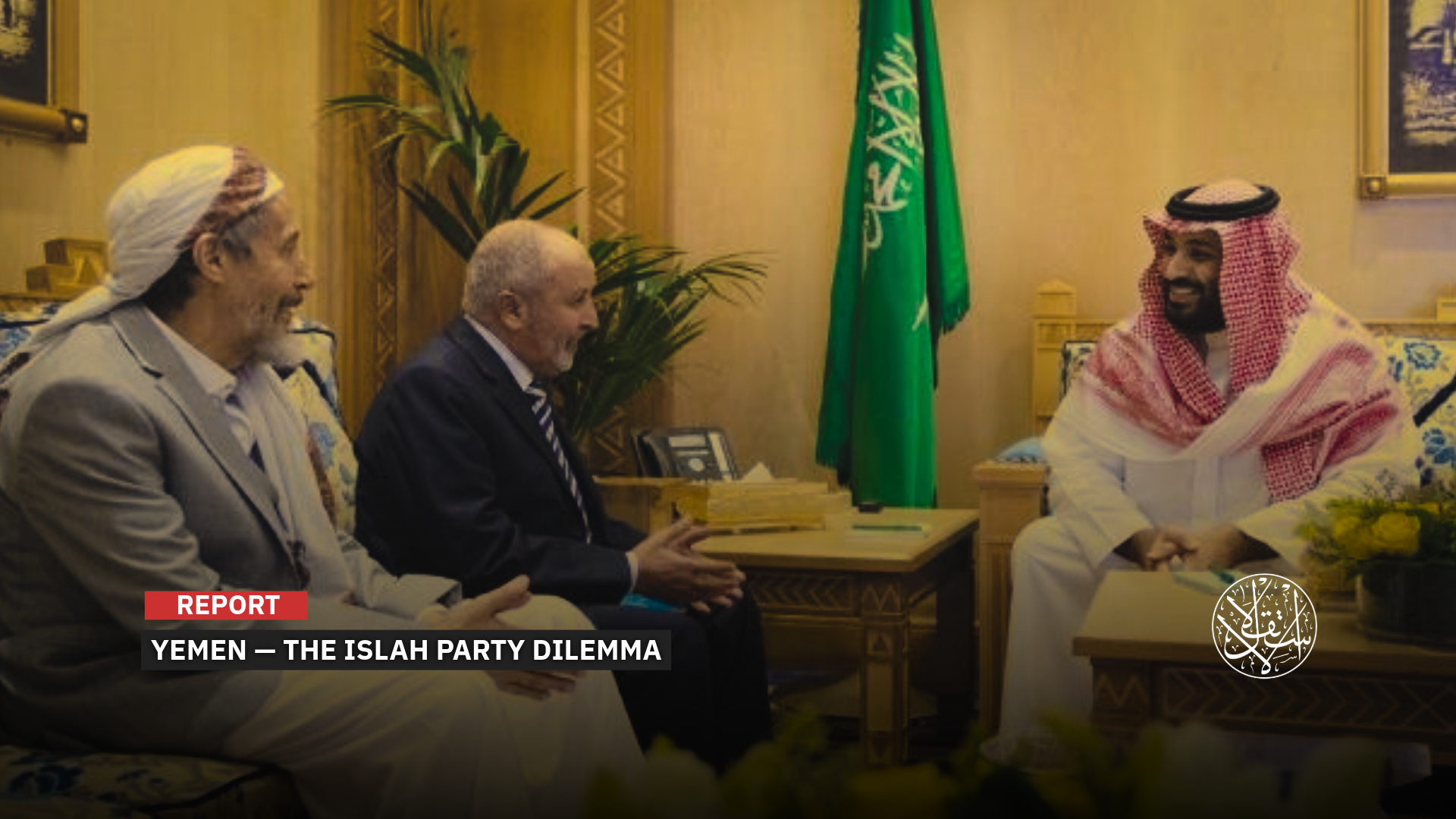
Saudi Arabia has treated the Yemeni Islah Party more as a functional tool than as a political ally.
Amid regional escalation following the U.S.- Israeli war on Iran, and the subsequent missile and drone attacks targeting sites in Saudi Arabia and the Gulf, signs of notable political movement have emerged in Yemen led by the Yemeni Congregation for Reform (Al-Islah Party), in the direction of providing direct support to Saudi Arabia.
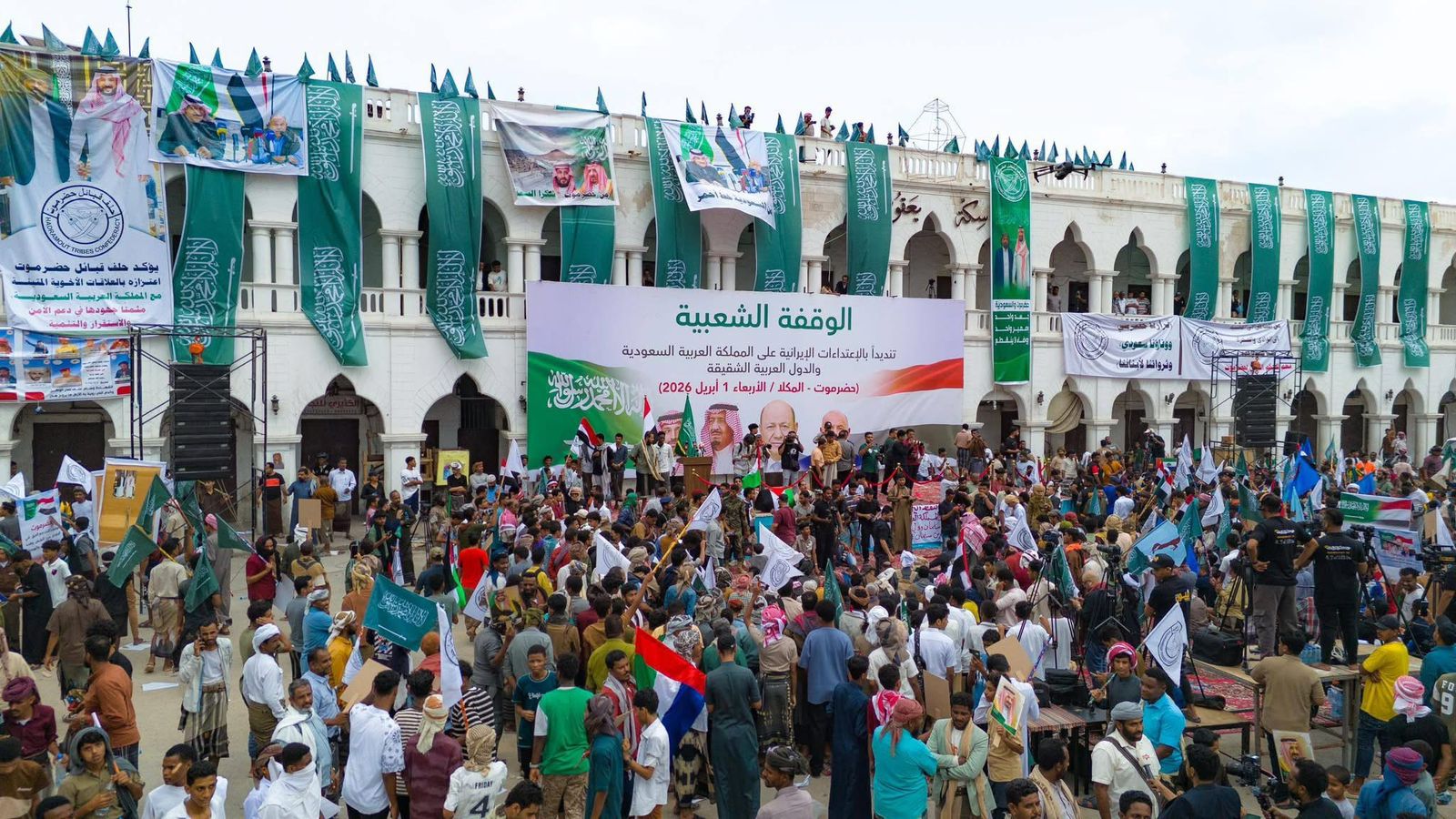
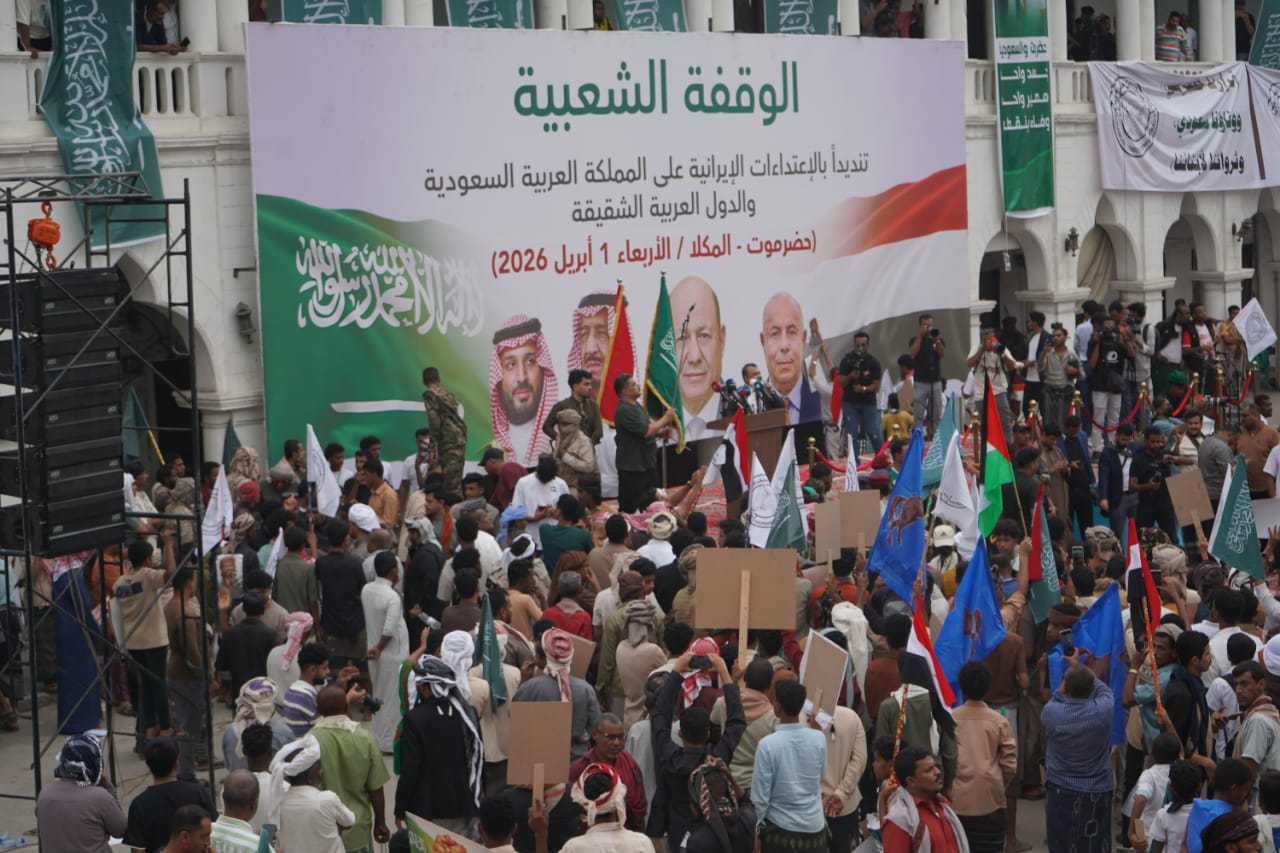
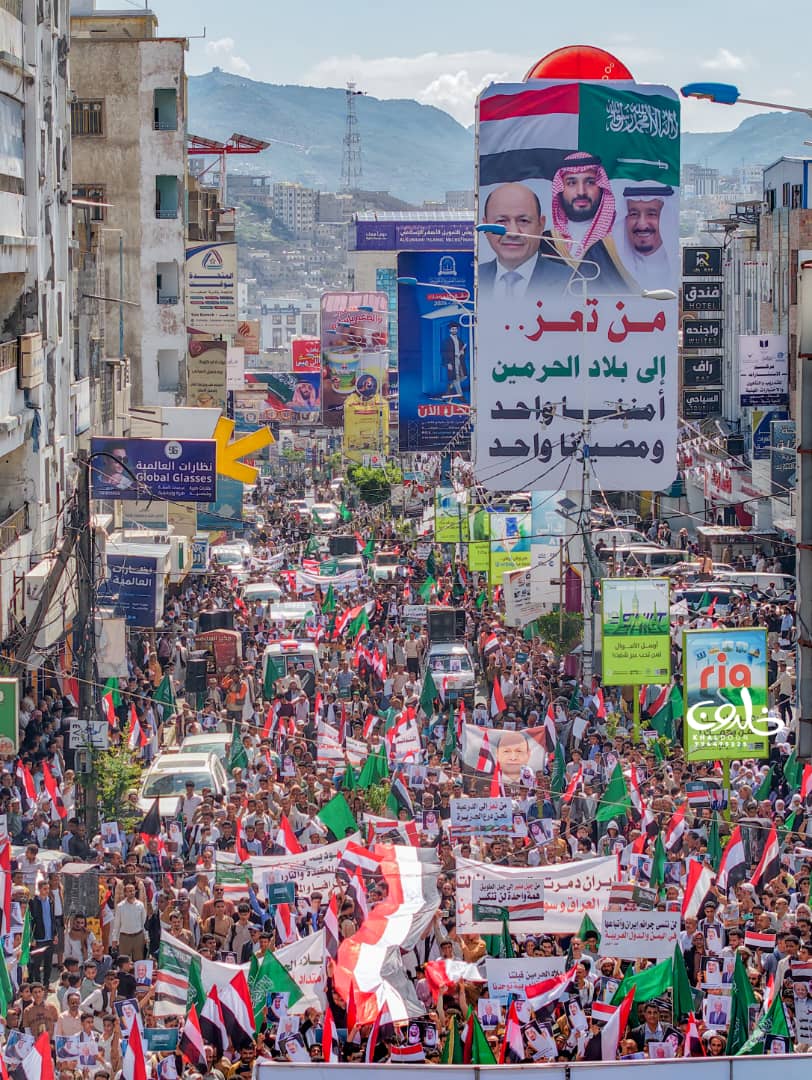
Over the past few days, several Yemeni governorates under the control of the internationally recognized government, including Taiz, Marib, Hadramawt, Al-Mahra, as well as the city of Mokha, have witnessed large-scale popular demonstrations called for by the party. Participants expressed solidarity with Saudi Arabia and rejected Iranian attacks.
This (Al-Islah-led) popular mobilization has been considered one of the most prominent forms of public support the Kingdom has received in the region, at a time when other Arab positions appeared less clear or less influential.
Despite the momentum of these events, particularly in terms of popular and media engagement, the official Saudi position has remained calm, without clear indications of direct engagement or response to this mobilization.
Multiple Messages
The move by the Yemeni Islah Party should not be read only within the framework of political solidarity, but also carries underlying messages that go beyond the current moment.
The party, which has a broad popular base in several Yemeni regions, seeks through these mass gatherings to affirm its presence as an influential political actor capable of mobilization and organization in a broader local and regional context.
However, the most important message appears to be directed toward Riyadh. Through this public alignment, the party is attempting to reshape its relationship with Saudi Arabia, which over recent years has been marked by a degree of caution and mistrust.
It appears that al-Islah is betting that demonstrating this level of support may help improve its image among Saudi decision-makers and present itself as a reliable ally that can be trusted and relied upon in supporting the Kingdom.
In reality, the relationship between the two sides has not been fully stable for years. Saudi Arabia designated the Muslim Brotherhood as a terrorist organization in 2014, while the Council of Senior Scholars in Saudi Arabia stated that the Muslim Brotherhood is “a terrorist group that does not represent the methodology of Islam,” emphasizing in a statement that the Brotherhood pursues partisan goals that contradict religious guidance.
Accordingly, there is a consistent Saudi policy on this issue that leads it to view with caution and skepticism any political forces believed to have ideological extensions linked to the Brotherhood, which places the Islah Party in a zone of suspicion, despite its repeated official denials of any organizational ties to the group.
In contrast, through its popular and political mobilization in support of the Kingdom, the party is effectively attempting to move from the position of a not fully trusted partner to that of a potential ally, by demonstrating alignment with Saudi security priorities in a clear attempt to improve its relationship with Saudi Arabia and present itself as a trustworthy actor.
This Islah movement reflects an effort to reposition the party within the Yemeni political landscape and rebuild its alliances. Meanwhile, Saudi Arabia continues to exercise caution and has not yet shown any clear willingness to deepen its relationship with it.
Therefore, the success of this attempt remains dependent on the Kingdom’s willingness to reconsider its priorities in Yemen and determine whether it will treat al-Islah as a potential ally or continue to keep it within the category of mere partners.

Saudi Policy
Since its intervention in the Yemeni crisis through the Gulf Initiative and its signing in Riyadh in late 2011, Saudi Arabia has moved toward reshaping Yemen’s internal landscape by building a new network of political and military alliances aligned with its long-term objectives.
Within this framework, it has supported and promoted certain local actors, while marginalizing or excluding others based on its assessments of interest.
Saudi policy has been based on a set of principles, most importantly avoiding equal partnerships with Yemeni forces, and instead focusing on employing them within an unbalanced relationship that allows for influencing and directing their decisions in line with the Saudi vision.
Riyadh has also adopted a “crisis management” approach rather than pursuing a definitive resolution, which has enabled it to maintain broad influence through multiple channels of communication and impact with various parties, whether allied or opposed, thereby retaining as many leverage tools as possible within the Yemeni arena.
In the same context, Saudi Arabia has worked to weaken any independent national projects, particularly those with reformist orientations or led by forces with Islamic references, while seeking to keep Yemen within its political and economic sphere of influence.
This includes strategic proposals such as the construction of a Saudi oil pipeline through al-Mahra and Hadramawt to the Arabian Sea, a project promoted by activists and political figures close to the Saudi government, taking advantage of the state’s weakness and the erosion of its sovereignty.
In addition, Saudi policy has effectively moved toward fragmenting Yemen’s structure and pushing it toward divisions, despite its official discourse supporting unity.
This approach has been reflected, for example, in the liberation of southern areas without the north, and in settlement initiatives, including proposals related to reintegrating the Houthis, Ansar Allah, into a broader political roadmap.
This policy reflects a pragmatic pattern based on managing balances rather than resolving them, with the aim of preventing the emergence of an independent Yemeni authority outside Saudi influence.
Relying on the fragmentation of local power centers and the diversification of influence channels gives Riyadh a high degree of control, but at the same time entrenches instability and makes any final settlement dependent on strategic calculations rather than the internal needs of Yemen.
Is The Islah a Partner or an Ally?
Within its management of the Yemeni scene, Saudi Arabia has dealt with the Yemeni Congregation for Reform (Al-Islah Party) as a functional tool rather than a political ally.
It has moved to limit its role and keep it away from decision-making centers within the internationally recognized government, while continuing to utilize its political and military presence in ways that serve Saudi objectives, benefiting from its declared opposition to the Houthi movement, Ansar Allah, and its goal of restoring the state.
Al-Islah was at the forefront of the forces that supported the Saudi military intervention under “Operation Decisive Storm” in 2015, and it actively participated in fighting within the coalition’s ranks, remaining present on the front lines.
However, this role has not translated into a stronger political position. Its leadership was gradually excluded from positions of influence following the recapture of Aden, including the replacement of figures affiliated with the party with others more aligned with coalition preferences.
Later, this policy expanded to include the removal of party-linked figures from administrative and military posts in provinces such as Shabwa and al-Jawf, along with the marginalization of its role within state institutions.
At the same time, its areas of influence, particularly Taiz and Marib, have remained under continuous Houthi pressure, effectively becoming leverage in the hands of Saudi Arabia.
It can be said that Saudi Arabia’s approach toward the Islah Party has centered on keeping it in the position of a “functional partner” rather than a political ally, meaning its organizational capacity and field influence are utilized in confronting the Houthi movement, Ansar Allah, while preventing it from becoming a decision-making force within the internationally recognized government.
In contrast, the party has responded with a degree of pragmatism, driven by calculations aimed at avoiding confrontation with Riyadh, particularly given Saudi sensitivity toward groups with an ideological background linked to the Muslim Brotherhood.
Currently, al-Islah is attempting to reposition itself by leveraging regional tensions connected to Iran, seeking to move from the status of a limited partner to a more prominent ally.
However, this trajectory still faces obstacles tied to the persistence of Saudi Arabia’s approach toward it, which continues to view it through an ideological rather than a purely political lens.
Failed Bets
Simultaneously with the gradual exclusion of the Yemeni Congregation for Reform (Al-Islah Party) from decision-making circles, Riyadh has moved toward reshaping the Yemeni landscape by supporting alternative political and military formations.
However, the outcome of this approach has created a gap between objectives and results, as these forces have failed to produce a stable environment or build a coherent state authority, while remaining a source of concern and disruption for the Saudi side.
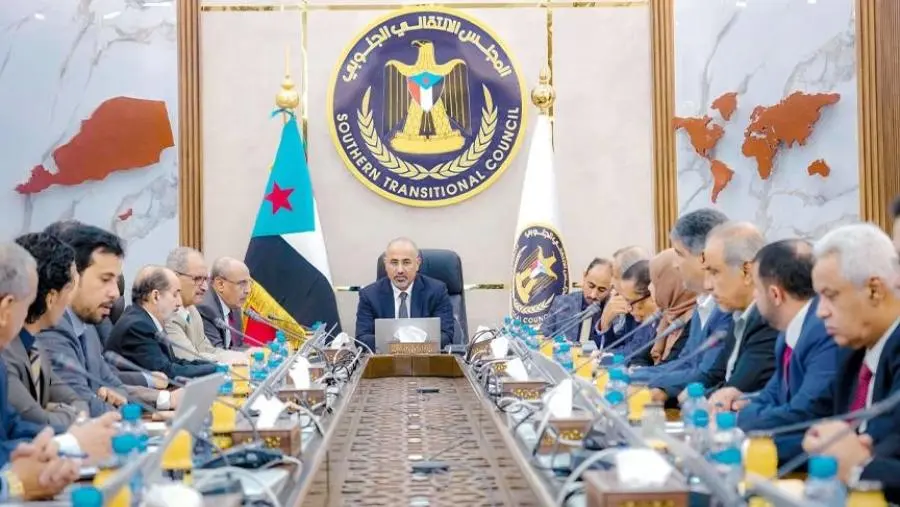
One of the most prominent examples is the Southern Transitional Council (STC), which was intended to create a balance of power in the south. However, reality has shown the difficulty of containing this project within the framework of a unified Yemeni state, as the STC has become a parallel actor to the authority rather than part of it.
Despite attempts to integrate it within the legitimacy arrangements, it has maintained an independent structure and its own security and military influence. This has been reflected in the disruption of government operations in Aden and its surroundings, the continued duality of security decision-making, and the failure to merge its forces into state institutions.
Even after announcing its dissolution, it remains an unresolved political and security challenge. It has, with Emirati support, returned to contributing to instability in the southern street, particularly in Aden and Hadramawt, targeting the stability of local authorities aligned with Riyadh and highlighting the inability of alternative Saudi-backed forces to maintain security without Emirati endorsement.
In parallel, Riyadh has relied on Salafi-oriented formations operating outside the institutional framework of the army, such as the Southern Giants Brigades, emergency forces, and the “Dera Al-Watan” forces, in an attempt to build a loyal field power.
However, this approach has reinforced military fragmentation rather than unity, producing units divided in doctrine and command structure, which has limited their ability to evolve into a stable foundation of governance. Bypassing the official military institution has weakened it rather than rebuilding it as a unified authority.
On the western coast, Tareq Saleh’s forces represent a third case reflecting the complexity of the network of loyalties. Although supported within the coalition framework, they remain politically and security-wise linked to the United Arab Emirates, which limits their full integration into the government’s military decision-making structure.
This sensitivity increases with recent reports of suspicious movements, including an attempted landing of an unidentified military aircraft at the Mayun Island airstrip at the entrance to Bab al-Mandab, within the context of regional competition over control of strategic waterways.
In the same context, Yemeni intelligence sources reported that Israel began indirect engagement efforts weeks before the war on Iran, contacting tribal and military leaders on the western coast, particularly in areas controlled by Tareq Saleh’s forces.
These efforts reportedly focused on exploring the possibility of deploying surveillance and early-warning systems near Bab al-Mandab, through international intermediaries linked to the UAE.
Press reports indicate that Ammar Saleh is leading arrangements to reactivate “Unit 400” of Tareq Saleh’s forces on the western coast, aiming to rebuild a security and intelligence structure following the decline of the Southern Transitional Council’s influence and its withdrawal from certain areas, coinciding with the end of the Emirati military presence.
These movements include filling the security vacuum in the south and east, alongside undisclosed external engagements involving Egypt and Ethiopia to reorganize the unit’s regional networks.
All of this suggests a repositioning of Tareq Saleh’s forces as a multi-purpose security and intelligence platform on the western coast, with indirect Emirati support.
This reflects a shift in the Emirati role from direct military presence to managing influence through local proxies and flexible intelligence tools, with Tareq Saleh employed as an intermediary capable of linking the Yemeni interior with regional agendas.
This, in turn, contributes to the consolidation of a parallel security structure outside the framework of the Yemeni state, with the potential to be leveraged by external actors.
On the Saudi side, these security arrangements in Bab al-Mandab constitute an influence system not fully under Saudi control or coordination, reducing its ability to monitor and manage threats in this vital corridor, and potentially turning maritime security into a pressure card in any regional escalation.
Additionally, local criticism is directed at Tareq Saleh’s forces due to the concentration of their operations in certain areas of Taiz, such as Al-Wazi’iyah, away from direct frontlines with the Houthi movement, Ansar Allah, raising questions about the nature of their operational role.
Saudi Arabia and the Rebuilding of Its Alliances
The previous data reveals that Saudi Arabia has failed in its bet on alternative forces that it initially enabled and later sought to contain, as these formations have turned into independent power centers unable to achieve stability. Some of them have even moved, in practice, to oppose Saudi interests or exert field-level pressure on it.
In contrast, the Yemeni Congregation for Reform (Al-Islah Party) appears as a notable exception, as it has maintained its position within the partnership with Riyadh without significant deviation, despite exclusion and marginalization.
Within this context, the popular mobilizations that took place in areas under al-Islah influence acquire a dimension that goes beyond symbolic solidarity.
They function as a political signal of repositioning and a dual message: reaffirming continued partnership with Saudi Arabia, and declaring readiness to move from a marginalized partner to a strategic ally, should the relationship be redefined on more balanced and clearer foundations.
Accordingly, there is a growing need to redefine relations with local actors, moving from a logic of “utilization” to one of “partnership,” meaning enabling organized political forces to participate in decision-making rather than restricting their role to field-level functions.
Such a shift is not only linked to achieving internal cohesion, but also to the coalition’s ability to build a political and military bloc capable of establishing a sustainable balance against the Houthi movement, Ansar Allah.
On the military level, the experience of multiple formations outside the formal institution has proven unsuccessful, producing forces with divergent loyalties and inconsistent combat doctrines, which has negatively affected operational efficiency and weakened state capacity.
Accordingly, reassessing the role of the official military institution, through integrating these formations into a unified structure, represents a necessary condition for rebuilding military capability on national foundations, independent of narrow loyalties.
In this framework, the Yemeni Congregation for Reform holds particular importance as one of the few actors that combines political and organizational reach with field capability.
The party maintains a broad social base in key regions and retains an active combat presence on fronts such as Marib and Taiz, where forces affiliated with it have helped stabilize frontlines over extended periods.
Its commitment to the framework of legitimacy and the national army, despite pressures, reflects an inclination toward integration within a state project rather than a mere factional entity.
Politically, engaging with al-Islah offers an opportunity to rebalance the legitimacy camp by incorporating an organized and influential actor capable of producing more coherent political decision-making, instead of relying on fragmented parties lacking a broad social base.
Rebuilding Saudi Arabia’s alliances in Yemen requires reducing reliance on multiple fragmented forces and focusing instead on supporting organized actors, foremost among them the Yemeni Congregation for Reform, within a partnership framework in decision-making rather than a limited field role.
Such a genuine partnership with al-Islah requires overcoming the political and ideological reservations that have hindered the relationship and granting it sufficient space to operate within the state framework.
Without this, the Yemeni political landscape will remain based on weak and unreliable balances, obstructing stability and the construction of an effective governing authority.