Trump-Style Islamophobia: From Targeting Sadiq Khan to Barrack’s Anti-Muslim Rhetoric
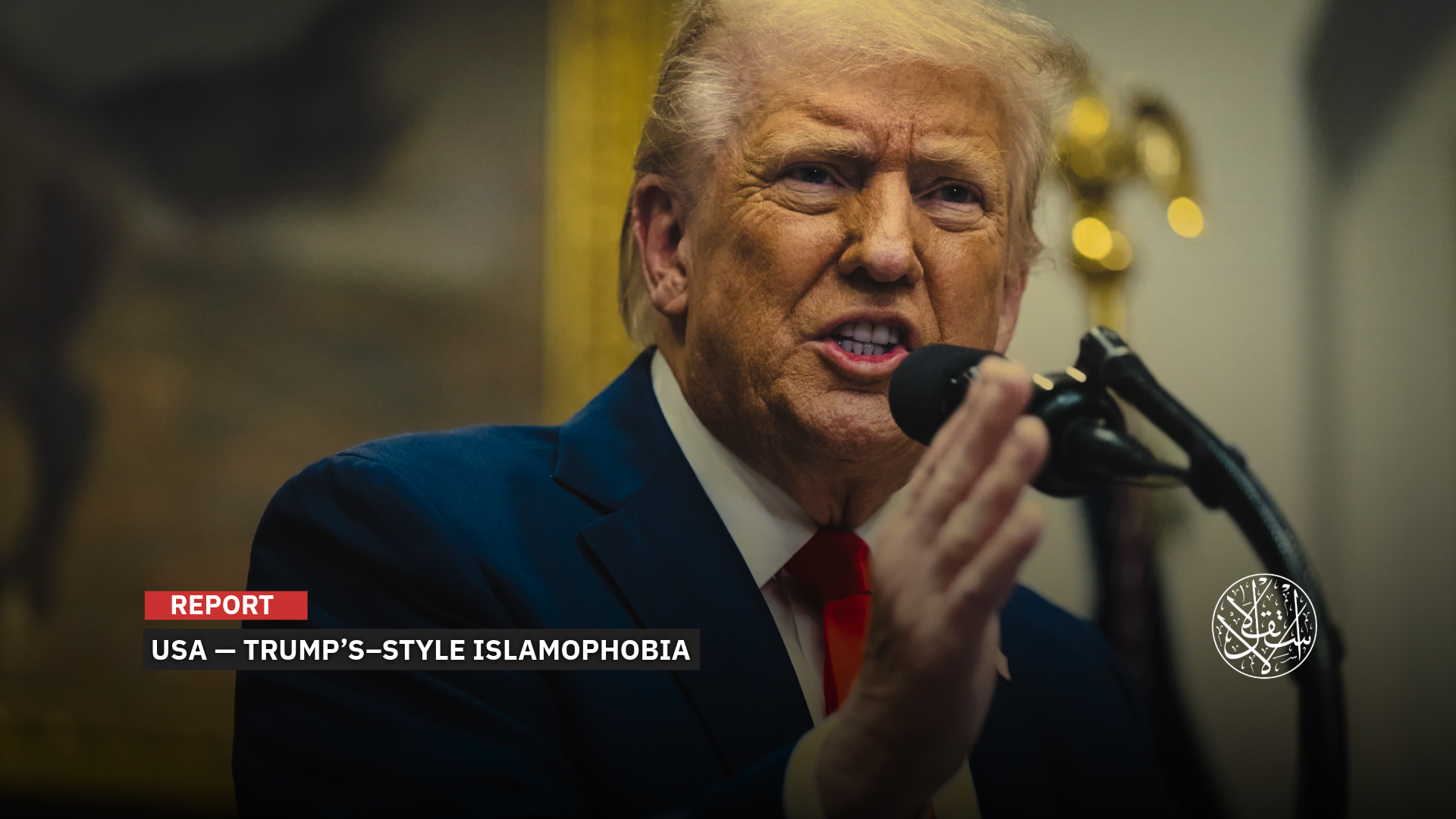
It is no longer just campaign talk; it has become a full-blown political language targeting Muslims.
Remarks by U.S. President Donald Trump and his Syria envoy Tom Barrack go far beyond ordinary political sparring. They highlight a deeper trend in American political culture where Islam and Muslims are increasingly framed as a permanent threat.
For more than two decades, the world has watched Washington’s so-called war on terror become a cover for recycling anti-Muslim rhetoric across the West. What was once whispered in the corridors of power is now being said out loud by senior figures, from the White House podium to the UN stage.
Sadiq Khan
It is no longer just campaign talk; it has become a full-blown political language targeting Muslims as a faith, as communities, and as public figures—from London to New York, from Gaza to the Gulf.
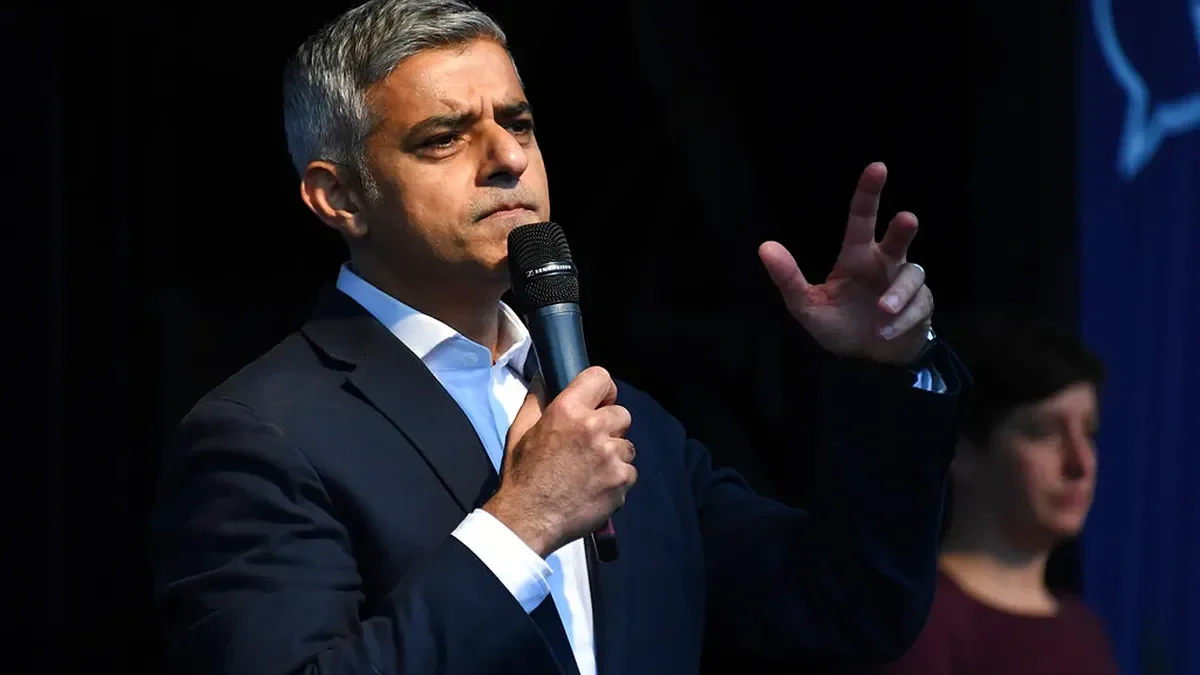
Take London’s Mayor Sadiq Khan. On September 23, 2025, speaking from the United Nations, Trump renewed his attacks on Khan, saying, “I look at London, where you have a terrible mayor, terrible, terrible mayor, and it’s been changed, it’s been so changed.” “Now they want to go to Sharia law. But you are in a different country, you can’t do that,” he added.
The remark laid bare a pattern of portraying Muslims as a danger to the West. Khan, one of Europe’s most prominent Muslim politicians, fired back on Sky News and ITV, calling Trump “racist, sexist, and anti-Muslim,” quipping that he must be living “rent free” inside Trump’s head.
The feud between the two men is hardly new. In 2016, during Trump’s first presidential run, he proposed banning citizens of several Muslim-majority countries from entering the United States—a move Khan was quick to denounce. Their rivalry reignited in 2019 when Khan likened Trump to European dictators of the 1930s and 40s, prompting Trump to brand him a “stone cold loser” and challenge him to an IQ test.
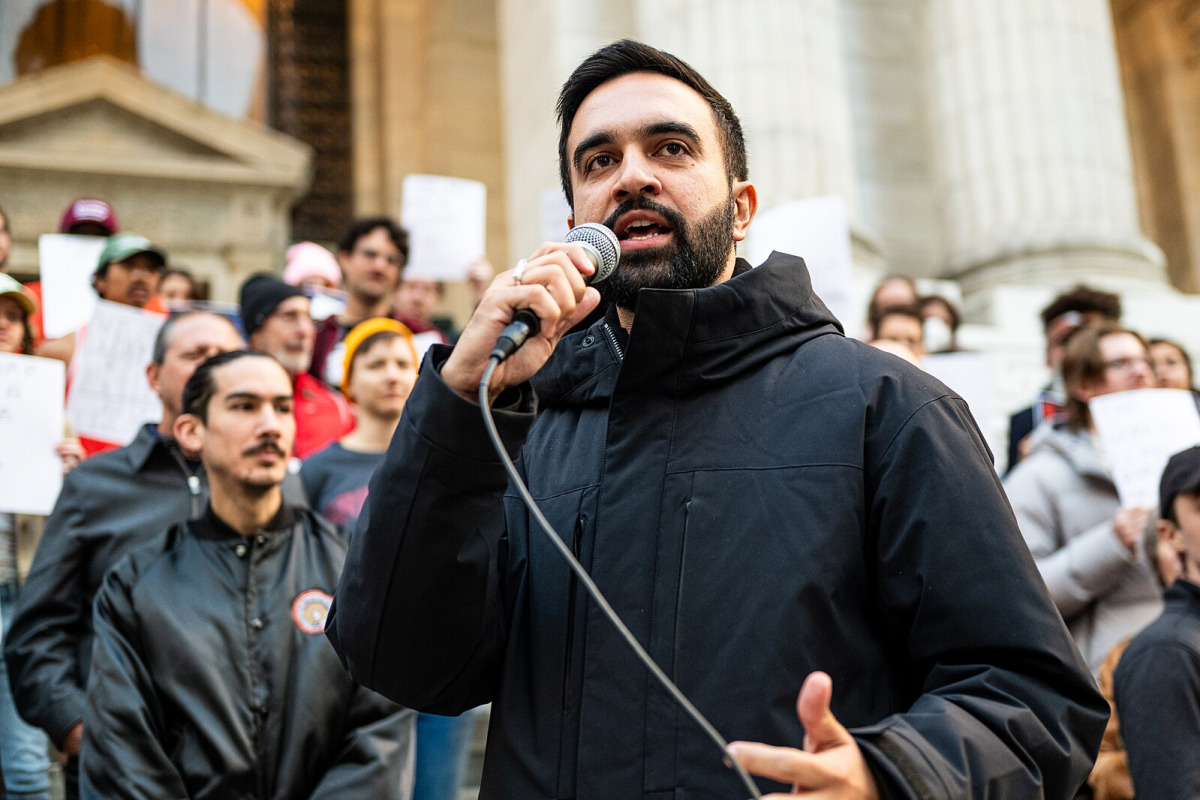
Trump’s attacks have not been limited to Sadiq Khan. They have also targeted rising Muslim figures inside the United States itself, including Zohran Mamdani, a Ugandan-Indian-American politician who won the Democratic primary for New York City mayor.
In a post on his Truth Social platform on July 2, 2025, Trump lashed out at Mamdani, saying he would not be allowed to destroy the city and that, as president of the United States, he would never let what he called “this madman” destroy New York.
Trump doubled down with language heavy on threat and bravado, vowing to save New York and make it great again, and adding that all the cards and all the control were in his hands and that people should relax because he would make New York attractive and great again just as he had done with America before.
The remarks show that the targeting of Muslims is no longer confined to the so-called foreign other in Europe. It now includes Muslim politicians within the United States itself—a new generation seeking to challenge the traditional political elite.
‘Startling Candor’
In a shocking display of candor, the U.S. Special Envoy to Syria made blunt remarks on September 22, 2025, during an interview with On the Record on National News.
Tom Barrack told Gulf countries that U.S. interests are not aligned with any Middle Eastern state, saying, “The word ‘ally’ is wrong. Our interests are not aligned. That includes Israel.”
Barrack said the region has never known peace. “It’s an illusion. There has never been peace. There probably never will be peace because everyone is fighting for legitimacy.”
The envoy framed the Middle East conflict as one over submission and dominance, noting that in this part of the world, there is no exact Arabic equivalent for submission.
He also highlighted a global demographic concern, stating that the Muslim population is expected to reach five billion by 2045, which he described as a strategic challenge for the United States, particularly in terms of its foreign policy.
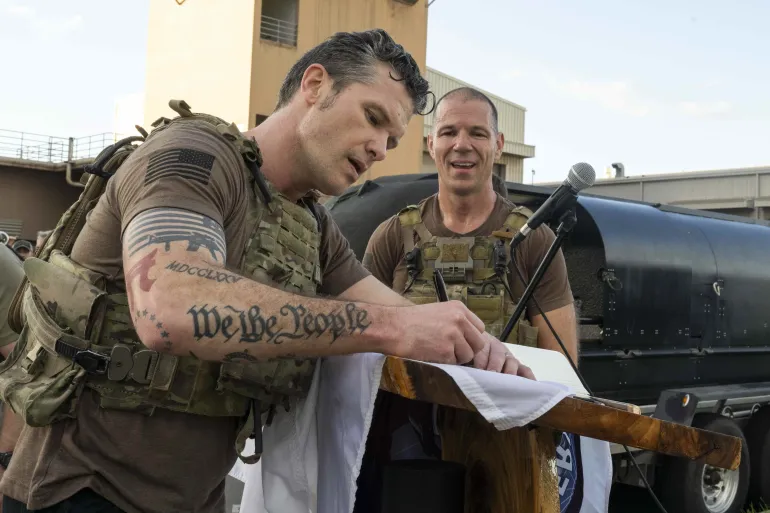
The presence of current U.S. Defense Secretary Pete Hegseth raises questions about American identity and its relationship with Muslims and whether the U.S. is a secular neutral state or is evolving into a politically charged entity with extreme religious undertones.
Hegseth openly expresses his religious background through tattoos featuring controversial historical symbols. In an interview with Shawn Ryan, he revealed that one soldier once called him a “potential white nationalist” because of symbols recalling the Crusades. One arm bears the famous “Deus Vult” Crusader motto, meaning “God wills it,” while his chest displays the “Jerusalem Cross” linked to the Crusader Kingdom of 1099. His other arm carries a verse from the “Gospel of Matthew,” which reads, “I have not come to bring peace, but a sword,” along with the Hebrew name for Jesus, ישוע, underscoring the theological dimension of his political persona.
These symbols have fueled concerns over ties to far-right rhetoric that frames Islam as a civilizational enemy. In his book, On the Ground, Higgsith asserts that Islam, particularly Islamism, is rooted in closed, rigid religious traditions, placing Islam itself—not just extremist movements—in the category of opposition.
His speeches reveal an intellectual thread connecting Crusader symbolism with Francis Fukuyama’s “End of History” theory and Huntington’s “Clash of Civilizations,” portraying Islam as the central obstacle to what the West calls the postmodern era.
Betrayal of Values
Opposition to Trump’s anti-Muslim rhetoric has not been limited to Western politicians or public figures; it has reached the heart of the U.S. national security apparatus itself.
In early January 2025, former CIA Director Michael Hayden spoke out, warning of the dangers this approach poses to national security.
In an interview with CNN, Hayden said Trump’s statements about barring Muslims from entering the United States and his repeated attacks on them serve only the narratives of extremist groups seeking to inflame conflict between Islam and the West.
He added sharply that Trump’s statements are a betrayal of American values, and they weaken the security of the United States. Extremist Islamists believe there is an unending enmity between the essence of Islam and the Western world. He said he rejects that, as do most Americans.
Hayden’s remarks, coming from a senior figure who served at the highest levels of U.S. intelligence, reflect an early recognition that Islamophobia emanating from the top of government threatens not only America’s image abroad but also its internal security.
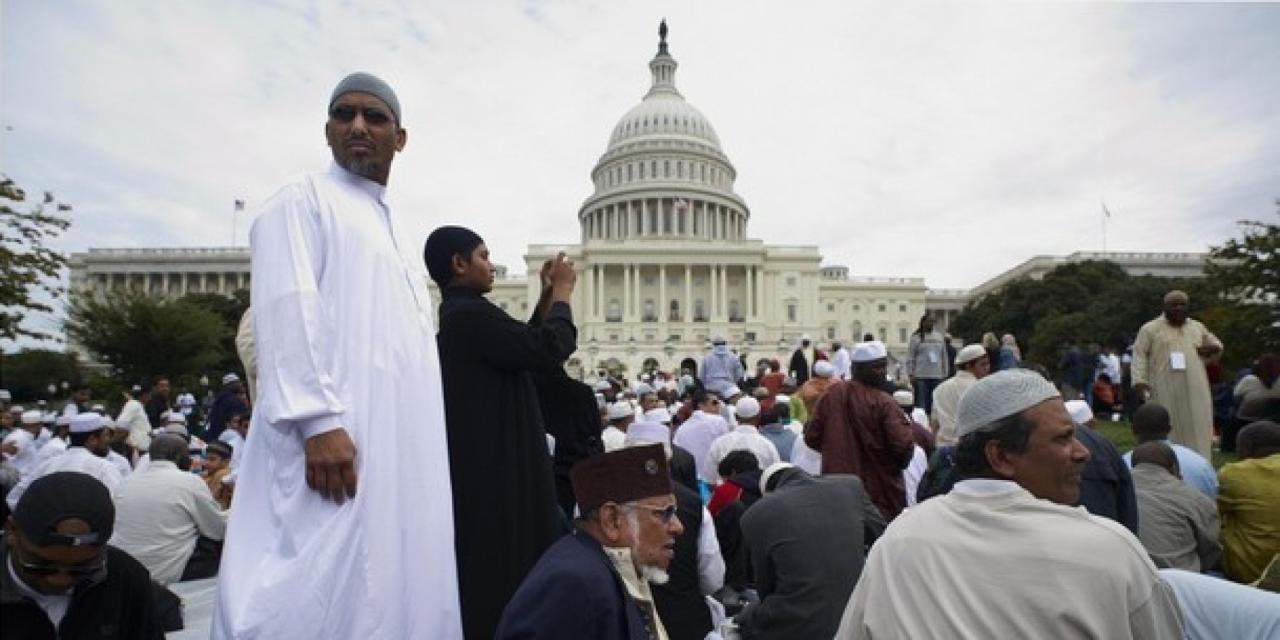
Binding Plan
Al-Azhar University Islamic culture professor Mohamed Abou Zaid said the relationship between the United States and the Muslim world since the early 21st century has become highly complex, with religion turning into a central political variable shaping U.S. foreign and security policies.
“The ‘war on terror’ rhetoric launched by former President George W. Bush after the September 11, 2001, events marked a major turning point in the global demonization of Islam,” he told Al-Estiklal.
“The following two decades proved that Islamophobia is no longer an emergency response or tied to a specific security context but has evolved into an institutionalized discourse that renews itself with each U.S. administration, albeit in different forms.”
Abou Zaid added that the Bush era framed wars on Afghanistan and Iraq as “defensive battles against Islamic terrorism,” using language portraying the U.S. aggression as a struggle between “freedom” and “darkness.”
The Obama administration tried to soften this rhetoric, as in his 2009 Cairo University speech calling for a “new beginning between the United States and Muslims.” Yet in practice, Abou Zaid notes, his policies remained within the same security and military framework, from drone strikes to classifying Islamic movements as strategic threats, alongside continued support for authoritarian regimes under the guise of “countering extremism.”
Trump’s rise to the White House in 2016 represented the peak of anti-Muslim language. He openly adopted a policy banning citizens from Muslim-majority countries from entering the United States and made attacks on public Muslim figures, such as London Mayor Sadiq Khan, a core part of his political and electoral messaging, employing blunt, populist rhetoric.
The professor warned that the current official and popular anti-Muslim discourse, whether from the Trump administration or elsewhere around the world, demands a coordinated response from major Muslim countries.
He emphasized that Turkiye, Saudi Arabia, Egypt, Malaysia, Pakistan, and all members of the Organization of Islamic Cooperation must develop a strategic vision and actionable plan to protect Islam as a faith and confront any statements or policies targeting Muslims both diplomatically and culturally.
“No religion faces attacks or misrepresentation on the global stage as Islam does, and unless major Muslim nations create a unified plan, the impact of this discourse will only grow and be used as leverage in major geopolitical strategies,” Abou Zaid concluded.
Sources
- Trump–Khan Feud Escalates as London Mayor Calls U.S. President ‘Racist and Anti-Muslim’ [Arabic]
- Trump says London wants 'to go to sharia law'
- Sadiq Khan: 'I seem to be living rent free inside Donald Trump's head'
- Reading into Trump Envoy Tom Barrack’s Statements:
- Why the U.S. Envoy Told Gulf States They Are 'Not Allies' [Arabic]
- Tom Barrack: When America Speaks Without a Mask [Arabic]
- Trump Threatens to Withhold Funding from New York After Mamdani Wins Democratic Mayoral Nomination [Arabic]
- Trump Vows to 'Save' New York from Muslim Mayoral Candidate Mamdani [Arabic]
- The Religious Views of the U.S. Defense Secretary [Arabic]