Trump’s Loss of Congress: Will It Push Him to Settle the War With Iran?
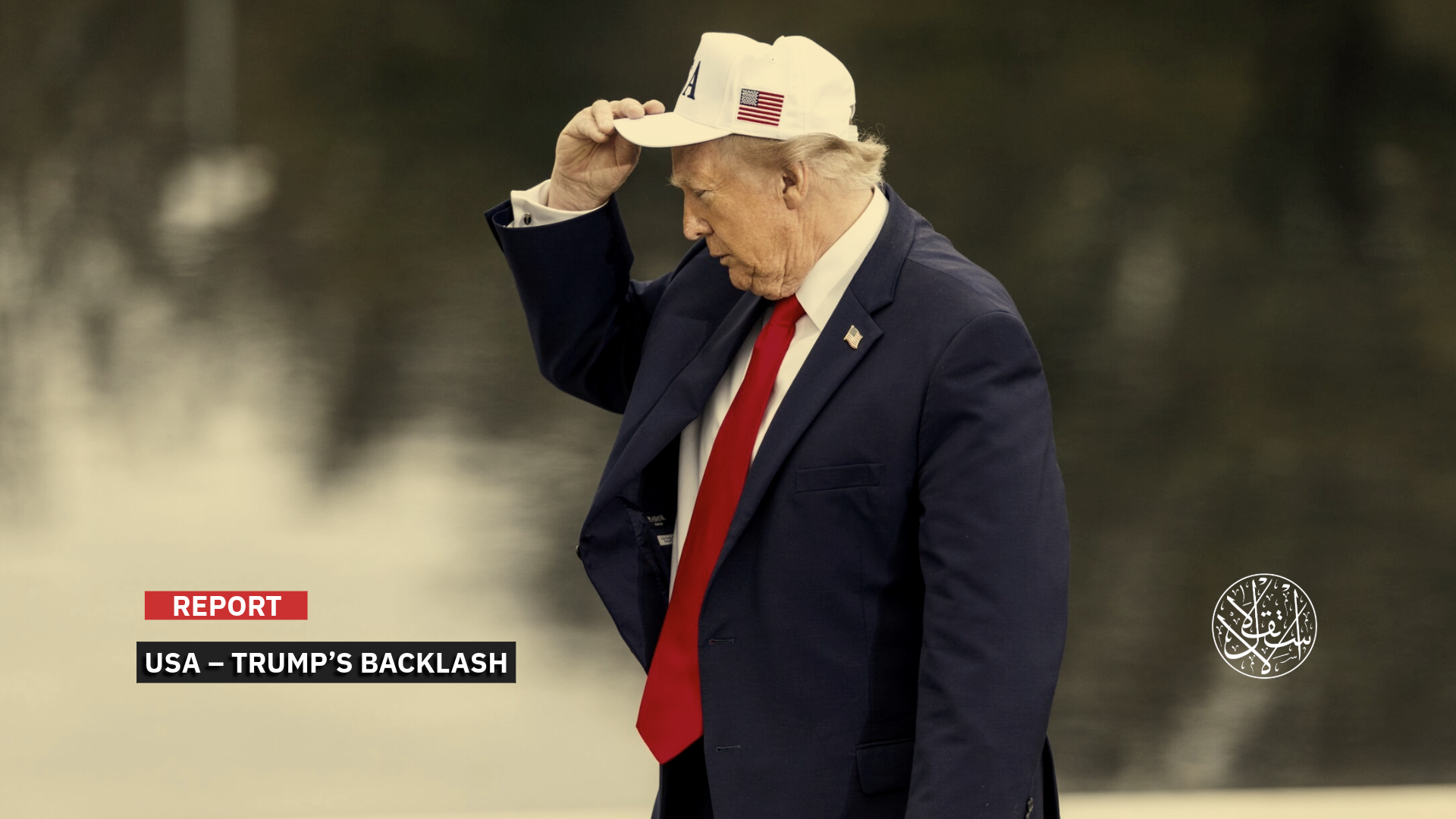
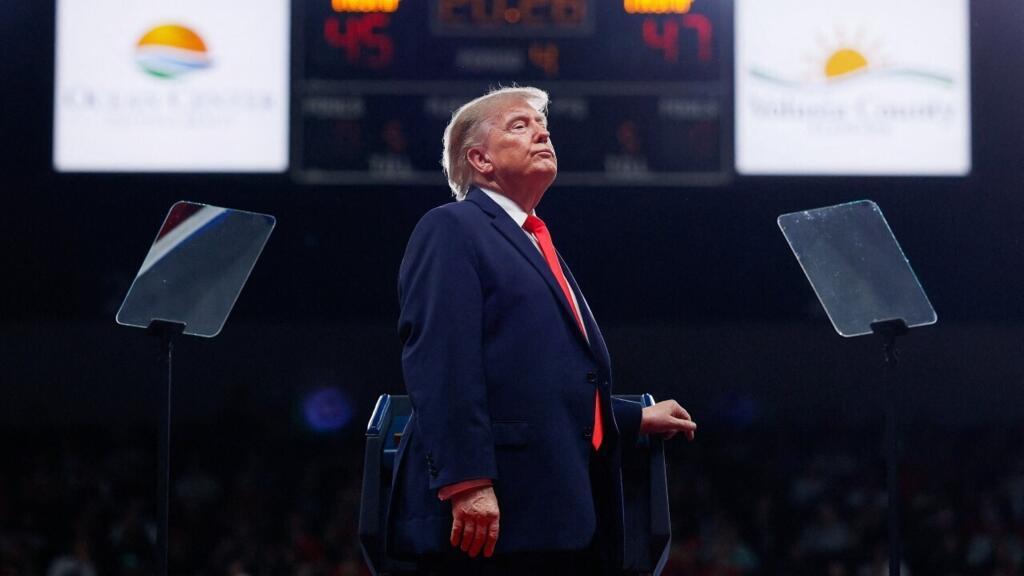
Trump acknowledged that the Iran war was a reason for his midterm election loss.
The Republicans’ loss of both chambers of Congress is more than a passing electoral setback. It has opened a new political confrontation for U.S. President Donald Trump, at a time when the war against Iran continues, and its cost is showing up in fuel prices. The two years remaining in his term will now face broader Democratic oversight.
According to results announced as of November 5, 2026, Democrats won 228 seats in the House of Representatives, compared with 139 for Republicans, and 54 seats in the Senate, compared with 44. This shift gives Trump’s opponents greater power to investigate, conduct oversight, and influence the legislative agenda and the budget.
A Costly Defeat
Republican losses reached states long seen as party strongholds, including Texas, South Carolina, Ohio, Iowa, and Kansas. Some of these states had backed Trump by wide margins in the 2024 election. Officials in Senate campaigns blamed the president for the decline.
Two campaign officials said Republican losses in South Carolina, Ohio, and Texas, states Trump won easily two years earlier, looked like a direct rejection of the president, according to the Associated Press on November 4. The result shows that the fallout from the war and domestic issues has entered voters’ calculations.
Trump did not deny the war’s impact on the outcome. In a phone interview with The Wall Street Journal on November 4, he said, “Iran was a piece of it.”
But he refused to treat that as a reason to reconsider his military decision. “I did the right thing. I would have done it again,” he added.
The president tried to shift the focus from the war to its economic effects. He argued that higher oil prices and the rise in gasoline and diesel prices that followed were the biggest political burden.
In doing so, he acknowledged that the conflict is linked to the cost of living that angered voters, but he showed no regret over the decision to go to war.
Trump rejected describing the results as a verdict on his performance. He said the election reflected a particular moment in time and pointed out that he was not on the ballot.
He also denied that the losses were linked to voter anger over the economy or allegations of corruption, and expressed no regret about not focusing more on the economy.
Signaling that he is sticking with his choices, Trump said he does not plan to make changes in top positions. He praised Secretary of War Pete Hegseth, saying, “I think he’s really great.” He also acknowledged that some candidates he endorsed were not acceptable to voters, and said his ability to help them was limited.
Vice President JD Vance went further. “The reason we lost is the war,” he wrote. The statement reflects an admission from inside the administration that the war is no longer just a foreign policy file but has become a factor in party and electoral calculations.
The loss is likely to make it harder for Trump to pass his legislative agenda, since Republicans can no longer act alone in either chamber.
The president has vowed to veto the Democrats’ agenda. He expects the confrontation to lead to political gridlock in Washington, which would force him to negotiate with his opponents to pass major legislation.
Growing Oversight
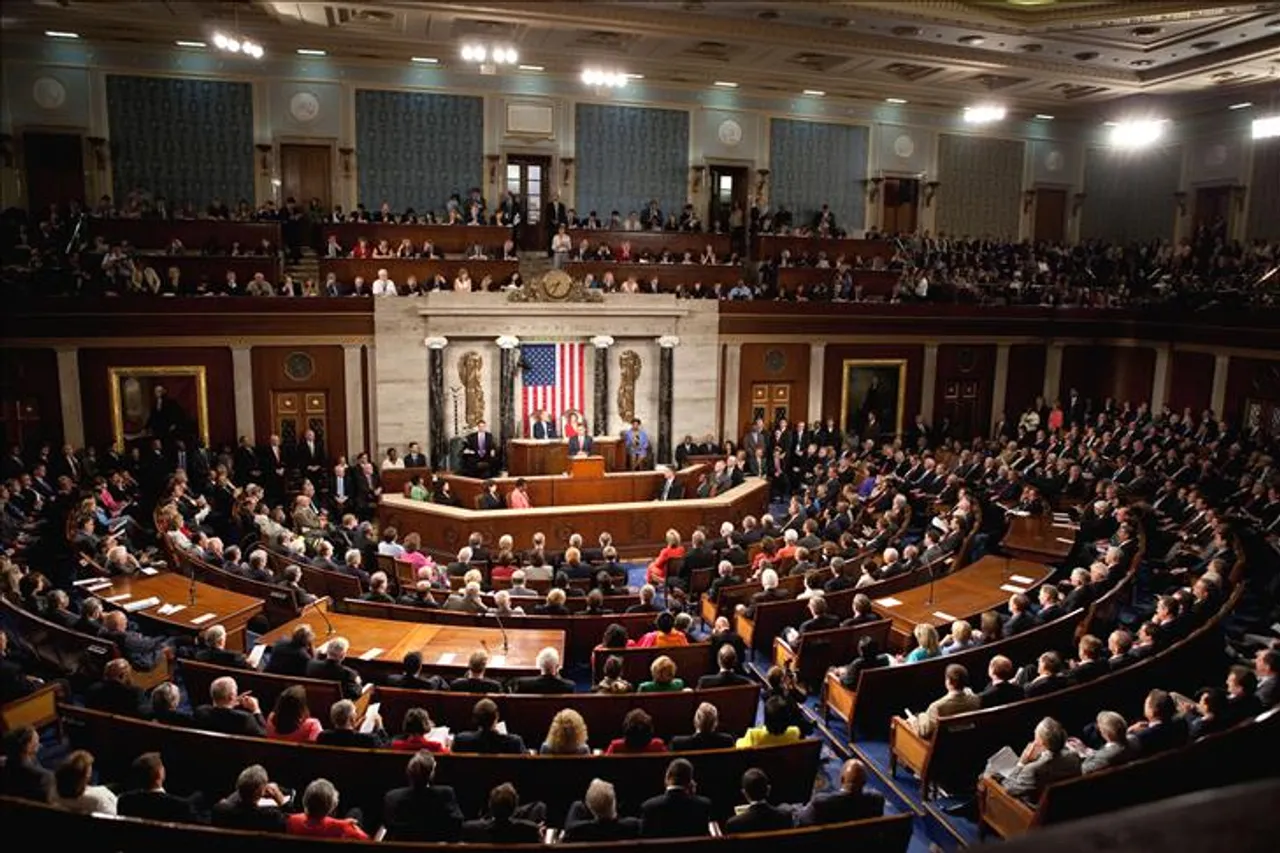
Democratic control of both chambers puts Trump in a different position. Republicans can no longer pass legislation through Congress without their opponents’ support.
The new majority also allows Democrats to launch investigations, demand documents and testimony, and hold senior officials accountable for the administration’s decisions and policies.
The Guardian reported on November 4 that Democrats will face pressure from their base to seek Trump’s impeachment for a third time.
The Republican loss of both chambers also makes the last two years of his term different from the first half and opens the door to ongoing institutional friction.
A senior congressional aide told Al-Monitor, speaking on condition of anonymity, that “Americans have made abundantly clear in poll after poll that they’ve had enough of the Trump administration’s disastrous Iran war.”
The aide added that ending the war and investigating it will be at the top of House Democrats’ priorities.
The tools of pressure are not limited to investigations and hearings. They can extend to the budget process and arms sales. Democrats intend to use these channels to restrict aid, including scrutinizing U.S. support for “Israel” and possibly freezing arms sales.
But whether Democrats can impose a binding timeline for ending the war is not clear from the available information.
Oversight and the budget give them ways to hold the administration accountable and pressure it. They do not, however, guarantee a specific commitment from Trump on when military operations will stop.
Ahmed al-Yasiri, head of the Arab-Australian Center for Studies, told Al-Estiklal that the coming period will be a period of confrontation between Trump and the Democrats, as the president threatens to use his veto against their agenda. He saw this as a sign that Trump realizes his administration’s decisions may be restricted.
Al-Yasiri added that the issues of war, arms, and a settlement with Iran will be at the forefront of the confrontation. He questioned what kind of agreement is possible and whether it would include U.S. concessions that Democrats might reject.
He argued, however, that a settlement that does not make Washington look like the defeated party could be acceptable to them, which makes the shape of any deal a decisive factor.
On the other hand, Democratic pressure could push Trump to bargain to avoid a domestic clash that drains what remains of his term, especially since the president and his vice president have themselves linked the party’s election loss to the war and its cost. Yet Trump’s insistence that he made the right decision keeps the possibility of confrontation alive.
A Regional Balance
The effects of the shift in Washington are not limited to the future of the war. They extend to Tehran, the Gulf, and “Israel”.
On November 4, Reuters quoted two sources familiar with Gulf positions as saying the results could give Trump an incentive to reach a peace deal with Iran and could reduce the chances of a new large-scale U.S. attack.
But the agency noted that the election loss could also push Tehran to take a harder line in negotiations, giving it a double-edged effect.
It may encourage the White House to lower tensions, but it may also convince Iran that domestic U.S. pressure is narrowing Trump’s options.
Al-Yasiri warned that Trump could push toward escalation to confront the Democrats with the reality of war and embarrass them politically, though he did not consider this the most likely scenario for now.
He tied that possibility to Democrats moving to escalate and push for the president’s impeachment. He noted that Trump had threatened to strike Iran at the end of his previous term.
The U.S.-Israeli relationship could also come under broader scrutiny in the Democratic-controlled House.
Lawmakers could use oversight powers and the budget process to restrict aid, freeze arms sales, and investigate dealings by members of Trump’s family and his associates in the Gulf.
Democrats are not a unified bloc on “Israel”. Al-Yasiri pointed to currents that support “Tel Aviv” and are backed by the American “Israel” Public Affairs Committee (AIPAC), as opposed to currents that are more critical of Israeli policies. This division could limit the party’s ability to adopt a unified position on aid.
Al-Yasiri argued that easing the pressure on “Israel” might require removing Benjamin Netanyahu and pushing National Security Minister Itamar Ben-Gvir and Finance Minister Bezalel Smotrich out of the government.
He raised the possibility of a left-leaning government, perhaps led by Gadi Eisenkot with the support of the Arab bloc in the Knesset, which could ease the criticism.
Offering a different reading, Iraqi journalist Hussam al-Haj warned in a post on X on November 4 against overcelebrating the Democrats’ victory.
He recalled that the destruction of Gaza and Lebanon, the killing of Hassan Nasrallah, the decline of Lebanon’s Hezbollah, and the fall of Bashar al-Assad’s regime in Syria all happened under the Democratic administration of U.S. President Joe Biden.
According to observers, this point reflects that the shift in control of Congress does not mean a radical change in U.S. policy toward the region, nor that Democratic positions match the aspirations of regional actors. Between congressional oversight, White House calculations, and Tehran’s positions, the results may open a window for a settlement without guaranteeing an end to the war.