War on the Environment: Why Is ‘Israel’ Using Dangerous Herbicides on the Borders of Syria and Lebanon?
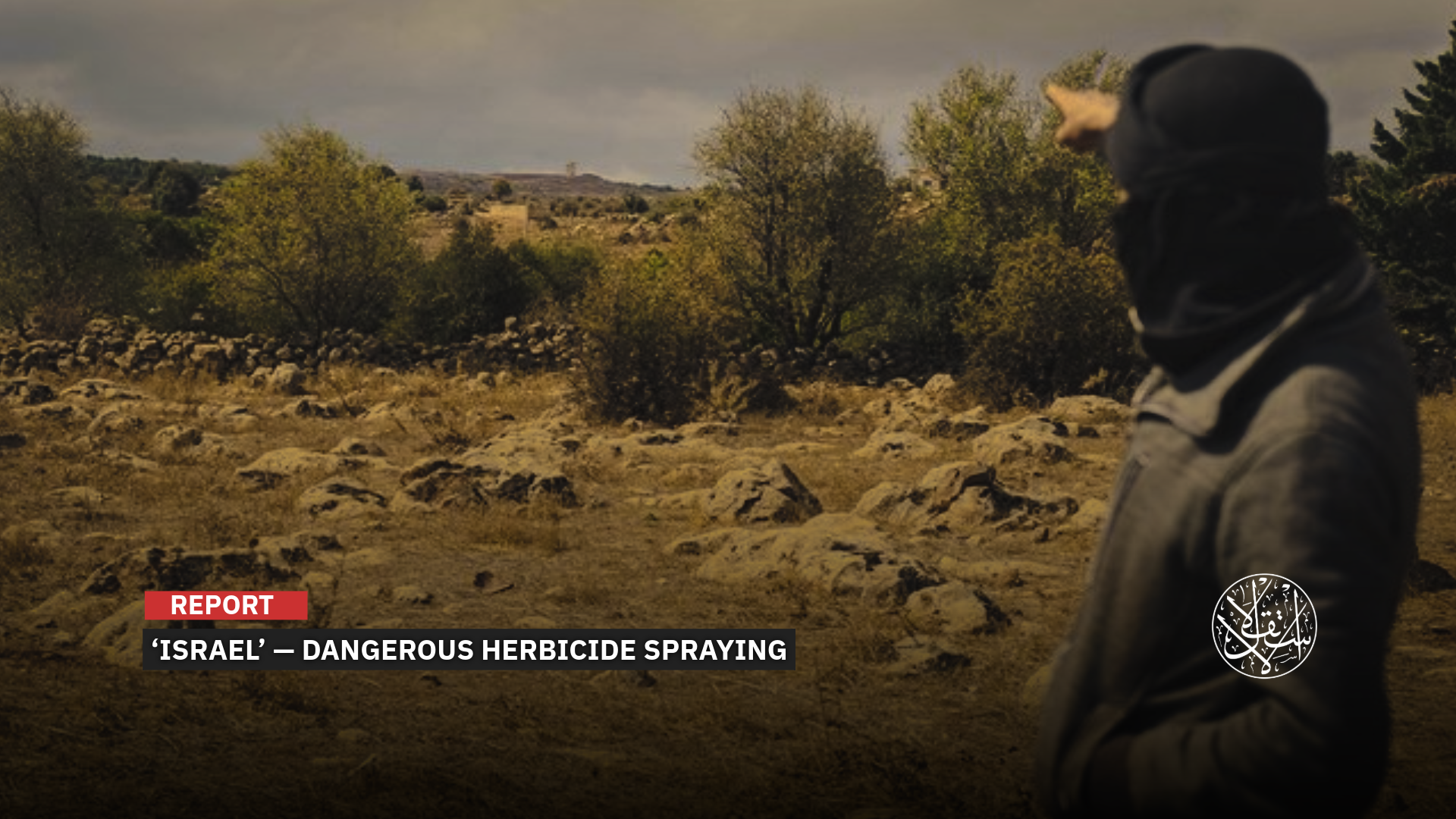
Laboratory tests reveal the spray contains the carcinogenic chemical glyphosate.
At the start of January 2026, Israeli aggression against the environment and the agricultural sector in the border areas with both Syria and Lebanon has intensified, in a wave of violations that extend beyond shelling and killings, targeting the soil and the livelihoods of farmers, and threatening both environmental and food security in those regions.
Israeli agricultural aircraft have been deliberately spraying the border strip with banned chemical pesticides, targeting forests and farmland in southern Lebanon and the Quneitra countryside in Syria, under the pretext of “removing harmful weeds” and improving visibility for security purposes.
The practice has resulted in the destruction of crops, contamination of the soil, and direct harm to farmers and their property.
What’s the Story?
The Israeli Occupation Forces possess a fleet of agricultural spraying aircraft, which it has used for years along the borders of the Gaza Strip and the West Bank to devastate farmland.
However, in 2026, it expanded the scope of these operations to include northern occupied Palestine, along the borders with Lebanon and Syria.
Footage circulated online showed light aircraft flying at low altitudes, releasing dense sprays over farmland near the border strip, raising widespread concern among farmers and local residents.
The Israeli army had reportedly informed the United Nations Interim Force in Lebanon (UNIFIL) on multiple occasions of its intention to conduct “an aerial activity to disperse a non-toxic chemical,” without specifying the nature or composition of the substance.
Lebanese authorities later announced that laboratory tests revealed the spray contained “glyphosate,” a powerful herbicide classified by the World Health Organization in 2015 as a “probably carcinogenic to humans.”
Glyphosate is a non-selective herbicide, capable of destroying most plant species by disrupting their ability to produce essential amino acids.
It can also persist in the soil for extended periods, leading to the destruction of beneficial wild plants, harming soil fertility, and potentially leaching into groundwater.
The Dutch organization PAX for Peace noted that in previous conflicts, the Israeli army had used a mixture of glyphosate and other herbicides such as Oxyfluorfen (Oxygal) and Diuron (Diurex), linking these substances to chronic diseases and long-term environmental damage.
In a joint statement, the Lebanese Ministries of Agriculture and Environment reported that some samples contained glyphosate concentrations “twenty to thirty times higher than normal agricultural usage levels.”
The statement warned that the use of these substances would cause “serious damage to vegetation in the targeted areas, directly affecting agricultural production, soil fertility, and ecological balance.”
“The ministries affirm that spraying chemical substances over Lebanese lands constitutes a serious act of aggression, threatening food security, causing severe harm to natural resources, undermining farmers’ livelihoods, and posing potential health and environmental risks to water, soil, and the entire food chain,” it added.
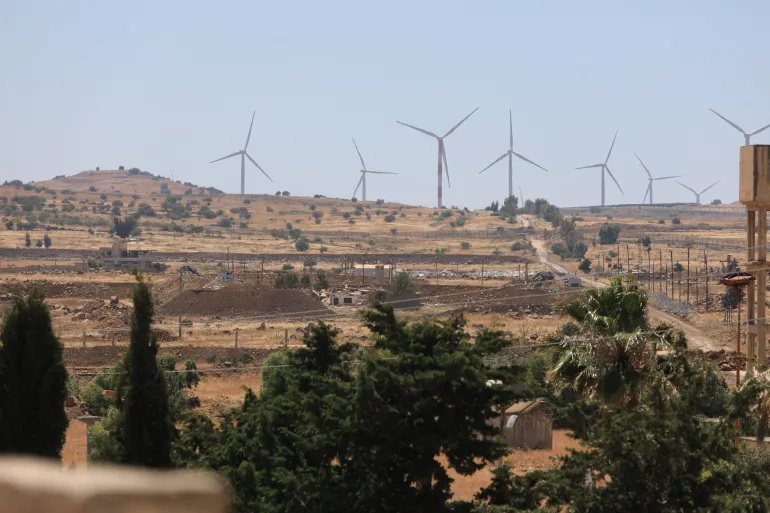
These operations were not limited to Lebanon. Between late January and February 2026, Israeli aircraft carried out similar spraying over farmland in Syria’s Quneitra Governorate.
The operations took place along the separation line in the Israeli-occupied Syrian Golan Heights, known as the “Alpha Line,” the ceasefire line separating Israeli Occupation Forces and Syrian troops.
What Are the Goals?
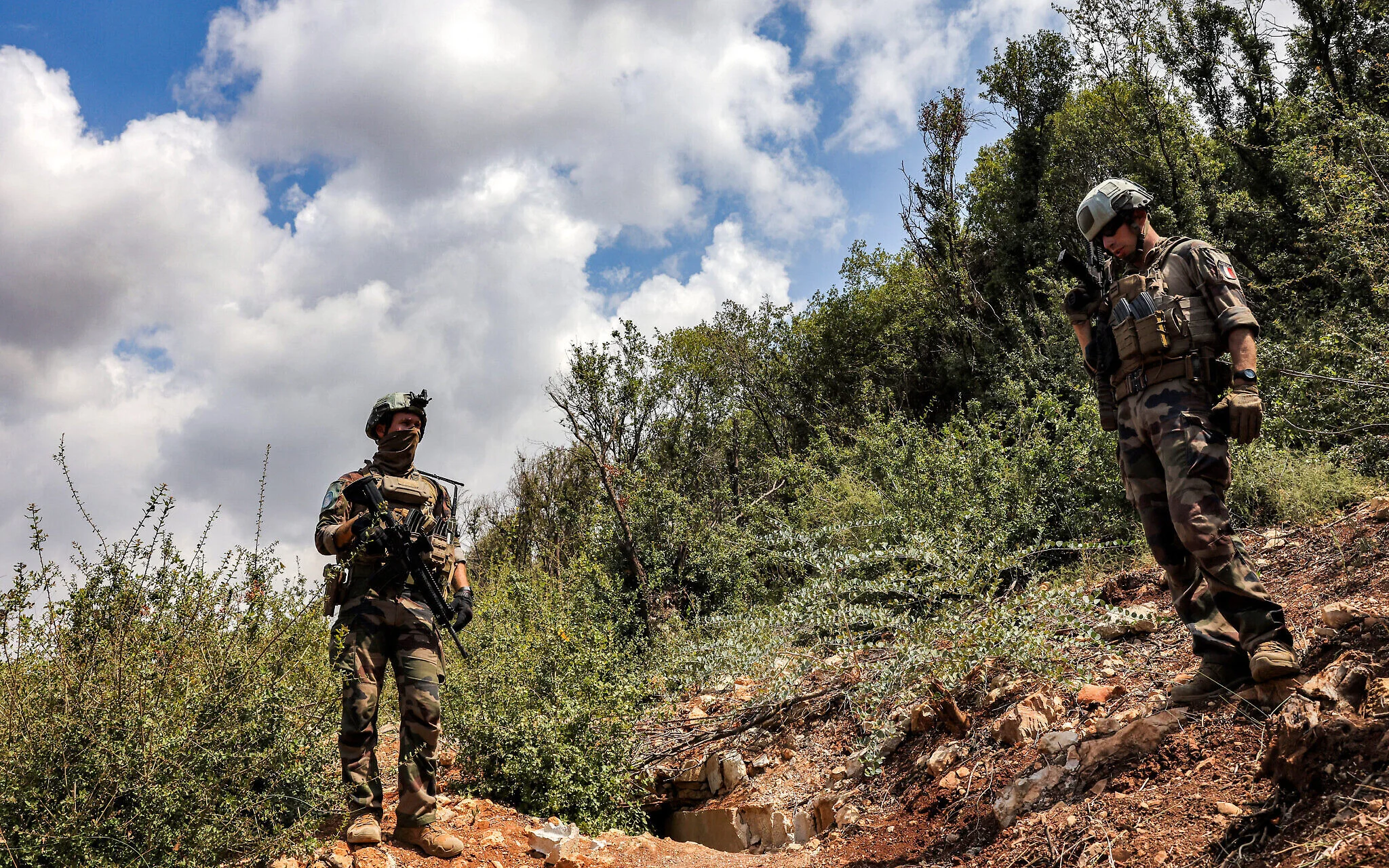
According to field data and media reports, the Israeli occupation seeks to create a strip devoid of vegetation along the “Blue Line” separating Lebanon and “Israel,” as well as in the Israeli-occupied Golan Heights, allowing for an open military observation post and leaving the borderlands fully exposed to soldiers and settlers.
“Israel” justifies these operations under the pretext of “removing harmful plants” for security purposes.
On February 2, Israeli channel i24NEWS reported that “the Israeli army carried out herbicide spraying in areas near the borders with Syria and Lebanon, aiming to destroy plants that terrorists might hide in.”
The channel cited Israeli security officials saying that the goal is to reduce vegetation that Hezbollah fighters or Syrian factions could use to launch attacks against “Israel.” However, this is not the first time herbicides have been employed as a tool of war.
Since 2014, The Israeli Information Center for Human Rights in the Occupied Territories, such as B’Tselem, alongside London-based Forensic Architecture, have documented dozens of incidents in which Israeli aircraft sprayed herbicides along the Gaza border, destroying Palestinian farmers’ crops and harming their local economy.
In 2025, the Golan Heights saw systematic tree-cutting operations, during which the Israeli army removed more than 9,000 dunams of trees.
The operation was later continued through the elimination of seeds and new plants using herbicides.
Southern Lebanon’s countryside still bears the severe environmental impacts of intensive Israeli military aggression against Hezbollah that ended about a year ago.
In addition to approximately 4,000 fatalities and around 17,000 injuries, “Israel” faced accusations of using white phosphorus and incendiary bombs, which burned farmland, olive groves, and forests, leaving the soil contaminated with heavy metals and littered with unexploded cluster munitions.
These practices intersect with what activists describe as the “scorched-earth legacy.” The Guardian quoted Hisham Younes, founder and president of the Lebanese environmental group Green South, saying that the concept of “scorched” or “dead” land is rooted in the traditions of Zionist warfare.
“Israel has long relied on approaches characterised by long-term destructive effects, whether on landscapes and natural systems, on ecological features, or on the systematic undermining of the conditions necessary for sustaining life and livelihoods,” he added.
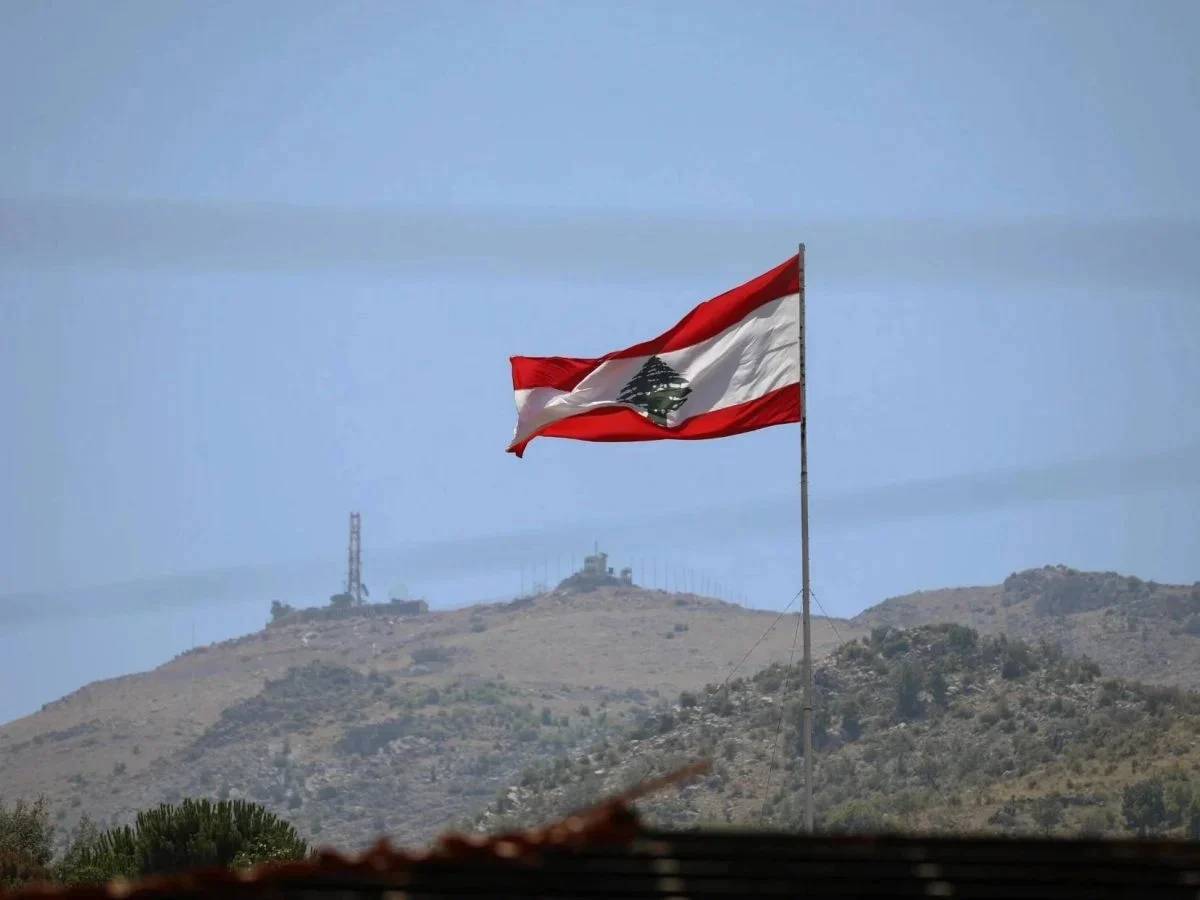
Damage and Impact
A report issued by the Dutch organization PAX for Peace, based on satellite imagery, identified the areas affected by the spraying, confirming that Israeli aircraft had sprayed a strip extending approximately 55 kilometers along the Syrian border.
The width of the sprayed strip ranged between 30 and 100 meters, with some areas showing double tracks, raising the total affected area within Syrian territory to between 4 and 6.5 square kilometers.
In southern Lebanon, the organization noted that satellite images were not fully clear, but indicated spraying in the towns of At-Tiri, al-Bustan, and al-Labouneh, confirming that the operation targeted large areas of farmland and forests.
Farmers in southern Lebanon and Syria’s Quneitra Governorate reported that wheat and olive fields turned yellow within days of spraying, signaling complete crop damage.
Lebanese Minister of Agriculture Nizar Hani stated that the affected area in Lebanon stretches roughly 18 kilometers, with a width ranging between 300 and 500 meters.
In Syria, Quneitra Governor Ahmed al-Dalati announced on February 13 that aerial herbicide spraying along the ceasefire line had damaged approximately 4,000 dunams, depriving local farmers of its use.
He highlighted that around 70 percent of the governorate’s population relies on agriculture and livestock as their main source of income.
The Quneitra Media Center confirmed that the targeted sites suffered severe environmental and agricultural damage, noting that field inspections showed complete destruction of vegetation in the sprayed areas, particularly wild grasses, reflecting the direct and serious impact of these substances on the natural environment.
The center also reported that a wheat field in the town of Kudna, covering approximately 80 dunams, was severely affected, with the entire crop destroyed.
This represented a significant agricultural loss and a negative impact on farmers’ livelihoods and food security in the area.
These figures highlight the broad and systematic nature of the operation, especially given that pesticide spray can drift with the wind beyond the directly targeted areas, meaning the actual impact may extend far beyond the observed borders.
The effects also extend to human health. The Lebanese Ministry of Environment warned that long-term exposure to glyphosate may be linked to serious health risks, including cancers and birth defects, noting reports of skin irritation and respiratory problems among some residents.
Researchers at Human Rights Watch also cautioned that continued spraying in a region that relies heavily on agriculture could hinder the return of thousands of displaced people who fled during the last war.
Syrian journalist and environmental and climate specialist Zahir Hashem explained that glyphosate works by inhibiting the production of essential amino acids (enzymes) in plants, as well as in certain bacteria and fungi, causing complete plant death after the substance is absorbed through the leaves.
Hashem told Al-Estiklal that spraying glyphosate reduces agricultural output, increases the risk of food insecurity in affected areas, and disrupts the balance of beneficial soil bacteria, potentially diminishing natural soil fertility.
He added that glyphosate can bind to minerals such as calcium, magnesium, and manganese, which over time may become less available to plants, weakening their growth and negatively affecting crop quality.
Hashem also noted that AMPA compounds (aminomethylphosphonic acid), produced during glyphosate breakdown, can remain in the soil for years, even though the parent substance degrades quickly, impacting long-term soil quality and fertility.
Excessive glyphosate use may lead to radical changes in local vegetation, encouraging the emergence of resistant weed strains, similar to antibiotic resistance, forcing farmers to apply higher doses or more toxic chemicals.
The widespread elimination of non-target weeds also deprives beneficial insects, such as bees and butterflies, of food sources and habitats, disrupting the ecological balance around farmland.
Hashem emphasized that glyphosate can reach nearby forests or wild plants through airborne drift or surface runoff, weakening their natural immunity and making them more susceptible to disease.
Sources
- Israel Accused of Spraying Cancer-Linked Herbicide on Farms in Southern Lebanon
- Lebanon Accuses Israel of Spraying Herbicide in Border Areas
- Lebanon Denounces Israel's Use of Toxic Substance on Southern Villages, Prepares Complaint to UN
- Israel Should Stop Spraying of Controversial Herbicide in Syria and Lebanon
- Syria: Israel Floods Fields with Herbicides [Arabic]