People want
19 hours ago
Tuesday night into Wednesday saw the worst exchange of strikes between the U.S. and Iran since the deal - known as a memorandum of understanding - was signed on 17 June.
3 days ago
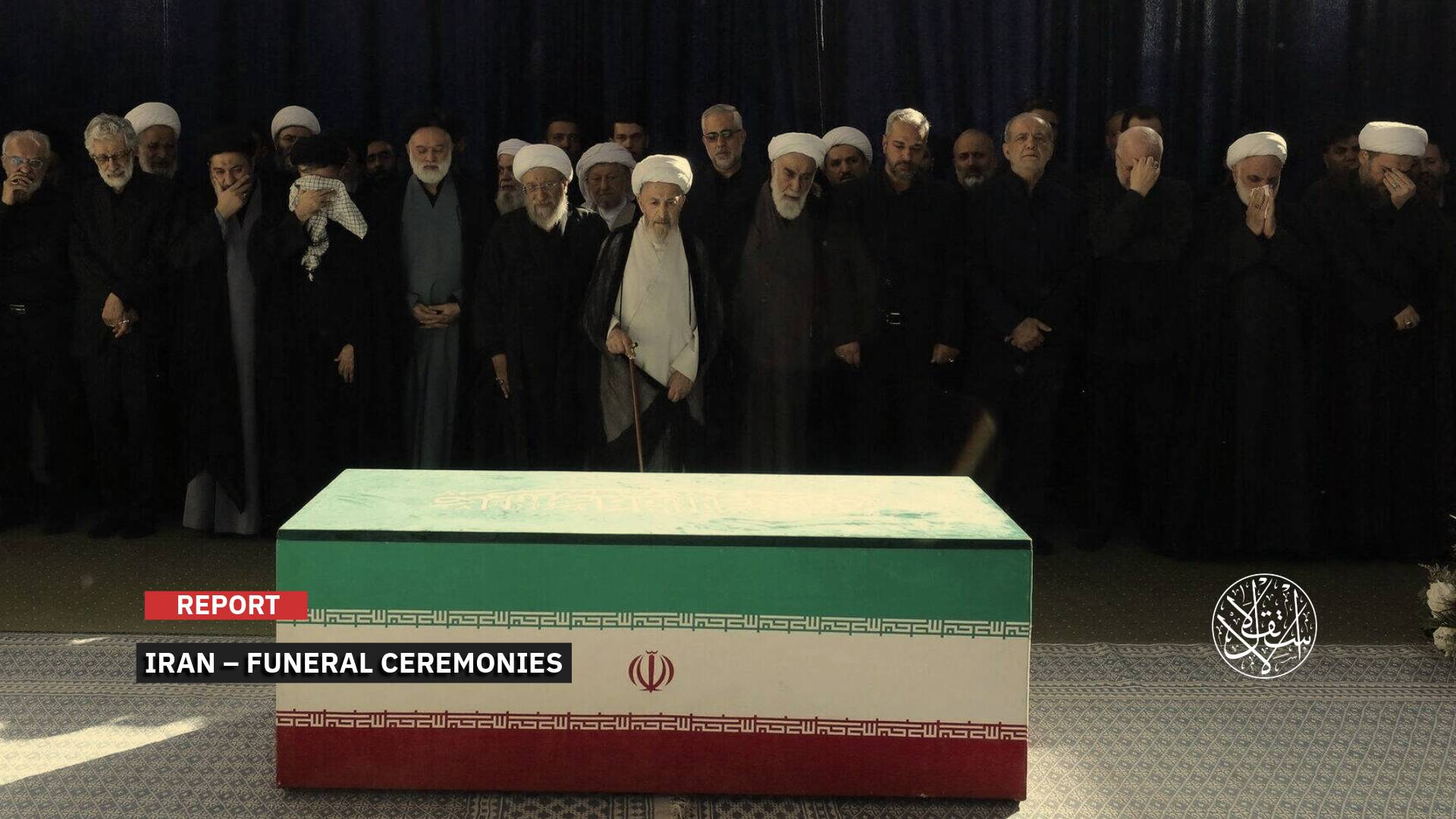
Iran commemorated the anniversary of Khamenei's death with week-long funeral and mourning ceremonies in five cities across Iran and Iraq, with millions of mourners participating.
14 days ago
The U.S.-Iran deal is more than the end of "a military confrontation;" it is a reminder that Washington’s ability to dictate regional outcomes is no longer as unquestioned as it once was.
16 days ago
While Gulf capitals welcomed the U.S.-Iran ceasefire as a chance to ease tensions, their statements showed they see it not as the end of the crisis, but as a test of Iran’s regional behavior amid fears their security concerns could be sidelined.
a month ago
Just 60 days after a ceasefire took effect, Iran and the Israeli Occupation returned to exchanging military strikes in a brief but consequential confrontation that lasted roughly 14 hours, once again raising questions about the fragility of the truce.
While U.S. efforts accelerate to impose a lasting settlement between Lebanon and the Israeli Occupation after months of war and mutual escalation, developments on the ground appear to be moving in the exact opposite direction.
In a striking irony, Oman, long seen as a key regional mediator and a trusted channel of communication between Washington and Tehran, has found itself under pressure from its own American ally, after Trump threatened to “blow it up” if it aligned with Iran on the sensitive issue of the Strait of Hormuz.
2 months ago
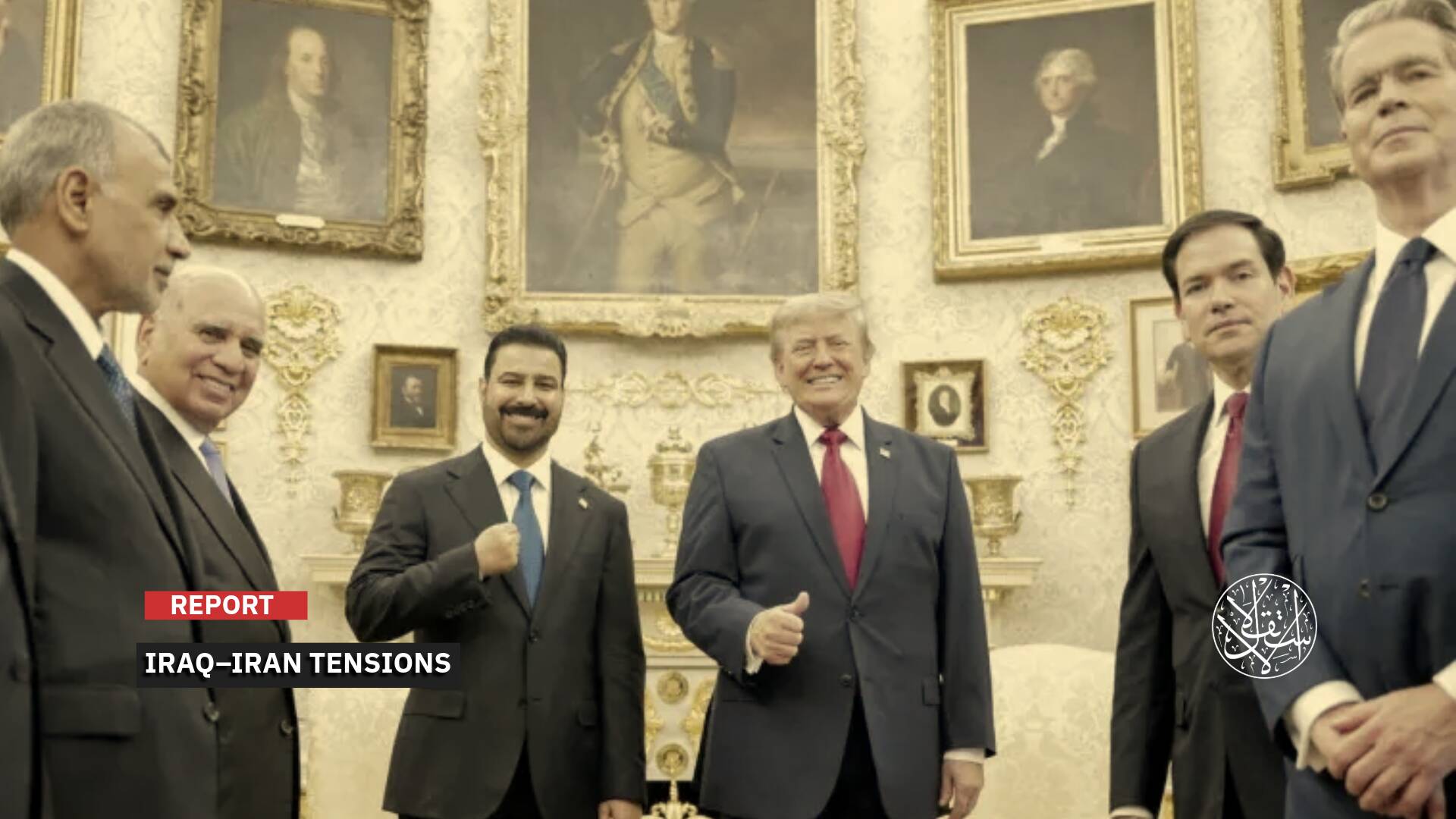
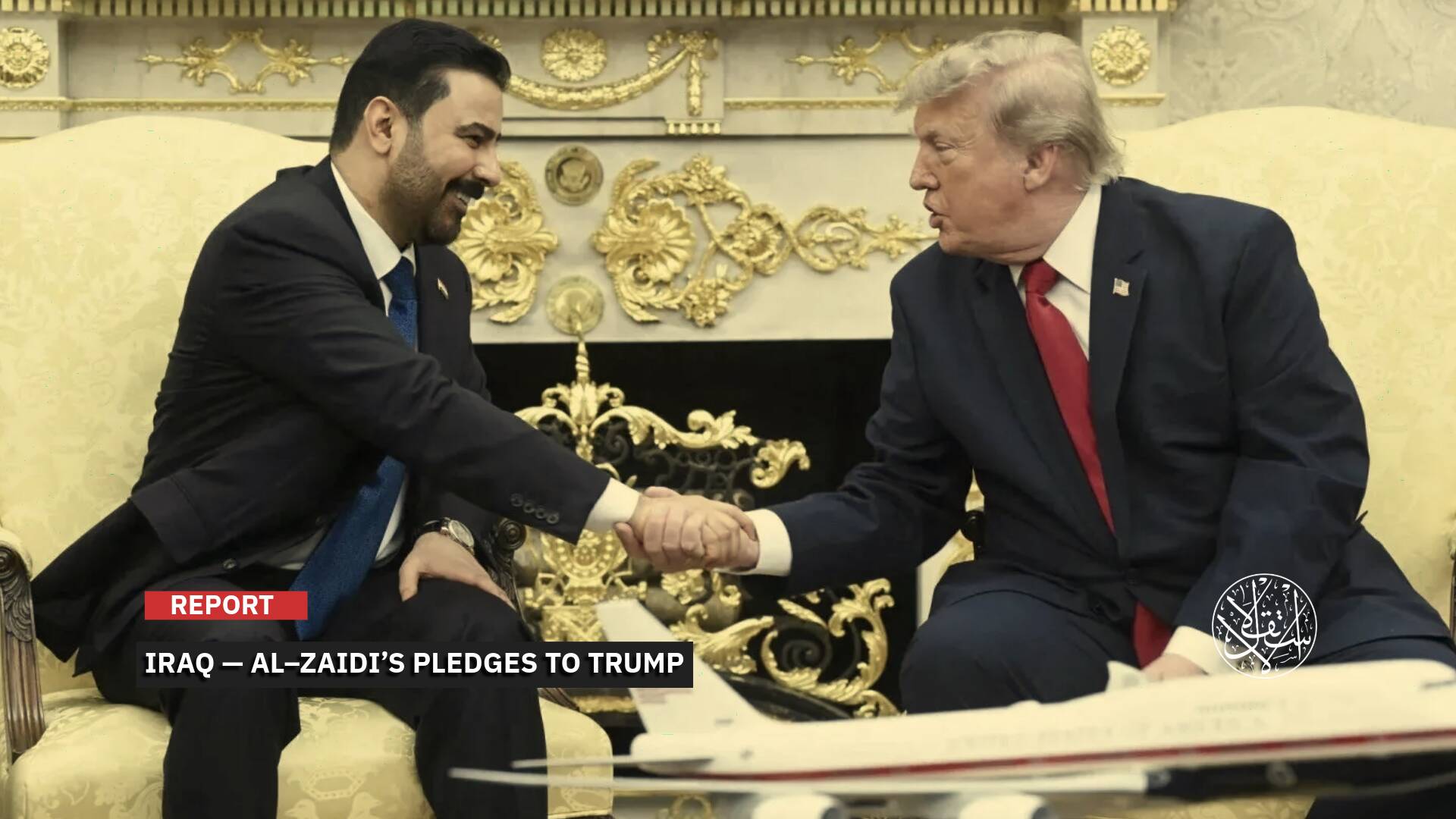
The makeup of Iraqi PM Ali al-Zaidi’s new government revealed the absence of any figure directly affiliated with armed factions, raising a central question over how far the U.S. succeeded in pushing those groups out of power as part of its conditions for maintaining ties with Baghdad and continuing political support.
From the outset, Ammar Headquarters has been deeply involved in producing a narrative built around a set of core concepts, most notably “sedition,” the “internal enemy,” “soft war,” and “infiltration.”
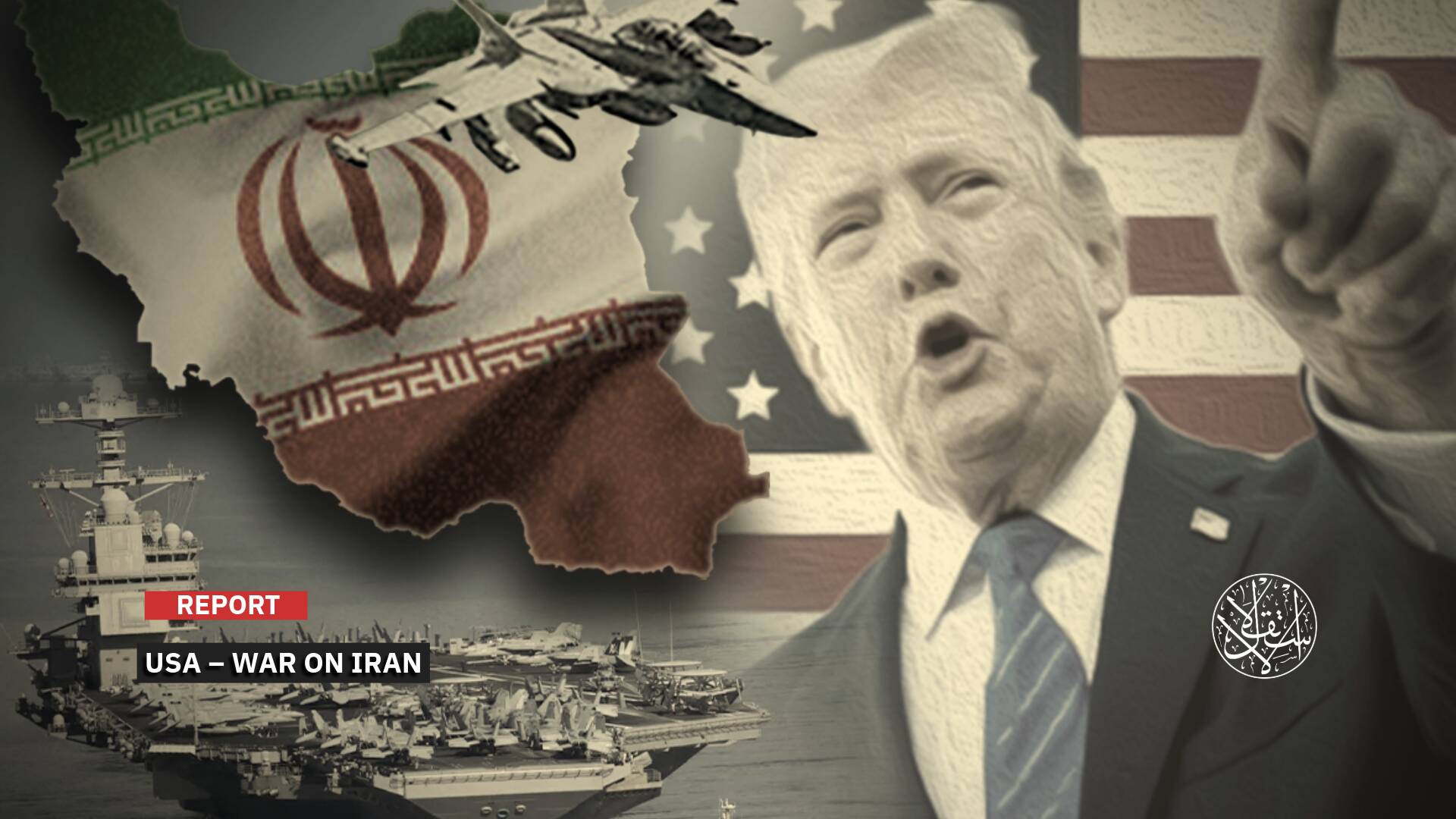
The U.S.-Israeli War on Iran that erupted in late February 2026 was not simply a military campaign to degrade Iranian capabilities, but quickly became an unexpected internal turning point that reshaped the balance of power in Tehran.
3 months ago
How did the war cause the world to lose $50 billion in oil?
As Pakistan presses ahead with an all-out diplomatic push to broker a lasting deal between the United States and Iran—one that could finally bring the war to a close—its sudden urgency to act as a go-between is raising pointed questions.
Within days of the U.S.-Israeli War on Iran breaking out in late February 2026, streets across West Bank cities filled with lines at gas stations as prices for vegetables and bread surged, and the strain has persisted despite a two-week ceasefire.
The Israeli Occupation strike on gas processing facilities in Iran’s South Pars field on March 18, 2026, sent shockwaves far beyond Iran’s shores, rattling energy balances across the Gulf.
The downing of a drone suspected to be Iranian over the British base at Akrotiri in southern Cyprus on April 2, 2026, was not a routine security incident but a turning point that quietly yet decisively redefined the role of these bases in the Middle East’s widening conflicts.