'A Badge of Shame': Why al-Zaidi's Washington Trip Infuriated Iran
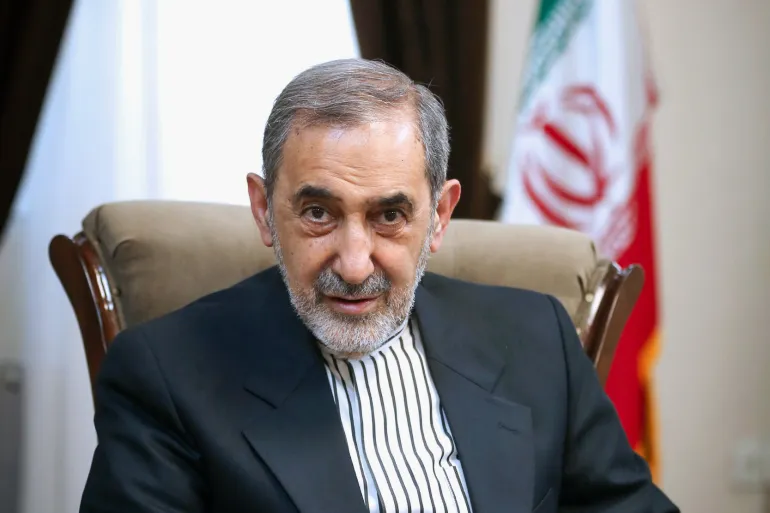
Velayati described al-Zaidi as "an inexperienced young man" following his visit to the United States.
Ali Akbar Velayati, the Iranian supreme leader's senior adviser on international affairs, did more than criticize Iraqi Prime Minister Ali al-Zaidi. His remarks exposed the depth of Tehran's unease over the first foreign policy moves of Iraq's new government.
Just days after al-Zaidi returned from a five-day official visit to the United States that began on July 13, where he met President Donald Trump and signed dozens of economic agreements with major American companies, Velayati denounced the trip as "a badge of shame."
In an article published by Iran's Tasnim News Agency on July 17, Velayati also described the Iraqi prime minister as "an inexperienced young man," remarks that quickly sparked controversy in Iraq and fueled questions over whether they reflected Tehran's official position or were instead a political message aimed at Baghdad.
‘Personal Remarks’
Despite the sharp criticism, the Iraqi government chose not to respond, while Iran's Foreign Ministry moved quickly to contain the fallout.
On July 19, Iranian Foreign Minister Abbas Araghchi spoke by phone with his Iraqi counterpart, Fuad Hussein, stressing that relations between the two countries are "strategic" and should not be affected by what he described as "personal remarks."
According to Iraq's Alawla TV website on July 19, both sides reaffirmed that ties between Baghdad and Tehran are rooted in longstanding historical, cultural, and religious links, as well as shared interests.
Araghchi said bilateral relations should not be influenced by unofficial statements, reiterating Iran's commitment to mutual respect, good neighborly relations, and expanding cooperation at both the governmental and public levels.
The diplomatic outreach came as Iraqi Prime Minister Ali al-Zaidi prepared for a regional tour beginning on July 23 that includes Iran, as part of efforts to strengthen security, political, and economic cooperation while reaffirming Iraq's policy of staying out of competing regional blocs.
Al-Zaidi is scheduled to travel to Tehran on his second foreign visit since taking office, just one week after visiting the United States and meeting President Donald Trump at the White House, in a trip carrying significant political, security, and economic implications.
In a statement carried by the state-run Iraqi News Agency on July 19, Iraq's Foreign Ministry said al-Zaidi would visit Iran later in the week. The visit is expected to include the signing of several memorandums of understanding on joint cooperation aimed at strengthening bilateral ties and advancing the two countries' shared interests.
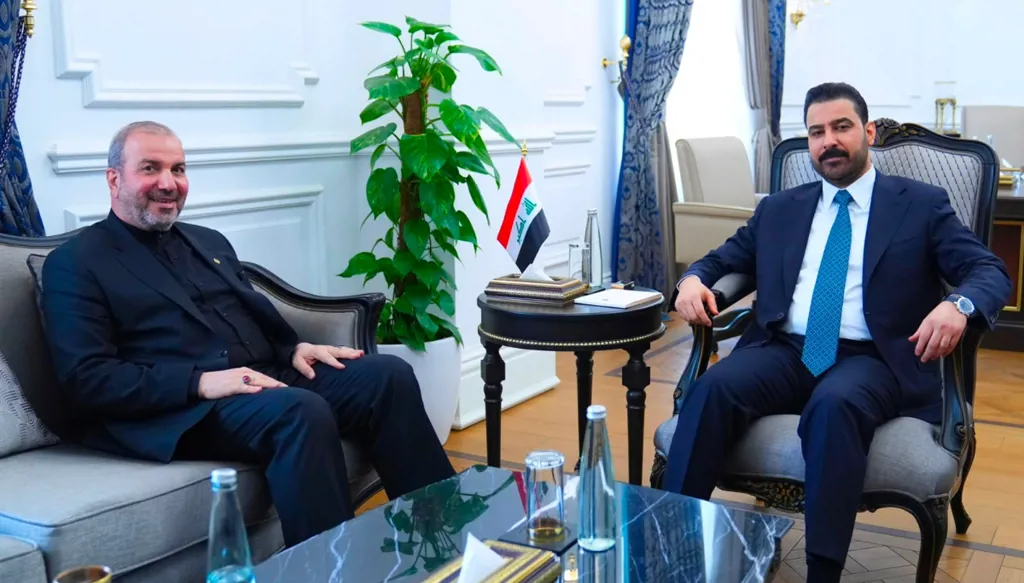
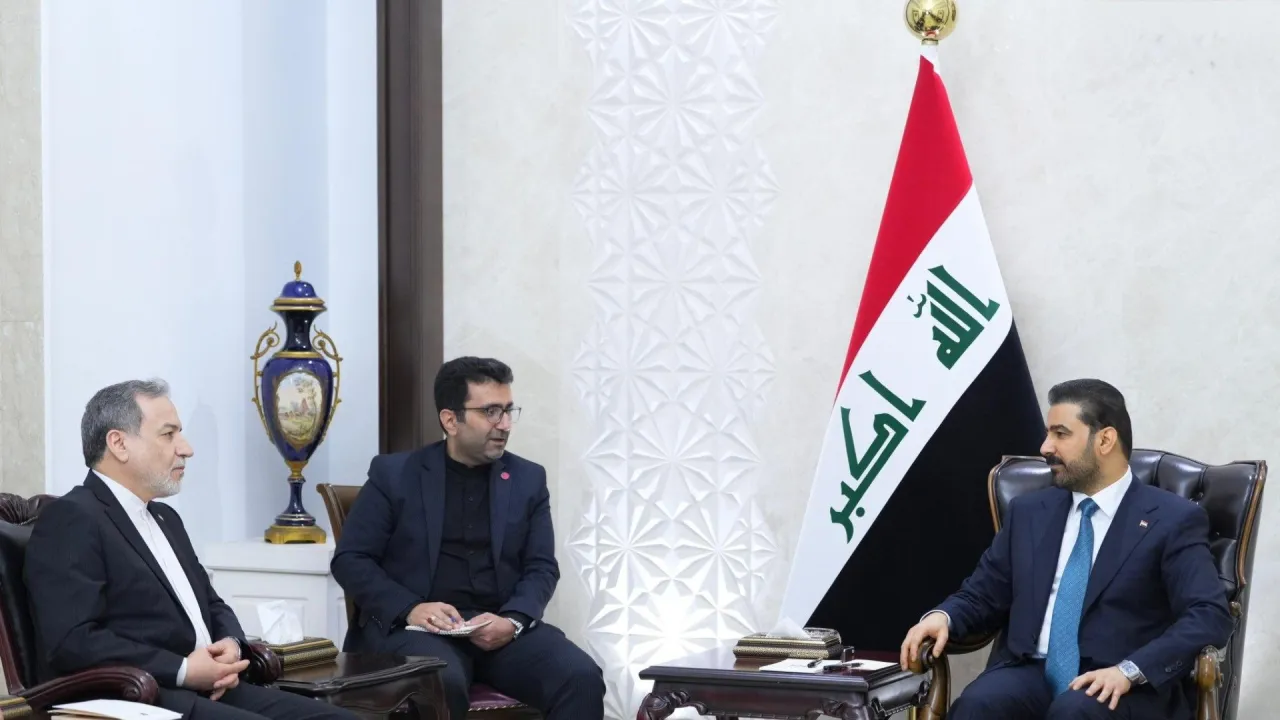
On July 20, al-Zaidi also met with the Iranian ambassador to Iraq, Mohammad Kazem al-Sadeq, in Baghdad, where the two discussed ways to expand bilateral relations and deepen cooperation across multiple sectors in support of the shared interests of both countries and regional stability.
A statement from the Iraqi government said the meeting also focused on preparations for al-Zaidi's upcoming official visit to Tehran and the agenda for the trip, with the goal of broadening bilateral cooperation and strengthening coordination and partnership on issues of mutual interest.
Iranian Anger
On whether Ali Akbar Velayati's remarks reflected an official Iranian position on Iraqi Prime Minister Ali al-Zaidi's visit to the United States, Iraqi researcher Ali al-Masri said the comments revealed genuine frustration inside Tehran.
Speaking to Al-Estiklal, al-Masri said Velayati's statements reflected Iranian anger over al-Zaidi's trip to Washington and his meeting with Trump, particularly after Trump spoke about the assassination of former Quds Force commander Qassem Soleimani and Abu Mahdi al-Muhandis, the former deputy head of the Popular Mobilization Forces (PMF).
He added that there had also been reports of Iranian pressure on Sadrist movement leader Muqtada al-Sadr aimed at withdrawing his support for al-Zaidi, amid the current government's push to fight corruption, strengthen ties with the United States, and secure broad economic agreements with American companies.
Iraqi writer and political analyst Hilal Alabidi, who is based in France, argued that Velayati's remarks went beyond political criticism and reflected the continued view among some decision-makers in Tehran that Iraq is a sphere of influence rather than a sovereign state.
In a post published on X on July 18, Alabidi said attacking the Iraqi prime minister over his visit to the United States amounted to interference in Iraq's internal affairs, stressing that evaluating the government's performance and holding it accountable should remain the responsibility of constitutional institutions and the Iraqi people, not officials from outside the country.
He added that, in his view, Iran's frustration is not tied to the visit itself, but rather to what it signals about the Iraqi government's push to diversify its foreign relations and reduce the political and economic dependency that has taken shape over the past years.
Alabidi said Iraq has paid a heavy price for this reality, citing energy crises, the growing influence of armed factions, and declining performance in several economic sectors. He argued that respecting Iraq's sovereignty requires refraining from interfering in its political decisions.
He stressed that Baghdad no longer accepts a system of guardianship or external dictates and that national decisions should be made by Iraqis alone through the constitution and state institutions.
Alabidi concluded that Velayati's remarks reflect, in his assessment, Iranian concerns over a possible decline in Tehran's influence inside Iraq as the current government pursues a more balanced foreign policy.
He added that any attempt to pressure Baghdad, whether through public statements or other tools of influence, would not change this course but could instead strengthen domestic calls for greater independence in Iraqi decision-making and for building foreign relations based on shared interests and mutual respect with all neighboring countries.
A New Precedent
Since 2003, Iraqi prime ministers have traditionally made Tehran one of their first foreign destinations, reflecting Iran's growing influence in Iraq across political, economic, and security spheres.
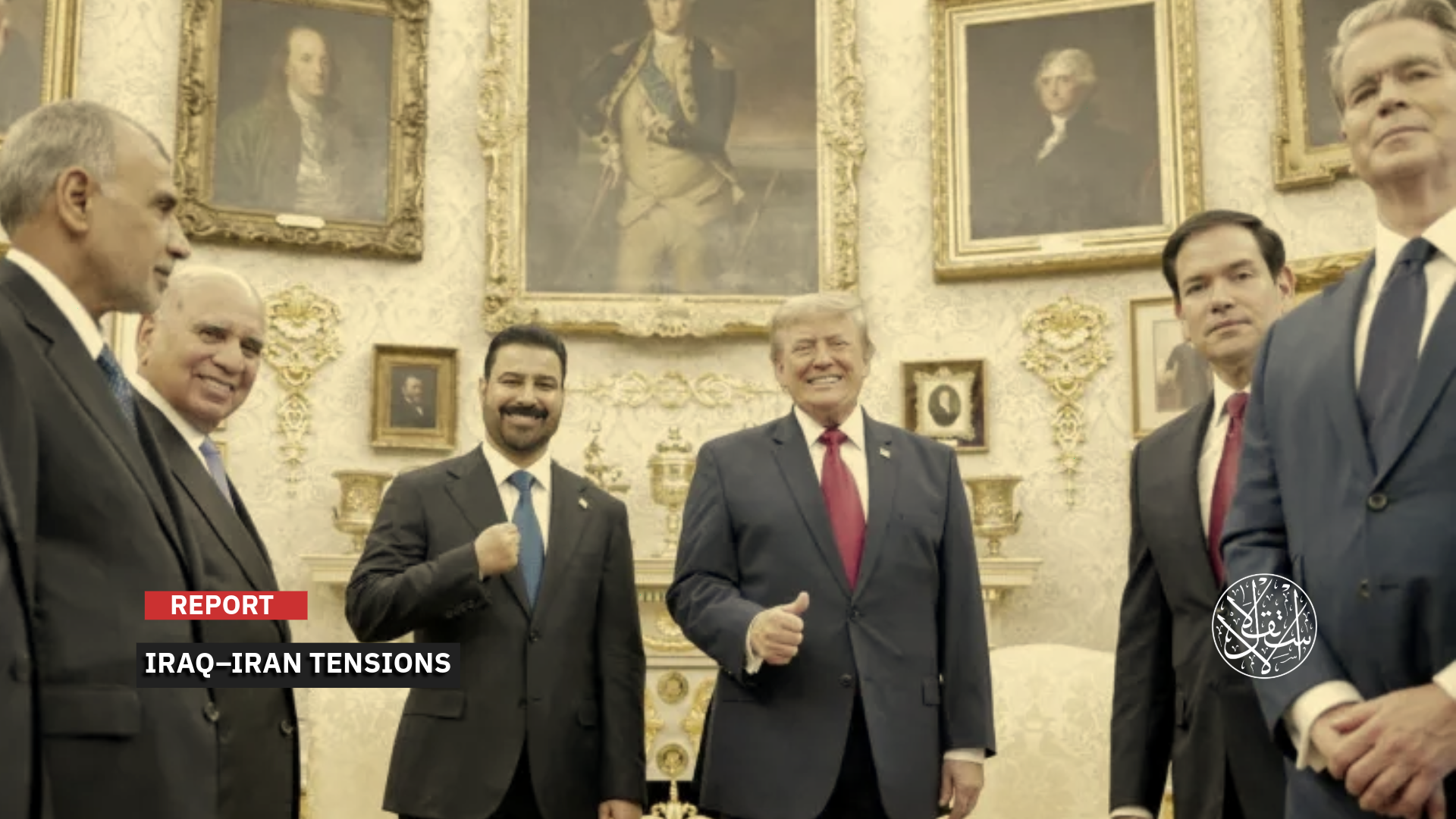
Ali al-Zaidi broke with that tradition by making Washington his first foreign trip since taking office on May 14, a decision that carried political significance beyond the visit itself and was closely watched in both Iraq and Iran.
The message was not limited to the choice of destination. It also extended to the issues al-Zaidi discussed with the administration of Trump, including expanding economic cooperation, attracting U.S. investment, and continuing energy sector reforms.
The talks also addressed the issue of armed factions and placing all weapons under state control, one of the most sensitive issues for Tehran given that many of these groups maintain close ties with Iran, which has been under U.S.-Israeli war since late February 2026.
The visit came as Washington was signaling tougher pressure on Iran, giving it added political weight, especially as al-Zaidi appeared alongside Trump during remarks focused on Tehran.
During the press conference, Trump asked the Iraqi prime minister about his views on the U.S. attack that assassinated former Quds Force commander Qassem Soleimani and Abu Mahdi al-Muhandis, the former deputy head of Iraq's PMF, in January 2020.
Al-Zaidi responded that he was not involved in politics at the time, adding that his focus today was on the future because Iraqis had "had enough of the past."
In this context, Axios reported on July 16 that Iranian officials had pressured al-Zaidi to abandon plans for Washington to be his first foreign visit, seeking to persuade him to make Tehran his first stop instead. The report said al-Zaidi stood by his decision and chose to meet Trump.
The report added that al-Zaidi sat beside Trump in front of cameras as the U.S. president spoke about continuing attacks on Iran and imposing a naval blockade.
Citing a U.S. official, Axios said al-Zaidi's willingness to sit alongside Trump as he discussed Iran sent a powerful message and reflected his seriousness about strengthening ties with Washington despite Tehran's objections.
The report said the Iraqi prime minister avoided discussing Iran during his talks and instead focused on strengthening economic relations with Washington, completing the withdrawal of U.S. forces, disarming armed factions, and ensuring that all weapons fall under state authority.
The report said U.S. officials viewed the visit as an early test of al-Zaidi’s commitment to placing all weapons under state authority, particularly after he pledged that armed factions would need to settle their status before the scheduled U.S. troop withdrawal from Iraq is completed on September 30.
Sources
- Iraqi PM al-Zaidi Meets Iran’s Ambassador to Iraq [Arabic]
- Al-Zaidi, Returning From the United States, to Visit Iran Within Days [Arabic]
- Al-Zaidi Heads to Tehran This Weekend on Regional Tour Including Ankara, Riyadh and Damascus [Arabic]
- Araghchi to Fuad Hussein: Iraq Ties Should Not Be Affected by Unofficial Remarks [Arabic]
- Tehran Pressured al-Zaidi to Cancel Washington Visit: What Did Axios Reveal? [Arabic]