Proxies and Missiles Overlooked: Why the Trump–Iran Deal Doesn't Dispel Gulf Concerns
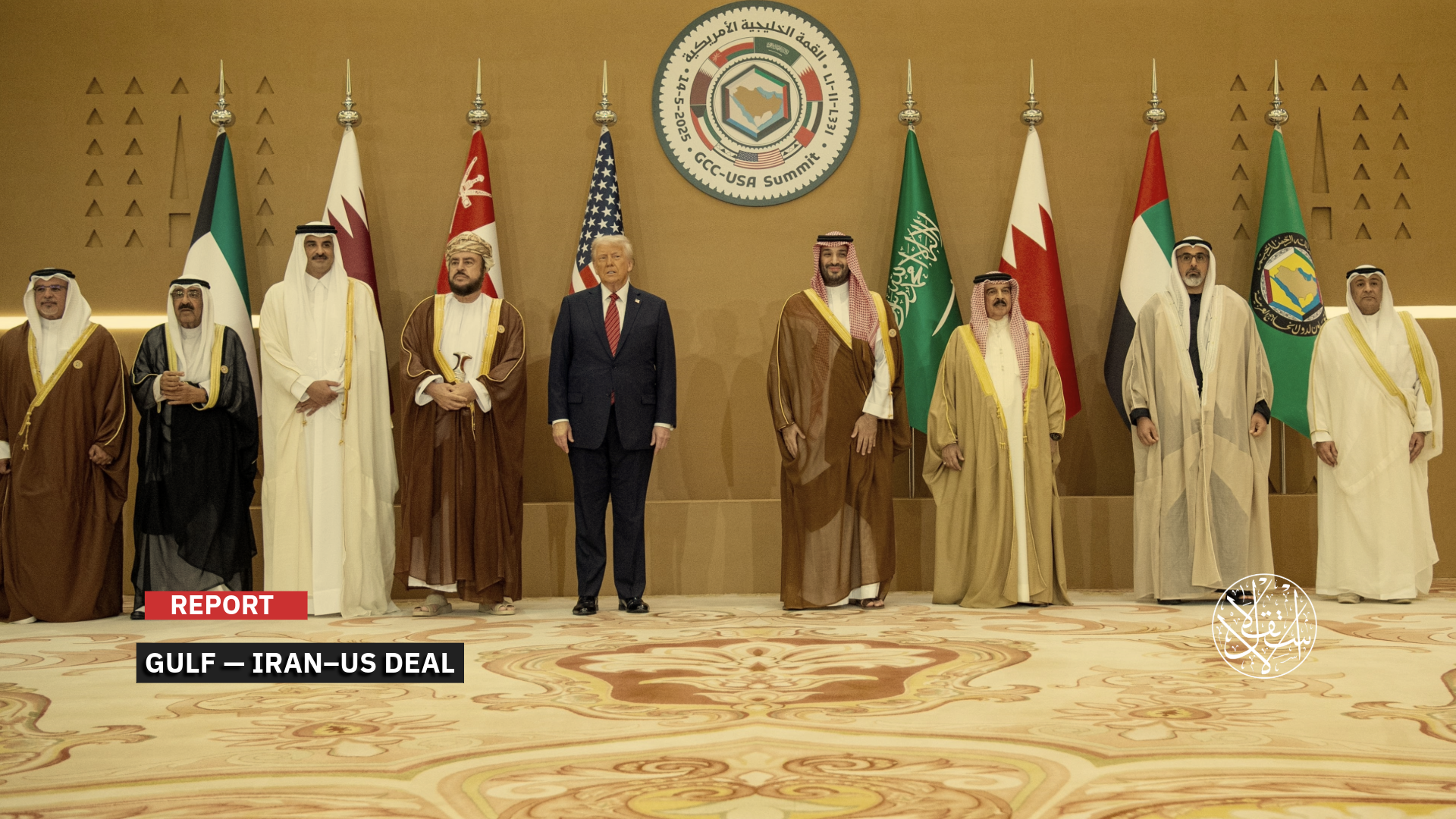
Any permanent agreement should include Iran’s commitment to good-neighborly principles.
While Gulf capitals welcomed the U.S.-Iran ceasefire agreement as a chance to catch their breath after months of military escalation and regional tensions, their official statements revealed a more cautious reality. Rather than viewing the deal as the end of the crisis, Gulf states see it as the beginning of a new test of Iran’s regional behavior, amid concerns that any U.S.-Iran rapprochement could once again sideline long-standing Gulf security fears.
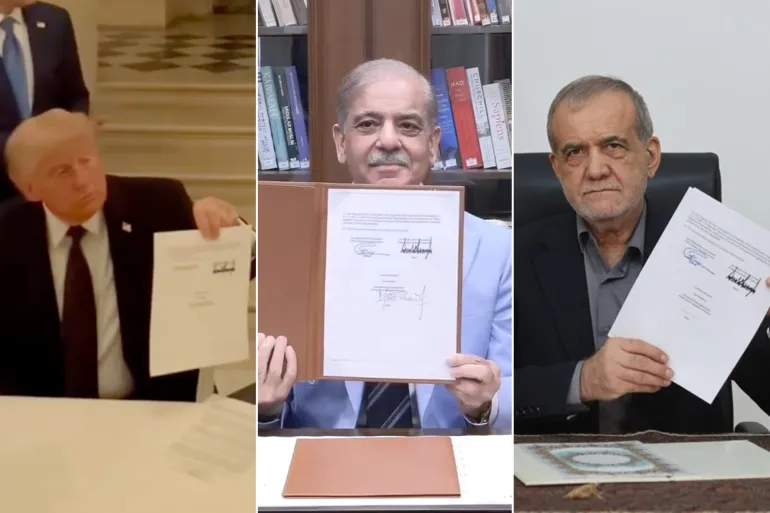
On June 18, 2026, President Donald Trump and his Iranian counterpart, Masoud Pezeshkian, electronically signed a memorandum of understanding calling for the immediate and permanent cessation of military operations on all fronts and a return to negotiations over Iran’s nuclear program, bringing to an end four months of direct and indirect confrontation between the two sides.
Cautious Welcome
As the agreement took shape, Gulf Cooperation Council (GCC) states quickly welcomed the halt in military operations and the return to negotiations. But their official statements carried clear political and security messages that went beyond a simple endorsement of the ceasefire.
Saudi Arabia, Kuwait, Bahrain, the United Arab Emirates (UAE), and Oman praised the efforts led by Pakistan and Qatar to broker the deal, describing it as an important step toward de-escalation and protecting regional security and stability.
Yet most of these countries, with varying degrees of emphasis, stressed that any lasting agreement must include an Iranian commitment to good-neighborly principles, respect for state sovereignty, and non-interference in internal affairs—language that reflects continuing Gulf concerns over Iran’s regional policies.
The Gulf response came after months of security tensions that fueled fears of a wider confrontation threatening international shipping and global energy supplies, particularly through the Strait of Hormuz, a critical waterway through which roughly one-third of seaborne oil trade passes.
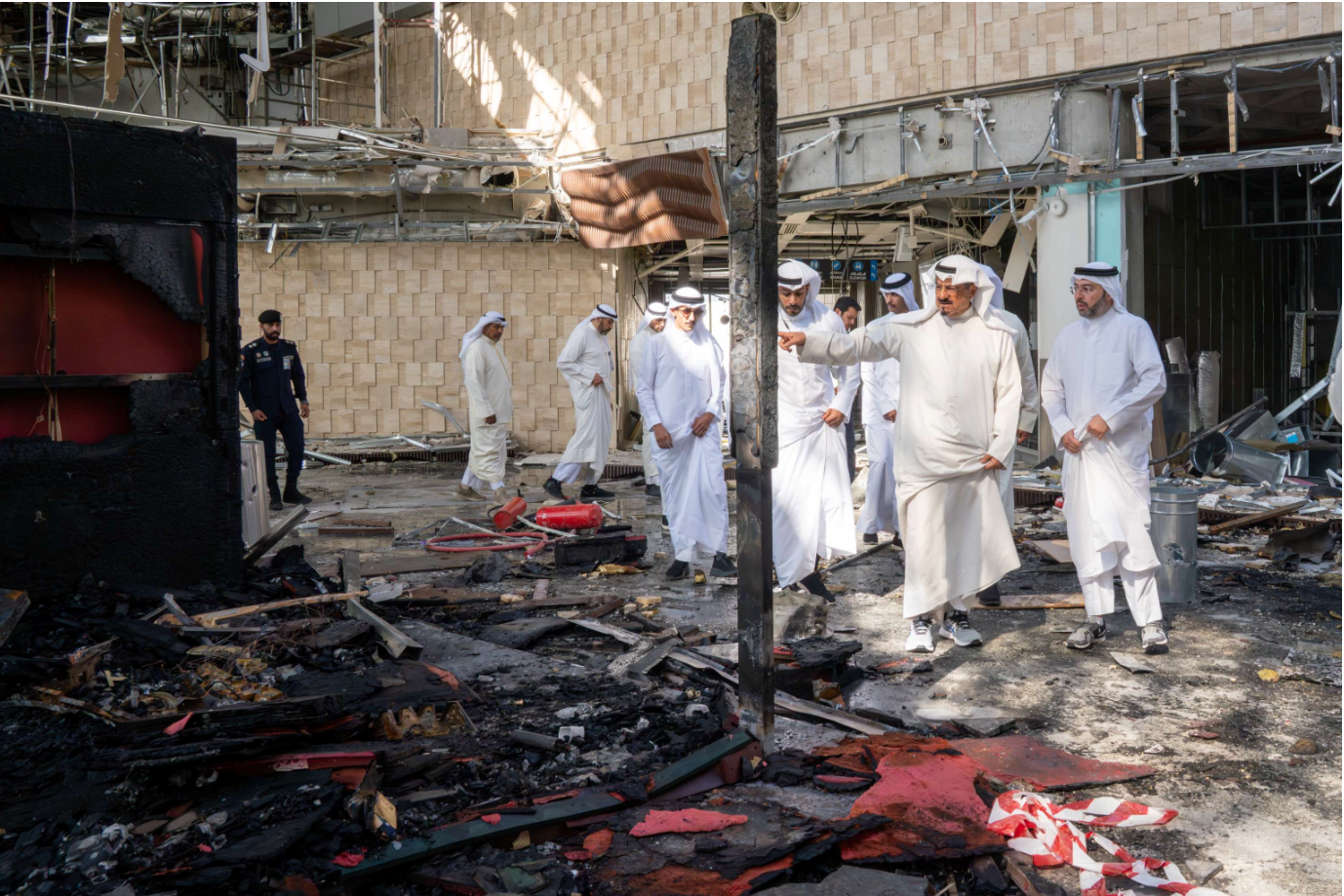
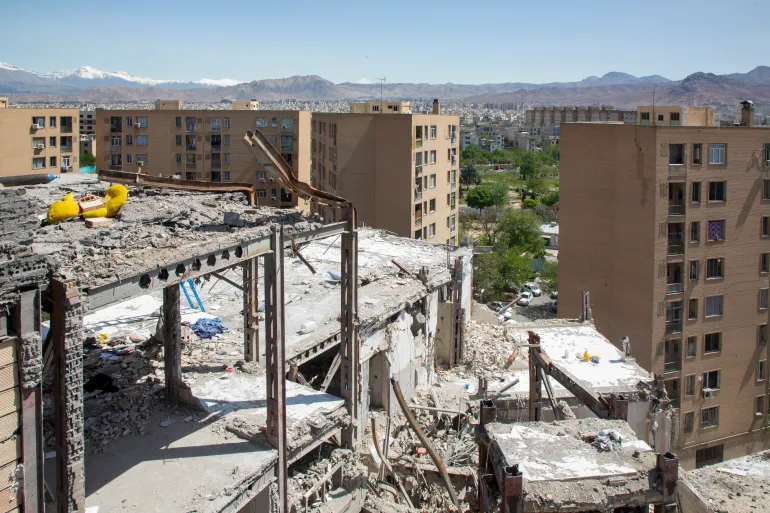
The statements also highlighted that Gulf concerns over Iran’s regional conduct remain unresolved, especially after the recent war saw missile and drone attacks targeting military and civilian sites in several regional states in response to the U.S.-Israeli War on Iran.
While Gulf governments view the agreement as an opportunity to avoid another war, they are also seeking assurances that a thaw between Washington and Tehran will not come at the expense of their long-standing security concerns.
Those concerns extend far beyond Iran’s nuclear program. They include issues seen by Gulf states as more directly tied to their security, particularly ballistic missiles, drones, and Iran’s network of regional allies.
The question of halting support for proxy groups has emerged as one of the central messages in Gulf reactions. Kuwait explicitly called for an end to backing armed groups, while Bahrain, the UAE, and Saudi Arabia emphasized the importance of international law and respect for state sovereignty—an indirect reference to Iranian influence across several Arab countries.
Some Gulf capitals fear Washington could return to a pattern of bilateral understandings with Tehran, focusing mainly on the nuclear issue while leaving ballistic missiles and Iran’s regional influence outside any meaningful agreement, as happened to varying degrees during previous rounds of U.S.-Iran negotiations.
For that reason, Gulf states see the deal less as a final settlement and more as a real test of whether Iran is willing to change its regional behavior.
Compensation Payments
The agreement is expected to ease the military tensions that have gripped the Gulf in recent months, particularly with both sides pledging to guarantee freedom of navigation through the Strait of Hormuz—a top priority for Gulf states whose economies rely heavily on oil and gas exports.
The resumption of talks between Washington and Tehran could also open the door to a new period of relative stability, potentially boosting foreign investment, energy markets, and regional trade while reducing the risk of attacks or security disruptions targeting oil facilities and maritime routes.
But Gulf capitals do not view these potential gains in isolation from the risks. They fear that any economic recovery or sanctions relief for Iran could provide Tehran with additional resources to expand its regional influence unless renewed engagement is accompanied by clear security understandings.
One of the most controversial issues following the announcement of the agreement was talk of a funding mechanism or investment program worth up to $300 billion to help rebuild Iran’s economy and attract foreign investment.
The Financial Times reported that the Trump administration was considering the creation of an investment fund of that size if the agreement holds, while Iran’s Mehr News Agency said a draft version of the understanding included plans for Iran’s reconstruction worth at least $300 billion.
President Donald Trump, however, denied that the United States had made any direct commitment to provide such funding, saying claims that Washington or its Gulf allies would pay the money were “fake news.”
Trump said the United States had seized frozen Iranian funds and could eventually be required to return part of them but stressed that Iran would not gain access to significant financial resources unless it complied with the terms of the agreement and “behaved properly.”
A New Security Reality
Talk of possible Gulf contributions to financing Iran’s economy or reconstruction has sparked strong opposition among Gulf observers.
In this context, Qatar University political science professor Ali al-Hail said Gulf states reject the idea of providing any funding to Iran, arguing that regional countries themselves suffered direct losses from the war and from Iranian missile and drone attacks.
Speaking to Al-Estiklal, he said those responsible for fueling the war should bear the cost of its aftermath, stressing that Gulf states need genuine reassurance from Iran that their territories and interests will not be targeted again in the future.
Al-Hail argued that imposing any financial burden on Gulf countries as part of postwar arrangements would be politically and publicly unacceptable.
Assessing the agreement’s implications for the Gulf, writer Zaid bin Ali al-Fadhil said Gulf states welcomed the deal because they recognize the scale of the economic and security damage caused by the war, while also fearing that its collapse could trigger a renewed military escalation.
In an article published by al-Majalla on June 18, he noted that the agreement could help restore stability to maritime routes, attract foreign investment, and ease economic pressures faced by some Gulf states in recent months.
But more importantly, al-Fadhil argued, the war pushed Gulf countries to rethink their security and political arrangements more deeply.
Experts say the war strengthened the belief that regional security cannot remain dependent solely on the U.S.-Iranian understandings. Gulf states, they argue, will need to diversify defense partnerships, develop domestic military industries, and expand engagement with other regional and global powers such as China, Turkiye, India, and Pakistan, while maintaining their traditional partnership with the United States.
The recent war also exposed the limits of relying entirely on the U.S. security umbrella. Despite efforts to avoid direct involvement, Gulf states found themselves caught in the middle of the confrontation, according to observers. As a result, many Gulf policymakers have become more convinced of the need to balance continued military cooperation with Washington with the development of more independent defense capabilities and direct channels of communication with regional powers, including Iran itself.
In this context, Sadaara for Information and Consulting said the agreement significantly reduced the immediate threat of attacks but did not eliminate the underlying sources of danger, as issues surrounding Iran’s nuclear program, missiles, sanctions, and regional influence remain unresolved and have instead been pushed into future rounds of negotiations.
The center described the current phase as closer to an “armed truce” that could collapse if talks fail or if fundamental disagreements between Washington and Tehran return to the forefront.
It also predicted that the coming period could see bilateral Iranian-Gulf talks with several GCC states aimed at consolidating understandings reached during the war and preventing a repeat of future attacks.
Ultimately, Gulf capitals do not view the U.S.-Iran agreement as the end of the war, but rather as an opportunity to reduce tensions and prevent a wider military confrontation.
While the memorandum succeeded in halting the war and reopening negotiations, the issues most important to Gulf states—from ballistic missiles and drones to Iran’s regional influence and maritime security—remain unresolved, awaiting the outcome of future talks.
For that reason, Gulf approval of the agreement does not hide the fact that regional governments continue to view the moment as an open test of Iran’s behavior and of whether Washington will take Gulf security concerns into account in any eventual settlement.
Sources
- Trump: I Will Discuss Iran’s Missiles with Gulf States as Deal Could Be Signed Thursday [Arabic]
- U.S.-Iran Deal Creates a New Security Reality Between Tehran and Gulf States [Arabic]
- Trump: We Will Work with Gulf States to Address Non-Nuclear Issues, Including Ballistic Missiles [Arabic]
- How Do Gulf States View the U.S.-Iran Deal? [Arabic]
- The $300 Billion Fund Mystery: Trump Denies Reports as Iranian and Western Sources Confirm It [Arabic]