From Payrolls to Centers of Influence: What the Fingerprinting Crisis Within the Yemeni Army Revealed
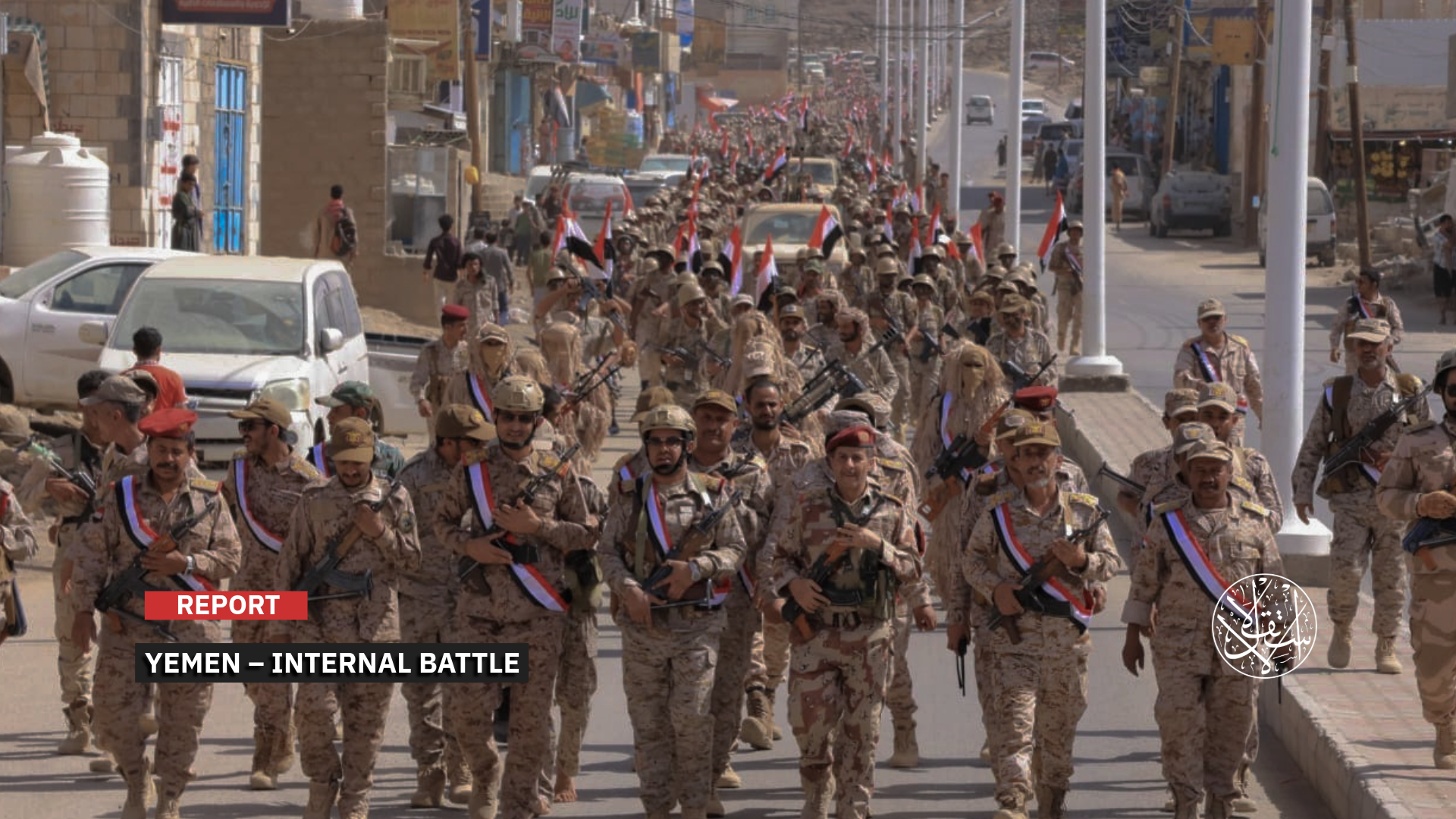
"Adopting a biometric fingerprint system as a key tool to address manipulation of the armed forces' payroll."
The Yemeni Ministry of Defense's project to implement a biometric fingerprint and smart card system for disbursing salaries to members of the armed forces has sparked widespread controversy.
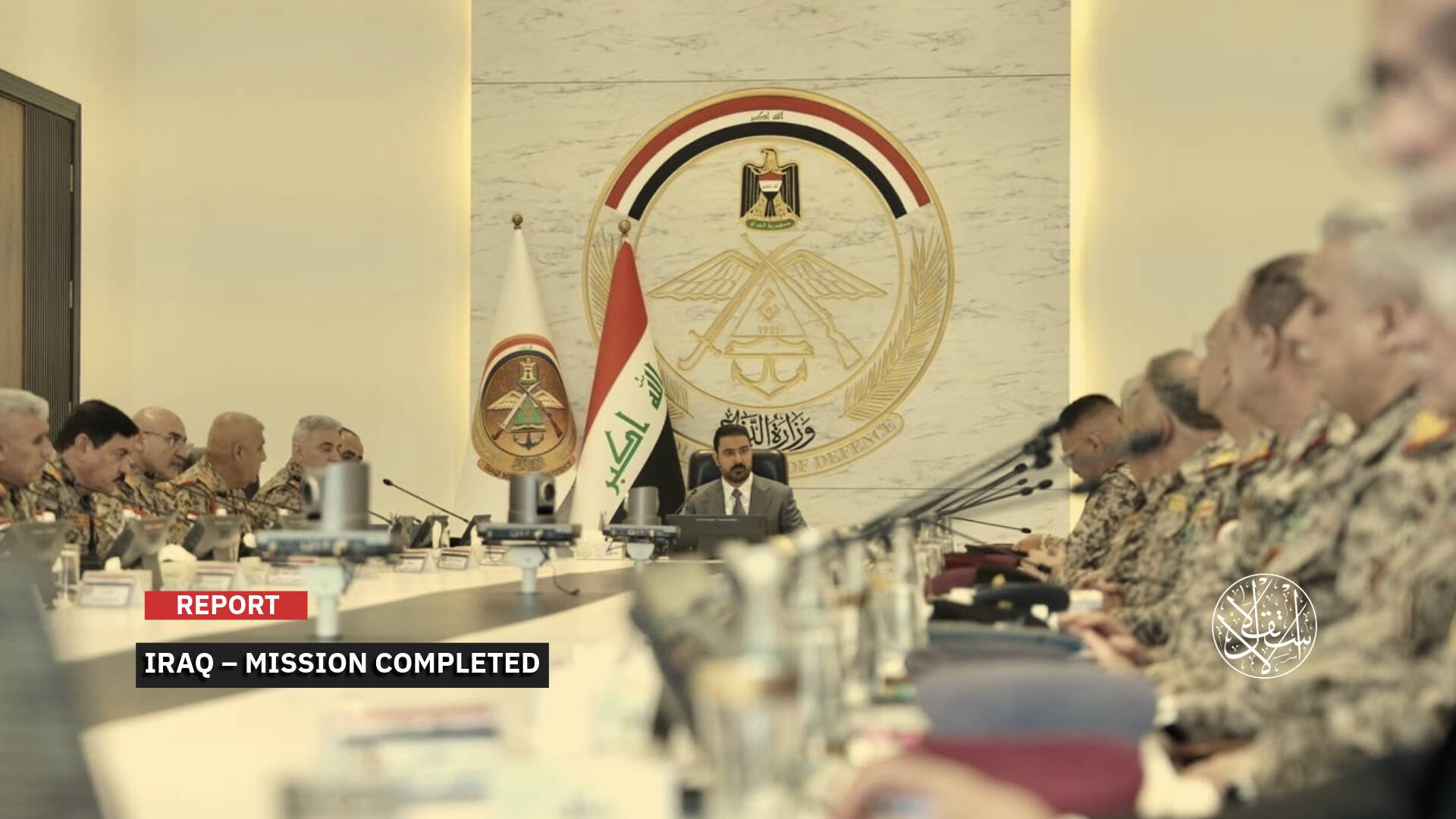
This follows statements by Defense Minister Lieutenant General Taher al-Aqili, who revealed that some military unit commanders refused to comply with the new procedures.
He also accused certain parties of attempting to pressure the ministry's leadership and threatening the situation on the front lines to obstruct its implementation.
These statements have reignited questions about the Ministry of Defense's ability to implement its reform project given the presence of power centers within the military establishment.
This raises concerns that the resistance could escalate into challenges affecting military discipline or hindering efforts to restructure the army.
The Ministry of Defense presents the new system as one of its most prominent administrative and financial reform projects within the military establishment.
It aims to create an accurate and up-to-date database of armed forces personnel and link it to electronic verification systems, allowing for the accurate counting of the army's actual manpower and the control of personnel data.
The system also aims to eliminate the mechanism of disbursing salaries through intermediaries by transferring them directly to the personal accounts of military personnel.
This will help reduce manipulation of payrolls and the use of fictitious names, prevent double employment, and enhance transparency and oversight of financial resource management within the military establishment.
Military Organization
Through the implementation of a biometric fingerprint and smart card system, the Yemeni Ministry of Defense seeks to bring about structural reforms in the human resources and payroll management system within the armed forces.
This will be achieved by establishing an accurate central database for army personnel, ensuring that each individual receives a single salary and eliminating cases of double employment and fictitious names that emerged during the years of war.
The system links salary eligibility to the actual attendance of military personnel via fingerprinting. The salary amount is determined according to the number of days worked, thus enhancing discipline and increasing commitment within military units.
The project also includes updating the armed forces' databases and implementing iris scanning, as part of broader efforts to promote integrity and reduce manipulation of payrolls.
This comes as part of a reform process aimed at reorganizing the military establishment and unifying its various formations under a single command and a unified database, thereby strengthening administrative governance and safeguarding the rights of armed forces personnel.
The Yemeni government affirms that the biometric fingerprint and smart card project represents one of the most important paths of institutional reform within the armed forces. It aims to address the imbalances that have plagued the payroll system during the years of war.
According to the Ministry of Defense, the project aims to eliminate the phenomenon of ghost names, regulate payrolls, and prevent double employment.
It also aims to update the army personnel database, thereby facilitating the implementation of military restructuring programs, enhancing oversight of military spending, and raising levels of transparency and efficiency in managing financial resources.
The Arab Coalition, represented by the Saudi committee overseeing the military file, played a pivotal role in implementing the biometric fingerprint project and disbursing government forces' salaries.
This was achieved through direct supervision of registration and disbursement procedures in several liberated governorates, most notably Marib and Taiz, with the goal of strengthening oversight of funds, ensuring that salaries reach their rightful recipients, and reducing corruption.
The committee also linked the disbursement of salaries in Saudi Riyals to the completion of fingerprinting procedures and adherence to actual working hours.
Salaries have already been disbursed to a number of brigades that have met the requirements of the new system.

Objections and Discussions
The implementation of the fingerprinting system faced opposition from some military leaders, due to differing opinions regarding its implementation mechanisms and its impact on the payroll management system.
According to media sources and reports, the delays in salary payments at certain times were linked to the refusal of some leaders to implement the new system, believing it would limit opportunities for manipulating payrolls and uncover cases of double employment and fictitious names.
Reports also indicated that some leaders objected to the Saudi committees' oversight of the fingerprinting procedures, fearing the exposure of discrepancies in the military payrolls.
In response, the Taiz Axis Command denied these accusations, asserting that it was among the first military formations to comply with the Ministry of Defense's directives and that it continues to coordinate with the Ministry to fully implement the new mechanism and provide its financial and operational requirements.
Some camps witnessed protests by soldiers and officers who refused to undergo iris scanning procedures and demanded that salaries continue to be disbursed according to the traditional system. This demand was rejected by the relevant committees as being in violation of the new regulations.
Observers and military leaders believe that implementing the iris scan system represents a practical test of the actual strength of the armed forces and reveals the accuracy of the military rosters used in recent years.
Reactions among activists to the Minister of Defense's statements were divided. Some supporters considered the iris scan system a necessary step to combat corruption and called for holding accountable any party obstructing its implementation.
Others criticized the system, arguing that the problem lies in exposing internal disputes to the public, which they believe could damage the prestige of the military institution and provide propaganda material for its adversaries.
If the reports circulating about the refusal of some military leaders to implement fingerprinting procedures are true, then the issue goes beyond being an administrative dispute over the mechanism for disbursing salaries, and turns into a real test of the ability of the political and military leadership to impose its decisions within the military institution.
Any refusal to implement the Ministry of Defense's directives would raise questions about the unity of military decision-making and the continued influence of certain power centers within the army, contradicting efforts to build a unified military institution under central command.
This refusal might also reflect vested interests tied to previous disbursement mechanisms, should the new system lead to a review of payrolls, the removal of inactive names, and a reorganization of financial resources.
If the refusal to implement administrative decisions becomes a recurring pattern, it could negatively impact the prestige of the military leadership and weaken the principle of institutional discipline within the armed forces.
However, available data indicates that the objections voiced so far have focused primarily on implementation problems, delayed salary payments, and the omission of some names from payrolls, rather than constituting a formal and comprehensive rejection of the new system itself.

Payroll Database
The biometric fingerprinting project was initiated as part of a government program to reform the military and financial systems.
According to local media, the Yemeni government approved biometric fingerprinting as a mandatory requirement for disbursing salaries to military and security personnel, starting with the February 2026 payroll.
The project's implementation went through several phases. It was officially announced in January 2026, and at the end of the same month, the Ministry of Defense's Finance Department issued a circular requiring all military personnel to complete their data and submit their smart electronic cards to establish a unified payroll database.
In May 2026, the Ministry moved to the next phase by approving the exclusive disbursement of salaries via the smart card and linking it to the electronic system.
This was considered a continuation of the biometric fingerprinting and documentation procedures within the institutional reform project for the armed forces.
Before the adoption of the biometric fingerprint system, military salaries were disbursed based on paper payrolls and administrative records prepared by military units and reviewed by financial departments.
With the continuation of the war and the accompanying weakening of oversight and institutional fragmentation, widespread flaws emerged in this mechanism.
These included the difficulty of verifying the actual presence of military personnel in their units, the continued inclusion of names of inactive individuals on payrolls, and instances of dual employment and duplicate military records. This limited the Ministry of Defense's ability to determine the true size of the armed forces and manage its resources efficiently.
In this context, the Ministry of Defense affirms that the fingerprint system aims to address these flaws by building an accurate database of armed forces personnel and eliminating the phenomenon of fictitious and duplicate names, which, according to the Minister of Defense, is one of the most significant obstacles to reforming the payroll system.
The repercussions of this phenomenon are not limited to draining state financial resources; they also extend to impacting the efficiency of the military institution itself. This leads to distorted data regarding manpower, negatively impacting military planning, resource allocation, armament and training levels, and operational readiness.
Internal Disputes
Any instability or division within the legitimate government's military establishment presents a political and media opportunity that the Houthi group could exploit, even if it is not a direct party to the conflict.
On the political level, the group might exploit any setbacks in implementing the biometric identification system or any disagreements between the Ministry of Defense and some military leaders to bolster its narrative of the government's inability to manage its institutions and exert its authority over its forces.
On the media level, the group is likely to capitalize on these developments to portray the government army as an institution plagued by divisions and multiple centers of power, thus serving its campaign to undermine public trust in the military.
Furthermore, any disruptions in the system's implementation, such as delays in salary payments or the exclusion of some military personnel from payrolls, could provide the Houthis with an opportunity to target affected groups through media campaigns that blame the government for infringing on the rights of its members.
At the same time, the military leadership's preoccupation with addressing internal disputes and completing administrative reforms might, at least temporarily, reduce its focus on the requirements of field readiness.
This could grant the group greater room for military or political maneuvering, and any internal crisis within the military establishment could indirectly benefit them.
Reform Project
Overcoming the crisis of implementing the biometric system in the Yemeni Armed Forces requires adopting a balanced approach that combines technical and administrative solutions on the one hand, and political and institutional solutions on the other.
The success of the project depends not so much on possessing a sophisticated electronic system, but rather on the state's ability to manage the reform process without harming the cohesion of the military institution or creating pockets of tension within it.
On the technical level, it is necessary to complete the construction of an accurate and unified database of Armed Forces personnel before fully linking the system to salary disbursement.
This should be accompanied by a review of current payroll records to verify data accuracy, the establishment of a rapid mechanism to address grievances of military personnel who may be affected by technical or administrative errors, and the adoption of a transitional period that allows for the gradual implementation of the new system until all units are fully registered.
It also requires unifying the databases between the Ministry of Defense, the financial departments and the military regions, and establishing special mechanisms to address the situations of the wounded, the sick and the military personnel assigned to field missions, in addition to ensuring the protection of military data and limiting its use to organizational and financial purposes.
On the political and military level, the project's success remains contingent upon the existence of a political will capable of enforcing it as a binding institutional decision applicable to all military formations without exception.
This must be coupled with the establishment of communication channels to address legitimate objections related to implementation mechanisms and to prevent the exploitation of the salary issue in power struggles within the military establishment.
Furthermore, the biometric identification project should be linked to a broader plan for restructuring the armed forces based on unified command and decision-making. This will strengthen institutional discipline and reduce the proliferation of power centers.
Conversely, continued refusal to implement official decisions after exhausting all avenues of dialogue necessitates taking the necessary legal and military measures to preserve the prestige of the military institution and ensure the effectiveness of any future reform project.
Ultimately, the biometric system is not an end in itself, but rather a gateway to broader reform aimed at building a more efficient, disciplined, and transparent military institution.
This objective will only be achieved if technological development is accompanied by institutional reform that addresses the structural imbalances that have accumulated within the armed forces during the years of war.

Central Oversight
The crisis surrounding the implementation of the biometric system reveals that the challenge facing the Yemeni military institution extends beyond developing a mechanism for disbursing salaries.
It encompasses the very structure of the army and the dysfunctions that have accumulated over the years of war, most notably the multiplicity of centers of influence and decision-making, weak institutional oversight, and the overlapping of financial and administrative interests.
The resistance encountered with this limited administrative measure raises questions about the Ministry of Defense's ability to proceed with more complex reforms, particularly the completion of the unification of military formations and the establishment of a national army under a unified central command.
These developments indicate that the national army, throughout the years of war, remained subject to varying degrees to the influence of power centers and networks of financial and administrative corruption.
These networks exploited the conditions of conflict and the absence of oversight and accountability to consolidate their interests within the military establishment.
This was reflected in the priorities of several commanders, with the goal of building a professional national army being sidelined in favor of managing a system that served narrow interests.
This weakened the efficiency of the military institution and its ability to fulfill its mission of restoring the state, while the Houthi group succeeded in maintaining a higher degree of discipline and unified command and control.
The statements of the Minister of Defense suggest that the military institution still suffers from structural imbalances, including multiple centers of decision-making and conflicting loyalties within some of its formations.
This reality limits its operational efficiency and affects its ability to wage a cohesive confrontation with the Houthis, who, in contrast, enjoy a more centralized and unified command structure, giving them a relative advantage in managing military operations.
These administrative and organizational deficiencies directly impact the combat readiness of the national army and explain, in part, its hesitation and lack of initiative in dealing with Houthi threats.
This was clearly demonstrated in the missile attack launched by the group on August 6th and 7th, targeting army positions in the governorates of Ma'rib, Al-Jawf, and Hadramawt, resulting in dozens of martyrs and wounded.
This operation reflects the Houthis' ability to maintain the initiative and the element of surprise, in contrast to the ongoing challenges facing government forces in raising their readiness levels and responding quickly to threats.
The fundamental problem does not lie in the biometric technology itself, but rather in the environment in which it is being implemented. The new system aims to address deficiencies that have accumulated over the years of war, but it clashes with vested interests and administrative structures that have developed in the absence of central oversight.
Therefore, the success of the project requires a delicate balance: firmness in enforcing military decisions and flexibility in addressing human and technical errors.
Tolerance towards the refusal to implement the system may weaken the authority of the military establishment, while strict implementation without addressing the imbalances may create a crisis of confidence that the state’s adversaries will benefit from, foremost among them the Houthi group, which can exploit any division within the national army in its media and political war.
Sources
- The Ministry of Defense mandates that military units adopt smart cards for salary disbursement [Arabic]
- A major scandal in Aden: Soldiers insult Saudi Arabia because "eye scans" reveal their fake ranks [Arabic]
- Salaries, personnel, formations, and discipline: 5 questions about the Yemeni forces [Arabic]
- Defense Minister: Comprehensive reforms to restructure the military establishment and enhance transparency and efficiency [Arabic]
- The Minister of Defense: Between the correctness of the decision and the error of managing the battle in the media [Arabic]