Female Majority: How the Israeli War Reshaped Palestinian Families
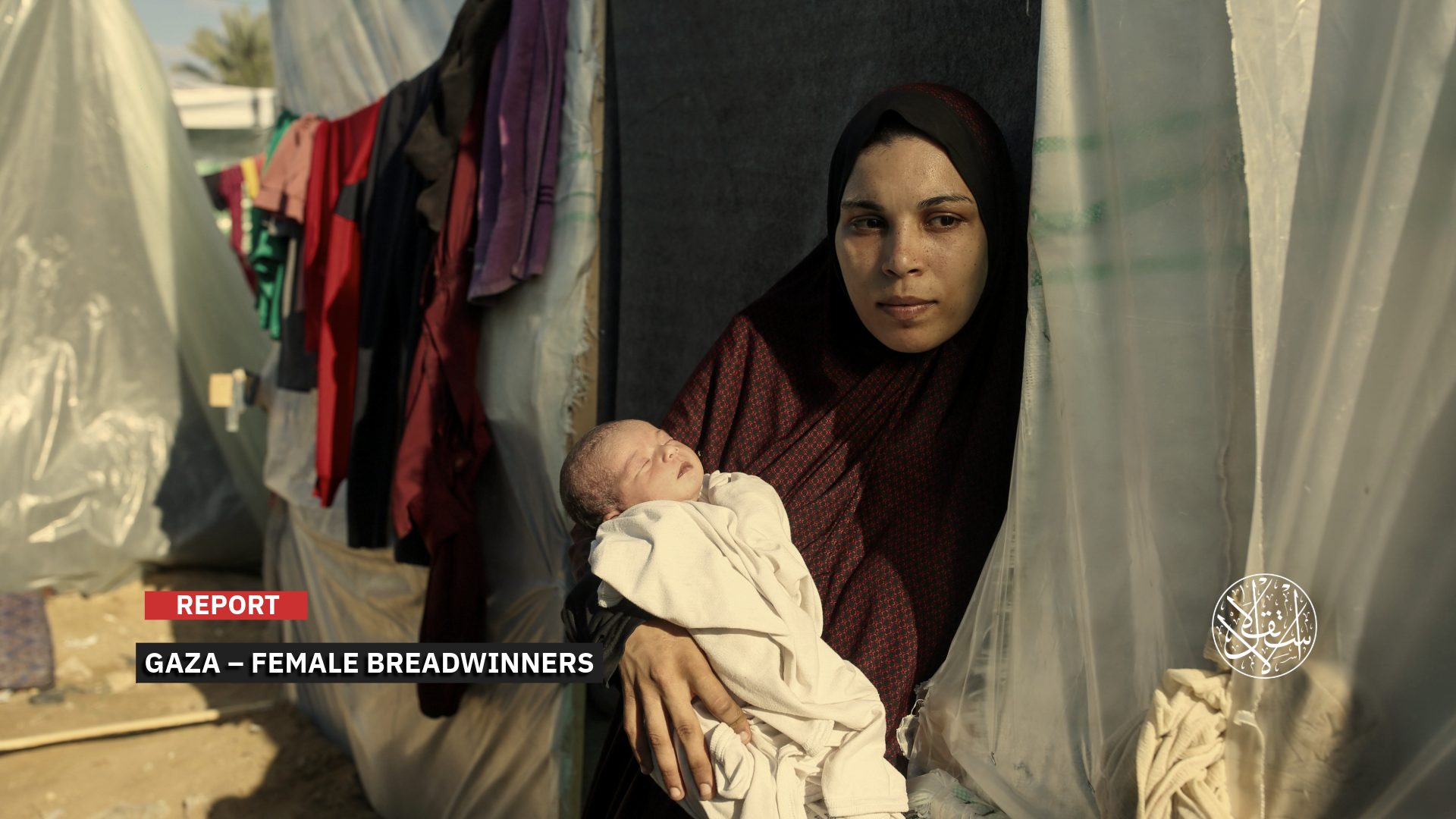
“More than 28,000 women in Gaza have lost their husbands as a result of the latest Israeli offensive.”
Over three years of Israeli attacks on the Gaza Strip, tens of thousands of women have suddenly assumed primary responsibility for their families after their husbands were killed, went missing, were detained, or were injured, amid the collapse of sources of income, repeated displacement, and difficulties accessing food, water, and medical care.
In the latest estimate published by UN Women on September 8, 2026, women were heading approximately 86,290 households, or nearly a quarter of all households in the Gaza Strip.
This represents a significant increase compared with the situation before the Israeli attacks began in October 2023, while the impact of this shift has extended to the distribution of breadwinning, caregiving, and decision-making responsibilities within the family itself.
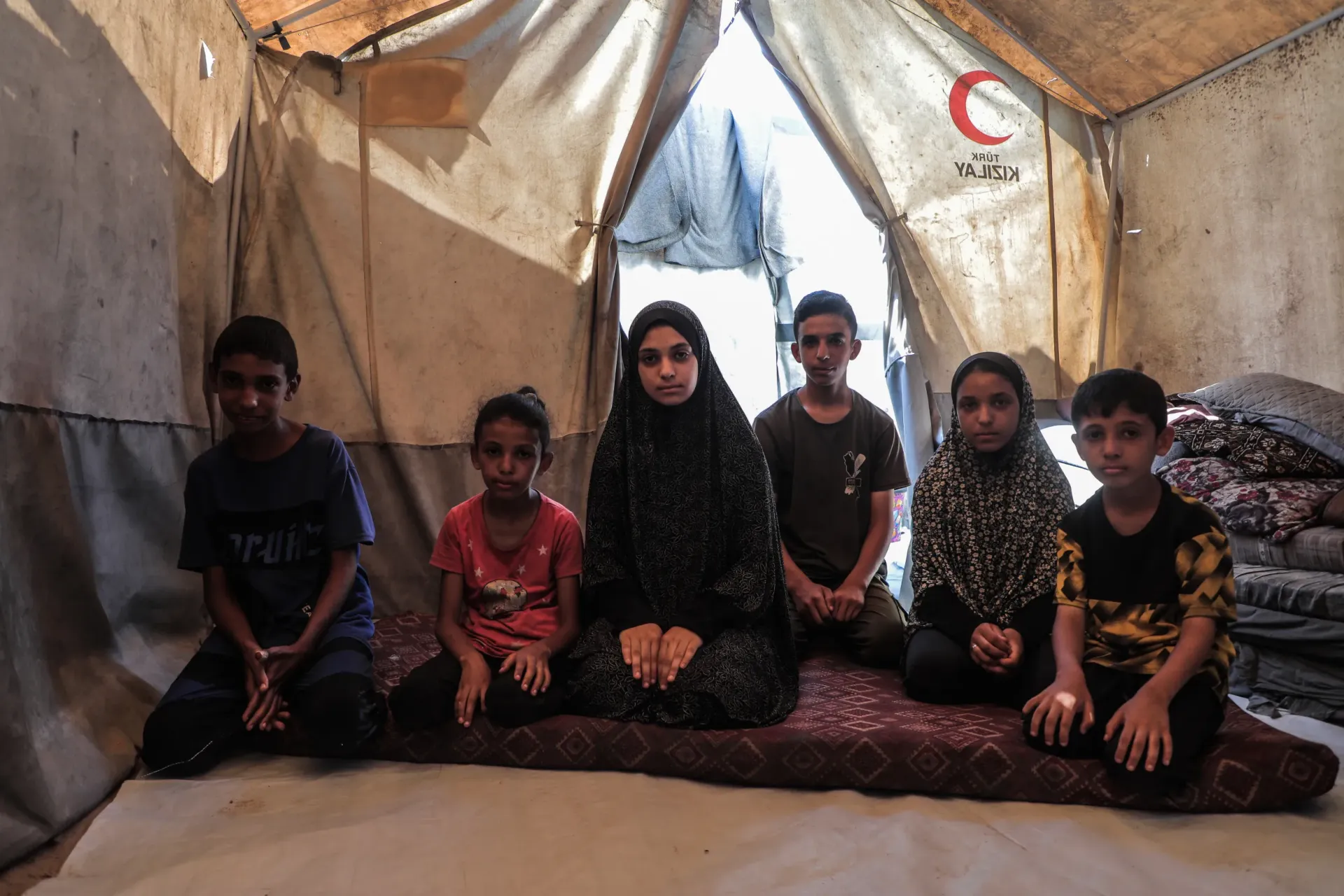
Female Breadwinners
This shift has reshaped life inside thousands of homes, as women have taken on the combined responsibilities of providing for their families, caregiving, managing finances, choosing shelter and accessing aid, while some household and caregiving duties and income-generating responsibilities have shifted to sons, daughters and relatives.
The change began to appear in the figures during the first months of the Israeli offensive and expanded as human losses continued. The Palestinian Central Bureau of Statistics (PCBS), the official statistics agency, recorded that women headed around 12 percent of households in the Gaza Strip during the first nine months of 2023.
The proportion rose to nearly 18 percent in September and October 2025, an increase of 50 percent. In a report published on March 8, 2026, the bureau linked this shift to the loss of large numbers of male breadwinners, noting that 22,057 women had lost their husbands since the beginning of the Israeli aggression.
As the war continued, the human losses driving this shift grew. On August 12, 2026, the Palestinian Ministry of Social Development and the Ministry of State for Relief Affairs said that more than 28,000 women in Gaza had lost their husbands, and that large numbers of them had become fully responsible for their families.
The shift also includes the wives of missing and detained men, those whose husbands sustained serious injuries, and women whose husbands' fate remains unknown. UN Women included these groups in its estimate of households headed by women.
UN Women data show a similar trend in the expansion of the phenomenon. In a brief published on April 17, 2026, it estimated that more than 58,600 households were headed by women, representing around 14 percent of households in Gaza, compared with approximately 9 percent before October 2023.
In its report issued on September 8, the agency raised the estimate to 86,290 households, or around 23 percent. The difference between the percentages reflects differences in the periods covered and the estimation methodologies, while both sources show the same trend: a rise in the number of households headed by women.
The experience of Umm Ahmad al-Ghandour in Deir al-Balah, in central Gaza, illustrates what this shift means. Her husband was killed during the Israeli offensive, leaving her responsible for seven family members.
In a filmed testimony posted on social media at the end of September 2026, she said she had come to perform the roles of both mother and father, taking responsibility for her children's education and securing water, cooking gas, and the household's daily needs. "In everything, big or small, I am responsible for them," she said.
This role has become even more difficult amid the collapse of the labor market, which is supposed to provide female breadwinners with a source of income.
Women's labor-force participation in Gaza stood at around 17 percent in September and October 2025, while unemployment among women in the labor force reached 92 percent, compared with 81 percent among men, according to the Palestinian Central Bureau of Statistics.
Thousands of women have thus found themselves responsible for supporting their families at a time when employment, wages and small businesses have declined. Cash and food assistance, temporary work and limited home-based activities have become some of the few options available for making ends meet.
Ibrahim al-Hawajri, a researcher at the Palestinian Center for Policy Studies in Ramallah, described this reality as a survival economy in an analysis published on May 4, 2026.
He argued that women's expanding economic responsibilities and their greater role in making decisions within the family are taking place amid severe fragility in income and employment opportunities, while the extended family's ability to support them has also declined because displacement and the loss of housing and jobs have affected its members as well.
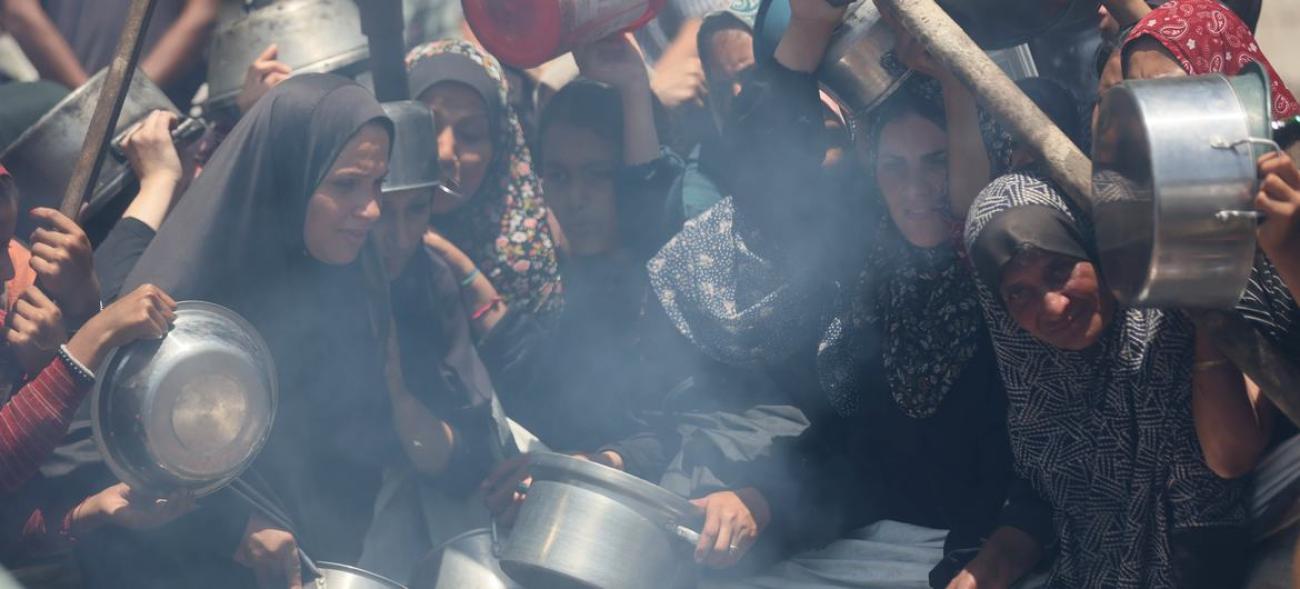
Households Without Stable Income
Housing and displacement data reveal the extent of the pressure these households are under.
UN Women found that 68 percent of women-headed households had unmet shelter needs, compared with 55 percent of male-headed households.
Housing belonging to 74 percent of these households had been damaged or destroyed, compared with 67 percent of other households.
These households had been displaced an average of eight times since October 2023, compared with seven times for male-headed households, while 67 percent said they urgently needed cash assistance to survive.
Displacement adds to the responsibilities of female breadwinners, requiring them to find shelter and secure water, food, medicine and cooking facilities, as well as access to aid distribution centers.
In a report published in March 2025, the UN Independent International Commission of Inquiry said that women already carry the largest share of childcare and care for the sick, people with disabilities and older people, and that the destruction of infrastructure and repeated displacement had increased the time and effort required for these tasks.
This has forced thousands of women to repeatedly rebuild their family lives in new locations during the Israeli aggression on the Gaza Strip.
This is compounded by the loss of official documents during bombardment and displacement, affecting women who lost marriage certificates, identity documents, and other paperwork required to verify family details and access certain services.
The issue becomes even more important in relation to compensation, housing, property and reconstruction, as women who have become heads of households will need to deal directly with government and aid agencies and prove their families' rights and property ownership.
Female breadwinners also face difficulties accessing aid. On June 8, 2026, UN Women said that men who were able to wait in queues received larger shares of some forms of assistance during certain stages of the Israeli offensive.
This prompted UN Women and the World Food Programme to prioritize 14,716 women-headed households under a partnership launched in November 2023.
Some bakeries also designated windows for women to facilitate their access to bread, after the ability to reach a distribution point itself became a factor determining whether a household could obtain its basic needs.
In a safety audit published on September 17, 2026, the United Nations Population Fund found that distance, overcrowding, difficulties transporting supplies, registration requirements and a lack of privacy created additional barriers for women at displacement sites and service centers.
UN Women data also showed that 19 percent of women-headed households reported safety and protection concerns, compared with 8 percent of male-headed households.
The case of Umm Anas al-Saidi in Deir al-Balah illustrates how successive losses can shift responsibility for supporting a family from one member to another.
She lost her husband, followed by her eldest son, who had taken over the family's financial responsibilities after his father, and then her younger son. She was left with a son with a disability who requires ongoing care and treatment.
She told Euronews at the end of September 2026 that she goes out herself to obtain food and buy bread and medicine, and accompanies her son to hospitals and clinics.
With the family lacking a stable source of income, responsibility for supporting the household shifted from the father to the son and then to the mother.
Data from the United Nations Children's Fund (UNICEF) further illustrate the economic hardship facing families in Gaza, according to an assessment conducted between December 21, 2025, and January 15, 2026, covering 2,071 households across Gaza.
The assessment found that around half of households had a monthly income of less than 500 shekels during the preceding month (with the dollar equivalent to 3 shekels), while 43 percent had been forced to sell assets to meet their needs and 23 percent relied on cash assistance as their main source of income.
UNICEF classified women-headed households among those most exposed to livelihood pressures and difficulties accessing services.
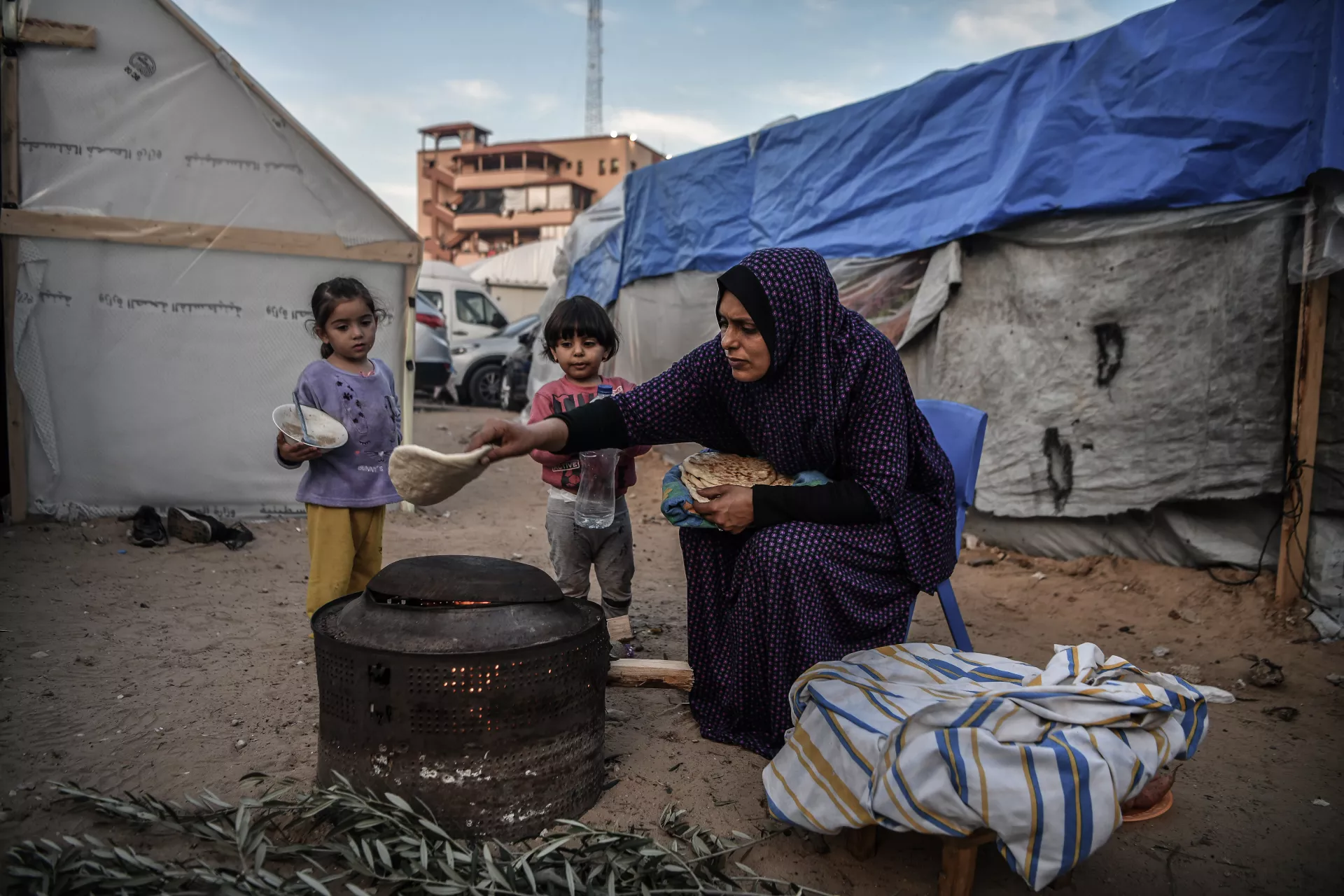
How Roles Have Changed
The absence of fathers from thousands of households has shifted a large share of day-to-day decision-making to women. Female breadwinners have become responsible for choosing where to seek refuge, deciding how to spend the money available, prioritising food and medicine, following up on the family's registration for aid, and overseeing their children's education and medical care.
Sophia Kaltorp, UN Women’s chief of humanitarian action, said during a briefing in Geneva in September 2026 that the women interviewed by the agency were responsible for managing and protecting their families and meeting their needs amid extremely scarce resources, while facing decisions about how to distribute those resources among household members.
However, women's ability to make decisions remained linked to income, property ownership, legal status, and their relationship with the extended family.
The UN Independent International Commission of Inquiry documented cases in which widows faced difficulties related to custody, guardianship and access to their husbands' inheritance.
It also recorded increased restrictions on mobility and privacy among some women who were forced to live with relatives after displacement.
As a result, women's responsibilities within the household expanded to varying degrees depending on income, property ownership, the extended family, and their ability to access institutions and assistance.
The redistribution of responsibilities also extended to children. In an assessment published in May 2026, UNICEF found that 6.5 percent of the children surveyed had lost one parent since October 2023, while 5.3 percent were living without parental care.
Relatives cared for 92 percent of children living without parental care, giving grandmothers, aunts and older siblings broader caregiving roles within families that were themselves experiencing loss, displacement and declining incomes.
Older children, meanwhile, found themselves taking on responsibilities previously carried by adults.
UNICEF said girls were increasingly exposed to household chores and caregiving at the expense of their mobility and education, while boys faced pressure to enter informal work to contribute to household income.
Seventeen percent of households reported that boys were primarily responsible for fetching water, while 8 percent of children had engaged in harmful or hazardous work during the week preceding the survey, including carrying heavy loads, working long hours, and activities that interfered with their education.
In a case documented by UNICEF in October 2025, Samar, from northern Gaza, became responsible for five younger siblings after losing her mother, while her father had died before the Israeli aggression. She said her siblings had started calling her ‘Mom’.
These responsibilities have also taken a psychological toll on those leading households and those dependent on them.
UNICEF's assessment found that 62 percent of caregivers had felt overwhelmed, sad or unable to cope with stress during the two weeks preceding the survey.
Among children, 40 percent experienced sleep disturbances, 32 percent bedwetting, 19 percent aggressive behaviour and 15 percent withdrawal. The vast majority of these symptoms began after October 2023.
The organization linked caregivers' psychological wellbeing to their ability to provide stability and emotional support to children, adding to the burden on women who combine breadwinning and caregiving while experiencing the same loss and trauma themselves.
A report published by the Office of the UN Special Coordinator for the Middle East Peace Process on September 24, 2026, warned that Gaza's recovery would need to address changes in family structures, particularly in relation to income, housing, property, compensation and caregiving.
As the number of women-headed households grows and caregiving and income-generating roles shift to children and relatives, the changing shape of the family in Gaza has become one of the deepest social impacts of the Israeli aggression, with its consequences expected to remain present during recovery and the rebuilding of society.