Saudi Arabia’s Dilemma: Deterring the Houthis Without Reigniting the 2015 War
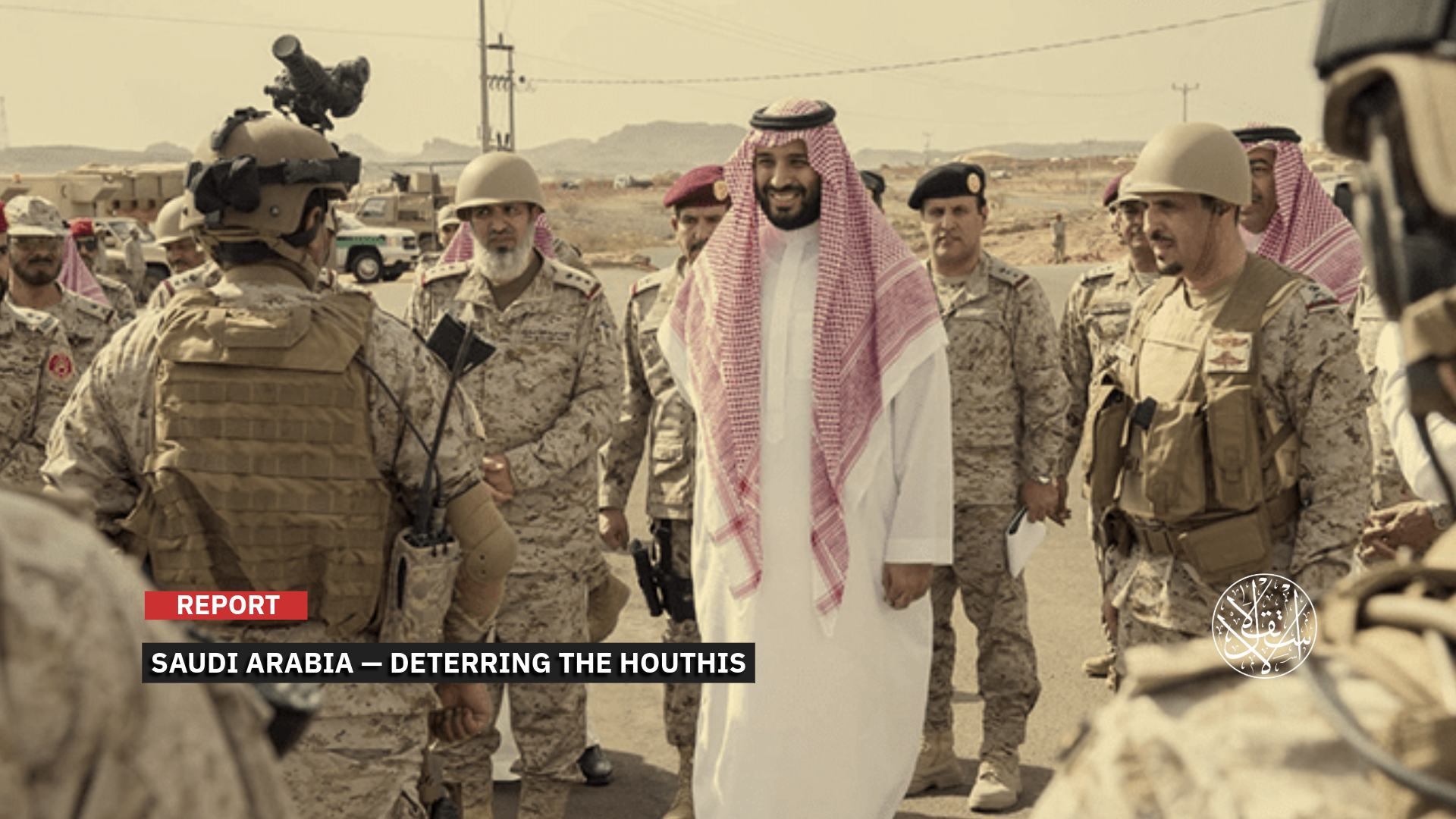
Saudi Arabia has largely held back from striking the Houthis.
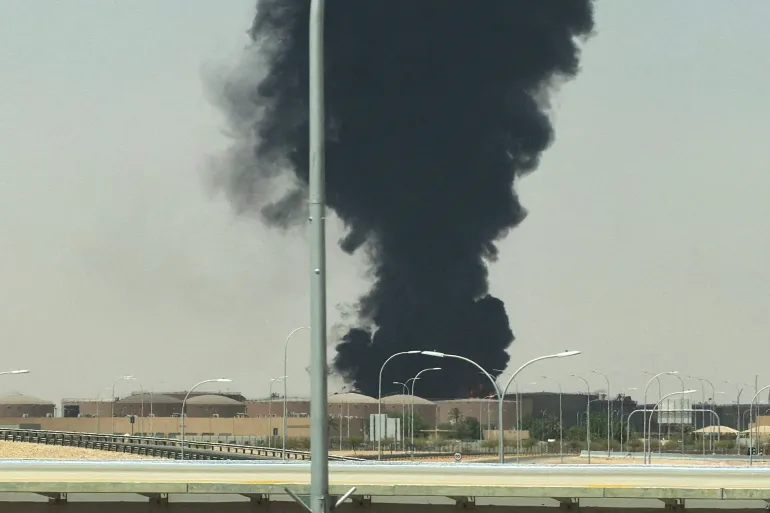
The repeated Houthi attacks on Saudi territory have put Riyadh in a security and political situation very different from the one that led it to intervene militarily in Yemen in 2015. The latest escalation has included missiles and drones targeting Riyadh, other cities, and economic sites, as well as threats to energy infrastructure.
In 2015, Saudi Arabia led a Gulf military coalition into the Yemen war to support the internationally recognized government and halt the Houthis’ advance after they seized Sana’a and other parts of northern Yemen.
But Saudi Arabia’s circumstances are different today, following years of de-escalation and negotiations that led to a truce and a significant reduction in fighting from 2022 onward. With Houthi attacks resuming in July 2026, Riyadh now faces a difficult balance between protecting its territory and avoiding being drawn into a full-scale war that could open multiple fronts.
A Costly Confrontation
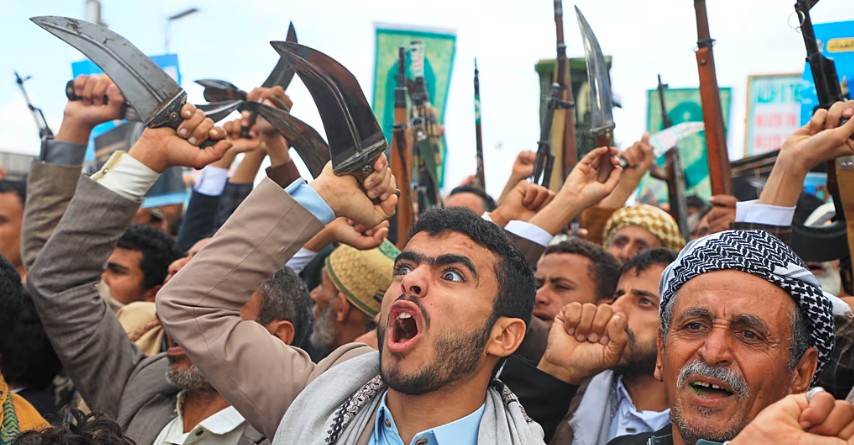
The attacks have resumed at a time when the Houthi threat extends beyond Saudi territory to energy infrastructure and shipping routes in the Red Sea and Bab al-Mandeb. Recent strikes hit Abha, Khamis Mushait, and Taif, causing injuries and damage to homes.
On September 26, 2026, the Arab coalition said Saudi air defenses had intercepted and destroyed two drones launched by the Houthis toward Riyadh. It also said two ballistic missiles launched by the group toward Khamis Mushait in southwestern Saudi Arabia had been intercepted and destroyed.
But the repeated attacks do not mean Riyadh has decided to return to the war model that began in 2015. Saudi Arabia now faces a more complicated regional environment, including disruptions to shipping in the Red Sea and Bab al-Mandeb, threats to its oil facilities, and tensions linked to Iran.
These risks also carry direct economic implications for Saudi Arabia, given the importance of oil exports and the security of its energy infrastructure and international shipping routes. The attack on the East-West Pipeline on September 11 from Iraqi territory showed how a broader regional confrontation could open multiple fronts for Riyadh.
Yet after the pipeline attack, Saudi Arabia avoided retaliatory escalation following a request from Iraqi Prime Minister Ali al-Zaidi, highlighting that there is still room for mediation and political engagement.
The cost of returning to a full-scale war therefore appears to extend far beyond responding to individual attacks. The conflict could spill over into the energy and shipping sectors at a time when Riyadh is seeking to maintain a stable environment for its long-term economic projects.
Supporting the Legitimate Government
Yemeni writer and political analyst Abdulbaqi Shamsan told Al-Estiklal that the nature of the conflict in Yemen is changing and that Saudi Arabia can support the confrontation without being its main party.
“There is a shift in the strategy of the conflict in Yemen. The discussion today is about a legitimate government confronting coup militias that threaten international shipping. Saudi Arabia will therefore be present, but it will not be the main player in the scene,” he said.
According to Shamsan, the legitimate government can take the lead in the confrontation with Saudi support, giving Riyadh a way to pursue its objectives while avoiding international pressure and concessions on other regional issues. He noted that the Yemeni government is internationally recognized and operates in accordance with UN Security Council resolutions, while the United States classifies the Houthis as a terrorist group.
The analyst said this approach could allow the confrontation to remain between the legitimate government and the Houthis, alongside international support to protect waterways and Saudi political and military support when necessary. He said this is particularly important because of the risks surrounding the Bab al-Mandeb Strait, a key route for Saudi energy exports.
Shamsan noted that Riyadh had previously proposed a project to transport oil to the Arabian Sea through Yemen, but it was never implemented for several reasons. In his view, supporting the legitimate government and shifting the balance in its favor serves Saudi Arabia’s strategic and security interests, whether by ending the coup or weakening the Houthis.
The Yemeni analyst also argued that Saudi Arabia’s previous experience with the Houthis does not indicate that the group has a clear peace project. He said its statements that it would not target Israeli, American, or European ships could be temporary, leaving open the possibility of renewed escalation once it consolidates its positions.
Shamsan therefore sees support for the legitimate government as a way to reduce pressure on Saudi Arabia. Direct Saudi involvement, he argued, could give the Houthis an opportunity to portray the war as a Saudi-Houthi confrontation and consequently intensify attacks on the kingdom.
Outlining Riyadh’s position, Saudi political analyst and researcher Hassan al-Mustafa said in a televised interview on September 12 that the kingdom’s decision not to adopt an offensive policy so far is based on three main considerations.
The first, according to al-Mustafa, is avoiding being drawn into a “Saudi-Yemeni” war that the Houthis seek to use to widen the conflict. He stressed that what is actually taking place on the ground is a rebellion against the legitimate government and a “Yemeni-Yemeni” conflict.
The second is Riyadh’s determination, through the coalition supporting the legitimate government, to provide political, security, and military backing to government forces and strengthen their position on the ground. The third is the Saudi leadership’s decision to retain full freedom of initiative and manage the risks of escalation, according to the Saudi researcher.
Calculated Deterrence
According to Yemeni writer and political analyst Shamsan, avoiding a full scale war does not mean Riyadh will limit itself to passive defense against repeated attacks. Escalation targeting Saudi territory, energy infrastructure, and shipping could push the kingdom to seek deterrence measures, but within limits that prevent the confrontation from turning into an open war.
Shamsan argued that targeting Saudi Arabia and threatening its oil exports could serve an Iranian objective by driving up prices and increasing the cost of the war, prompting the international community to seek a new negotiating track. He said Iran could use such a process to preserve what remains of its infrastructure and gains while bringing the Houthis into negotiations.
For this reason, Shamsan said Saudi Arabia will seek to keep the confrontation within the framework of supporting the legitimate government while preparing the international community and its regional allies, particularly the Gulf states, for this approach.
At the same time, the door to negotiations would remain open, but through the legitimate government, which has declared its intention to end the coup and retake Sana’a, rather than through direct negotiations with the Houthis, according to the writer.
Meanwhile, an expansion of the fighting toward the Bab al-Mandeb could lead to attacks on ships and disrupt international shipping, which Shamsan believes could serve Iran’s interests. He therefore expects Saudi Arabia and the Gulf states to avoid entering a direct and full-scale confrontation unless the kingdom comes under sustained attacks.
If the level of attacks rises, however, the analyst suggested another possibility: targeted operations against missile launch sites or command centers, either through the legitimate government or the Mecca Joint Defence Agreement, and possibly through undisclosed operations. This would allow Riyadh to respond to the threats without turning the conflict into a direct Saudi-Houthi confrontation.
A-Mustafa, for his part, said Saudi Arabia has adopted an independent defensive strategy toward Houthi attacks. Riyadh, he said, rejects a “reaction” based approach and instead acts according to its own strategic vision, without allowing the rebel group to determine the timing, form, or location of military action.
Al-Mustafa linked the continuation of this defensive policy to the avoidance of certain “red lines.” He said that new attacks on the capital or vital facilities, greater civilian casualties among citizens and residents, or attacks on energy supply routes such as the East-West Pipeline and fuel storage facilities would inevitably prompt the kingdom to respond, but at a time and in a manner determined by Riyadh itself.
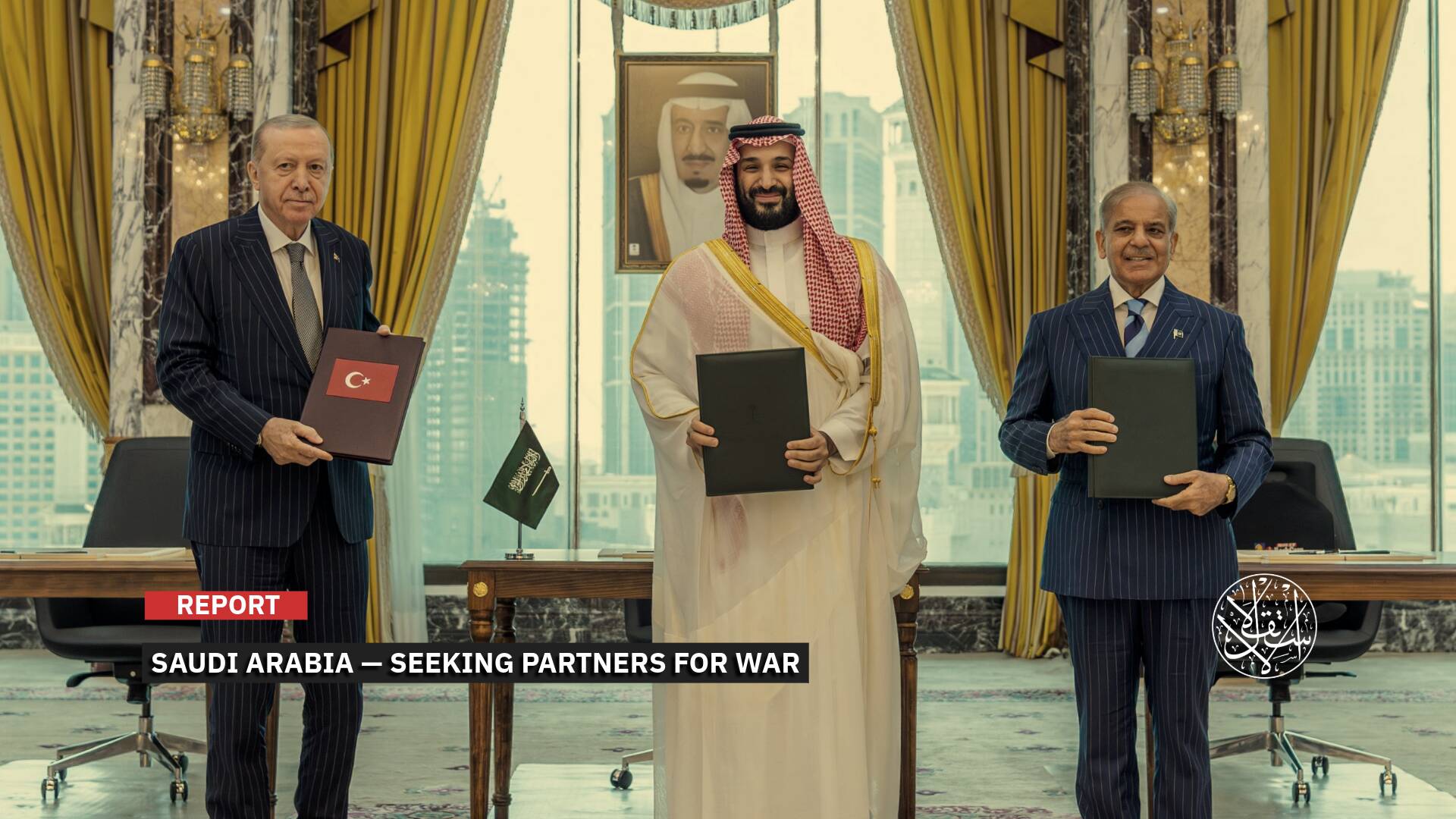
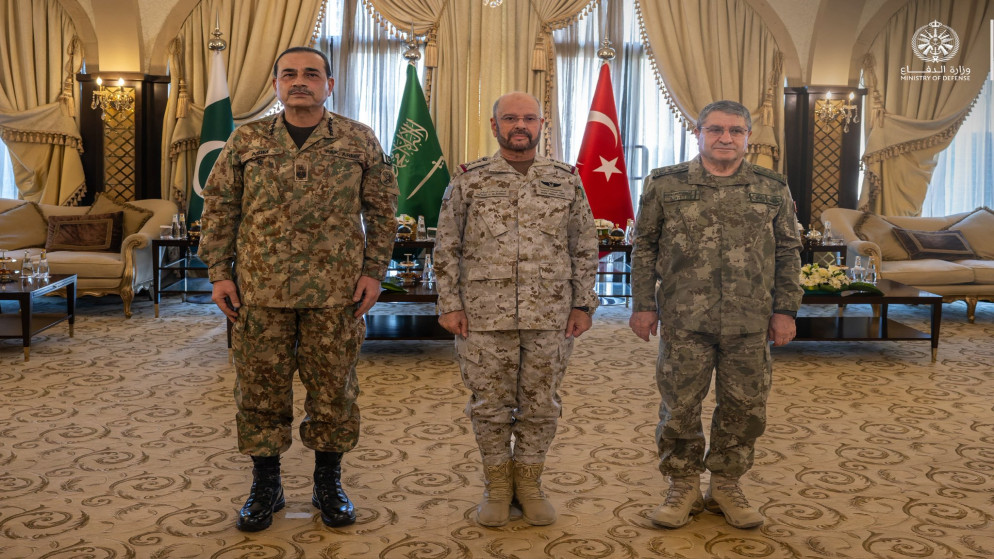
As an indication that Saudi Arabia is strengthening its deterrence capabilities, the Saudi Defense Ministry announced on September 26 that the commander of the Saudi defense forces and the chiefs of staff of the countries party to the Mecca Joint Defense Agreement, Saudi Arabia, Turkiye, and Pakistan, held a meeting in Riyadh to discuss “ways to advance intelligence cooperation and military coordination in a manner that contributes to strengthening deterrence and collective defense.”
However, the participants’ statement was limited to praising Saudi defenses against Houthi attacks and reaffirming their commitment to collective defense. The agreement, signed on August 7, 2026, stipulates that an armed attack against any of the three countries is considered an attack against all of them.
Sources
- Saudi Arabia Intercepts Two Houthi Drones and Two Ballistic Missiles [Arabic]
- UN Security Council Condemns Houthi Attacks on Saudi Arabia as “Undermining Peace” [Arabic]
- Saudi Arabia Announces Outcomes of Mecca Agreement Military Chiefs’ Riyadh Meeting [Arabic]
- Airstrikes Target Houthi Positions, Weapons Depots, and Reinforcements East and South of Taiz [Arabic]
- Political Researcher Hassan al-Mustafa Explains Saudi Arabia’s Strategy for Responding to Houthi Attacks [Arabic]